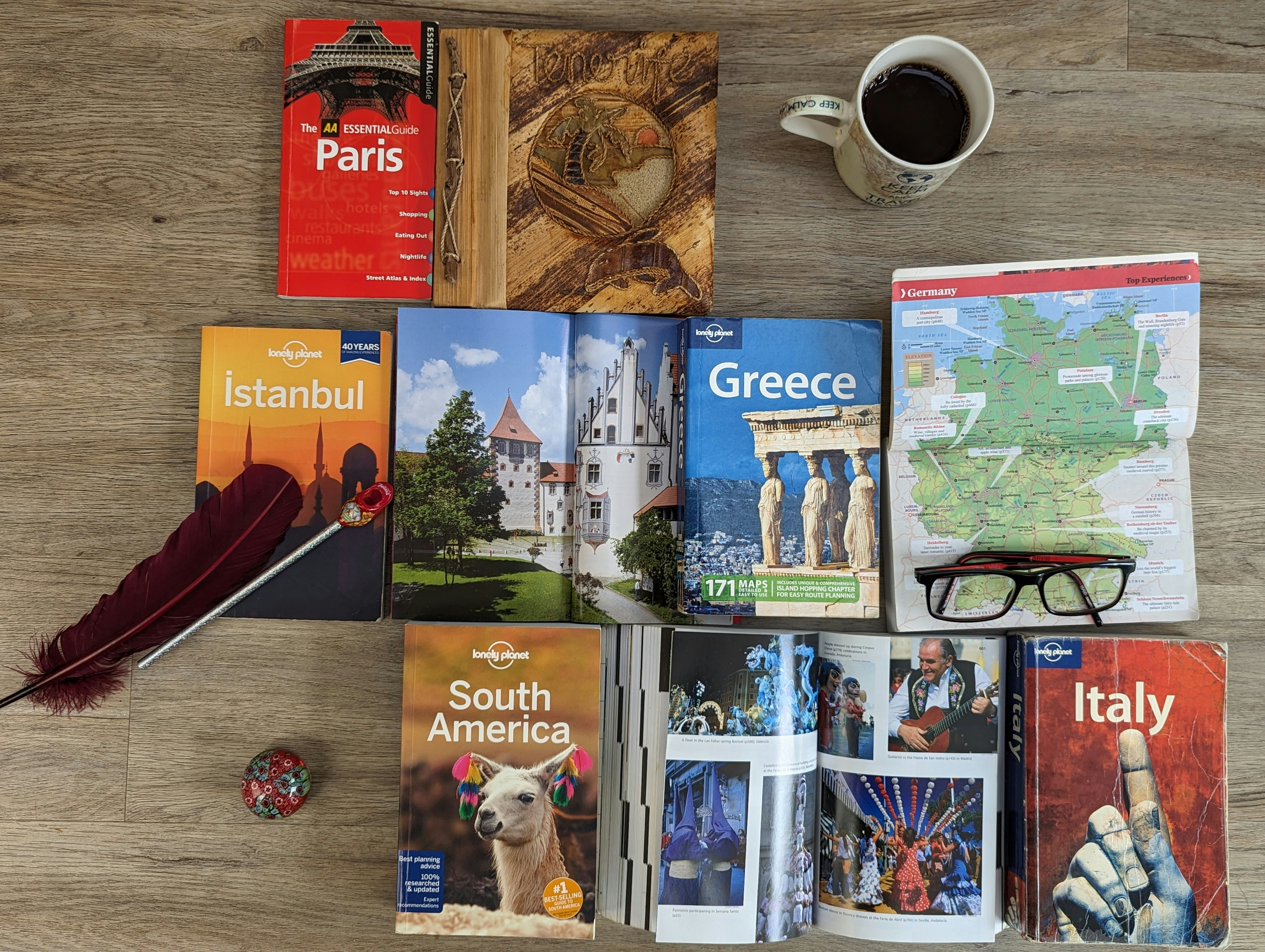
Understanding the Importance of Travel Guides
Traveling to a new destination can be exhilarating; however, the transition from an arriving traveler to acclimate to the new environment often involves complex logistics and navigating unfamiliar facets. This is where the role of travel guides becomes crucial. A comprehensive travel guide can significantly enhance the travel experience, offering insights that can smooth out potential bumps along the way.
One of the primary functions of travel guides is to provide valuable information about local culture. Understanding local customs, traditions, and etiquette can enrich the travel experience, allowing visitors to engage with their surroundings more meaningfully. For instance, awareness of cultural practices can influence how travelers interact with locals, enhancing their immersion in the regional lifestyle.
Logistical support is another vital aspect of travel guides. They typically include details about transportation options, accommodation suggestions, and recommendations for dining, ensuring travelers are well-informed about their environment. When visitors are equipped with knowledge about the best ways to navigate their new destination, including available public transport and safety tips, they can avoid unnecessary stress and enjoy their trip more fully.
Moreover, travel guides often feature essential tips for travelers, such as packing necessities specific to the region’s climate, health and safety precautions, and local regulations. Such information can be invaluable, particularly for first-time visitors who might feel overwhelmed by the challenges of a new place. By anticipating potential hurdles and providing practical advice, travel guides empower travelers to explore with confidence.
In conclusion, investing time in understanding the significance of travel guides can greatly enhance the overall travel experience. These resources serve as a bridge for travelers, helping them transition smoothly from the moments of landing to fully enjoying their destination.
Key Features of AfterYouLand.com
AfterYouLand.com stands out as a comprehensive resource designed for travelers seeking reliable information immediately after landing. One of its primary attributes is the up-to-date travel guides it offers for a variety of major cities and countries worldwide. These guides encompass crucial aspects such as transportation options, local customs, and essential services, ensuring that both international and domestic travelers can navigate their new surroundings with ease.
The user-friendly interface of AfterYouLand.com further enhances its effectiveness. The straightforward navigation allows users to quickly find specific information tailored to their immediate travel needs. Whether a traveler is looking for directions to the nearest hotel, restaurant recommendations, or public transportation tips, the organized layout ensures that critical information can be accessed without frustration or confusion.
Furthermore, AfterYouLand.com is meticulously designed to cater to a diverse audience, addressing the needs of both international travelers and those catching domestic flights within the USA. For those from abroad, the site provides insights into cultural norms and essential local amenities, while domestic travelers can benefit from streamlined guides that focus on intercity travel and logistics. This dual focus is crucial in an increasingly interconnected world where travel experiences often straddle international borders.
In terms of accessibility, AfterYouLand.com emphasizes the importance of inclusive information dissemination. It adheres to web accessibility standards, making sure that travelers with disabilities can easily navigate the resources available on the site. This commitment to accessibility ensures that valuable travel information is open to everyone, regardless of their physical capabilities.
Top Destinations: A Global Overview
Travel serves as a gateway to various cultures, landscapes, and experiences, enabling travelers to immerse themselves in the richness that different destinations offer. Among the most sought-after locations featured on AfterYouLand.com, several stand out due to their unique appeal and the diverse range of attractions they provide. These destinations are renowned not only for their iconic sights but also for the opportunities they present for cultural excursions, culinary adventures, and natural explorations.
Paris, often dubbed the “City of Light,” attracts millions of visitors each year. Its world-renowned landmarks such as the Eiffel Tower and the Louvre Museum frame a vibrant ambiance where historic architecture meets contemporary flair. Moreover, Paris offers an array of experiences, from leisurely strolls along the Seine to indulging in artisanal patisseries, marking it as a perennial favorite in global travel.
On the other side of the globe, Tokyo, Japan, presents a compelling fusion of ultra-modernity and deep-rooted traditions. This bustling metropolis captivates travelers with its striking skyline, historical temples, and exceptional dining options. Visitors can experience traditional tea ceremonies or marvel at cutting-edge technology, underscoring the dynamic interplay between the past and the future.
Another notable destination is Sydney, Australia, recognized for its stunning harbor and vibrant cultural scene. The iconic Sydney Opera House and the picturesque Bondi Beach exemplify the city’s blend of natural beauty and architectural innovation, creating a magnet for ocean lovers and culture enthusiasts alike. Each of these destinations provides unique experiences, ensuring that travelers have memorable journeys filled with exploration and discovery.
The overview of these top global destinations highlights the variety of travel experiences available to enthusiasts, setting the stage for more detailed examinations of each location in the following sections.
Domestic Travel in the USA: Tips and Tricks
Traveling within the United States can be a rewarding experience, marked by a diverse range of landscapes, cultures, and culinary delights. Efficient planning and awareness of different transportation options can significantly enhance your journey. First and foremost, familiarize yourself with your arrival airport. Major airports often provide a variety of transportation methods, including public transit, ride-sharing services, shuttles, and car rentals. It’s advisable to check the airport’s official website for the most updated information on services and local guidelines.
When it comes to transportation, each metropolitan area has its own unique system. Cities like New York, San Francisco, and Chicago boast well-developed public transit networks, making it easy to explore local points of interest without the hassle of driving. In contrast, places like Los Angeles may require a vehicle for convenient access to attractions, as public transport is less extensive. Therefore, evaluating your destination’s transit system ahead of time can guide your choices.
It’s also crucial to remain informed about local guidelines and safety protocols, which can change due to public health mandates or natural events. Websites such as the Centers for Disease Control and Prevention (CDC) provide the latest recommendations and insights. Furthermore, utilizing travel apps can optimize your experience, offering real-time updates on traffic, transit delays, and popular restaurants or attractions.
Finally, while certain cities may be popular among tourists, consider exploring less-frequented locations for a more serene experience. National parks, smaller towns, and regional attractions offer unique experiences often overlooked. In summary, with careful planning and awareness of transportation options, your domestic travel within the USA can be both enjoyable and hassle-free.
Cultural Insights: Do’s and Don’ts for Travelers
When traveling to a new country, understanding and respecting local customs is paramount to ensure a smooth experience. Each destination holds unique traditions, and being mindful of these nuances can significantly enrich your travel experience. Here are some key cultural do’s and don’ts that every traveler should keep in mind.
First and foremost, it is crucial to do your research prior to arrival. Knowing basic phrases in the local language can go a long way in establishing goodwill and respect. A simple “hello” or “thank you” can be incredibly appreciated. Moreover, understanding cultural norms, such as greetings, gift-giving practices, and dining etiquette, can prevent unintended offenses. For example, in some cultures, it is customary to remove your shoes before entering a home, while in others, a firm handshake is expected.
Another important consideration is dress codes. In many cultures, attire reflects respect and decency. It is advisable to dress modestly, particularly when visiting religious sites. Observing local dress codes demonstrates awareness and appreciation for the local culture, which is generally well-received.
Conversely, there are certain behaviors to avoid as a traveler. Public displays of affection may be frowned upon in conservative societies. Additionally, it is essential to be cautious with photography; always ask for permission before photographing individuals or sacred sites. Furthermore, discussions around politics or religion can be sensitive topics, so it is advisable to tread carefully and approach such discussions with respect and caution.
In conclusion, being informed of local customs is vital for travelers looking to engage positively with their surroundings. By adhering to these cultural do’s and don’ts, you not only show respect to the locals but also enhance your own travel experience, fostering meaningful interactions and enriching your understanding of different cultures.
Transportation After You Land: A Guide to Getting Around
When traveling to a new destination, understanding your transportation options upon arrival is crucial for a seamless experience. Whether you have just landed in a bustling city or a quiet town, knowing how to navigate your surroundings can enhance your trip significantly. Various methods of transportation are available that cater to diverse needs and budgets.
Public transport, such as buses, trains, and subways, often stands out as a cost-effective way to explore your new surroundings. Many cities offer efficient and comprehensive public transport systems that connect key attractions, making it easy for travelers. However, using public transport can require some familiarity with local routes and schedules, which may be challenging for first-time visitors. A map or a transport app can be invaluable in this regard.
On the other hand, car rentals provide the freedom to explore at your own pace. This option is particularly advantageous in areas where public transportation is sparse or where destinations are widely spread out. However, the hassle of navigating unfamiliar roads, potential fuel costs, and parking challenges should be considered. Additionally, ensure you are aware of local driving regulations to avoid fines.
Another increasingly popular choice is rideshare services such as Uber or Lyft, which offer a convenient solution for travelers who prefer not to navigate public transport or driving. With just a few taps on a smartphone, you can arrange a ride to your destination. This option allows for direct point-to-point travel, typically at reasonable prices. Nonetheless, surge pricing during peak hours or events may lead to unexpectedly high fares.
No matter which transportation method you choose after landing, planning ahead and being informed about local options can greatly enhance your travel experience.
Accommodation Tips: Finding the Best Place to Stay
When embarking on your travel journey, securing the right accommodation can significantly enhance your overall experience. There are various types of lodging available, each catering to different preferences, budgets, and needs. From luxury hotels to budget-friendly hostels and vacation rentals, understanding the options is key to making an informed decision.
One of the first steps in finding the ideal place to stay is to evaluate your budget. Determine how much you are willing to spend on accommodation and factor in other expenses like food, transport, and activities. Accommodation choices range from economical options to more luxurious stays, allowing travelers to find a suitable fit. Furthermore, consider your destination’s average lodging prices, as these can vary widely from city to city.
Another critical aspect to consider is location. Choosing accommodations that are conveniently located can save you time and money during your travels. Look for lodgings situated near major attractions, public transport, and dining options. This not only enhances accessibility but also provides a better insight into the local culture. Many travelers find that staying within walking distance of key sites maximizes their experience.
Utilizing effective booking strategies can lead to valuable deals on accommodations. Websites and travel apps often provide comparative pricing and customer reviews, helping you make an educated choice. Timing your booking can also impact pricing; for example, securing accommodations during off-peak seasons typically results in better rates. Additionally, consider signing up for loyalty programs or utilizing reward points to reduce costs further.
Lastly, assessing the amenities offered is essential. Prioritize features that matter most to you, such as Wi-Fi availability, complimentary breakfast, or fitness facilities. By considering these factors—location, budget, booking strategies, and amenities—you can significantly enhance your chances of finding the best accommodation for your travel needs, ensuring a comfortable and enjoyable stay.
Safety Tips for Travelers After Landing
Traveling can be an exhilarating experience, but once you land at your destination, it’s vital to prioritize your safety. The unfamiliarity of a new place demands extra vigilance to ensure your well-being. Here are critical safety tips that can be beneficial for travelers upon arrival.
First and foremost, become acquainted with your surroundings. As soon as you arrive, take a moment to survey the area. Observe the transportation options available, understand how to navigate public transport or confirm taxi protocols, and take note of nearby landmarks. This initial assessment can help you avoid potentially unsafe situations.
Staying alert is paramount. When you are in crowded places, such as airports or public transit stations, be aware of your belongings and surroundings. Keep your valuables, including passports, wallets, and electronics secured close to you. Utilize anti-theft bags or money belts to deter opportunistic theft. Maintaining a low profile can further reduce your risk; avoid displaying large amounts of cash or expensive jewelry.
In any new environment, it is advisable to have a basic understanding of local emergency procedures. Familiarize yourself with local emergency numbers, and if available, keep contact information for your country’s embassy or consulate on hand. Should an emergency arise, knowing who to contact can expedite assistance and provide reassurance. Additionally, having your phone charged and ready for emergencies is crucial.
Finally, trust your instincts. If something feels off or makes you uncomfortable, remove yourself from the situation. Engaging with locals can enhance your understanding of the area, but approach with discretion. By implementing these precautions, travelers can enhance their safety and enjoy their journey with greater peace of mind.
Planning Your Travel Itinerary: Making the Most of Your Stay
Creating an effective travel itinerary is a crucial step in enhancing your travel experience after you arrive at your destination. A well-structured plan not only ensures that you visit key attractions but also allows you to immerse yourself in the local culture. The first step in planning your itinerary is to conduct research on the must-see sites and activities within your destination. Utilize travel guides, online platforms, and recommendations from fellow travelers to gather information about places worth visiting.
Time management plays a pivotal role in itinerary planning. Allocate specific time slots for each activity, keeping in mind the distances between sites and potential waiting times. Be realistic with your schedule, ensuring you leave room for breaks to relax and enjoy the local ambiance. When prioritizing sites, consider your interests and the type of experiences you wish to have. For instance, if you are a history enthusiast, make the historical landmarks a priority in your itinerary.
While it is beneficial to have a structured plan, incorporating elements of spontaneity can greatly enrich your travel experience. Allow for flexibility in your itinerary; sometimes the most memorable experiences occur when you stray from the planned path and wander into local neighborhoods or discover street festivals. Engaging with locals can also provide valuable insights and recommendations for hidden gems that are not typically found in guidebooks.
To maximize your experiences, consider factors such as the best times to visit attractions, local events, and food specialties that can enhance your travel. Downloading navigation apps can also help ease your journey as you navigate new locales. By striking a balance between planning and spontaneity, you can create a fulfilling travel itinerary that reflects your personal interests while allowing you to embrace the rich tapestry of local life.