Touch down at Palma de Mallorca Airport (PMI) and the island's capital is close: about 8 km of motorway to Plaça d'Espanya. Run the plan below — the A1 bus or a short taxi into the old town, a first walk up to La Seu and the Arab Baths, market lunches and one mountain or cave day — and the island opens up from there. Palma is the base; the Tramuntana, the calas and the caves are day trips from it.
By Paul GreenUpdated Oct 202612 min readPrices checked Oct 2026
You just landed in Mallorca. Get your phone online on the way into Palma with an Airalo eSIM, ride the €5 A1 bus to Plaça d'Espanya (about 20 minutes), and be in the cathedral square inside the hour. First move: La Seu and the old town lanes, then a pa amb oli lunch. GetYourGuide's Palma de Mallorca page carries the old town tours, the Drach Caves and the bay catamarans.
Quick facts
Airport
Palma de Mallorca Airport, Son Sant Joan (PMI), about 8 km east of Palma's old town One big terminal serving the whole island. The alternative is the ferry: Barcelona and Valencia overnight, Ibiza in about two hours.
Getting in
The A1 bus reaches Plaça d'Espanya in about 20 minutes for €5; a taxi takes about 15 minutes for roughly €25 Buses leave from the stop outside arrivals; resort buses leave the airport too — see Getting around.
Currency
The euro (EUR) cards are taken almost everywhere — Keep small cash for the bus, markets and beach chiringuitos.
Languages
Catalan (in its Mallorcan form) and Spanish are co-official; English runs the resorts German is widely spoken too; signs and menus appear in Catalan first.
Time zone
Central European Time (UTC+1), Central European Summer Time (UTC+2) from late March to late October Mallorca changes clocks with the rest of Spain and the EU.
Emergency
112 for police, ambulance and fire anywhere in Spain The single European number works from any phone, free. Palma's main hospital is Son Espases, on the city's northern edge.
Plugs
Type C and F sockets at 230 volts The standard European round-pin plugs — pack a universal adapter if yours differ.
Tap water
Safe to drink, though hard and faintly chlorinated many people keep a bottle for the table — Use it freely for teeth and cooking; ice in bars is made from treated water.
Tourist tax
€1.10 to €4.40 per person per night in high season, a quarter of that in low season The Balearic Sustainable Tourism Tax, charged at the property with VAT included. High season (1 May to 31 October): €4.40 five-star, €3.30 four-star, €2.20 one- to three-star, €1.10 hostels and campsites; low season pays a quarter. Under-16s exempt; the rate halves from the ninth night.
Best months
April to June and September to October for warm seas without the August crush Palma is a working capital: unlike the resort towns it stays open all winter.
Map
Find your arrival stop, hotel, and first meal. Stays, sights, and landmarks in Mallorca — live hotel prices plus the key places from this guide.
Land at PMI and treat the arrival as a drill: one bus or a short taxi puts you on Plaça d'Espanya inside half an hour.
Set up data before you leave home — a Spain plan on an Airalo eSIM loads in minutes, so bus times, maps and bookings work from arrivals. For a longer trip, compare Saily and Yesim.
Run the arrival checklist in this order:
Pay the A1 driver with small cash or a card — the taxi rank is plan B, not the default
Book the Sóller train, boat days and the cathedral terraces before you unpack — in season the good slots sell out
Base yourself in Palma for a first trip — the city is the island's transport hub, and every bus, train and ferry starts here. If a delayed or cancelled flight wrecked the arrival, AirHelp checks whether the airline owes you compensation.
Getting around
Journey times are approximate and refer to the listed stop — not necessarily your hotel. Allow extra time for waiting, walking, and connections.
Bus A1 to Palma centre
€5 single and €8 return from the stop outside Palma Airport arrivals; every 12 to 15 minutes through the day, roughly 06:00 to 01:30. Pay the driver or tap a card.
Price€5Journeyabout 20 min
Taxi from PMI
Metered with an airport supplement. Sources disagree on the exact run — expect roughly €20 to €30 to the old town depending on traffic and the time of day, and long rank queues at August peaks.
Priceabout €25Journeyabout 15 min
Resort buses from PMI
Worth it only if you are sleeping in a resort — for Palma itself the A1 is faster. Fares rise with distance to the far coasts; check the TIB timetable for your line before you land.
Priceabout €5 to €12Journey30 min to 1 hr 30 min
Pre-booked transfer
A fixed price agreed before you land, with the driver tracking your flight. The queue-proof option in August, and the sensible one for groups with luggage.
Pricefrom about €40Journeyabout 15 min
Palma itself is walkable, and the island's buses and trains all radiate from the Intermodal station on Plaça d'Espanya. The rides in from PMI:
Choose the bus by default — the airport is close, the A1 runs every 12 to 15 minutes in the day, and it drops you at the old town's edge. Choose the taxi with heavy bags, a late arrival or a finca out in the country.
City buses (about €2 a ride) cover the seafront and Bellver; beyond Palma, TIB buses and the SFM trains to Inca and Manacor leave from the Intermodal. Compare a pre-booked transfer — a Kiwitaxi transfer or Welcome Pickups puts a driver in arrivals at a fixed price. Driving yourself, price the pickup on AutoEurope first — a hire car earns its keep for the remote calas and is a parking liability in Palma.
In the city
Start at La Seu. Palma's cathedral — one of the largest Gothic churches in Europe — stands over the Parc de la Mar, its rose window facing the morning sun and Gaudí's canopy over the altar. Entry runs about €10; go before the cruise crowds and add the terraces if they are open. The Almudaina palace across the square pairs naturally with it.
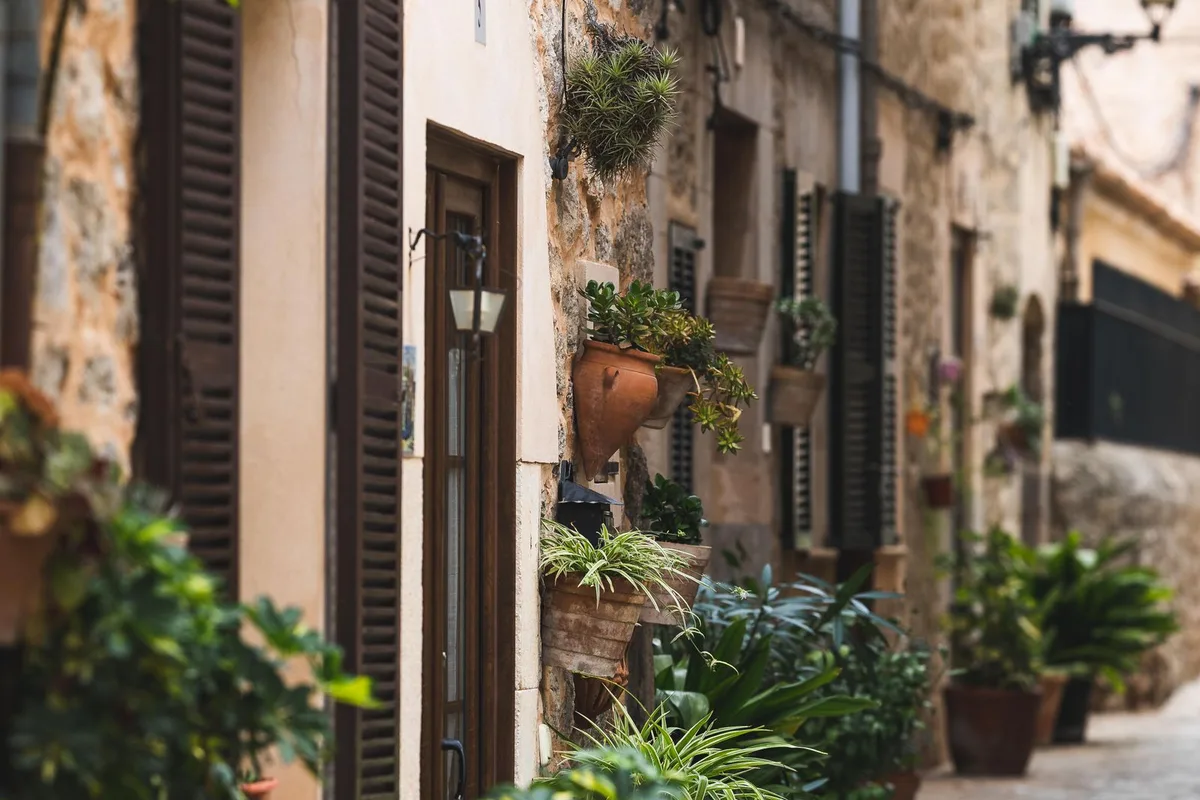
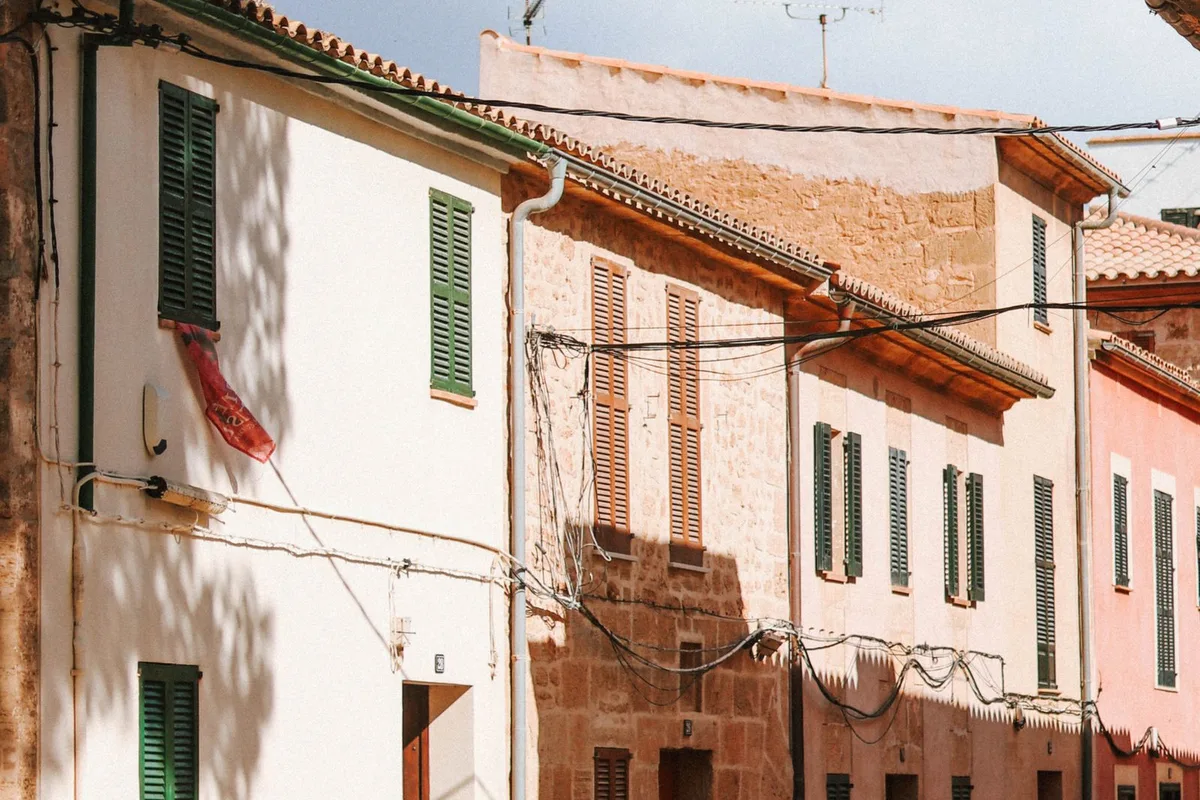
Walk the old town in the cathedral's shade. Take the lanes to the Arab Baths, the tenth-century survivors of Muslim Palma, then climb to the Passeig del Born for coffee under the plane trees and finish at La Llonja, the Gothic merchants' exchange by the port. Es Baluard museum, set into the city walls, is the sunset stop — its terrace looks straight across the bay.
Ride out to Bellver Castle, the round Gothic castle on the pine hill west of the centre — the city history museum inside, the best panorama over Palma outside, €4 to enter, free on Sunday afternoons, closed Mondays. For guided versions of the old town and the cathedral queue-skip, browse the Palma listings on GetYourGuide, and compare Klook when stacking activities.
After you land in Mallorca: Bookable experiences
Where to stay your first nights
Splurge
Sant Francesc Hotel Singular.
Best for the old town splurge — a restored mansion with a rooftop pool over the rooftops
Stay at Plaça de Sant Francesc 5, in a restored nineteenth-century mansion in the old town — 42 rooms and suites, a garden restaurant in the old stables and a rooftop pool looking over the rooftops to the cathedral. Book it for the full Palma treatment; guests rate it 9.8 out of 10 on Expedia.
Best for a design-led four-star on Avenida Jaime III, with the rooftop pool facing La Seu
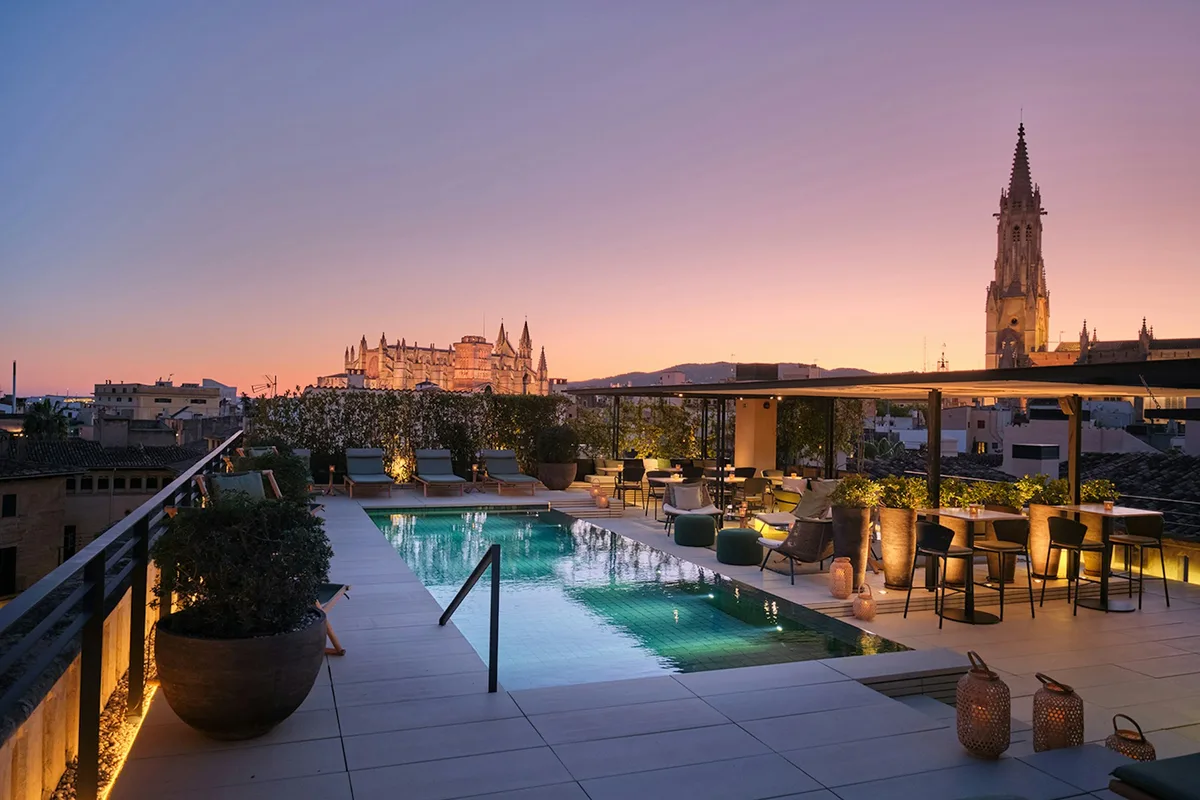
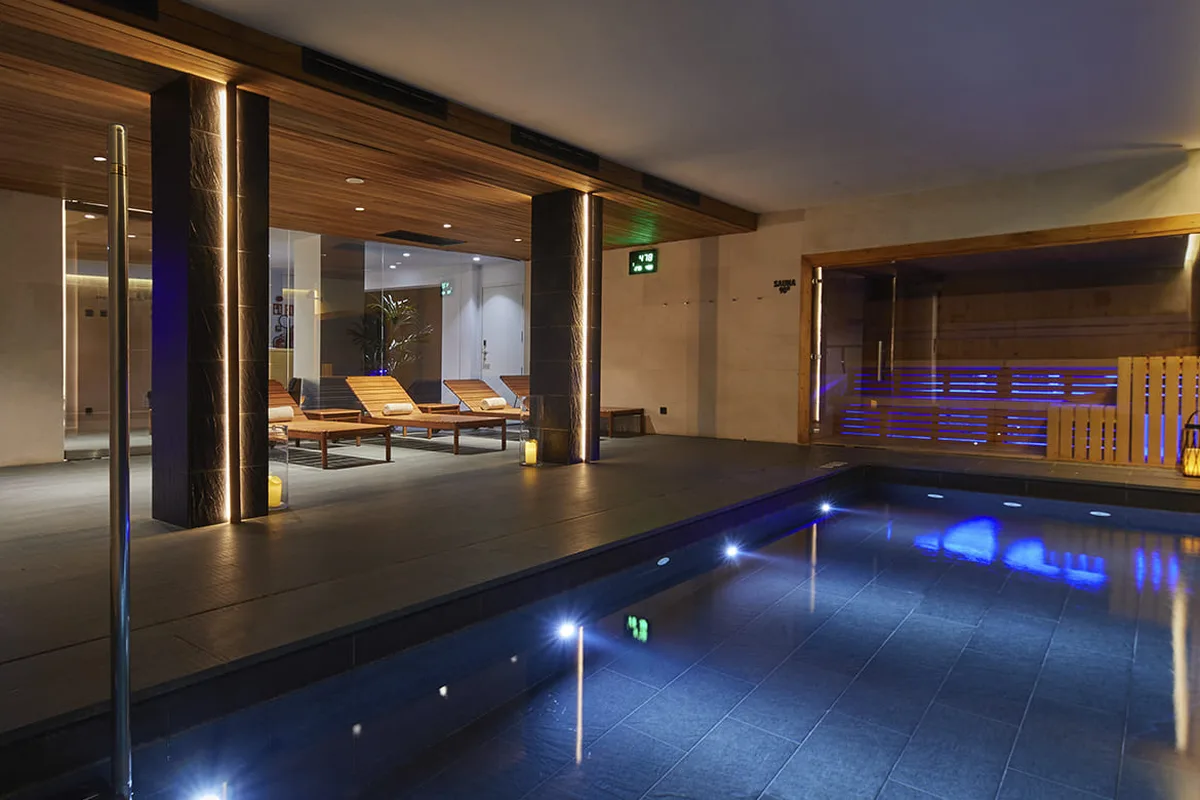
Sleep at Avenida Jaime III 21, on Palma's smartest shopping avenue, ten minutes from the cathedral — 57 rooms in a calm, design-led four-star, a spa with an indoor pool, and the rooftop pool that frames La Seu. Book it for a central base that works in any month; it rates 9.4 out of 10 on Expedia.
Best for sea views on a budget — a big-pool two-star under Bellver Castle
Bed down at Carrer de Vista Alegre 1 in El Terreno, under Bellver Castle — a simple two-star with 199 rooms, a big pool deck and bay views from most balconies. Book it for sea views at prices the old town cannot match, with the centre a short bus ride away.
Stay in Palma for a first visit — the cathedral, the old town and the island's transport network are all here. Choose Santa Catalina for the market and the restaurant streets, and the Passeig Marítim for sea air. Take a resort base — Playa de Palma, Alcúdia, Cala Millor — only for a beach-first trip.
Book any of the three well ahead for July and August.
Where to eat first
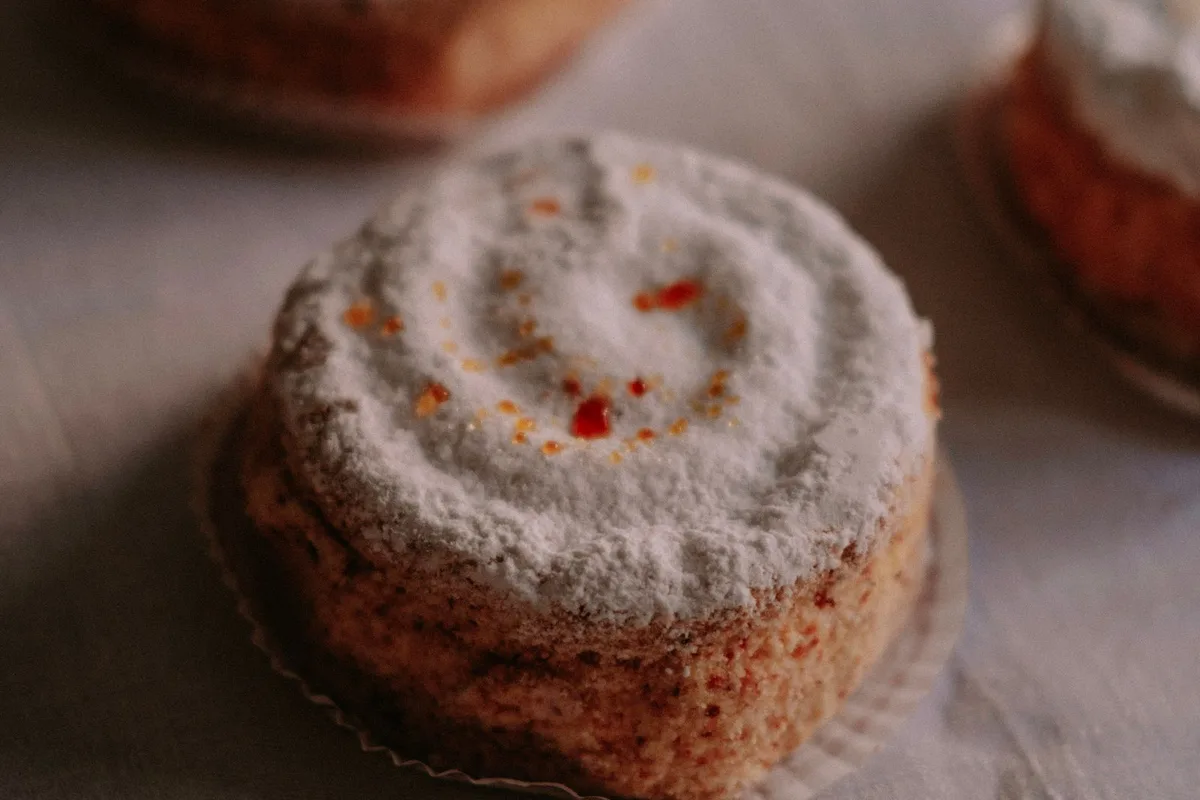
Eat the island canon first: pa amb oli, bread rubbed with tomato and olive oil under cured ham or cheese; sobrassada, the soft spiced sausage; tumbet, the layered potato, aubergine and pepper bake; and an ensaïmada, the spiral pastry, to finish. Three first stops:
Ca'n Joan de s'Aigo, Carrer de Can Sanç.
Start at the old town's beloved café, serving since 1700 — order the ensaïmada with almond ice cream, or a quart, the sponge cake locals dunk in hot chocolate. Go in the afternoon, when Palma does.
Bar Bosch, Plaça del Rei Joan Carles I.
Order the llonguet — Palma's crusty roll — filled with sobrassada or tortilla at the bar on the Born corner, feeding the city since 1936. It is the classic Palma breakfast and the cheapest famous seat in town.
Celler Sa Premsa, Plaça del Bisbe Berenguer de Palou.
Finish in a proper Mallorcan celler — stone walls, vast barrels and plates of arròs brut and frit mallorquí at prices that have kept locals loyal since 1958. Arrive hungry and before the lunch rush.
Save room for the markets: Mercat de l'Olivar and Santa Catalina both run tapas counters at lunch. For food tours, browse the Palma listings on GetYourGuide and book ahead in season.
Day trips and more
Three escapes cover the essentials: the mountain villages, the underground lake and the bay itself. Book the boats and the train ahead in season.
Valldemossa and Sóller
Do it yourself first: the vintage wooden train from Palma's Sóller station, beside the Intermodal, climbs through the olive terraces to Sóller in about an hour — €23 one way, €30 return, with the tram down to Port de Sóller €10 more. Valldemossa, Chopin's winter village, is a short bus ride from Palma. The guided day strings both together: Sóller's orange-valley square, then Valldemossa's stone lanes and a coca de patata. It rates 4.2 out of 5 from 1,094 reviews, from US$51. Check availability →
The Drach Caves
The organised version from Palma skips the ticket line and folds in the coach: five hours, back by mid-afternoon, after a kilometre of stalactite chambers ending at Lake Martel — one of the world's largest underground lakes, where a quartet plays from a boat in the dark. It rates 4.4 out of 5 from 1,514 reviews, from US$61. Check availability →
The bay by catamaran
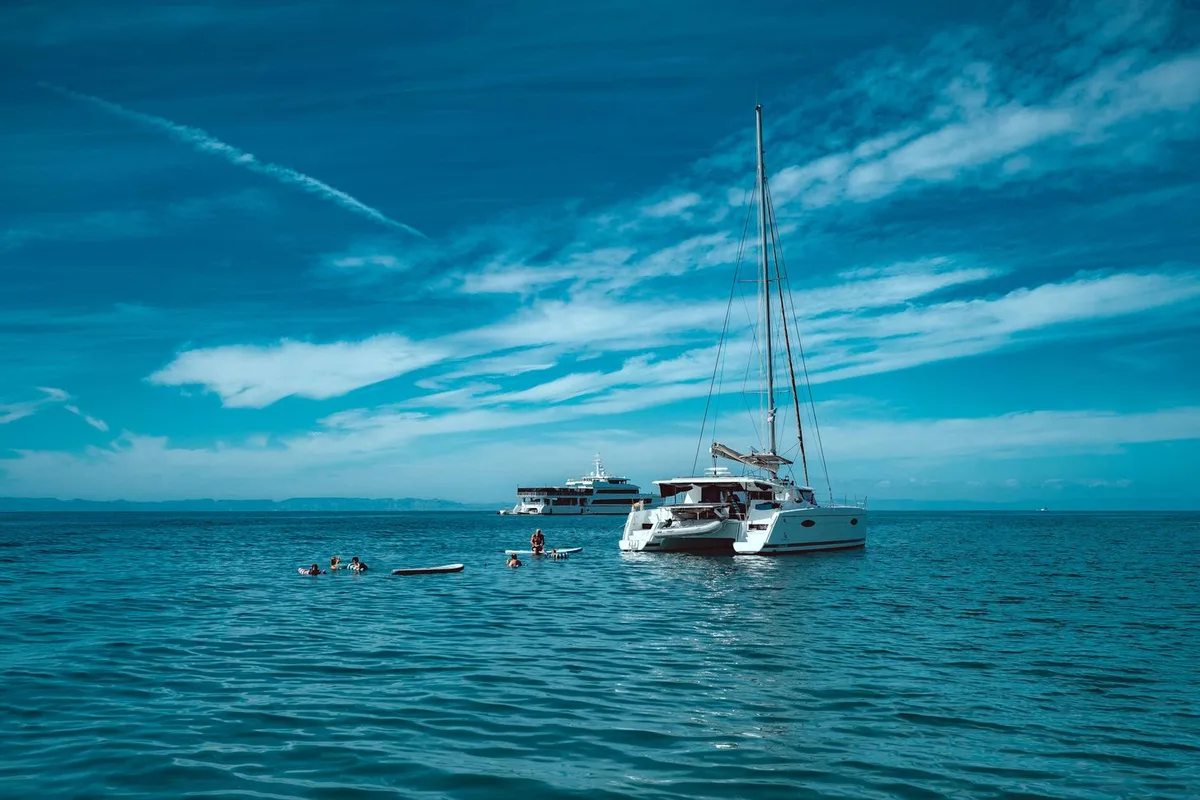
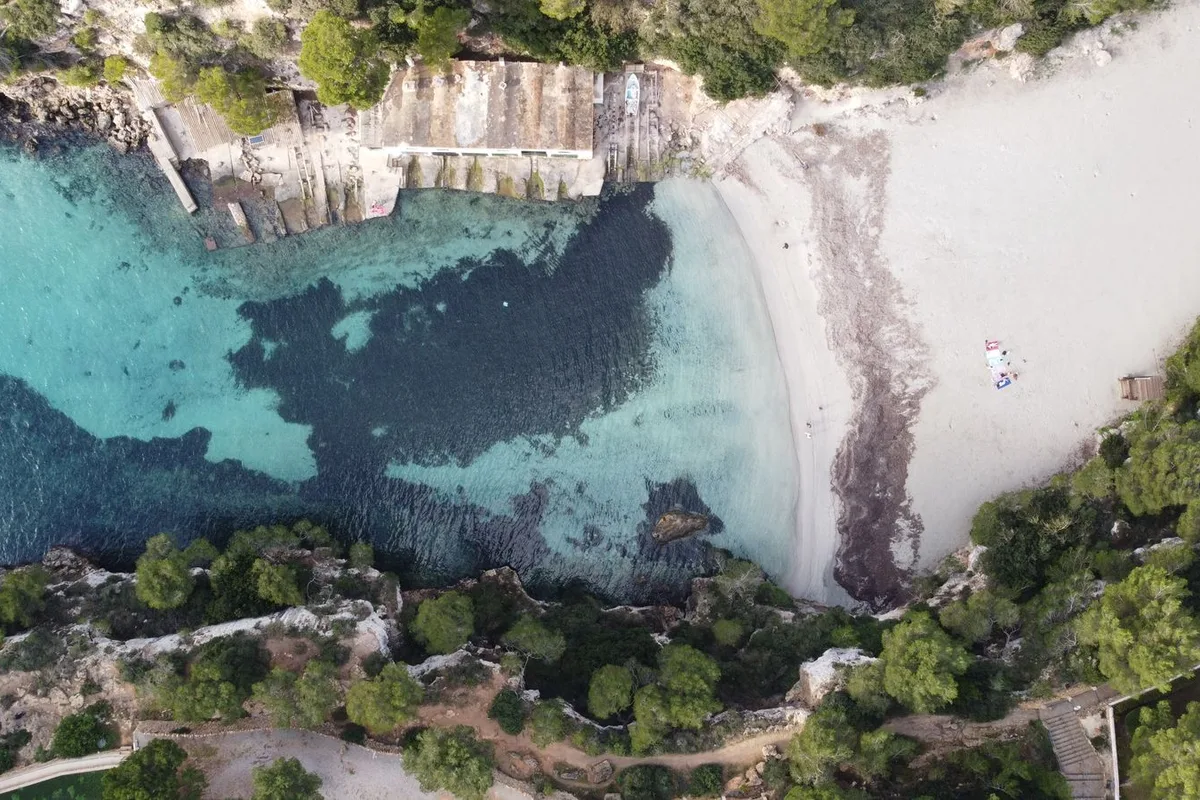
Board at the pier in front of the Auditorium on the Passeig Marítim: two swim and snorkel stops at Cala Vella or Portals Vells, a barbecue lunch on board and the cathedral skyline for the ride home. Morning and afternoon sailings run five hours. It rates 4.6 out of 5 from 12,533 reviews, from US$66. Check availability →
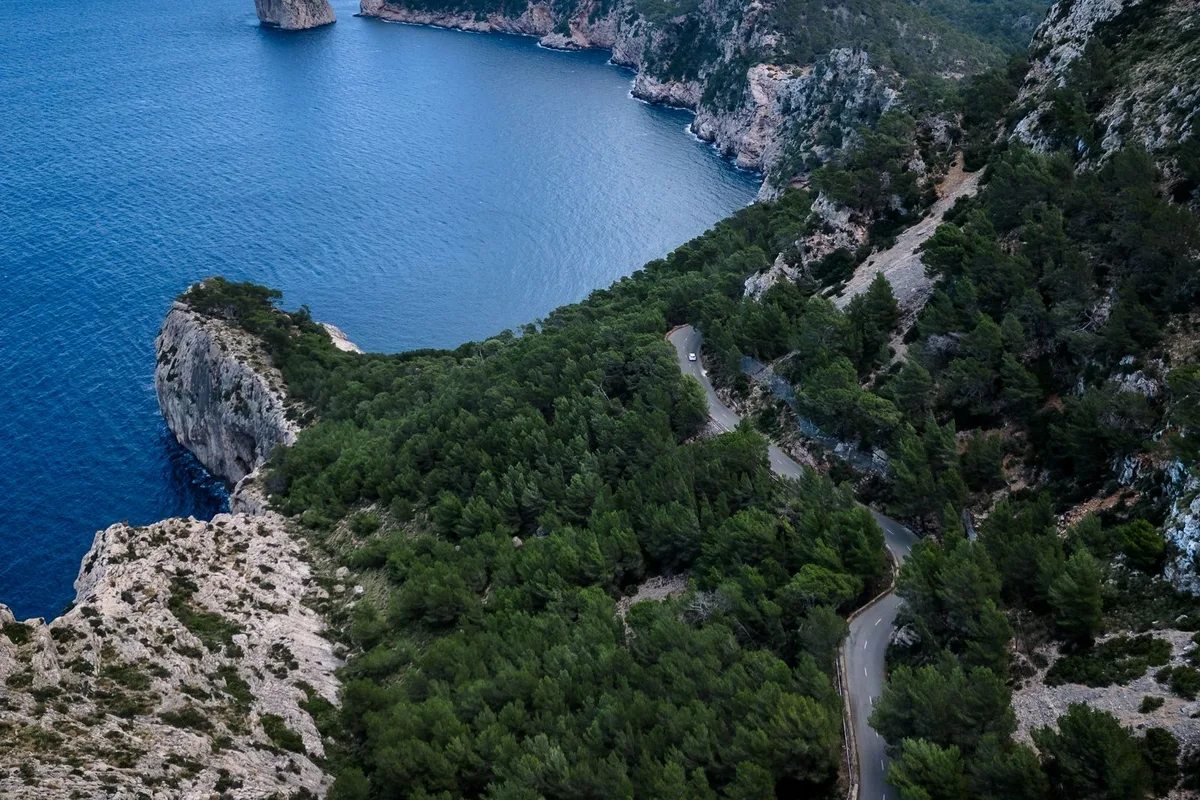
Leave a day for Cap de Formentor, the great Mallorcan drive — in summer the lighthouse road closes to cars and a shuttle runs from Port de Pollença.
When to go and what it costs
Come April to June or September to October for the full island — boats running, sea warm, the Tramuntana green — without August. Palma's sights and restaurants run all year; only the resort towns and beach clubs keep a strict season.
Come in winter for the city version: resort hotels shut and the calas empty, but Palma keeps its calendars — almond blossom from late January, winter sun on the Born terraces and the roads to yourself.
In July and August the heat passes 30°C, the sea is bathwater and every price peaks. Take the calas early, lunch long in the shade, and never count on a walk-up ticket for the Sóller train.
Budget by the fixed costs. The A1 costs €5, a town taxi from the airport about €25, the Sóller train €23 one way, cathedral entry about €10 and Bellver €4 — the variables are the room and the boat days.
What to pack
Tap items to check them off — your list is saved on this device.
Pack for calas, cobbles and long lunches. This is the full list:
Add swim shoes for the rocky calas and a layer for the Tramuntana villages, which sit cooler than the coast. Leave the heels at home: the old town's lanes punish them.
Language, visa and entry
✓ Visa-free entry for eligible passport holders
Catalan and Spanish run Mallorca. The island's Catalan — Mallorquí — appears first on signs, Spanish works everywhere, and English and German run the resorts.
Six phrases do most of the work:
Bon diagood morningGràciesthank youSi us plaupleaseQuant costa?how much does it cost?El compte, si us plauthe bill, pleaseOn és la Seu?where is the cathedral?
Spain is in Schengen: most visitors — Americans, Canadians, Britons and many others — enter visa-free for up to 90 days in any 180, and your passport should be valid for at least three months beyond the day you leave. The Entry/Exit System now records arrivals electronically.
Ignore any site selling you an ETIAS for this trip: ETIAS is not in operation yet, so no authorisation exists to buy. When it does launch it will be through the official EU site only.
Pay the tourist tax at the property see Quick facts — a Balearic charge on overnight stays, separate from national charges.
Safety and health
Watch bags and phones in the old town crowds
Pickpockets work the cathedral square, Plaça Major, the markets and the A1 bus at busy times. Keep valuables zipped and on you, leave nothing in a hire car — beach car parks are a known target — and remember 112 reaches police, ambulance and fire from any phone.
Use the licensed taxi ranks and the night buses after dark
The classic airport risk is the unlicensed driver touting inside the terminal. Take the white licensed taxis from the rank outside arrivals, or the A1, and in the resort strips keep the usual club sense: watch your drink and agree a meeting point.
Respect the sun, the heat and the sea
August afternoons pass 30°C and many calas have no shade and no lifeguard. Swim where the flags are, heed the jellyfish notices posted at busy beaches in summer, and carry water — the walk back up from a cala is always longer than it looked.
Take the Tramuntana roads slowly
The mountain drives are the island's glory and its main driving risk: hairpins above Sa Calobra, cyclists on every climb and goats near the road. Hire-car drivers should allow double the map time, pull over for photographs, and never rush the descent at dusk.
The things travellers ask in the first 48 hours: the airport bus, the island tax and the train you cannot just turn up for.
Fares checked against EMT Palma reporting and current Palma transfer listings; tax bands against the Balearic Sustainable Tourism Tax as charged in 2026; entry rules against EU Schengen guidance, October 2026.
Take the A1 bus from the stop outside arrivals: €5, every 12 to 15 minutes through the day, about 20 minutes to Plaça d'Espanya at the old town's edge. A licensed taxi from the rank takes about 15 minutes and currently runs to roughly €25 depending on traffic and supplements.
The Balearic Sustainable Tourism Tax is charged at the property, VAT included, per person per night. High season (1 May to 31 October): €4.40 in five-star and four-star superior hotels, €3.30 in four-star, €2.20 in one- to three-star, €1.10 in hostels and campsites. Low season pays a quarter of those rates, under-16s are exempt, and the rate halves from the ninth night.
April to June and September to October: warm sea, boats running, the Tramuntana green and none of the August crush. Palma itself is a year-round city — its sights, markets and restaurants stay open through winter, though most resort hotels shut and the beach clubs close.
Yes, from a Palma base: trains and buses radiate from the Intermodal station — the vintage train to Sóller, buses to Valldemossa, Alcúdia and the Drach Caves at Porto Cristo. A car only really earns its cost for the remote calas and the Formentor road, and it is a parking liability inside Palma.
For most first-timers, yes: the 1913 wooden train climbs from Palma through the olive terraces to Sóller in about an hour (€23 one way, €30 return, the tram on to Port de Sóller €10). Book ahead in high season — the departures from beside the Intermodal station sell out.
Yes — the supply is treated and tested, and safe for drinking, cooking and teeth. It is hard water with a faintly chlorinated taste, which is why many locals keep a bottle of still water for the table; ice in bars is made from treated water.
Fares change — the operators and the cathedral pages always win.
Mallorca, Saved for After You Land
Landing soon? Get the printable PDF — the essentials from this guide, formatted for your phone:
The airport transport cheat sheet, with ticket links
Our 3 restaurant picks, with maps
The packing checklist
One email with your Mallorca PDF (guide version: Oct 2026). Fare changes and new guides after that. No spam, unsubscribe anytime.
Sources and last verified
Tourist tax bands against the Balearic Sustainable Tourism Tax as charged in 2026, VAT included (high season 1 May to 31 October, 50 percent from the ninth night, under-16s exempt). Airport bus and taxi figures against EMT Palma reporting and current Palma transfer listings — taxi sources conflict, see the pack. Sóller train fares against the railway's 2026 tariff reporting. Cathedral and Bellver entry against Palma visitor reporting, October 2026. GetYourGuide products opened and read; hub palma-de-mallorca-l1260 confirmed. Hotels against the properties' own sites and Expedia — Nakar's property page opened on expedia.com; two hotel URL items are in the pack. Last verified October 2026.
Affiliate disclosure: hotel names, transfers, experiences, and products linked in this guide may earn After You Land a commission at no extra cost to you. Prices and times were checked in Oct 2026 and change often — confirm before you book.