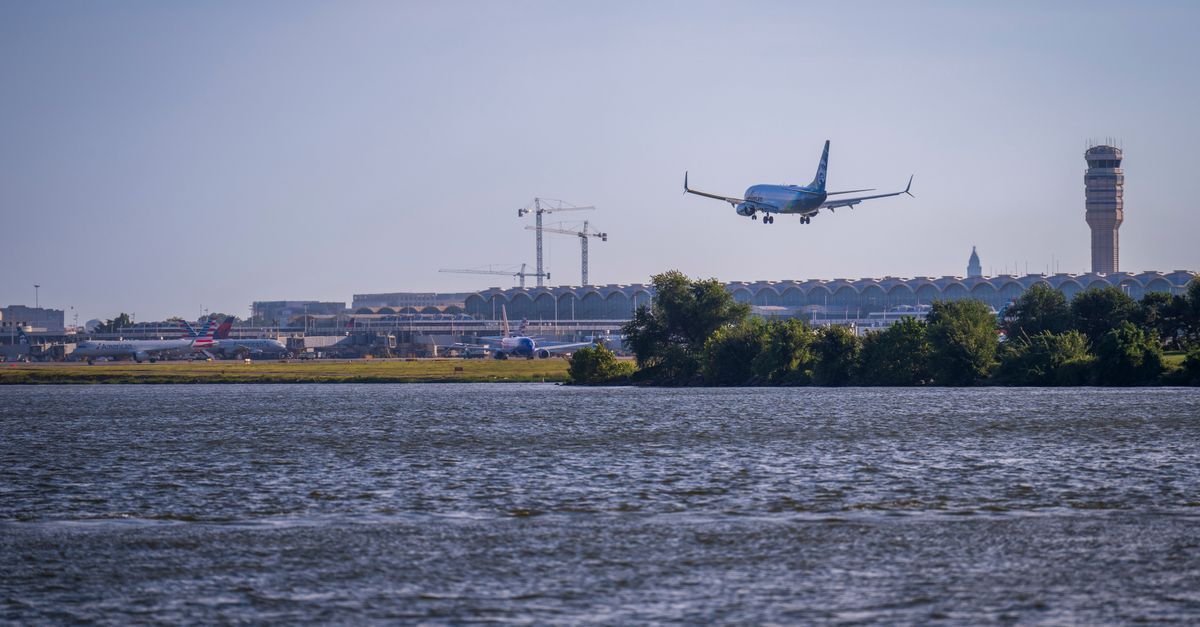
Landing at CUN
Cancún International Airport (CUN) is the front door to the Mexican Caribbean — and the first hour inside follows a fixed sequence: immigration, bags, customs, then a hall full of people who want to sell you something. Know the sequence before you land, walk it in order, and you are outside with a ride in under an hour on a normal day.
In this guide
Terminals & Layout
CUN has four terminals, and they are separate buildings — you cannot walk between them. A free shuttle runs between Terminals 2, 3, and 4 roughly every 10–15 minutes. Terminal 1 handles charter and regional flights; most visitors never use it.
- Terminal 2: domestic flights and Latin America (Viva Aerobus, Volaris, Copa and similar).
- Terminal 3: mostly US and Canadian airlines (American, United, Delta, Air Canada and similar).
- Terminal 4: the rest of international, including Aeroméxico, Southwest, JetBlue, and most European airlines.
Terminal assignments change seasonally — confirm yours on your boarding pass before you land.
The arrivals flow, in order:
immigration → baggage claim → customs → the sales hall → the exit. Allow roughly 30–60 minutes from landing to the exit, more at busy midday and weekend peaks.
Immigration and the tourist card (FMM).
There is no paper FMM form for air arrivals anymore. Travellers from eligible countries can use the automatic e-gates in Terminals 3 and 4, which are usually faster; you get a ticket with a QR code that downloads the digital FMM (FMMD) — keep it until you leave Mexico. Everyone else gets a passport stamp from an officer. The officer writes your allowed stay on the stamp — typically 30, 60, 90, or 180 days. Do not assume 180: check the number on your stamp before you walk away.
The airport sits about 15 km — roughly 20 minutes — from downtown Cancún.
Getting Into Town
ADO bus — the budget move.
Air-conditioned coaches run from Terminals 2, 3, and 4 to downtown Cancún and direct to the Hotel Zone. Expect roughly 140–170 pesos per person, departures every 30–60 minutes in the daytime, and about 35–45 minutes to the Hotel Zone. Buy your ticket at the ADO counter inside arrivals — cash or card. One catch: the Hotel Zone route has no return service to the airport, so plan the trip back via a taxi or the downtown ADO terminal.
Official taxi.
Taxis at CUN run on fixed zone rates, not meters. Buy your ticket at the official taxi counter inside the terminal — never from anyone who approaches you inside. Expect roughly $40–60 per car to the Hotel Zone; quoted prices vary by zone and day, so confirm the total before you pay.
Pre-booked transfer.
The calmest option: book online before you fly for roughly $35–60 per vehicle (up to 8 people) to the Hotel Zone. Your driver waits outside the terminal holding a sign with your name.
Rental car.
Rental companies sit off-site. After customs, walk outside and look for your company's representative holding a brand sign — they direct you to a free shuttle to the rental lot. Book ahead, and remember Mexican liability insurance is required: your home policy almost certainly does not cover you.
Rideshare does not pick up at CUN.
Uber and DiDi do not operate airport pickups here, so do not rely on an app when you land. Use rideshare once you are in town, not from the terminal.
SIM & Connectivity
Free airport Wi-Fi
is available across all terminals with no time limit — enough to message home, pull up your transfer confirmation, or check your hotel address.
Travel eSIM before you fly
is the lowest-friction move: buy and install the profile at home, enable it after you touch down. A foreign-issued travel eSIM connects as inbound roaming, so it sits outside Mexico's local registration rules and needs no local paperwork.
Do not count on buying a SIM inside the airport.
Recent guidance says no carrier counter sells prepaid SIMs at CUN — buy one at an Oxxo or Telcel shop in town instead, which takes about five minutes. Whatever you buy, a local SIM means an ID check: since 9 January 2026, every mobile line issued by a Mexican operator must be registered to an identified holder — for foreign visitors, that is your passport. Until the line is registered, a new SIM can only make emergency calls.
WhatsApp is the default messaging app
across Mexico — worth having installed before you land. If you run a travel eSIM, keep your home SIM active alongside it so bank codes and two-factor texts still reach you.
Money on Arrival
The currency is the Mexican peso (MXN). Cards are widely accepted once you are in town, but you want pesos in small bills for porters, taxis, and tips.
Get pesos from a bank ATM rather than a currency-exchange booth — the airport booths give the worst rate of your trip. Always choose to be charged in pesos when a machine or terminal offers your home currency: that "convenience" conversion costs roughly 5–10% extra. Prefer ATMs inside a bank lobby over standalone machines, which are the ones most often fitted with skimmers.
VISITAX.
Quintana Roo charges foreign visitors a separate visitor tax: roughly 280–300 pesos per person, paid online at visitax.gob.mx before departure. Save the QR code — it may be checked at the terminal on the way out. This is separate from Mexico's departure tax, which is usually already included in your ticket.
Have small peso bills ready for porters (20–50 pesos a bag is the usual range) and round up for taxis.
Scams & Safety
The "shark tank" is the single biggest arrival trap.
Right after customs you walk through a hall of people in official-looking uniforms or branded shirts calling out hotel names, asking who your transport is with, or claiming to represent your airline or hotel. Most are timeshare or vacation-club salespeople. Their lines include: "your shuttle already left," "we are your hotel's transport partner — you just need to register here," and offers of "free" breakfasts, tours, or transport.
The fix is simple: do not stop. Do not make eye contact, say "No, gracias," and keep walking until you are completely outside the terminal. Your legitimate driver or transfer waits outside holding a sign with your name — never inside at a desk. Never let a stranger call your transfer company for you, and never follow anyone to an ATM.
Unlicensed taxis.
Anyone offering you a ride before the official counter is not an official taxi. Use the official counter inside the terminal or your pre-booked transfer.
"Free transport" is a timeshare pitch.
Any ride that makes an unannounced stop at a "welcome centre" or "tourist information office" is taking you to a sales presentation that can eat half a day. If that happens, get out.
Fare-quote tricks.
Confirm the total fare in pesos, for all passengers, before you board. Watch for quotes given as a bare number with no currency ("1,800" — pesos or dollars is a very different bill) and for drivers insisting the agreed price was per person rather than per ride. Keep your bags in sight at the carousel, and keep your passport and phone on you, not in checked luggage.
Where to Go Next
- Cancún — The first-hour guide for what happens once you are in town: the ADO into the Hotel Zone, your first evening, and where to stay.
- Landing in Mexico — Entry, money, SIM, and transport rules for the whole country.
- Landing in The Americas — The wider region hub: entry, money, SIM, and transport across the hemisphere.
Affiliate disclosure: hotel names, transfers, and experiences linked in this guide may earn After You Land a commission at no extra cost to you. Prices and times were checked in Oct 2026 and change often — confirm before you book.