Huanchaco: your first hour after landing
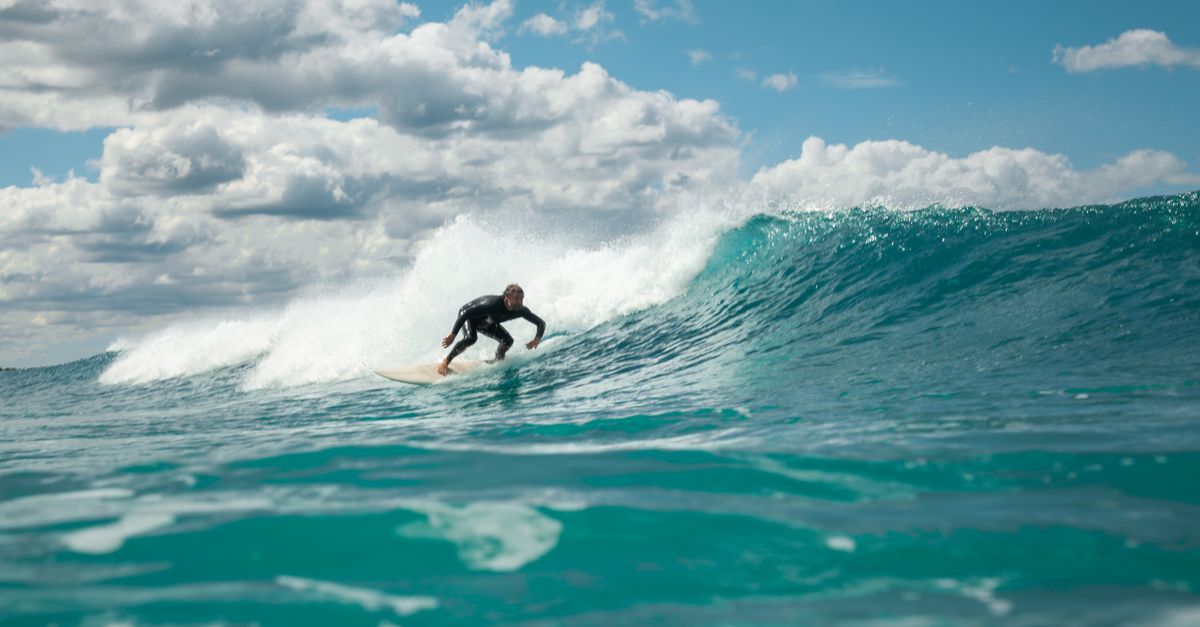
Huanchaco, La Libertad, Peru: a small surf town on Peru's northern coast, about 12–13 km from Trujillo — a beach, a malecón, and fishermen still going to sea on caballitos de totora, reed boats used on this coast for more than 3,000 years. This is Huanchaco in La Libertad, Peru — not a resort hub, and not a suburb of Trujillo. Come for the beach, the surf, the seafood, and the reed boats, and use it as your base for Chan Chan and Trujillo's ancient sites. Huanchaco became a World Surfing Reserve in 2013.
In this guide
- The short version
- Quick facts
- Your first hour, minute by minute
- Your first evening
- Your first full day
- Where to stay your first nights
- Where to eat first
- Getting around
- Do this, skip that
- Day trips and beyond
- If you stay longer
- When to go and what it costs
- What to pack
- Language, visa and entry
- Related destinations
- Tours & Experiences
Huanchaco, La Libertad, Peru: a small surf town on Peru's northern coast, about 12–13 km from Trujillo — a beach, a malecón, and fishermen still going to sea on caballitos de totora, reed boats used on this coast for more than 3,000 years. This is Huanchaco in La Libertad, Peru — not a resort hub, and not a suburb of Trujillo.
Quick facts
Your first hour, minute by minute
Arrive at Trujillo Airport (TRU) or by bus into Trujillo
Huanchaco is a short taxi ride from the airport, and about 20–30 minutes by taxi or local bus (combi) from central Trujillo.
Drop bags at your hotel
Stay near the malecón — the beachfront promenade — if you can; the beach, pier, and restaurants are on foot from there.
Walk to the beach
The malecón is your orientation point — the pier, the reed boats stacked along the sand, and the surf in front of town.
Watch the caballitos de totora
Fishermen still paddle these reed boats out to sea and surf back in with their catch. Early morning is when the fishing happens; the boats are stacked upright on the beach to dry afterward.
Get cash
Bring small notes in soles for taxis, combis, beach vendors, and small restaurants.
Your first evening

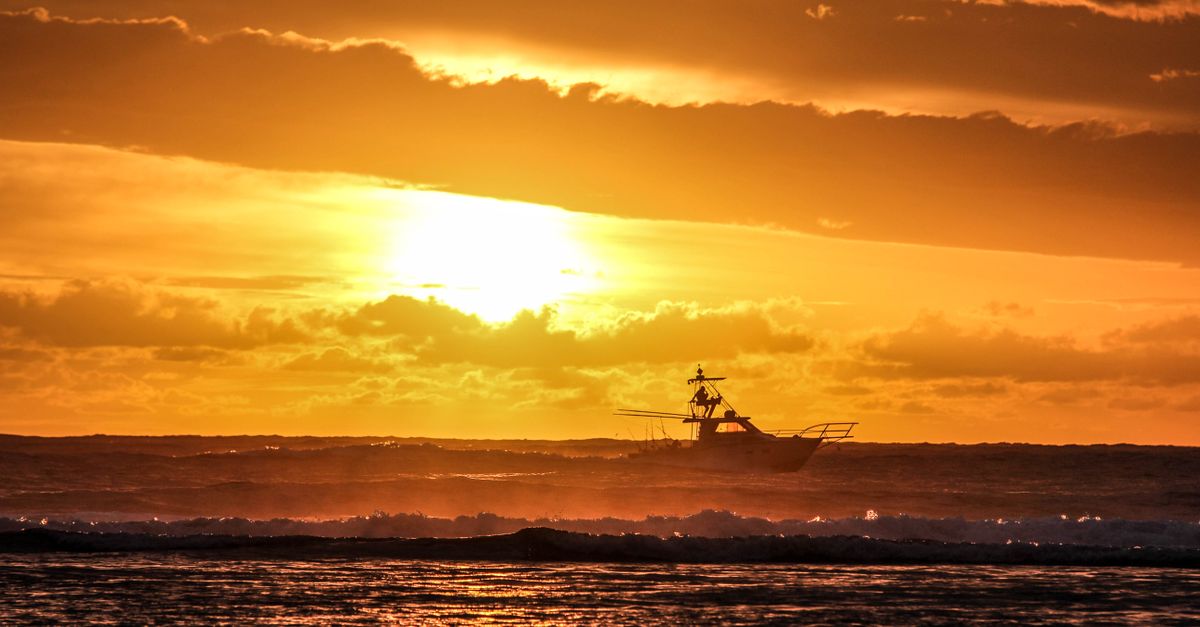
An easy evening on the malecón — a slow walk along the waterfront, out toward the Muelle de Huanchaco (the town pier), and up to the Santuario de la Virgen del Socorro, the white church on the bluff above town, built in 1540 and said to be the second-oldest church in Peru. Watch the sunset over the Pacific — Huanchaco's beach faces the setting sun — then dinner on the malecón: seafood, caught the same day.
Your first full day
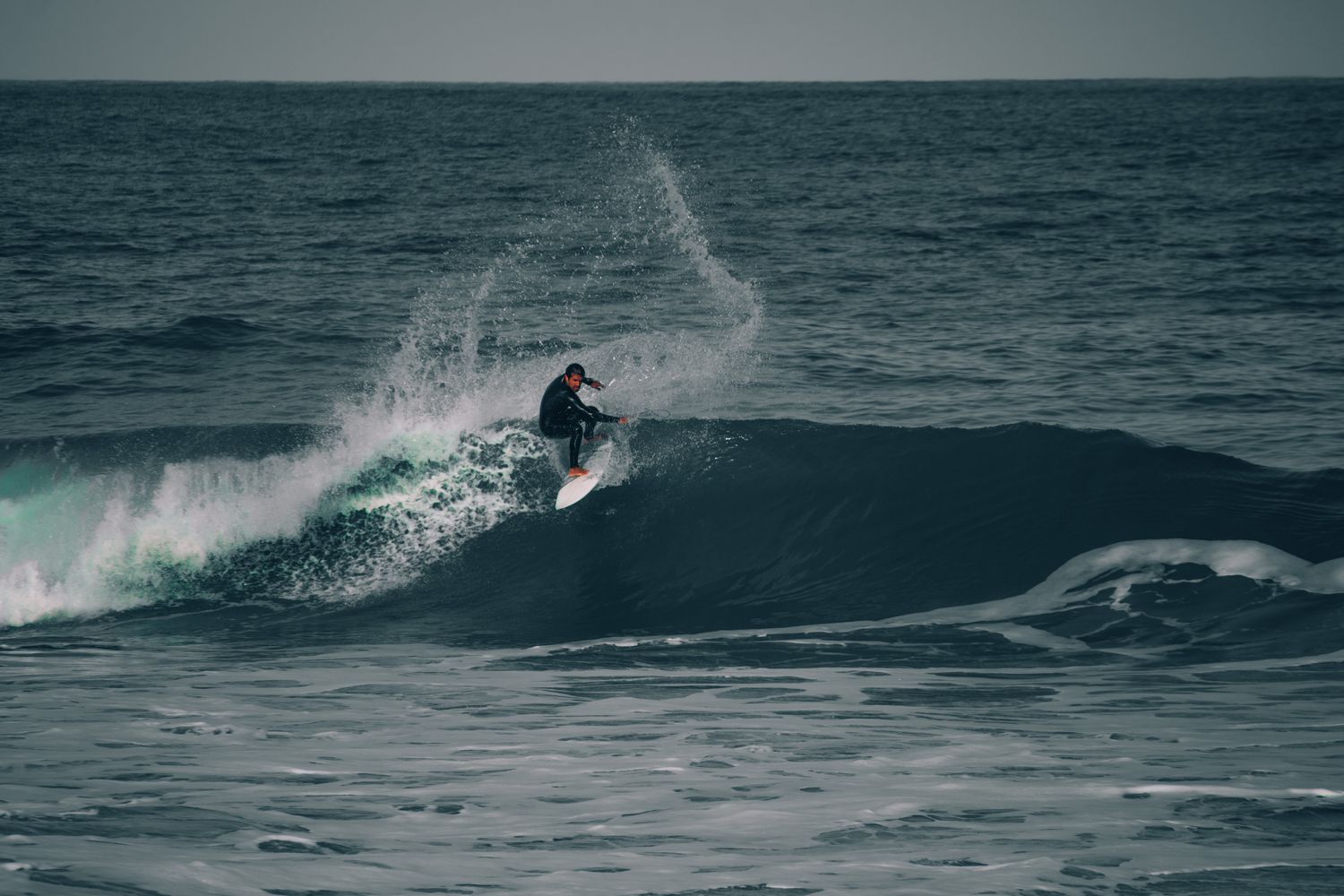
Morning:
The beach. Take a surf lesson or rent a board — Huanchaco's waves suit beginners, and surf schools line the malecón. Or ask a fisherman about a ride on a caballito de totora — a short paddle out and a surf back in on a boat design thousands of years old. Afternoon: Chan Chan (see Day Trips & Beyond) — the great adobe city just inland, between Trujillo and Huanchaco. Evening: Back in Huanchaco for sunset on the malecón and a seafood dinner.
Where to stay your first nights
Hotel Bracamonte.
A hotel at Los Olivos 160 in Huanchaco, with a pool, restaurant, free parking, and rooms with balconies, about 50 m from Huanchaco Beach. Best if you want the most full-service stay in town, close to the beach and the airport side of town.
Hotel Riviera Muchik.
A hotel at Avenida Víctor Larco Herrera 710 in Huanchaco, with ocean-view rooms, free breakfast, free parking, and pet-friendly rooms, a minute's walk from Huanchaco Beach. Best if you want to wake up to the sea without the top-tier price.
Naylamp.
A beachfront hostel at Avenida Víctor Larco 1420 in Huanchaco, with a garden, restaurant, airport transportation, and camping space. Best if you want a simple, social, budget base right by the beach.
Where to eat first
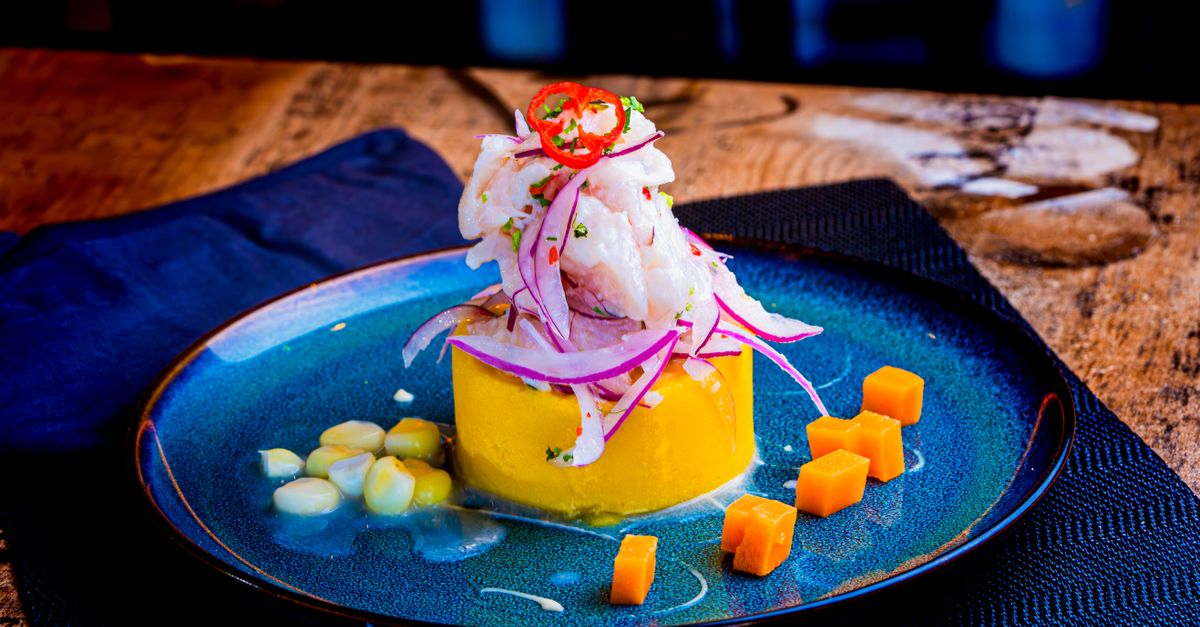
Ceviche.
Raw fish cured in lime juice with red onion, chili, and sweet potato — the dish Huanchaco is known for. Eat it at lunch, at a beachfront restaurant, made from the morning's catch.
Jalea / chicharrón de pescado.
Fried mixed seafood — the crispy counterpart to ceviche, served with yuca and salsa criolla.
Arroz con mariscos.
Peruvian seafood rice — the filling, shareable option when the table is hungry.
Sudado de pescado.
Fish steamed in a tomato-onion broth — the lighter, soupy option on cooler evenings.
Ask what's fresh.
The fishermen sell their catch on the beach — the day's fish is the day's menu. Ask your restaurant what came in this morning.
Getting around
Times are airport to city centre.
Taxi
Bus / combi
Walk
Huanchaco's center is walkable — beach, malecón, pier, and restaurants are all on foot. For Trujillo, Chan Chan, and the Huacas, use a taxi or a local bus/combi. Agree taxi fares before you ride.
Do this, skip that
✓ Do this
Watch the fishermen and their caballitos de totora at work. Take a surf lesson — the waves suit beginners. Eat ceviche at lunch from the morning's catch. Walk the malecón at sunset. Visit Chan Chan and the Huacas as day trips. Cash — small notes for taxis, combis, and beach vendors.
✕ Skip that
Expecting a resort — Huanchaco is a small surf town, not a resort hub. Assuming Chan Chan is in Huanchaco — it is nearby, between Trujillo and Huanchaco, not in town. Swimming far out without asking locals about conditions first. Confusing this Huanchaco with anywhere else — this guide is Huanchaco, La Libertad, Peru.
Day trips and beyond
Chan Chan.
The Chimú capital — the largest adobe city in the Americas and a UNESCO World Heritage site since 1986. It stands between Trujillo and Huanchaco, a short ride inland from town — NOT in Huanchaco itself. Visit the Nik An (Tschudi) Palace complex and the site museum. Half a day.
Huacas del Sol y de la Luna (Huacas de Moche).
Two Moche adobe temples south of Trujillo — the Huaca de la Luna, with its painted friezes, is the one you tour; the Huaca del Sol is not open to visitors. Combine with a Trujillo day. Half to a full day.
Trujillo historic center.
Colonial plaza, cathedral, and colorful colonial facades — about 20–30 minutes by taxi or combi. A half day on its own, or a full day combined with the Huacas.
Chicama.
The famous long left-hand wave at Puerto Malabrigo, north of Trujillo — widely described as the world's longest surfable left. About 1.5–2.5 hours away by public transport via Trujillo. A long day trip for surfers, or an overnight if Chicama is the point of the trip.
If you stay longer
Day two: Trujillo's historic center in the morning, the Huacas del Sol y de la Luna in the afternoon. Day three: a slow beach day — surf in the morning, a caballito ride, a long ceviche lunch, sunset on the malecón. If you're here a week, add Chicama for the long wave, and a second, slower visit to Chan Chan and its museum. Huanchaco works as a quiet coastal base: surf, seafood, and ruins, with Trujillo next door.
When to go and what it costs
What to pack
Tap items to check them off — your list is saved on this device.
- Sun protection — sunscreen, hat, sunglasses; the coastal sun burns fast Shop sunscreen on Amazon →
- A wetsuit or plan to rent one locally — the water is cool (roughly 18–22°C)
- Light layers — evenings on the malecón can turn cool and breezy
- Sandals and comfortable walking shoes — the town is on foot, and the beach is sand Shop walking shoes on Amazon →
- A reusable water bottle Shop water bottle on Amazon →
- Cash — small notes in soles for taxis, combis, and beach vendors
Language, visa and entry
✓ Visa-free entry
- Language: Spanish. Useful: "Gracias" (thank you), "¿Cuánto cuesta?" (how much?), "La cuenta, por favor" (the bill, please).
- Visa: Many nationalities enter visa-free — check Peru's current rules for your passport before booking.
- Money: Cash for taxis, combis, beach vendors, and small restaurants. Cards work at some hotels.
- Emergency: 105 (police), 106 (ambulance).
Affiliate disclosure: hotel names, transfers, experiences, and products linked in this guide may earn After You Land a commission at no extra cost to you. Prices and times were checked in Oct 2026 and change often — confirm before you book.