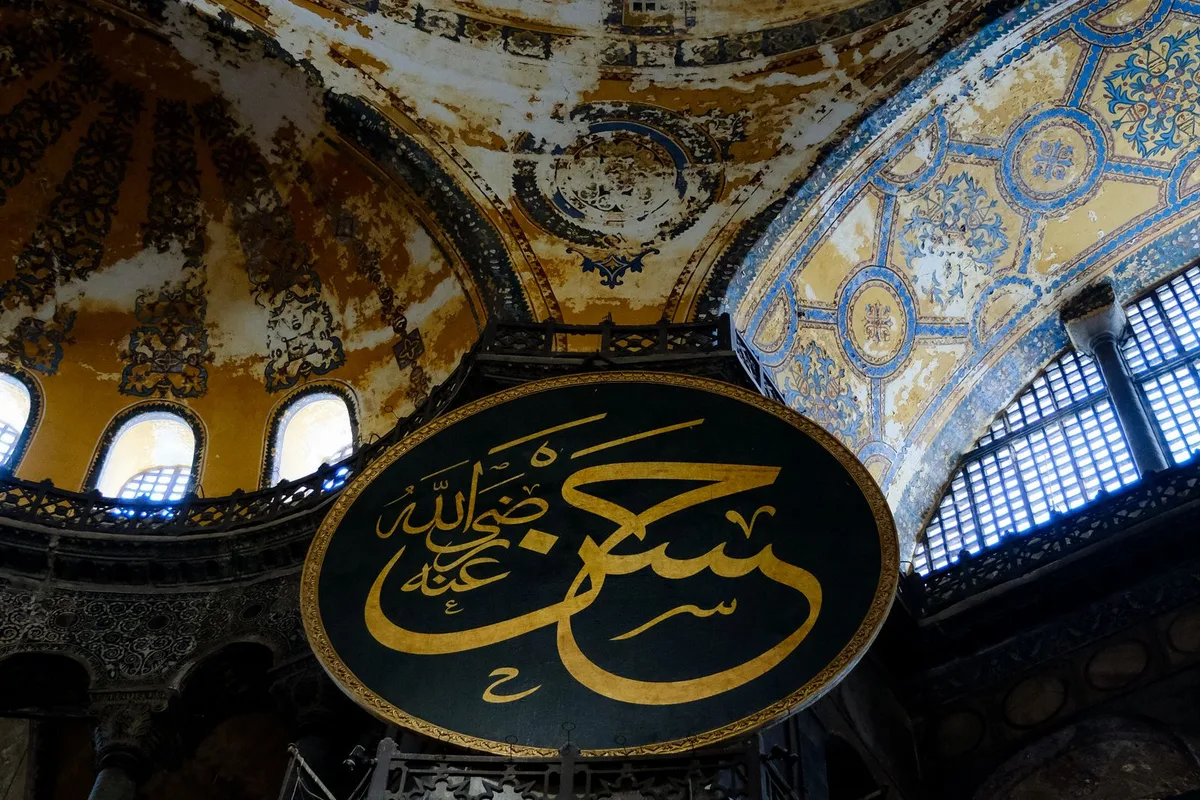
Meteora: your first hour after landing
You have just arrived in the Thessalian plain, where six working monasteries crown sandstone pillars above two small bases: Kalabaka, with the station and the coaches, and Kastraki, the village in the rocks' shadow. There is no airport and no direct train — this guide covers the runs in, the €5 cash doors and dress code, where to sleep and eat first, and the morning, sunset and hiking days that make a stay of it.
In this guide
You just landed in Meteora. There is no airport and no direct train — the KTEL coach from Athens at €32.50, or the train plus bus via Paleofarsalos, sets you down in Kalabaka under the pillars, with an Airalo eSIM live for bus times, €5 cash ready for each monastery door, and the sunset the rocks are famous for worth booking ahead through GetYourGuide.
Quick facts
Airport
Getting in
Currency
Languages
Time zone
Emergency
Plugs
Tap water
Tourist tax
Best months
Map
Stays, sights, and landmarks in Meteora — live hotel prices plus the key places from this guide.
Settle in
You do not land in Meteora — you arrive, by coach or train and bus, into Kalabaka at the foot of the pillars. Treat the first hour as positioning: drop your bags and learn which monasteries are open tomorrow.
Set up data before you travel — an Airalo eSIM loads in minutes, so KTEL timetables and maps work from the station steps. For a longer Greece trip, compare Saily and Yesim.
The arrival checklist, in order:
- Walk from Kalabaka station or the KTEL stop to your hotel — the centre is compact, and Kastraki is a flat 2 km walk or a short taxi ride
- Draw cash at a bank ATM in town: every monastery door charges €5 in cash, and there is no combined ticket
- Check tomorrow's closing days before dinner: each of the six monasteries shuts one weekday, and Friday has the fewest open
If a delayed or cancelled flight wrecked the journey in, AirHelp checks whether the airline owes you compensation — worth five minutes.
Getting around

Times are airport to city centre.
KTEL coach from Athens
KTEL Trikalon from Athens Liosion terminal; only the 06:30 departure runs through to Kalabaka — the rest change at Trikala for the €2.90 onward leg; return fare €56.50; book ahead in season
Hellenic Train plus bus from Athens
No direct train since Storm Daniel in September 2023: Hellenic Train runs the Athens to Paleofarsalos rail leg, then its own bus via Trikala to Kalabaka station on one ticket; the Paleofarsalos change is tight — check hellenictrain.gr on the day
KTEL coach from Thessaloniki
KTEL Trikalon from Thessaloniki, return €39; some services change at Trikala; the cheapest arrival if you flew into Thessaloniki (SKG)
Rental car from Athens
The E75 motorway via Lamia, then across the plain to Kalabaka; a car earns its keep on the monastery loop, where gate parking fills by about 10:30 — Kalabaka and Kastraki themselves are walkable

Meteora is a two-base place: Kalabaka town, with the station, the KTEL stops and the tavernas, and Kastraki village, 2 km west and directly under the rocks. Everything starts with the arrival run:
Choose the KTEL coach for the simplest ride; choose the train plus bus for the roomier run — and never plan a tight connection at Paleofarsalos. There has been no direct train since the September 2023 floods, whatever older guides say.
Prefer to be met? A Kiwitaxi transfer or a Welcome Pickups driver covers the long Athens run at a fixed price. Driving yourself, price the rental on AutoEurope first — a car earns its keep on the monastery loop, not in town.
Once based, the KTEL monastery bus climbs from Kalabaka through Kastraki to the monasteries for €2 a ride. The walk between the bases is flat; the monastery road is a steep, unlit climb, so ride it. Radio taxis: +30 24320 22310 — agree circuit fares first.
In the city
Start in Kalabaka's old town at the Byzantine Church of the Dormition of the Virgin Mary, built over an early basilica on an ancient temple site — the town's quiet masterpiece. The Natural History Museum of Meteora and Mushroom Museum nearby is the rainy-hour standby, and better than it sounds.
Then go up. Six working monasteries crown the pillars: Great Meteoron, the largest and oldest, and Varlaam beside it; Roussanou and St Nicholas Anapausas on the Kastraki road; Holy Trinity, the film-star pinnacle; and St Stephen, the easiest entry, reached by a bridge. Two or three interiors a day is the honest pace — each charges €5 cash, enforces its dress code, and closes one weekday.
Do this, skip that.
Do start at your first-choice monastery at 09:00, before the day-trip coaches arrive at 10:30. Do end a day at the main sunset viewpoint above Kastraki. Skip trying to enter all six in one day, skip shorts and bare shoulders at the gates, and skip the midday monastery road on foot — there is no pavement and no shade.
Browse GetYourGuide for the morning, sunset and hiking tours below, and compare Klook when stacking activities.
Where to stay your first nights
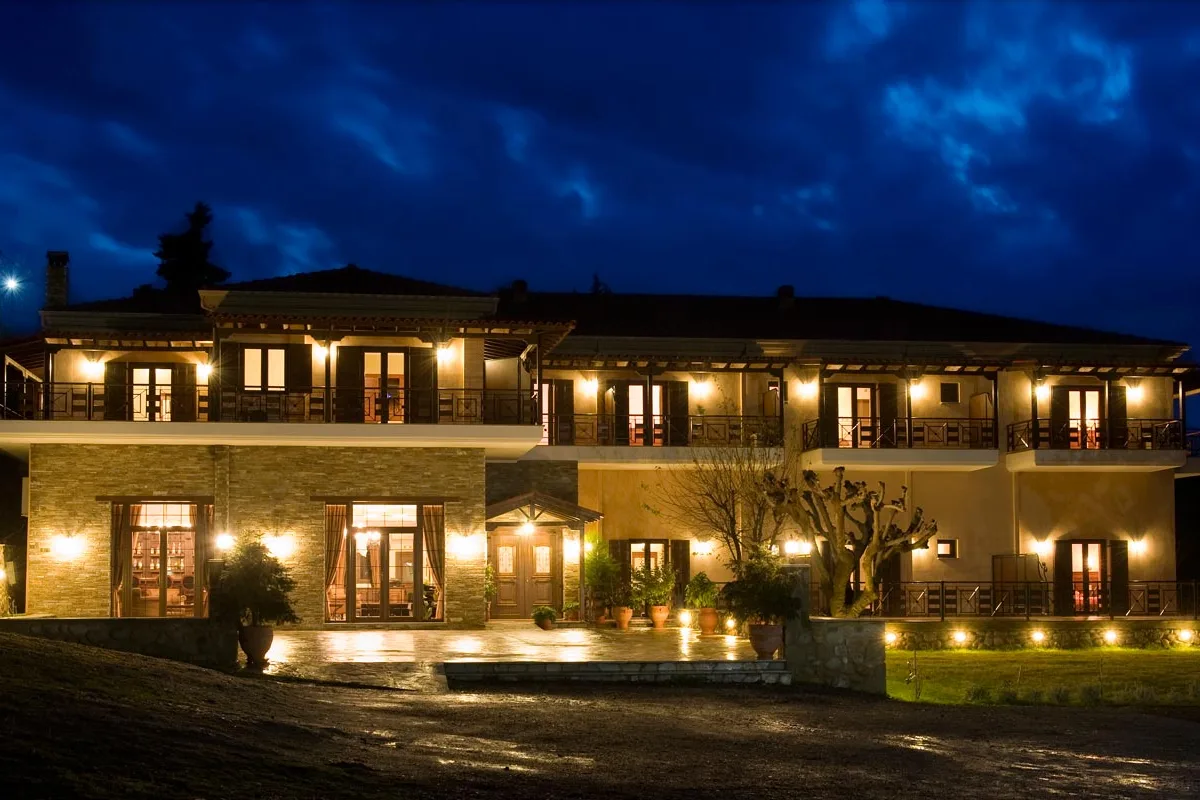
Dellas Boutique Hotel.
Best for the boutique splurge in Kastraki, in the shade of the rocks by St Nicholas AnapausasSleep in Kastraki at the foot of the rocks, steps from St Nicholas Anapausas — a stone-built boutique of individually styled rooms with balconies facing the pillars, a buffet breakfast of homemade marmalades and Greek yogurt, a fireplace bar for the evening, and free parking. Book it for the polished version of the village base.
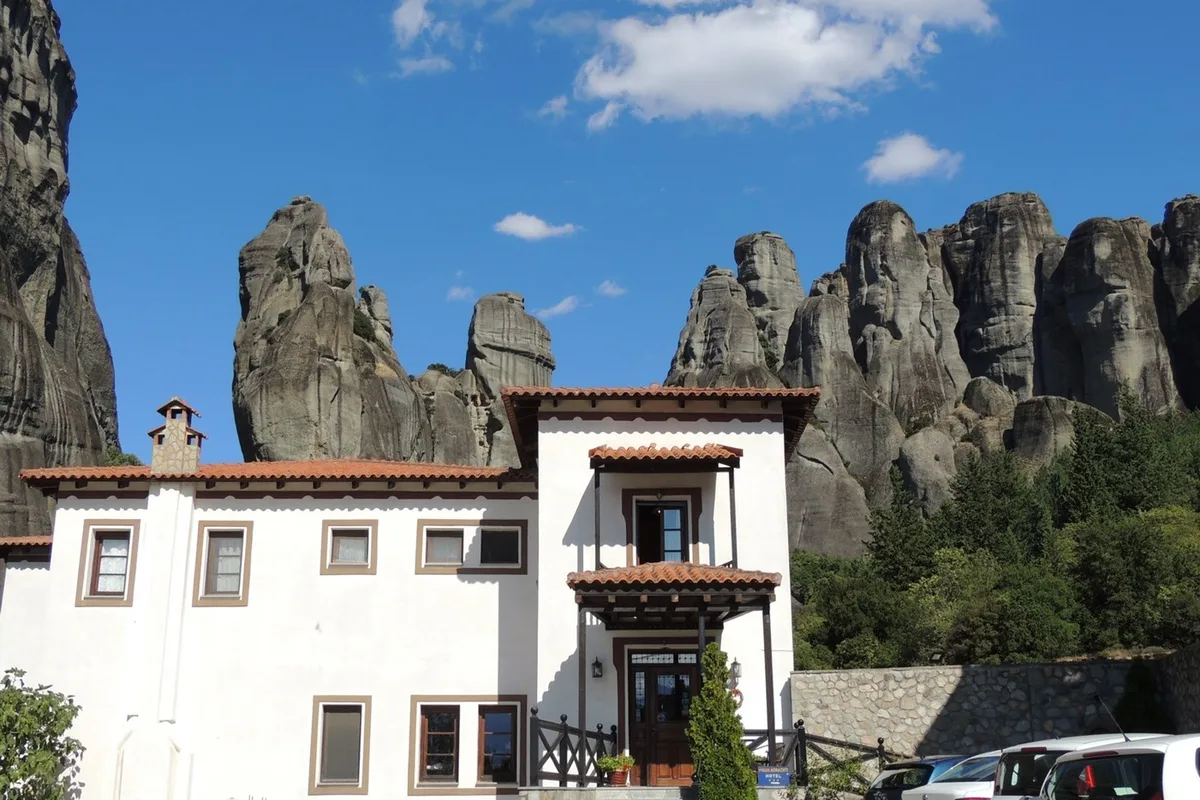
Pyrgos Adrachti.
Best for a traditional stone tower house in old Kastraki, breakfast on the terrace under the pillarsStay in a stone tower house in old Kastraki, its garden and breakfast terrace sitting directly under the pillars. Rooms keep the traditional mansion feel — thick walls, wood, and rock views — and the monastery road starts at the door. Book it for character over facilities.
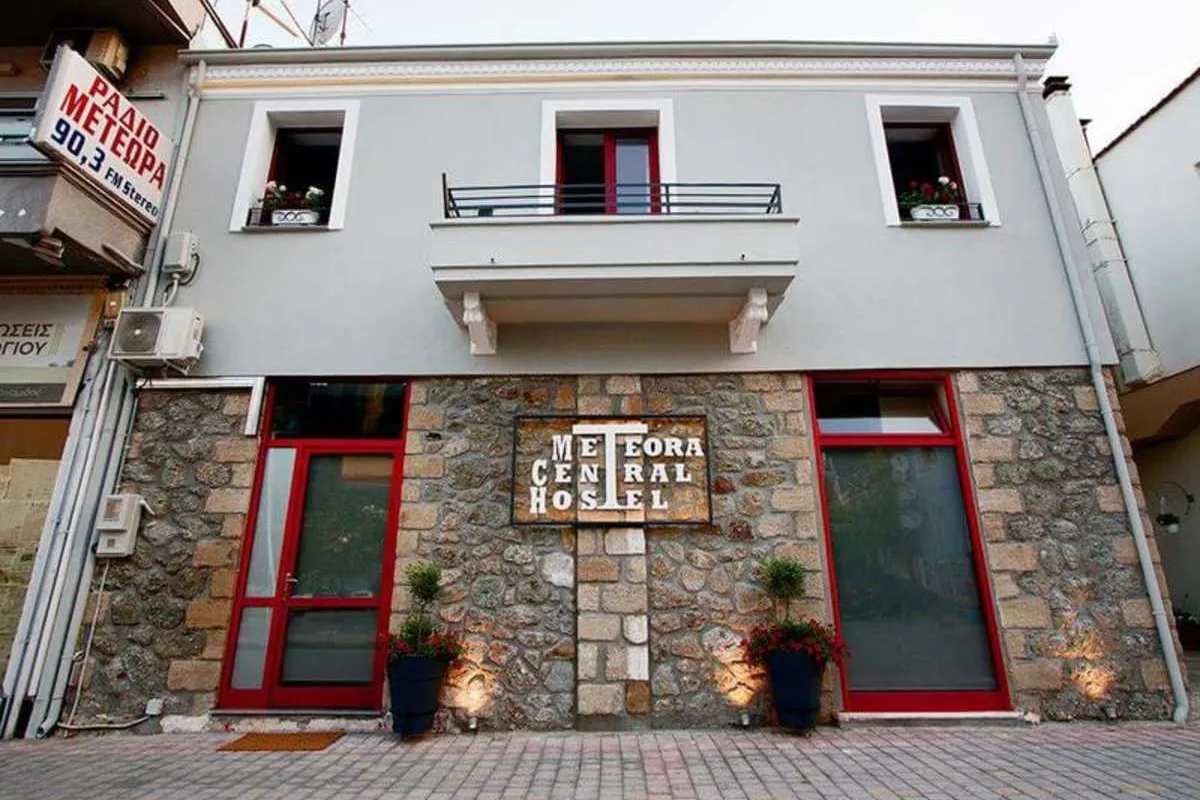
Meteora Central Hostel.
Best for budget beds in central Kalabaka — 400 m from the station, monastery bus across the streetBed down at Trikalon 82 in central Kalabaka, a renovated 1950s house 400 metres from the station with the monastery bus stop across the street. Dorm beds come with curtains, a light and a socket; there is a private twin, a kitchenette and a backyard, and the family cafe next door handles check-in. Beds run from about €17.50. Book it for the social, station-side base.
Kalabaka or Kastraki is the one real choice. Kalabaka suits a first night: the station, KTEL stops, ATMs and the most tavernas, all walkable. Kastraki suits monastery-first trips: quieter, village-scale, the rocks filling your window.
Book ahead for Orthodox Easter, August and holiday weekends, when domestic tourism fills both villages. Keep cash aside for the climate resilience fee — €2 to €15 a night by class in season.
Where to eat first
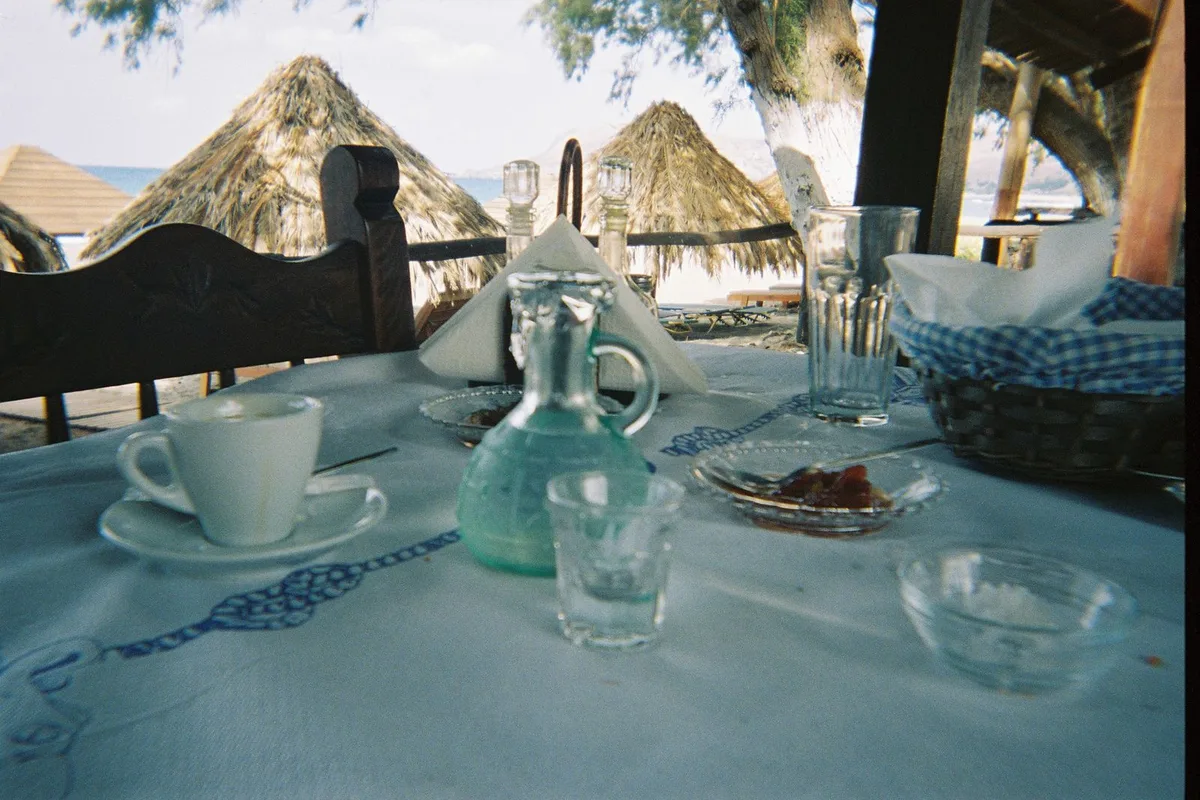
Eat Thessalian: grilled meats and kontosouvli from the spit, stuffed peppers, local sausages, and the halva of the plain — Farsala, just south, is famous for it. Three first stops:
Panellinio, Trikalon street, Kalabaka centre.
Eat at the town's old-guard taverna-cafe on the main street — grills, oven dishes and tsipouro by the carafe, priced for locals. The default first dinner.
Meteoron Panorama, on the road above Kastraki.
Book the terrace table for the view the name promises — Greek standards above the village as the light goes down on the pillars. Go at sunset.
The tavernas of Kastraki's old square.
Graze the village plates — garden salads, grilled cheese, lamb chops — on the small square under St Nicholas. Quieter than Kalabaka, and the walk home is downhill.
For food walks and cooking days, browse the Kalabaka listings on GetYourGuide and book a slot for your free evening.
Day trips and more
Three guided days cover Meteora at three speeds: the full monastery circuit by minibus, the sunset run, and the old monks' paths on foot. Carry cash for the €5 monastery doors on all three — entry is never included.
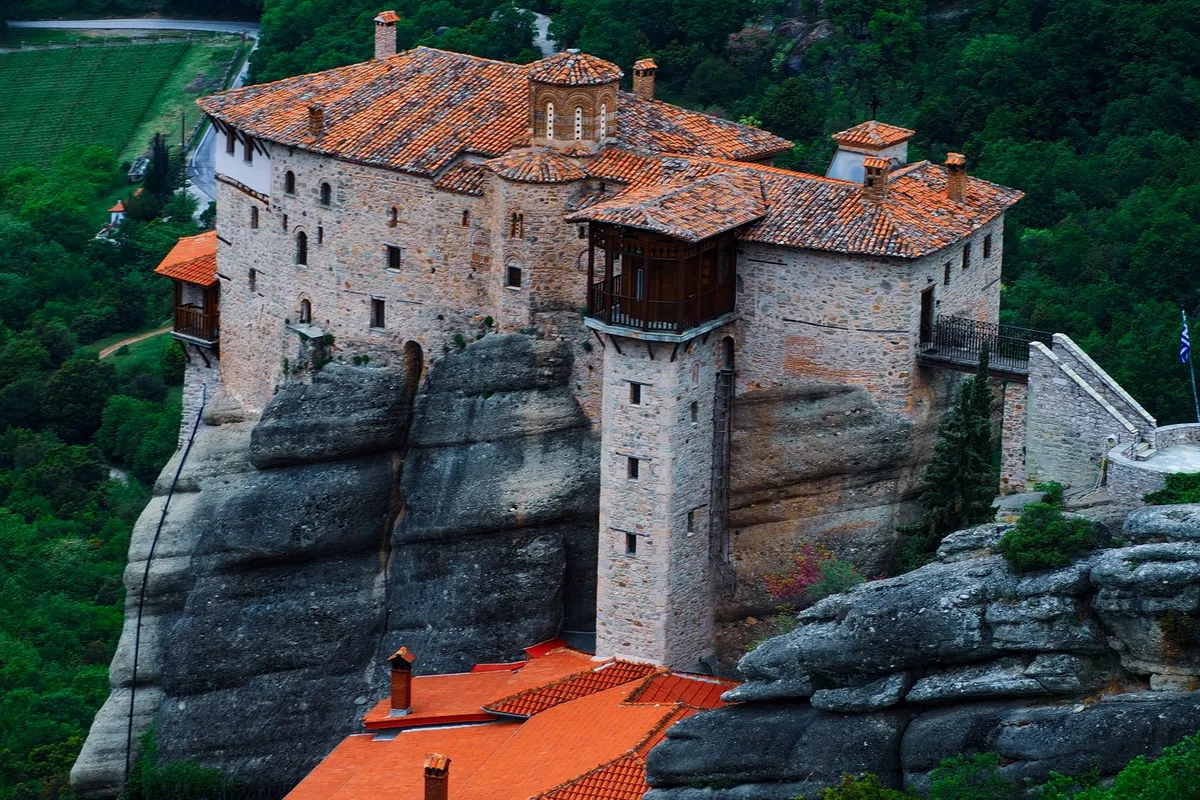
Panoramic morning tour
Four hours by small-group minibus from Kalabaka or Kastraki: panoramic stops at all six monasteries, inside three of them, with a local guide and hotel pickup. Rated 4.7 from 361 recent reviews, from about US$39. Check availability →
Majestic sunset tour
Four hours in the late light: see all six monasteries, step inside one or two, visit the Byzantine Church of the Virgin Mary and the Badovas hermit caves, then watch the sun drop from the main viewpoint. Rated 4.7 from 424 recent reviews, from about US$39. Check availability →
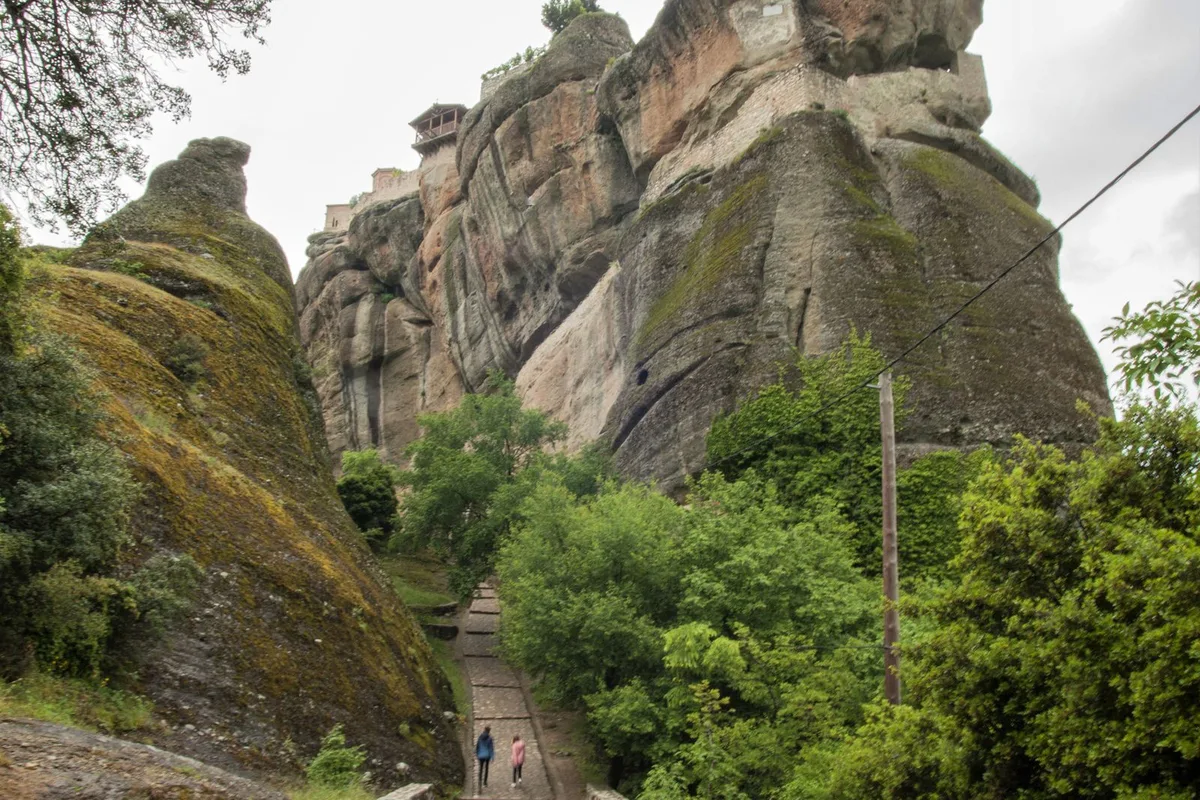
Small-group hiking tour
Five hours walking from Kastraki square: the Doupiani hermitage, ruined Pantokratoros, Ypapanti and St Dimitrios, then up to Great Meteoron or Varlaam, entry €5 paid at the door. Rated 4.9 from 222 recent reviews, from about US$39. Check availability →
Leave a spare half-day for Theopetra Cave, 15 minutes south — one of Greece's longest-used prehistoric sites — or for Trikala, the plain's easy-going city, 30 minutes by KTEL at €2.90.
When to go and what it costs
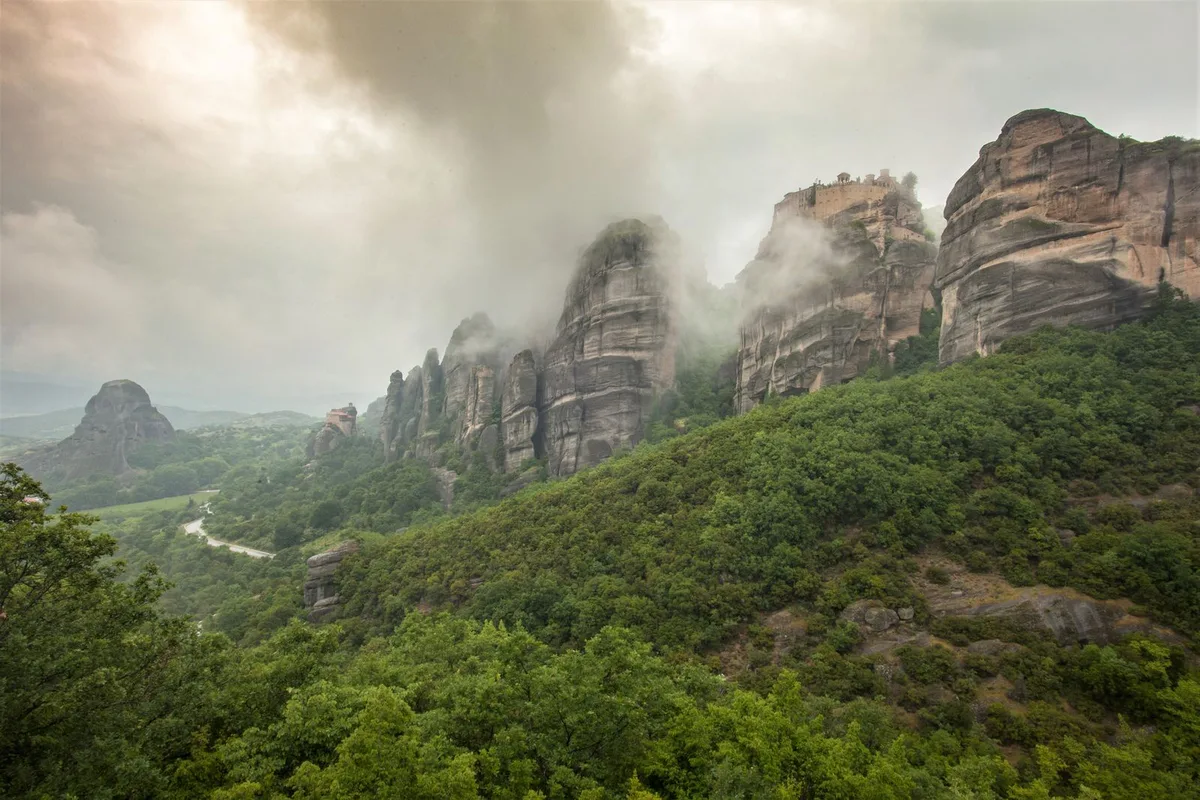
April to June and September to October are the sweet spot: warm rock, long monastery hours (roughly 09:00 to 16:00 or 17:00) and room at the viewpoints. July and August bring 35°C afternoons and the day-trip peak. Winter is quiet and atmospheric, but hours shrink.
Budget in euros. The KTEL monastery bus is €2; monastery entry €5 cash a door; a taverna dinner with house wine €15 to 25 a person; a guided half-day about US$39.
A backpacker in a dorm, on bakery breakfasts and the monastery bus: €45 to 60 a day. Mid-range — a Kastraki room with a view, taverna dinners, one guided day: €120 to 170 a day. A splurge day with the boutique hotel and a private circuit passes €300.
What to pack
Tap items to check them off — your list is saved on this device.
Pack for monastery steps, exposed rock and a dress code — the climbs are steep and the gates turn away bare shoulders. This is the full list:
- Comfortable walking shoes Shop walking shoes on Amazon →
- Sunscreen Shop sunscreen on Amazon →
- Reusable water bottle Shop water bottle on Amazon →
- Phone charger and power bank Shop power bank on Amazon →
- Daypack Shop daypack on Amazon →
- Sunglasses Shop sunglasses on Amazon →
- Light rain jacket Shop rain jacket on Amazon →
Add the Meteora extras: a long skirt or wrap for women and long trousers for men — some gates lend wrap skirts, but do not count on it — small euro notes for the doors, and a warm layer for sunset viewpoints, which cool fast even in summer.
Language, visa and entry
✓ Visa-free entry
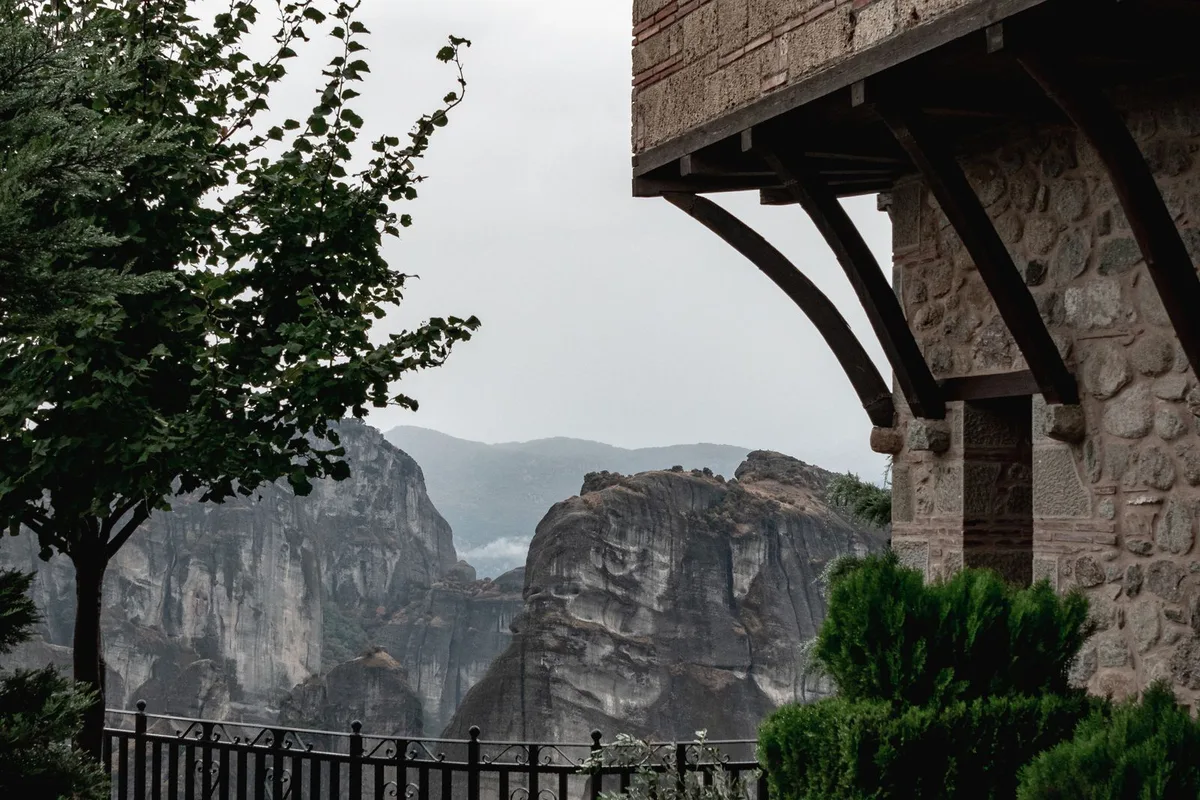
Greek runs the villages, warmly: greet first (kalimera in the morning, kalispera after midday), and gatekeepers and taverna owners alike will slow down and help. English works across hotels, tours and most menus.
Four phrases do most of the work:
Sort your entry paperwork before you book anything non-refundable. Greece is Schengen: US, Canadian, British, Australian and New Zealand nationals enter visa-free for up to 90 days in any 180-day period across the whole zone. Your passport must be valid three months beyond departure and issued within the last ten years.
The EU Entry/Exit System now records entries digitally — there is no advance application, and your passport is no longer stamped. ETIAS is not yet operating: as of October 2026 no application exists, and any site selling one is a scam.
Safety and health
Take the monastery steps at your own pace
Great Meteoron asks roughly 300 steps, Varlaam and Holy Trinity not far behind, with exposed stone and low rails. There is no shame in St Stephen, which you enter over a bridge — and no entry at all is worth a vertigo episode on a stair tower.
Respect heat, storms and the rock itself
Summer afternoons pass 35°C with no shade or water on the monastery road: climb early, carry a litre, and come down before thunderstorms, which break fast over the Pindos. Stay behind viewpoint barriers — the sandstone edges crumble.
Use the bus or a taxi after dark
The monastery road is unlit, unwalked and busy with tour traffic by day and wildlife by night. Walk Kalabaka and Kastraki freely in the evening — both are small, lived-in and calm — and ride the last stretch to outlying rooms.
Carry cash and keep the small risks small
Pickpocketing is rare here; the real frictions are cash-only doors, ATMs that empty on holiday weekends, and card machines that fail in the hills. Keep €5 notes ready, use bank ATMs in Kalabaka, and dial 112 for anything serious.
Related destinations
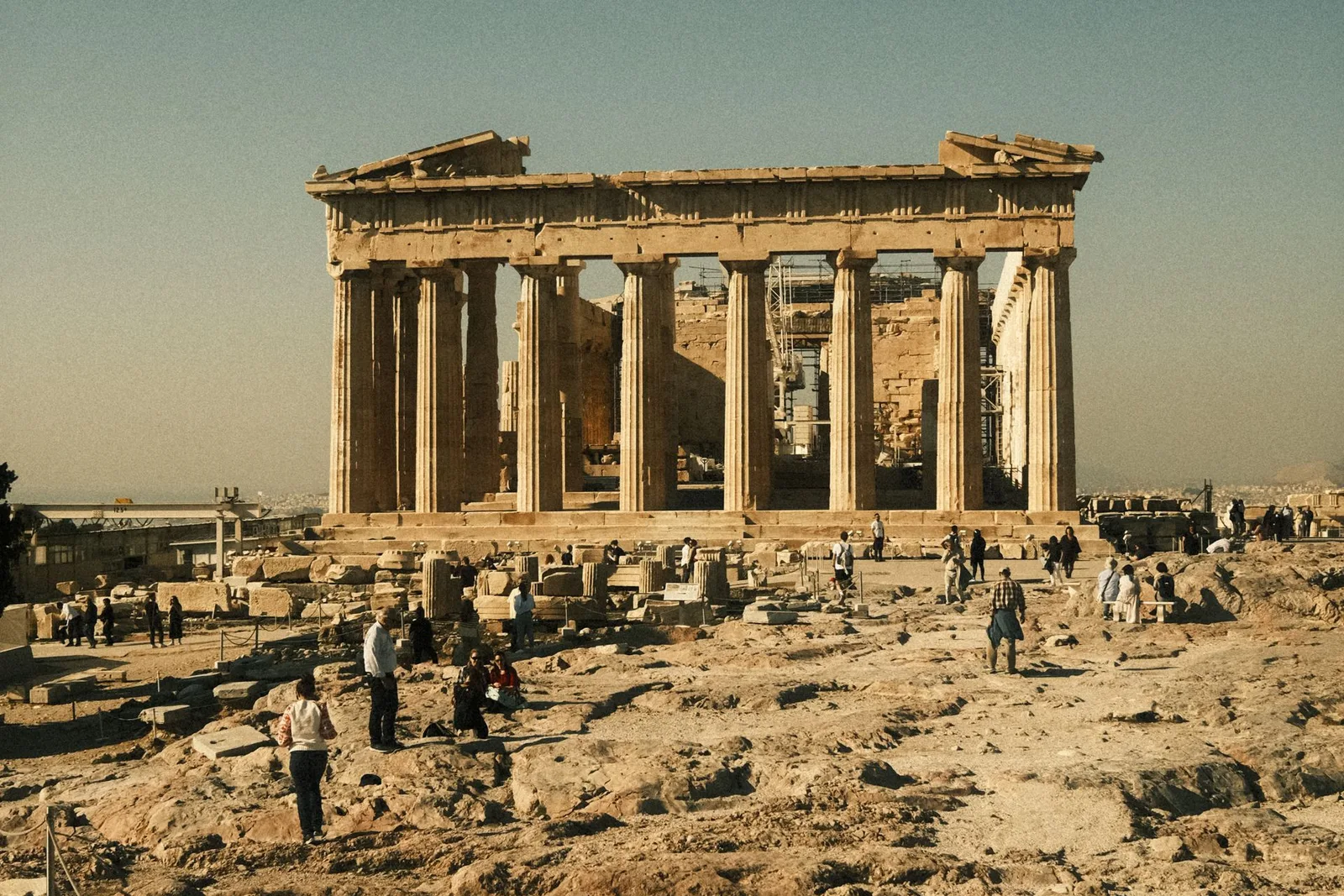
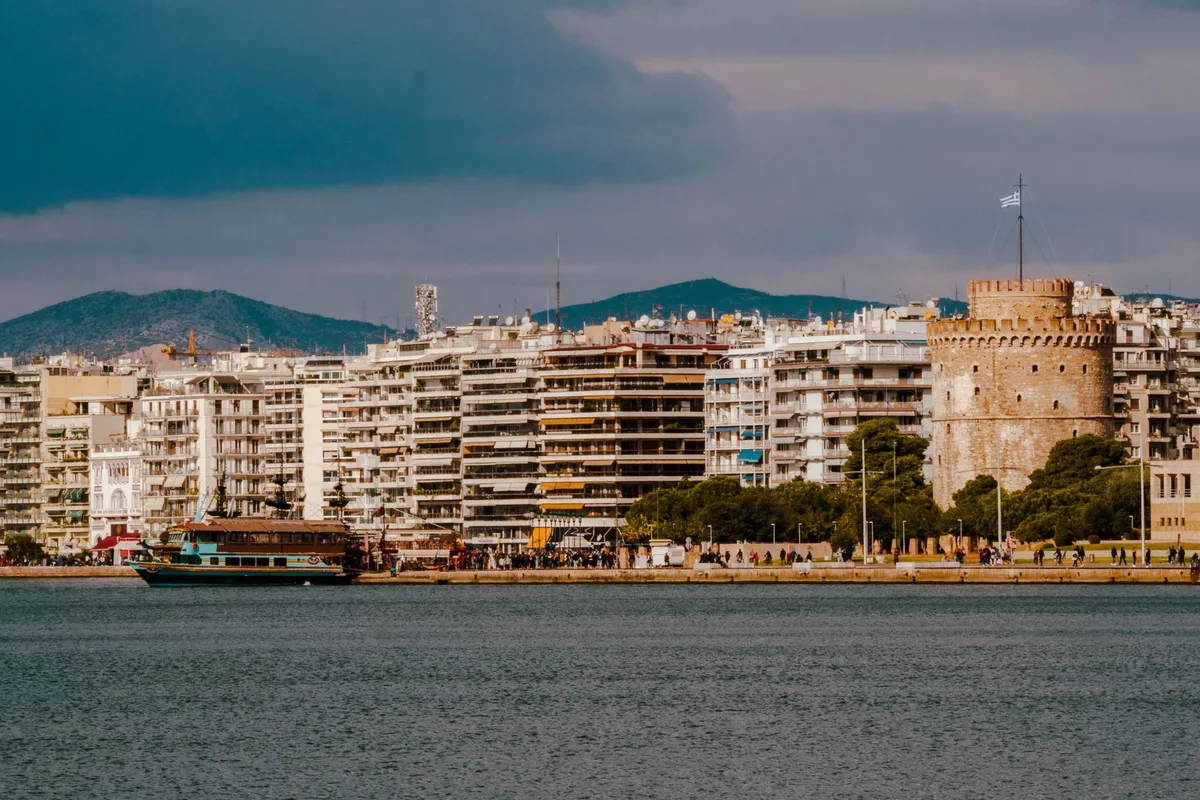
If you liked Meteora, try these next:


Frequently asked questions
The arrival, the €5 doors and the two bases, in short.
KTEL fares against KTEL Trikalon's published price list, checked October 2026; rail pattern against Hellenic Train's current Athens to Kalabaka service; monastery fees against local sources checked 23 October 2026; entry rules against October 2026 Schengen and EU guidance.
Two honest options. The KTEL Trikalon coach from Athens Liosion terminal costs €32.50 and takes about five hours — only the 06:30 runs through to Kalabaka, the rest change at Trikala. Or take Hellenic Train from Larissa station: rail to Paleofarsalos, then the connecting bus via Trikala, about 4 hours 45 minutes in total.
No, and there is no direct train either. The Paleofarsalos to Kalabaka branch was destroyed by Storm Daniel in September 2023 and Hellenic Train buses the final leg; restoration is not expected before 2027. The nearest airports of any size are Athens and Thessaloniki — Ioannina and Volos sit about two hours away with thin schedules.
€5 per monastery, in cash, paid separately at each door — there is no combined or online ticket. Dress is enforced: shoulders covered, long trousers for men, skirts below the knee for women (some gates lend wrap skirts). Each monastery closes one weekday, so two or three interiors a day is the realistic pace.
Kalabaka for a first night: the station, both KTEL stops, ATMs and the most tavernas, all walkable. Kastraki for the monasteries: a quieter village directly under the rocks, with St Nicholas Anapausas a short walk uphill. They are 2 km apart — many visitors sleep in one and eat in the other.
April to June and September to October: warm days, full monastery hours and room at the viewpoints. July and August are hot — often over 35°C — and busiest. Winter is quiet and atmospheric, but monasteries open shorter hours, roughly 09:30 to 14:00 or 15:00, with extra closing days.
Greece is Schengen: US, Canadian, British, Australian and New Zealand nationals enter visa-free for up to 90 days in any 180-day period across the zone. Your passport needs three months of validity beyond departure and must have been issued within ten years. The Entry/Exit System records you digitally; ETIAS is not yet operating, so there is nothing to apply for.
Fares and monastery hours change — KTEL Trikalon, Hellenic Train and the monastery gates always win.
Meteora, in your pocket
Landing soon? Get the printable PDF — ticket links, the airport transport cheat sheet, our 3 restaurant picks with maps, and the packing checklist. Everything above, formatted for your phone.
One email with your Meteora PDF. Fare changes and new guides after that. No spam, unsubscribe anytime.
Sources and last verified
Arrival against KTEL Trikalon published fares (€32.50 Athens, €22.60 Thessaloniki, €2.90 Trikala, €2 monastery bus) and Hellenic Train's current pattern: no direct train since Storm Daniel in September 2023 — rail to Paleofarsalos, bus via Trikala, about 4 hours 45 minutes; restoration not expected before 2027. Monastery entry: sources conflict — older listings price five monasteries at €3, while current local sources checked 23 October 2026 put every door at €5 cash, no online or combined ticket; this guide prints €5. Climate fee against the national rates in force since January 2025. Entry against October 2026 Schengen guidance: 90 days in 180, the Entry/Exit System operating, ETIAS not yet open. GetYourGuide products opened and read from the Kalabaka hub. Expedia returned rate limits during this build, so hotel URLs are empty pending the confirmation pass. Photo credits as in the guide data. Last verified October 2026.
Affiliate disclosure: hotel names, transfers, experiences, and products linked in this guide may earn After You Land a commission at no extra cost to you. Prices and times were checked in Oct 2026 and change often — confirm before you book.