You have just landed at Málaga or Seville, and Ronda is the prize at the end of the road — a town split by the El Tajo gorge and joined by the Puente Nuevo, with a Moorish old town on one side and the stations and bullring on the other. This guide covers the bus, train and car runs in, where to sleep on each side of the bridge, the first rabo de toro, and the gorge climbs and white villages that fill day two.
By Paul GreenUpdated Oct 202612 min readPrices checked Oct 2026
You just landed in Ronda. There is no airport here — Málaga is the gateway, about 100 km east, and the move is the direct bus at about €15 or the train via Antequera-Santa Ana, with an Airalo eSIM live for tickets and maps, no tourist tax to add, and the gorge days that fill first worth booking ahead through GetYourGuide.
Quick facts
Airport
No airport in Ronda Málaga (AGP) is the gateway, about 100 km east — Seville (SVQ), about 130 km north-west, is the second gateway. Almost everyone rides a bus or train in; Ronda's own stations sit in Mercadillo, the new town.
Getting in
Direct bus from Málaga about €15, train via Antequera-Santa Ana, Damas bus from Seville about €17 Driving takes about 1 hour 30 minutes from Málaga Airport. There is no direct train from either gateway — rail means a change at Antequera-Santa Ana.
Currency
Euro (€) Cards are accepted almost everywhere; carry small notes and coins for village buses, markets and café counters.
Languages
Spanish Hotel and tour staff often work in English; drivers, bars and the white villages run on Spanish — the phrase chips below cover the essentials.
Time zone
Central European Time CEST (UTC+2) until 25 October 2026, then CET (UTC+1) — Spain changes its clocks on the last Sundays of March and October, so late-October arrivals land in one offset and leave in the other.
Emergency
112 for police, ambulance and fire anywhere in Spain The 112 line works in English as well as Spanish. Keep your insurer's number on your phone as well.
Plugs
Type C and Type F sockets, 230 volts US and UK plugs need an adapter. Most phone and laptop chargers handle 230 volts without a converter.
Tap water
Safe to drink the town supply is treated — It is hard and can taste of minerals, so many locals keep bottled water for drinking. Refill before gorge and village walks.
Tourist tax
None Andalusia charges no regional tourist tax in 2026 — Hotel rates carry 10% VAT inside the quoted price, with nothing added per night. Proposals for an Andalusian levy are debated, but none is in force.
Best months
April to June and September to October warm days, cooler nights, thinner crowds — July and August pass 30°C, though Ronda's altitude near 700 metres softens the evenings. Winter is mild by day and cold at night.
Map
Find your arrival stop, hotel, and first meal. Stays, sights, and landmarks in Ronda — live hotel prices plus the key places from this guide.
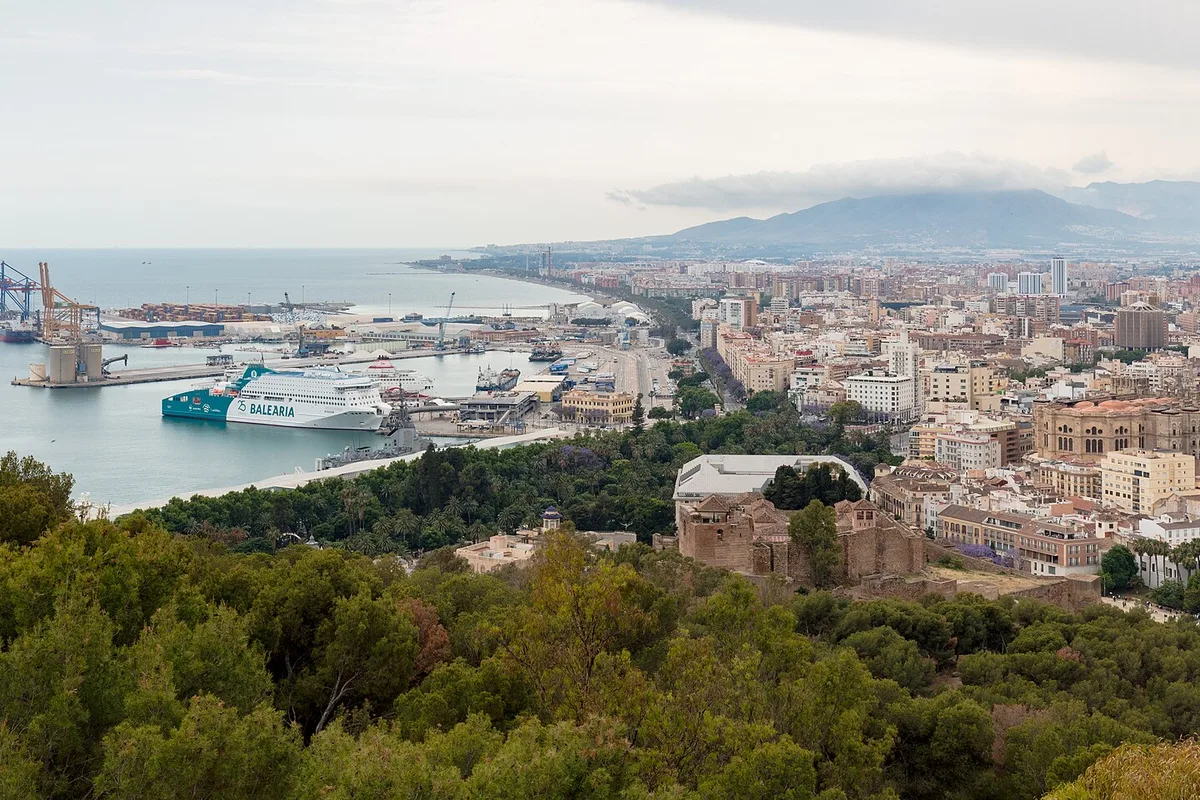
Ronda has no airport, so your first hour starts on the road or the rails: Málaga Airport about 100 km east, Seville about 130 km north-west, and a gorge town waiting at the end of either run. Book the onward bus or train before you fly — departures are few, not frequent.
Set up data before you leave home — an Airalo eSIM loads in minutes, so maps, bus tickets and ride apps work from the arrivals hall. For a longer Spain trip, compare Saily and Yesim.
The arrival checklist, in order:
Buy the Málaga or Seville onward ticket ahead — the direct buses sell out on weekends
Ride the bus, the train via Antequera-Santa Ana, or a pre-booked car in — never a ride offered by a tout in the hall
Walk from Ronda's bus or train station to your hotel: both sit in Mercadillo, about 10 to 15 minutes from the Puente Nuevo
If a delayed or cancelled flight wrecked the arrival, AirHelp checks whether the airline owes you compensation — worth five minutes.
Getting around
Journey times are approximate and refer to the listed stop — not necessarily your hotel. Allow extra time for waiting, walking, and connections.
Direct bus from Málaga (Avanza and Damas)
From Málaga bus station beside María Zambrano; some services also call at the airport. Times run from about 1 hour 45 minutes to over 3 hours depending on stops via Marbella and San Pedro — pick the fastest departure, book ahead and load bags in the hold
Priceabout €15Journeyabout 2 hr 30 min
Train via Antequera-Santa Ana
Fast train from Málaga-María Zambrano to Antequera-Santa Ana, then the Renfe MD along the Bobadilla line to Ronda station in Mercadillo; there is no direct Málaga to Ronda train — the change is the journey
Priceabout €18Journeyabout 2 hr 30 min
Damas bus from Seville
Direct from Prado de San Sebastián and Plaza de Armas in Seville; the fastest departures take about 2 hours while stopping patterns stretch others past 3 hours — check the duration, not just the departure time
Priceabout €17Journeyabout 2 hr 30 min
Private transfer or taxi from Málaga Airport
Door to door from AGP arrivals on the inland A-357 and A-367 or via San Pedro de Alcántara; pre-booked cars quote the whole vehicle, and the fare is per car, not per person
Priceabout €160Journeyabout 1 hr 30 min
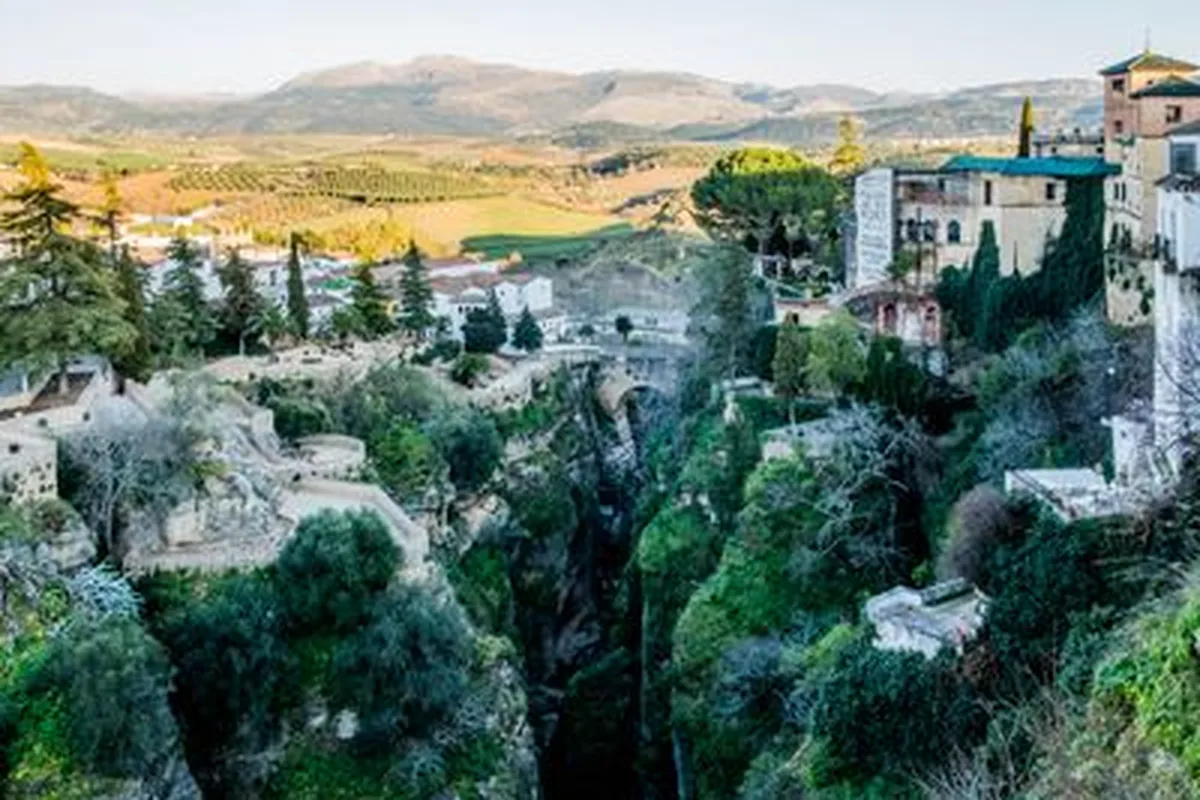
Ronda is split by the El Tajo gorge: Mercadillo, the new town with both stations, the bullring and most hotels, on the north side; La Ciudad, the old town of palaces and churches, across the Puente Nuevo to the south. Everything a first night needs sits inside a 20-minute walk. The rides in:
Choose the bus for price and the train for the gorge-side rail run into town; choose a car when your flight lands after the last useful departure. Timings vary more than the map suggests — the stopping buses via Marbella can pass three hours, and the fastest Seville departures take about two.
Prefer to be met? A Kiwitaxi transfer or a Welcome Pickups driver puts a name board in arrivals at a fixed price. Driving yourself, price the airport pickup on AutoEurope first — a car earns its keep on white-village days, not in town.
In town, walk. Local buses cover the station-to-old-town stretch, but the bridge walk is the point of Ronda; taxis wait at Plaza de España and outside both stations.
In the city
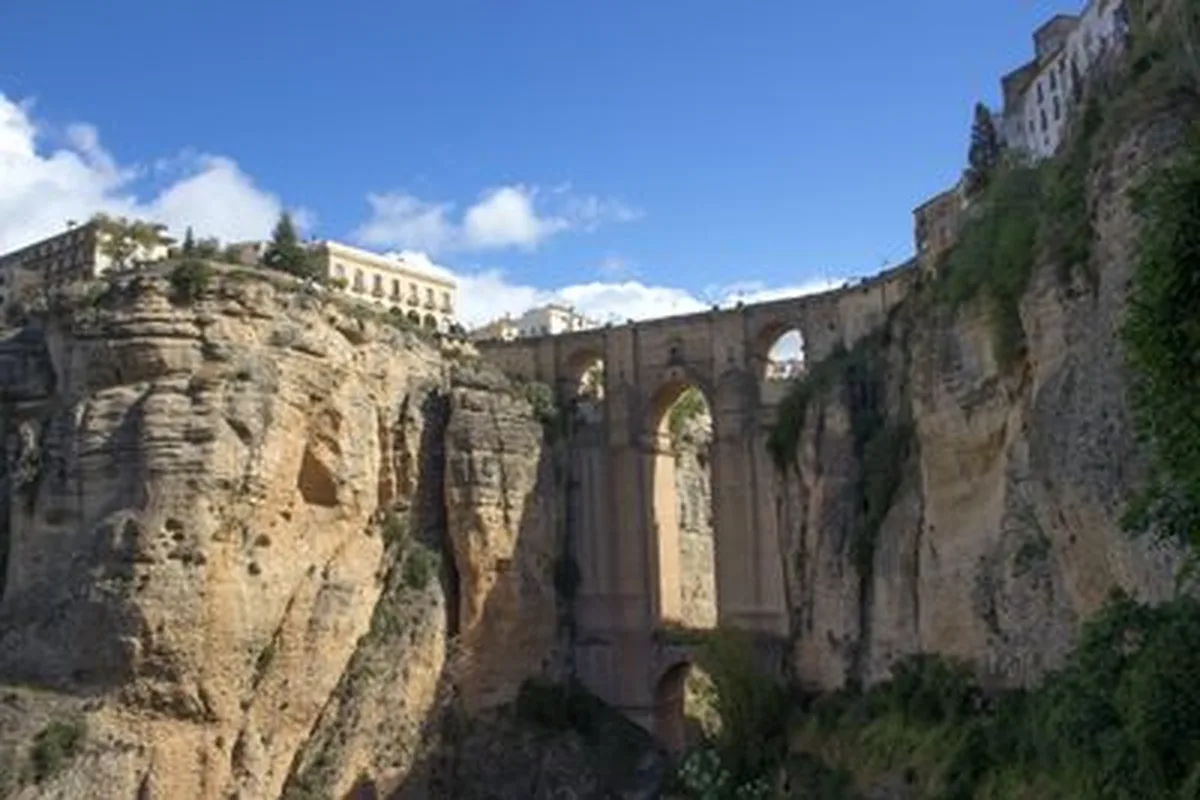
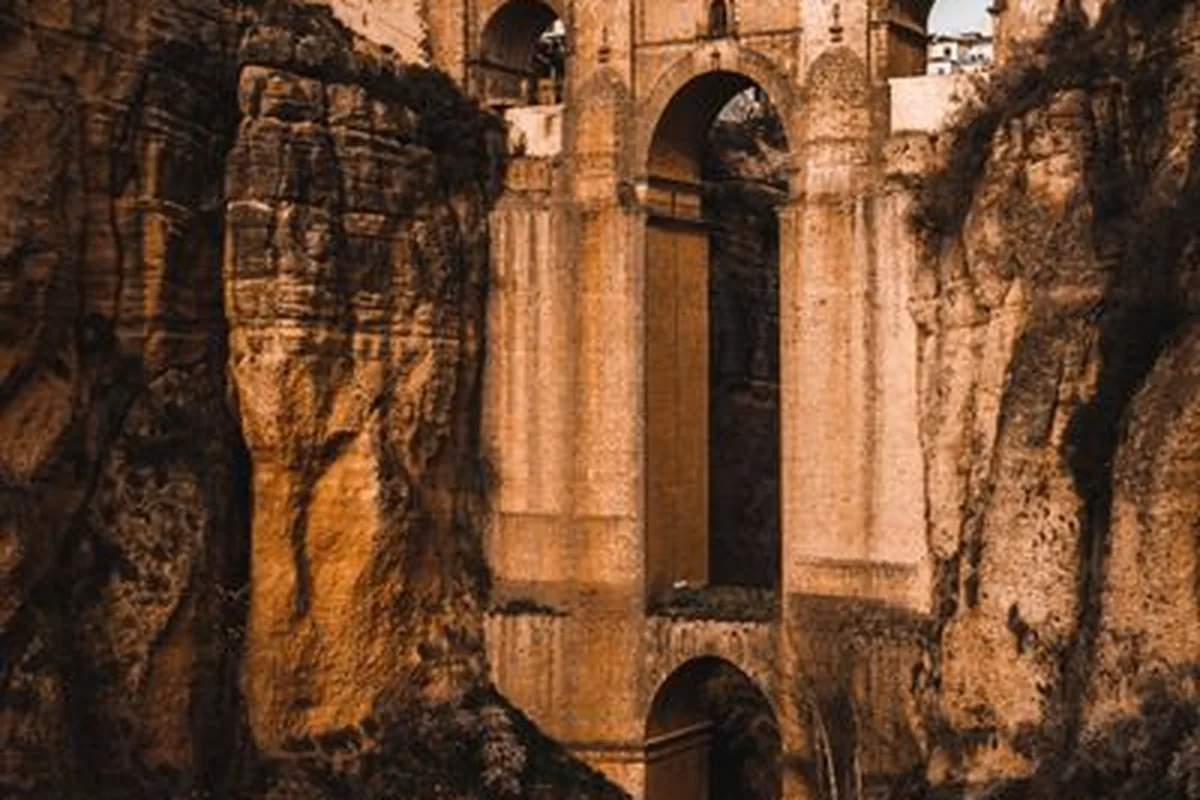
Cross the Puente Nuevo first. The 18th-century bridge spans the El Tajo gorge about 100 metres above the Guadalevín river, joining Mercadillo to La Ciudad. Look down from the middle, then walk the Alameda del Tajo gardens for the wide view back.
Step into the Plaza de Toros beside the bridge — one of Spain's oldest bullrings, opened in 1785, home of the Romero dynasty and the September Goyesca. The museum underneath the stands tells the story whether or not a corrida ever appeals.
Wander La Ciudad, the old town: the Mondragón Palace and its gardens, Santa María la Mayor church built over the old mosque, and the lane down to the Puente Viejo, the older, smaller bridge below.
Descend to the Arab Baths near Puente Árabe, among the best preserved in Spain, then climb back for sunset from the Mirador de Aldehuela on the old-town rim.
Browse GetYourGuide for gorge climbs, e-bike rides and olive oil tours, and compare Klook when stacking activities.
After you land in Ronda: Bookable experiences
Where to stay your first nights
Splurge
Parador de Ronda.
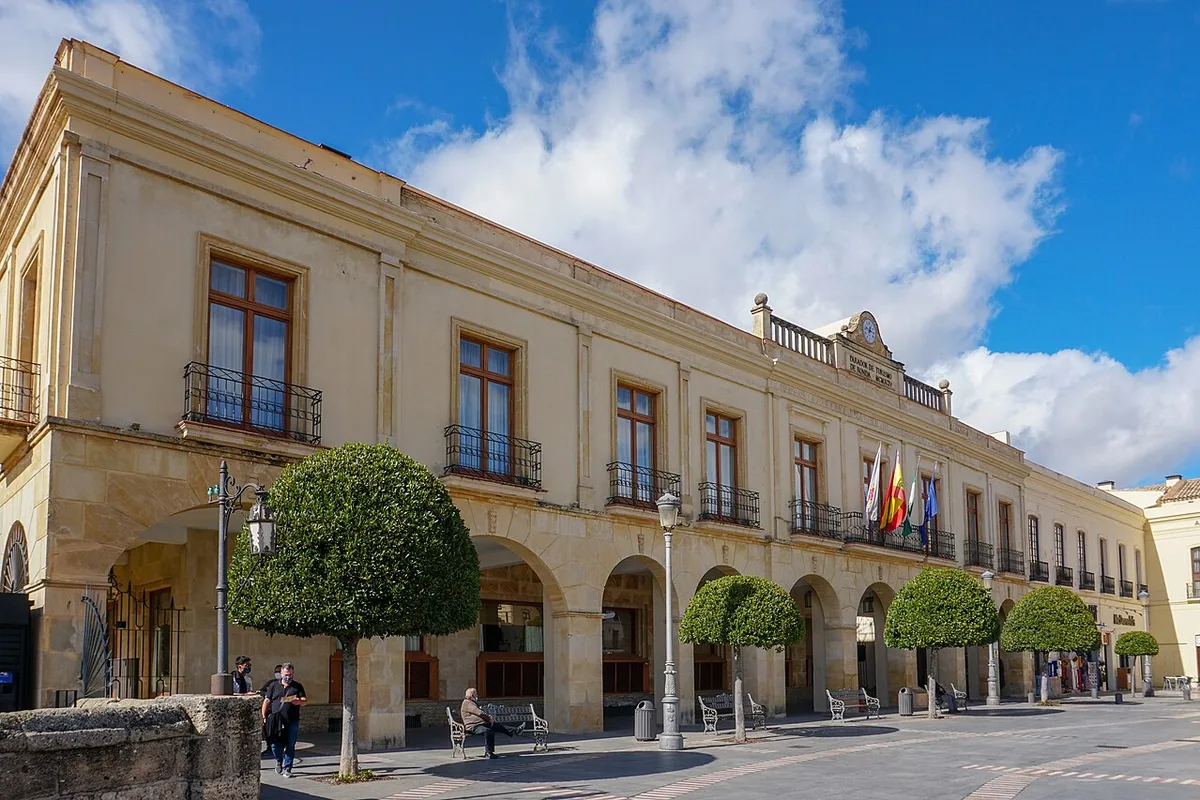
Best for the gorge-rim splurge — the former town hall at Plaza España, garden pool above the Tajo
Sleep at Plaza España, right at the bridge — the former town hall turned parador, with a garden pool on the gorge rim and rooms facing the Tajo or the old town. Book it for the fullest version of the Ronda landing: the view starts at breakfast.
Best for a full-service Mercadillo base — rooftop infinity pool facing the bullring
Stay on Calle Virgen de la Paz 16, facing the bullring — a full-service hotel with a rooftop infinity pool looking straight over the ring to the sierra. Book it for a calm base with the bridge three minutes on foot.
Best for simple budget rooms in Mercadillo — family-run hostal minutes from the bridge
Bed down on Calle Sevilla 16 in Mercadillo — a small, family-run hostal of simple rooms with private bathrooms, a few minutes from the bullring and the bridge. Book it for the honest budget version: central, quiet and run by people who will map your first walk.
Base in Mercadillo on a first visit — the stations, the bullring and the restaurant streets are on that side, and the Puente Nuevo is five minutes from most doors. La Ciudad suits a return trip: quieter, older, and every arrival walk crosses the gorge. Either side works for a first night; Mercadillo is the easier landing.
Book ahead for the September Feria de Pedro Romero and spring weekends, when day-trip crowds turn into overnight stays. There is no tourist tax to add — the quoted rate is the rate.
Where to eat first
Eat mountain food, not coast food. Ronda's emblematic plate is rabo de toro, oxtail simmered for hours; around it sit migas, game in season, cured meats from the sierra and reds from Ronda's own small wine country. Three first stops:
Plaza del Socorro, Mercadillo.
Graze the town's living-room square — tapas bars under the arcades a few minutes from the bridge. Order rabo de toro once, here or anywhere, before you leave town.
Calle La Bola (Carrera Espinel), Mercadillo.
Eat along the pedestrian shopping street where locals actually take tapas — stand at the counter, order small, move on. Start early by Spanish standards if you want a seat.
The old-town taverns around Plaza Duquesa de Parcent, La Ciudad.
Settle in across the bridge for a slower dinner after the day coaches leave — the old town empties at dusk and the taverns go back to being local.
For food tours and wine tastings, browse the Ronda listings on GetYourGuide and book a slot for your first free evening.
Day trips and more
Three bookable escapes cover Ronda's second day, and a fourth costs only a bus fare: Setenil de las Bodegas, about 30 minutes north, where whole streets — Cuevas del Sol and Cuevas de la Sombra — sit beneath huge rock overhangs. Go early, before the day coaches arrive.
Tajo de Ronda via ferrata
Two hours with a guide on the fixed cables of the Tajo wall, about 50 metres of climbing with the Puente Nuevo above you and no experience needed. Rated 5 from recent reviews, from about US$45. Check availability →
E-bike tour beyond the city
Two hours on quiet roads and woodland paths beneath El Tajo with a local guide, finishing at a Puente Nuevo viewpoint away from the crowds. Small group, rated 4.9, from about US$45. Check availability →
LA Almazara olive oil tour
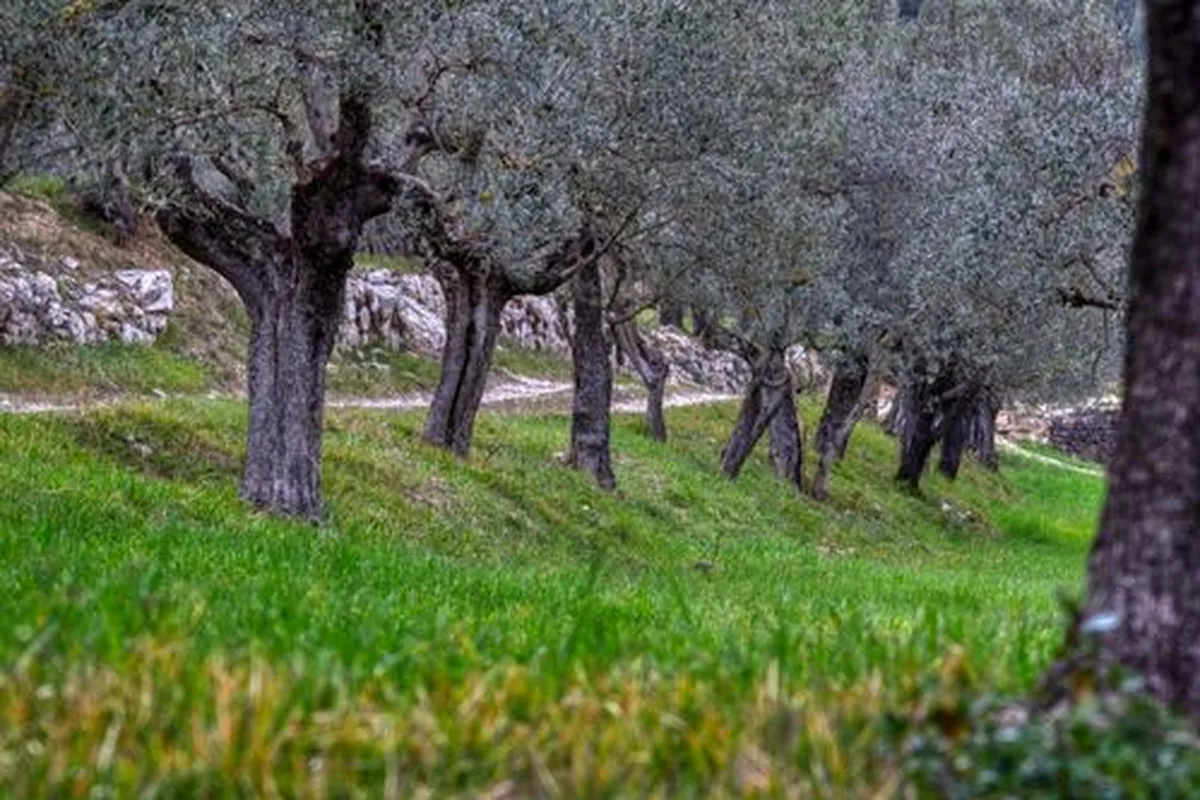
Ninety minutes at the olive oil museum and mill designed by Philippe Starck, in the countryside outside town: the groves, the process and a tasting of the estate's oils. Rated 4.7 from recent reviews, from about US$31. Check availability →
Leave a spare half-day for the train down the Guadiaro valley toward Benaoján and the Cueva del Gato, one of Spain's prettiest short rail runs.
When to go and what it costs
JanFebMarAprMayJunJulAugSepOctNovDec
Budget€45–65
Mid-range€120–170
April to June and September to October are the sweet spot: warm walking days, cool evenings at altitude and the sierra green or golden. July and August are hot — over 30°C — and the bridge crowds peak. Winter days are mild, nights cold, and the town belongs to locals again.
A backpacker in a hostal room, on tapas lunches and local buses: €45 to €65 a day. Mid-range — a four-star room, a tavern dinner, one paid activity: €120 to €170 a day. A splurge day at the parador with a private transfer passes €300. The onward journey is the fixed cost to plan around: €15 to €18 by bus or train from the gateways, about €160 for a private car from Málaga Airport.
Stay overnight if you can. Ronda receives far more day-trippers than sleepers, and the gorge at dusk is the version residents know.
What to pack
Tap items to check them off — your list is saved on this device.
Pack for a walking town at altitude — steep lanes, cobbles, hot midday sun and a real drop in temperature after dark. This is the full list:
Add the Ronda extras: a Type C and F adapter, a warm layer for gorge viewpoints even in summer, and shoes with grip for the descent paths below the bridges — the stone is polished and slick after rain.
Language, visa and entry
✓ Visa-free entry for eligible passport holders
Spanish runs Ronda, warmly and at full Andalusian speed — greet first, and expect hotel and tour staff to switch to English while bars and village buses stay in Spanish. Dinner starts late; many kitchens open at 8pm or after.
Four phrases do most of the work:
Buenos díasgood morningGraciasthank you¿Cuánto cuesta?how much does it cost?La cuenta, por favorthe bill, please
Sort your entry paperwork before you book anything non-refundable. US, Canadian, British, Australian and New Zealand nationals enter Spain and the Schengen area visa-free for up to 90 days in any 180-day period; your passport should be valid at least three months past departure.
Since April 2026 the EU Entry/Exit System (EES) is fully operational: non-EU arrivals give fingerprints and a photo at the first Schengen border instead of collecting a stamp, and the system counts the 90 days digitally. ETIAS is a separate scheme and was not yet taking applications in October 2026 — nobody legitimate will sell you one today.
Safety and health
Keep back from the gorge edge outside the railings
The viewpoints on the Puente Nuevo and the Alameda are fenced; the paths below the bridges are not, and the rock is slick after rain. Take photos from behind the rail, never on the wall.
Watch the midday heat on summer walks
Ronda sits near 700 metres, but July and August still pass 30°C with hard sun on the gorge paths. Walk the descents in the morning, carry water, and treat the climb back up as the workout it is.
Use the lit bridge route after dark
La Ciudad empties early; the Puente Nuevo crossing and the Mercadillo streets around Plaza de España stay lit and busy latest. Taxis wait at Plaza de España for the last stretch.
Know the number before you need it
Dial 112 for police, ambulance and fire — the line works in English. Public hospitals treat emergencies regardless of insurance; keep your policy details on your phone for everything else.
The gateways, the gorge-side bases and the taxes, in short.
Transfers checked against Omio and operator listings, October 2026; entry rules against 2026 EES guidance; the tourist tax position against 2026 Andalusia reporting.
Málaga Airport (AGP), about 100 km east, is the gateway — Seville (SVQ) is the second. From Málaga, ride the direct bus from the city bus station (about €15, times vary from about 1 hour 45 minutes to over 3 hours by stopping pattern), the train via Antequera-Santa Ana (about €18), or a pre-booked car in about 1 hour 30 minutes.
No. Ronda's rail line runs via Bobadilla and Antequera-Santa Ana, so every rail journey changes there: a fast train from Málaga-María Zambrano to Antequera-Santa Ana, then the Renfe MD to Ronda station in Mercadillo. Allow about 2 hours 30 minutes door to door.
Mercadillo, the new town north of the Puente Nuevo, for a first visit — both stations, the bullring and the restaurant streets are on that side. La Ciudad, the old town across the bridge, is quieter and suits a return trip. Either side works for a first night; Mercadillo is the easier landing.
US, Canadian, British, Australian and New Zealand nationals enter visa-free for up to 90 days in any 180-day period across Schengen. Since April 2026 the EU Entry/Exit System (EES) records non-EU arrivals digitally with fingerprints and a photo instead of a passport stamp. ETIAS was not yet open for applications in October 2026.
None. Andalusia charges no general regional tourist tax in 2026, and Ronda adds no city levy. Hotel rates carry 10% VAT inside the quoted price, so the rate you book is the rate you pay.
April to June and September to October: warm walking days, cool evenings at nearly 700 metres, and thinner crowds. July and August pass 30°C and the bridge viewpoints peak; winter is mild by day, cold at night and the quietest season.
Bus and train times change — the operator and Renfe always win.
Ronda, Saved for After You Land
Landing soon? Get the printable PDF — the essentials from this guide, formatted for your phone:
The airport transport cheat sheet, with ticket links
Our 3 restaurant picks, with maps
The packing checklist
One email with your Ronda PDF (guide version: Oct 2026). Fare changes and new guides after that. No spam, unsubscribe anytime.
Sources and last verified
Transfers against Omio and operator listings, October 2026: Málaga to Ronda direct buses run about 1 hour 45 minutes to over 3 hours depending on stops (average about 2 hours 16 minutes), fares about €15; Seville to Ronda Damas buses about €16 to €19, fastest about 2 hours; rail via Antequera-Santa Ana against Trainline and TrainPal timings (Málaga to Antequera from about 20 minutes, Antequera to Ronda about 1 hour 20 minutes). Private transfers against 12go listings (about US$160). Entry against 2026 EES guidance: phased rollout from 12 October 2025, fully operational 10 April 2026; ETIAS not yet open in October 2026. Tourist tax: Andalusia has no general regional tourist tax in force in 2026. Time zone: CEST ends 25 October 2026. GetYourGuide hub ronda-l838 opened and read; the via ferrata and e-bike product pages were opened and read; the LA Almazara olive oil tour is taken from the hub listing, flagged in the build report. Expedia returned rate limits (HTTP 429) during this build, so hotel URLs are empty pending the confirmation pass. Photo credits as in the guide data. Last verified October 2026.
Affiliate disclosure: hotel names, transfers, experiences, and products linked in this guide may earn After You Land a commission at no extra cost to you. Prices and times were checked in Oct 2026 and change often — confirm before you book.