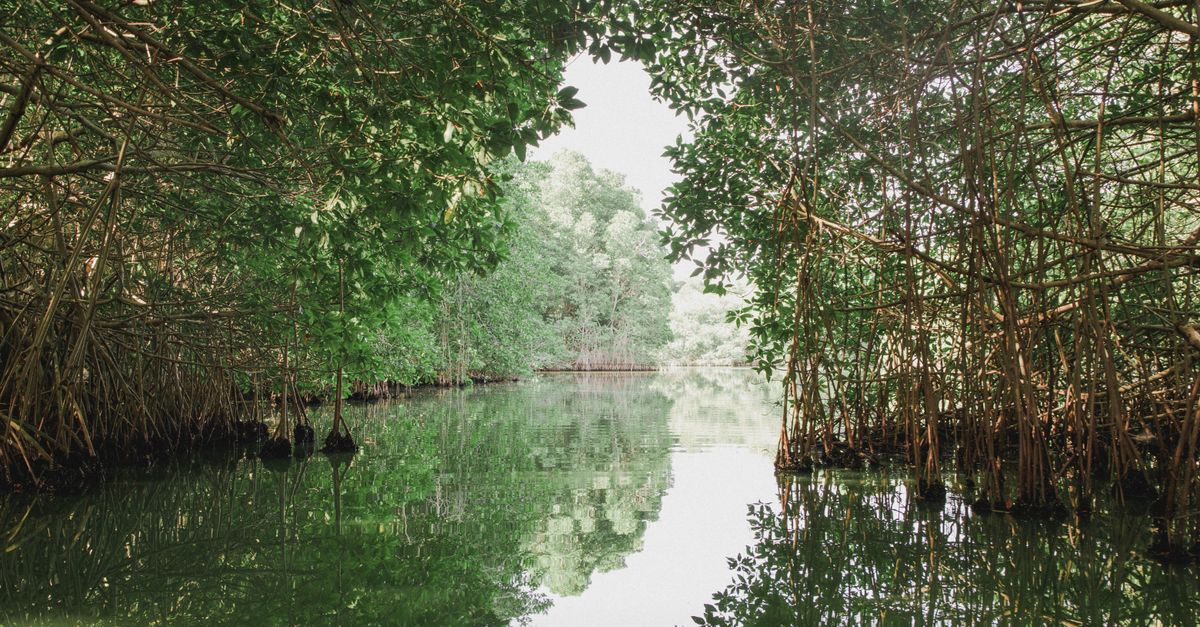
Tumbes, Peru: the far-north border city — mangroves, black-shell ceviche, and the warmest beaches on Peru's coast. Tumbes is the last Peruvian city before Ecuador, a hot coastal town with a handsome cathedral, a river, and some of the country's most distinctive food. Come for the Manglares de Tumbes, Punta Sal, and the border-town energy — stay for the seafood.
By Paul GreenUpdated Oct 20265 min readPrices checked Oct 2026
Tumbes, Peru: the far-north border city — mangroves, black-shell ceviche, and the warmest beaches on Peru's coast. Tumbes is the last Peruvian city before Ecuador, a hot coastal town with a handsome cathedral, a river, and some of the country's most distinctive food.
✈️ AirportTumbes Airport (TBP)
💱 CurrencyPeruvian sol (PEN)
🗣️ LanguageSpanish
Quick facts
✈️ AirportTumbes Airport (TBP)short taxi to the center; also buses from Lima, Piura, and Chiclayo
💱 CurrencyPeruvian sol (PEN)cash for taxis, mangrove tours, and small restaurants; cards accepted at hotels and larger restaurants
🗣️ LanguageSpanish"Gracias" (thank you); English works in hotels and tour offices
🕐 Time zonePeru time (UTC−5, no daylight saving)
🔌 PlugType A/B/C, 220V
🛂 VisaMany nationalities get visa-free entrycheck Peru's current rules for your passport before booking
🌡️ ClimateHot, humid tropical coastwarm year-round, rain possible in the wet season
Your first hour, minute by minute
Arrive at the airport or bus terminal
Taxis are everywhere — the standard way into the center.
Drop bags at your hotel
Stay near the Plaza de Armas if you can — restaurants, markets, and taxis are all on foot from there.
Walk to the Plaza de Armas
Tumbes' main square — palms, benches, and the cathedral — is your orientation point.
Get cash
ATMs are in the center — bring small notes for taxis, mangrove tours, and small restaurants.
Drink water
Tumbes is hot and humid — water first, then plans.
Your first evening
Walk the Plaza de Armas as the light drops — families out, vendors selling snacks, and the cathedral against the sky. Dinner in the center: ceviche de conchas negras (black-shell ceviche) — the Tumbes classic — with a cold drink. Mosquitoes come out at dusk — repellent before dinner, not after.
Your first full day
Morning:
MorningAfternoon
The Manglares de Tumbes — the mangrove sanctuary north of town, with boat trips through the mangrove channels, birds, and crocodiles. Go early, before the midday heat. Afternoon: Puerto Pizarro — the fishing village and departure point for mangrove trips, with waterfront restaurants. Evening: Dinner in the center — black-shell ceviche again, or a grilled fish.
Where to stay your first nights
Splurge
Wyndham Costa del Sol Tumbes
On Jiron San Martin 275, a 4-star hotel a short walk from the Plaza de Armas. Best if you want the most polished stay in town.
On Jr. San Martin 241, a central hotel near the Paseo Jerusalem, with a continental breakfast. Best if you want a comfortable, central base.
Value
Rizzo Plaza Hotel Tumbes
On Jr. Bolognesi 216, a central hotel near the Plaza de Armas. Best if you want a simple, central stay close to everything.
Where to eat first
Ceviche de conchas negras.
Black-shell ceviche — the Tumbes classic, made with the local black clam.
Grilled fish.
Fresh catch from the coast — try it at a waterfront restaurant for lunch.
Majado de yuca.
Mashed yuca with pork — the northern staple.
Chifles.
Thin plantain chips — the northern snack, sold everywhere.
Getting around
Journey times are approximate and refer to the listed stop — not necessarily your hotel. Allow extra time for waiting, walking, and connections.
Taxi
PriceThe standard optionJourneyShort rides; agree fare first
Mototaxi
PriceAvailableJourneyShort rides; agree fare first
Walk
Price—JourneyThe center is walkable
Tour
Price—JourneyMangrove and Punta Sal trips
Tumbes' center is walkable — plaza, restaurants, and markets are all on foot. For the mangroves, Puerto Pizarro, and Punta Sal, use a taxi or tour.
Do this, skip that
✓ Do this
A Manglares de Tumbes boat trip. Ceviche de conchas negras. Punta Sal beach. Mosquito repellent — dusk is peak time. Cash — small notes for taxis and small restaurants.
✕ Skip that
Trying to do the mangroves and Punta Sal in one rushed day — each deserves its own day. Crossing the border without checking current requirements — rules change.
Day trips and beyond
Punta Sal.
The warm-water beach south of Tumbes — white sand, calm water, and beach restaurants. A full day.
Zorritos.
Taxi
The beach town closer to Tumbes — a half day by taxi or colectivo.
Huaquillas, Ecuador.
The border crossing at Aguas Verdes–Huaquillas exists and is used daily — check current entry requirements, fees, and hours before going, as they change.
If you stay longer
Day two: Punta Sal — beach, swim, and a beach lunch. Day three: a slow morning in Tumbes — market, plaza, and a long lunch. If you're here a week, add a second mangrove day, a trip to Zorritos, and a slow day in town — Tumbes rewards the unhurried.
When to go and what it costs
JanFebMarAprMayJunJulAugSepOctNovDec
Best monthsYear-roundTumbes is hot and humid. The coast is warmest December to April; the mangroves are best in the morning.
Budget senseA mid-range daydecent hotel, two restaurant meals, taxis — runs roughly $40–80 USD for two people. Mangrove and Punta Sal trips are extra.
HealthHot, humid tropical coast. Drink water, wear mosquito repellent (especially at dusk), and take it easy in the midday heat.
What to pack
Tap items to check them off — your list is saved on this device.
Light, breathable layers — Tumbes is hot and humid year-round
Mosquito repellent — dusk is peak time
Sun protection — the tropical sun is strong
Swimwear — Punta Sal and Zorritos are for swimming
Affiliate disclosure: hotel names, transfers, experiences, and products linked in this guide may earn After You Land a commission at no extra cost to you. Prices and times were checked in Oct 2026 and change often — confirm before you book.