You have just landed in Nadi — and that is the right gateway, whatever the map says about capitals. Suva runs the country, but Nadi International (NAN) receives almost every long-haul flight, and the Fiji most visitors came for starts 20 minutes away: Denarau Island's resorts and the Port Denarau marina, where the boats leave for the Mamanuca and Yasawa islands. This guide walks the arrival in order: the taxi and shuttle maths, the Denarau-versus-Nadi choice for your first nights, the temple, market and marina loop, the island day trips worth booking first, the four-month visa-free entry and strict biosecurity check, and the two rhythms that shape a Fiji stay — the last boat home, and the Sunday quiet.
By Paul GreenUpdated Oct 202612 min readPrices checked Oct 2026
You just landed in Fiji. Base yourself on Denarau for the resorts and the Port Denarau boats, or in Nadi town for budget beds near the airport — and plan island days around the 8:45 am Yasawa Flyer, because the last boat is the day's hard edge. Keep an Airalo eSIM live for ferry times and maps, and book the island day trips early — the dry season boats fill fast.
Quick facts
Airport
Nadi International Airport (NAN), on the west coast of Viti Levu Fiji's main international gateway — Denarau Island and its marina sit about 20 minutes away; Suva, the capital, is a three to four hour drive.
Getting in
Direct flights reach Nadi from Australia, New Zealand, the US west coast and Pacific neighbours Most visitors land at NAN and start from Denarau or Nadi town.
Currency
The Fijian dollar (FJD) FJ$1 bought about US$0.44 in October 2026 — Cards work at resorts and bigger hotels, often with a 2.5 to 3 percent surcharge. Cash rules in markets and villages, and there are no banks in the Yasawas — draw cash in Nadi.
Languages
English, Fijian and Fiji Hindi are all official, and English is the working language everywhere English works from the arrivals hall onwards; the phrase chips below cover the Fijian essentials.
Time zone
Fiji Time (UTC+12) all year Fiji does not change its clocks — Fiji is among the first countries to see each new day; Sydney runs two hours behind.
Emergency
911 for general emergencies; 917 for police and 910 for fire Nadi and Suva hospitals handle everyday care, and Nadi holds a decompression chamber — serious cases still mean evacuation.
Plugs
Type I sockets the angled three-pin plugs shared with Australia and New Zealand — at 240 volts — US and European travellers need an adapter; resorts often keep spares at the desk.
Tap water
Town supply is generally safe to drink in Nadi and Suva, and Denarau resort water is treated On outer islands, drink bottled or filtered water — supplies there are rainwater and bore water.
Tourist tax
No separate hotel tourist tax VAT at 12.5 percent is already inside displayed prices — Since September 2026 a 5 percent Tourism Services Tax applies at larger tourism businesses and may appear on the bill. The FJ$200 departure tax is built into your air ticket.
Best months
May to October, the dry season; the sea stays warm all year Cyclone season runs November to April, riskiest from January to March. May and October balance weather, prices and crowds.
Map
Find your arrival stop, hotel, and first meal. Stays, sights, and landmarks in Fiji (Nadi) — live hotel prices plus the key places from this guide.
Land at Nadi and geography decides your first nights: Denarau Island for resorts and the marina every island boat leaves from, or Nadi town and Wailoaloa Beach for budget beds near the airport.
Set up data before you leave home — a Fiji plan on an Airalo eSIM loads in minutes. For a longer Pacific trip, compare Saily and Yesim.
Clear immigration with your first night's address ready — it goes on the arrival card
Draw Fijian dollars at the arrivals ATMs — markets and villages run on cash, and there are no banks in the Yasawas
Declare every food item, plant product and piece of hiking or dive gear at biosecurity — Fiji's rules are strict and the fines are real
Give yourself 30 to 60 minutes from wheels-down to the taxi rank, longer when two wide-bodies land together. If your island boat leaves the same day, protect the connection — last check-in at Port Denarau is firm.
If a delayed or cancelled flight wrecked the arrival, AirHelp checks whether the airline owes you compensation — worth five minutes.
Getting around
Journey times are approximate and refer to the listed stop — not necessarily your hotel. Allow extra time for waiting, walking, and connections.
Metered taxi
Taxis at NAN are metered — insist the meter runs. The first quote at the rank can run far higher for the same ride, so a metered car or a pre-booked transfer beats haggling after a long flight. There is no Uber in Fiji.
Priceabout FJ$35 to 45Journeyabout 20 min
Pre-booked private transfer
A sedan booked ahead runs about FJ$49 per vehicle to Denarau on 2026 rate cards — worth it for late arrivals and groups, and the price is fixed before you land.
Pricefrom about FJ$49 per vehicleJourneyabout 20 min
Shared airport shuttle
Priced per person, so a metered taxi already wins for two or more travellers. Book the return at the same time — island ferry days start early.
PriceFJ$39 to Denarau, FJ$21 to airport hotelsJourneyabout 30 min
South Sea Cruises coach and Yasawa Flyer
The 6:45 am airport coach (FJ$11) is timed for the 8:45 am Yasawa Flyer from Port Denarau; one-way Flyer fares run to about FJ$240 to 260 for the far Yasawas. Check in at the marina at least 30 minutes before sailing.
Pricecoach FJ$11; Flyer fares rise with distanceJourneycoach about 25 min, then 30 min to 5 hrs by boat
Nadi runs on two networks: the road between the airport, town and Denarau, and the boats out of Port Denarau to the Mamanuca and Yasawa islands.
Choose the metered taxi when you are two or more — it beats the per-person shuttle and leaves when you do. Choose the coach for a same-day island boat: the 6:45 am airport coach is timed for the 8:45 am sailing.
On Denarau, the Bula Bus loops the resorts and marina all day for a day pass (about FJ$10 to 12; children under 12 free with a ticket holder). Local buses link Nadi town and Denarau for about FJ$1. A Kiwitaxi transfer or Welcome Pickups fixes the price before you land; for Coral Coast or Suva days, check AutoEurope — Fiji drives on the left.
In the city
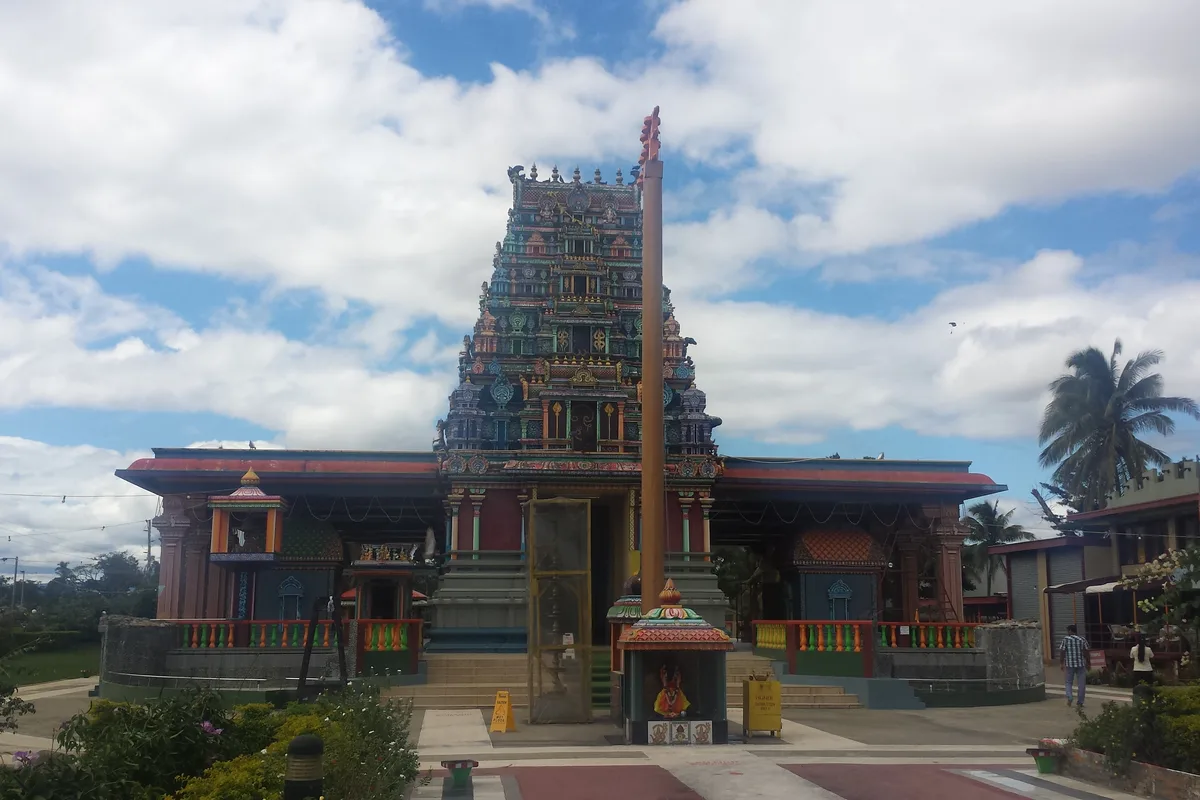
Start in Nadi town at the Sri Siva Subramaniya Temple, the largest Hindu temple in the southern hemisphere — a strict dress code: cover knees and shoulders, remove your shoes, take no photographs inside. Entry is a few dollars; go early.
Work through Nadi Market next, where the town actually shops — kava root bundles, tropical fruit, Fiji-Indian spice stalls and handicrafts at local prices. It is the cheapest honest souvenir stop on the main island.
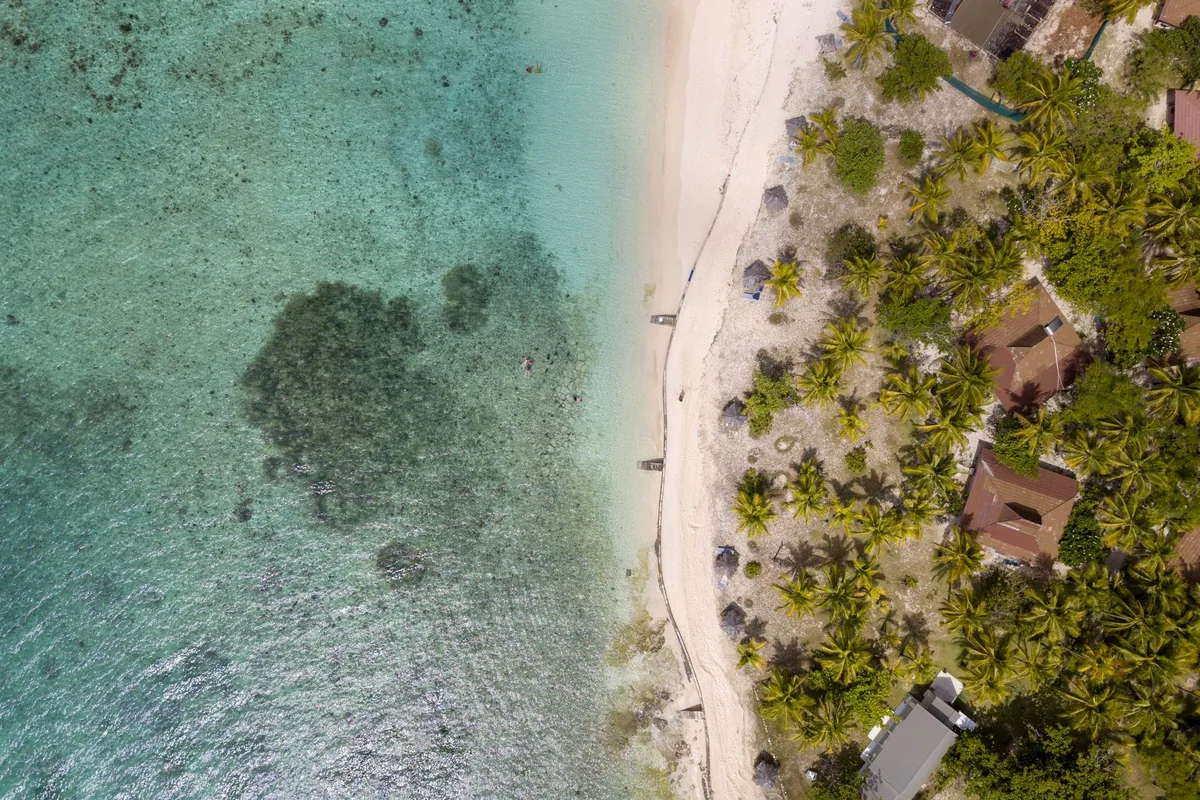
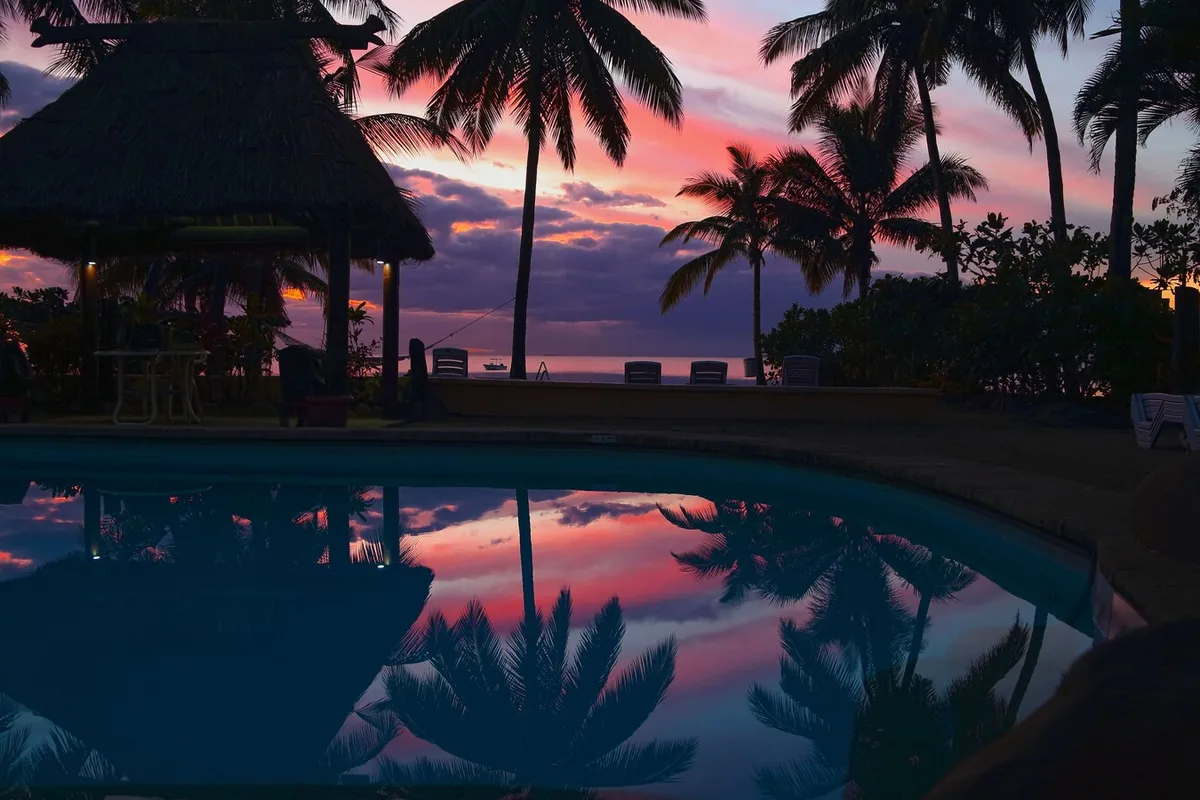
Finish at Port Denarau: the marina where every island boat loads, with sunset over the Mamanucas. Wailoaloa Beach is the budget strip — a long grey-sand bay made for a first evening walk, not a first swim.
Enter a village the Fijian way if invited. Bring a bundle of yaqona (kava) root as sevusevu for the chief — about FJ$30 to 60 worth, arranged through your host — wear a sulu with shoulders and knees covered, take off your hat and sunglasses, and remove your shoes before entering a home. Never touch anyone's head, ask before photographing people, and when kava is offered, clap once, drink the cup in one go, and clap three times after.
For boat days and tours, browse the Nadi listings on GetYourGuide and compare Klook when stacking activities.
After you land in Fiji (Nadi): Bookable experiences
Where to stay your first nights
Splurge
Sofitel Fiji Resort and Spa.
Best for the Denarau splurge — beachfront rooms, a lagoon pool and the adults-only Waitui Beach Club
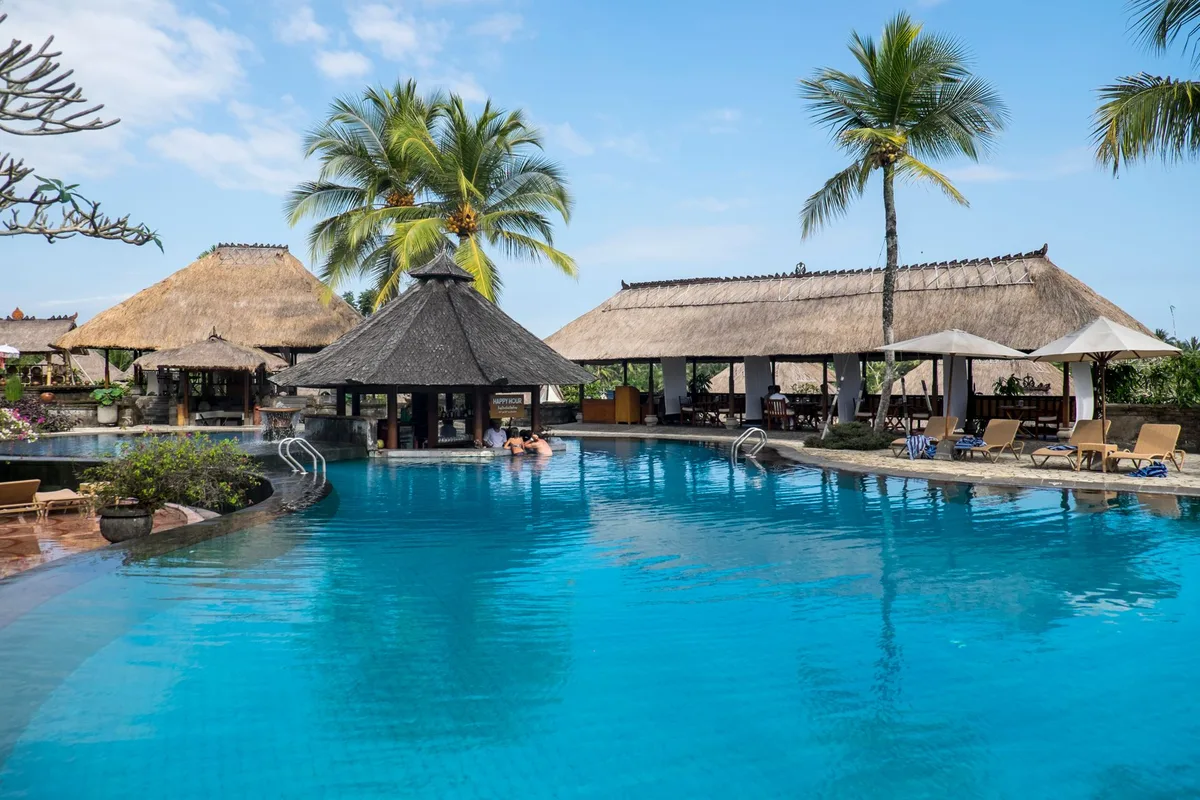
Stay on Denarau's beachfront in 298 rooms — a lagoon pool, the adults-only Waitui Beach Club, and the marina a short Bula Bus ride away. It is 25 minutes from the airport. Book it for the full-resort splurge, boats still on your doorstep.
Best for easy arrivals — opposite the airport with a free 24-hour roundtrip airport shuttle
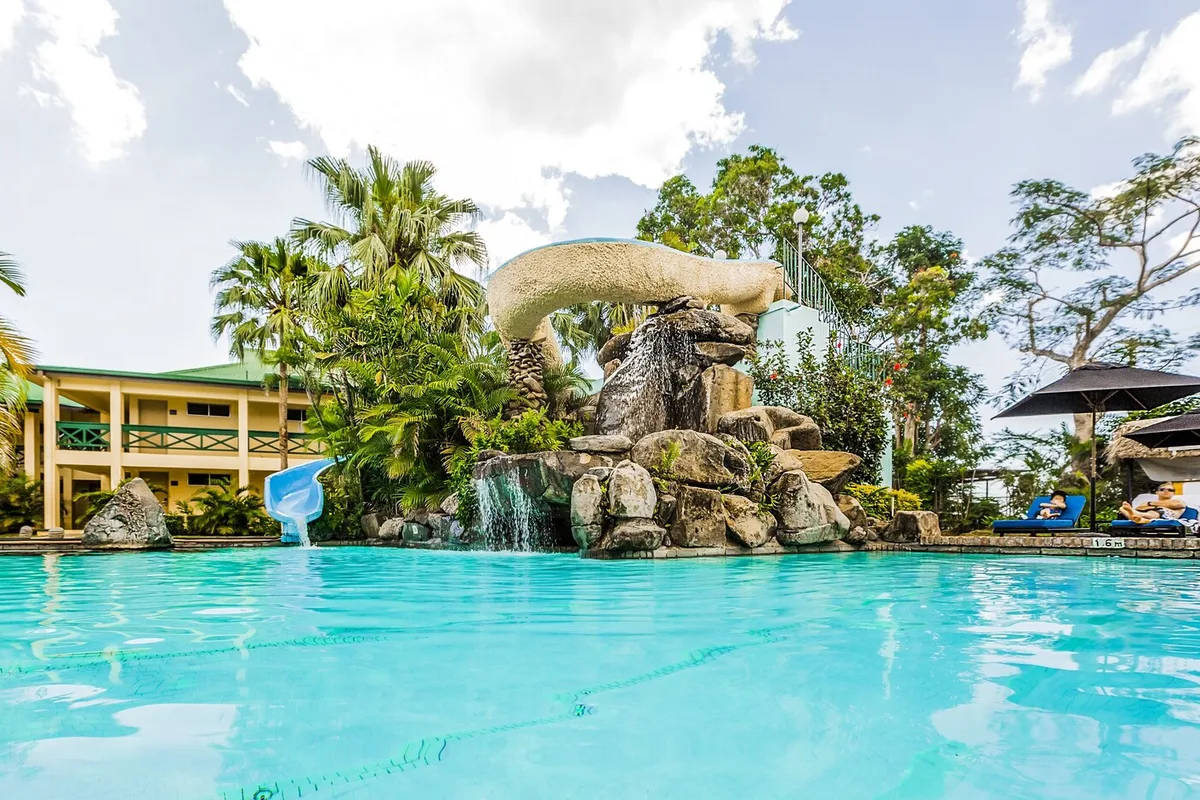
Sleep on Queens Highway opposite the airport — 108 rooms around a pool with a waterslide, and a free roundtrip airport shuttle running 24 hours. Denarau is about 20 minutes by taxi, so ferry mornings still work. Book it for early flights and easy first nights without resort prices.
Best for budget beachfront — a small hotel on Wailoaloa Beach, 15 minutes from the airport
Bed down at 17 Wasawasa Road on Wailoaloa Beach — a small beachfront hotel with economy doubles up to ocean-view rooms, a pool and a restaurant. The airport is 15 minutes away, Port Denarau about the same, and the airport shuttle runs FJ$20 per vehicle. Book it for the quiet end of the budget strip.
Sleep on Denarau Island for the classic first stay — big resorts line one beach, the Bula Bus loops them, and the marina puts the Mamanucas 30 minutes away. Sleep in Nadi town or at Wailoaloa Beach to spend less.
Book any of the three well ahead for May to October, and expect a credit card surcharge of around 3 percent at Fiji properties.
Where to eat first
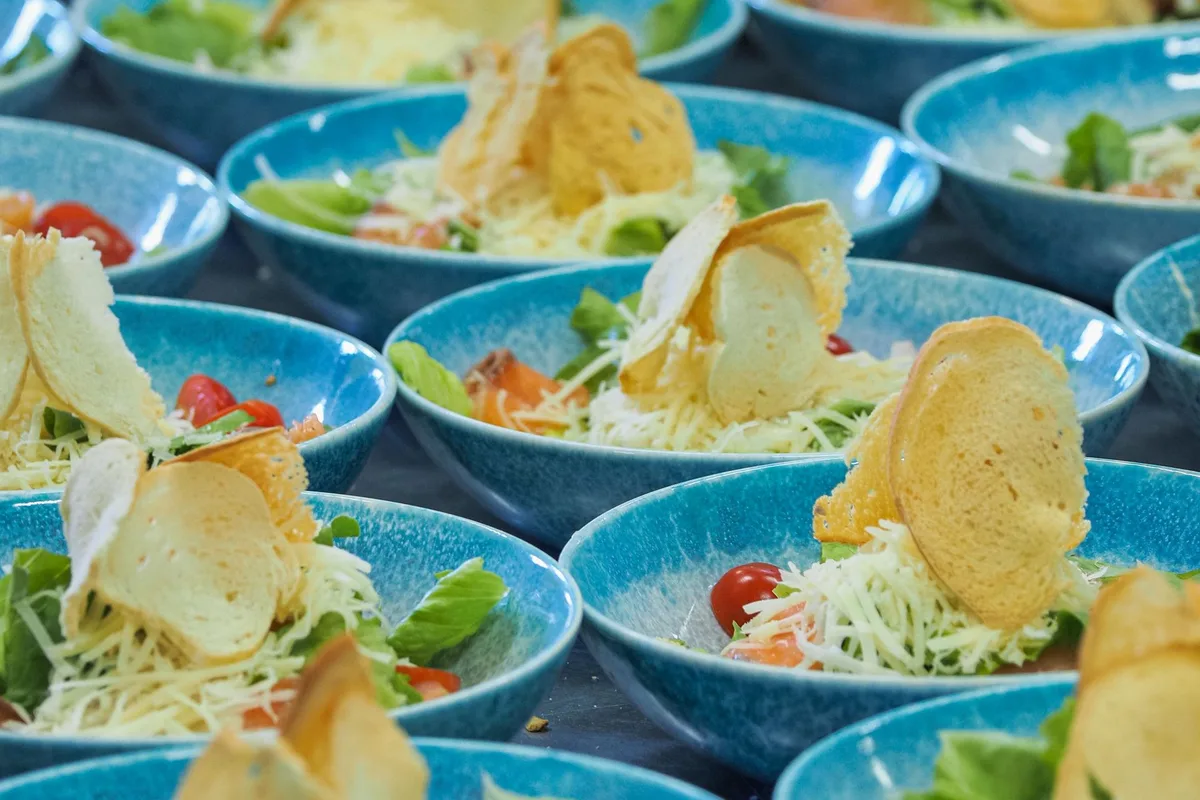
Eat close on day one — Denarau covers the celebration dinner, Nadi town covers the real Fiji table.
Nadina Authentic Fijian Restaurant, at Port Denarau.
Order kokoda (raw fish cured in citrus and coconut cream), kovu (pork wrapped in banana leaf) and ota miti (fern shoots in coconut) — the fullest Fijian menu near the resorts.
Tata's Curry House, on Nadi Back Road.
Eat the Fiji-Indian half — set curry platters with roti, dhal and chutneys at working-town prices. It is a short taxi from the airport hotels and fills with locals at lunch.
Bonefish Seafood, at Port Denarau marina.
Order the day's catch grilled — the easy group dinner on night one, a short stroll from the Denarau resorts' bus stop.
For food tours and island picnic days, browse the Nadi listings on GetYourGuide and book ahead in the dry season.
Day trips and more
Carry reef-safe sunscreen, water shoes and a dry bag — every day here mixes road and water.
South Sea Island full day trip
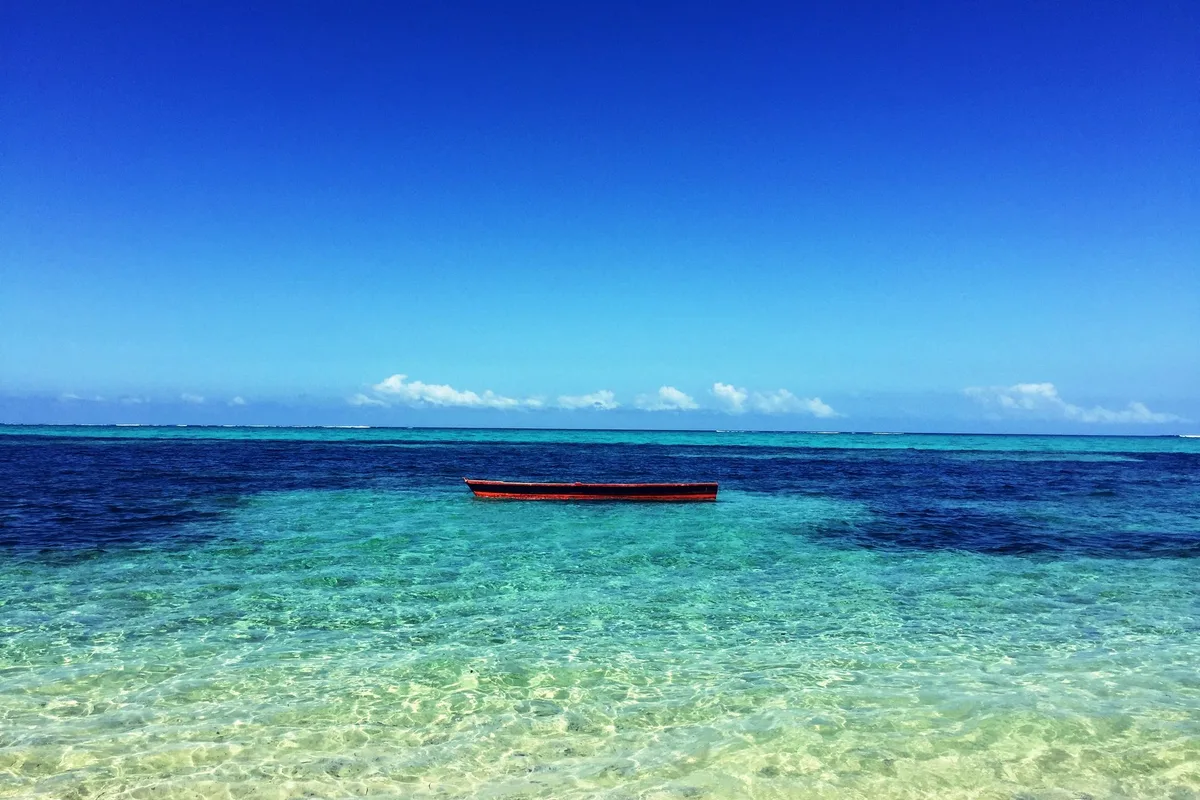
Ride the catamaran 30 minutes from Port Denarau to an uninhabited sand island in a marine sanctuary: snorkel the reef, ride the semi-submersible, then a barbecue lunch with beer, house wine and soft drinks included. It rates 4.5 out of 5 from 279 reviews, from about US$126. Check availability →
Malamala Beach Club day pass
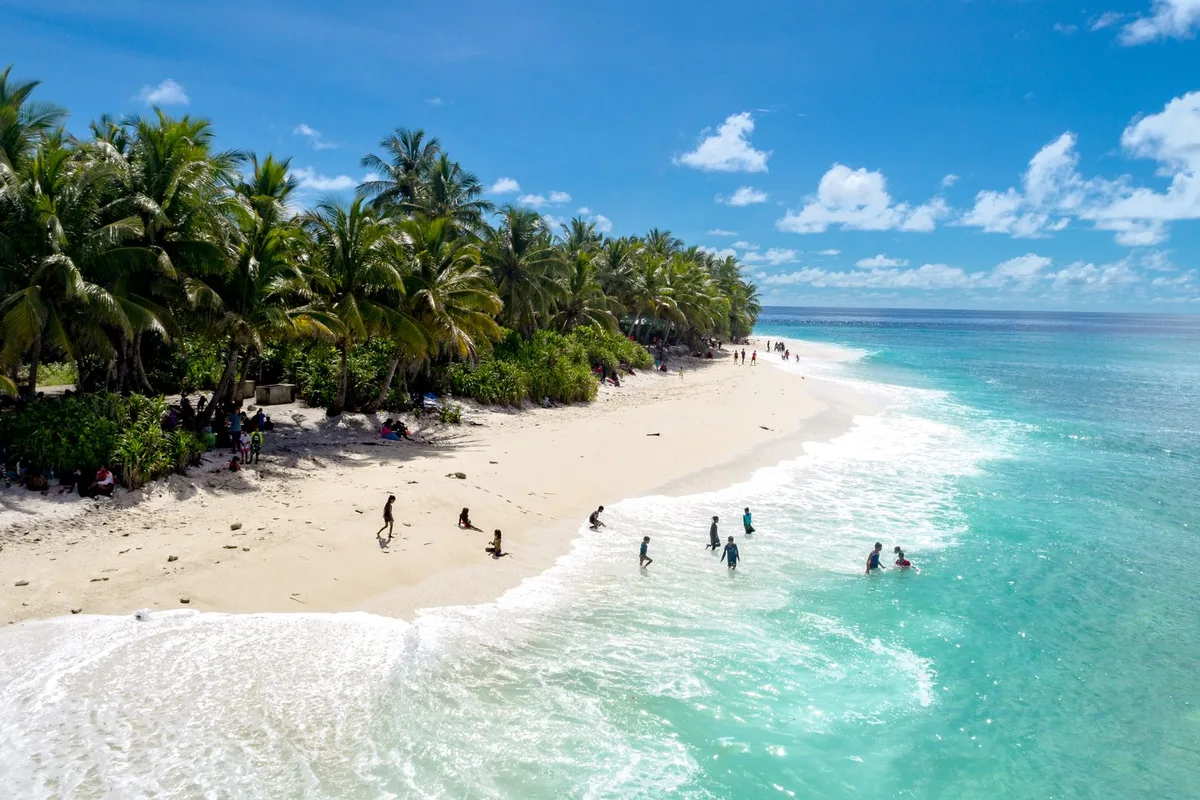
Spend the day on Malamala Island, billed as the world's first beach club: white sand, cabanas, an infinity-edge pool facing the Mamanucas, and snorkelling, paddleboards and kayaks included in the pass. Boats run from Port Denarau, 30 minutes each way. It rates 4.6 out of 5 from 567 reviews, from about US$92. Check availability →
Garden, village and hot springs tour
Tour Nadi's mainland in one six-hour loop: the Sri Siva temple, Namaka Market, Viseisei Village, the Garden of the Sleeping Giant's 2,000 orchids, and a finish in the Sabeto mud pools. Book the morning departure — the village visit skips the afternoon option, and villages rest on Sundays. It rates 4.7 out of 5 from 467 reviews, from about US$75. Check availability →
Leave a spare day unscheduled: crossings pause in heavy weather.
When to go and what it costs
Come May to October for the dry season — warm days, lower humidity and the south-east trades keeping the western islands drier than Suva's side. Rooms and boats book out then, so reserve ahead.
Come November to April for the wetter version — fewer visitors, softer rates and cyclone season overhead. Storms rarely hit, but they can close the ferries and the airport; keep plans loose.
Budget by the fixed costs, not the headline. The airport taxi runs FJ$35 to 45, the ferry coach FJ$11, a Mamanuca day from about US$92, and the departure tax is already inside your air ticket — the variable is the bed, from Wailoaloa budget rooms to Denarau resort rates.
A week split between Denarau and one island stay beats five day trips, and every Flyer fare buys distance — the far Yasawas take up to five hours each way.
What to pack
Tap items to check them off — your list is saved on this device.
Pack for salt water, strong sun and boat decks — days split between reef, sand and village visits:
Add reef shoes for coral entries, a dry bag for open-boat spray, reef-safe sunscreen, and a sulu or sarong — it covers shoulders and knees for villages and temples, then works as a beach wrap.
Language, visa and entry
✓ Visa-free entry for eligible passport holders
English runs Fiji — an official language and the medium of government, schools and tourism. Fijian iTaukei and Fiji Hindi are official too, and the greeting you will hear constantly is bula: said to everyone, as hello and welcome at once.
Six phrases do most of the work:
BulahelloVinakathank youVinaka vakalevuthank you very muchYadragood morningMocegoodbyeKerekereplease
Sort entry before booking anything non-refundable. Citizens of more than 100 countries — including the US, UK, EU states, Canada, Australia and New Zealand — enter visa-free, with a visitor permit on arrival for up to four months; other nationalities arrange a visa in advance. Keep your passport valid for at least six months beyond departure, and expect checks for an onward ticket, funds and your first night's address.
Take biosecurity seriously: Fiji inspects arrivals, and food, plants, seeds, wooden items and used outdoor gear must be declared on the arrival card. Undeclared items mean confiscation and fines — when in doubt, declare it.
Remember the tax position see Quick facts: prices carry 12.5 percent VAT, larger tourism businesses may add the 5 percent Tourism Services Tax, and the FJ$200 departure tax is inside your ticket.
Safety and health
Respect the sun and the reef
Fiji sits deep in the tropics and the sun burns fast — wear reef-safe sunscreen and a rash guard, drink more water than feels necessary, and never stand on coral: it is alive, it is sharp, and stonefish hide in it.
Treat boats and currents with respect
The reef passes carry strong currents and open crossings rough up quickly; stay with licensed operators, wear the lifejacket on tenders, and keep the last-boat times in view — a missed Flyer is a night on the wrong island. Crossings pause in heavy weather, so build slack around any flight.
Plan for cyclone season and distance
From November to April, follow Fiji Meteorological Service warnings and your hotel's instructions, and expect ferries and flights to pause around a storm. Dengue occurs — use repellent, especially inland after rain. Nadi holds a decompression chamber, but serious care means Suva or evacuation to Australia or New Zealand: carry insurance that covers medical evacuation.
Honour Sundays and watch the small stuff
Sunday is a day of church and rest — villages go quiet, some tours do not run and uninvited village visits are bad manners; a church invitation is a privilege, so dress smartly. In towns, use the hotel safe for passports and spare cash. Emergency: 911 general, 917 police, 910 fire.
A metered taxi takes about 20 minutes, about FJ$35 to 45 — insist the meter runs. A pre-booked transfer fixes about FJ$49 per vehicle; the shared shuttle is FJ$39 per person.
No — Suva, across Viti Levu, is the capital. Nadi is the tourist gateway: almost all international flights land at Nadi International (NAN), three to four hours from Suva by road, and ferries leave from Port Denarau, 20 minutes away.
Everything sails from Port Denarau. The Yasawa Flyer leaves at 8:45 am daily for the Yasawas — 30 minutes to the nearest Mamanuca stops, up to five hours to the far end. Mamanuca boats run through the day; tenders meet the Flyer where islands have no jetty. Check in 30 minutes ahead.
Most visitors need no visa in advance: citizens of more than 100 countries, including the US, UK, EU states, Canada, Australia and New Zealand, get a free arrival permit, up to four months. Passports need six months' validity beyond departure; officers may check onward tickets, funds and first night's address.
There is no hotel tourist tax. Prices include 12.5 percent VAT; since September 2026 a 5 percent Tourism Services Tax applies at larger tourism businesses and may show on the bill. The FJ$200 departure tax is built into your air ticket.
May to October, the dry season — warm days, lower humidity and calmer seas for the ferries. Cyclone season runs November to April, highest risk January to March; May and October balance prices and crowds.
Prices are typical 2026 rates in Fijian dollars (FJD). Ferry times, entry rules and taxes verified October 2026.
Fiji (Nadi), Saved for After You Land
Landing soon? Get the printable PDF — the essentials from this guide, formatted for your phone:
The airport transport cheat sheet, with ticket links
Our 3 restaurant picks, with maps
The packing checklist
One email with your Fiji (Nadi) PDF (guide version: Oct 2026). Fare changes and new guides after that. No spam, unsubscribe anytime.
Sources and last verified
Ferry times and coach fares against South Sea Cruises' official pages (Yasawa Flyer 8:45 am from Port Denarau; 6:45 am airport coach FJ$11) and Airport Shuttle Fiji's rate card, October 2026. Entry rules against Fiji Immigration's visitor-permit position in dated 2026 guidance; biosecurity rules against the Biosecurity Authority of Fiji. Taxes: VAT 12.5 percent since August 2025, the 5 percent Tourism Services Tax on larger tourism businesses from September 2026, and the FJ$200 departure tax collected inside air tickets. Exchange rate against the Reserve Bank of Fiji (October 2026). Hotels read on Expedia: Sofitel Fiji Resort and Spa; Tokatoka Resort Hotel; Aquarius on the Beach (via the Expedia Canada mirror of the same listing). GetYourGuide products read: the South Sea Island full day trip, the Malamala Beach Club day pass and the Garden Village hot spring and temple tour. Photo credits: all photographs via Pexels. Last verified October 2026.
Affiliate disclosure: hotel names, transfers, experiences, and products linked in this guide may earn After You Land a commission at no extra cost to you. Prices and times were checked in Oct 2026 and change often — confirm before you book.