Fernando de Noronha: your first hour after landing
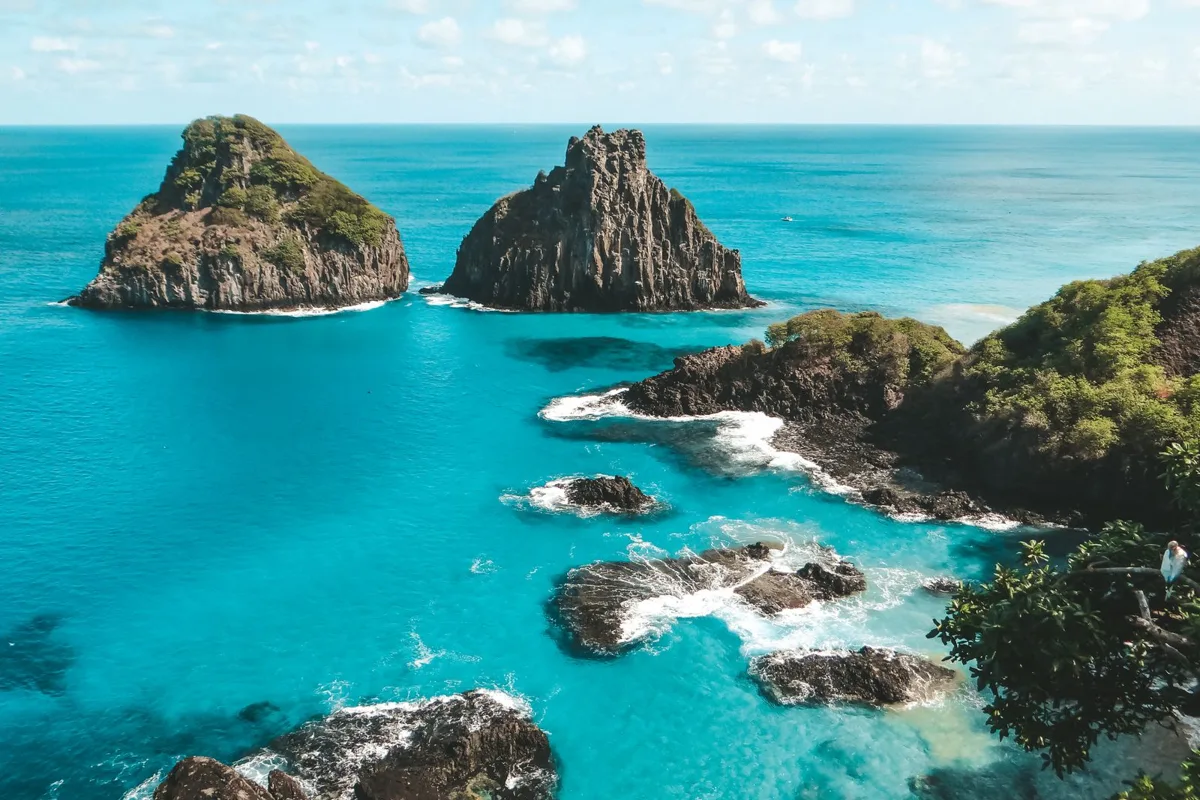
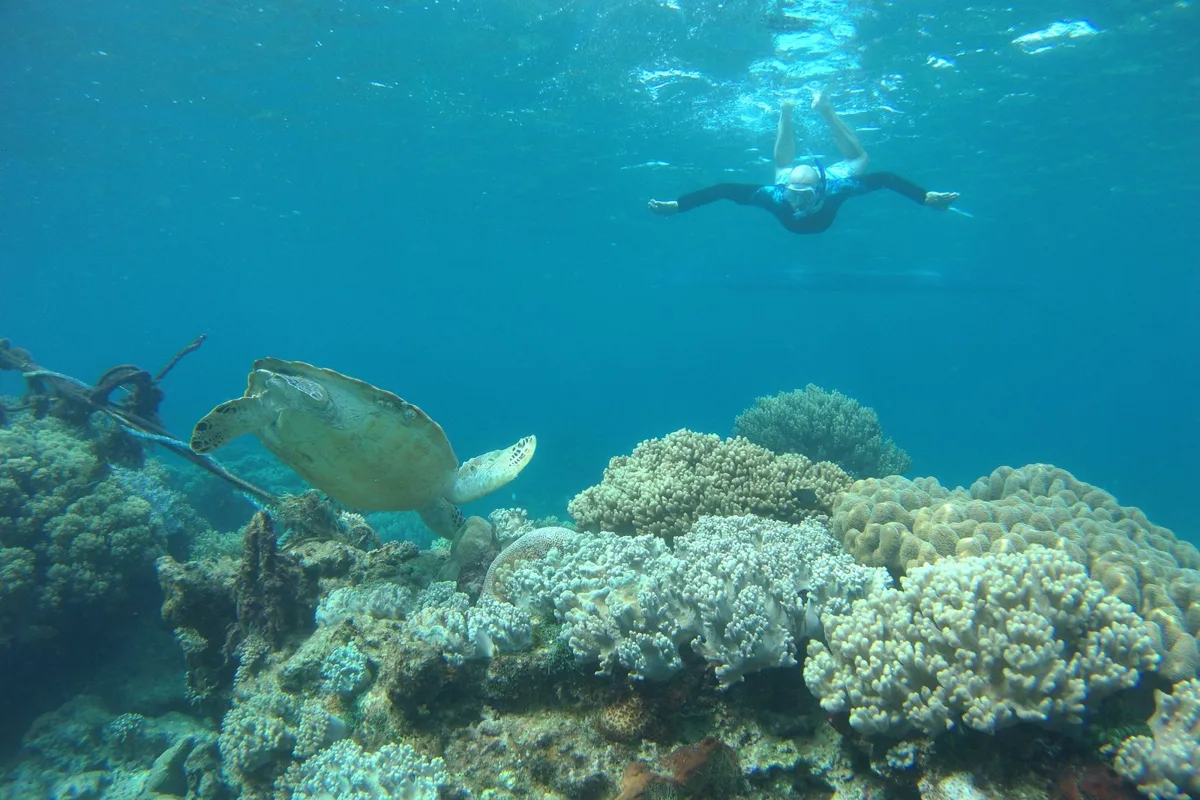
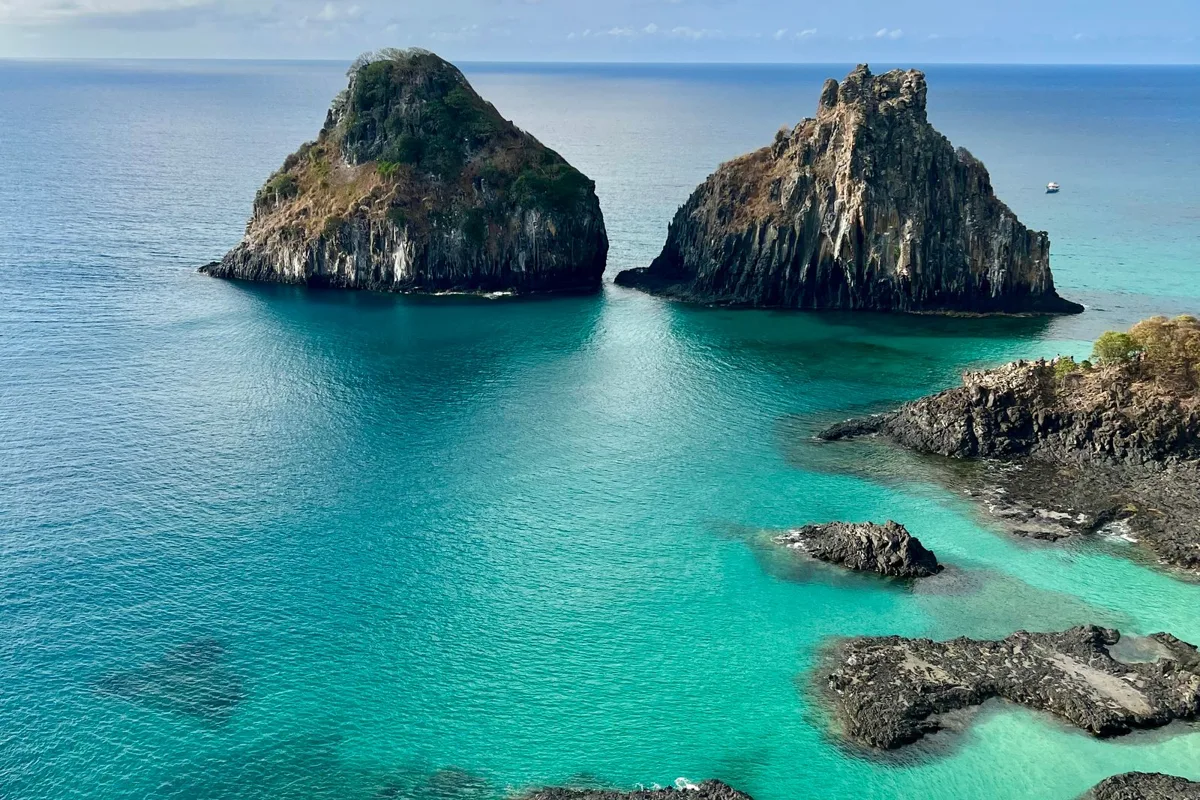
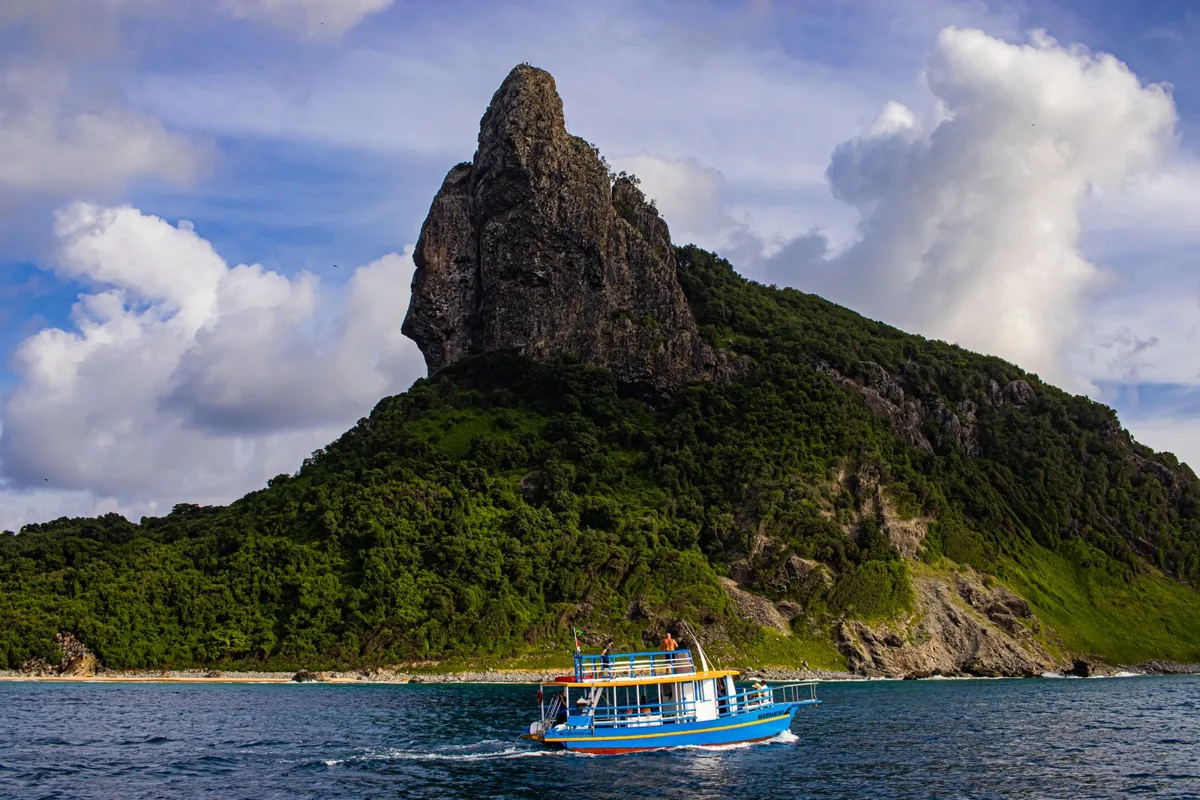
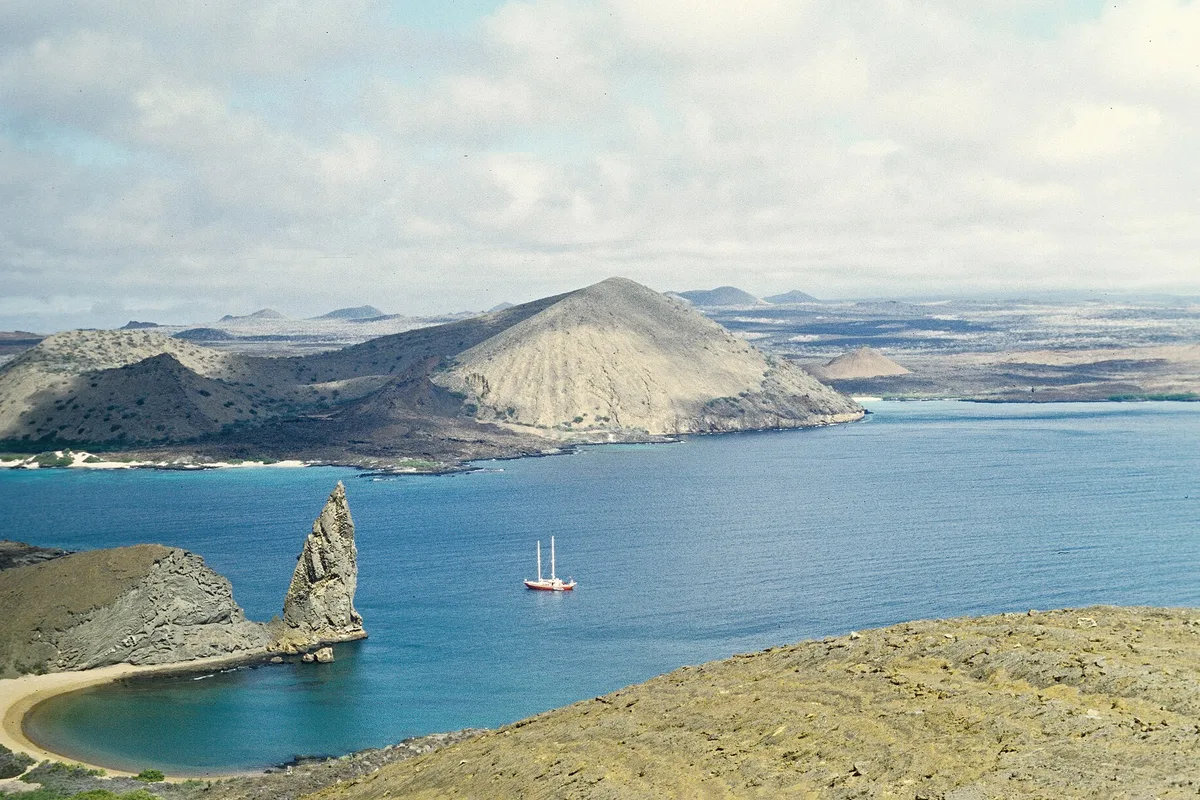
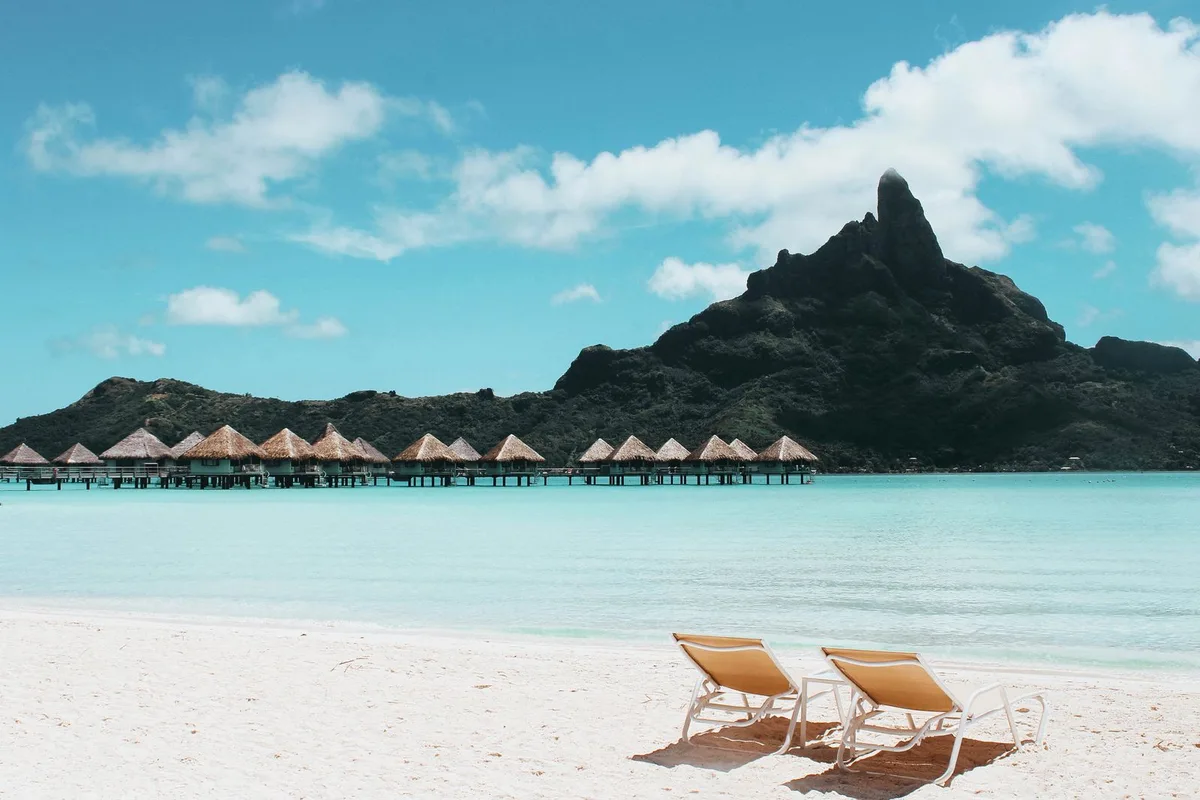
You have just landed on a speck of volcanic rock 350 km off Brazil's north-east coast — an island of capped numbers, two conservation fees and water clear enough to count turtles from the cliff. This guide covers the arrival ritual at FEN, the pousadas of Vila dos Remédios, the buggy and bus spine of the BR-363, and the park-pass beaches that make the fees feel fair.
By Paul GreenUpdated Oct 202613 min readPrices checked Oct 2026
You just landed in Fernando de Noronha. Two fees run the island — the TPA environmental tax from R$105.79 a day and the R$384 ICMBio park pass — Vila dos Remédios is the only base, and a Saily eSIM loaded before you fly beats the island's slow data, while the days that sell out first, the Ilhatour circuit and the catamaran, are worth booking ahead through GetYourGuide.
Some links on this page are affiliate links. If you book through one, After You Land may earn a commission — at no extra cost to you.
Quick facts
Airport
Fernando de Noronha (FEN), flights from Recife and Natal only About 1 hour 20 minutes from Recife (REC) and about 1 hour from Natal (NAT); no direct international flights, so every trip connects on the mainland.
Getting in
Pousada pickup, taxi about R$40, bus R$5 Most pousadas meet the flight. Taxis run on fixed island fares, and the Porto to Sueste bus passes the airport stop on the BR-363.
Currency
Brazilian real (R$) Cards work at most pousadas and restaurants; carry cash for the bus, beach stalls and some taxis, and expect island prices well above the mainland.
Languages
Portuguese English is limited outside the smarter pousadas and dive shops; a few phrases and a translation app earn their keep.
Time zone
Fernando de Noronha Time (UTC-2) One hour ahead of Recife and Brasília all year.
Emergency
190 police, 192 ambulance, 193 fire Brazil has no single emergency number; the island has one small hospital, and serious cases are evacuated to Recife.
Plugs
Type N, 220V (Type C also fits) Brazil's three-pin Type N is standard; US and UK travellers need an adapter.
Tap water
Drink filtered or bottled The island supply is desalinated and water is precious; most visitors drink the filtered water pousadas provide for refills.
Tourist tax
TPA R$105.79 for day one, plus the park pass The Taxa de Preservação Ambiental rises with each day of your stay, and the separate ICMBio marine park pass costs R$384 for 10 days.
Best months
August to November The driest months bring the calmest seas and clearest diving; December to March is surf season, and the rains build from March to July.
Map
Find your arrival stop, hotel, and first meal. Stays, sights, and landmarks in Fernando de Noronha — live hotel prices plus the key places from this guide.
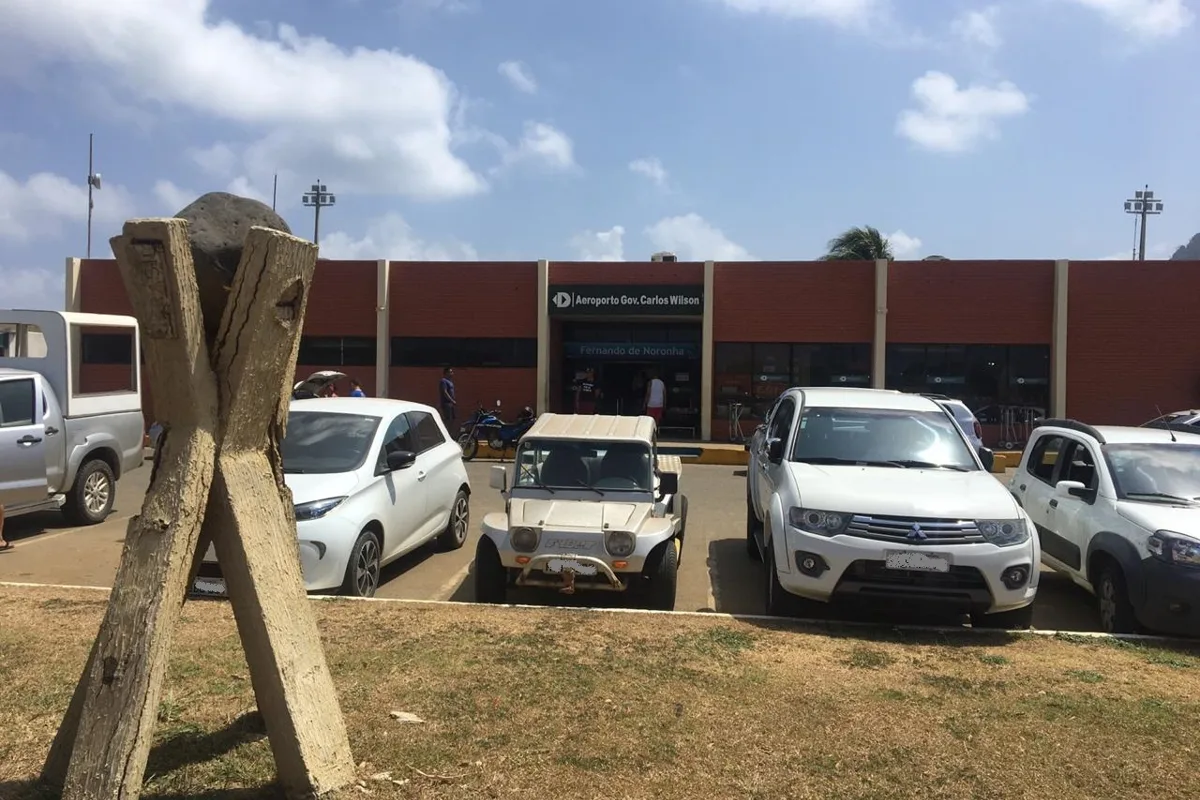
The Noronha ritual starts in arrivals: the TPA desk, the pousada name boards, and the warm Atlantic air. Vila dos Remédios, where almost everyone sleeps, is about 10 minutes away.
Set up your data before you fly, because island connections are slow and patchy
A Yesim eSIM loads a Brazil data plan in minutes, so maps and your pousada's messages work from the kerb. Comparing plans for a longer Brazil trip, check Saily and Airalo as the alternatives, and download offline maps either way.
Run the arrival checklist in this order
Pay or show your TPA first — the tax is checked on arrival, and paying online in advance is the fastest lane.
Ride with your pousada pickup or a fixed-fare taxi to Vila dos Remédios
About 10 minutes.
Buy the ICMBio park pass online or at the Boldró Visitor Center
Book the timed Atalaia slot in person before it fills.
Check the fees line before you come, not after
There is no extra island hotel tax in your pousada rate — the two island charges are the TPA, from R$105.79 for the first day and rising the longer you stay, and the park pass at R$384 for 10 days.
If a delayed mainland connection wrecked the arrival
AirHelp checks whether the airline owes you compensation — worth five minutes before you write the day off.
Getting around
Journey times are approximate and refer to the listed stop — not necessarily your hotel. Allow extra time for waiting, walking, and connections.
In a hurry? Pousada pickup is the fastest option listed, at about 10 min.
Watching the budget? Bus (Porto to Sueste) is the cheapest option listed, at R$5.
Heavy bags, a group, or a late arrival? Taxi takes you door to door — about R$40, about 10 min.
Pousada pickup
Most pousadas meet the flight with a name board and run you straight to Vila dos Remédios; confirm the pickup when you book, as rooms and flights are both capped
PriceOften includedJourneyabout 10 min
Taxi
Fixed island fares, not metered — the airport run to Vila dos Remédios is about R$35 to R$45, and longer cross-island runs cost R$50 to R$60 or more; the rank is outside arrivals
Priceabout R$40Journeyabout 10 min
Bus (Porto to Sueste)
The single Porto to Sueste line runs the BR-363 about every 30 minutes from 05:00 to 22:00; pay the driver R$5 in cash and ask for the Vila dos Remédios stop
PriceR$5Journeyabout 15 min
Buggy rental
Collect in Vila dos Remédios after check-in rather than at the airport; 24-hour hire, fuel extra from the island's one petrol station, and a full driving licence is required
PriceR$350 to R$500 per dayJourneyFull day
FEN sits mid-island on the BR-363, the single paved road running about 7 km from Porto Santo Antônio to Baía do Sueste, and Vila dos Remédios lies a short hop west. The airport rides are these:
On the island, the buggy is the transport story: open-sided, rented by the day from agencies in Vila dos Remédios, fuel extra, and the practical way to string the beaches together — you need a full driving licence. The single bus line is the budget counterweight, running the BR-363 from the port to Sueste about every 30 minutes from 05:00 to 22:00, R$5 in cash. Taxis fill the gaps on fixed fares of roughly R$30 to R$60, and there are no rideshare apps.
Prefer the pickup arranged before you fly? Most pousadas handle it free or for a small fee — or price a Kiwitaxi transfer or a Welcome Pickups driver for the mainland legs, and compare a mainland rental on AutoEurope if Recife or Natal gets a night either side.
In the city
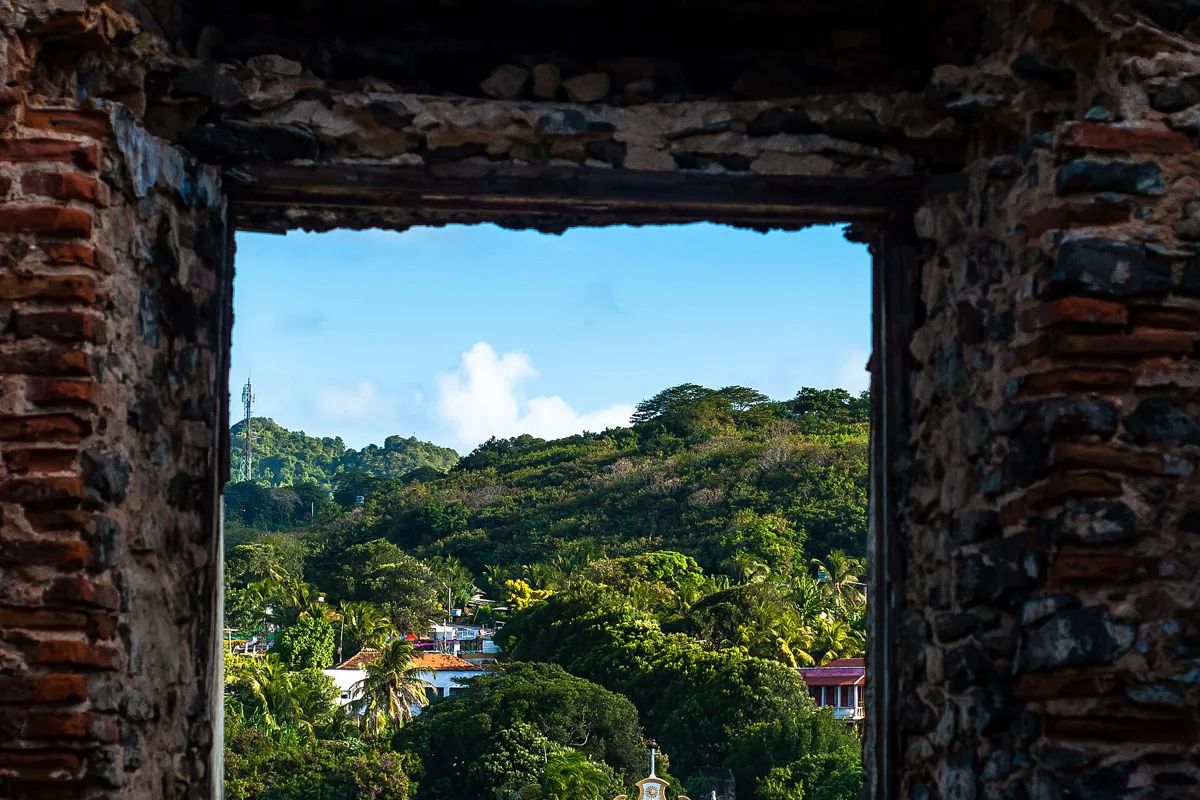
Start in Vila dos Remédios, the island's only village. Walk the lanes from the 18th-century Igreja Nossa Senhora dos Remédios up to the Forte dos Remédios ruins for the panorama over the harbour, then drop to Praia do Cachorro, the village beach, and check the Buraco do Galego natural pool at low tide.
Book the park pass and the Atalaia slot before anything else — the timed natural pool is the island's scarcest ticket. Then take a morning at the Baía dos Golfinhos clifftop viewpoint, where hundreds of spinner dolphins circle below (viewing is from the cliff; swimming in the bay is banned), and call at the Projeto Tamar visitor centre in Boldró.
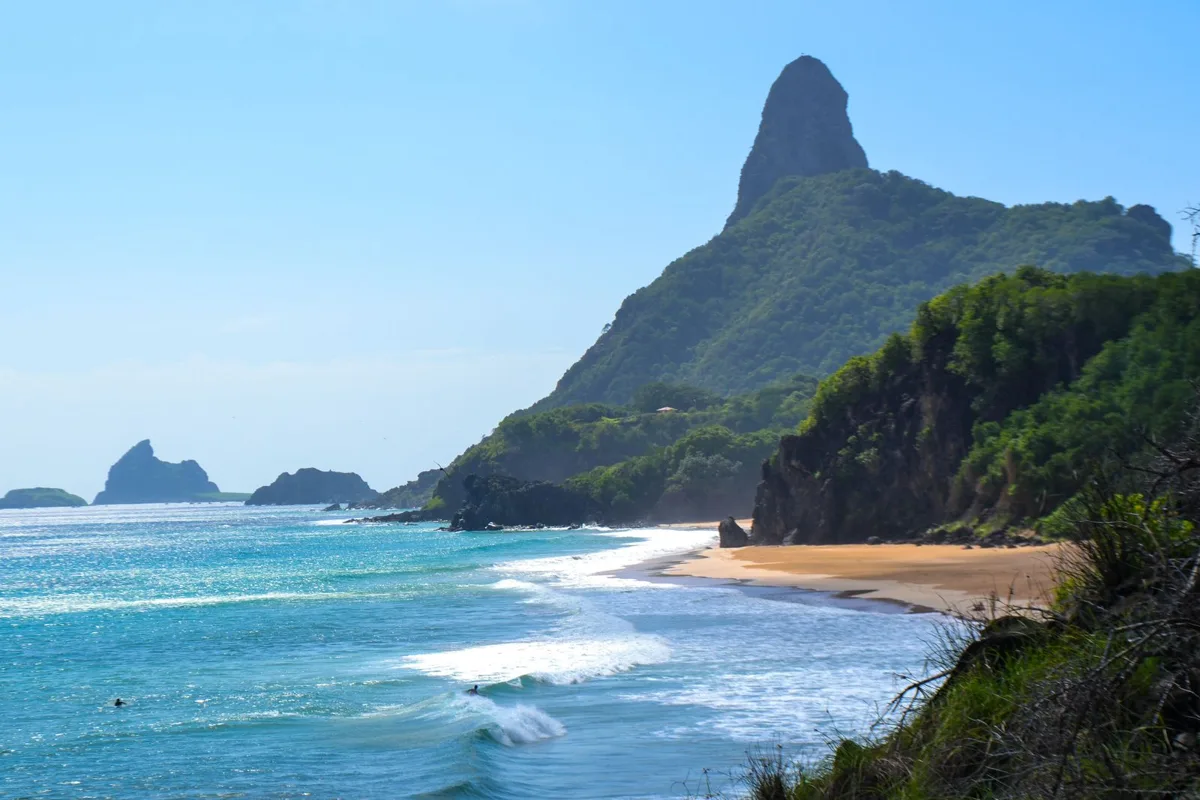
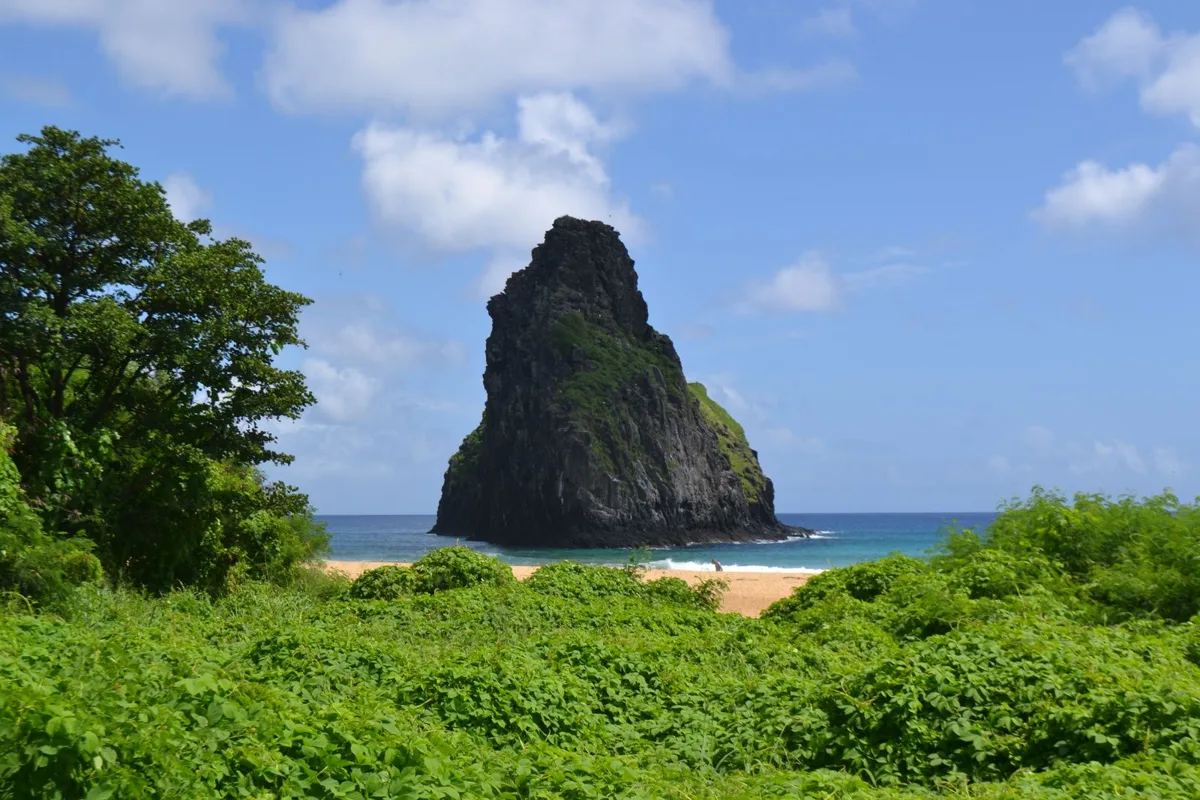
Give an afternoon to the mar de dentro beaches — Conceição under Morro do Pico for the sunset, then dinner in the village. Book the headline days before you arrive, because boat seats are capped like everything else here — browse the Fernando de Noronha listings on GetYourGuide for the island circuit and the catamaran, and compare Klook for mainland days in Recife.
After you land in Fernando de Noronha: Bookable experiences
Where to stay your first nights
Splurge
Pousada Zé Maria.
Best for the island splurge by the village, under Morro do Pico
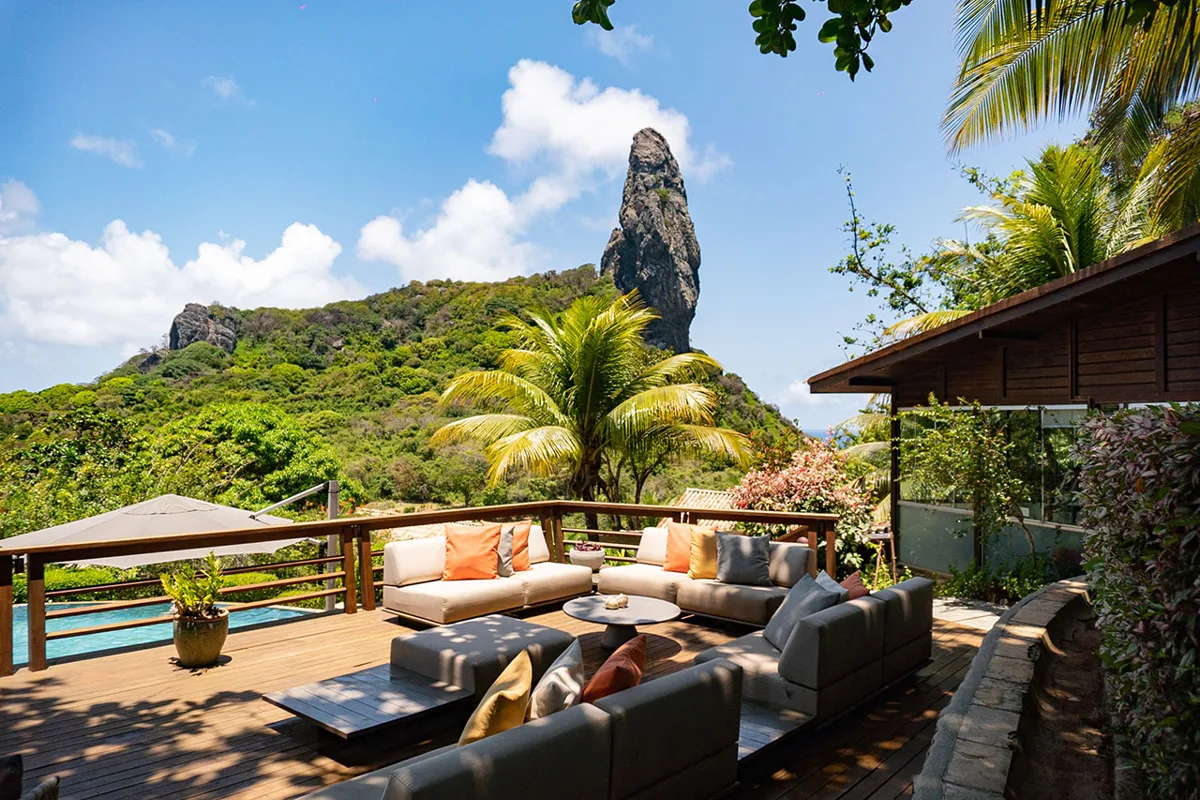
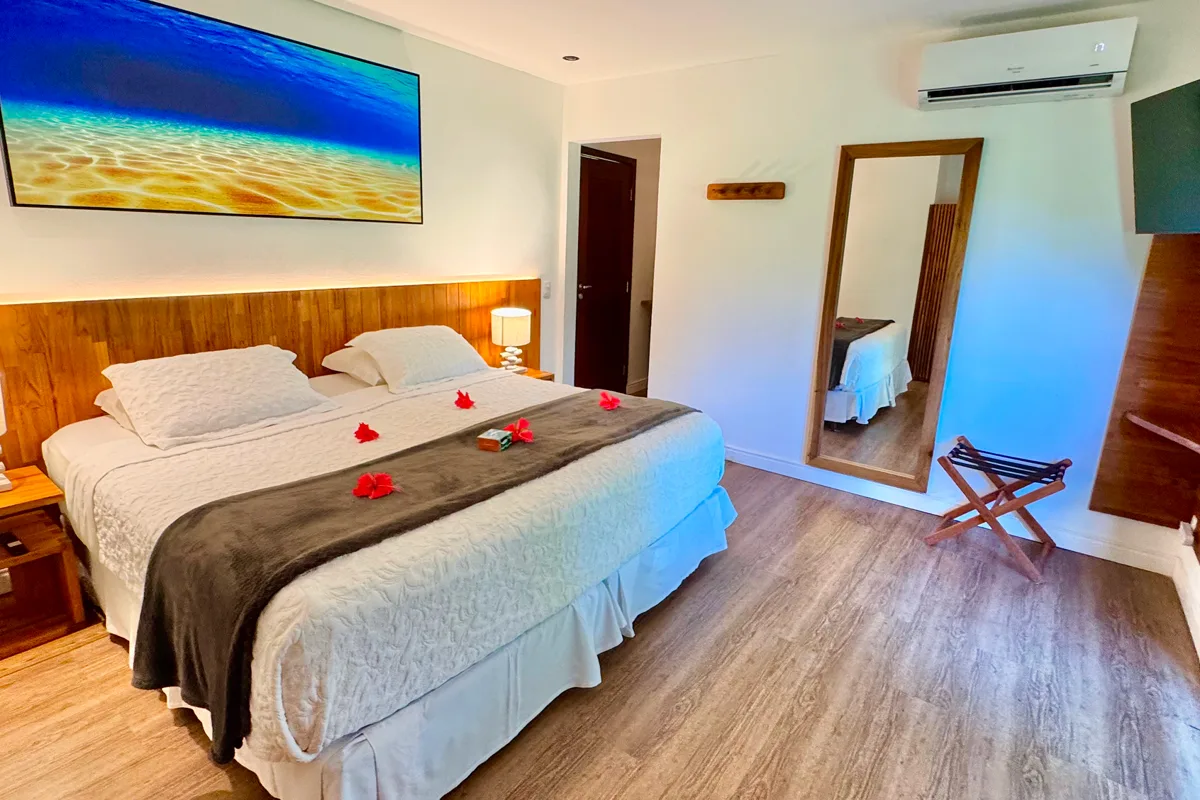
The island's famous address, at Rua Nice Cordeiro, 1 in Floresta Velha, a short walk from the village centre: bungalows and suites in gardens around a pool, a full-service spa, and a restaurant whose twice-weekly gastronomic festival is a Noronha institution. The terrace looks straight at Morro do Pico.
Best for a calm boutique base 250 metres from Praia do Cachorro
A calm boutique pousada at Rua Pescador Sérgio Lino, 18 in Jardim Elizabeth, 250 metres from Praia do Cachorro: garden rooms, an outdoor pool, a small spa, and a kitchen that cooks from its own agroforestry garden.
Best for budget dorms and suites in the village lanes
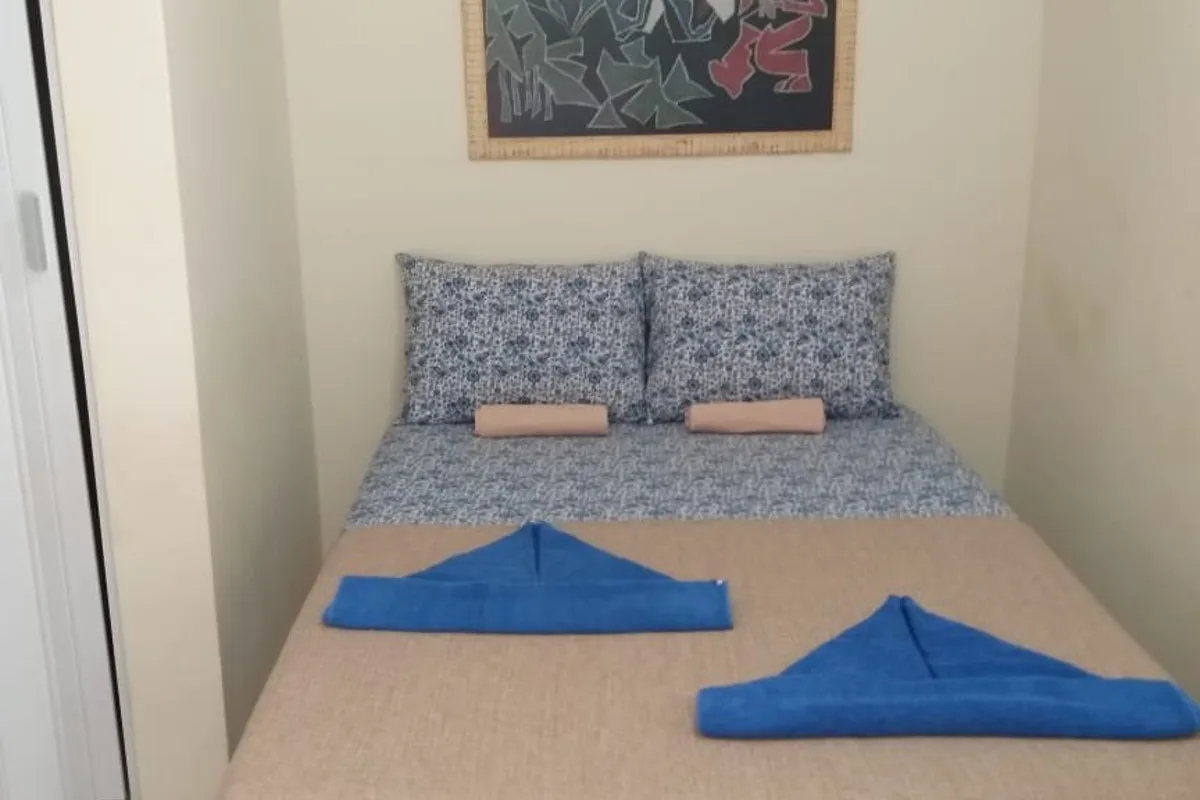
An adults-only hostel at Rua Amaro Preto, 808, in the village lanes: two suites plus mixed and female dorms, a shared lounge and a terrace — among the lowest-cost beds on the island.
Stay in or beside Vila dos Remédios — the village holds the restaurants, the bus spine and the walk to Cachorro beach, and every pick below sits in the village or its immediate lanes. Book months ahead for December to March and July; visitor numbers are capped and the good rooms go first.
Confirm whether your quoted rate is room-only; the TPA and park pass are always paid separately.
Where to eat first
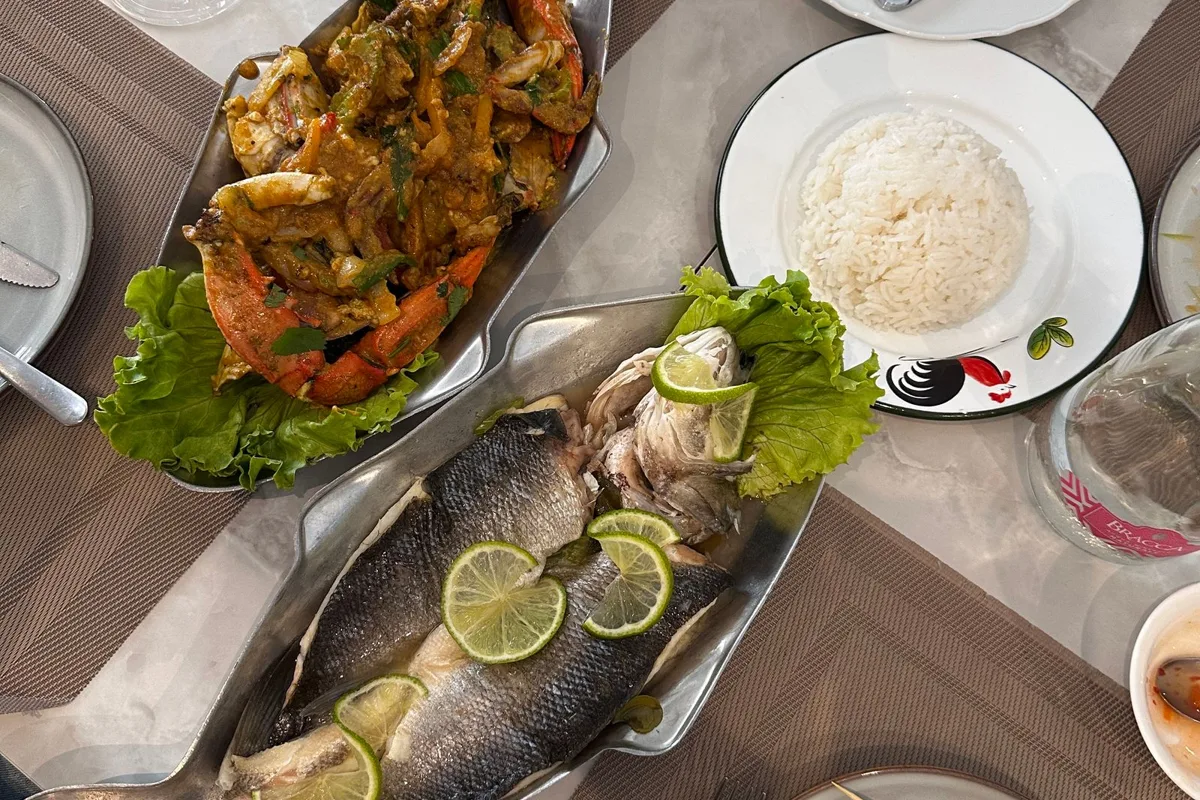
Eat the catch on day one. Noronha cooking is Pernambucan island food: whole grilled fish landed at Porto Santo Antônio, fish stews with coconut, tapioca at breakfast — all priced for an island 350 km from the mainland. Three first stops:
Pousada Zé Maria restaurant.
Map → The gastronomic festival at Rua Nice Cordeiro, 1 runs on Wednesday and Saturday nights: a long buffet of island fish, seafood and Brazilian classics. Book the table when you book anything — it sells out.
Xica da Silva.
Map → The village's best-known dining room, in Vila dos Remédios a few steps from the main lanes: contemporary Noronha cooking built on the day's fish. Arrive early or reserve; the room is small.
Mergulhão.
Map → Down at Porto Santo Antônio, where the boats come in: grilled fish and seafood with a harbour view, and the island's favourite sunset table. Walk down before dusk and order the catch of the day.
For cheaper lunches, follow the village workers to the pay-by-weight and prato feito counters in Vila dos Remédios — the same fish, plainer rooms, gentler prices.
For island food experiences, browse the Fernando de Noronha listings on GetYourGuide and book a slot for a free evening.
Day trips and more
Three bookable days cover the island properly: the full circuit by 4x4, the coast by catamaran, and the guided circuit that lingers on nature and history. Every one needs the park pass in your pocket.
7-Hour Island Adventure Ilhatour
The classic circuit by 4x4, from about 08:30 to sunset: swim at Baía do Sueste, stand on Praia do Leão, look down on Sancho, snorkel at Baía dos Porcos, watch the surf at Cacimba do Padre and finish at Praia do Porto, with round-trip transfers included. Check availability →
Catamaran tour with meal and transfer
Five hours sailing from Porto Santo Antônio past the secondary islands and Morro do Pico, along Dolphin Bay to Ponta da Sapata, with a snorkel stop in Sancho Bay and a buffet lunch on board. Pickup and snorkelling gear included. Check availability →
7-Hour Island Adventure with a specialist guide
The same full-day 4x4 route, Sueste to Sancho to Cacimba do Padre, led by a specialist guide who works the stops properly: the fauna, the flora, the conservation rules, and the stories behind the forts and bays. Transfers included. Check availability →
When to go and what it costs
JanFebMarAprMayJunJulAugSepOctNovDec
August to November is the sweet spot: the driest weather, the calmest mar de dentro and visibility that can pass 30 metres. December to March brings the surf swell to Cacimba do Padre and the year's highest prices, July brings Brazilian school holidays, and the rains build from March to July. Temperatures barely move: 26 to 30°C all year, and the sea is warm in every month.
Noronha is Brazil's most expensive destination, and the fees are only the start. A backpacker in a dorm, on prato feito lunches and the R$5 bus: about R$350 a day. Mid-range — a good pousada room, restaurant dinners, the odd taxi: about R$675 a day. A splurge day with a top pousada, a buggy and a boat trip passes R$1,500. On top, add your TPA, which climbs the longer you stay, and the R$384 park pass once per 10 days.
Do the maths before you book: five days carries roughly R$500 or more in TPA per person, so short stays are structurally cheaper per day.
What to pack
Tap items to check them off — your list is saved on this device.
Pack for reef, rock and one warm rain shower — the island sells little and imports everything. This is the full list:
Add the Noronha extras: your own mask and snorkel if you have them (hire gear adds up daily), a rash vest for long snorkels, reef-safe sunscreen — though no sunscreen at all is allowed in the Atalaia pool — plus a dry bag for boat days, cash in reais, and offline copies of your TPA voucher, park pass and eVisa if you needed one.
Language, visa and entry
✓ Visa-free entry for eligible passport holders
Portuguese runs the island. Staff at the smarter pousadas speak some English, but bus drivers, stall holders and taxi dispatchers mostly do not; download Portuguese offline before you land, because island data is slow. Lunch is the main meal — many kitchens close mid-afternoon and reopen for dinner around 19:00.
Four phrases do most of the work:
Bom diagood morningObrigadothank you if you are maleObrigadathank you if you are femaleQuanto custa?how much is it?
Sort your entry paperwork before you book anything non-refundable. Brazil gives most nationalities, including the UK and EU, 90 days visa-free. Since 10 April 2025, passport holders from the US, Canada and Australia must hold an approved electronic visitor visa before boarding — apply online well ahead; the US fee is US$80.90, and airlines check at the mainland gate. Bring a passport valid for your whole stay.
The island then adds its own two layers. Every visitor pays the TPA environmental tax, from R$105.79 for a one-day stay and rising by the day — pay online in advance on the Pernambuco district portal or at the airport on arrival, and keep the receipt. Separately, the park beaches and trails — Sancho, Leão, Sueste, Baía dos Porcos and Atalaia — need the ICMBio pass: R$384 for the general public (R$192 for Brazilians), valid 10 days, bought online or at the Boldró Visitor Center, open 08:00 to 19:00. Timed attractions like Atalaia are booked in person at that centre, on top of the pass.
Safety and health
The sea sets the rules
The mar de fora beaches and Cacimba do Padre carry real surf and currents, and most Noronha beaches have no lifeguards. Swim where locals swim, respect flagged areas, and never turn your back on the shorebreak at Leão or Sueste.
Book the timed pools and obey the park rules
Atalaia takes small timed groups at low tide, with a life vest and no sunscreen in the water; Sancho is reached by ladders through a rock fissure at controlled entry points. Rangers enforce the limits.
Medical care is basic, so insure the trip
The island hospital handles stabilisation, not surgery; serious cases fly to Recife. Carry insurance that covers medical evacuation, and diving or snorkelling if you plan either.
Sun and water are the everyday risks
The equatorial sun burns fast on the water — cover up between swims and refill from your pousada's filtered supply. Petty crime is rare, but do not leave bags unwatched on empty beaches.
The things travellers ask before they book: the two fees, the one road, and the pass every famous beach asks for.
Fees checked against the Pernambuco district TPA schedule and ICMBio Ordinance 4,423 of October 2025, October 2026; entry rules against Brazil's eVisa programme.
Fly to Recife (REC) or Natal (NAT) first — every Noronha flight connects there. Recife to FEN takes about 1 hour 20 minutes, Natal about 1 hour, on Azul and LATAM. There are no direct international flights.
Two. The TPA environmental tax starts at R$105.79 for one day and rises the longer you stay. The ICMBio park pass is separate: R$384 (R$192 for Brazilians), valid 10 days.
Yes, for the park beaches and trails — Sancho, Leão, Sueste, Baía dos Porcos and Atalaia all sit inside the marine national park. Village beaches such as Cachorro and Conceição sit outside it and need no pass.
Most nationalities, including the UK and EU, get 90 days visa-free. Since 10 April 2025, US, Canadian and Australian passport holders need an approved eVisa before boarding — US$80.90 for US passports, applied for online.
August to November: the driest months, the calmest seas and visibility that can pass 30 metres. December to March is surf season at Cacimba do Padre; the rains build from March to July.
Rent a buggy by the day from Vila dos Remédios (about R$350 to R$500, fuel extra), ride the Porto to Sueste bus along the BR-363 for R$5, or take fixed-fare taxis at about R$30 to R$60 a ride.
Fees change — the district TPA portal and the ICMBio park pages always win.
Fernando de Noronha, Saved for After You Land
Landing soon? Get the printable PDF — the essentials from this guide, formatted for your phone:
The airport transport cheat sheet, with ticket links
Our 3 restaurant picks, with maps
The packing checklist
One email with your Fernando de Noronha PDF (guide version: Oct 2026). Fare changes and new guides after that. No spam, unsubscribe anytime.
Sources and last verified
Island fees against the Pernambuco district administration's 2026 TPA schedule (R$105.79 for one day, R$211.59 for two, R$317.38 for three, rising by length of stay) and the ICMBio and EcoNoronha visitor pages (park pass R$384 general public, R$192 Brazilians, 10 days, under Ordinance 4,423 of 14 October 2025; Visitor Center in Boldró 08:00 to 19:00). Sources differ on TPA payment with foreign cards — the district sells it online and at the airport, while some traveller reports say foreign cards are taken only at the airport counter; the guide prints both routes. Transport fares against current island guides: bus R$5 cash, taxis on fixed fares of about R$30 to R$60, buggy hire quoted between R$300 and R$500 a day — the guide prints the full range. Daily budgets from Nomadic Matt's 2026 island budget guide (R$350, R$675 and R$1,500 bands, excluding fees). Entry rules against Brazil's eVisa programme: US, Canadian and Australian visitors have needed an eVisa since 10 April 2025. Hotel details against the properties' Expedia listings and their own sites, opened October 2026; no Expedia links are printed for the picks pending a property-page confirmation pass. Tap water guidance reflects the desalinated supply and pousada filtered-water practice; one island guide calls the tap water safe, and the guide takes the more cautious filtered line. Photo credits as in the guide data. Last verified October 2026.
Affiliate disclosure: hotel names, transfers, experiences, and products linked in this guide may earn After You Land a commission at no extra cost to you. Prices and times were checked in Oct 2026 and change often — confirm before you book.