Walk the palace circuit.
Start at Gyeongbokgung Palace for the changing of the guard, cut through Bukchon Hanok Village, and end at Insadong for tea and crafts. Book palace entry on Tiqets — it is the essential first-day loop.
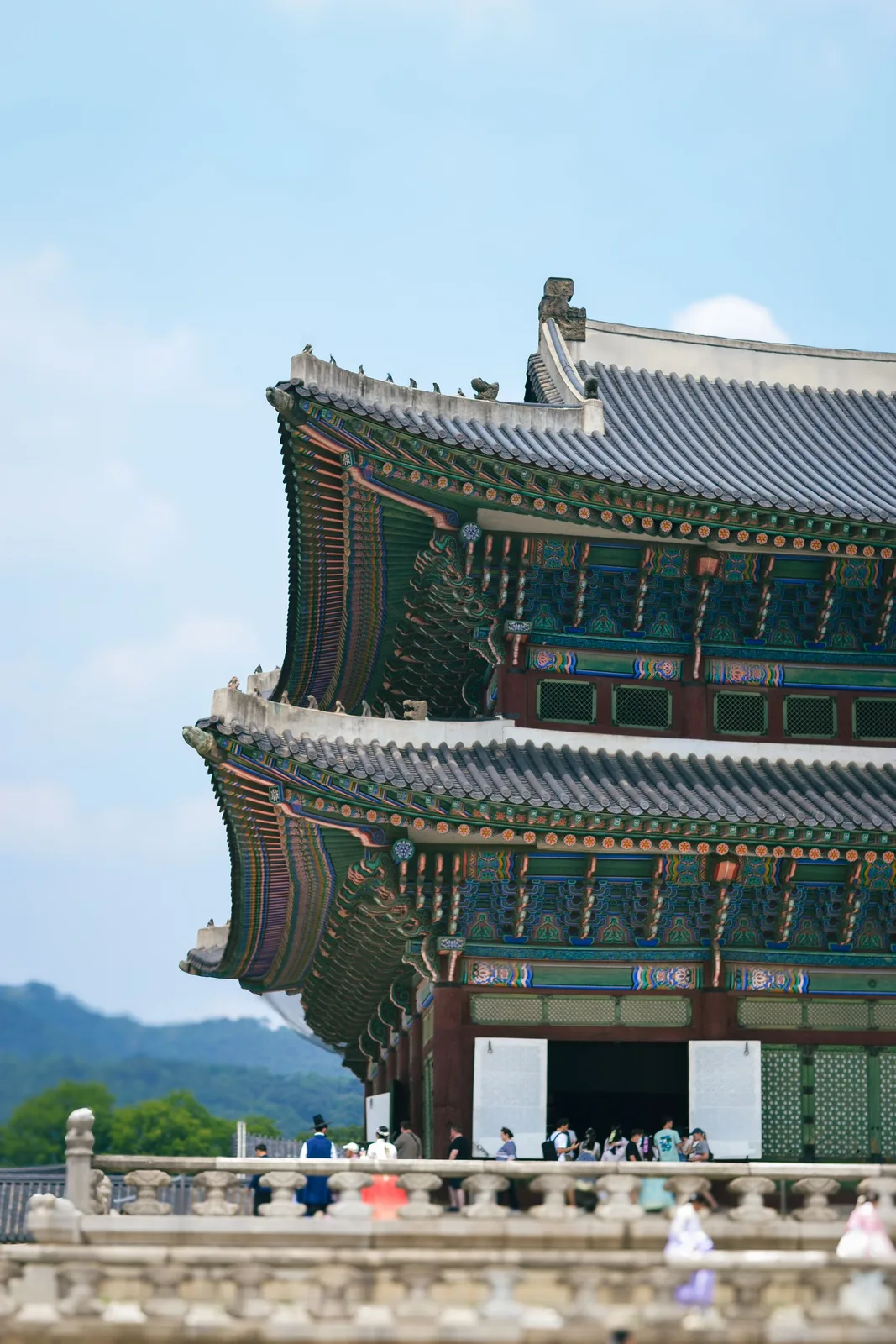
You just landed in Seoul — a city where 14th-century palaces sit beneath neon towers and dinner is never more than a subway stop away. K-pop stages, ancient hanok lanes, and the best food scene in Asia, all running on the world's fastest airport train.
You just landed in Seoul. The AREX Express reaches Seoul Station in 43 minutes for ₩13,000. Grab an Airalo eSIM before you land, and book N Seoul Tower tickets ahead to skip the line at sunset.
Find your arrival stop, hotel, and first meal. Stays, sights, and landmarks in Seoul — live hotel prices plus the key places from this guide.
Map not loading? Open the map directly ↗
Free airport Wi-Fi gets you online immediately. For the whole trip, grab an Airalo eSIM before you board — you will need data for Naver Map, subway apps, and translation from minute one.
Buy a T-money card at any convenience store in arrivals and load it with ₩20,000–30,000 cash. It pays for the subway, buses, taxis, and even convenience stores. Foreign credit cards cannot be tapped at subway gates, so the T-money card is non-negotiable.
You are 50 km from the city and the food is the point. If you land hungry, the airport has solid options, but the real move is getting to your neighborhood and finding noodles within the hour.
Google Maps is weak in Korea. Download Naver Map and KakaoMap before you leave the airport — they handle subway routing, bus times, and walking directions far better.
Do these four things in your first hour and Seoul stops feeling foreign.
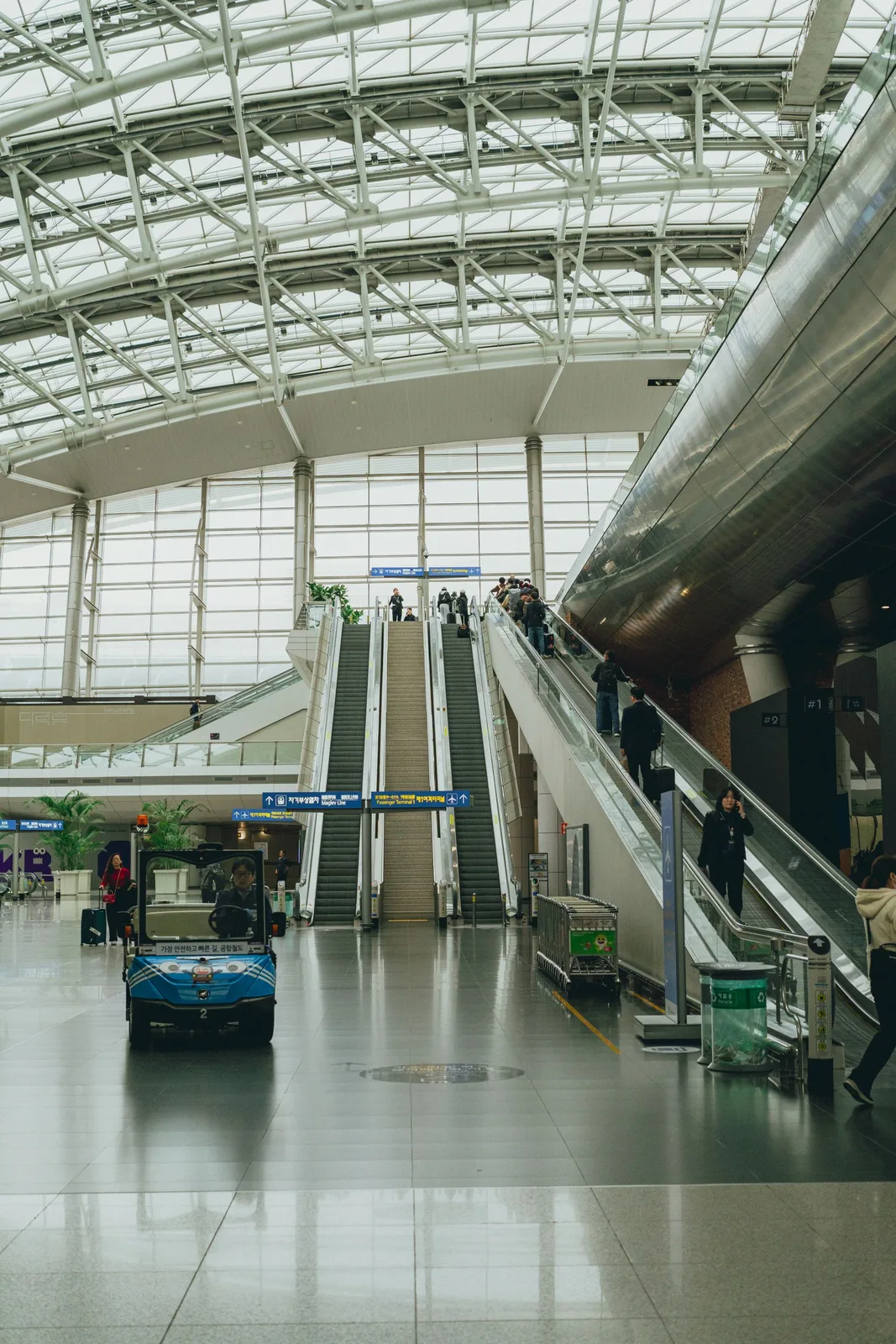
Journey times are approximate and refer to the listed stop — not necessarily your hotel. Allow extra time for waiting, walking, and connections.
Non-stop to Seoul Station, reserved seats, luggage racks
Stops at Hongdae and Gimpo; pay with T-money
Door-to-door to major hotels, no stairs with luggage
Use the official rank; insist on the meter
Once you are in the city, the subway is your backbone — clean, cheap, and bilingual. Rides start at ₩1,400 with T-money. Buses fill the gaps; hop on with the same card. Taxis are affordable for short hops — hail one or use Kakao T, and always check the meter is running.
Landing late or carrying serious luggage? Pre-book a Kiwitaxi transfer for a fixed price and a driver waiting in arrivals. For a more personal pickup, book a Welcome Pickups driver who will help with bags and introduce the city on the way in.
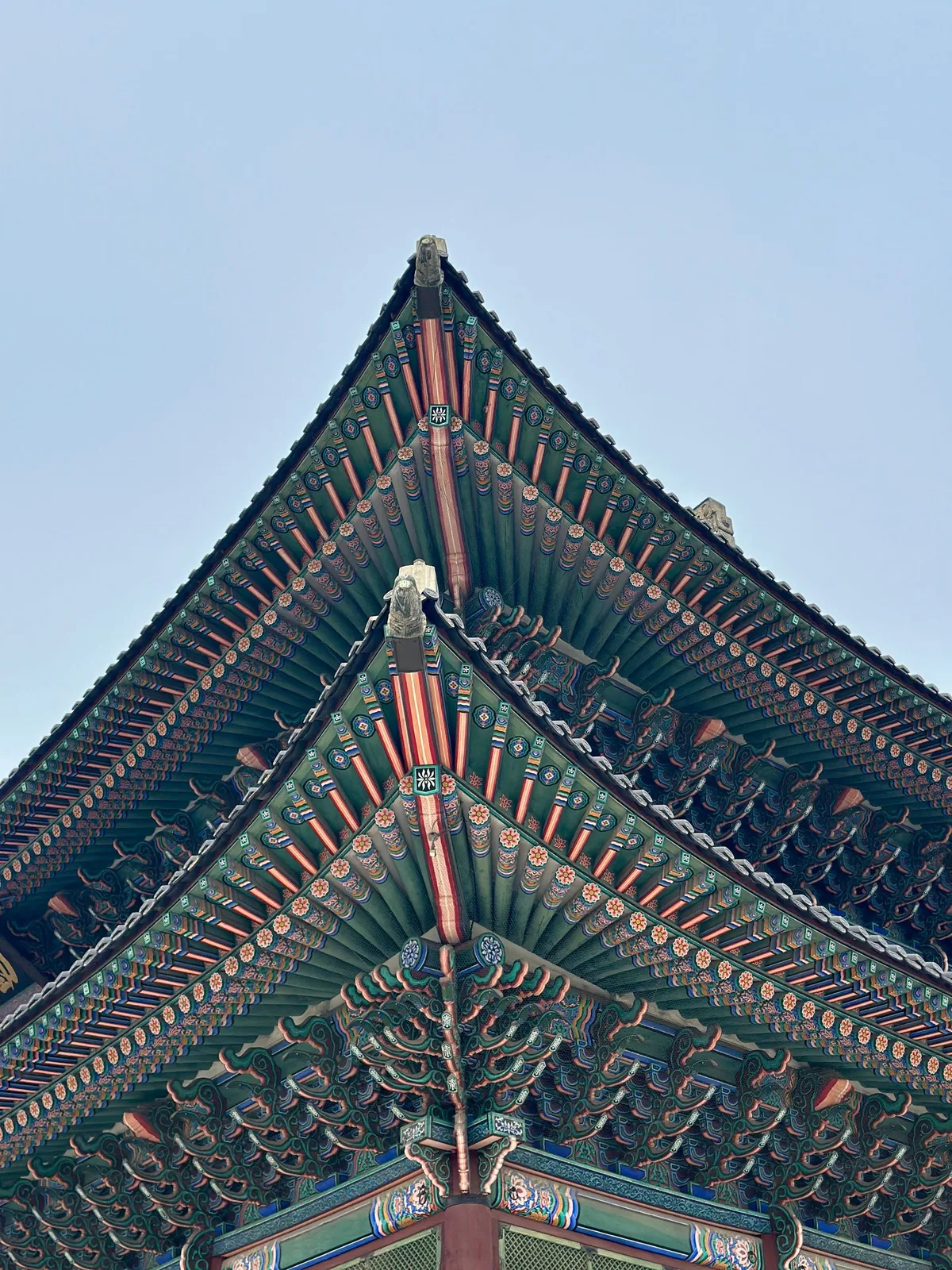
Start at Gyeongbokgung Palace for the changing of the guard, cut through Bukchon Hanok Village, and end at Insadong for tea and crafts. Book palace entry on Tiqets — it is the essential first-day loop.
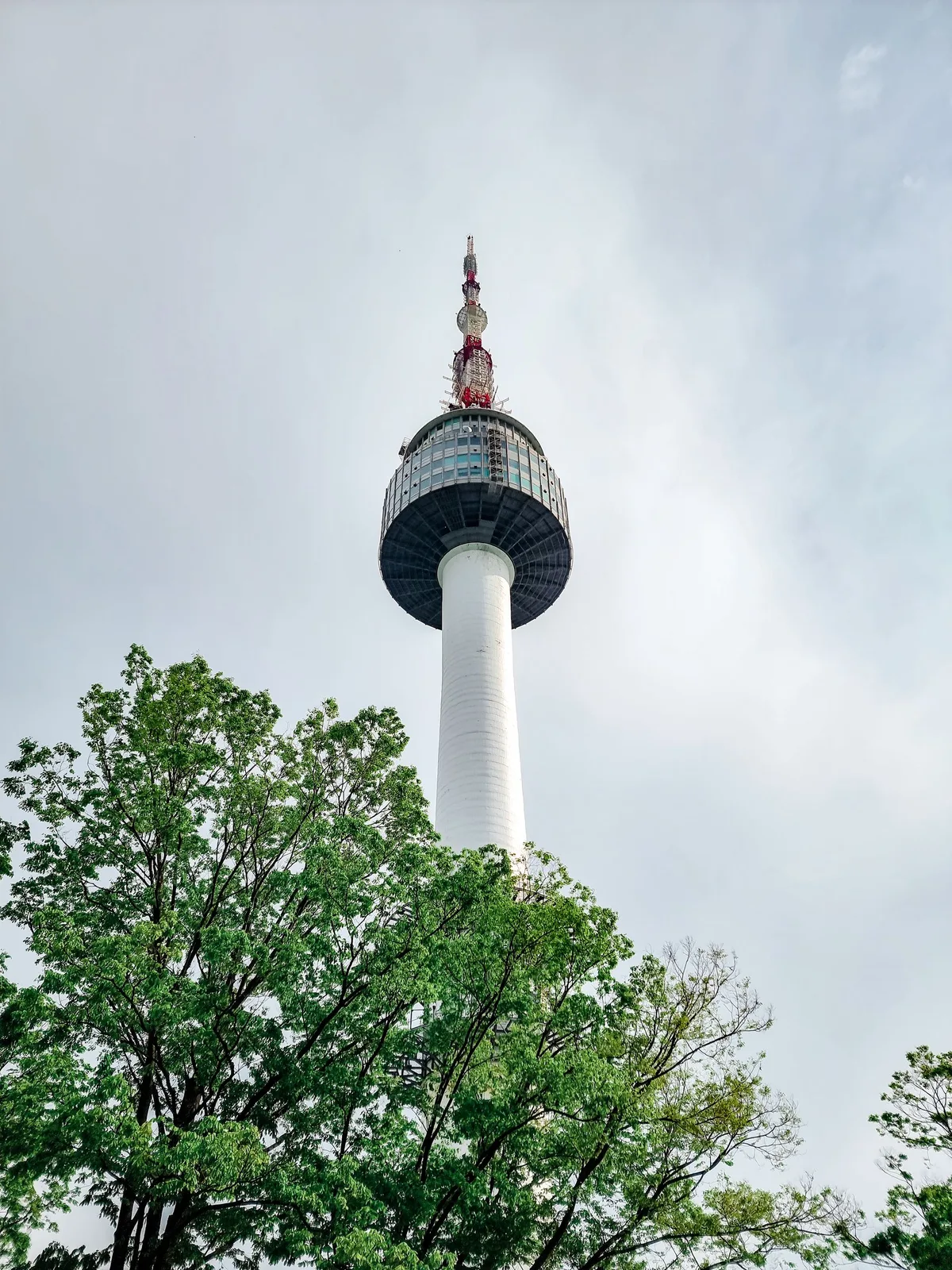
The cable car or bus up Namsan Mountain ends at the tower observatory with a full panorama. Book N Seoul Tower tickets on Tiqets to skip the ticket line at sunset, the best hour.
Gwangjang Market is the move — bindaetteok, mayak gimbap, and yukhoe from stalls that have been perfecting one dish for decades. Go hungry and bring cash.
The Han River parks have dedicated cycling paths with rentals by the hour. Rent a bike on BikesBooking and ride the Yeouido loop at golden hour.
A half-day city tour stitches the palaces, markets, and viewpoints together without the subway guesswork. Browse Seoul tours on GetYourGuide or grab a Go City pass if you plan to stack paid attractions.
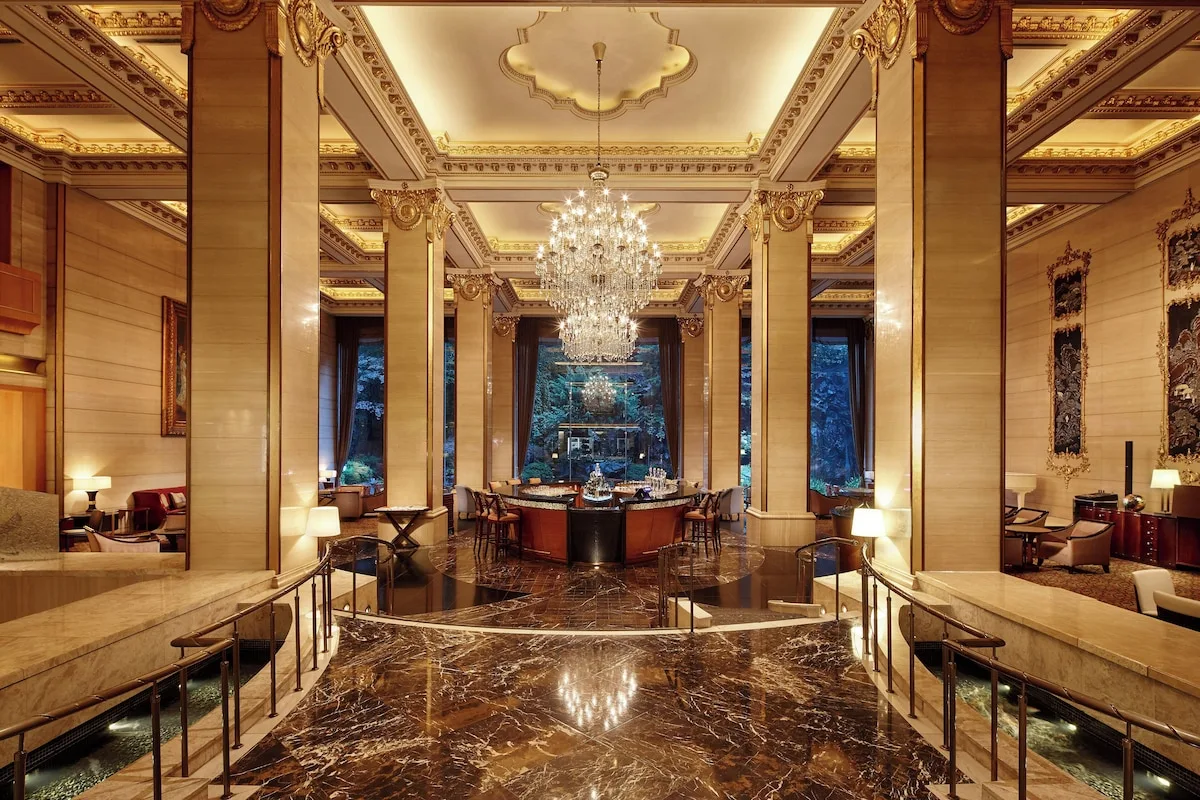
Map → 30 Eulji-ro, Jung-gu. The grand dame of Myeongdong, steps from the subway and the shopping streets, with the executive tower for proper luxury.
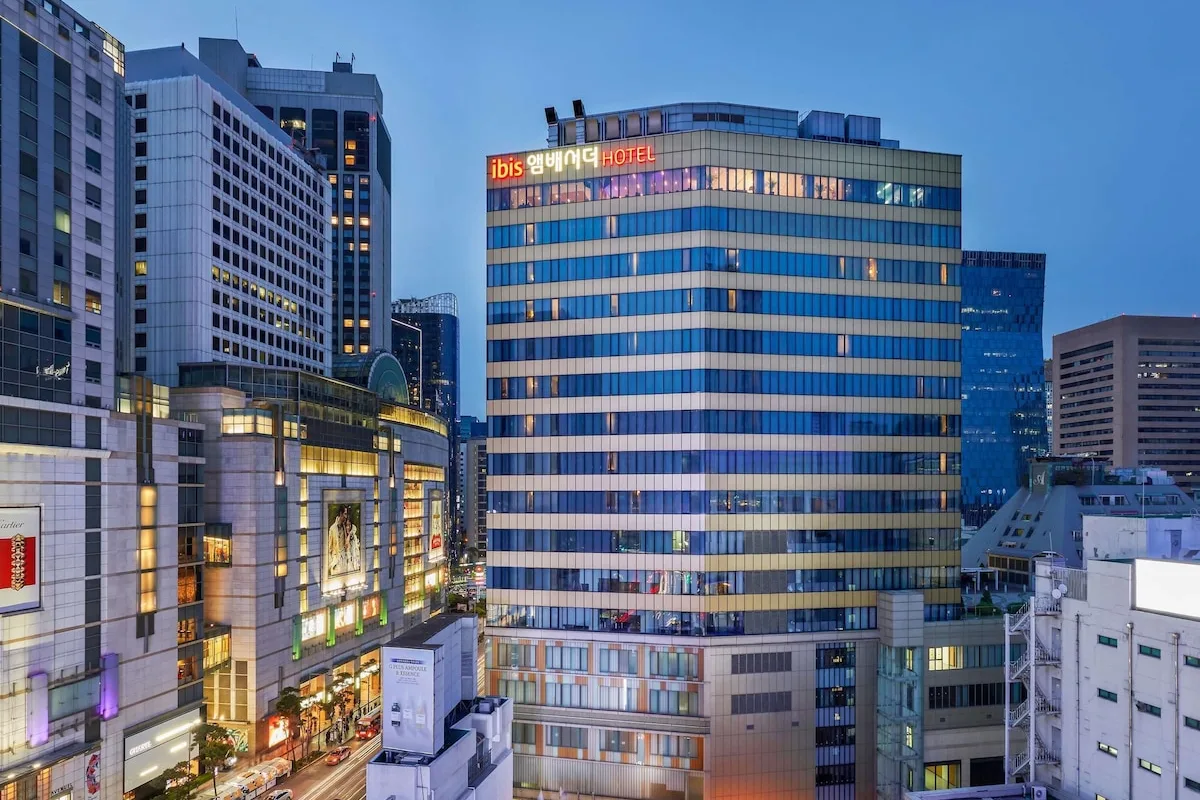
Map → 78 Namdaemun-ro, Jung-gu. Unbeatable location for the price — the airport bus stops right outside, and Myeongdong's food streets are a minute away.
Map → 18-1 Pil-dong, Jung-gu. Clean, friendly, and walkable to everything in Myeongdong — the best-value crash pad in the neighborhood.
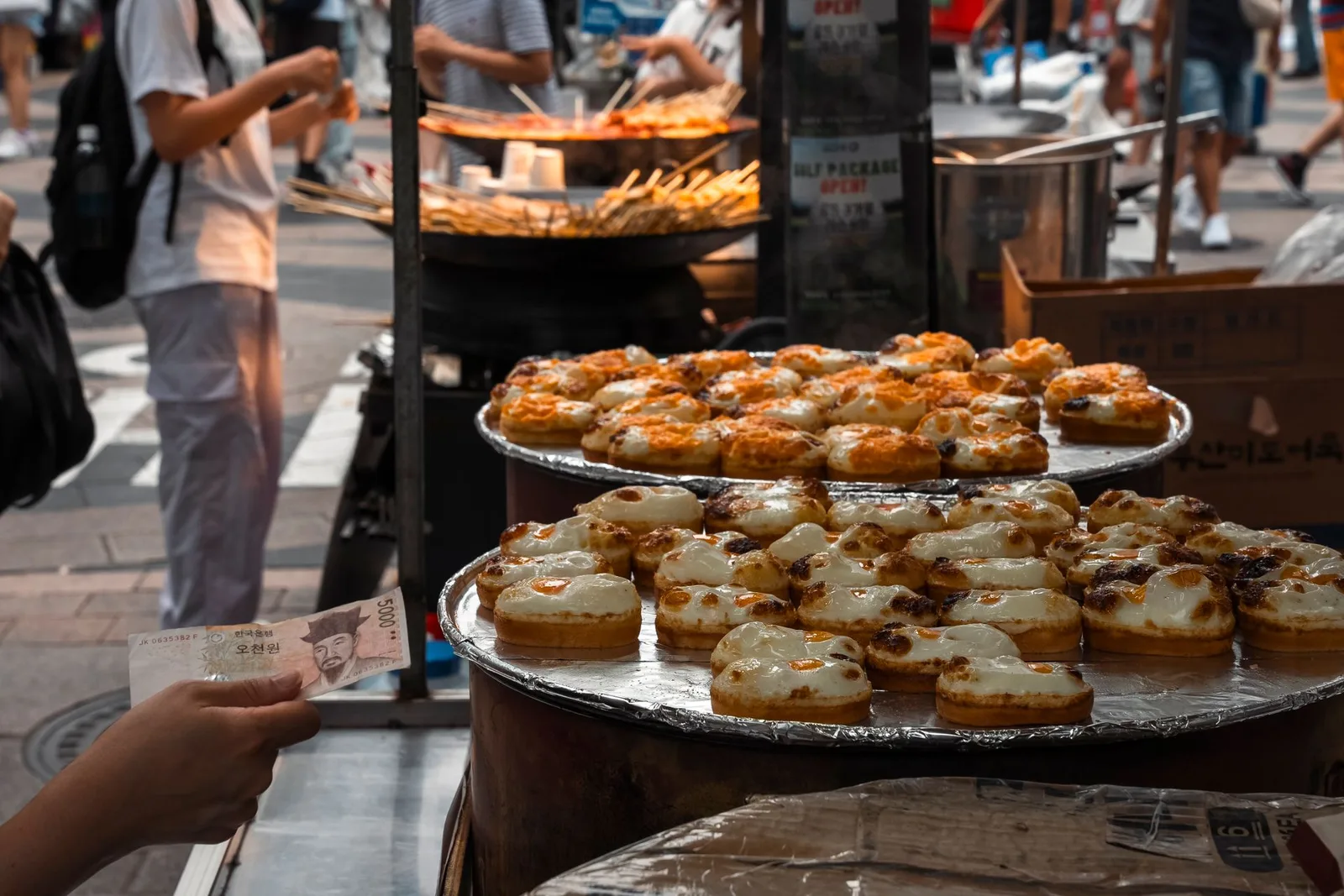
Map → 29 Myeongdong 10-gil, Jung-gu. Hand-cut noodles in deep broth with garlicky kimchi, Michelin Bib Gourmand, around ₩11,000–14,000. Go before 11:30 or after 15:00 to dodge the line.
Map → 88 Changgyeonggung-ro, Jongno-gu. Bindaetteok mung-bean pancakes, mayak gimbap, and raw beef yukhoe from legendary stalls. Cash is king here.
Map → Head to the barbecue streets of Mapo-gu after dark. Marinated pork ribs sizzling over charcoal, wrapped in lettuce with ssamjang — this is Seoul's definitive dinner.
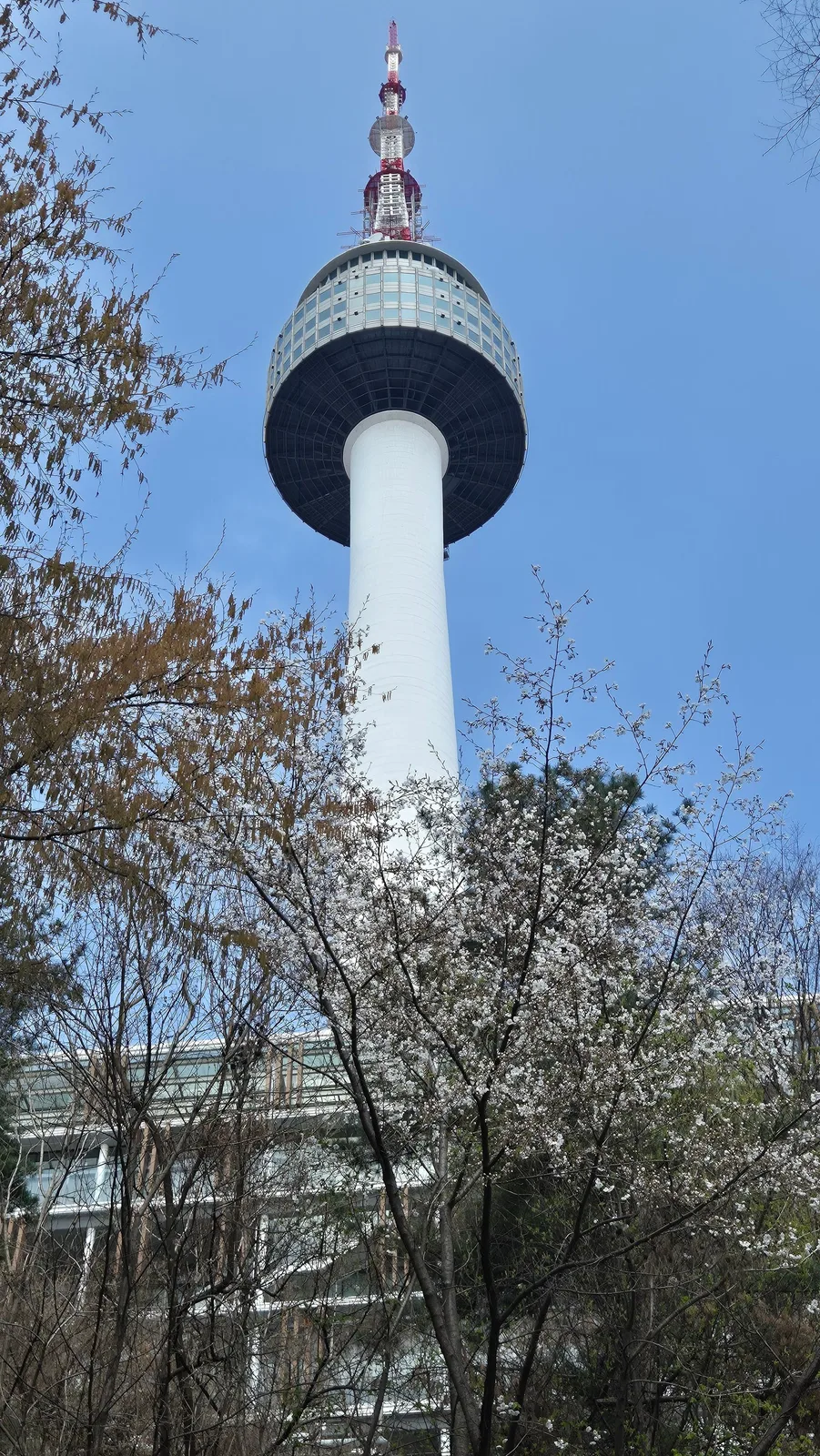
The tower on Namsan Mountain gives you the full panorama — ride the cable car up, walk the love-lock terraces, and time it for sunset when the city lights switch on.
Check availability →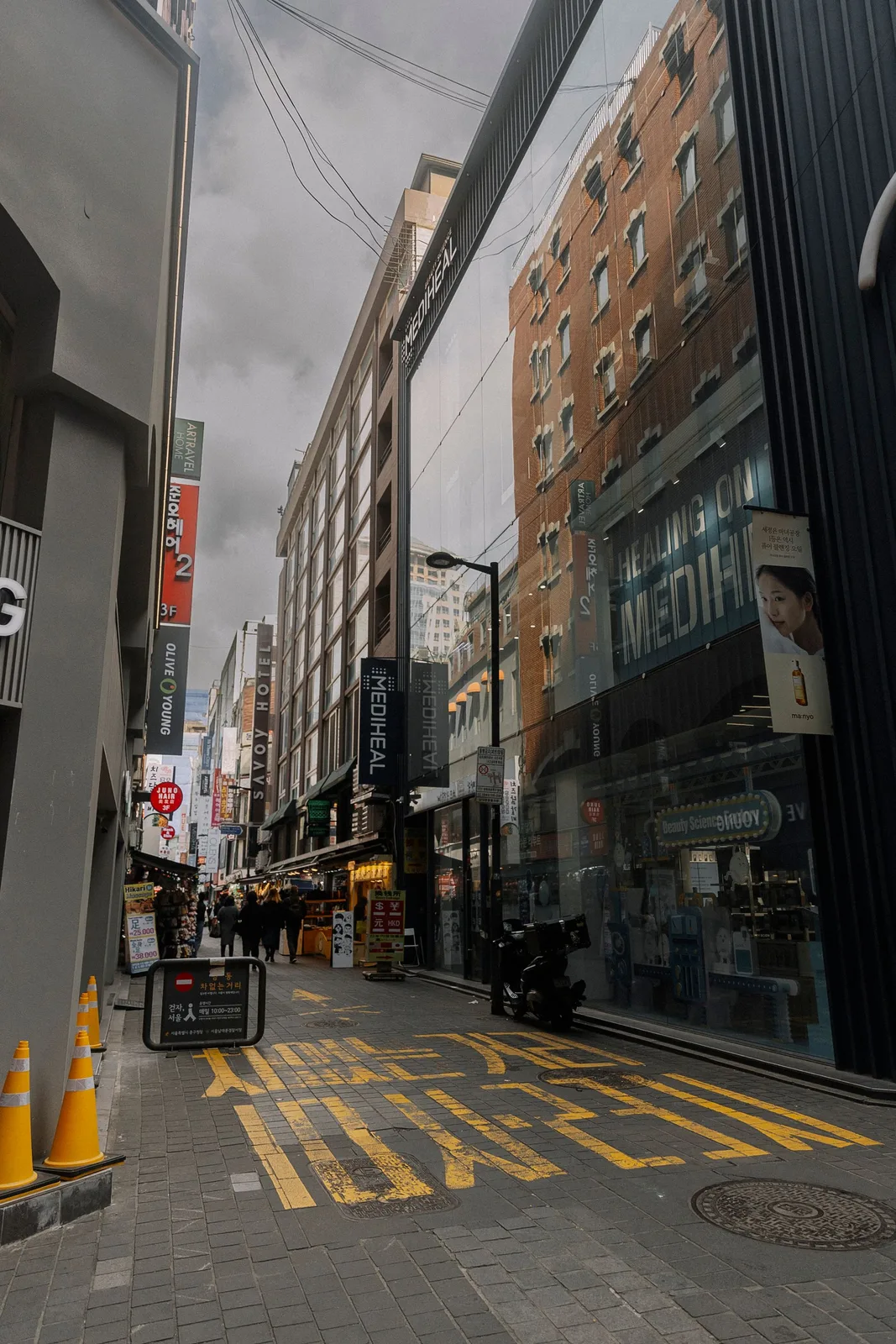
Seoul's famous shopping and street-food district — cosmetics flagships, sizzling stalls, and the cathedral on the hill. Best experienced after dark when the neon takes over.
Check availability →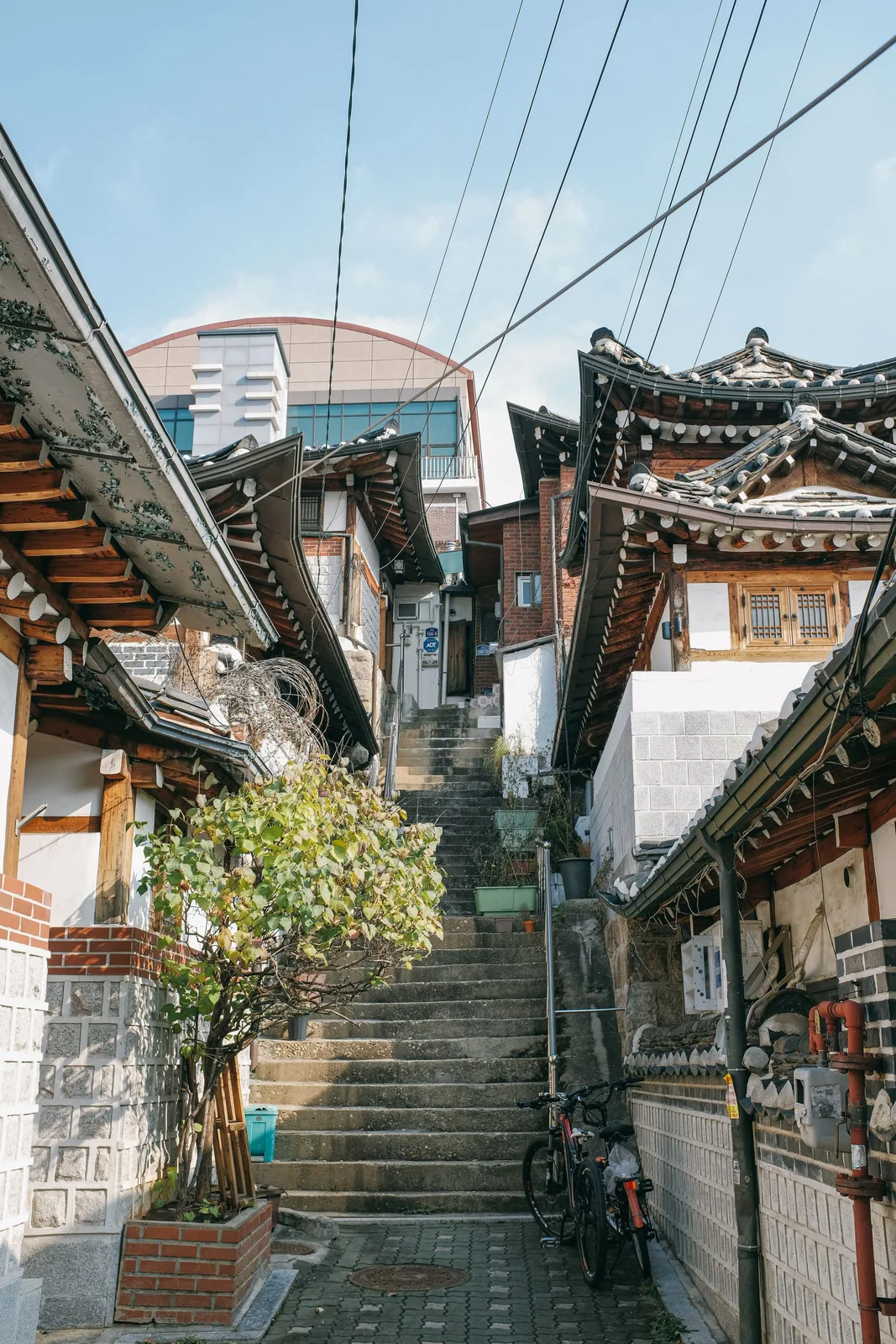
Hundreds of traditional hanok houses on the hillside between two palaces. Go early morning for empty lanes, keep voices low — people live here.
Check availability →Staying longer?
The demilitarized zone is the most sobering half-day in Korea — the Third Tunnel, Dora Observatory, and the last train station to nowhere. Book a DMZ tour on Tiqets; independent visits are not possible.
Hwaseong Fortress, a UNESCO site, is 30 minutes by subway. Walk the full wall circuit and eat the famous Suwon galbi after.
Seoul's granite mountain national park starts at the subway's edge. The Baegundae peak trail takes 3–4 hours round trip — bring water and start early.
The best months are April to June and September to November. Spring brings cherry blossoms in early April and mild days; autumn brings the clearest skies of the year and spectacular foliage in the palaces and mountains.
Summer is hot, humid, and wet — the jangma monsoon hits in late June and July. Winter is dry and bitterly cold, often below freezing, but the palaces in snow are magical and hotel rates drop.
Budget-wise, Seoul is mid-range Asia: subway rides from ₩1,400, market meals ₩8,000–15,000, mid-range hotels ₩120,000–200,000 a night. The Tiqets Seoul collection helps you price the big attractions before you commit.
Tap items to check them off — your list is saved on this device.
As an Amazon Associate I earn from qualifying purchases.
✓ Visa-free entry for eligible passport holders
Korean is the language, but you can get by. Subway announcements and signs are in English, and translation apps handle the rest. A few phrases earn big smiles.
Most Western nationalities get 90 days visa-free. The K-ETA electronic authorization is waived through 31 December 2026 for 22 countries including the US, UK, EU, Canada, and Australia — it returns on 1 January 2027. Everyone must still complete the free e-Arrival Card at e-arrivalcard.go.kr within 3 days before landing.
Goodwill note: bow slightly when thanking, receive things with two hands, and pour for others before yourself. Small gestures register deeply here.
Delivery scooters routinely ride on pavements. Keep to one side, check over your shoulder, and never step out blindly while looking at your phone.
Bukhansan's trails are real mountain hikes — steep granite, no guardrails in places. Start early, carry water, and turn back if the light fades.
Spring brings yellow dust and fine particulate. Check the daily air quality index; on bad days, wear a KF94 mask like the locals do.
112 for police, 119 for fire and ambulance, and 1330 for the tourist hotline in English. Save all three before you leave the airport.
If you liked Seoul, try these next:
 Asia & Pacific
the other East Asian capital
 Asia & Pacific
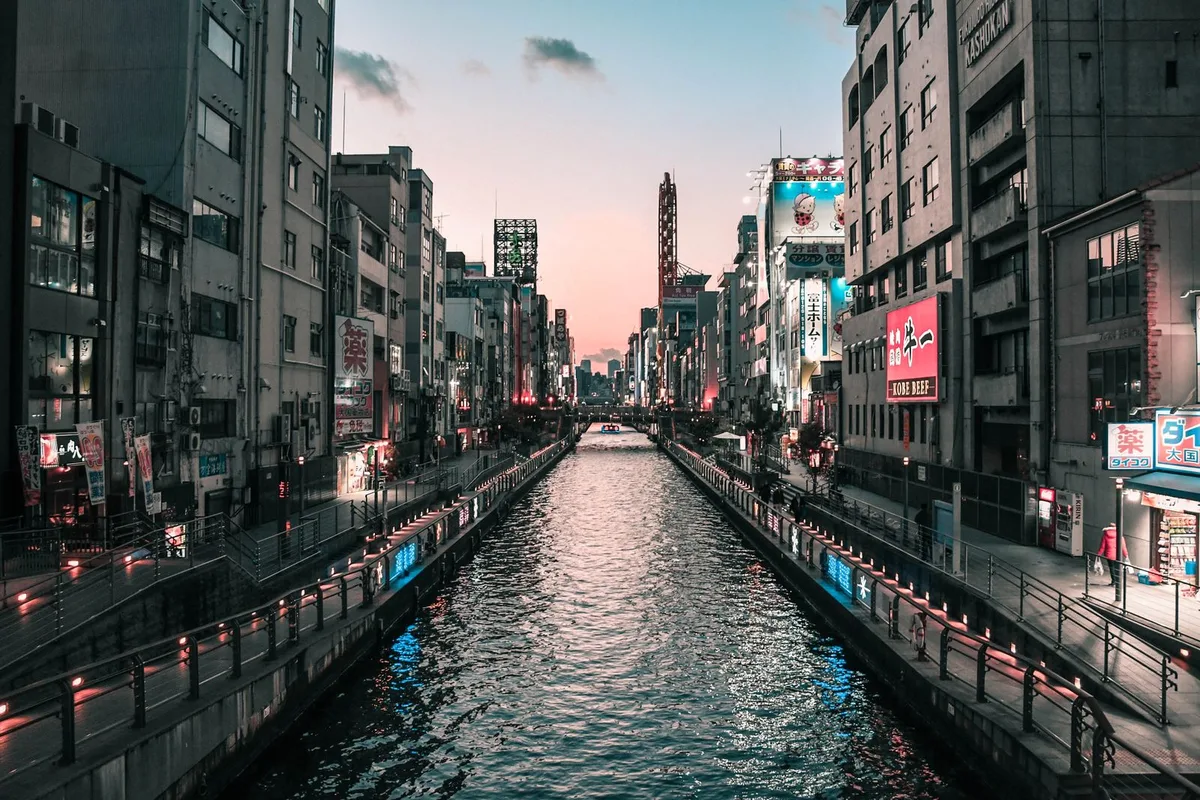
the kitchen of Japan, near the capital
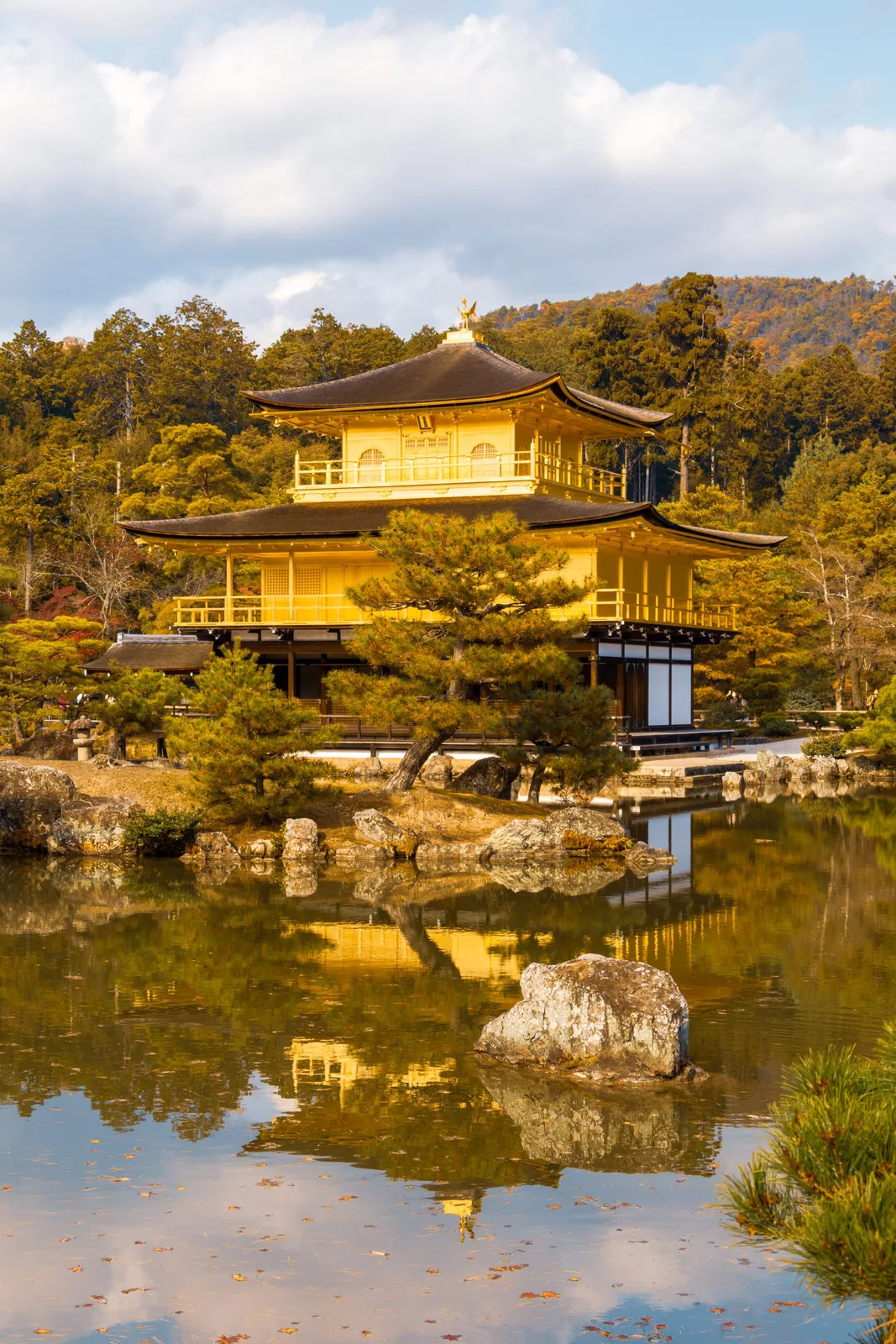 Asia & Pacific
the old imperial capital
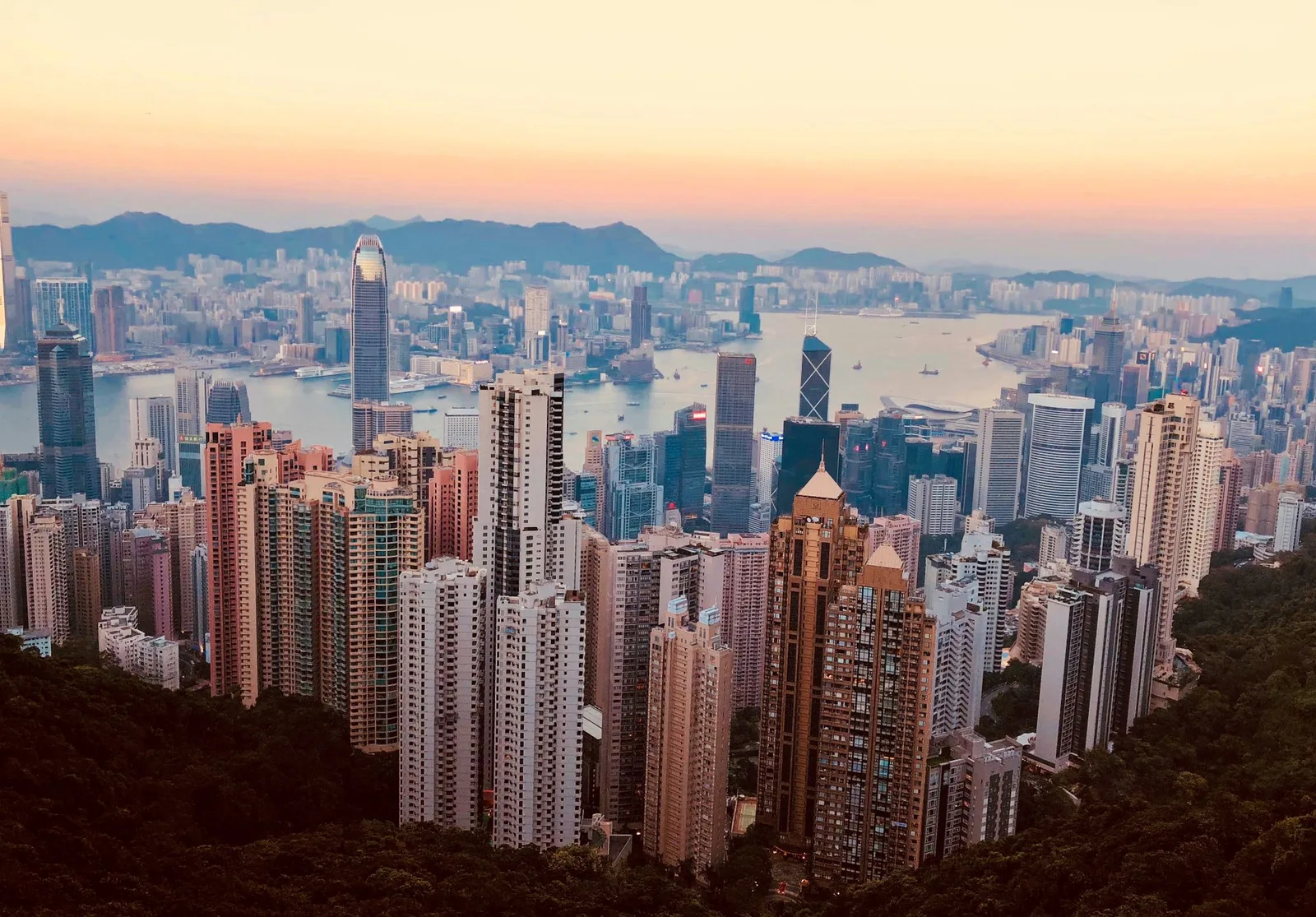 Asia & Pacific
the harbour city south across the sea
 Asia & Pacific
the island capital to the south
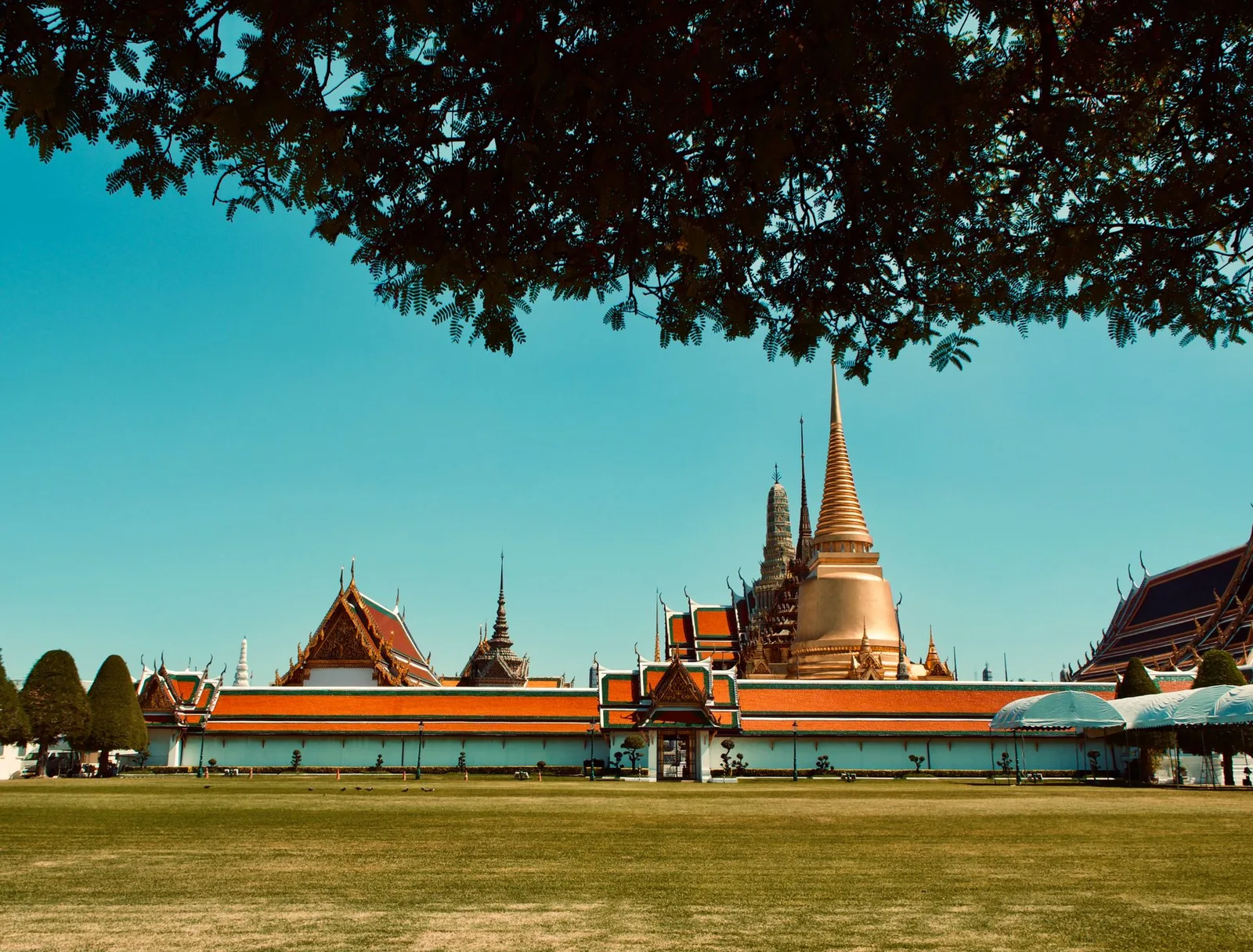 Asia & Pacific
temples and street food further south
 Asia & Pacific
the mainland capital across the Yellow Sea
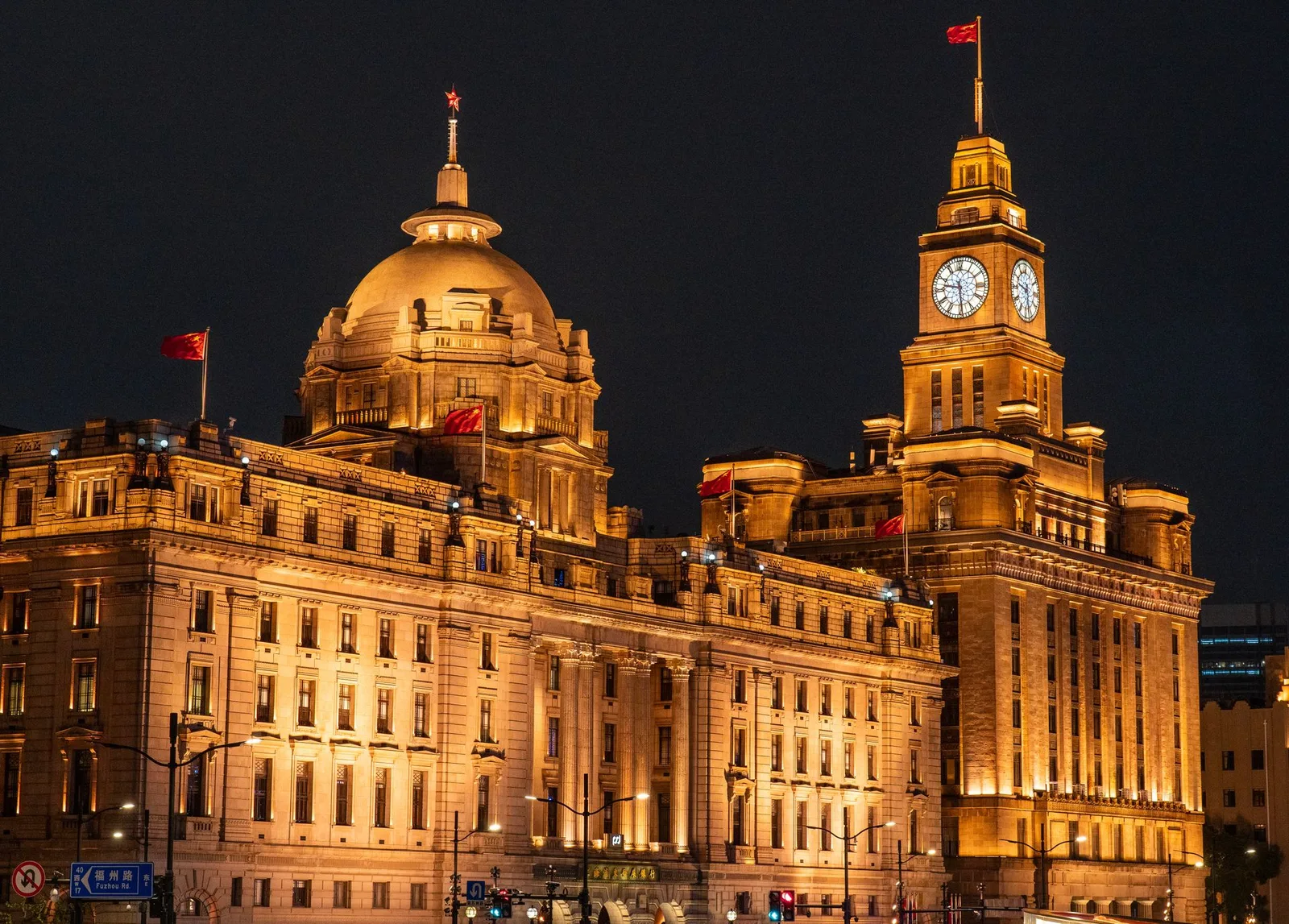 Asia & Pacific
the Bund and the skyline
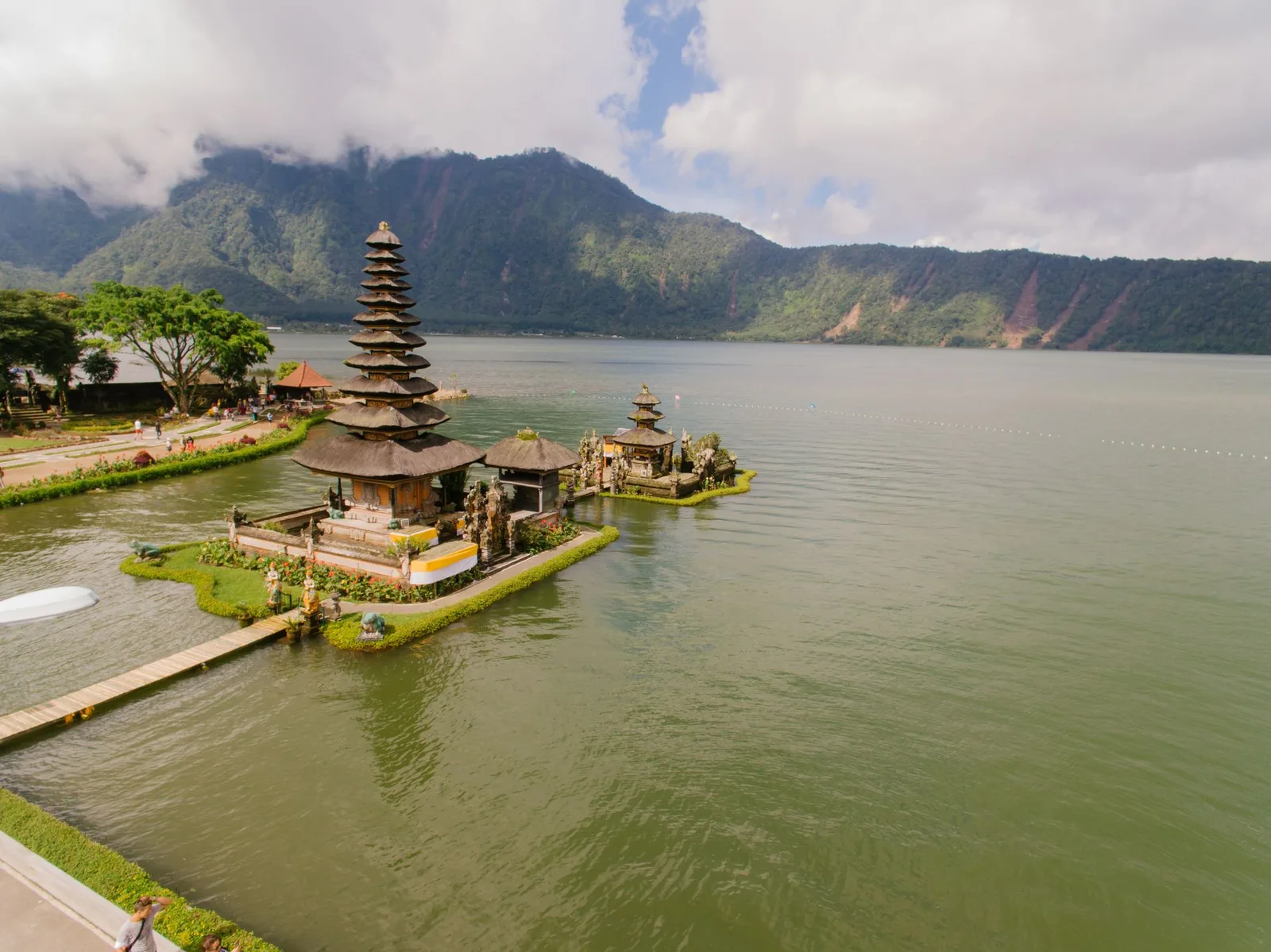 Asia & Pacific
the island escape for the beach leg
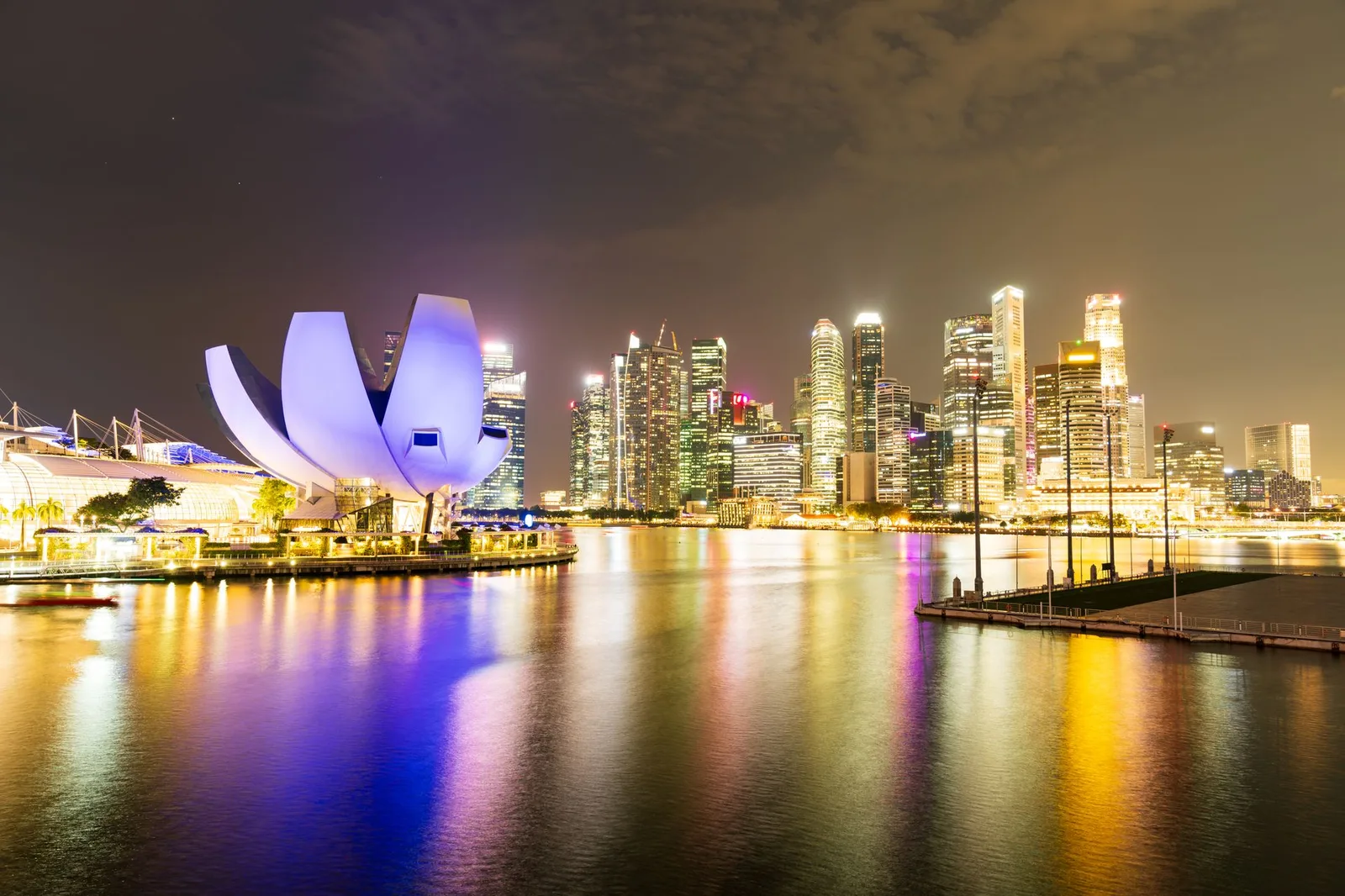 Asia & Pacific
the garden city at the tip of the peninsula
The answers that decide the trip — airport trains, entry rules, money, water, and best time.
Answers verified October 2026. Prices are ranges and change — confirm when you book.
The AREX Express runs non-stop to Seoul Station in 43 minutes for ₩13,000 — best if your hotel is near the station. The AREX all-stop train costs ₩4,750–₩5,350, takes about an hour, and stops at Hongdae.
Limousine buses run ₩17,000–₩18,000 door-to-door to major hotels. Taxis run ₩65,000–₩85,000 to central Seoul.
Citizens of 22 countries — including the US, UK, EU, Canada, and Australia — are exempt from the K-ETA through 31 December 2026 and enter visa-free for up to 90 days.
Everyone must still complete the free e-Arrival Card at e-arrivalcard.go.kr within 3 days before landing. The K-ETA returns on 1 January 2027.
The South Korean won (₩). Cards are accepted almost everywhere, but carry cash for markets, street food, and small eateries.
Buy a T-money card at any convenience store and load it with ₩20,000–₩30,000 cash — foreign credit cards cannot be tapped at subway gates.
Yes — Seoul tap water meets strict standards and is safe to drink.
Most locals still filter it, but visitors can drink it without worry. Carry a refillable bottle; fountains are common.
Type C and F — the round two-pin plugs used in continental Europe.
Pack a universal adapter if you are coming from the US, UK, or Australia.
April to June and September to November. Cherry blossoms peak in early April; autumn brings the clearest skies and spectacular foliage.
Summer is hot, humid, and wet with the monsoon in late June and July. Winter is dry and bitterly cold, but palaces in snow are magical and hotel rates drop.
These answers cover the questions every Seoul traveler asks before booking. Entry rules and fares change — this page is re-verified on a schedule, and anything time-sensitive says so.
Landing soon? Get the printable PDF — the essentials from this guide, formatted for your phone:
One email with your Seoul PDF (guide version: Oct 2026). Fare changes and new guides after that. No spam, unsubscribe anytime.
Airport Railroad (AREX) official fares; Korea Tourism Organization entry requirements; Ministry of Justice K-ETA exemption notice; VisitKorea e-Arrival Card guidance. Fares and policies verified October 2026 — confirm before you book.
Found something out of date? Tell us and we will fix it →
Affiliate disclosure: hotel names, transfers, experiences, and products linked in this guide may earn After You Land a commission at no extra cost to you. Prices and times were checked in Oct 2026 and change often — confirm before you book.