
Beijing: your first hour after landing
You have just landed in a capital with 3,000 years of history and a skyline that reinvents itself every decade. Beijing rewards a little preparation: the right airport train, a payment app that actually works here, and palace tickets booked before they sell out. This guide covers the landing first — PEK and Daxing arrivals, where to stay, your first roast duck — then the Forbidden City, the hutongs and the Great Wall day that anchors the trip.
In this guide
You just landed in Beijing. Capital Airport (PEK) is the main gateway: the Airport Express reaches Dongzhimen in about 25 minutes for ¥25. Sort your Airalo eSIM before you land — mobile payment runs everything in Beijing — and book a Mutianyu Great Wall tour early, the good slots go first.
Quick facts
Airport
Getting in
Currency
Languages
Time zone
Emergency
Plugs
Tap water
Tourist tax
Best months
Map
Stays, sights, and landmarks in Beijing — live hotel prices plus the key places from this guide.
Settle in
1. Get connected — and do it before you land
Grab an Airalo eSIM before you fly — Saily is a solid alternative — because you will need data for maps, metro QR codes and translation from minute one. Install a VPN before arrival too: Google, WhatsApp, Instagram and most Western apps are blocked on Chinese networks, and you cannot reliably install a VPN once you are inside the Great Firewall.
2. Sort money
Link your foreign card to Alipay or WeChat Pay while still on airport wifi — both now accept international cards and you will pay for almost everything by QR code, from the metro to market stalls. Withdraw a couple of hundred yuan from an arrivals ATM as backup; Bank of China machines are the most reliable with foreign cards. Cash is rarely used, but a few notes get you through the rare cash-only noodle counter.
3. Eat
Your first meal should be Peking duck — see Where to eat first — or, if the duck lines are already long, a jianbing from a street cart: the savoury breakfast crepe with egg, hoisin and crispy wonton skin is Beijing’s greatest cheap bite and costs a few yuan.
4. Walk
Head for Nanluoguxiang, the 800-metre hutong alley north of the Forbidden City. Duck into the side lanes where the laundry still hangs overhead and the courtyard houses keep their grey-brick calm — this is old Beijing, and it survives a short walk from the palace.
Getting around

Times are airport to city centre.
Capital Airport Express (PEK)
T2 and T3 to Dongzhimen; transfer to Line 2 or 13. First train ~06:20, last ~23:00.
Daxing Airport Express (PKX)
Transfer to Line 10 or 19 at Caoqiao. Runs ~06:00–23:00 every 9–15 min.
Metered taxi (PEK)
Official rank outside arrivals; add the ¥10 airport expressway toll. Traffic decides everything.
Metered taxi (PKX)
The long one — the express train is nearly always faster.
Beijing’s two airports need different plans. PEK is 25 km northeast of the centre; PKX is 46 km south. Pick your route by airport:
Inside the city, the metro is enormous and superb: 27 lines, fares from ¥3 by distance, English signage everywhere. Pay with your Alipay or WeChat Pay transport QR — no ticket machines needed. DiDi fills the gaps and is far cheaper than taxis for most rides; the app has an English interface and a fixed fare before pickup.
Landing after the last airport train, the official taxi rank is outside arrivals and the meter is regulated — ignore the touts inside the terminal offering rides. For zero-decision late-night arrivals, a Welcome Pickups driver meets you in arrivals with a fixed price agreed up front.
In the city
Book the Forbidden City first.
The Palace Museum sells only advance tickets — ¥60 in peak season from April to October, ¥40 off-peak — through its official website or WeChat mini-program, released exactly seven days ahead at 20:00. No gate sales, no same-day walk-up. It is closed on Mondays, so build your day around that. Book Forbidden City tickets on Tiqets if the official mini-program defeats you. Enter through the Meridian Gate on the south side, give it at least half a day, and finish by climbing Jingshan Park directly north — the pavilion at the top has the only full view of the palace roofline.
Get the Temple of Heaven combo ticket.
The basic park ticket (¥15) does not get you into the buildings — buy the ¥34 combo (¥28 off-season) which covers the Hall of Prayer for Good Harvests, the Echo Wall and the Circular Mound Altar. Go early: Line 5 to Tiantan East Gate, in at opening, and watch the retirees doing tai chi and singing Peking opera before the tour buses arrive. The core sights are closed on Mondays.
Ride the hutongs.
Nanluoguxiang is the postcard, but the real hutongs are the lanes around it — Shichahai’s lakefront, Baochao and Ju’er hutongs, the Drum and Bell Towers at dusk. Rent a bike through BikesBooking and loop the old city’s lanes in a lazy afternoon; it is flat, the cars are few, and every turn has a story.
See the old and the new in one day.
The Lama Temple’s incense and the 798 Art District’s converted factories make a strong pairing, and the Olympic Park’s Bird’s Nest and Water Cube are worth seeing lit at night. If you want a local to connect the dots, a Klook Beijing city tour covers the highlights with hotel pickup — or book a Mutianyu Great Wall tour for the one sight that justifies leaving the city.
After you land in Beijing: Bookable experiences
Where to stay your first nights

The Peninsula Beijing.
Best for a special occasion8 Goldfish Lane (Jinyu Hutong), Wangfujing, Dongcheng. China’s first true luxury hotel, rebuilt in 2017 as an all-suite address with 230 suites, museum-quality Chinese art and a 20-metre pool. Five minutes on foot from Wangfujing and a straight shot to the Forbidden City.
The Orchid Hotel.
Best for hutong boutique style65 Baochao Hutong, Gulou East Street, Dongcheng. A ten-room boutique set in a restored siheyuan courtyard house, with a multi-tiered rooftop terrace looking out over hutong rooftops and the Drum and Bell Towers. English-speaking staff, dumpling-making classes and the best-located boutique stay in the old city.

Peking International Youth Hostel.
Best for the hutongs on a budget113-2 Nanluoguxiang, Dongcheng. Dorms, doubles and private rooms on Beijing’s most famous hutong, a few blocks north of the Forbidden City. Clean, well-run and genuinely social — the standard-bearer budget stay in the old city.
Where to eat first

Da Dong — the benchmark duck.
Map → 1–2/F, Nanxincang International Plaza, 22A Dongsi Shitiao, Dongcheng. The modern Peking duck temple: less greasy, crisply rendered skin, a whole duck around ¥298. Book ahead — the Nanxincang branch is the flagship.
Siji Minfu — the local favourite duck.
Map → No. 25 Dongsi Shitiao, Dongcheng. The chain Beijingers actually queue for: proper duck at fair prices (about ¥150 a head), honey-glazed shrimp and almond tofu on the side. Arrive before 6pm or take a number and wait.
TRB Hutong — the special night.
Map → No. 23 Shatan North Street, Songzhu Temple, Dongcheng. A Michelin-starred contemporary French restaurant inside a 600-year-old temple courtyard, a short walk east of the Forbidden City. Lunch from 11:30am–2:30pm, dinner 5:30pm–10pm — reserve.
Order — jianbing.
The street-cart breakfast crepe: egg, hoisin, chilli, crispy wonton, scallions. A few yuan, eaten walking, gone in three minutes.
Order — zhajiangmian.
Beijing’s other signature: wheat noodles under a salty black-bean sauce with cucumber and bean sprouts. The correct lunch after a morning at the palace.
Skip — the tourist duck near the sights.
Picture menus around Qianmen and Wangfujing charge double for a shadow of the real thing. Book Da Dong or queue at Siji Minfu instead.
Day trips and more
The Great Wall is the reason most people come, and it deserves a full day. Wall and palace tickets on Tiqets cover the main sights if you prefer everything booked before you go.
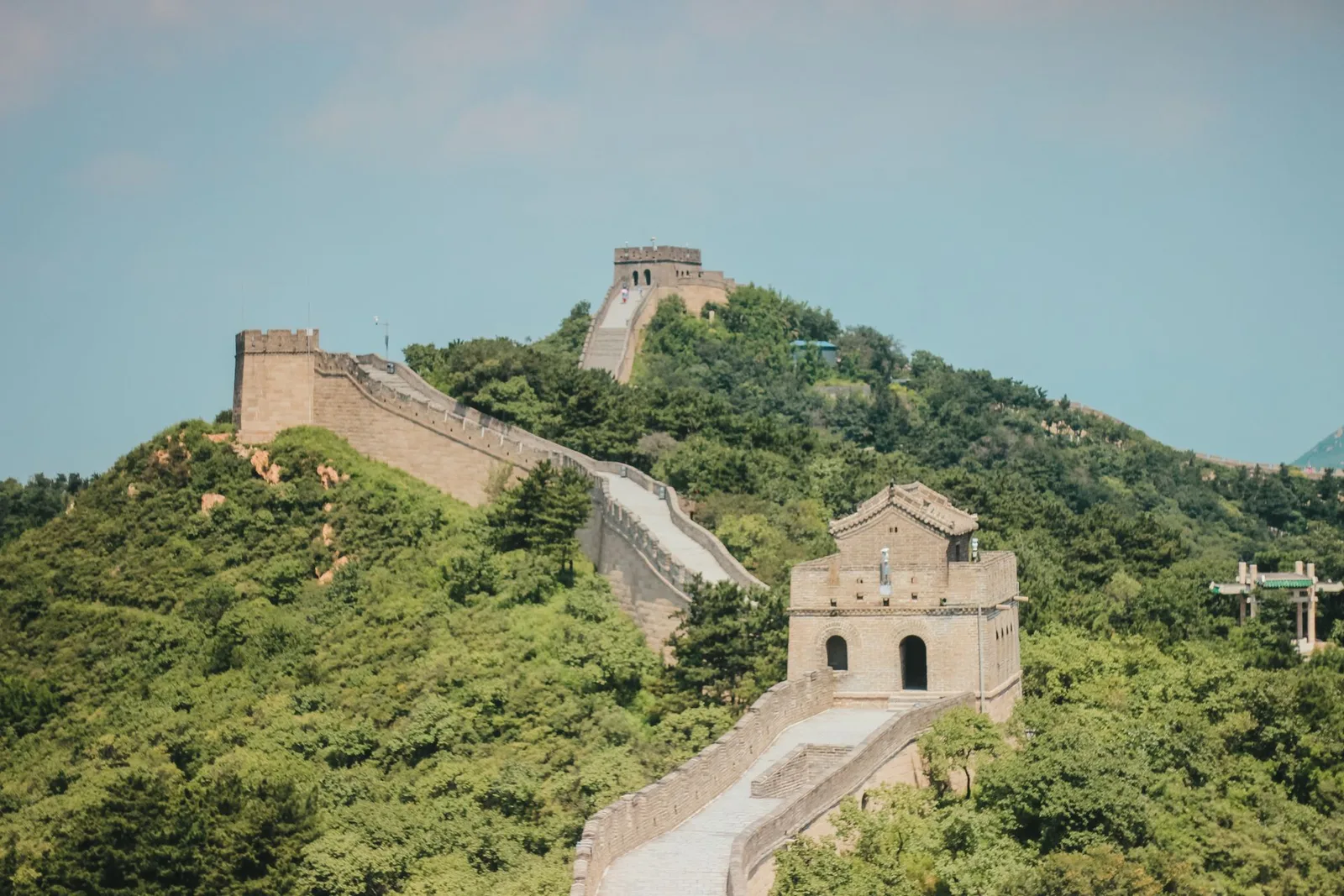
Mutianyu Great Wall
The best-preserved and least crowded major section — about 90 minutes northeast of the city. Entry is about ¥45, the enclosed cable car ¥100 one-way to Watchtower 14, and the famous toboggan ride down ¥140 as a chairlift combo.
Check availability →
Forbidden City
The world’s largest imperial palace: 980 buildings across 72 hectares, 600 years of Ming and Qing history. Book seven days ahead at 20:00 — tickets sell out fast in peak season.
Check availability →
Summer Palace
The Qing emperors’ lakeside retreat: Kunming Lake, Longevity Hill and the 728-metre Long Corridor. Entry ¥30 in peak season, ¥60 for the combo ticket covering the inner gardens.
Check availability →Staying longer? Badaling is the closest Wall section — about ¥40 entry and direct trains from Beijing North — but it is the busiest. Tianjin is 30 minutes by bullet train for the old concessions’ European streets, and the Chengde Mountain Resort makes a grand overnight escape from the summer heat.
When to go and what it costs

September and October are the sweet spot: blue-sky days, crisp air, autumn colour on the Wall. April and May bring blossoms and mild weather, though spring sandstorms can haze the sky. Winter is genuinely cold — below freezing with a dry wind — but the city is at its cheapest and the palace crowds thin. July and August are hot and humid with heavy afternoon downpours, and flights through the typhoon season can be disrupted — AirHelp can claim compensation if yours is cancelled or seriously delayed.
Daily budgets as rough planning bands: budget ¥300–500 covers hostels, street food, metro and free sights; mid-range ¥800–1,500 covers boutique hotels, duck dinners and paid sights; splurge ¥2,500+ covers the Peninsula, private tours and TRB. Hotels swing hardest — October weekends and the 1–7 October Golden Week book out and spike, January and February are the value window.
What to pack
Tap items to check them off — your list is saved on this device.

- Comfortable walking shoes — the palace courtyards are vast and the Wall is all steps Shop walking shoes on Amazon →
- Sunscreen — the UV bites on the open Wall ridges and along the lake shore Shop sunscreen on Amazon →
- A refillable water bottle — bottled water is cheap but the plastic piles up Shop water bottle on Amazon →
- A universal adapter — China mixes Type A, C and I sockets Shop adapter on Amazon →
- A daypack — for layers, water and market purchases Shop daypack on Amazon →
- Sunglasses — the Summer Palace’s Kunming Lake throws glare everywhere Shop sunglasses on Amazon →
- A light rain jacket — summer afternoon downpours in July and August Shop rain jacket on Amazon →
As an Amazon Associate I earn from qualifying purchases.
Language, visa and entry
✓ Visa-free entry

Mandarin is the official language and what you will hear everywhere official; the Beijing dialect adds its famous rolling r-sound to everyday speech. English gets you through international hotels and the big sights, and nowhere else reliably — a translation app and your key addresses in Chinese characters are essential kit.
Goodwill goes a long way: attempt the tones, smile at the failure, accept the correction. A small bow of thanks and a business-card exchange with two hands earn real respect in any business setting.
On entry, the 240-hour transit visa-free scheme covers 55 nationalities — you can enter through Beijing and travel within the region for up to ten days as long as you are transiting to a third country with a confirmed onward ticket. A separate unilateral 30-day visa-free scheme covers more than 40 nationalities — most of the EU, Australia, New Zealand, Japan, South Korea and several Latin American and Gulf states — and is currently extended through the end of 2026. US, Canadian and UK passport holders are not on that list: for them, the 240-hour transit route or a standard tourist visa is the way in. Check the current country lists before you fly, because they do change.
Safety and health
Air quality
Beijing’s air is far better than a decade ago, but winter heating season can still bring heavy haze. Check the AQI each morning and carry an N95 mask for bad days — they are sold in every pharmacy and convenience store.
Tea-house scam
The classic Beijing con: friendly strangers near Tiananmen or the Forbidden City invite you for tea, art or a massage, then a monstrous bill arrives. Never follow touts anywhere — real invitations do not start on a sidewalk.
Phones, payments and VPNs
Your phone is your wallet, map and translator — keep it charged and back it up before you fly. Install a VPN, Alipay and WeChat Pay at home: app stores and Google services are blocked inside China. Carry your passport, or a copy, at all times — police can ask for ID.
Traffic
Crossing the street is a contact sport. Cars and especially silent electric bikes do not reliably stop, even at crossings — look both ways on every road, including one-way streets, and never step off the kerb while looking at your phone.
Related destinations
If you liked Beijing, try these next:
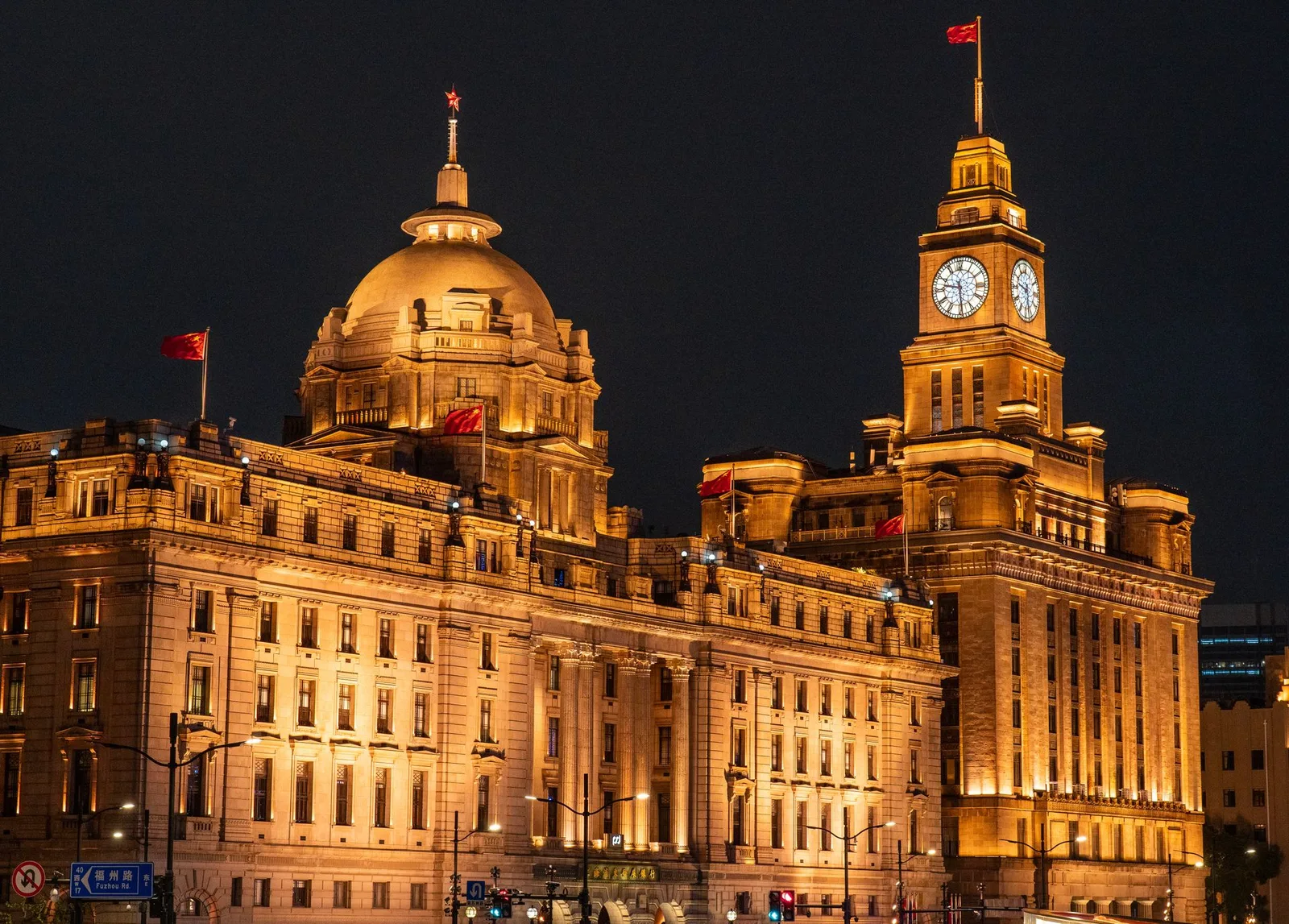 Asia & Pacific
Shanghai
China’s other giant, high-speed rail south
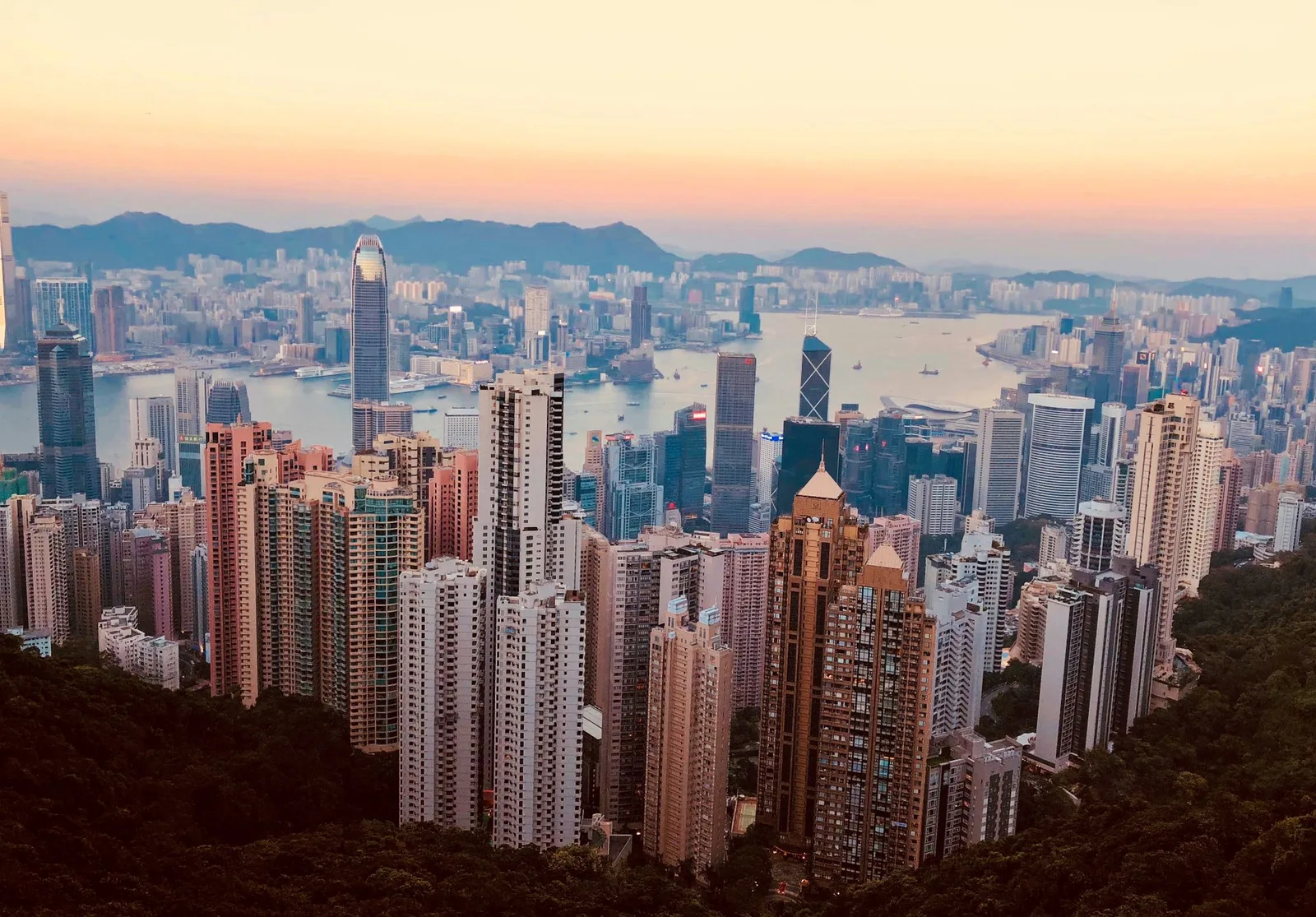 Asia & Pacific
Hong Kong
the other great Chinese city
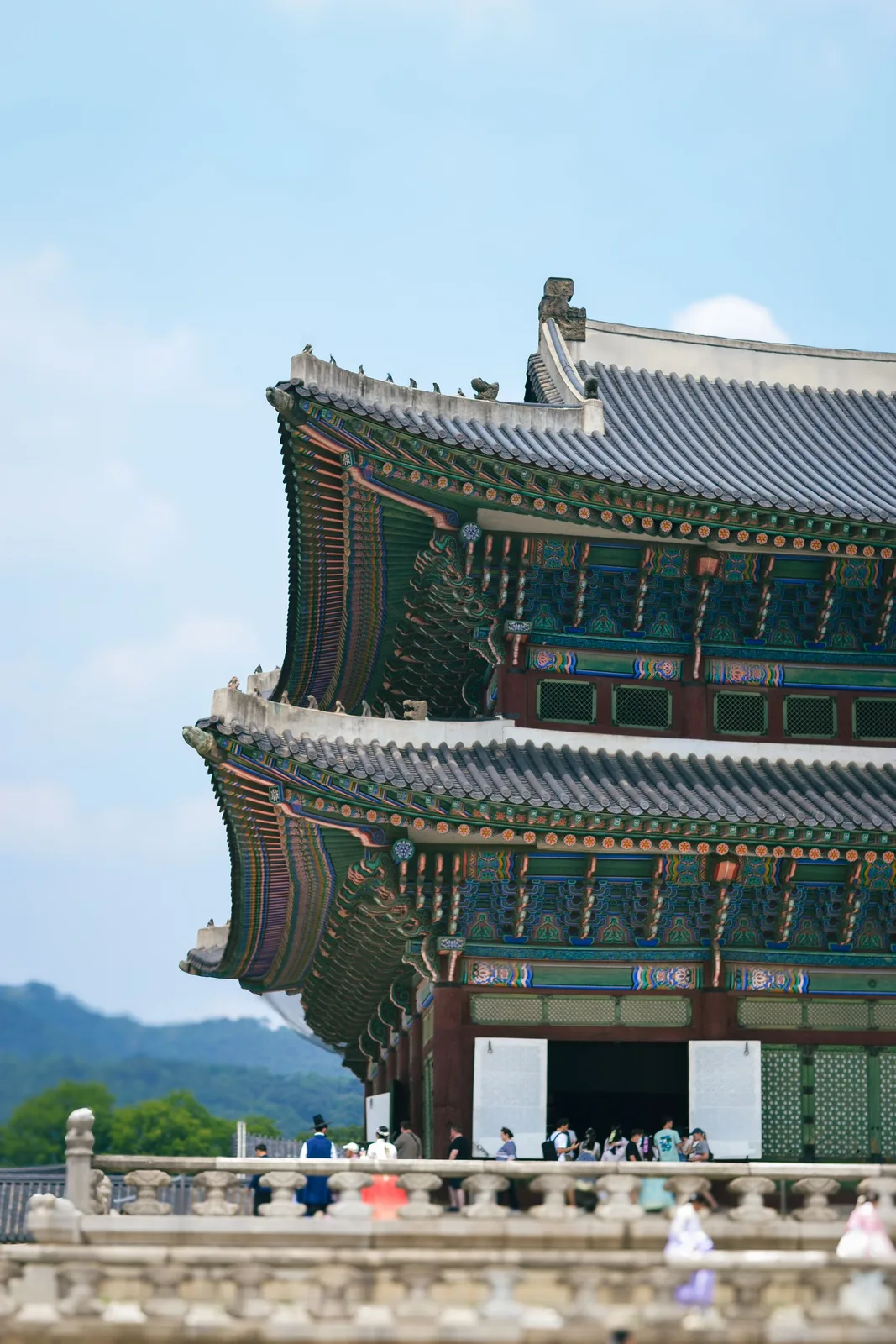 Asia & Pacific
Seoul
K-pop and palaces
 Asia & Pacific
Tokyo
neon and order
 Asia & Pacific
Singapore
the orderly city-state
 Asia & Pacific
Chengdu
pandas and peppercorns, high-speed rail southwest
 Asia & Pacific
Taipei
night markets done right
 Asia & Pacific
Bangkok
chaos with a smile
 Asia & Pacific
Kyoto
temples and tradition
 Asia & Pacific
Osaka
Japan’s kitchen
Frequently asked questions
The facts that matter after you land in Beijing.
Verified against Beijing transit, Palace Museum and official visa policy sources, October 2026.
The Capital Airport Express runs to Dongzhimen in about 25-30 minutes for a flat ¥25.
A metered taxi to the centre costs about ¥100-150 plus the expressway toll - use the official rank.
The Daxing Airport Express reaches Caoqiao in about 22 minutes for ¥35, with metro connections onward.
Taxis to the centre run about ¥200-250 depending on traffic.
Many travellers can use the 240-hour transit visa-free scheme - 55 nationalities including the US, Canada and the UK, with an onward ticket to a third country.
A separate 30-day visa-free entry covers 40+ other nationalities; US, Canadian and UK passports are not on that list, so check the current official rules for your passport.
No. Drink bottled or boiled water.
Hotels provide bottled water or a kettle - boiling makes tap water fine for tea and brushing teeth is generally OK.
China uses Type A, C and I sockets at 220 volts.
A universal adapter covers all three; most phone chargers handle 220V without a converter.
September to October brings clear skies and mild temperatures - the classic Beijing autumn.
April to May is the other sweet spot; winters are cold and dry, summers hot and humid. The Forbidden City closes on Mondays year-round.
Capital Airport Express ¥25; Daxing Express ¥35; Forbidden City ¥60 peak / ¥40 off-peak, closed Mondays; 240-hour transit visa-free; tap water not safe; Type A/C/I sockets at 220V.
Beijing, in your pocket
Landing soon? Get the printable PDF — ticket links, the airport transport cheat sheet, our 3 restaurant picks with maps, and the packing checklist. Everything above, formatted for your phone.
One email with your Beijing PDF. Fare changes and new guides after that. No spam, unsubscribe anytime.
Sources and last verified
Fares and hours verified October 2026 against english.visitbeijing.com.cn (airport transfer guide), the Palace Museum booking information (forbiddencity.bj.cn), english.beijing.gov.cn (Temple of Heaven and Summer Palace ticket pages), travelchinaguide.com (Capital Airport Express timetable), trip.com and wanderinchina.com (attraction prices, 2026), peninsula.com, trbhutong.com and Tripadvisor 2026 reviews (hotel and restaurant addresses). Found something out of date? Tell us and we will fix it.
Affiliate disclosure: hotel names, transfers, experiences, and products linked in this guide may earn After You Land a commission at no extra cost to you. Prices and times were checked in Oct 2026 and change often — confirm before you book.