You have just landed in Delhi, bound for Agra — the Taj Mahal sits some 230 km south-east, and the trip in is a choice between India's fastest train and a six-lane expressway across the plains. This guide covers the Gatimaan Express and the Yamuna Expressway transfer, the ₹1,300 foreign ticket and the Friday closure that shapes every Agra plan, where to sleep from a palace with the Taj in every window to a Tajganj hostel rooftop, a first plate of bedai and a box of petha, and the red city of Fatehpur Sikri as a day trip.
By Paul GreenUpdated Oct 202613 min readPrices checked Oct 2026
You just landed in Agra. The landing actually happened in Delhi — the move is the Gatimaan Express, 100 minutes from Hazrat Nizamuddin to Agra Cantt, with an eSIM live before you touch down, a Taj ticket booked online (₹1,300 for foreign visitors, and never on a Friday, when the Taj stays shut), and the sunrise tour and Fatehpur Sikri day that sell out first worth booking ahead through GetYourGuide.
Quick facts
Airport
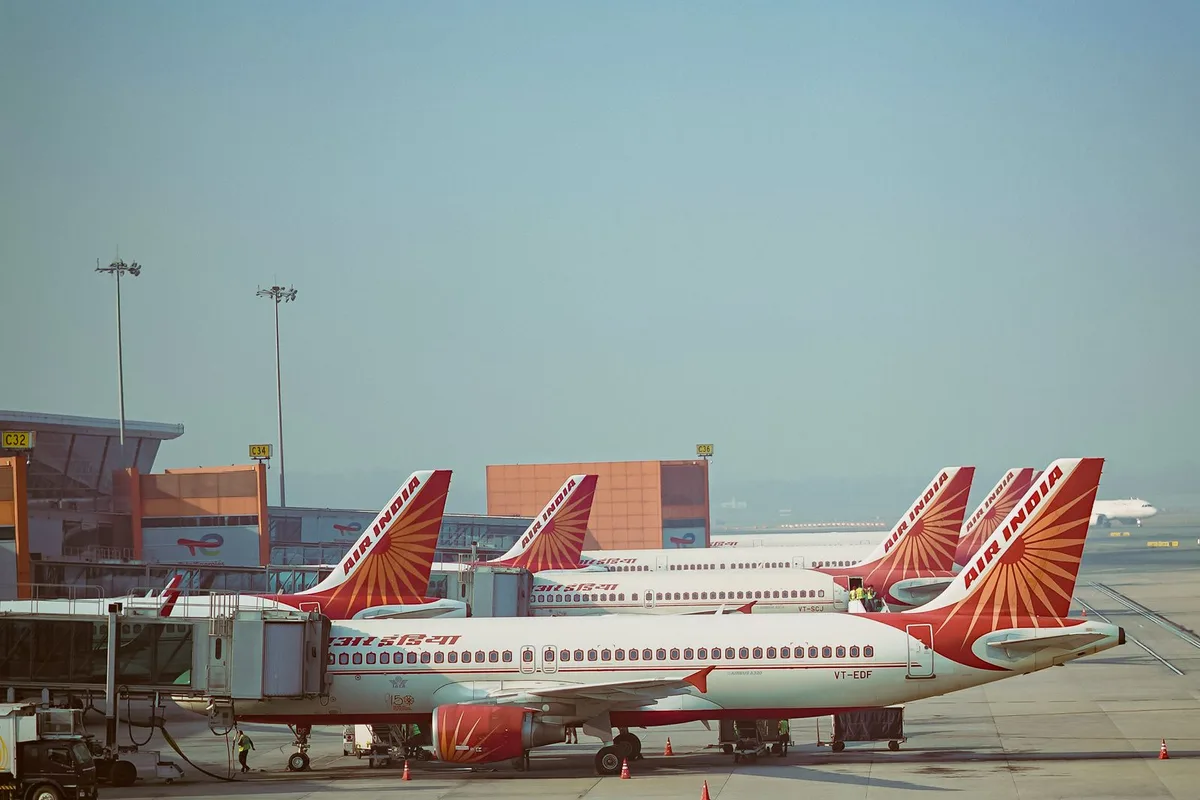
Delhi (DEL) is the gateway; Agra (AGR) is domestic only Almost every international visitor lands at Indira Gandhi International in Delhi, some 230 km north. Agra's own Kheria airport (AGR) runs a handful of domestic flights and no international service, so plan around Delhi.
Getting in
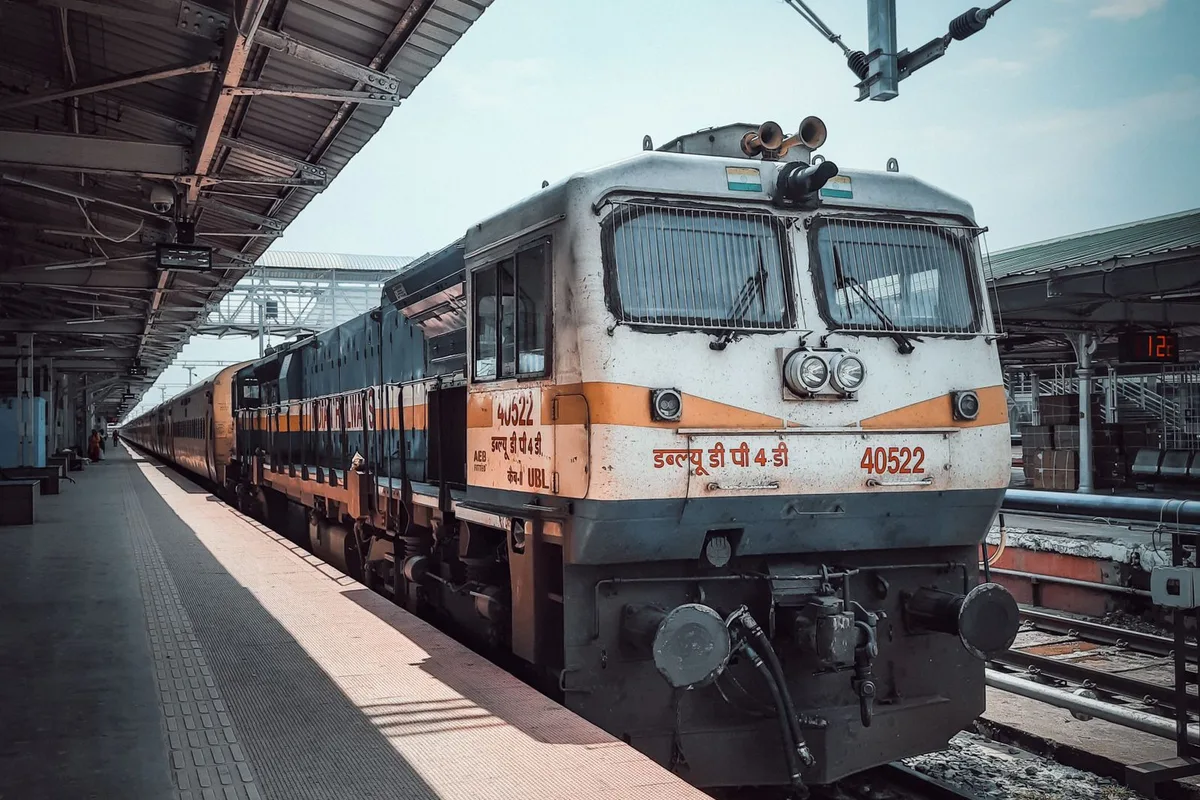
Gatimaan Express, 100 minutes from Hazrat Nizamuddin India's fastest train leaves Delhi's Hazrat Nizamuddin station at 08:10 and reaches Agra Cantt at 09:50, every day except Friday. The alternative is the Yamuna Expressway drive, about 3.5 hours door to door.
Currency
Indian rupee (INR, ₹) Cards work at hotels, monuments and bigger restaurants, but autos, guides and small cafés run on cash. Carry small notes, and use the ATMs around Tajganj and Fatehabad Road rather than airport exchanges.
Languages
Hindi first, English widely understood Hindi is the everyday language of Agra. English is spoken at hotels, ticket windows and by most guides and drivers, and a few Hindi phrases earn you warmth everywhere else.
Time zone
IST (UTC+5:30), no daylight saving India keeps one time zone nationwide and never moves the clocks. Sunrise in Agra runs from about 5:30 AM in summer to just before 7 AM in midwinter, which sets your Taj wake-up call.
Emergency
112 for police, fire and ambulance 112 is India's single emergency number and works from any mobile. Tourist police are posted around the Taj gates, and your hotel desk is the fastest route to help with anything smaller.
Plugs
Types C, D and M, 230 V Expect two and three round-pin sockets, sometimes both in one room. Bring a universal adapter; most hotels can lend one, and USB charging points are common in newer rooms.
Tap water
Do not drink it Drink bottled or filtered water only, and check the seal on bottles. Hotels supply filtered water in the room; use bottled water for brushing your teeth if your stomach is sensitive.
Tourist tax
No city tax; hotel GST of 5% or 18% Agra charges no per-night tourist tax. What lands on the bill is GST: 5% on rooms at ₹7,500 a night or less, 18% above that, since India's September 2025 GST reform.
Best months
October to March Cool, dry days make winter the season for dawn visits and long fort walks. December and January bring morning fog, and the Taj Mahal closes every Friday, all year, so anchor the trip on another day.
Map
Find your arrival stop, hotel, and first meal. Stays, sights, and landmarks in Agra — live hotel prices plus the key places from this guide.
You have landed in Delhi, not Agra, and the honest first move is to treat the transfer as part of the arrival. Sort it before you fly: a seat on the Gatimaan Express if your flight lands early enough to reach Hazrat Nizamuddin station, a pre-booked car if it does not, or a Delhi night near the station if you land late. Walking out of Terminal 3 without a plan means negotiating with touts while jet-lagged.
Data is the tool that makes the transfer calm. Set up an eSIM on the plane so maps, train running status and your driver messages work from the arrivals hall: Airalo, Saily and Yesim all sell India plans you can activate before departure. Keep some cash in rupees for the first auto ride and the ticket windows, but pay hotels and restaurants by card where you can.
If the long-haul leg into Delhi arrives badly delayed and wrecks the onward plan, compensation may be due on many routes; AirHelp checks eligibility and runs the claim for you. Then rest properly on the first night. The Taj rewards the people who slept: you want to be at the gate before sunrise, not still hearing aircraft in your head. Agra starts early; so should you, rested and already fed.
Getting around
Journey times are approximate and refer to the listed stop — not necessarily your hotel. Allow extra time for waiting, walking, and connections.
Gatimaan Express train
Train 12050 leaves Hazrat Nizamuddin at 08:10 and reaches Agra Cantt at 09:50, daily except Friday; fares are dynamically priced, so book early on IRCTC — Executive Chair Car runs about ₹2,300
PriceAbout ₹1,100 in AC Chair CarJourneyabout 1 hr 40 min
Private car on the Yamuna Expressway
165 km of six-lane expressway from Greater Noida to Agra; agree whether the tolls sit inside the quoted price before you set off
PriceTolls about ₹415 one way, car and driver extraJourneyabout 3.5 hrs
UPSRTC bus
State buses run through the day from Delhi's main terminals to Agra; the cheapest way in and the slowest way out
PriceA few hundred rupeesJourneyabout 4 hrs
Pre-booked airport transfer
The driver waits in Delhi arrivals with a name board and drives straight to your Agra hotel door — the no-thinking option after a long-haul flight
PriceFixed price quoted before you bookJourneyabout 3.5 hrs
Two Delhi to Agra routes matter, and they suit different arrivals. The train is faster, cheaper and immune to expressway fog; the car is door to door and leaves when you do. Buses are the budget floor, and a pre-booked transfer is the zero-thinking option after a long flight.
Book the Gatimaan on IRCTC as early as you can, because the 08:10 departure sells out in season; the 17:50 return to Delhi makes a same-day round trip possible, if rushed. For the drive, Kiwitaxi and Welcome Pickups both quote the Delhi to Agra run at a fixed price before you commit.
Inside Agra, autos and cycle rickshaws cover the short hops, and you agree the fare before every ride. Petrol and diesel vehicles are kept away from the Taj itself, so the last stretch runs on battery e-rickshaws and your own feet. Agra Cantt is the main station, Agra Fort station sits by the fort, and the East Gate is the calmest approach to the Taj at dawn, the one the day-trip buses from Delhi reach last.
In the city
See the Taj Mahal at sunrise.
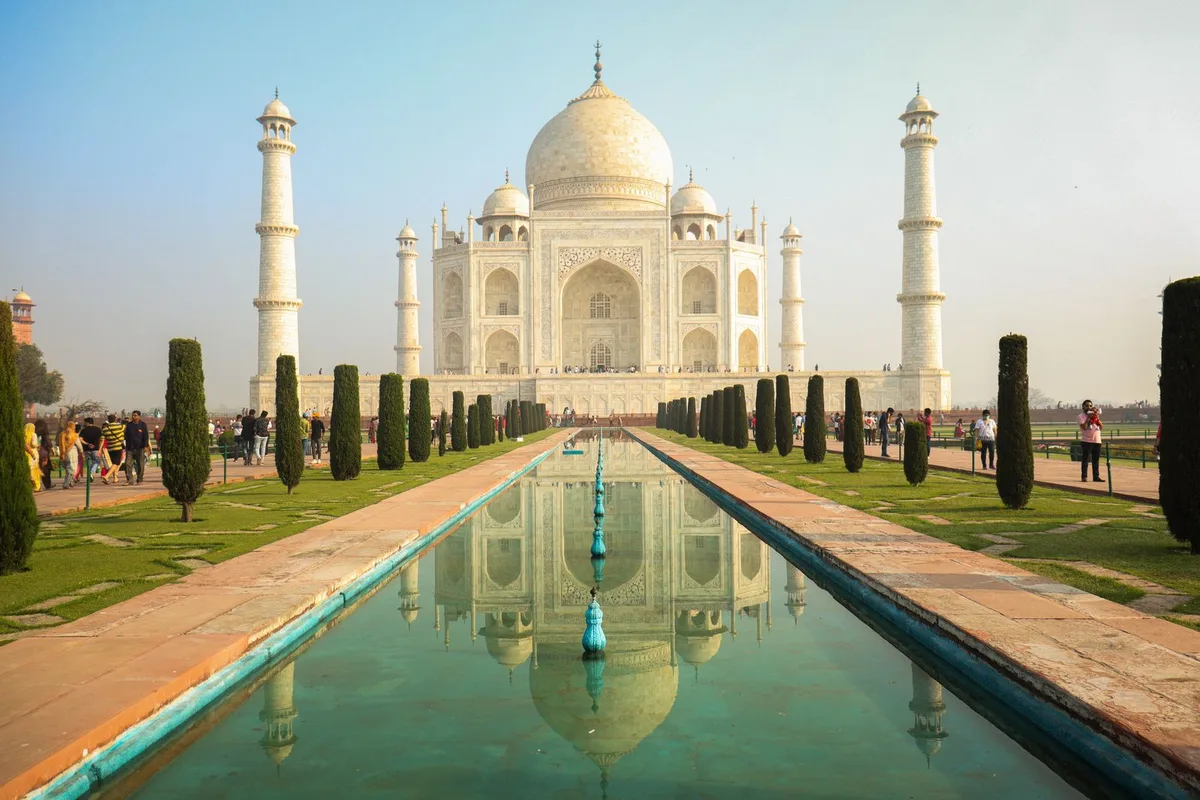
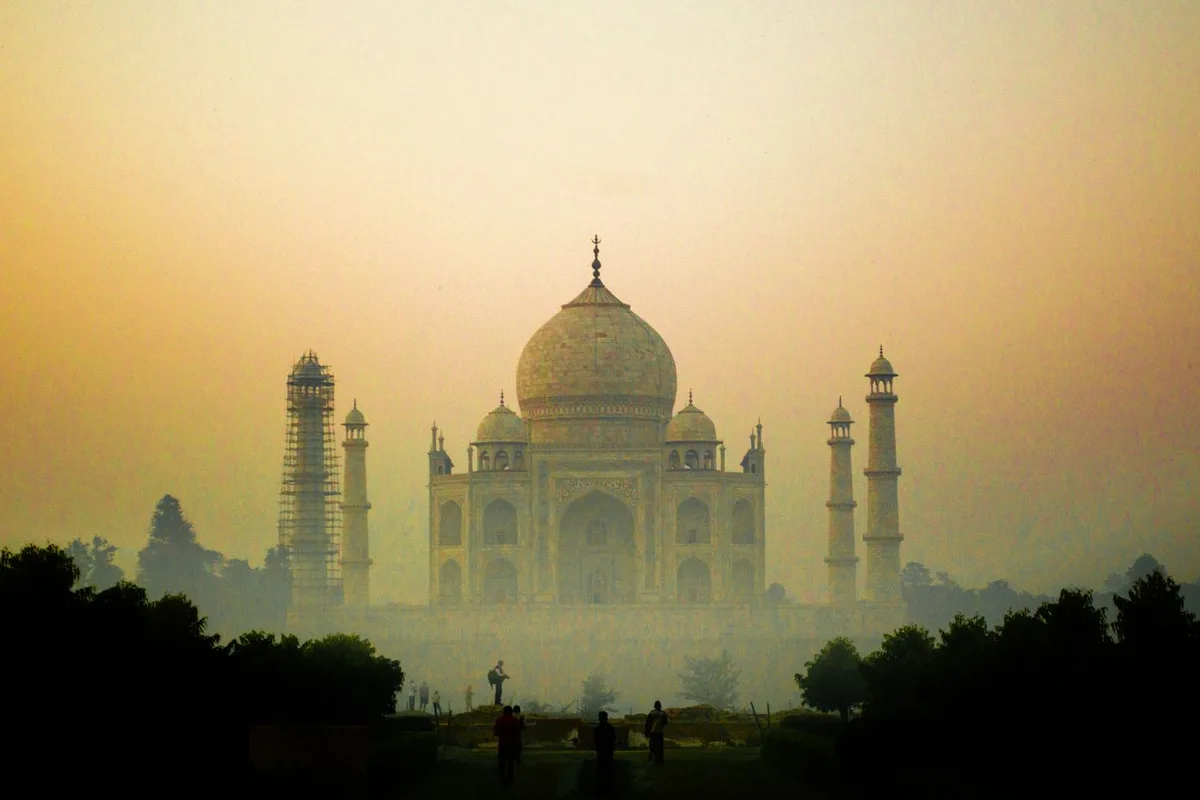
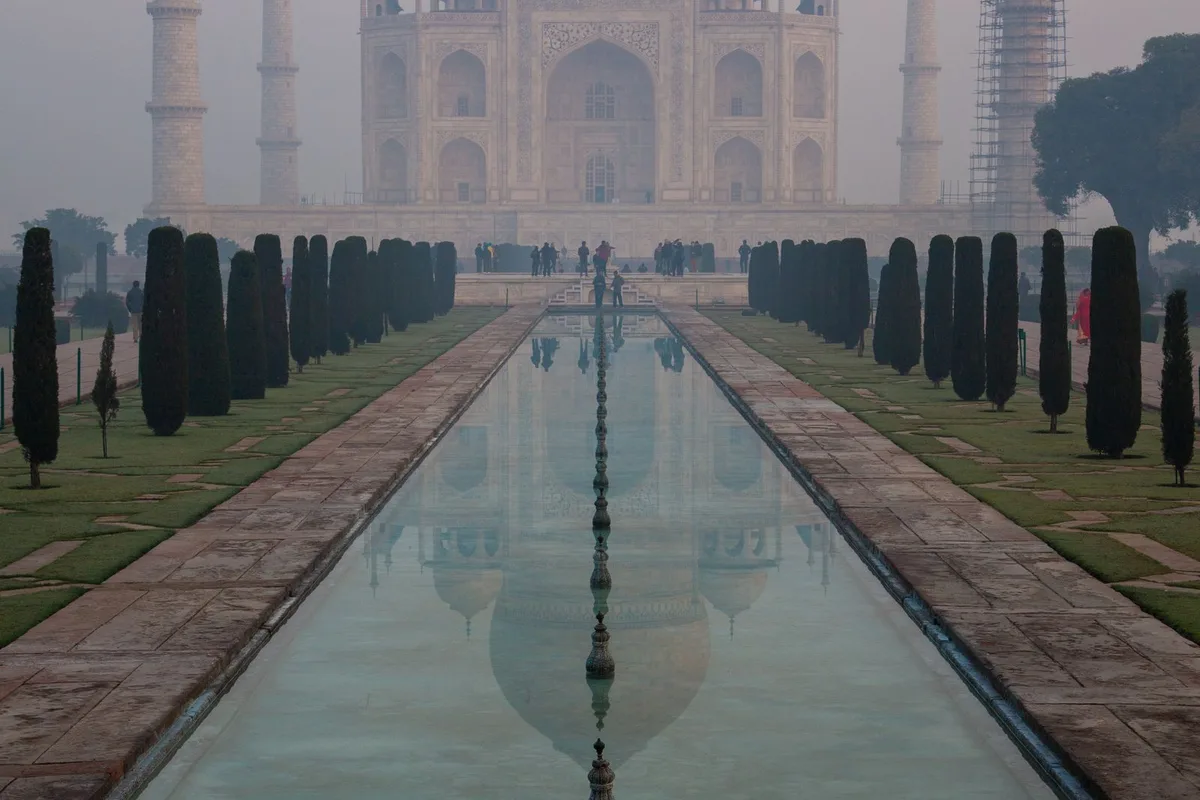
Buy the ticket online before you go: foreign visitors pay ₹1,100 for entry plus ₹200 for the main mausoleum, and booking ahead saves ₹50 and the ticket-window queue. Enter by the East Gate, walk the charbagh gardens as the marble warms from grey to gold, and remember the whole complex stays shut every Friday.
Stand inside Agra Fort before the crowds.
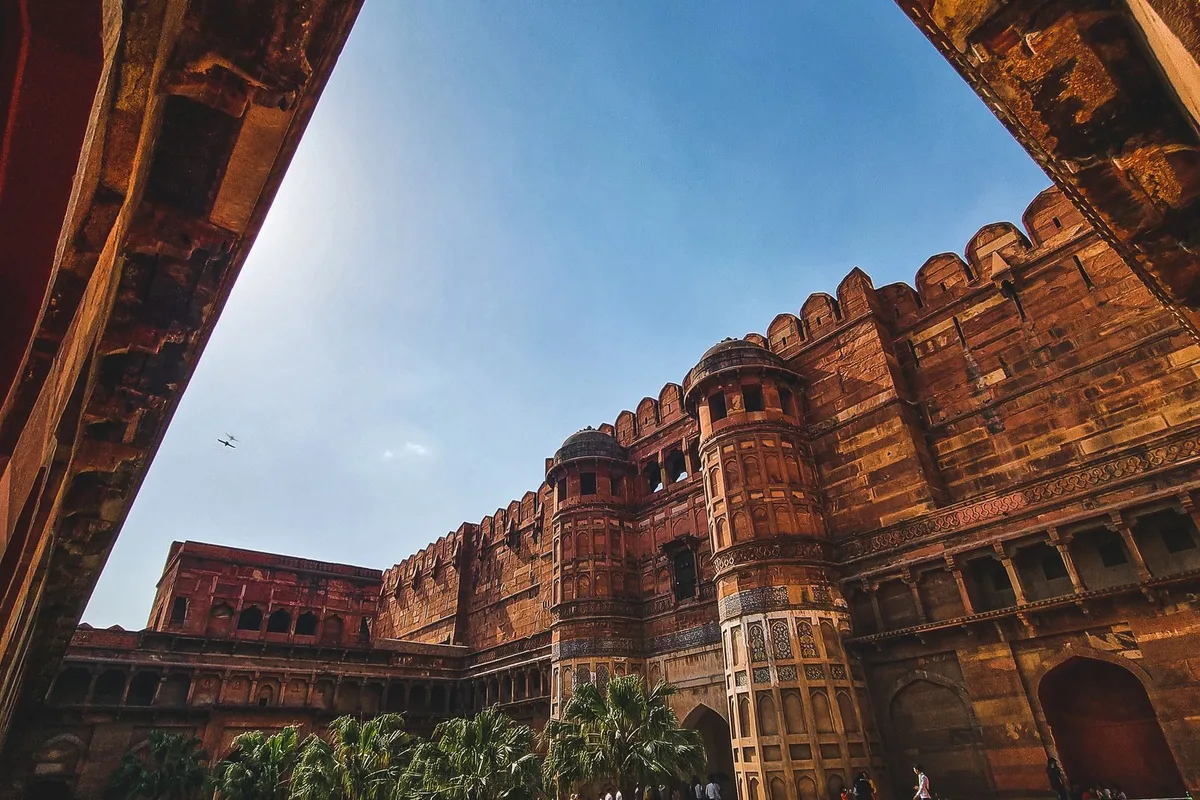
The red sandstone fort was the Mughal emperors' real home, a city of palaces and audience halls inside one vast wall; foreign entry is ₹650. Find the octagonal tower where Shah Jahan, imprisoned by his son, spent his last years with a view down the river to his own tomb.
Save Itimad-ud-Daulah for the golden hour.
The Baby Taj came first: a jewel box of inlaid marble on the Yamuna's east bank that taught the Taj its craft. Foreign entry is ₹310, the gardens are quiet, and the light an hour before sunset turns the pietra dura amber.
Watch the Taj from Mehtab Bagh at sunset.
The Moonlight Garden sits directly across the river from the mausoleum, aligned with it garden to garden. Foreign entry is ₹300, and it is the one view that takes in the river, the black Taj foundations and nobody shouting.
For tickets and guided time inside the monuments, Tiqets sells skip-the-line entry, Klook lists Agra experiences from food walks to fort tours, and GetYourGuide carries the widest range of licensed-guide Taj tours. A good guide inside the Taj is worth it once; the stories are the exhibit labels the site never gives you.
After you land in Agra: Bookable experiences
Where to stay your first nights
Splurge
The Oberoi Amarvilas.
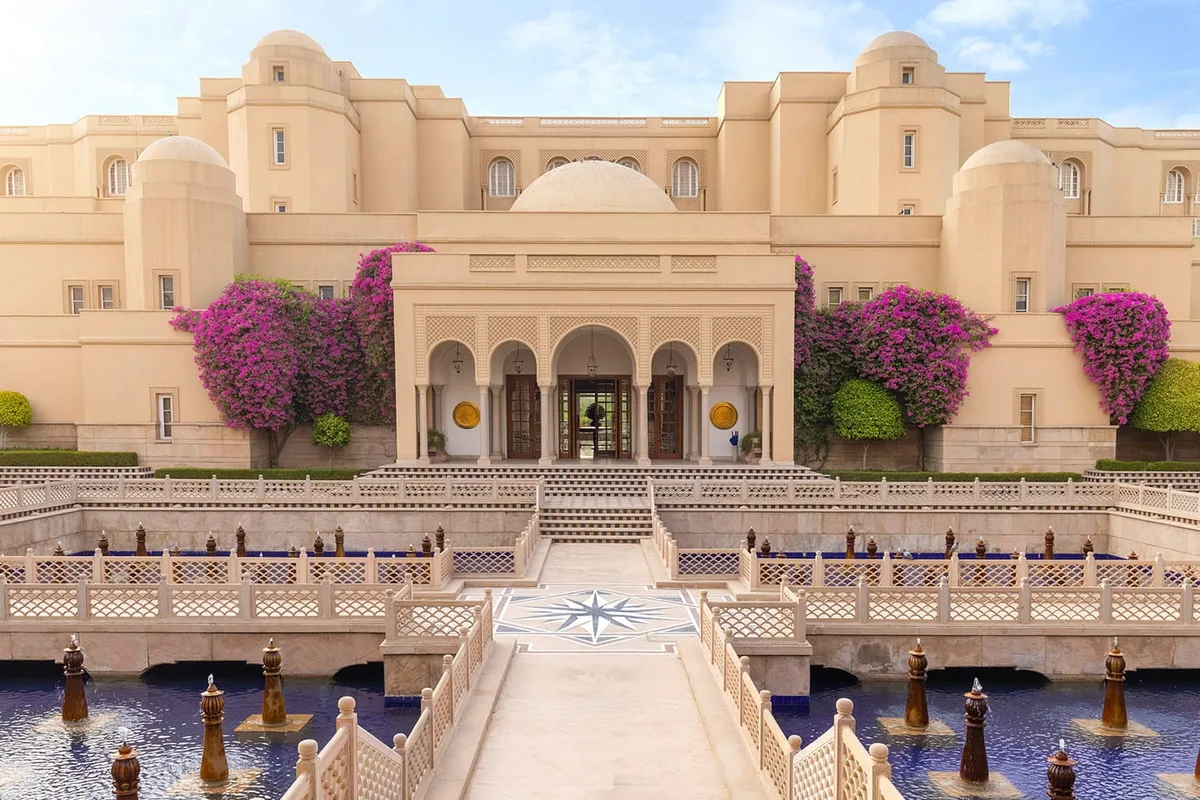
Best for the once-in-a-lifetime splurge — every room faces the Taj, 600 metres from the East Gate
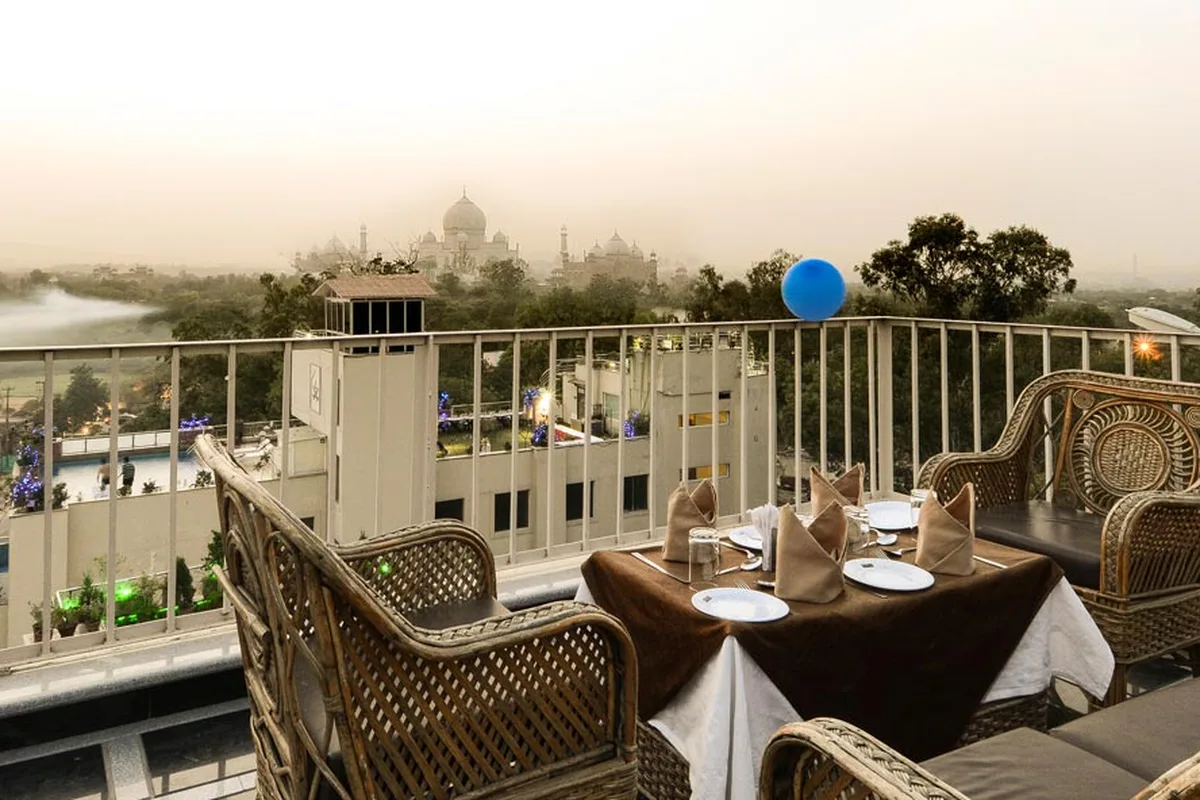
The one luxury address that is really about the view: every room in this palace-style hotel on Taj East Gate Road, 600 metres from the monument, faces the Taj, and the hotel's golf buggies run guests to the gate. Pools, spa and two restaurants mean you could happily not leave between visits. It books out in season, so reserve the Taj-view balcony rooms early.
Best for East Gate value — a rooftop Taj view, a pool and breakfast included
A friendly four-star near Shilpgram, a 17-minute walk from the East Gate, with the two things mid-range Agra does best: a rooftop restaurant where the Taj sits on the horizon over dinner, and a pool for the hot afternoons. Breakfast is included, the staff arrange guides and cars without drama, and the price stays sensible even in February.
Best for hostel dorms and a rooftop café in the Tajganj lanes, a short walk from the Taj
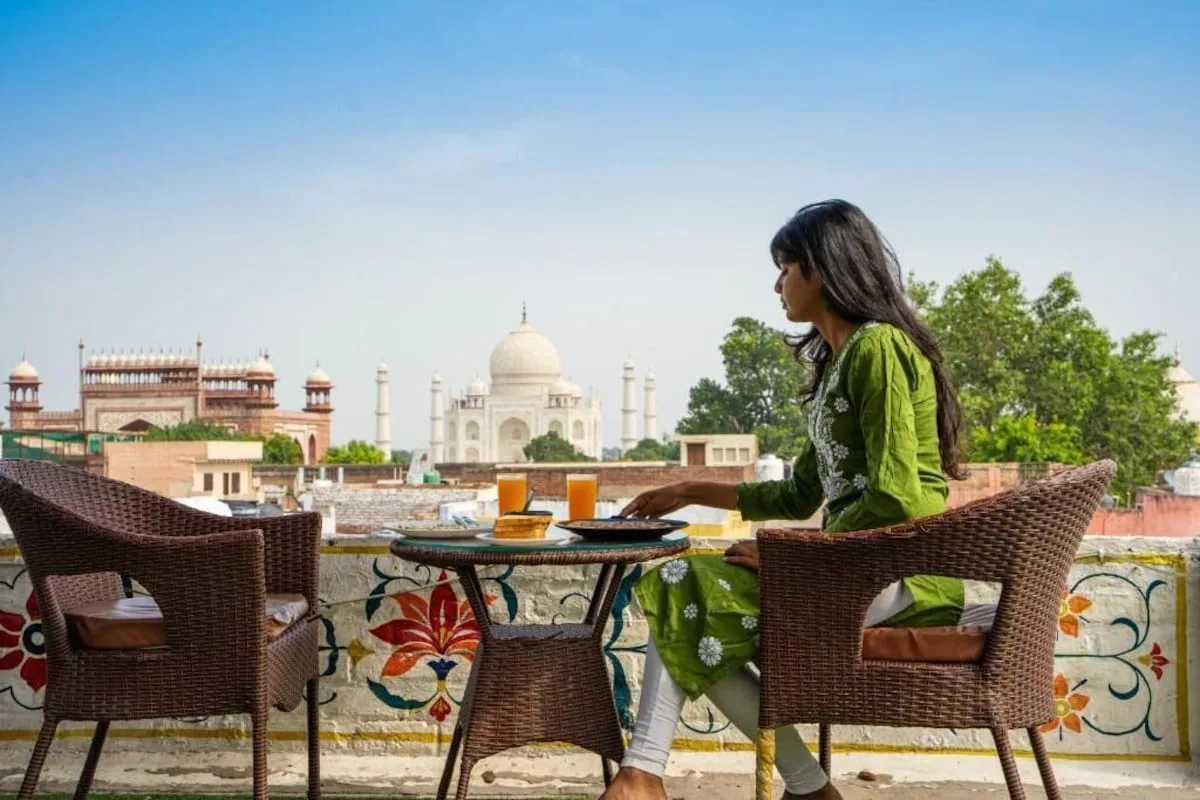
The Tajganj backpacker institution: dorms and simple private rooms in the lanes south of the Taj, a rooftop café with the dome in view, and staff who know every train and tout trick in the city. It is a short walk to the Taj, the crowd is social, and the beds cost less than the monument ticket.
Stay east or stay in Tajganj: the two bases that keep dawn at the Taj easy. Taj East Gate Road puts you a short walk from the quietest gate; Tajganj, the old travellers' quarter south of the Taj, trades polish for rooftops and price. Fatehabad Road is the mid-range hotel strip between the two.
Where to eat first
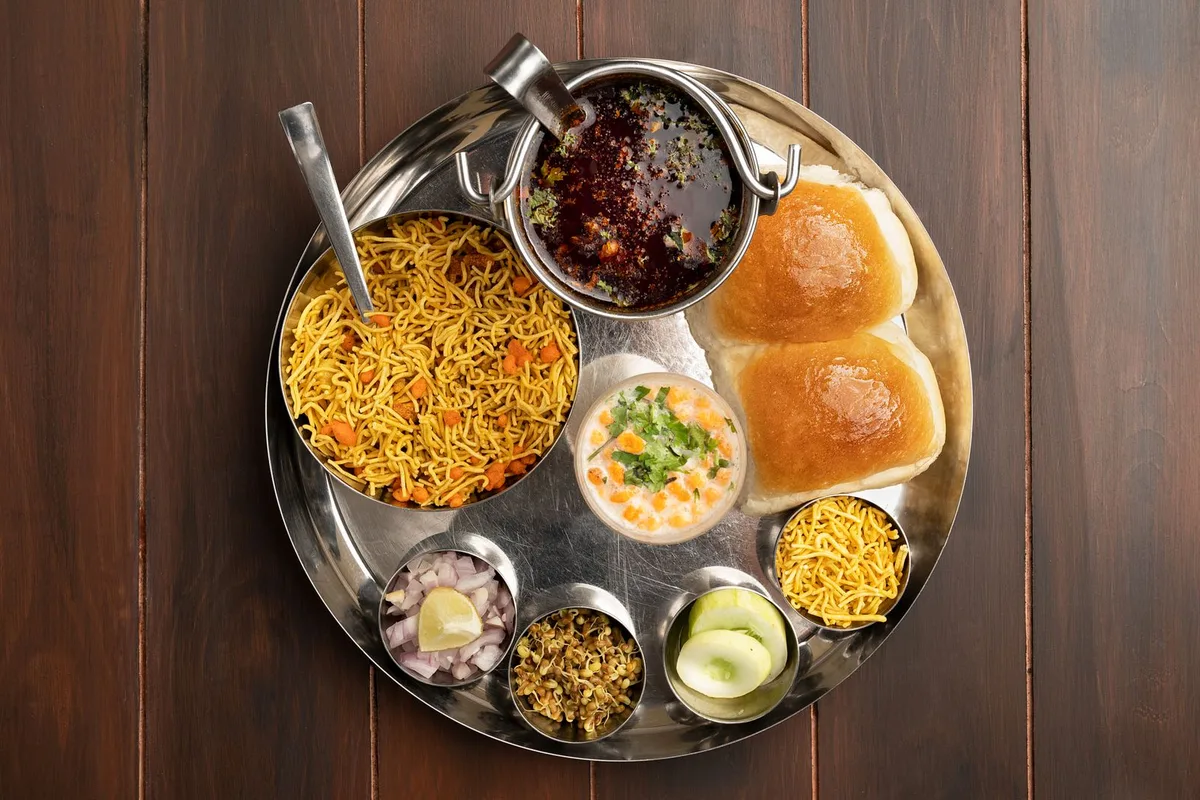
Eat the Agra breakfast first: bedai, a crisp fried bread, with spicy aloo sabzi and hot jalebis for sweetness, sold from sweet-shop counters across Tajganj from early morning. It is the city's real first meal, and it sets you up for a dawn at the Taj better than any hotel buffet.
For a sit-down first dinner, Pinch of Spice on Fatehabad Road is the reliable Mughlai table: rich curries, tandoor breads and the kind of service that suits a first night. Joney's Place, a tiny long-running café in Tajganj near the West Gate, does simple travellers' food and strong coffee at breakfast time. Before you leave the city, buy petha, Agra's translucent ash-gourd sweet, at Panchhi Petha, the name that made it famous. If you would rather graze with a local, GetYourGuide lists Agra food walks that string the stalls together.
Day trips and more
Taj Mahal and Agra Fort at sunrise, skip the line
This small private tour picks you up in Agra, walks you into the Taj as the gates open and the light turns, then crosses to Agra Fort with the same guide, tickets handled and lines skipped. Allow three to five hours, and take the earliest start they offer. Check availability →
Fatehpur Sikri, the red city Akbar built and left
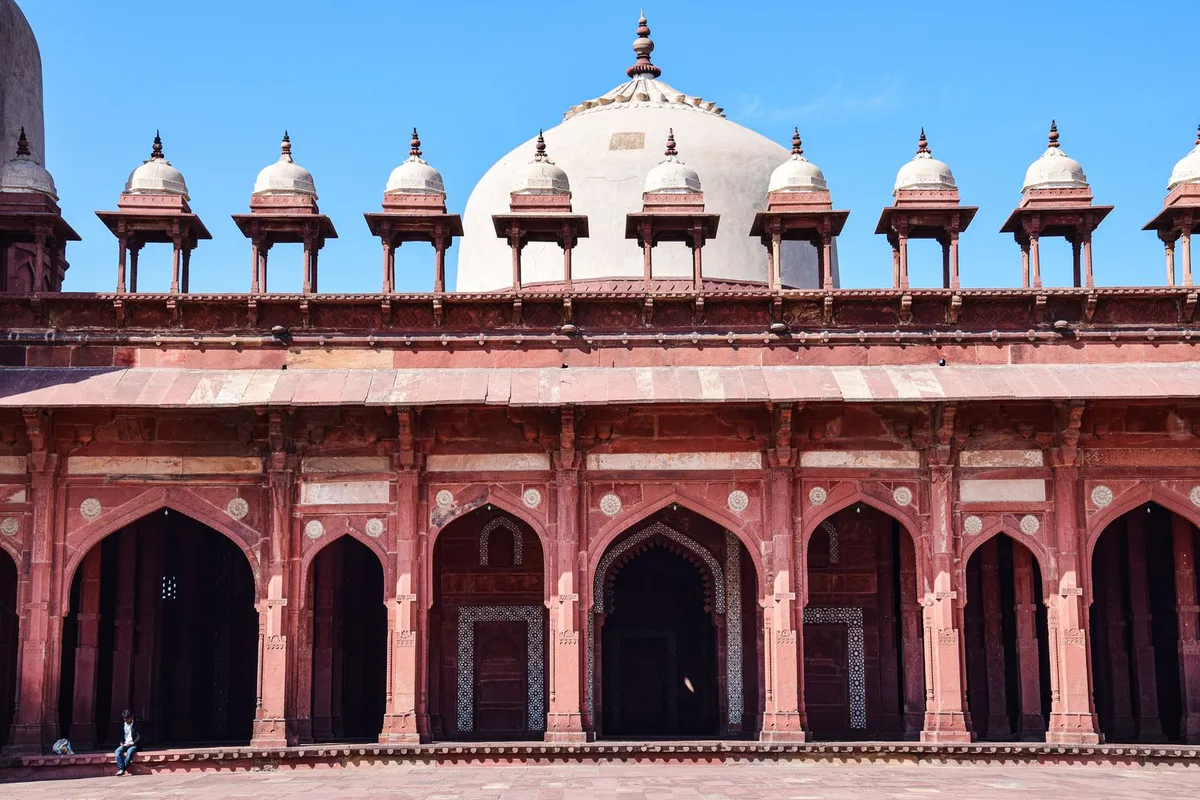
A private car runs you 40 km west to the best-preserved Mughal city in India: the Buland Darwaza, one of the tallest gateways on earth, the marble tomb of Salim Chishti, and palace courtyards emptied when the water ran out. The guided visit runs two to three hours; start early and be back for lunch. Check availability →
Mathura and Vrindavan, Krishna's country
This day tour picks up in Agra or Delhi and splits the day between Mathura, Krishna's birthplace, and Vrindavan's temple lanes: Banke Bihari, the ISKCON temple and Prem Mandir, which lights up like carved lace after dark. Dress modestly, expect crowds of pilgrims rather than tourists, and keep the evening for Prem Mandir. Check availability →
When to go and what it costs
October to March is the honest season: dry days, cold bright mornings and evenings that ask for a jacket. December and January fog can erase the Taj at dawn and delay the trains, so build a spare morning into a winter trip. April to June is fiercely hot, past 40°C by midday, and the monuments are dawn-and-dusk only; the monsoon from July softens the heat and the crowds together. Book winter trains early; fog season scrambles every timetable in the north.
A full monument day for a foreign visitor runs ₹1,950 before guides: ₹1,300 at the Taj with the mausoleum, ₹650 at Agra Fort, and foreign tickets already include the local development toll, charged once a day. Add ₹310 for Itimad-ud-Daulah and ₹300 for Mehtab Bagh and the whole city's heritage costs less than the Delhi hotel breakfast. On the five nights around each full moon the Taj opens after dark, ₹750 for foreign visitors, never on a Friday.
What to pack
Tap items to check them off — your list is saved on this device.
Beyond the basics: carry socks or use the shoe covers at the Taj, because you cross the marble platform in covered or bare feet. Pack a warm layer from November to February, when the dawn wait at the East Gate is properly cold, and something modest that covers shoulders and knees for the mosques and temples of Mathura and Vrindavan. A headscarf earns its space on the same days.
Language, visa and entry
! Check visa requirements before you fly
Hindi runs Agra, and four phrases will carry most days:
Namastehello, goodbye and respectful everythingDhanyavaadthank youYeh kitne ka hai?how much is this?Taj Mahal jaana haiI want to go to the Taj Mahal — say it to any auto driver
Most visitors enter India on the 30-day e-Tourist Visa, a double-entry visa applied for online. Apply only at indianvisaonline.gov.in, the government portal, because lookalike sites charge fees for nothing; the application must be in at least four days before you travel. The fee depends on your nationality, not on a single price: some nationalities pay nothing, most others pay US$10 in the April to June low season and US$25 the rest of the year. Print the approval email and carry it with a passport valid for six months with two blank pages.
At Delhi airport, e-Visa holders use the dedicated immigration desks; keep your Agra hotel address on paper for the form, and expect the arrival process to take a while at peak banks of flights. From the terminal, your transfer plan takes over.
Safety and health
Touts and self-appointed guides at the gates — the pitch is not the price
Around the Taj parking lots and gates, men with laminated cards will offer to skip queues, open closed rooms or save the ticket money, none of which they can do. Hire only licensed guides at the official rates, buy tickets online or at the window, and let a polite no plus walking settle the rest.
Agree every fare before the wheels move
Autos and e-rickshaws quote visitors inventive prices and meters rarely appear. Set the full fare and the exact destination before you climb in, carry small notes so change is never the problem, and keep your hotel pinned on your phone map so a scenic route shows up as one.
Water and food discipline keeps the trip alive
Drink bottled or filtered water only, eat where the food is cooked fresh in front of a crowd, and peel what you cannot wash. Carry rehydration salts from the first day; a stomach bug in Agra heat dehydrates fast, and the pharmacies on Fatehabad Road stock everything cheaply if it finds you anyway.
Plan around heat, fog and the Friday closure
The Taj shuts every Friday, summer midday heat is genuinely dangerous on open marble, and winter fog delays trains and swallows sunrises. Visit at dawn, rest through the worst hours, and never stake the whole trip on one single morning at the monument.
The things travellers ask in the first 48 hours: the train from Delhi, the Friday the Taj stays shut and the ticket that is really two tickets.
Monument fees checked against ASI Agra Circle and the official Taj Mahal portal, train times against Indian Railways listings, tolls against YEIDA plaza rates and visa rules against indianvisaonline.gov.in, October 2026.
Take the Gatimaan Express (train 12050): Hazrat Nizamuddin at 08:10 to Agra Cantt at 09:50, about ₹1,100 in AC Chair Car with dynamic pricing, every day except Friday. Or ride the Yamuna Expressway by car in about 3.5 hours.
Yes, all day, every Friday, for prayers. No tickets are sold and the gates stay shut. Plan the Taj for any other morning and use Friday for Agra Fort, Fatehpur Sikri or the road back to Delhi.
₹1,100 entry plus ₹200 for the main mausoleum: ₹1,300 in total, and booking online saves ₹50. SAARC and BIMSTEC visitors pay ₹540 plus ₹200, Indian visitors ₹50 plus ₹200, and children under 15 enter free.
Most visitors use the 30-day e-Tourist Visa from indianvisaonline.gov.in: apply at least four days before travel and print the approval. The fee depends on your nationality, free for some and US$10 to US$25 for most others.
October to March, when the days are dry and mild. December and January mornings can be foggy enough to hide the Taj at dawn, April to June is fiercely hot, and the monsoon breaks the heat from July.
GST, at 5% on rooms of ₹7,500 a night or less and 18% above that, since India's September 2025 GST reform. Agra adds no separate per-night city tourist tax on top of the room rate.
Fares and fees change — the ASI, Indian Railways and e-Visa portal pages always win.
Agra, Saved for After You Land
Landing soon? Get the printable PDF — the essentials from this guide, formatted for your phone:
The airport transport cheat sheet, with ticket links
Our 3 restaurant picks, with maps
The packing checklist
One email with your Agra PDF (guide version: Oct 2026). Fare changes and new guides after that. No spam, unsubscribe anytime.
Sources and last verified
Monument fees, opening rules and the Friday closure from the Archaeological Survey of India, Agra Circle, and the official Taj Mahal portal. Train times from Indian Railways; expressway tolls from the Yamuna Expressway Industrial Development Authority's published plaza rates; the e-Visa process from indianvisaonline.gov.in; hotel GST from India's September 2025 GST reform. Last verified October 2026.
Affiliate disclosure: hotel names, transfers, experiences, and products linked in this guide may earn After You Land a commission at no extra cost to you. Prices and times were checked in Oct 2026 and change often — confirm before you book.