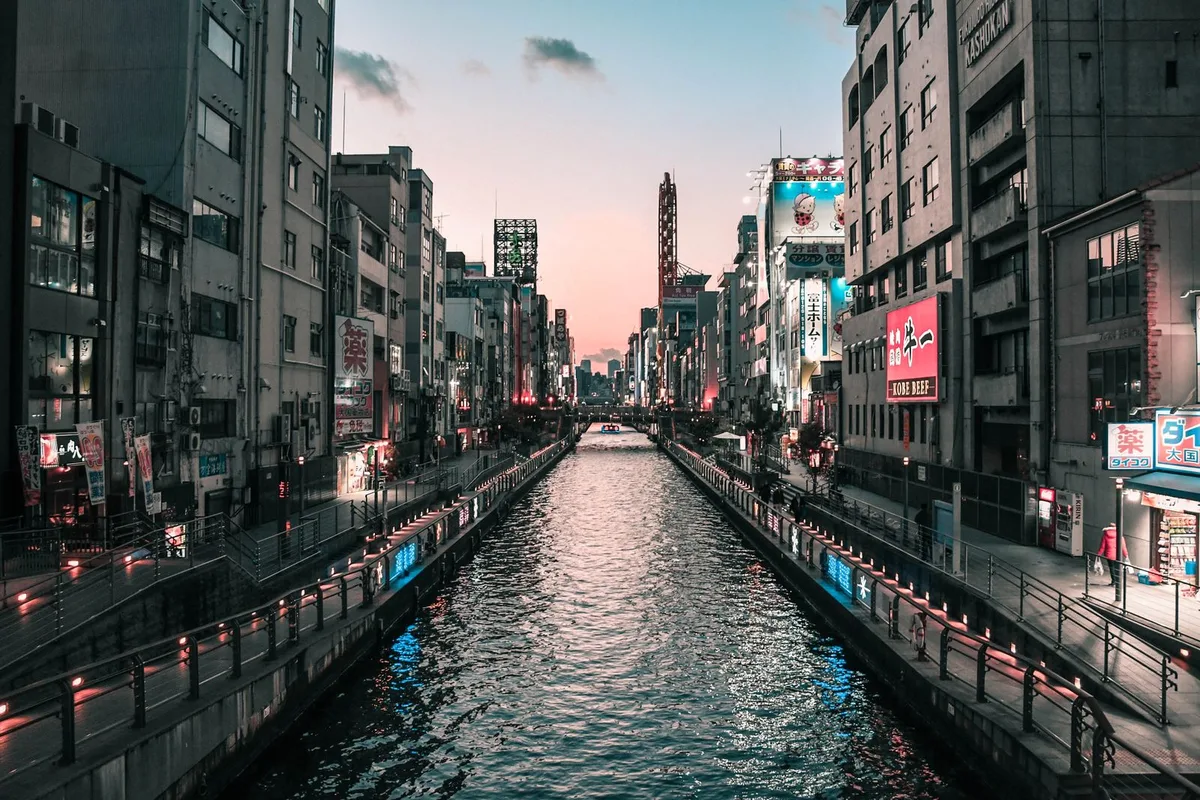
You just landed in Tokyo — the biggest city on earth, run like clockwork. Neon towers, silent trains, vending machines on every corner, and the best bowl of ramen you will ever have within a five-minute walk. It is overwhelming on arrival and oddly easy after about an hour.
By Paul GreenUpdated Oct 202610 min readPrices checked Oct 2026
You just landed in Tokyo. The Narita Express gets you to central Tokyo in 60 minutes, an eSIM keeps you connected from the jet bridge, and booking teamLab and Skytree tickets before you fly is the difference between walking in and queuing for two hours.
Quick facts
Airport
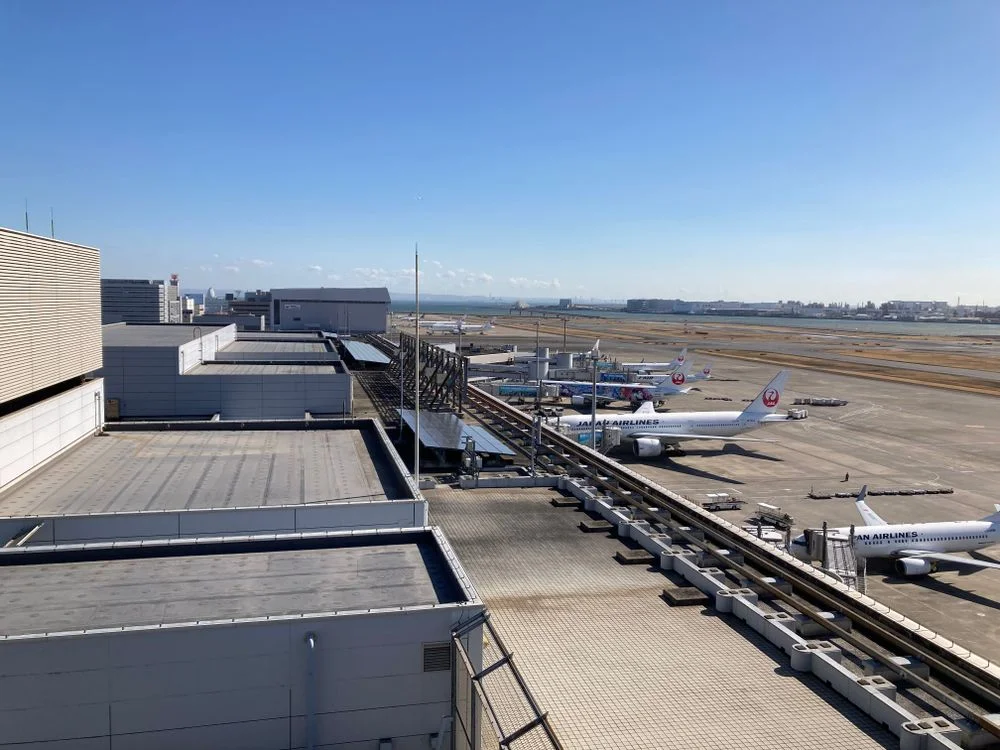
Narita (NRT), about 60 km east of the centre; Haneda (HND), about 15 km south. Haneda is the easy one most airport advice below assumes Narita.
Getting in
Narita Express ~¥3,000, roughly 60 minutes to Tokyo Station; Keisei Skyliner ¥2,580, 41 minutes to Nippori; limousine bus ~¥3,200; taxi ~¥20,000+ almost never worth it.
Currency
Japanese Yen (¥). Cash is still king many ramen shops, small bars, and temples take cash only.
Language
Japanese. Learn a few basic phrases; English is patchy outside major stations and hotels.
Time zone
Japan Standard Time (JST), UTC+9. No daylight saving.
Emergency
110 for police, 119 for fire and ambulance.
Plugs
Type A and B, 100V. Most electronics work; leave the high-draw appliances at home.
Tap water
Safe to drink everywhere.
Tourist tax
¥200 per person per night accommodation tax in Tokyo.
Best months
Late spring (May–June) and early fall (September–October) are the sweet spot mild, bright, and clear of the August humidity and the cherry-blossom surge.
Map
Find your arrival stop, hotel, and first meal. Stays, sights, and landmarks in Tokyo — live hotel prices plus the key places from this guide.
Get an Airalo eSIM before you fly and you are online as the plane taxis in — Japan plans are affordable and install in minutes. Saily is a good alternative with country and regional plans. Prefer a pocket Wi-Fi? Rent one at the airport arrival hall. Free Wi-Fi is common in stations and cafés but unreliable in the gaps.
Sort money
Cash is king in Tokyo. Withdraw yen at a 7-Eleven ATM (they take foreign cards) and buy an IC card — Suica or Pasmo — at the airport; it covers trains, buses, vending machines, and convenience stores with a tap.
Eat something immediate
A bowl of ramen at an order-from-the-vending-machine shop, or a combini run at 7-Eleven — onigiri, egg sandwiches, and the surprisingly good fried chicken. Both are peak Tokyo experiences, not compromises.
Walk Shibuya
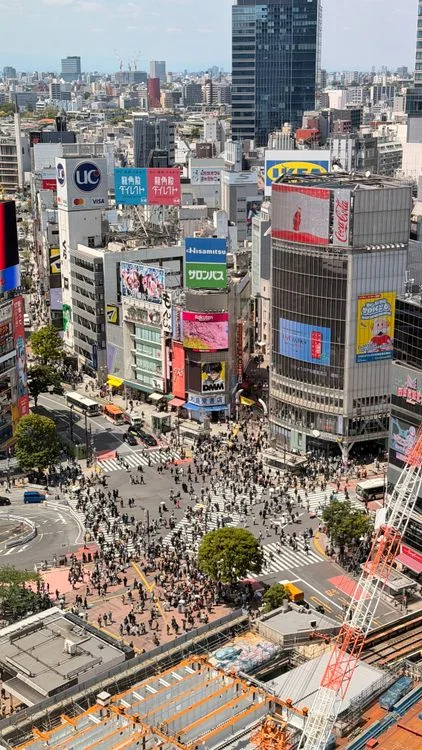
Drop your bags and cross the Shibuya scramble — the world's busiest crossing — then wander up to the Hachikō statue and into the back streets of Shibuya and Harajuku. Book teamLab Planets tickets days ahead for later in the trip — it sells out regularly.
Getting around
Journey times are approximate and refer to the listed stop — not necessarily your hotel. Allow extra time for waiting, walking, and connections.
Narita Express (N'EX)
Direct to Tokyo, Shinjuku, and Shibuya stations; reserved seats, luggage space. N'EX tickets on Tiqets
Price~¥3,000Journey~60 min
Keisei Skyliner
Fastest rail option; to Nippori and Ueno — great if you are staying in the east. Skyliner tickets on Tiqets
Price¥2,580Journey41 min
Limousine bus
Drop-off at major hotels; fine with heavy luggage, slow in traffic
Price~¥3,200Journey~90–120 min
Taxi
Almost never the right call; only worth it for a late-night arrival with the train done
Price~¥20,000+Journey~60–90 min
Two airports, four real ways into the centre from Narita. Haneda travellers: the Tokyo Monorail or Keikyu line reaches the centre in 15–30 minutes for a few hundred yen. Side by side for Narita — sort them by what matters most to you..
Arriving after the last train (around midnight)? The airport limousine buses run late departures, and the night options thin out fast. Pre-book a fixed-price Kiwitaxi transfer — a driver waits at arrivals with your name on a sign, and the price is agreed before you land. Welcome Pickups is a solid alternative with the same meet-at-arrivals setup.
Skip the unlicensed rides. Anyone approaching you inside the terminal offering a car is not your driver. Use the official taxi ranks outside arrivals, or a pre-booked transfer with the price agreed up front.
In the city
Tokyo's rail network is the real city. The JR Yamanote line — the green loop — circles the main districts (Shibuya, Shinjuku, Ikebukuro, Ueno, Tokyo Station) and is the orientation anchor for every first-timer. Under it runs the Tokyo Metro and Toei subway, covering everything else. Fares start around ¥170; tap your Suica or Pasmo IC card at the gates and forget about tickets entirely.
Trains run roughly 5 am to midnight. After that, taxis and the late-night bus network take over — the metro shuts down, so check your last train before a late night in Roppongi. Google Maps is near-flawless here: it names the platform, the car number, and the transfer exit.
Walking fills the gaps — the best of Tokyo is the neighbourhoods between stations. Shibuya to Harajuku is a 20-minute stroll; Asakusa to Ueno another easy walk. Prefer two wheels? Rent a bike on BikesBooking and ride the Sumida river path — Tokyo’s waterfront cycling is underrated. Book teamLab Planets or Shibuya Sky tickets on Tiqets — both sell out days ahead, so secure them for your first full day.
After you land in Tokyo: Bookable experiences
Where to stay your first nights
Splurge
The Ritz-Carlton, Tokyo.
Best for a special occasion
Tokyo Midtown, 9-7-1 Akasaka, Minato City. Occupying the top nine floors of Tokyo Midtown with skyline views from almost every room, a destination spa, and some of the city's most polished service. The lobby lounge views alone justify the splurge.
1-12-2 Dogenzaka, Shibuya City. Sitting directly above the Shibuya scramble crossing, with rooms that look down on the famous intersection. Location does the heavy lifting — step out of the elevator and you are in it.
1-16-11 Asakusa, Taito City. A friendly, well-run backpacker hostel in the old-town Asakusa district, with dorms and privates, a communal lounge, and staff who actually help you plan your days.
Where to eat first
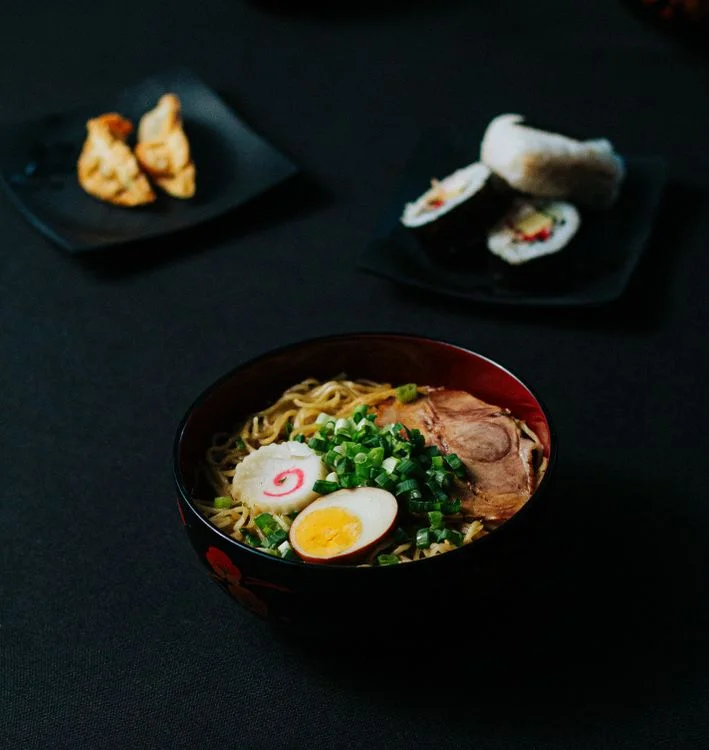
Tokyo eats fast, well, and at all hours. Order at vending machines, point at plastic models, slurp loudly — nobody judges. Dinner is cheap and superb; breakfast is the convenience store.
Ichiran Ramen — solo ramen.
Map → 1-22-7 Jinnan, Shibuya City. The famous 24-hour tonkotsu chain with individual booths — customise your broth richness, noodle firmness, and spice on the order form. Open around the clock, so it works for jet-lagged arrivals at any hour.
Sukiyabashi Jiro — sushi legend.
Map → 4-2-15 Ginza, Chuo City. The basement sushi counter of "Jiro Dreams of Sushi" fame — about 20 seats, omakase only, booking far ahead through a hotel concierge. A pilgrimage, not a meal.
Harajuku Gyoza Lou — gyoza and beer.
Map → 5-29-8 Jingumae, Shibuya City. A no-frills dumpling institution near Harajuku — pan-fried gyoza, a cold beer, cash only. Lunch queues move fast.
Order — ramen from a vending machine.
Buy your ticket at the machine by the door, hand it to the cook, sit down. The standard Tokyo fast lunch — about ¥1,000, about ten minutes.
Order — the combini run.
7-Eleven onigiri, egg sandwiches, and fried chicken are genuinely good and open 24/7. Your jet-lagged 3 am lifeline.
Order — conveyor-belt sushi.
Plates from ¥100, fresh and fast. The budget sushi experience that embarrasses most restaurant sushi back home.
Skip — hotel breakfast.
Overpriced and bland. Walk out the door and the city feeds you better for a third of the price.
Skip — tipping.
Do not tip in Japan — it is not expected and can cause genuine confusion. Great service is the baseline.
Want the full food experience? Book a Tokyo food tour — a local guide takes you to the spots you'd never find alone.
Day trips and more
Mt Fuji
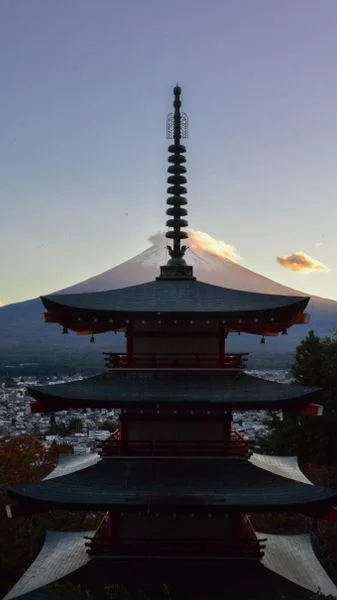
Japan's icon — lake views from Kawaguchiko, the 5th station, and on a clear day the whole silhouette. Go early for the weather.
Hakone (hot springs + Fuji views, ~¥5,000 for the loop course) · Yokohama (Chinatown and the waterfront, 30 min by train) · teamLab Planets (book days ahead).
When to go and what it costs
JanFebMarAprMayJunJulAugSepOctNovDec
May–June and September–October are the sweet spot: mild temperatures, blue skies, and clear of both the August humidity and the cherry-blossom price surge of late March–April. July and August are hot, humid, and festival-packed. Winters are cold but dry and sunny — expect daytime highs around 9–10°C — and hotel prices dip. Budget bands: budget ¥12,000–18,000/day (hostel, combini food, metro pass), mid-range ¥25,000–40,000/day (business hotel, restaurant meals), splurge ¥60,000+/day (upscale hotels, omakase). Trains are the main transport cost — a 72-hour Tokyo subway ticket is ¥1,500.
Visiting in peak season? The Go City Tokyo pass bundles teamLab, Shibuya Sky, and more — worth it if you're hitting 3+ sights.
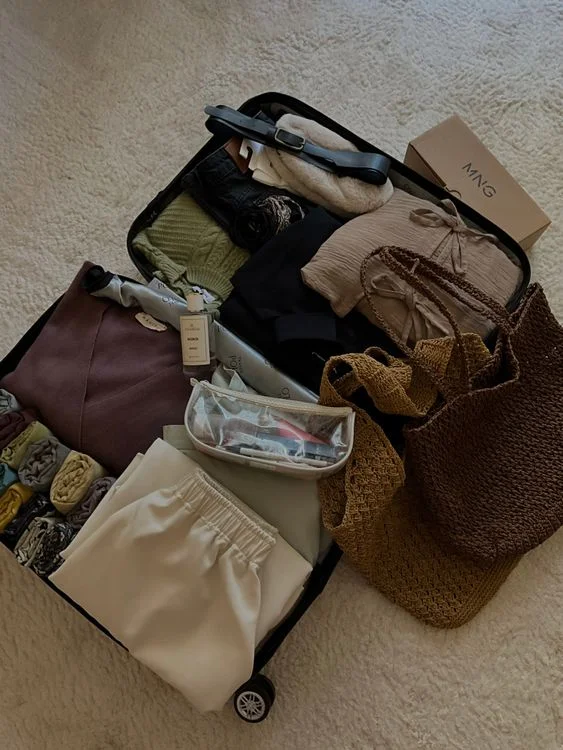
What to pack
Tap items to check them off — your list is saved on this device.
Add "sumimasen" to your daily vocabulary — it covers excuse me, sorry, and getting a waiter's attention. Pointing and a smile handle the rest; translation apps bridge the gaps.
US, UK, Canada, Australia and more— Visa-free entry for up to 90 days. Your passport must be valid for the duration of your stay.
At the border— Expect fingerprint and photo checks on arrival. Have your onward flight details and first-night accommodation address ready.
If you need a visa— Apply well in advance at a Japanese embassy or consulate. Processing times vary by country.
In an emergency, dial 110 (police) or 119 (fire and ambulance).
Safety and health
Earthquakes
Small tremors happen. In a strong quake: drop, cover, and hold on — do not run outside. Hotels have evacuation guidance; follow staff instructions and use the stairs, never elevators.
Typhoons and heat
Typhoon season runs roughly June–October; check forecasts before day trips to Mt Fuji or Hakone. Summer heat and humidity are intense — hydrate, rest indoors at midday, and carry water.
Low crime, high honesty
Tokyo is one of the safest big cities on earth — lost wallets get returned. Still: keep bags zipped on packed trains, watch for drink-spiking touts in Roppongi and Kabukicho at night, and ignore anyone offering "free" bar tours.
Health cover
Japan has no reciprocal health cover for visitors — travel insurance is essential, and hospitals may ask for payment up front. Pharmacies handle minor issues; dial 119 for an ambulance.
The answers that decide the trip — airport transit, entry rules, tap water, best time, money, and safety.
Answers verified October 2026. Prices are ranges and change — confirm when you book.
From Narita, the Narita Express (N’EX) costs about ¥3,070–3,140 and takes ~53–60 minutes to Tokyo Station; the Keisei Skyliner costs ¥2,580 walk-up and takes 41 minutes to Ueno.
From Haneda, the Tokyo Monorail costs about ¥500 (~13–20 minutes to Hamamatsucho) and the Keikyu Line about ¥300 (~11–15 minutes to Shinagawa).
74 countries and regions are visa-exempt, and most visitors (including US, UK, Canadian, Australian, New Zealand, EU, Singaporean, South Korean, and many other passport holders) get 90 days.
It varies by nationality — Thailand gets 15 days, Brunei and Qatar get 30 days — so check Japan’s Ministry of Foreign Affairs site for your passport. China, India, the Philippines, and Vietnam need a visa in advance. JESTA, Japan’s planned pre-authorization, is not yet in operation.
Yes. Tokyo’s tap water is completely safe to drink.
Late March to early April for cherry blossom (full bloom typically March 25–April 5, varies yearly) and late November for autumn foliage are the two classic peaks.
Summer is hot and humid (up to ~35°C) with a June rainy season and typhoon risk August–October. Winter (January–February) is cold, clear, and cheapest.
Both — cards work widely, but cash still matters: many ramen shops, temples, and small bars are cash-only.
Withdraw yen at a 7-Eleven ATM (foreign cards accepted, English menu, up to ¥100,000 per withdrawal, operator fee ¥110–220). Always choose yen (JPY) on the ATM screen and decline conversion to your home currency.
Tokyo is one of the safest big cities in the world for tourists; violent crime against visitors is rare.
The real risks are pickpocketing in crowds (uncommon but real), touting in nightlife districts, and earthquakes — know your hotel’s evacuation route. Emergency: 110 police, 119 fire/ambulance, 118 coast guard, JNTO hotline 050-3816-2787 (24/7).
Entry rules, taxes, and fares change — this page is re-verified on a schedule, and anything time-sensitive says so.
Tokyo, Saved for After You Land
Landing soon? Get the printable PDF — the essentials from this guide, formatted for your phone:
The airport transport cheat sheet, with ticket links
Our 3 restaurant picks, with maps
The packing checklist
One email with your Tokyo PDF (guide version: Oct 2026). Fare changes and new guides after that. No spam, unsubscribe anytime.
Sources and last verified
This guide was last verified in October 2026. Key sources:
Affiliate disclosure: hotel names, transfers, experiences, and products linked in this guide may earn After You Land a commission at no extra cost to you. Prices and times were checked in Oct 2026 and change often — confirm before you book.