
Ayacucho: your first hour after landing
You have just landed in Lima, bound for Ayacucho — Ayacucho has its own small airport, but every scheduled flight funnels through the capital, so the one-hour hop up to AYP (or the long overnight bus) is part of the trip. This guide covers that last leg, the 10-minute taxi into the centre, where to sleep from a plaza-front casona to the cafe everyone ends up in, a first plate of puca picante, the Wari ruins, turquoise pools and Inca Vilcashuamán as day trips, and the altitude that shapes your first 48 hours at 2,761 m.
In this guide
You just landed in Ayacucho. You actually touched down in Lima — the move is the one-hour flight up to AYP and a 10-minute taxi to the Plaza Mayor, with an eSIM live before you board, a bed in the historic centre, and the days that sell out first — Wari, Quinua and the Pampa above all — worth booking ahead through GetYourGuide.
Quick facts
Airport
Getting in
Currency
Languages
Time zone
Emergency
Plugs
Tap water
Tourist tax
Best months
Map
Stays, sights, and landmarks in Ayacucho — live hotel prices plus the key places from this guide.
Settle in
Ayacucho — Huamanga — is the city of churches: 33 of them in a compact colonial grid, one for each year of Christ's life. It is also Peru's craft capital — home of the retablo, the carved Huamanga stone and the potters of Quinua — sitting at 2,761 m in a wide, sunny highland valley. Most travellers still skip it, which is precisely its appeal: a working Andean city holding two thousand years of history, not a resort built around it.
Sort your phone before anything else. An eSIM is the cleanest route — Airalo sells Peru data packs you can install on the plane, and Saily is a good backup if you are hopping on to other countries afterwards. For cash, use the ATMs around the Plaza Mayor and decline the machine's conversion offer, letting your own bank do the exchange. Then take the first afternoon gently: a slow circuit of the plaza as the cathedral stone warms in the late light, an early dinner, and bed. The churches, workshops and ruins will all still be there tomorrow.
Getting around

Times are airport to city centre.
Airport taxi
Taxis wait at the rank outside the terminal and charge a negotiated flat fare to the centre — there are no meters, so agree the price before you get in.
Pre-booked transfer
The driver meets you in arrivals with a name board; the cleanest option after a Lima connection, and good value for two or more with luggage.
Hotel pickup
Most centre hotels will collect you from AYP if you send your flight details when you book — ask, as several include it free.
Mototaxi
The local three-wheeler hop: the cheapest way in if you are travelling light, with room for one passenger and a daypack, not big suitcases.

Ayacucho's airport is barely out of town, so the transfer is the easiest decision of the trip: a taxi from the rank outside the terminal, a mototaxi if you are travelling light, or a pickup arranged in advance. A pre-booked transfer with Kiwitaxi removes the kerbside negotiation entirely, Welcome Pickups adds a meet-and-greet in arrivals, and GetYourGuide lists Ayacucho tours and day trips if you would rather plan the whole stay in one place.
Once you are in, your feet do the work: the historic centre is a flat, walkable grid, almost every sight within 15 minutes of the Plaza Mayor. Mototaxis are the local hop — about S/5 crosses the centre — and taxis are plentiful; agree every fare before you set off. The plane wins the flight-versus-bus decision easily: about an hour in the air against roughly 10 hours overnight on the Lima bus from the Terrapuerto Libertadores de América. Local buses and colectivos for Quinua and the Wari ruins leave from stops near the market.
In the city
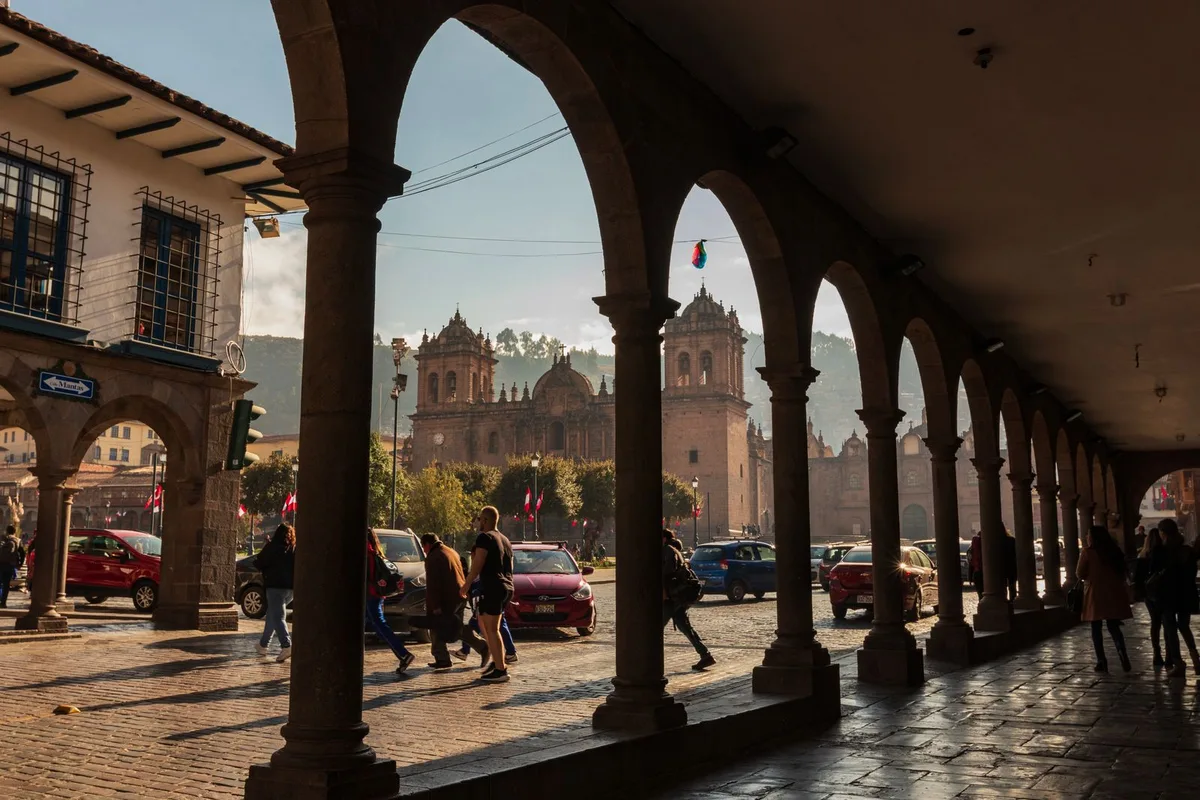
- Cross the Plaza Mayor at golden hour. The cathedral fills the east side, the arcades fill with families, and the Mariscal Sucre monument anchors the middle. It is the city's living room — start here.
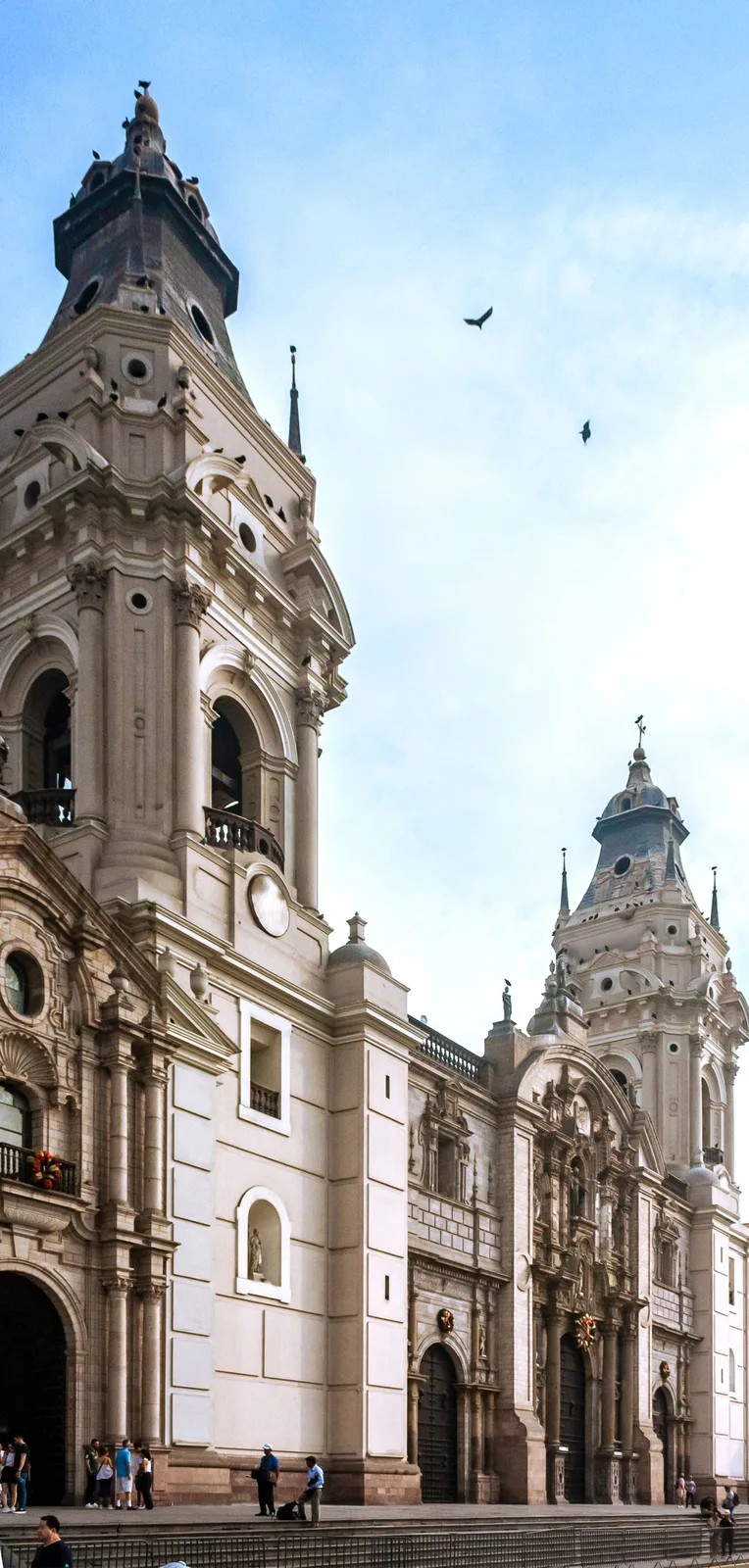
- Step inside the Cathedral. Behind the severe stone facade sit ten gilded retablos, among the finest altarpieces in Peru. Come during opening hours in the morning, dress modestly, and linger over the woodwork.
- Hunt retablos in the Santa Ana barrio. The artisan quarter a short walk south of the plaza, where families carve Huamanga stone, weave on wooden looms and paint the portable altarpieces Ayacucho is famous for. Workshops double as shops.
- See the Wari pieces at the Museo Histórico Regional Hipólito Unanue. The museum, a few blocks from the plaza, sets up everything the day trips show you — Wari ceramics, colonial art and the story of the city in one visit.
- Climb to the Acuchimay viewpoint. The lookout on the hill south of the centre gives you the whole grid at once — 33 church towers in a sea of tiled roofs. Go late in the afternoon for the best light.
- Taste the sweets at Santa Teresa. The Carmelite nuns of Santa Teresa sell traditional sweets and syrups through the convent shop, a few blocks from the plaza.
After you land in Ayacucho: Bookable experiences
Where to stay your first nights

Casa Andina Standard Ayacucho.
Best for the plaza-front splurge — a restored casona on the Plaza Mayor with the city's smartest rooms and a restaurant over the square.The city's best address, in a restored casona at Portal Constitución 4, directly on the Plaza Mayor. Twenty calm, modern rooms wrap around a patio, breakfast is included, and the La Plaza restaurant looks straight over the square. Check-in is from noon.

DM Hoteles Ayacucho.
Best for a reliable full-service base — 69 rooms, buffet breakfast and a garden terrace, two blocks from the Plaza Mayor.The reliable full-service option at Jr. 9 de Diciembre 184, two blocks from the plaza: 69 rooms, a buffet breakfast served from 6 am, a restaurant and bar, and a terrace and garden to retreat to. Free parking on site.

ViaVia Cafe Ayacucho.
Best for budget travellers who want the social heart of the city — themed rooms over the cafe everyone ends up in, facing the plaza.A traveller institution at Jr. 28 de Julio 540, facing the Plaza Mayor: about 20 themed rooms in a colonial house, a much-loved cafe-restaurant downstairs and a terrace made for watching the square wake up. Social, central and fairly priced.
Stay in the historic centre for a first visit — the streets around the Plaza Mayor put every church, workshop and tour pickup on your doorstep, and the colonial casonas are half the experience. The blocks south towards Santa Ana are quieter and more local, still an easy walk from the plaza.
Where to eat first

Las Tinajas, Portal Independencia 65.
The classic first table, under the plaza arcades. Order the puca picante — potatoes in a deep-red beetroot and peanut sauce — with chicharrón de chancho, and a qapchi of fresh cheese and potatoes to start. Generous portions, local prices, no fuss.
ViaVia Cafe, Jr. 28 de Julio 540.
Book the balcony table overlooking the Plaza Mayor and work through a menu that runs from quinoa-crusted trout and local stews to Belgian comfort food, a nod to its Belgian roots. The best seat in the city at sunset.
Mestizo Café Restaurante, Jr. Cusco 241.
A decade-strong kitchen reworking Ayacuchano classics a block and a half from the plaza. This is the place for mondongo, the slow tripe and corn soup locals eat on Sundays, done properly alongside the regional standards.
Day trips and more
Book the big days before you land if dates are tight — Klook lists Peru day trips alongside the three below.

Wari, Quinua and the Pampa de Ayacucho
The essential day, and a whole sweep of Peruvian history in about six hours. Walk the stone sectors of Wari, capital of the first Andean empire, and its site museum; browse the pottery workshops of Quinua village; then stand on the Pampa where the Battle of Ayacucho sealed South America's independence in 1824, under the 44 m obelisk. Pickups run from about 9:30 am.
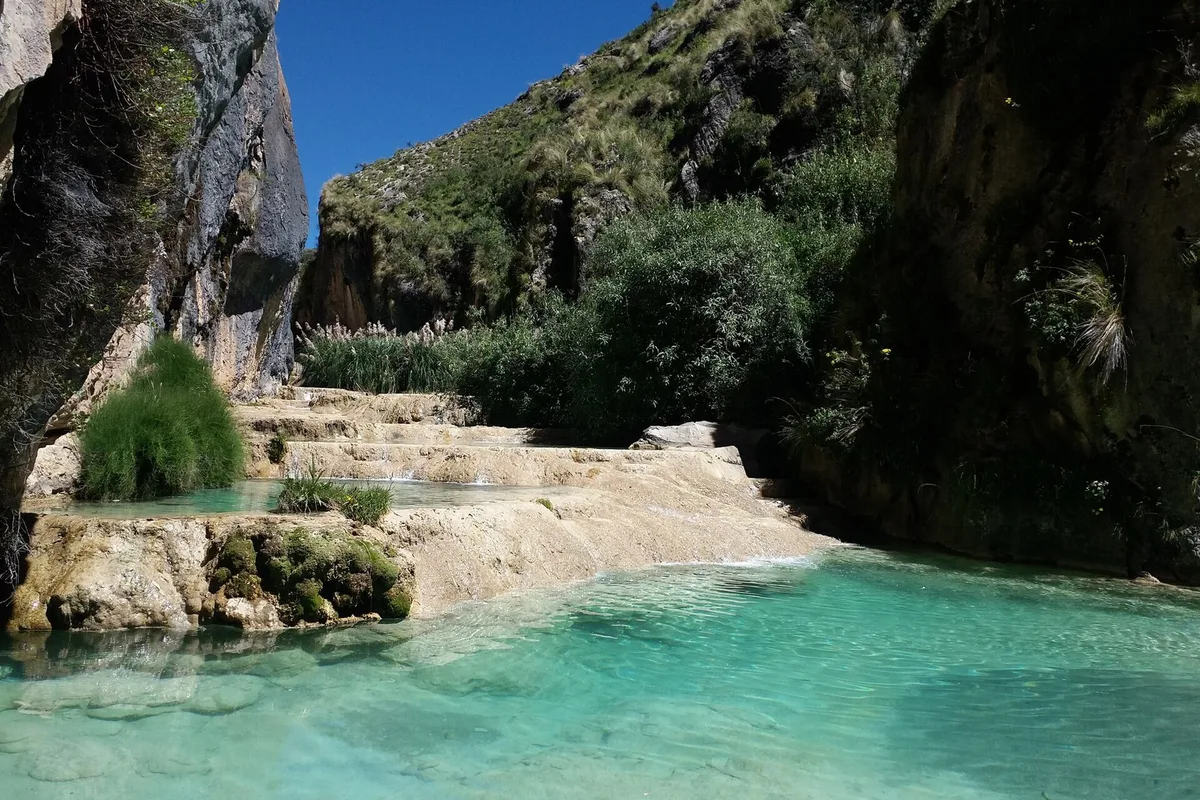
The turquoise pools of Millpu
A full day up at about 3,600 m, where a canyon river spills through a staircase of natural turquoise pools near Circamarca. Walk the canyon rim for the panorama, then descend to the water's edge — swimming is restricted by local rules, so the camera does the work. Tours leave the Plaza Mayor at about 8 am, back by 7 pm. Schedule it after a day or two at altitude, not on arrival.

Vilcashuamán, the Inca route
A long, rewarding day south: giant Puya raimondii plants on the high puna, the Intiwatana complex above Lake Pumacocha, and finally Vilcashuamán, where a colonial church stands on the walls of an Inca temple beside the great ushnu pyramid. About 12 hours door to door, back by 7 pm — dress in layers, as the day crosses several climates.
When to go and what it costs
Costs are kind by capital standards: about S/15 for the airport taxi, small cash entry fees at Wari and the museums, a set lunch for about S/20–30, dorm-free budget doubles from about $25 and good mid-range rooms from about $60. You do not need a car in the city, but for the Huanta valley or a self-drive towards Quinua, compare local car hire on Localrent and AutoEurope before you commit — and remember these are mountain roads, to be driven by day.
What to pack
Tap items to check them off — your list is saved on this device.
Ayacucho's climate is two seasons a day: strong high-altitude sun and warm afternoons, then a real chill once the light goes. Layers, sun protection and a bottle you actually refill beat any gadget. If you are heading to Millpu or Vilcashuamán, add a proper warm layer for the high ground.
- Comfortable walking shoes — the centre is cobbles and flagstones, and you will cover it on foot. Find walking shoes on Amazon → Shop walking shoes on Amazon →
- Sunscreen — at 2,761 m the sun burns in half the time it takes at sea level. Find sunscreen on Amazon → Shop sunscreen on Amazon →
- Reusable water bottle — staying hydrated is the simplest altitude cure there is. Find a bottle on Amazon → Shop water bottle on Amazon →
- Phone charger and power bank — early tour pickups and long photo days drain batteries fast. Find a power bank on Amazon → Shop power bank on Amazon →
- Daypack — for layers, water and retablos on day trips. Find a daypack on Amazon → Shop daypack on Amazon →
- Sunglasses — the high sun makes the plaza dazzling at midday. Find sunglasses on Amazon → Shop sunglasses on Amazon →
- Light rain jacket — essential from November to March, useful insurance the rest of the year. Find a light rain jacket on Amazon → Shop rain jacket on Amazon →
Language, visa and entry requirements

Ayacucho runs on Spanish and Quechua, and even a little of either changes how the city treats you:
- Buenos días — good morning
- Buenas tardes — good afternoon
- Gracias — thank you
- Sulpayki — thank you, in Quechua
- La cuenta, por favor — the bill, please
- ¿Cuánto cuesta? — how much does it cost?
Almost everyone reaches Ayacucho on a domestic flight, which means you clear immigration in Lima, not at AYP. Citizens of the United States, Canada, the United Kingdom, the European Union, Australia, New Zealand and many other countries enter Peru visa-free; the officer usually grants up to 90 days, and your passport needs six months of validity. There is no paper form any more — your entry record (the TAM) is digital, and your hotel will ask to see it with your passport so your room bill skips the 18% IGV tax. If a delay or cancellation wrecks the Lima connection on the way in, AirHelp and Compensair both handle flight-compensation claims on a no-win, no-fee basis.
Safety and health
Altitude is the main event
At 2,761 m most people feel day one as a mild headache or poor sleep, and the day trips climb higher — Millpu sits at about 3,600 m. Take the first afternoon slowly, eat lightly, hold the pisco sours until night two and drink water steadily. Coca tea is on every menu. If a headache turns severe, or you are breathless at rest, get medical help and descend; hotels can call a doctor any hour.
Sun and dry air do quiet damage
The high-altitude sun burns fast even when the breeze feels cool, and the dry valley air cracks lips and dries throats. Wear sunscreen and a hat, carry lip balm, and keep refilling your bottle — half of what people blame on altitude is plain dehydration.
The centre is calm, with normal city smarts
The historic centre is busy and well lit into the evening. Use official or app-booked taxis after dark, agree every fare before you set off, and leave the passport in the hotel safe — a phone photo of it covers most checks. Travel intercity roads by day: they are mountain roads, unlit and slow after dark. The remote jungle-edge VRAEM zone in the far east of the region is not somewhere visitors go.
Water, stomachs and emergencies
Stick to bottled or filtered water, and ease into the rich highland cooking — puca picante carries real heat. Pharmacies are plentiful and helpful for altitude tablets and stomach upsets. In an emergency call 105 for police, 116 for fire or 106 for an ambulance, and keep your insurer's assistance number saved offline.
Related destinations
If you liked Ayacucho, try these next:




Frequently asked questions
The things travellers ask in the first 48 hours: the flight up from Lima, the 10-minute taxi and the week the whole city books out.
Fares and times checked against LATAM, Aeropuertos Andinos del Perú and 12Go listings in October 2026; entry rules against Peru's migration authority.
Fly. LATAM runs the route several times a day in about 1 hour 5 minutes, landing at AYP, 10 minutes from the Plaza Mayor. The alternative is an overnight bus of roughly 10 hours — cheaper, but a full night on mountain roads.
Take a taxi from the rank outside the terminal: about 10 minutes and about S/15 to the Plaza Mayor. There are no meters, so agree the fare first. Mototaxis charge less; many hotels will collect you if you ask when booking.
Possibly, mildly. At 2,761 m most visitors feel only a headache or light sleep on day one. Take it easy, drink water and skip alcohol the first night. Millpu and Vilcashuamán climb higher, so schedule them after a day in the city.
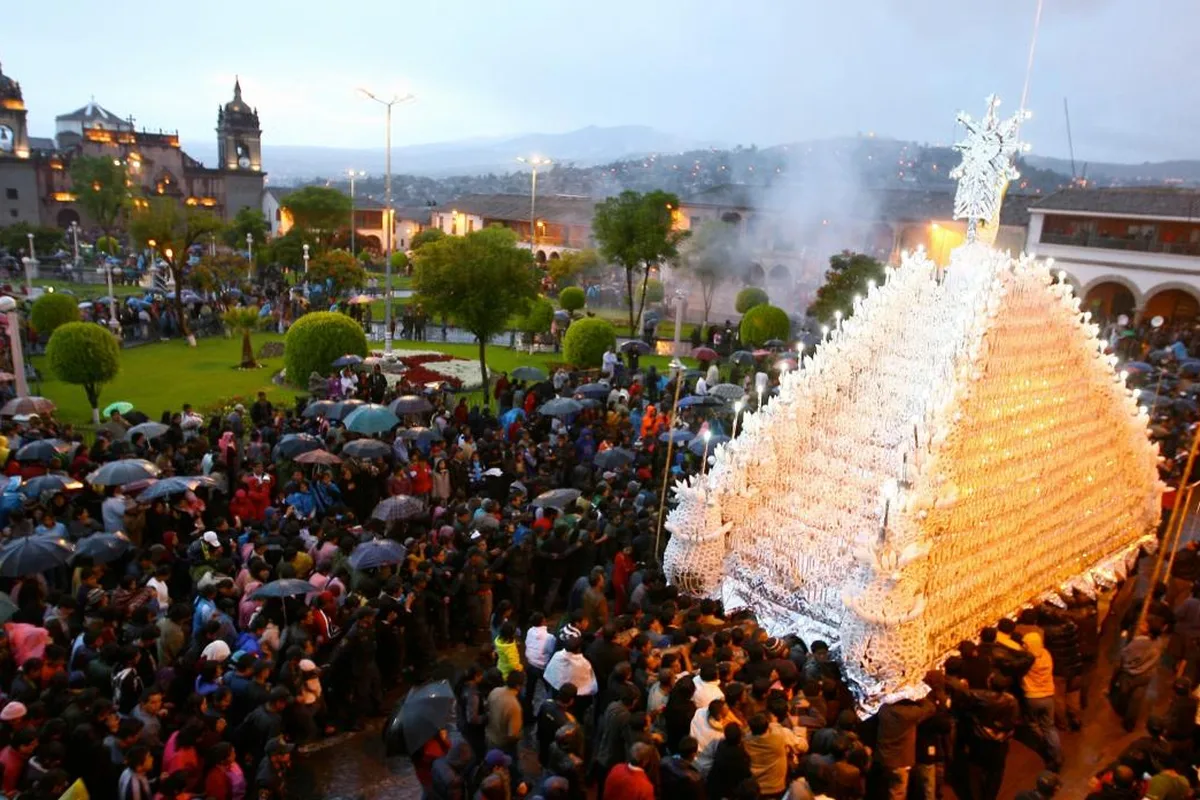
Holy Week falls in March or April, and yes — book months ahead. Ayacucho hosts Peru's biggest Semana Santa: ten days of processions and street alfombras, with every bed in the centre taken. Outside that week, a few weeks' notice is plenty.
Foreign visitors are exempt from the 18% IGV hotel tax. Show your passport and your digital entry record (the TAM) at check-in so the hotel applies the exemption. There is no city tourist tax in Ayacucho.
April to October for dry-season blue skies and the best day-trip conditions. Come in March or April instead if Semana Santa is the point of the trip — just book early. November to March brings afternoon rain and February's carnival.
Fares change — the operators' pages always win.
Ayacucho, in your pocket
Landing soon? Get the printable PDF — ticket links, the airport transport cheat sheet, our 3 restaurant picks with maps, and the packing checklist. Everything above, formatted for your phone.
One email with your Ayacucho PDF. Fare changes and new guides after that. No spam, unsubscribe anytime.
Sources and last verified
Verified in October 2026 against Aeropuertos Andinos del Perú and CORPAC for Mendívil Duarte airport, LATAM for the Lima flights, Peru's Ministry of Culture for Wari and its museum hours, PROMPERÚ (peru.travel), Peru's migration authority for visa-free entry and the digital TAM, GetYourGuide (Ayacucho, l152602) for the day trips, and the hotels' own sites and Expedia property pages for the stays. Prices are in Peruvian soles (S/) unless shown in dollars, and they change — treat every figure as the going rate when checked, and confirm big-ticket items before you travel.
Affiliate disclosure: hotel names, transfers, experiences, and products linked in this guide may earn After You Land a commission at no extra cost to you. Prices and times were checked in Oct 2026 and change often — confirm before you book.