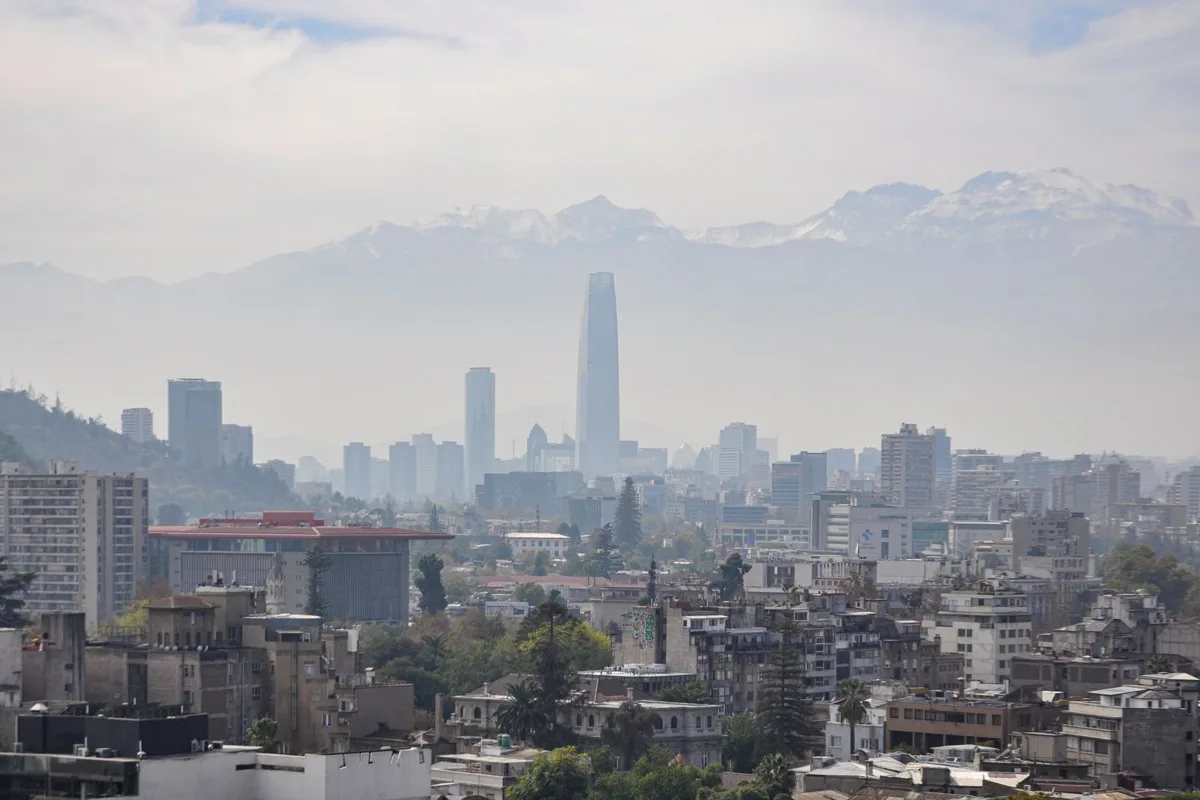
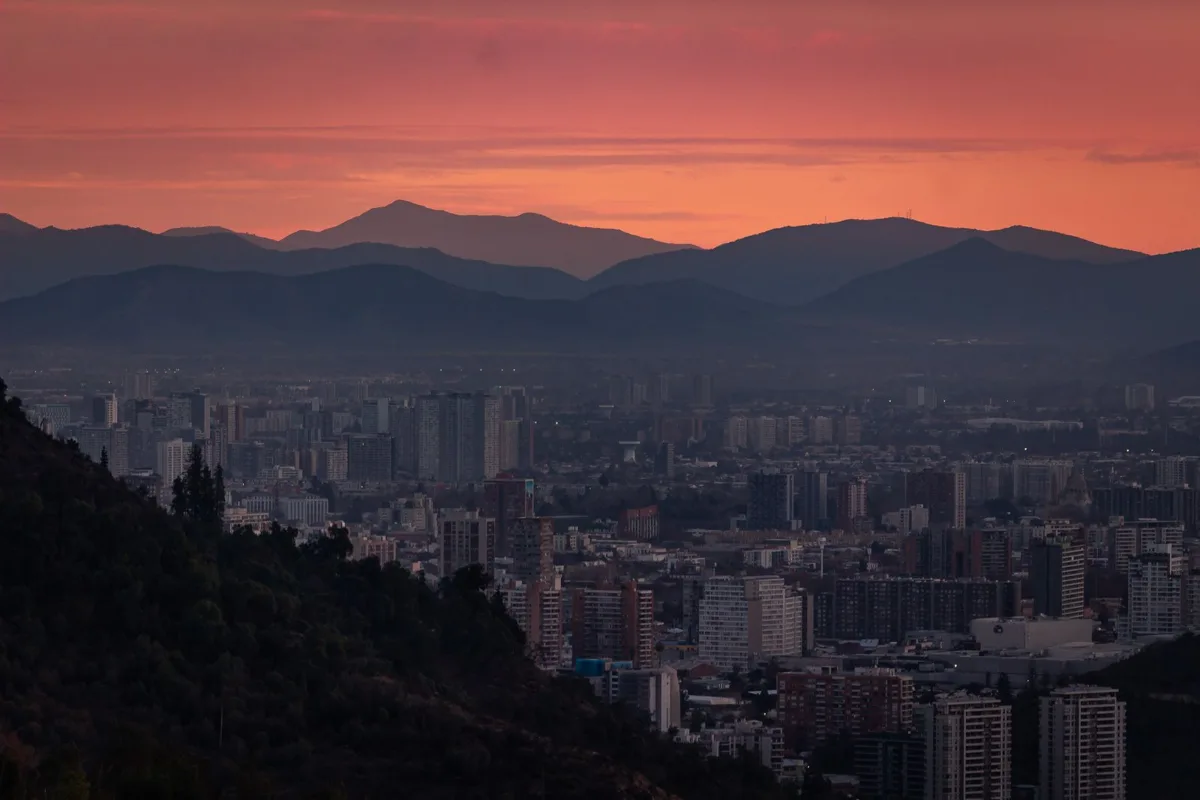
You have just landed at Pudahuel, in a flat basin walled by the Andes: on a clear morning the cordillera fills the windscreen the whole way into town. This guide covers the airport run, the entry slip you must not lose, where to sleep from a Lastarria grand hotel to a hostel by the park, the market food to eat first, and a first day from Plaza de Armas to the top of Cerro San Cristobal.
By Paul GreenUpdated Oct 202612 min readPrices checked Oct 2026
You just landed in Santiago. Keep the PDI entry slip immigration hands you, because you need it to leave and to dodge the 19% hotel IVA, load a Saily eSIM in Terminal 2, ride the CLP 2,000 Centropuerto bus to Los Heroes, base yourself in Lastarria, and book the days that sell out first, the Valparaiso coast trip above all, ahead through GetYourGuide.
Quick facts
Airport
Arturo Merino Benítez (SCL), about 17 km north-west Terminal 2 handles international flights and Terminal 1 domestic ones; the road transfer takes 30 to 50 minutes depending on traffic.
Getting in
Bus CLP 2,000, taxi about CLP 28,000 Centropuerto buses run to Los Héroes via Pajaritos; Transvip shared shuttles go door to door, priced by zone; official taxis are fixed-fare from the desk inside arrivals.
Currency
Chilean peso (CLP) Cards work almost everywhere; carry cash for market stalls, small cafés and the first bip! card.
Languages
Spanish English is common in hotels and tour offices, thin elsewhere; a confident hola and gracias carry you a long way.
Time zone
CLT (UTC-4), CLST (UTC-3) in summer Daylight saving runs roughly from September to April, when Santiago sits at UTC-3.
Emergency
133 police, 131 ambulance, 132 fire Carabineros (police) are 133, the SAMU ambulance service 131 and Bomberos (fire) 132; the PDI investigations police are 134.
Plugs
Type C and L, 220V Two and three-pin sockets; US and UK travellers need an adapter, and most dual-voltage chargers are fine.
Tap water
Safe in Santiago Fine to drink across the city, though the high mineral content gives it a hard taste some visitors mask with bottled water.
Tourist tax
None, but a hotel IVA rule instead Chile charges no municipal lodging tax. Foreign visitors who pay in foreign currency at an SII-registered hotel and show their passport and PDI slip are exempt from the 19% IVA on the stay.
Best months
September to November, March to May Spring and autumn bring clear Andes views and mild days; winter adds rain and smog, summer real heat.
Map
Find your arrival stop, hotel, and first meal. Stays, sights, and landmarks in Santiago — live hotel prices plus the key places from this guide.
Land at Pudahuel and treat the first hour as paperwork hour. At immigration the PDI officer hands you a small paper entry slip, the Tarjeta Única Migratoria: keep it with your passport, because hotels ask for it and immigration asks for it back when you leave.
Set up your data before you leave the terminal: a Yesim eSIM loads a Chile data plan in minutes, so maps and hotel messages work from the kerb. For a longer Chile trip, compare Saily and Airalo.
Run the arrival checklist in this order:
Keep the PDI entry slip safe with your passport, and photograph it as a backup
Ride the Centropuerto bus or book an official taxi or Transvip shuttle at the desks inside arrivals, never with a tout outside
Buy a bip! card at your first Metro station and load enough for day one
Check the tax line when the hotel quotes your rate: as a non-resident paying in foreign currency at a registered hotel, you should not be charged the 19% IVA. Show passport and PDI slip at check-in to make it happen.
If a delayed or cancelled flight wrecked the arrival, AirHelp checks whether the airline owes you compensation, worth five minutes before you write the day off.
Getting around
Journey times are approximate and refer to the listed stop — not necessarily your hotel. Allow extra time for waiting, walking, and connections.
Centropuerto bus
Blue buses leave from outside both terminals around the clock, less often at night; buy from the kiosk or the driver, and change onto Metro Line 1 at Pajaritos or ride through to Los Heroes
PriceCLP 2,000Journeyabout 45 min
Transvip shared shuttle
Book at the Transvip desk inside arrivals or ahead online; shared vans leave when full and drop door to door, so the last drop can take well over an hour in traffic
PriceVaries by zoneJourneyabout 60 min
Official taxi
Fixed fare to the centre agreed and paid at the official taxi desk inside arrivals, roughly CLP 27,000 to 29,000 by district; never take a taxi touted outside the terminal
Priceabout CLP 28,000Journeyabout 30 min
Rental car
Worth it only if the coast or the Cajon del Maipo is the trip; the Costanera Norte motorway is tolled by electronic TAG, and central parking is scarce and priced
PriceVaries by rentalJourneyabout 30 min
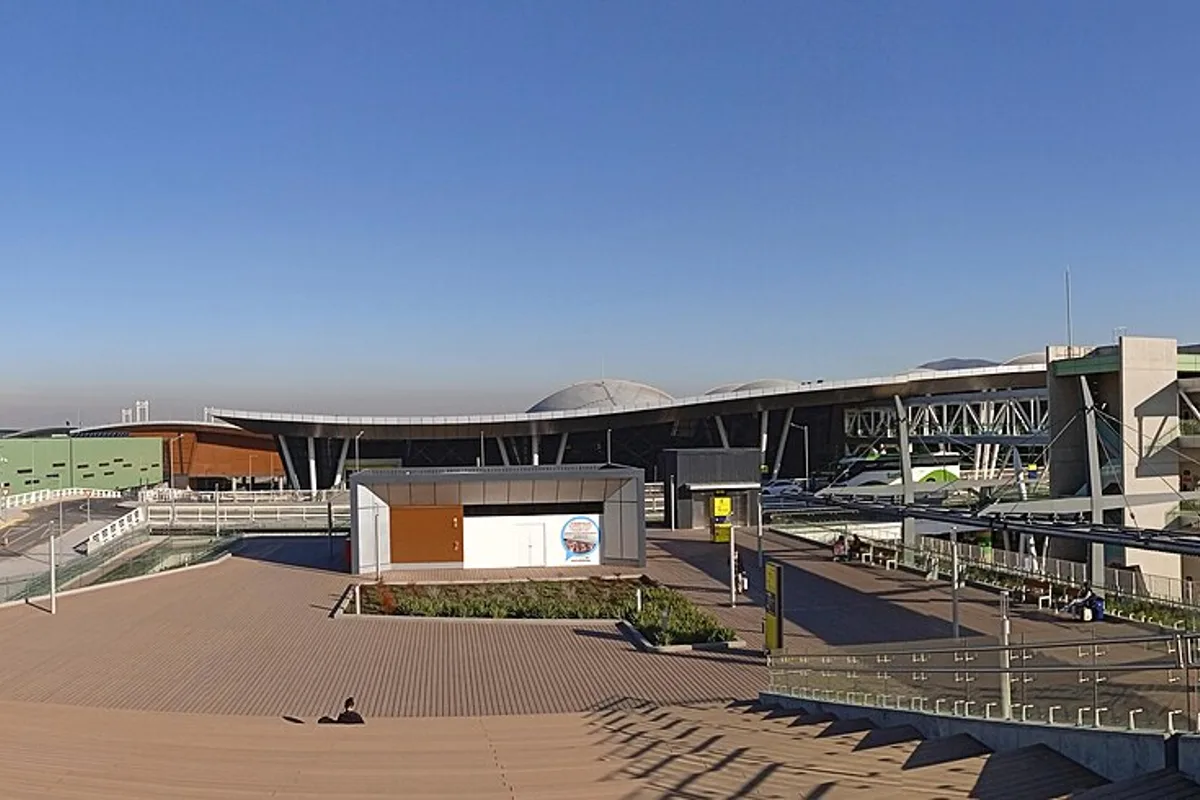
Arturo Merino Benítez (SCL) sits at Pudahuel, about 17 km north-west of the centre, with international flights in the newer Terminal 2 and domestic flights in Terminal 1. There is no Metro link yet, so the transfer is a road choice between a cheap bus, a shared shuttle, a fixed-fare taxi and a rental. The airport rides are these:
In town, the Metro does the heavy lifting: seven lines, fast and frequent, Line 1 running under the centre, Lastarria and Providencia. Fares ride on a bip! card, about CLP 735 to 895 by time of day, with free bus transfers inside the window. The centre is flat and walkable, Plaza de Armas to Lastarria in 15 minutes.
Prefer to be met? A Kiwitaxi transfer or a Welcome Pickups driver puts a name board in arrivals at a fixed price. Driving yourself, price the pickup on AutoEurope first, and remember the motorways are tolled by electronic TAG.
In the city
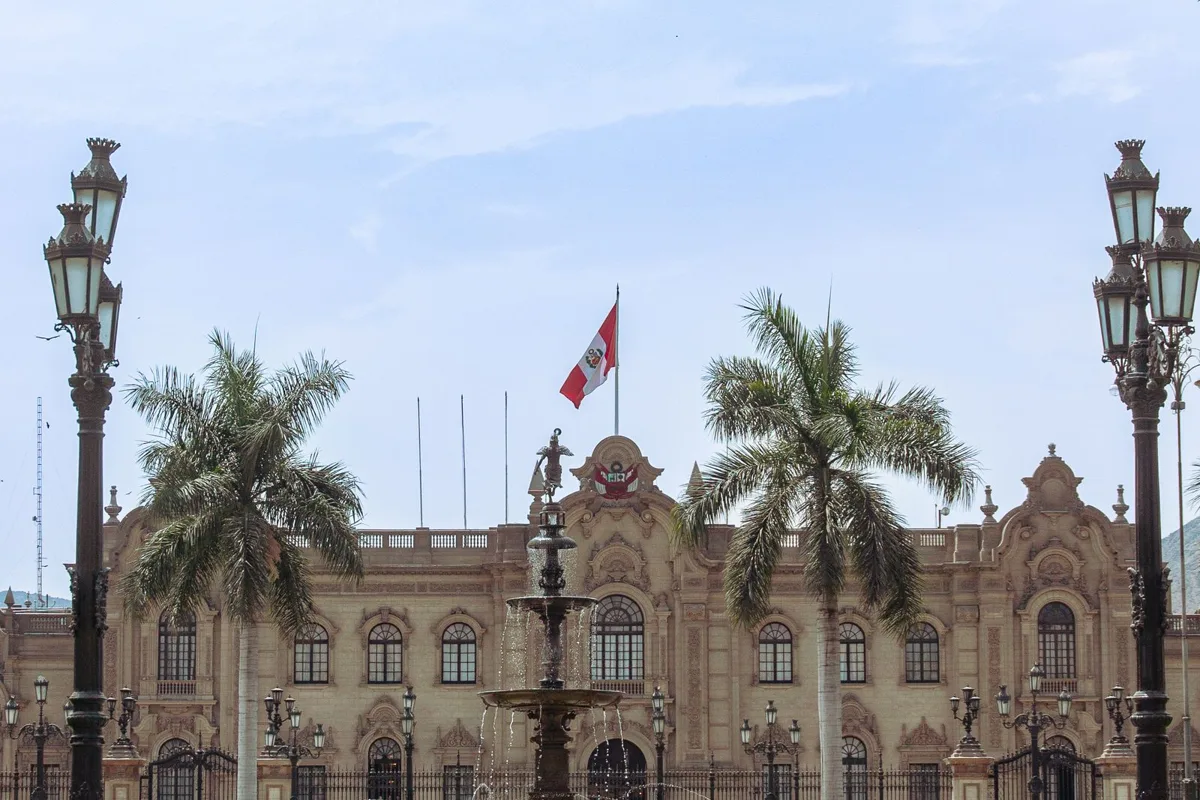
Start at kilometre zero. Plaza de Armas holds the Metropolitan Cathedral and the old Correo Central; arrive in the morning, then walk south to La Moneda, the presidential palace, timed for the changing of the guard.
Climb Cerro Santa Lucía next, the small, ornate hill park two streets east: fountains, tiled staircases and the first proper view over the centre. Drop into Lastarria for lunch, then cross Parque Forestal to the Bellas Artes museum.
Ride up Cerro San Cristóbal for the panorama that explains the city: funicular from Pío Nono, cable car across the ridge, the Virgin statue on the summit and the Andes on the horizon. End at La Chascona, Pablo Neruda's house in Bellavista, then dinner on Constitución street.
Book the guided version if you want the history stitched together: the Santiago historical old town walking tour covers La Moneda, the cathedral and Santa Lucía in three hours, and Klook is the comparison stop for tickets.
Give day two to La Vega and the Mercado Central in the morning, then east along Line 1 to the Sky Costanera deck for sunset.
After you land in Santiago: Bookable experiences
Where to stay your first nights
Splurge
The Singular Santiago.
Best for the grand splurge in Lastarria
The grand address at Merced 294: a 62-room five-star in a French neoclassical building, with a ninth-floor rooftop bar and plunge pool, a spa and one of the city's most praised restaurants. Two Metro stations sit five minutes away.
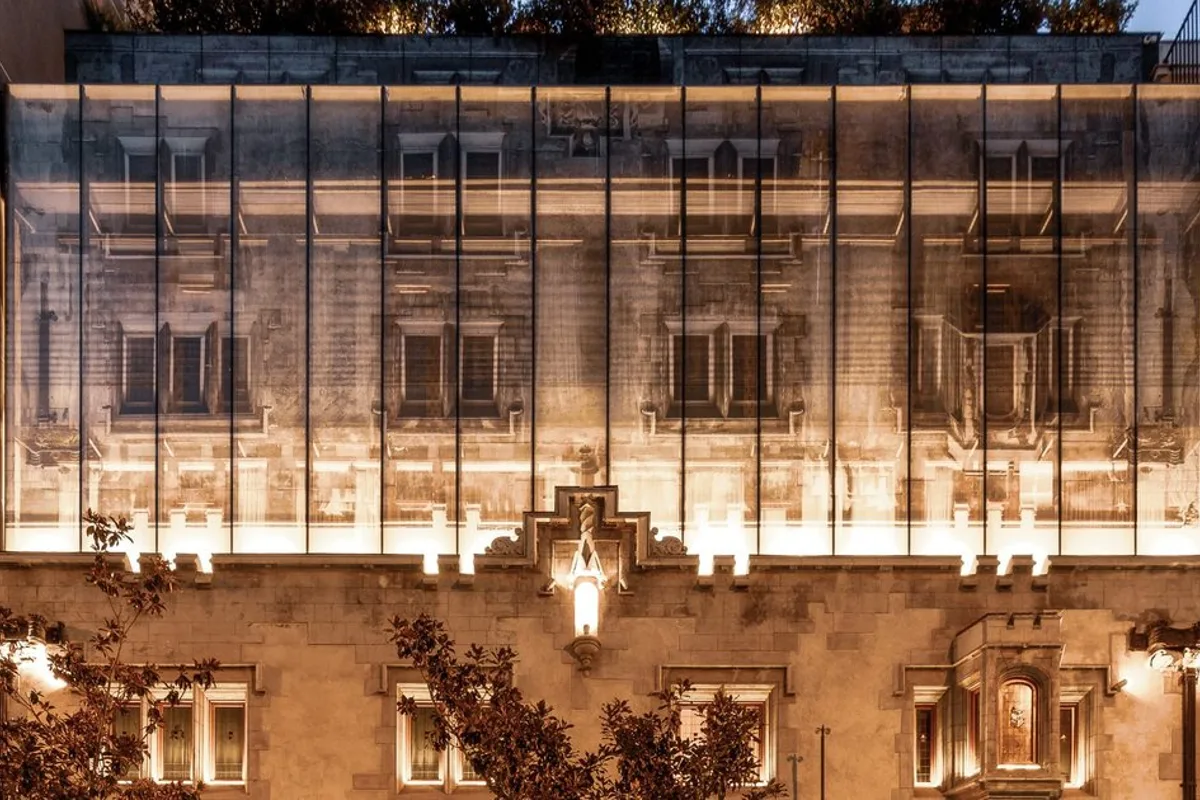
A 42-room boutique hotel at Huérfanos 539, in a protected 1929 heritage building near Cerro Santa Lucía: contemporary rooms behind a striking glass facade, a restaurant and bar, and a terrace with city views.
Best for budget beds on the edge of Parque Forestal
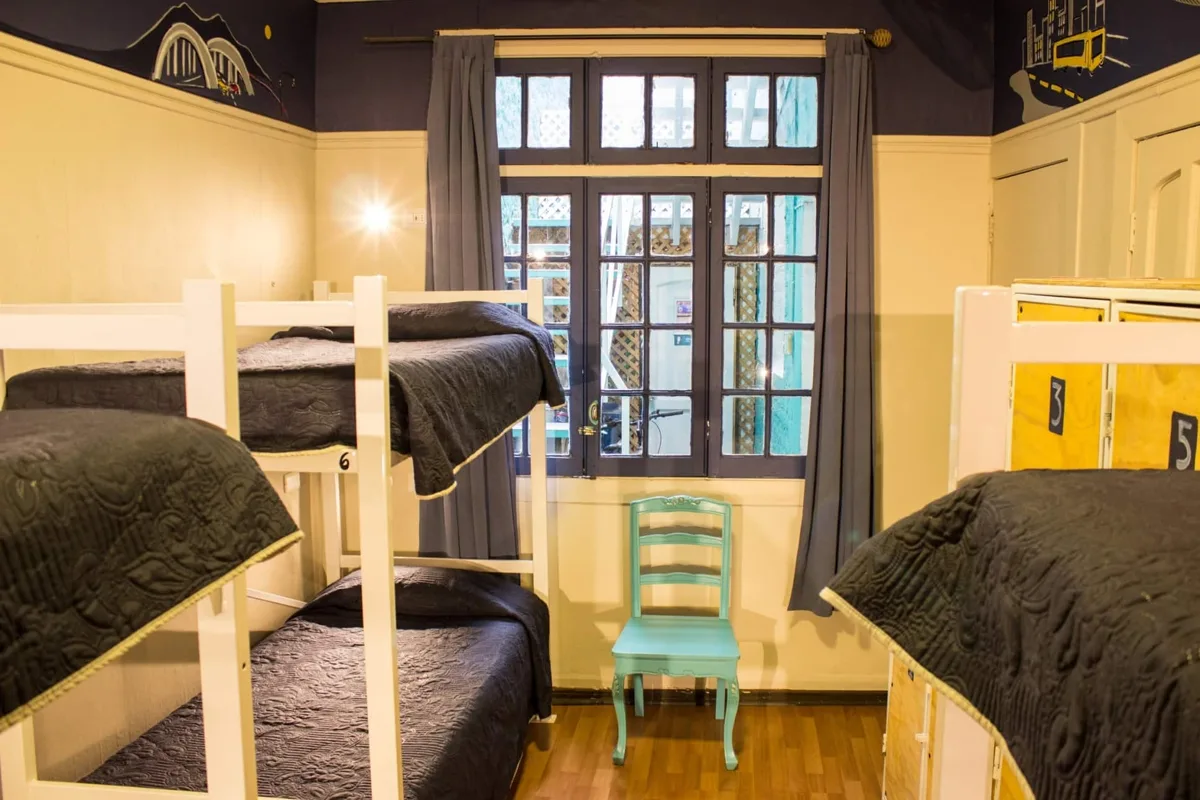
A friendly, well-kept hostel at Coronel Santiago Bueras 122, on the edge of Parque Forestal: dorms of six to eight, privates with shared or ensuite bathrooms, a shared kitchen, terrace and 24-hour reception.
Stay in Lastarria for a first visit: museums, Parque Forestal, two Metro lines and the best dinner streets inside a ten-minute walk. Providencia, one stop east, is calmer and greener; the historic centre is cheaper but empties at night.
Book any of the three early for September's Fiestas Patrias week. At check-in, hand over your passport and PDI slip and pay in foreign currency to keep the 19% IVA off the bill.
Where to eat first
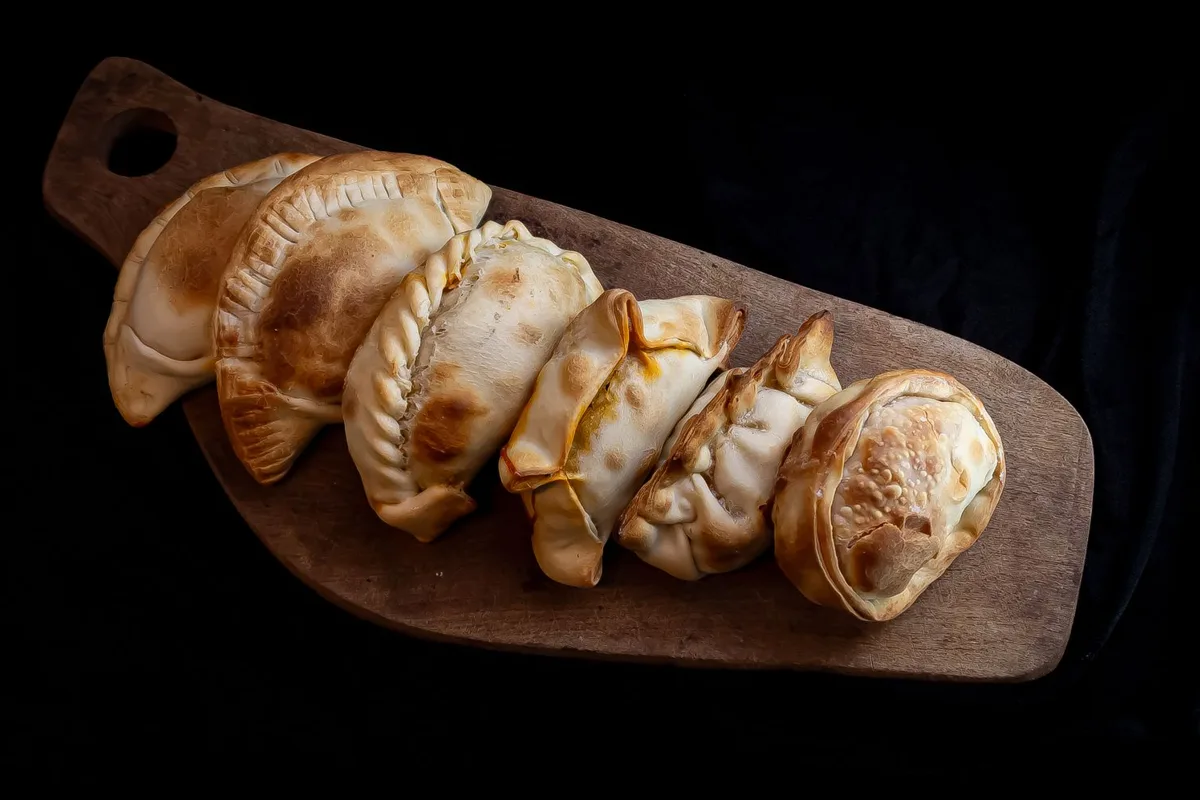
Eat Chilean on day one. The canon is market food and sandwiches: empanadas de pino, pastry filled with beef, onion, olive and egg; pastel de choclo, a sweetcorn-topped beef pie baked in clay; the completo, a hot dog loaded with tomato, avocado and mayonnaise; and mote con huesillo, dried peaches and wheat in a cold, sweet street-cart drink. Add a pisco sour, and save the terremoto, pipeño wine with pineapple ice cream, for a bar stool. Three first stops:
Mercado Central.
The 1872 iron market hall by the Mapocho, stacked with Pacific seafood: order ceviche or caldillo de congrio, the conger eel soup Neruda wrote an ode to, at a local-facing restaurant inside, not from the touts at the door.
Bocanáriz.
Lastarria's benchmark wine bar at José Victorino Lastarria 276, pouring Chilean wine by the glass in themed flights with staff who actually explain them. The smartest first-night education in Chilean wine you can buy.
Liguria.
A boisterous institution at Avenida Providencia 1373: vintage posters, packed tables, pastel de choclo and chupe de mariscos done properly. Book or arrive early.
For market tours and cooking classes, browse the Santiago listings on GetYourGuide and book a slot for your first free morning.
Day trips and more
Three escapes frame the city: the painted port two hours west, the ski Andes an hour east, and a 19th-century winery inside the city limits. Carry layers: coast and cordillera both run colder than the basin.
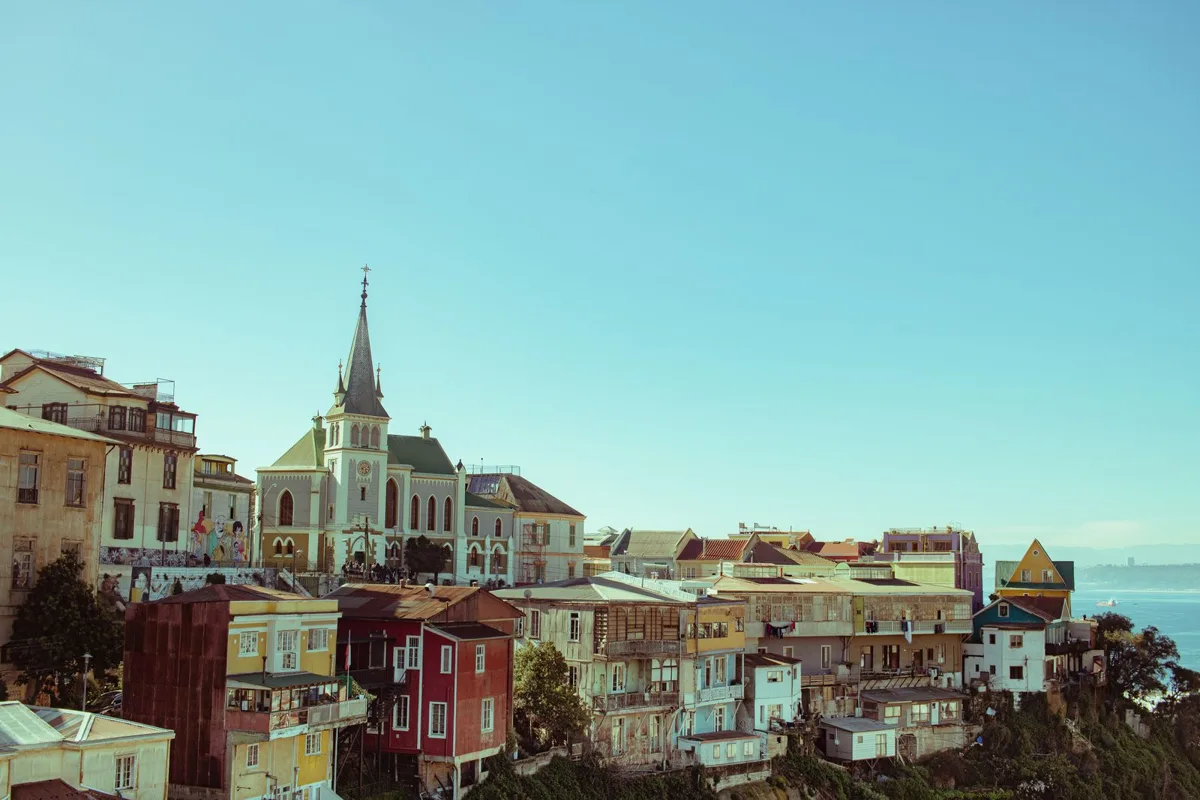
Valparaiso, Viña del Mar and Casablanca Valley tour
Ten hours, hotel pickup included: Viña del Mar's Flower Clock and its Easter Island moai, a guided walk through Valparaiso's Cerro Alegre street art and century-old funiculars, then a wine tasting in the cool Casablanca Valley. Check availability →
Farellones and Valle Nevado snow day
Eleven hours up the switchbacks east of the city, hotel pickup and a stop to kit out in snow clothing included: ride up for the viewpoints, the snow and the mountain air, adding park entry or ski gear only if you want it. Winter season, roughly June to September. Check availability →
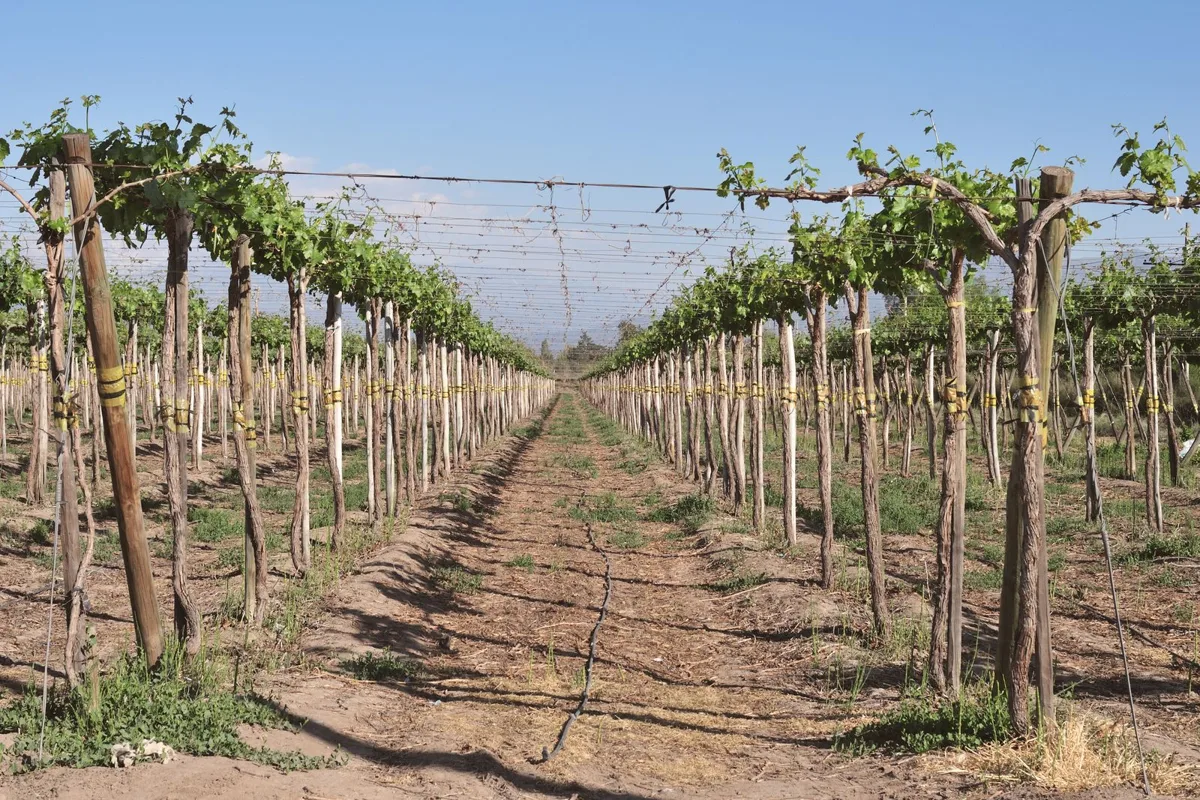
Cousiño Macul heritage wine tour
Ninety minutes at one of Chile's oldest family wineries, founded in 1856 in Peñalolén: walk the barrel rooms and underground cellars with a guide, then taste three wines, souvenir glass included. Check availability →
When to go and what it costs
JanFebMarAprMayJunJulAugSepOctNovDec
September to November and March to May are the sweet spot: mild days around 20 to 26°C, thinner crowds and the clearest Andes views. December to February is hot and dry, afternoons near 30°C. June to August is wet and grey, when smog pools in the basin and the ski resorts above the city run: a winter trip trades blue skies for snow days. Mid-September's Fiestas Patrias is the year's biggest party, and everything books out.
A backpacker in a dorm, on market lunches and the Metro: $40 to $60 a day. Mid-range, a boutique room, sit-down dinners and a paid day trip: $120 to $180 a day. A splurge day with the grand hotel and a tasting menu passes $300 without trying.
Stack the maths early: nearly every day-one sight is free or cheap (both cerros, the cathedral, La Moneda's plaza), so the budget goes on food and day trips, not admissions.
What to pack
Tap items to check them off — your list is saved on this device.
Pack for a dry basin with big day-to-night swings: summer afternoons are hot, winter mornings near freezing, and the Andes are colder on any date. This is the full list:
Add the Santiago extras: a warm layer for the summit and any Andes day, real sunscreen discipline (UV at 500 metres burns fast), and a photocopy of your PDI slip kept apart from the original.
Language, visa and entry
✓ Visa-free entry for eligible passport holders
Spanish first, and slower than you expect: Chilean Spanish is fast, slangy and drops its s sounds, so ask people to repeat, they happily will. Greetings matter, a buenos días before any question. Dinner starts late, kitchens fill from about 20:30, and the once, afternoon tea, is a real meal slot.
Four phrases do most of the work:
HolahelloGraciasthank youLa cuenta, por favorthe bill, please¿Habla inglés?do you speak English
Sort your entry paperwork before you book anything non-refundable. US, UK, EU, Canadian and Australian visitors enter Chile visa-free for up to 90 days as tourists, with no application, no fee and no reciprocity charge: your passport should be valid for the whole stay.
At immigration the PDI issues your entry slip, the Tarjeta Única Migratoria. Keep it: hotels need it for your IVA exemption, and you hand it back on departure. Lost slips can be replaced via the PDI online portal or at the airport.
Declare food honestly on the SAG form. Chile guards its agriculture fiercely: fruit, seeds, honey and animal products can be confiscated and fined, even an apple from the plane.
Safety and health
Pickpockets and phone snatchers work the centre and the Metro
Plaza de Armas, the Mercado Central crowds and Line 1 at rush hour are the hotspots: bag in front on the Metro, phone never in a back pocket or a café-table edge, and extra care in Bellavista late at night.
Avoid demonstrations around Plaza Dignidad
The Baquedano area is the city's traditional protest gathering point, and marches can turn confrontational. If a crowd forms or carabineros close streets, walk the other way.
Sun, smog and dry air are real hazards
UV is fierce from October to March, even on hazy days: sunscreen and water on every cerro climb. Winter smog worsens asthma, so keep medication close and take viewpoints after rain, when the air clears.
Use official transport at night
Book taxis through your hotel or use ride apps rather than hailing after dark, agree nothing with terminal touts, and watch your drink in Bellavista's bar strip.
The things travellers ask in the first 48 hours: the paper slip you must not lose, the 19% hotel tax you should not pay and the CLP 2,000 bus.
Fares against Nuevo Pudahuel, Centropuerto and RED Movilidad, October 2026; entry rules against US State Department and Chilean migration guidance; the IVA exemption against Chilean tax guidance and hotel terms.
Ride the Centropuerto bus from outside the terminal to Los Heroes: about 45 minutes, CLP 2,000, via Pajaritos and other Line 1 stations. A Transvip shared shuttle goes door to door priced by zone, and the official taxi desk inside arrivals fixes the fare at about CLP 28,000 to the centre.
For most visitors, no. US, UK, EU, Canadian and Australian passport holders enter Chile visa-free for up to 90 days as tourists, with no application and no fee. Your passport should be valid for the whole stay.
It is your proof of legal entry, handed to you by the PDI at immigration: keep it with your passport, because hotels ask for it to apply your tax exemption and immigration asks for it back when you leave. Lost slips can be replaced through the PDI online portal or at the airport.
Non-resident foreign visitors do not pay the 19% IVA on their stay when they pay in US dollars or another foreign currency at a hotel registered with the SII tax service. Show your passport and PDI slip at check-in, and pay in foreign currency, not pesos.
September to November and March to May: mild days, thinner crowds and the clearest views of the Andes. December to February is hot and dry, June to August is the wet, smoggy season, and also ski season in the resorts above the city.
Lastarria, Providencia and the main sights are busy and fine with normal big-city care. The main risks are pickpockets and phone snatchers in the centre and on Line 1 of the Metro, and demonstrations around Plaza Dignidad, which are best walked away from.
Fares change, the airport, Centropuerto and RED Movilidad pages always win.
Santiago, Saved for After You Land
Landing soon? Get the printable PDF — the essentials from this guide, formatted for your phone:
The airport transport cheat sheet, with ticket links
Our 3 restaurant picks, with maps
The packing checklist
One email with your Santiago PDF (guide version: Oct 2026). Fare changes and new guides after that. No spam, unsubscribe anytime.
Sources and last verified
Airport fares against Nuevo Pudahuel and operator listings (Centropuerto CLP 2,000; official taxis roughly CLP 27,000 to 29,000) and RED Movilidad Metro fares (CLP 735 to 895). Entry rules against US State Department and Chilean migration guidance: visa-free 90 days, PDI slip issued on arrival and surrendered on departure. The IVA exemption against Chilean tax guidance and hotel terms: non-residents paying in foreign currency at SII-registered hotels, passport and PDI slip shown, are exempt from the 19% IVA; Chile has no municipal tourist tax. GetYourGuide titles read on the opened product pages. Hotel details against the properties' own sites. Photo credits as in the guide data. Last verified October 2026.
Affiliate disclosure: hotel names, transfers, experiences, and products linked in this guide may earn After You Land a commission at no extra cost to you. Prices and times were checked in Oct 2026 and change often — confirm before you book.