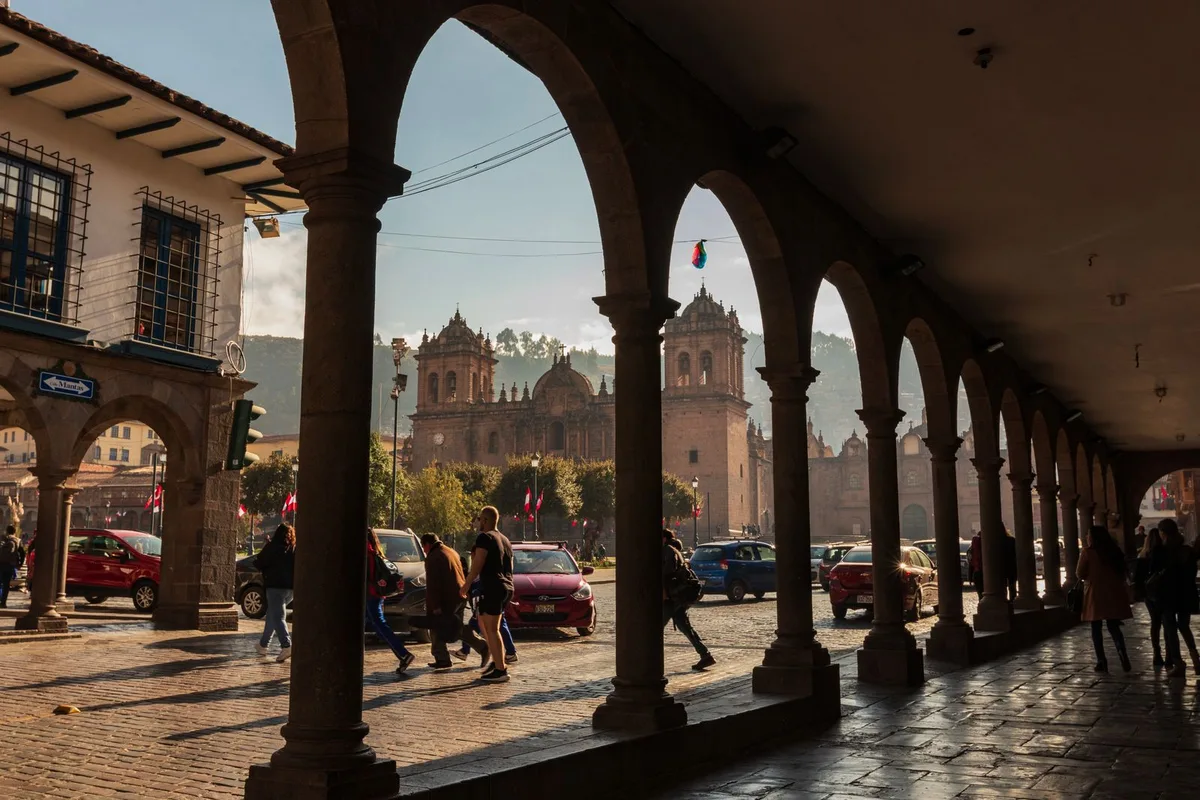
Cusco: your first hour after landing
You have just landed at 3,399 metres, in the city the Inca built as the centre of their world. Cusco's airport sits inside the city it serves, and almost everyone arrives the same way: a short hop from Lima, a 15-minute taxi, and a first day deliberately slower than the rest. What waits is a historic centre where Inca stonework carries colonial churches on its back, the Sacred Valley spreading below, and Machu Picchu at the end of the most storied train ride in South America. This guide walks the arrival in order: the altitude plan for the first 24 hours, the taxi maths, where to sleep between the Plaza and San Blas, the Boleto Turístico that unlocks the ruins, and the trains and tickets to book before you fly — plus the honest bits, from coca tea to the 5,000-metre viewpoint on Rainbow Mountain.
In this guide
You just landed in Cusco. The city sits at 3,399 metres, so the first rule is pace: today is for a gentle walk, coca tea and an early night, and the big sights start tomorrow. Almost everyone arrives the same way — a short flight from Lima into Alejandro Velasco Astete (CUZ), then a 15-minute taxi ride into the centro histórico. Sort your mobile data before you fly with an Airalo eSIM, and browse Cusco tours and day trips for the Sacred Valley and Machu Picchu days — just remember the Machu Picchu entry itself is sold only on the official platform, and it sells out weeks ahead.
Quick facts
Airport
Getting in
Currency
Languages
Time zone
Emergency
Plugs
Tap water
Tourist tax
Best months
Map
Stays, sights, and landmarks in Cusco — live hotel prices plus the key places from this guide.
Settle in
Cusco rewards the traveller who takes the first day slowly. The city sits at 3,399 metres, and the classic mistake is landing at noon and marching up to Sacsayhuamán by three. Check in, drink the coca tea on offer (mild, traditional, not medicine) and keep plans gentle: a wander to the Plaza, a light dinner, an early bed. If a headache builds, you feel worse rather than better, or breathing is hard at rest, get checked the same day — clinics treat altitude daily here, and dropping to the Sacred Valley is the surest fix.
Almost everyone arrives via Lima: immigration and customs happen there, then a domestic hop of about 1 hour 20 minutes into CUZ. Book at least two hours between flights — altitude forgives a slow connection, not a sprint through Jorge Chávez.
Run the arrival checklist in this order:
- Give the altitude day one — a gentle walk, light dinner, early bed; the big sights tomorrow
- Buy Machu Picchu entry on the official platform before you fly; Circuit 2 sells out weeks ahead
- Carry soles in small notes for taxis, tickets and markets; ATMs line Avenida El Sol
Set up data before you leave home — an Airalo eSIM loads in minutes. For a longer Peru trip, compare Saily and Yesim. If a delayed Lima connection wrecks a prepaid night or tour, AirHelp is the established route to flight-delay compensation.
Getting around

Times are airport to city centre.
Official airport taxi
Desks inside arrivals quote a fixed fare by zone and walk you to the car — no haggling and no meter to watch
Pre-booked transfer
Your driver waits in arrivals with a name board — the calmest way to land at 3,399 metres
Ride-hailing app
Uber, Cabify and inDrive all work in Cusco — walk just outside the terminal to meet the car
Street taxi
No taxi in Cusco has a meter — agree the fare before you get in and keep small notes ready
The centro histórico is compact and walkable — the Plaza de Armas to San Blas is ten minutes, Qorikancha five. Taxis do everything else: plentiful, cheap and unmetered, so agree the fare before you get in (about S/10 covers most centro hops). Ride apps — Uber, Cabify and inDrive — remove the negotiation. Local buses and combis run the avenues for about S/1 — handy later, useless with luggage. The airport options:
Landing tired at altitude, a confirmed ride earns its keep: a pre-booked transfer or Welcome Pickups puts a driver in arrivals. Self-driving the Sacred Valley later, after acclimatising, is one reason to compare rentals via AutoEurope.
In the city
One purchase unlocks the city's Inca core: the Boleto Turístico (BTC). The full ticket costs S/130, runs ten days and covers 16 sites, including Sacsayhuamán, the four ruins above the city and Pisac, Ollantaytambo and Moray in the Sacred Valley. Three S/70 partial tickets each cover one circuit over a day or two. Buy it at the COSITUC office on Avenida El Sol 103 or at any site gate — bring your passport; Qorikancha and Machu Picchu are not included. Qorikancha's own ticket (about S/15–20) is bought at its door on Plazoleta Santo Domingo. For guided days, browse Cusco tours on GetYourGuide and compare Klook.
Spend the first full day flat, fed and unhurried. Sleep in, then breakfast at the San Pedro Market before the five-minute stroll to Qorikancha, where Inca stonework carries a Dominican convent. Cross to the Plaza for the Cathedral, then climb into San Blas for coffee. Lunch is the main meal; the afternoon is for a nap and booking Sacred Valley seats.
Walk up to Sacsayhuamán in the late afternoon of day two or three, when the zigzag walls glow and the crowds have gone — it is on your Boleto Turístico, and the view is the city's best.
And hold Machu Picchu back: not day one, not day two. The 3:30 am starts and the train day land badly on unacclimatised bodies; give it day three at the earliest and you will remember the citadel, not the headache. Buy entry only on the official platform — if a reseller cannot book a named, passport-tied slot there, walk away.
After you land in Cusco: Bookable experiences
Where to stay your first nights
Monasterio, A Belmond Hotel, Cusco.
Best for the full colonial splurge — a 1595 monastery with oxygen-enriched rooms two minutes from the PlazaA 1595 monastery built on Inca palace foundations, two minutes from the Plaza on Plazoleta Nazarenas — stone cloisters, a chapel, a 300-year-old cedar in the courtyard and oxygen-enriched rooms, no gimmick at 3,399 metres. Rates seen from about US$620 a night; it holds a 9.8 Exceptional score on Expedia.

Palacio del Inka, A Luxury Collection Hotel by Marriott.
Best for five-star history opposite Qorikancha, with a spa built for altitude eveningsA 500-year-old mansion opposite Qorikancha on Plazoleta Santo Domingo — built around the Casona de los Cuatro Bustos, now a five-star with an indoor pool, the Andes Spirit Spa and oxygen-enriched rooms on request. Expedia guests rate it 9.6 out of 10.

Pariwana Hostel Cusco.
Best for the social base camp a few blocks from the Plaza de Armas, with dorms from about US$15On Calle Quera, a few blocks from the Plaza de Armas, with dorms from about US$15, a bar and restaurant on site and a programme of walking tours, yoga and BBQ nights. It holds a 9.4 Superb score on Hostelworld — the social base camp of Cusco backpacking.
Base yourself in the centro histórico — the Plaza, Qorikancha, restaurants and tour pickups are within ten minutes. San Blas, the lanes climbing east, is prettier and quieter, its steep cobbled streets feeling steeper at this altitude.
Book any of the three ahead for June and the dry-season peak, and show your passport at check-in to keep the 18% VAT exemption.
Where to eat first

Eat the local way — a proper lunch, a light dinner — especially at altitude. At lunch, neighbourhood restaurants run a menú del día: soup, a main and a drink for a few soles. Three first stops:
San Pedro Market, five minutes southwest of the Plaza.
Start the day at a counter stool with a juice and caldo de gallina, shoulder to shoulder with the city — breakfast and the best people-watching in one stop.
Pachapapa, in San Blas.
Order lomo saltado — the soy-and-chilli beef stir-fry with fries folded through — in a courtyard built for long lunches.
Cicciolina, upstairs near the Plaza de Armas.
Finish the day with the city's favourite tapas-style dinner — book ahead in season.
For food tours and cooking classes, browse GetYourGuide's Cusco listings and book ahead.
Day trips and more
Three escapes cover the essentials: the citadel, the valley and the striped mountain. All run long and start early — do them in the order below, easiest altitude first.

Sacred Valley
The valley floor sits lower than Cusco, making this the perfect day-two trip: the circuit strings together Chinchero's weavers, Moray's circular terraces, the Maras salt pans, lunch in Urubamba and Ollantaytambo and Pisac — most of them on your Boleto Turístico. Rated 4.8 from over 1,100 reviews, from about US$26 with lunch — or peel off in Ollantaytambo for the Machu Picchu train. Check availability →

Machu Picchu
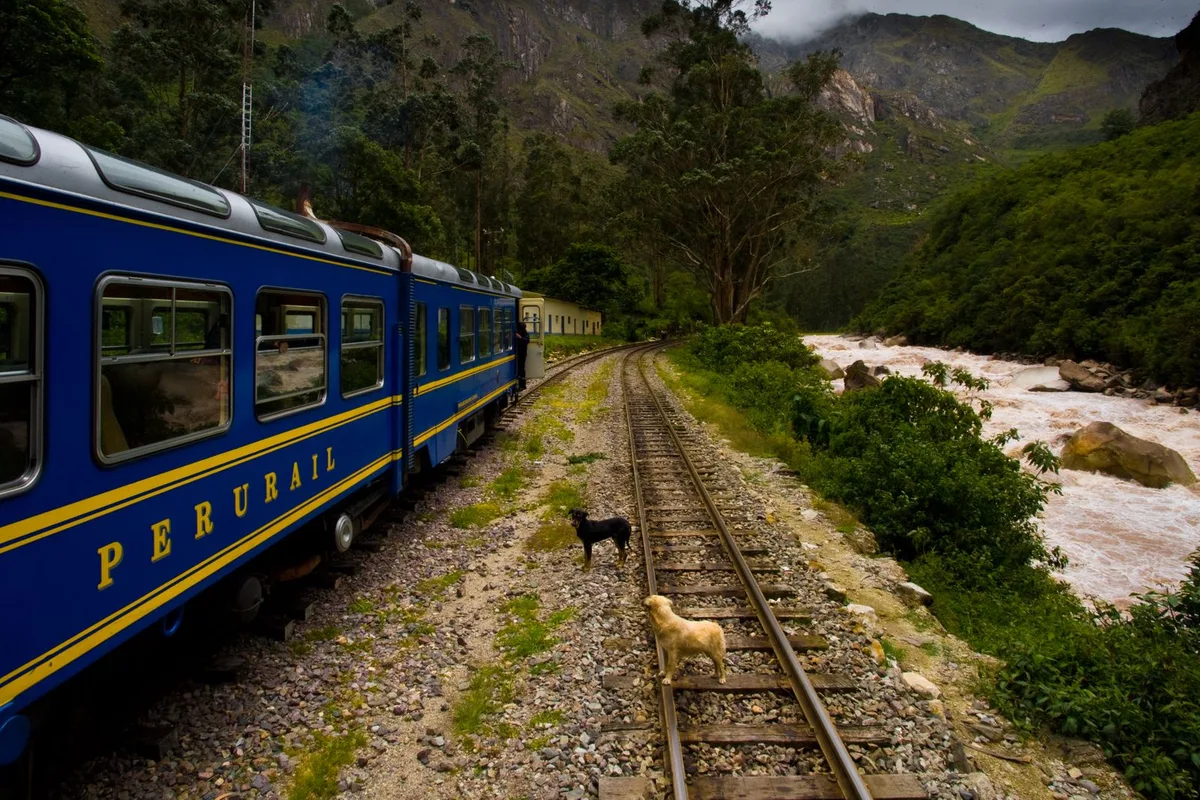
PeruRail and Inca Rail trains leave from San Pedro and Poroy stations in Cusco, or from Ollantaytambo — May to December they run through from Cusco; in wet months a bus-plus-train combination via Ollantaytambo replaces them. From Aguas Calientes a bus climbs the switchbacks in about 25 minutes. Entry is sold only on the official platform, passport-tied and timed; the classic Circuit 2 costs S/152 (about US$40) and sells out weeks — in high season, months — ahead. A guided day with the train included, from about US$360, is the low-effort option. Check availability →
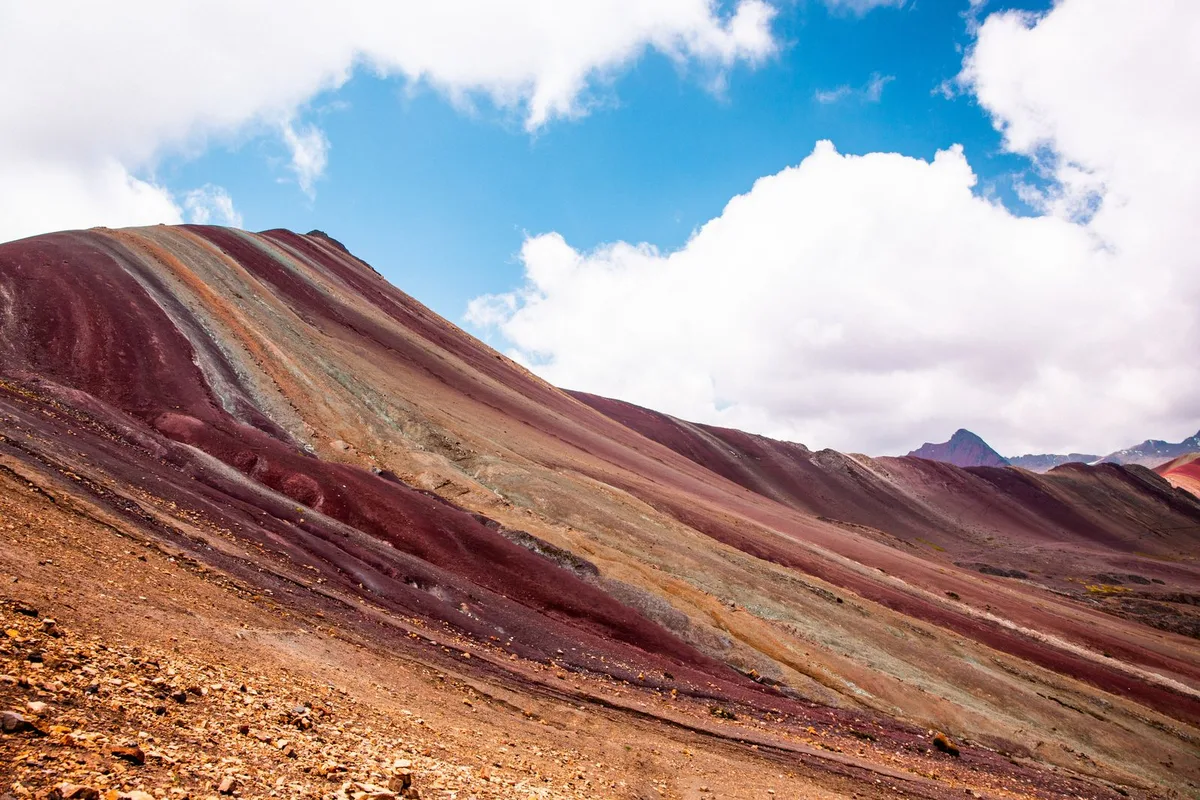
Rainbow Mountain
The striped slopes photograph like a painting; the day is hard: pickups around 3:30 am, breakfast in Cusipata, then a 3.5 km trek from a 4,850-metre trailhead to a viewpoint above 5,000 metres. Rated 4.8 from over 6,600 reviews, from about US$26 with meals. Go after two or three nights acclimatising — and sit it out if the altitude has been unkind. Check availability →
Or flip it: sleep two nights in the Sacred Valley (Ollantaytambo sits around 2,800 metres), tour Pisac and Moray from below while your body adjusts, then move up to Cusco. With more days, add the Maras salt pans, a cooking class, the Humantay Lake trek (the lake sits at about 4,200 metres), or the long day south to the Qeswachaka rope bridge, rebuilt by hand every June.
When to go and what it costs
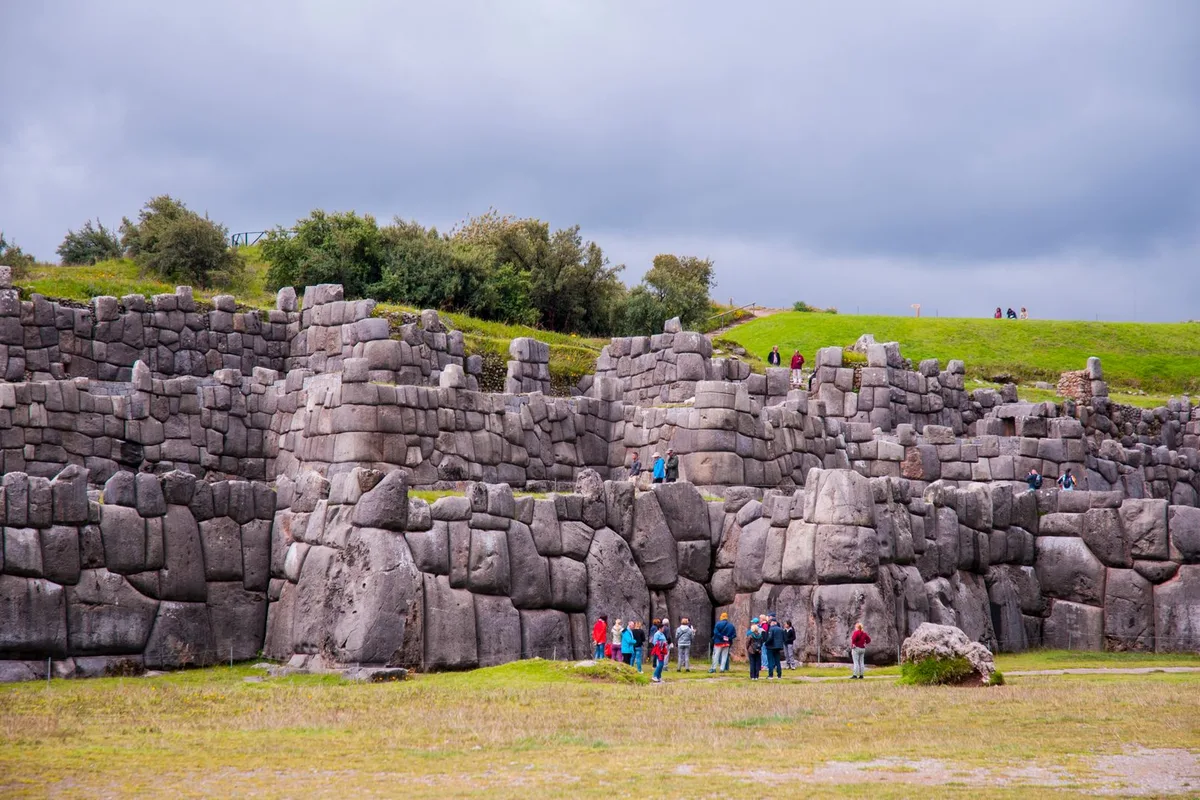
April to October is the dry season: blue mornings, cold nights and trails in their best shape. June is the peak of everything — Inti Raymi on the 24th, when the Inca festival of the sun is re-enacted from Qorikancha to Sacsayhuamán — while April, May, September and October bring thinner crowds. Nights in June and July drop close to freezing while days stay t-shirt warm, so pack a fleece and sunscreen.
November to March brings the greener, quieter version. Afternoons pour, trains switch to the bus-plus-train pattern via Ollantaytambo and Rainbow Mountain can vanish into cloud — you trade certainty for space and lower rates.
Budget by the fixed costs, not the headline. The Boleto Turístico is S/130, Qorikancha about S/15–20, Machu Picchu's Circuit 2 S/152 and a centro taxi about S/10; the variables are the room, the Sacred Valley day (from about US$26) and the guided Machu Picchu day (from about US$360 with the train).
What to pack
Tap items to check them off — your list is saved on this device.
Pack for cobbles, stairs and four seasons in a day — don't haul a heavy case up San Blas. This is the full list:
- Comfortable walking shoes Shop walking shoes on Amazon →
- Sunscreen Shop sunscreen on Amazon →
- Reusable water bottle Shop water bottle on Amazon →
- Phone charger and power bank Shop power bank on Amazon →
- Daypack Shop daypack on Amazon →
- Sunglasses Shop sunglasses on Amazon →
- Light rain jacket Shop rain jacket on Amazon →
Add warm layers for June and July nights and broken-in shoes for Inca stone streets.
Language, visa and entry
✓ Visa-free entry
Spanish runs Cusco. Hotel staff and tour offices work in English, but taxi drivers, market stalls and the Sacred Valley run on Spanish — and a greeting before a question is local etiquette.
Six phrases do most of the work:
Most visitors — Americans, Canadians, Britons, EU and Australian nationals among them — enter Peru visa-free for up to 90 days, with a passport valid at least six months. You clear immigration in Lima, not Cusco; the record is digital the TAM, and hotels may ask to see it.
eSIMs work from touchdown see Settle in, Claro and Movistar sell local SIMs around Avenida El Sol, and centro hotels run fast fibre WiFi.
Safety and health
Altitude is the main event
At 3,399 metres, mild headache, broken sleep and breathlessness on stairs are common and usually pass in a day or two. Pace the first 24 hours, drink water, go easy on alcohol and let coca tea and rest help. What should not be pushed through: a headache that keeps worsening, vomiting, confusion or breathlessness at rest — get medical help the same day; clinics treat it daily, and descending to the Sacred Valley is the definitive cure.
Agree every taxi fare before you ride
No taxi in Cusco runs a meter. Use the official desks at the airport, apps in town, or a fare agreed before the door closes — and keep small notes, change for a S/50 is rarely on board.
Watch small theft in busy places
San Pedro Market, the Plaza at festival time and bus and train stations reward a cross-body bag, a zipped daypack and a phone pocketed after photos. Draw cash at bank ATMs on Avenida El Sol in daylight rather than from lone machines at night.
Build slack into mountain plans
Strikes and road blocks can pause Sacred Valley roads and the Machu Picchu trains, and wet-season weather can close Rainbow Mountain. Keep the day before your Lima flight unscheduled, and check your tour is running the night before.
Related destinations
If you liked Cusco, try these next:


Frequently asked questions
Quick answers to the questions every Cusco arrival asks.
Verified October 2026
Almost everyone flies: enter at Lima, clear immigration and customs — a flight of about 1 hour 20 minutes to Alejandro Velasco Astete (CUZ). Leave two hours for the connection — more at peak times.
As early as you can. Entry is sold only on the official platform, passport-tied and timed; the Circuit 2 (S/152, about US$40) sells out weeks ahead, months in June to August. Book first, then fit trains and hotels around it.
Cusco sits at 3,399 metres; most visitors feel a headache, poor sleep or windedness on stairs. It settles in a day or two if you pace the first 24 hours, drink water and skip big nights out. Coca tea comforts; it is not a cure. Worsening symptoms — vomiting, breathlessness at rest — mean a same-day check; clinics treat altitude daily; descending to the Sacred Valley is the surest fix.
Cusco's Inca-site pass: S/130 (16 sites, ten days, including Sacsayhuamán and the Sacred Valley ruins) or a S/70 partial circuit. Buy it with your passport at COSITUC on Avenida El Sol 103 or any site gate. Qorikancha and Machu Picchu are not included.
No — drink bottled or filtered water, supplied everywhere, and brush with it while your stomach adjusts. Ice and salads are fine after day one.
April to October, the dry season, is best for Machu Picchu and Rainbow Mountain. June brings Inti Raymi on the 24th and the biggest crowds. November to March is greener, quieter and rainier, with wet-season trains via Ollantaytambo.
Prices and fares were checked in October 2026 against the operators and official sources named in this guide. Altitude affects everyone differently — if in doubt, ask your hotel to call a clinic.
Cusco, in your pocket
Landing soon? Get the printable PDF — ticket links, the airport transport cheat sheet, our 3 restaurant picks with maps, and the packing checklist. Everything above, formatted for your phone.
One email with your Cusco PDF. Fare changes and new guides after that. No spam, unsubscribe anytime.
Sources and last verified
Entry rules from Peru's official tourism portal, peru.travel. Hotel details and ratings from the Monasterio Expedia property page and Marriott's Palacio del Inka pages, opened October 2026. Boleto Turístico prices from COSITUC's tariff. Tour timings and prices from the GetYourGuide product pages named above, opened October 2026. Inti Raymi dates from PeruRail's festival guide. Photos from Pexels and the properties' own channels; Palacio del Inka doorway photo by Chalisimo5, Wikimedia Commons, CC BY-SA 4.0. Last verified October 2026.
Affiliate disclosure: hotel names, transfers, experiences, and products linked in this guide may earn After You Land a commission at no extra cost to you. Prices and times were checked in Oct 2026 and change often — confirm before you book.