
Beirut: your first hour after landing
You just landed in Beirut — Rafic Hariri International, a single busy terminal about 9 km south of the Corniche. Start with the honest part: the US government rates Lebanon Level 4, do not travel, and the UK advises against travel to whole districts of this city. This guide is written for the people who come anyway — family, roots, work, reporting. The airport is open, the taxis are fixed-fare, and the city beyond is the Beirut of the Corniche at sunset and mezze at midnight. This guide walks the arrival in order — the advisory picture, the cash reality, the ride in, where to sleep, the sights that are open, and the day trips, Baalbek’s warning included.
In this guide
You just landed in Beirut. Read the advisories before anything else — the US puts Lebanon at Level 4, do not travel, and the UK advises against travel to whole districts — then make the short hop in with cash dollars in your pocket and a taxi or Uber fixed before you land. Keep an Airalo eSIM live for maps and alerts, and book day tours only after checking the latest advice — Byblos and Jeita run north, in the calmer direction.
Quick facts
Airport
Getting in
Currency
Languages
Time zone
Emergency
Plugs
Tap water
Tourist tax
Best months
Map
Stays, sights, and landmarks in Beirut — live hotel prices plus the key places from this guide.
Settle in
Land at BEY and treat the first hour as logistics, not sightseeing: cash, data, a known ride and a hotel that answers its phone matter more here than anywhere.
Set up data before you leave home — a Lebanon plan on an Airalo eSIM loads in minutes, so maps, ride apps and embassy alerts work from arrivals. Alfa and Touch also sell tourist SIMs there.
Run the arrival checklist in this order:
- Carry US dollars in small bills — taxis, SIMs and most cafés run on cash
- Fix your ride before you land: the taxi desk in arrivals, an Uber, or a hotel car — never a driver soliciting in the terminal
- Re-check both advisories and your return flight the day before you fly
Keep documents boring: a passport copy on your phone, your hotel's address in Arabic or French, and cash for a taxi to the airport.
If a delay or cancellation wrecked the arrival, AirHelp checks whether the airline owes compensation; Compensair runs the same check.
Getting around
Times are airport to city centre.
Official airport taxi from the arrivals desk
The desk inside arrivals sells fixed-fare vouchers from the airport's posted price list — about US$15 to 20 to Hamra and US$20 to 25 downtown. Use the logoed official cars and ignore drivers soliciting inside the terminal.
Uber from arrivals
Recent arrivals report about US$13 in cash to Hamra; Bolt also lists Beirut and BEY as active. Pay cash — card payment is unreliable — and walk to the pickup point the app names.
Allo Taxi or a hotel-arranged car
Allo Taxi's app takes international numbers and quotes about US$20 to Hamra; most hotels will send a car for a similar fare. The calmest option for a first or late-night arrival.
Minivan toward Dora
The locals' way in: white minivans cross the city from beyond the airport checkpoint to Dora for about US$1 (a single traveller report, fare around LL100,000). No stops, no schedule and no luggage room — only with Arabic and a light bag.

Beirut runs on foot, taxis and apps — the visitor neighbourhoods line one coastal strip. There is no metro and no airport bus. The rides in from BEY:
Choose the taxi desk when you land tired — pay the posted fare, take the voucher, skip the haggling. Choose Uber or Bolt in the city: both operate in Beirut with upfront fares; recent arrivals report the airport run at about US$13 cash to Hamra.
In the city, the shared service taxi (say servees) is the local default: hail a car with passengers, name your district, pay the per-seat fare — the baseline sits around LL150,000 (under US$2), against roughly LL600,000 for the car to yourself. Agree which before you get in.
A Kiwitaxi transfer covers the airport run too — a driver in arrivals at a fixed price. Traffic is the city's one constant; army checkpoints are routine — keep ID handy.
In the city
Start at the National Museum of Beirut, on the old Green Line. The collection — Phoenician sarcophagi, the Colossi and Roman mosaics — is the country's memory in one building; it survived the civil war concreted into its own basement. Hours are short; go in the morning.
Walk downtown next: Nejmeh Square and its clock tower, the restored Beirut Souks, and the Mohammad Al-Amin Mosque. Rebuilt after the civil war, then battered again by the 2020 port explosion, the centre tells recent history without a guidebook.
Climb to the Sursock Museum in Achrafieh: a 1912 villa of contemporary art, open Wednesday to Sunday, 10:00 to 18:00, entry free. The St Nicholas stairs drop into Gemmayzeh.
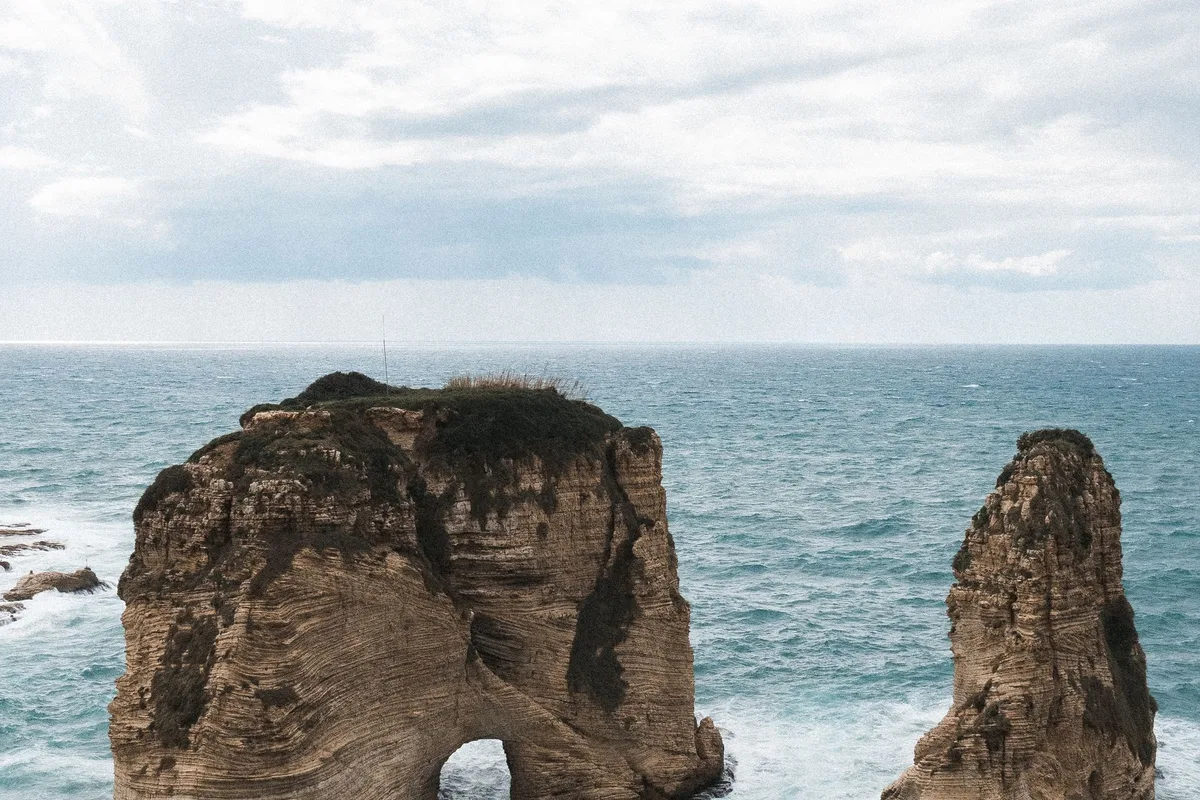
Spend golden hour on the Corniche. Walk the seafront from Zaitunay Bay to Raouché, where the Pigeon Rocks stand offshore — Beirut's postcard — with fishermen, coffee carts and half the city on the circuit.
End in Gemmayzeh and Mar Mikhael. Gouraud and Armenia streets carry the bars, galleries and small restaurants rebuilt after the 2020 explosion — the natural first evening, close to the hotels and busy until late. Browse GetYourGuide for guided walks and Klook for activities.
After you land in Beirut: Bookable experiences
Where to stay your first nights
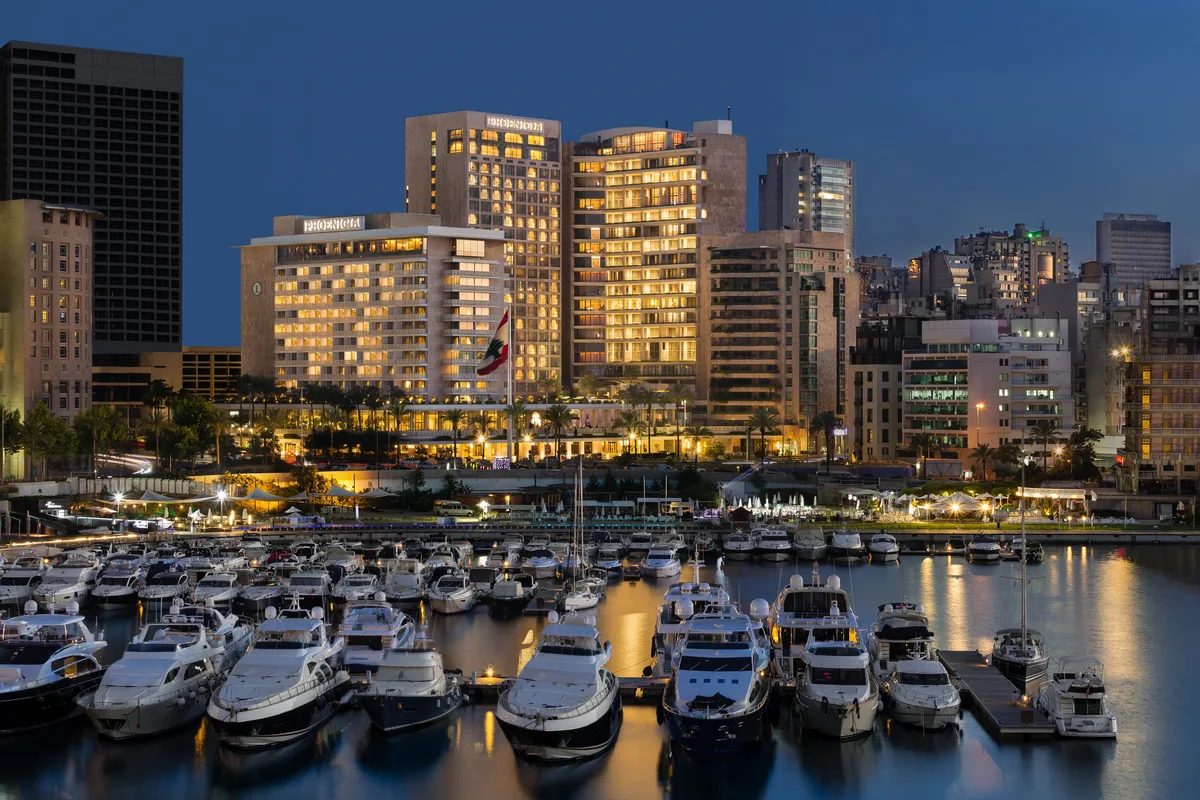
InterContinental Phoenicia Beirut.
Best for the full-service splurge — pools, spa and Zaitunay Bay on the CornicheStay on the Corniche at Minet El Hosn, in the landmark tower above Zaitunay Bay — indoor and outdoor pools, a spa, the marina at your feet. Its concierge desk is a real asset in a city where plans change. Book it for full-service calm.
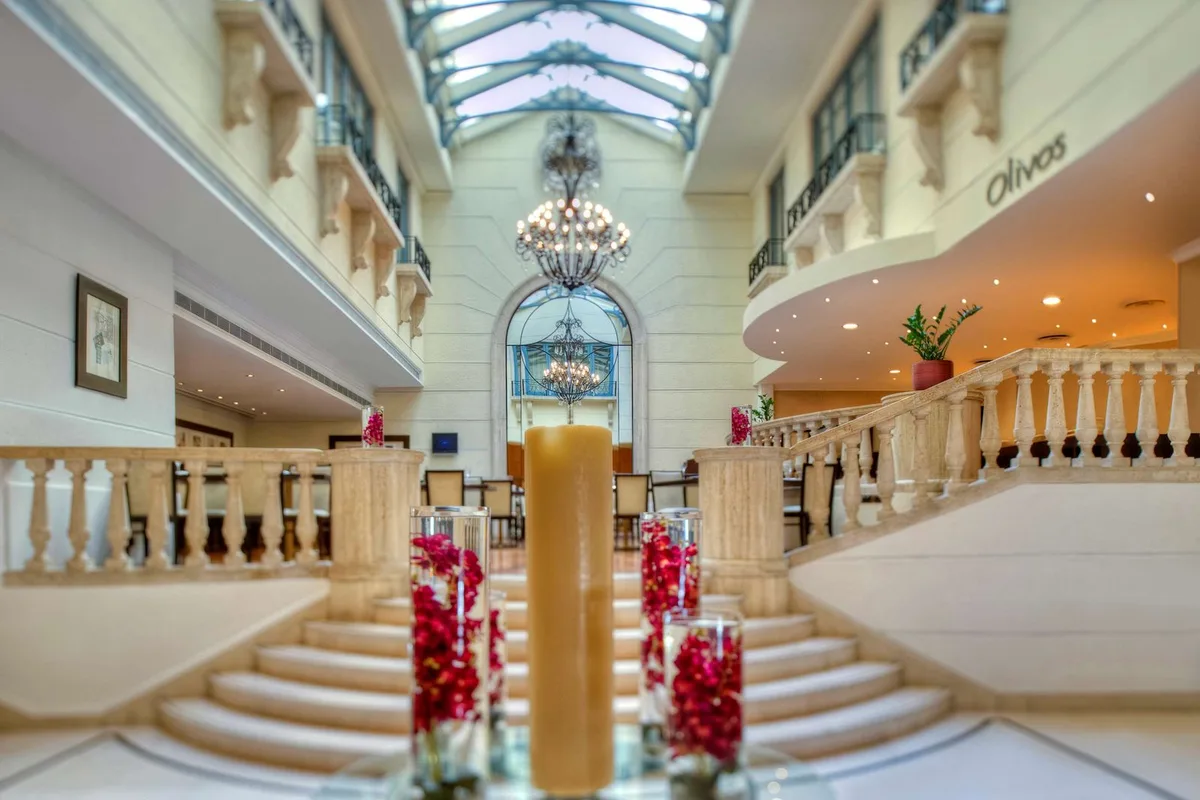
Radisson BLU Martinez Hotel, Beirut.
Best for a central five-star base — indoor pool and the Corniche four minutes awaySleep on Phoenicia Street in Ain El Mreisseh, four minutes' walk from the Corniche — a five-star with a columned indoor pool. Book it for big-hotel reliability a step below the Phoenicia's prices.
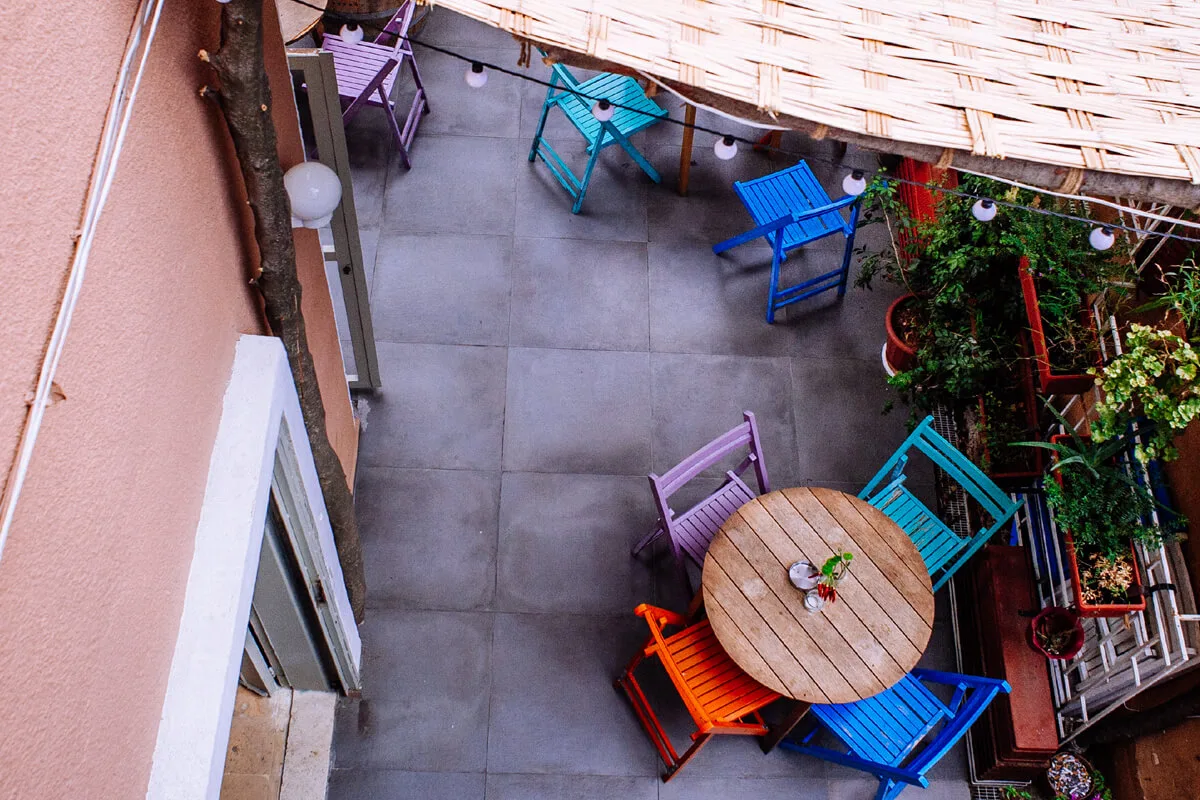
The Grand Meshmosh Hotel.
Best for Gemmayzeh on a budget — dorms, privates and a famous patioBed down at the St Nicholas stairs in Gemmayzeh, in dorms and private rooms around a leafy patio. East Beirut's travellers' meeting point since 2016. Book it for local knowledge and the patio.
Stay east or central: Gemmayzeh, Achrafieh, downtown and the Ain El Mreisseh waterfront put the sights a short ride away, and keep you clear of the southern districts the advisories name. Confirm it is operating on your dates before booking.
Book any of the three with free cancellation — in Beirut, the flexibility is worth more than the saving.
Where to eat first

Eat close on day one — three tables cover the city's range. Order mezze to share, always: hummus, tabbouleh, fattoush and batata harra.
Le Chef, Gouraud Street, Gemmayzeh.
Start where Beirut eats lunch — a no-frills canteen serving home-style dishes to workers, artists and half the neighbourhood. Cash and quick; staff steer you to the dish of the day. Go at noon.
Tawlet, Armenia Street, Mar Mikhael.
Eat the farmers' kitchen of the Souk El Tayeb project — a lunch buffet cooked daily by a guest cook from a different Lebanese village, so the menu tours the country on one table. Lunch Monday to Saturday.
Em Sherif, Rue Victor Hugo, Monot, Ashrafieh.
Book the set-menu splurge — course after course of refined Lebanese classics in an oriental dining room, with live music in the evenings. There is no menu; the kitchen decides generously. Reserve ahead.
Save room for the street: manoushe for breakfast, falafel in Hamra, and knafeh wherever a queue forms. For food tours, browse GetYourGuide and book ahead for weekends.
Day trips and more
Three escapes cover the essentials: a Phoenician port, the great grotto and Harissa, and Rome's grandest temples at Baalbek — the third with a warning below. Compare routes on Klook.
Byblos
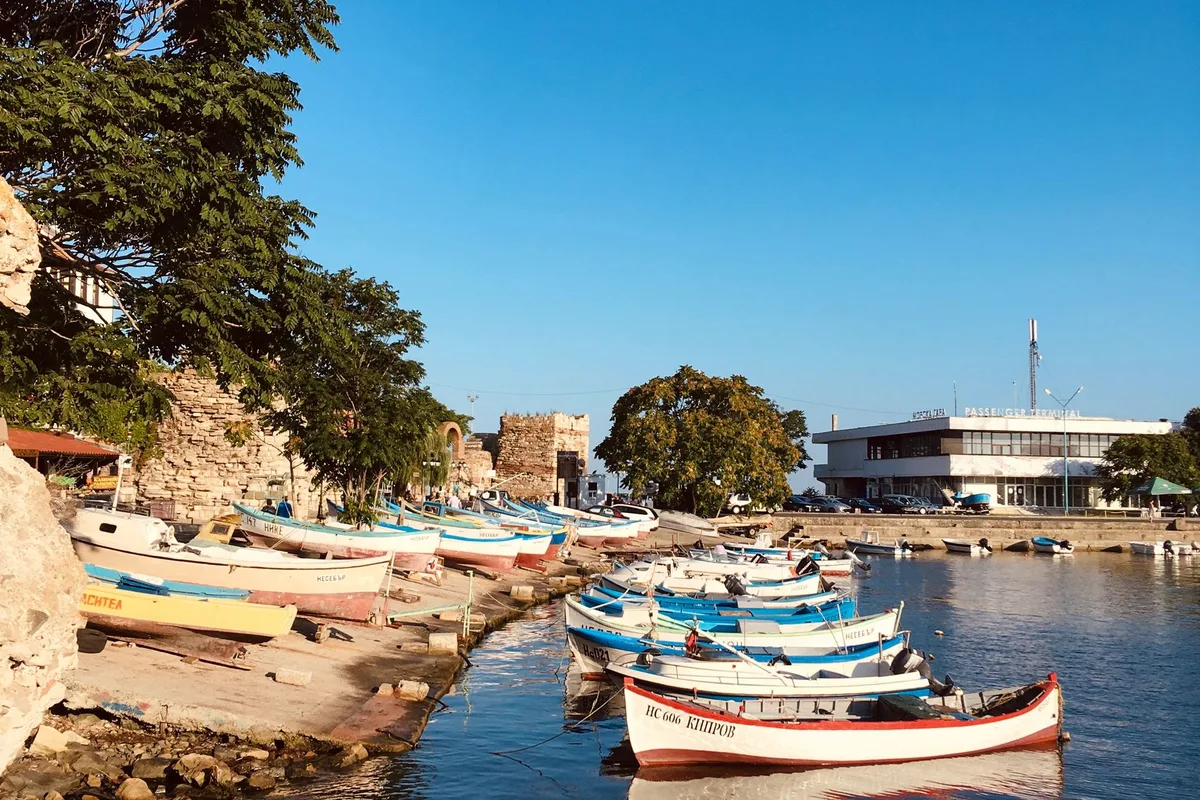
Ride north to one of the oldest inhabited cities on Earth: a Crusader castle above a working fishing harbour, Roman columns by the sea, and old souks where the alphabet spread. Lunch is fish by the port. The private version runs nine to ten hours with pickup, from about US$200 per group, Jeita and Harissa folded in. Check availability →
Jeita Grotto and Harissa
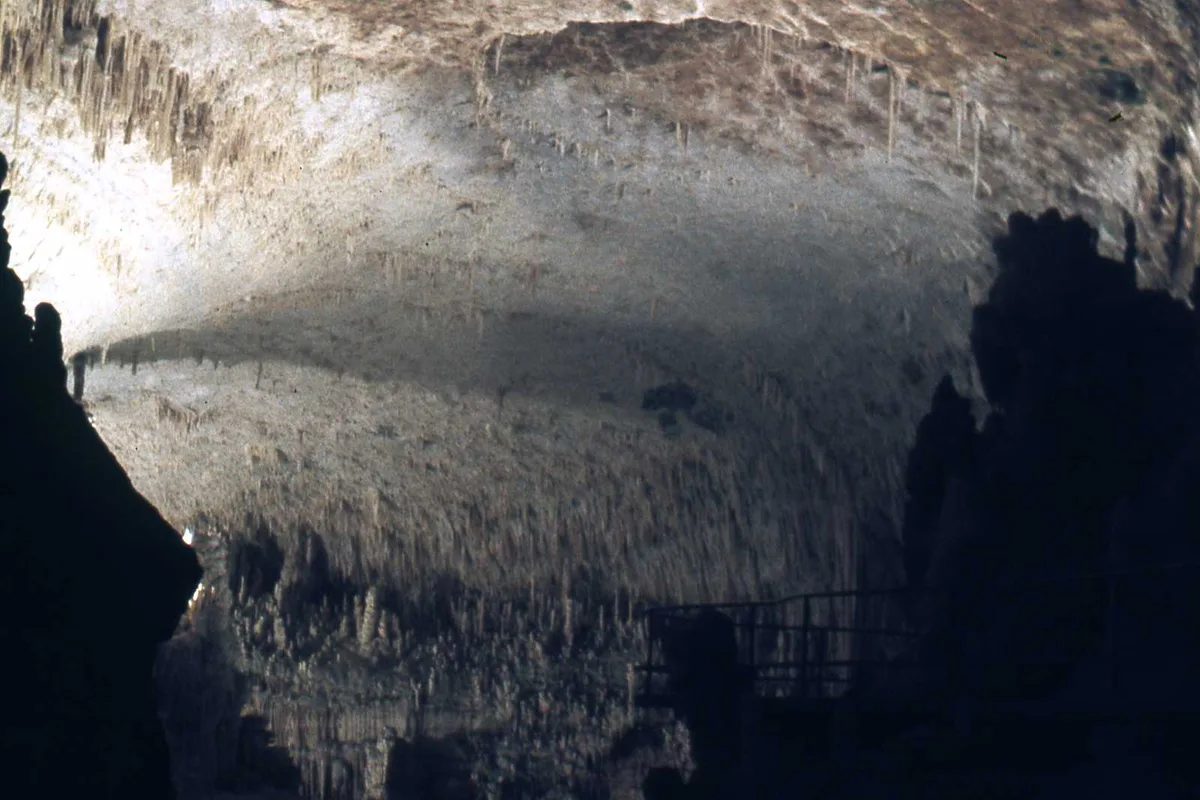
Ride the cable car through Jeita's upper gallery — a cathedral of stalactites — then boat the lower grotto's underground river (closed Mondays, and when winter water runs high). Then Harissa: the Téléphérique climbs to the Our Lady of Lebanon statue above Jounieh Bay. The group version runs seven hours with pickup, from about US$120. Check availability →

Baalbek
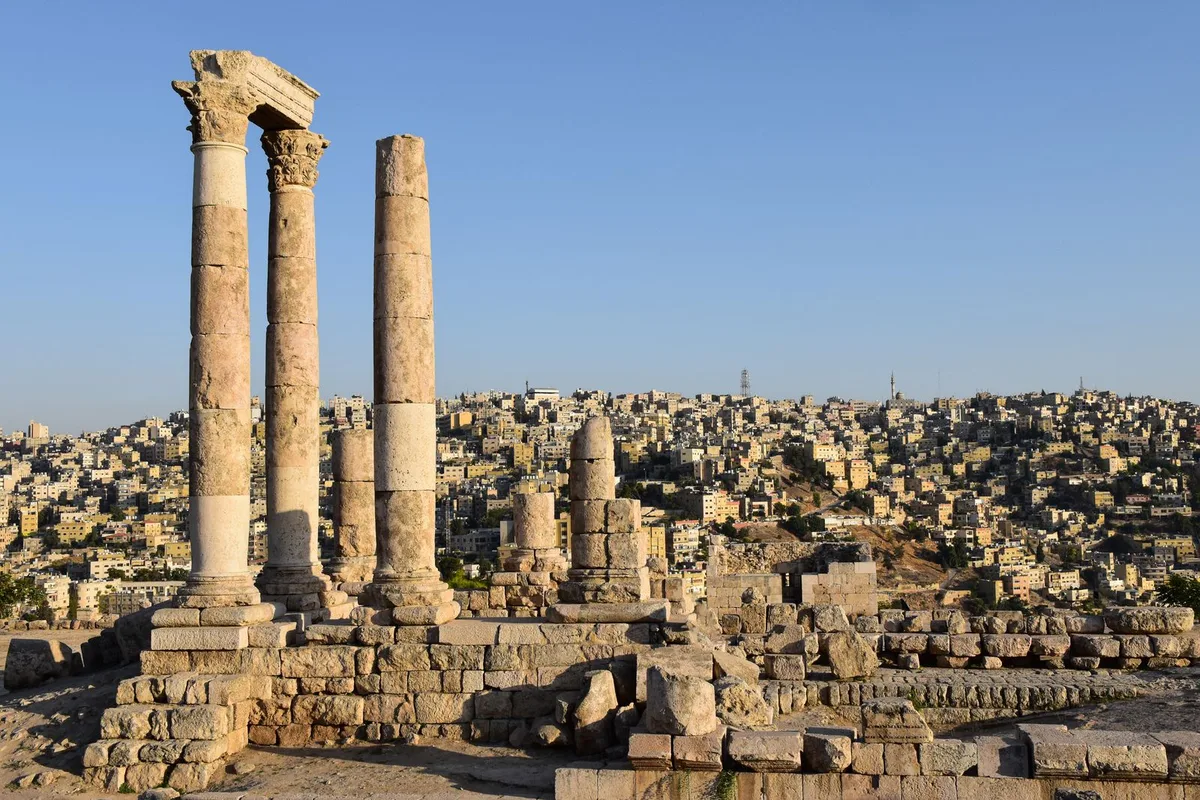
Cross the mountains to the Beqaa for the Temple of Jupiter's six standing columns and the Temple of Bacchus, the best-preserved Roman temple anywhere. Now the warning, plainly: the FCDO advises against all but essential travel to Baalbek-Hermel Governorate, the US advisory covers the country at Level 4, and the Beqaa has seen airstrikes since 2024. Most readers should not make this trip. If you go anyway, use an established operator and check the news that morning. Tours with pickup, entries and lunch run from about US$140. Check availability →
Leave a spare day for Batroun's old town or the Chouf mountains and Beiteddine Palace.
When to go and what it costs
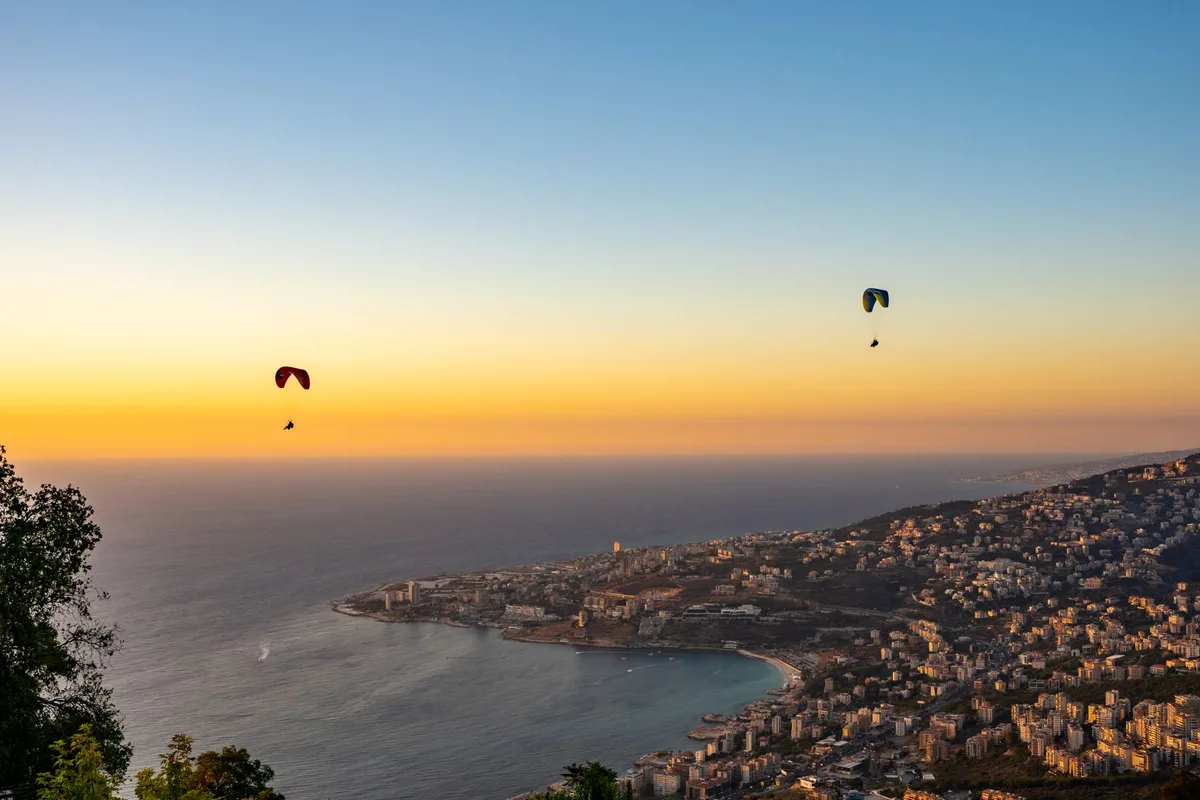
Come April to June or September to November for the city's best self — warm sea, dry streets, and the Corniche full at sunset.
Come in July or August for the diaspora summer — half of Lebanon abroad flies home, the city parties, and rooms and flights price accordingly, in humid heat.
Winter (December to February) is the quiet, cheaper city: mild days, rain between them, snow an hour uphill. The lower grotto at Jeita closes when the river runs high.
Budget in cash dollars, not card taps. Rooms run from about US$70 at the Grand Meshmosh to US$300-plus at the Phoenicia; a mezze lunch for two lands near US$30 to 60. Keep an Airalo eSIM live for maps and daily alerts, and pre-book the Kiwitaxi transfer back to BEY with a generous buffer: checkpoints and traffic, not distance, set the timing.
What to pack
Tap items to check them off — your list is saved on this device.
Pack for a walking city with a cash economy. This is the full list:
- Comfortable walking shoes Shop walking shoes on Amazon →
- Sunscreen Shop sunscreen on Amazon →
- Reusable water bottle Shop water bottle on Amazon →
- Phone charger and power bank Shop power bank on Amazon →
- Daypack Shop daypack on Amazon →
- Sunglasses Shop sunglasses on Amazon →
- Light rain jacket Shop rain jacket on Amazon →
Add the Beirut extras: a plug adapter covering types C and G, a passport photocopy for checkpoints, a light layer for museums, and a modest outfit — shoulders and knees covered — for mosques and churches.
Language, visa and entry
! Check visa requirements before you fly

Arabic runs Lebanon, French a close second in Beirut, and English is widespread — hotels, restaurants and younger Beirutis switch without blinking. A greeting in Arabic still opens doors.
Six phrases do most of the work:
Sort entry paperwork before booking anything non-refundable. Citizens of the US, the UK, the EU, Canada, Australia and New Zealand normally receive a free one-month visa on arrival at BEY — bring a Lebanese address, a phone number and a return ticket. Keep three months' validity on your passport.
Two hard rules apply. Any Israeli stamp, visa or seal means refusal of entry, full stop. Entry rules change with circumstances: confirm with the embassy or General Security before you fly. Overstays are fined at departure, in lira only.
Safety and health
Read the advisories first — they are the headline fact of this guide
The US State Department rates Lebanon Level 4, do not travel (reissued 21 August 2026), citing crime, terrorism, unrest, kidnapping, landmines and armed conflict. Standard travel insurance is usually void against government advice. If you come — for family, roots, work or reporting — register with your embassy, follow local news daily, and keep a live departure plan.
Stay out of the districts the advisories name
Do not enter the southern suburbs (Dahieh), the South and Nabatiyeh governorates, the Syrian border areas or any Palestinian camp, and treat the Beqaa and Baalbek as essential-travel-only (see Day trips). Avoid protests and military sites; never photograph soldiers or checkpoints, and if you hear celebratory gunfire, get indoors, away from windows.
Move deliberately, and keep your exit funded
Use app rides (Uber, Bolt) or hotel taxis at night; scams and assaults in shared service taxis are reported — never take one alone after dark. Army checkpoints are routine: slow down, be polite, have your passport copy ready. Keep enough US cash for a taxi to the airport and a changed flight.
Look after health the boring way
Bring every prescription medicine you need — supplies can run short. Beirut's hospitals expect payment up front, in cash or dollars. Red Cross ambulance is 140; emergencies are 112. If your insurance excludes Lebanon, decide with open eyes — not at the hospital desk.
Related destinations
If you liked Beirut, try these next:

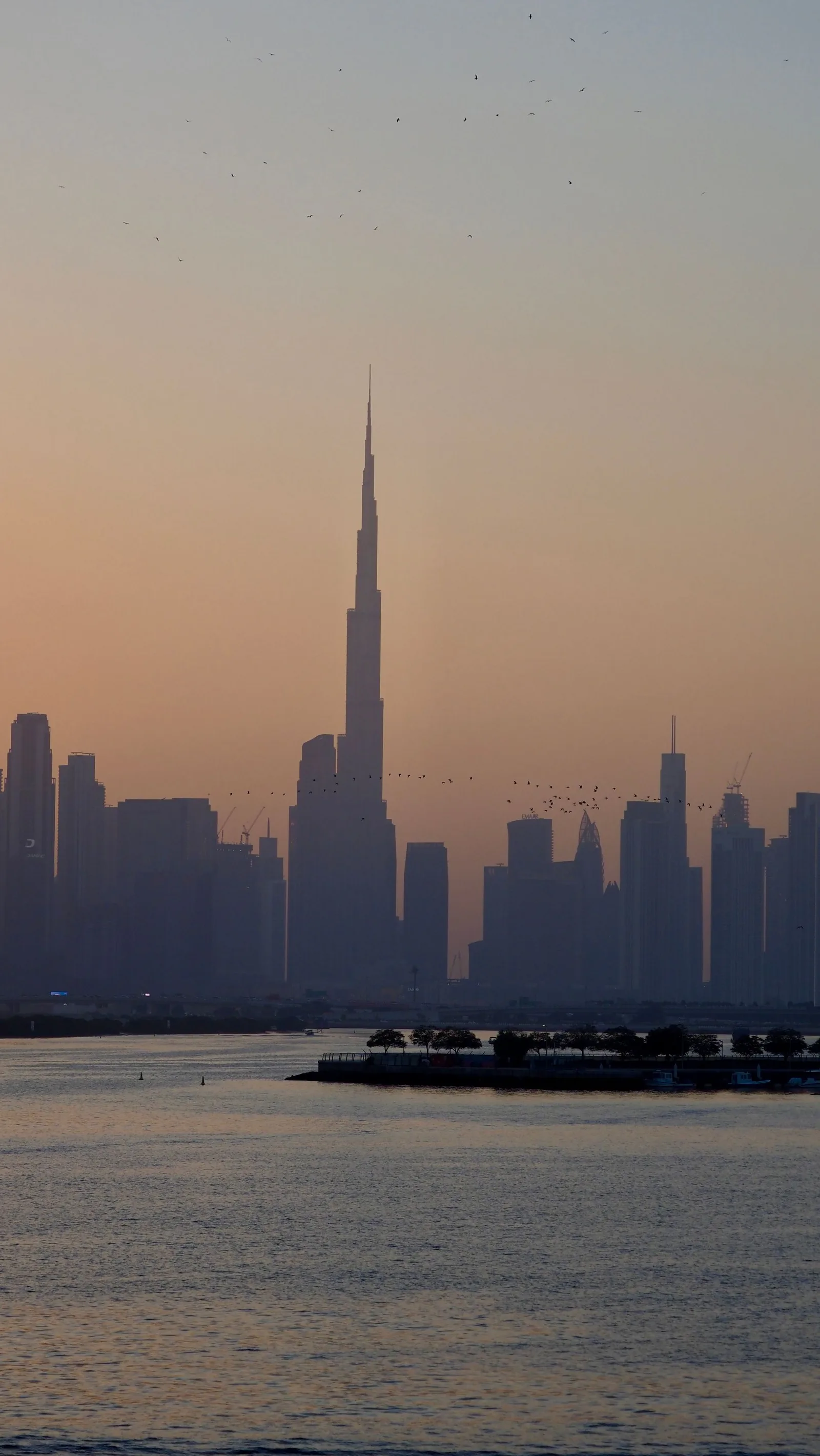

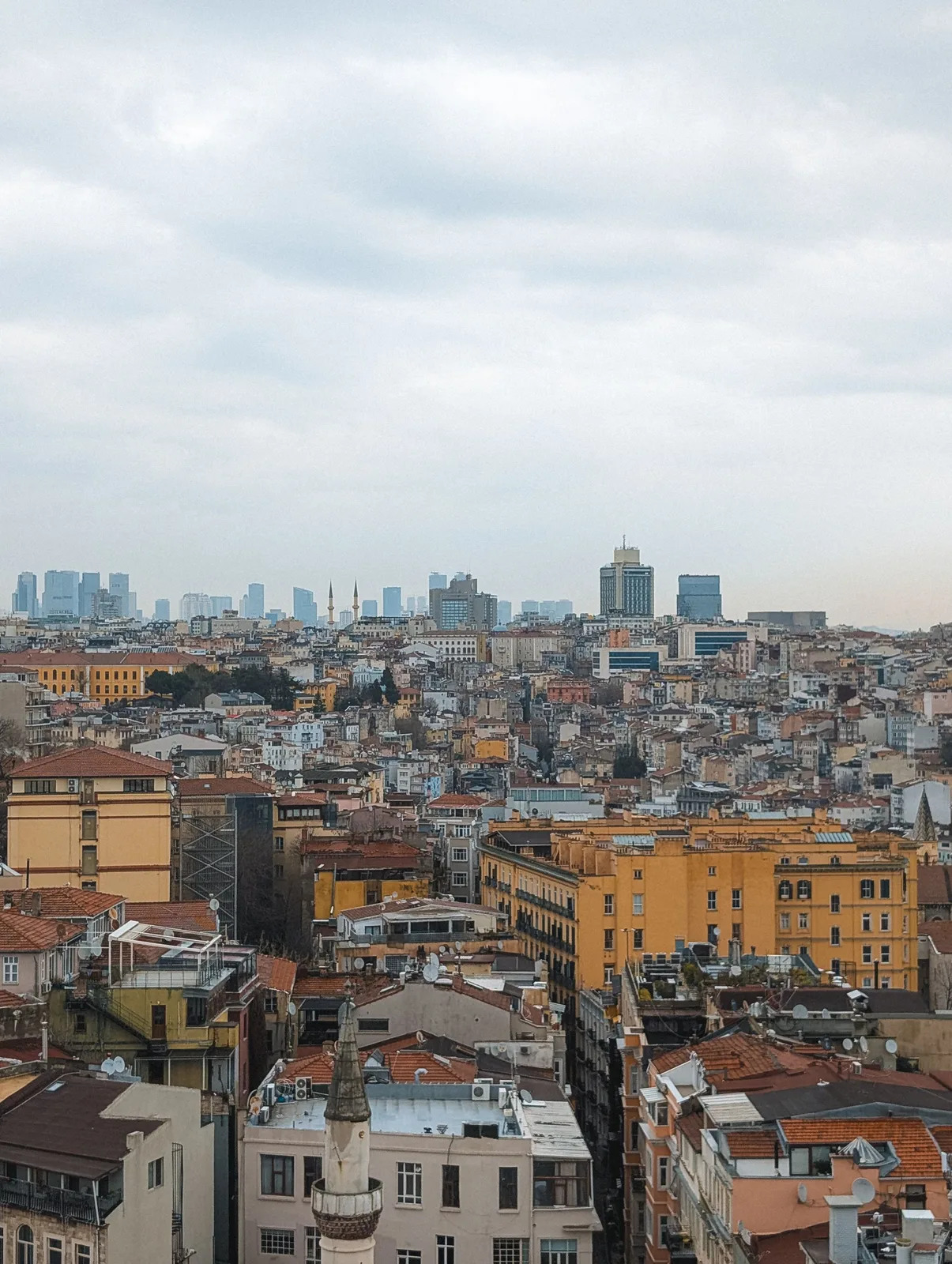

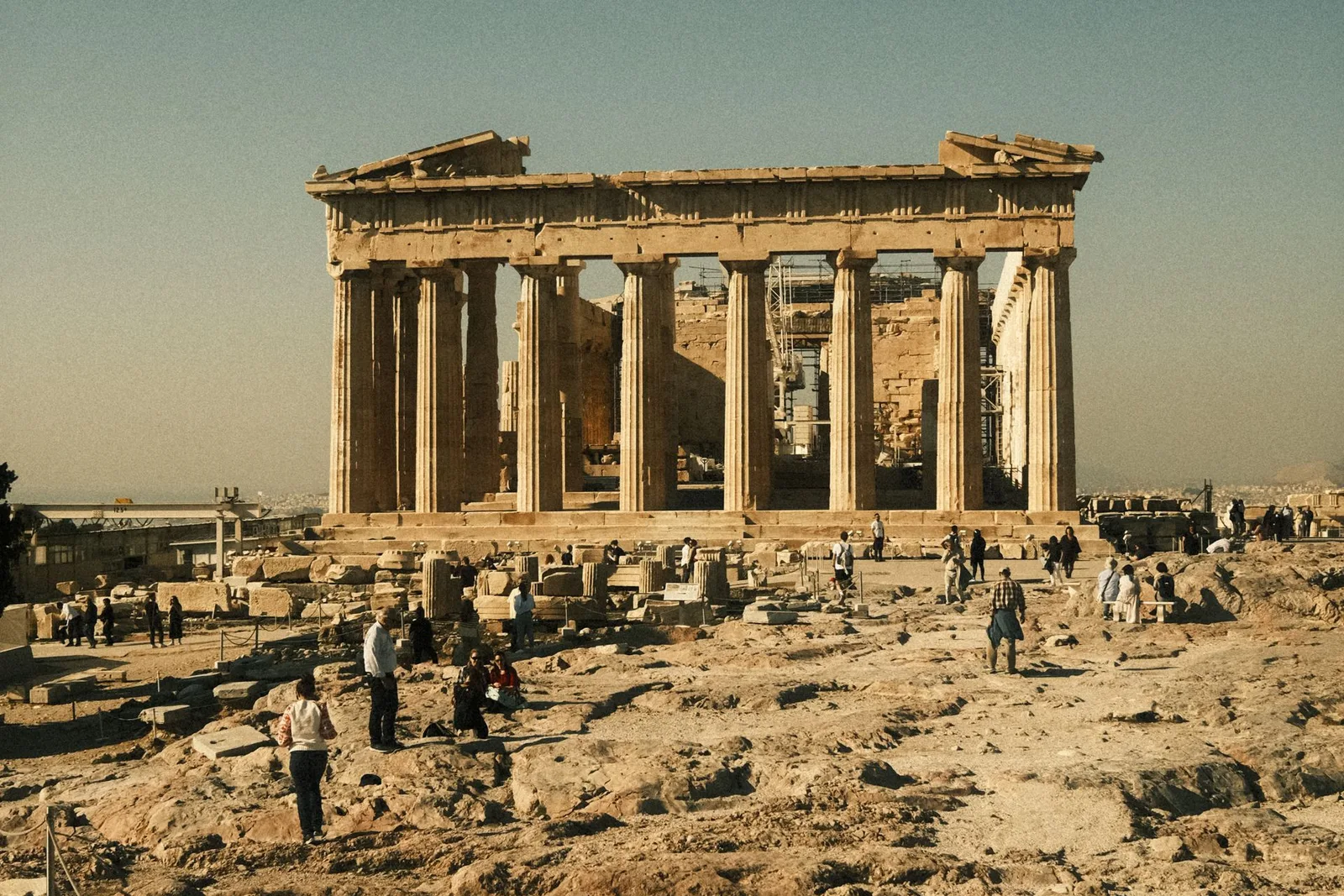
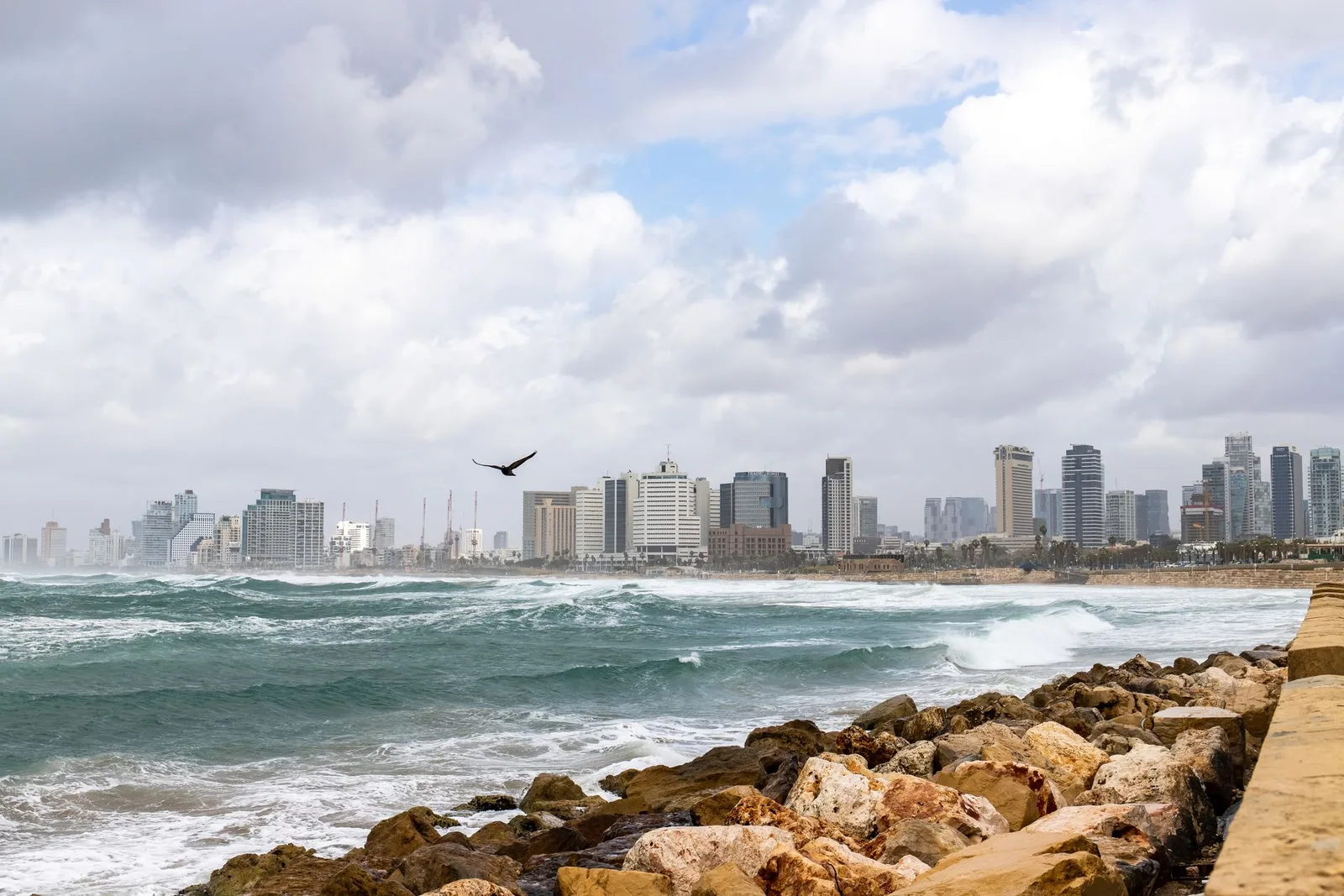

Frequently asked questions
The advisories, the arrival and the money, in short.
Facts checked October 2026.
The US State Department rates Lebanon Level 4, do not travel (reissued 21 August 2026), and the UK FCDO advises against all travel to Beirut's southern suburbs, the south and parts of the Beqaa, and all but essential travel elsewhere. People travel anyway — for family, roots and work — but standard insurance is usually void against official advice.
There is no public transport from BEY. The official taxi desk in arrivals sells fixed fares — about US$20 to the centre — Uber and Bolt pick up for about US$13 to Hamra, and most hotels will send a car for around US$20. About 20 minutes outside rush hour.
Usually, yes. Citizens of the US, the UK, the EU, Canada, Australia and New Zealand normally receive a free one-month visa on arrival at BEY — bring a Lebanese address, a phone number and a return ticket, and keep three months' validity on your passport. Any Israeli stamp or seal means refusal. Rules change with circumstances — confirm with the Lebanese embassy before you fly.
US dollars, in cash. Official and street rates have sat at about 89,500 Lebanese pounds to the dollar since early 2024; prices are often quoted in dollars, and change comes back in lira. Cards work in big hotels and some restaurants, but cash is the plan, not the backup.
Yes. Beirut Rafic Hariri International (BEY) is open and operating, with Middle East Airlines and a reduced roster of foreign carriers — the FCDO's Lebanon page says the same. Schedules can change at short notice — check your flight the day before.
April to June and September to November: warm sea, dry streets and the Corniche at its best. July and August bring heat, humidity and diaspora-season prices; winter is mild and quieter, and the lower Jeita grotto sometimes closes in high water.
Advisories, fares and rates checked October 2026. Lebanon sits at US Level 4 — do not travel — and the FCDO advises against travel to parts of the country; re-check both before any trip.
Beirut, in your pocket
Landing soon? Get the printable PDF — ticket links, the airport transport cheat sheet, our 3 restaurant picks with maps, and the packing checklist. Everything above, formatted for your phone.
One email with your Beirut PDF. Fare changes and new guides after that. No spam, unsubscribe anytime.
Sources and last verified
Advisories against the US State Department's Lebanon advisory (Level 4, reissued 21 August 2026), the US Embassy Beirut security alert of 18 October 2026, and the FCDO Lebanon pages, read in full on 22 October 2026. Airport operations against live Middle East Airlines schedules for 22 October 2026. Exchange rate against the Association of Banks in Lebanon (89,500 LBP per dollar, Circular 167, since 31 January 2024). Airport fares against travellers' reports of the arrivals price list (taxi desk US$15 to 25 by zone; Uber about US$13 to Hamra; Allo Taxi about US$20). Museum hours against the Sursock Museum's own site and National Museum listings. Visa rules against the FCDO entry section. GetYourGuide products opened and read: Jeita, Harissa and Byblos private tour (t986726), group tour (t442283), Baalbek and Ksara tour (t382614), October 2026 departures. Hotels against Expedia listings. Photo credits: Pexels, Wikimedia Commons (licenses in the spec), the hotels' own sites. Last verified October 2026.
Affiliate disclosure: hotel names, transfers, experiences, and products linked in this guide may earn After You Land a commission at no extra cost to you. Prices and times were checked in Oct 2026 and change often — confirm before you book.