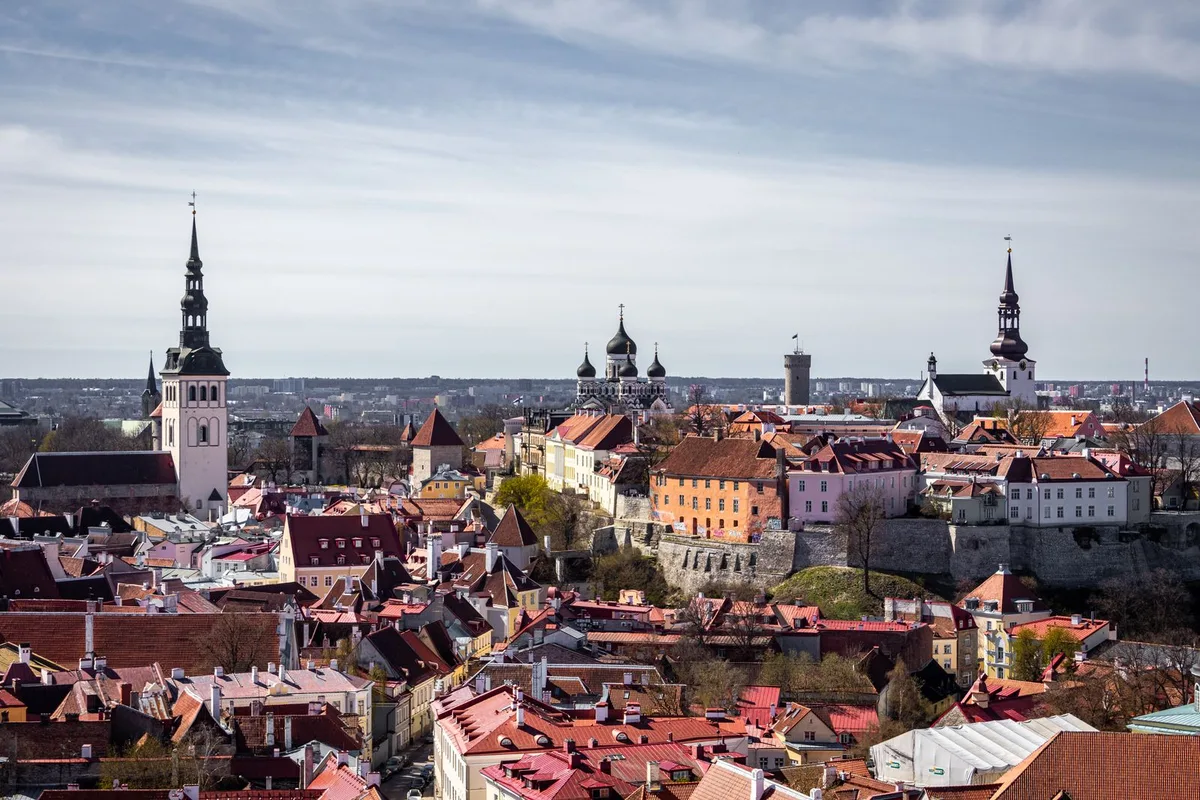
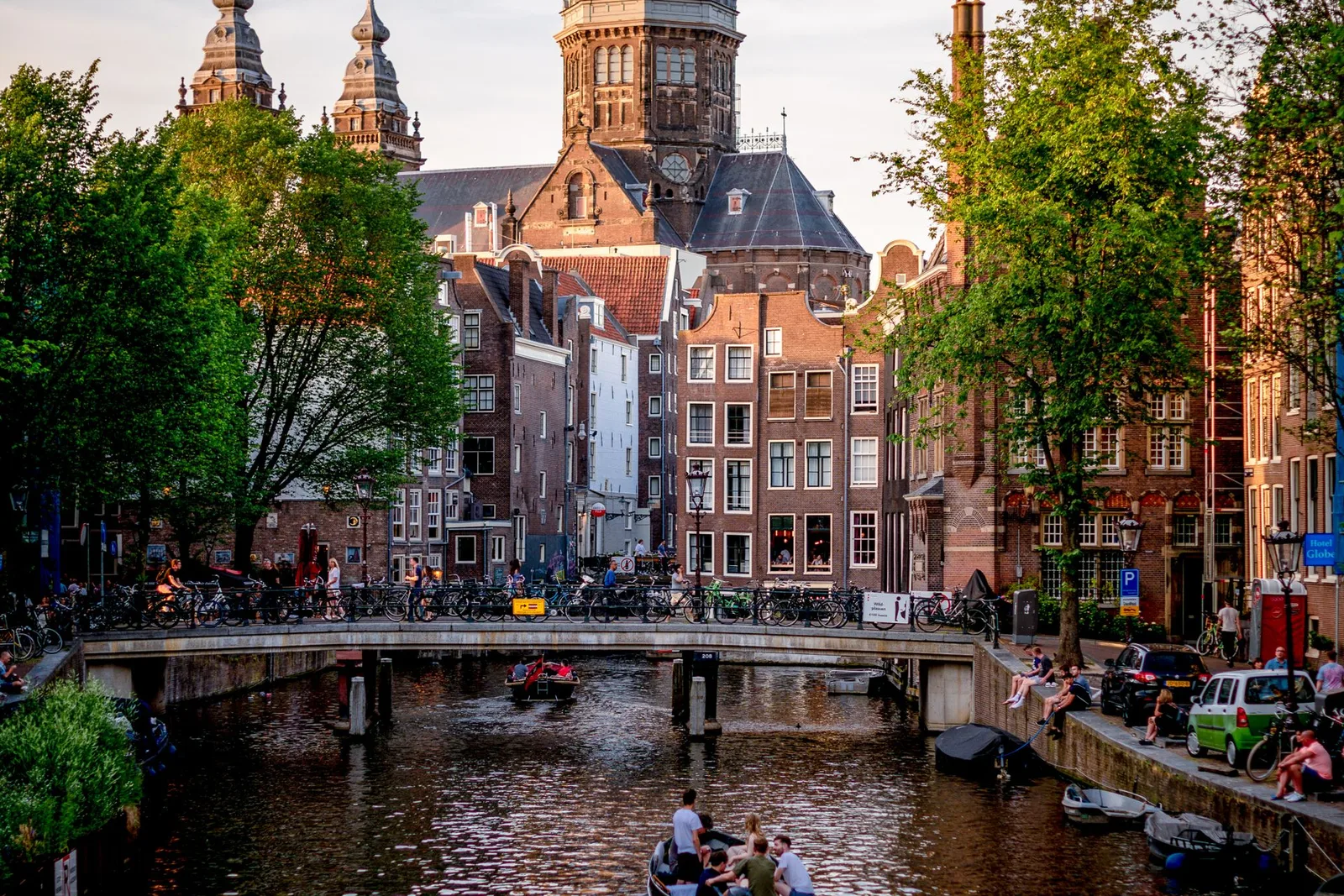
You have just landed in Copenhagen — a harbour city that runs on bicycles, where the airport Metro reaches Nyhavn’s coloured houses in fourteen minutes. This guide covers the ride in, Tivoli in its seasons, smørrebrød and wienerbrød, the castles and canal boats, Hamlet’s castle and Malmö across the bridge, and the one thing older guides get wrong this year: the blue Rejsekort is gone.
By Paul GreenUpdated Oct 202613 min readPrices checked Oct 2026
You just landed in Copenhagen. The Metro M2 runs from the airport to Kongens Nytorv in 14 minutes, around the clock, on a 30 kr three-zone ticket — and the blue Rejsekort card no longer exists, so visitors now ride on the Rejsebillet app or a City Pass. Sort your Airalo eSIM before you land, and book Tivoli Gardens entry ahead — Tivoli is date-priced and sells out on peak days, and Denmark charges no tourist tax.
Quick facts
Airport
Copenhagen Airport (CPH), Kastrup, about 8 km south-east Terminal 3 handles arrivals: metro and railway stations, Øresund trains on to Sweden.
Getting in
Metro 14 minutes, train 13, bus about 35 the M2 runs from Terminal 3 to Kongens Nytorv for 30 kr, around the clock; trains reach København H, bus 5C the slow way, both 30 kr. Door-to-door: Kiwitaxi, flight-tracked.
Currency
Danish krone (DKK, kr) roughly six to seven to the US dollar. Denmark is nearly cashless — tap card or phone; MobilePay needs a Danish account.
Languages
Danish, with English everywhere Danish is mumbled and impossible to guess; Danes speak English superbly. A tak earns a smile.
Time zone
CET (UTC+1), CEST (UTC+2) in summer from the last Sunday of March to the last Sunday of October; daylight from about seventeen and a half hours in late June to barely seven at the solstice.
Emergency
112 Police, fire and ambulance: 112, English-speaking operators. Police non-emergency is 114; the capital region’s medical helpline is 1813, around the clock.
Plugs
Type C, F and K, 230V Type K, but two-pin Type C and earthed Type F fit. British and North American plugs do not: pack a converter.
Tap water
Excellent drawn from deep groundwater, needing almost no treatment. Refill at any tap, free.
Tourist tax
None No tourist, hotel or visitor tax, and councils cannot invent one; a proposed Copenhagen levy of 20 kr a night was dropped from the 2027 finance bill. The price you see, 25% VAT included, is what you pay.
Best months
May, June and September Long daylight before the July crowds. December trades daylight for Tivoli’s Christmas season.
Map
Find your arrival stop, hotel, and first meal. Stays, sights, and landmarks in Copenhagen — live hotel prices plus the key places from this guide.
Set up an Airalo eSIM before you fly, or a Saily while you wait for your bag.
Get the Rejsebillet app — and forget the blue Rejsekort
Singles and City Passes live in the app now; airport machines sell the same by card. Getting around has the 2026 change in full.
Choose the airport ride by where you sleep
Metro for Kongens Nytorv; train for Central Station, Tivoli and Vesterbro.
Download an offline map of the centre
Indre By’s lanes scramble direction, and the harbour wind eats phone batteries.
Book Tivoli and Rosenborg ahead in season
Both sell timed entry, and the slots go days ahead in summer and at Christmas.
Learn the lakes line first
The Søerne are the compass: centre one side, Nørrebro and Østerbro the other, Frederiksberg at the far end.
Stock up at Netto, Føtex or Rema 1000
Prices soften the shock, and with no alcohol monopoly, supermarkets sell beer, wine and spirits.
Copenhagen is a harbour city that never quite decided to be grand. The centre, Indre By, is a walkable knot of lanes around Strøget: Nyhavn’s harbour at its eastern end, Kongens Nytorv beside it, parliament on Slotsholmen. Knippelsbro crosses to Christianshavn; the Inderhavnsbroen, the kissing bridge, links Nyhavn across. Around it: Vesterbro, west of Central Station; Nørrebro, young and multicultural; Østerbro, calm and well-heeled; Christianshavn, canals, Christiania at the far end. Base in Indre By, Vesterbro or Frederiksberg.
Getting around
Journey times are approximate and refer to the listed stop — not necessarily your hotel. Allow extra time for waiting, walking, and connections.
Metro M2
Driverless from Lufthavnen, every few minutes, 24 hours. Three zones; Kongens Nytorv, or change for the M3 circle — no Central Station
Price30 krJourney14 minutes
Train to København H
DSB and Øresund trains from beneath Terminal 3, several times an hour — for Tivoli, Vesterbro and Central Station hotels; same platforms for Malmö
Price30 krJourney13 minutes
Bus 5C
Outside Terminal 3 through Amager to Nørreport and Nørrebro. Same fare; slower, handy if your bed sits on its route
Price30 krJourneyAbout 35 minutes
Taxi
Cabs from the rank — regulated, card-friendly, tips included. Tariffs vary under a national cap; an app booking fixes the price
Price250-350 krJourneyAbout 20-30 minutes
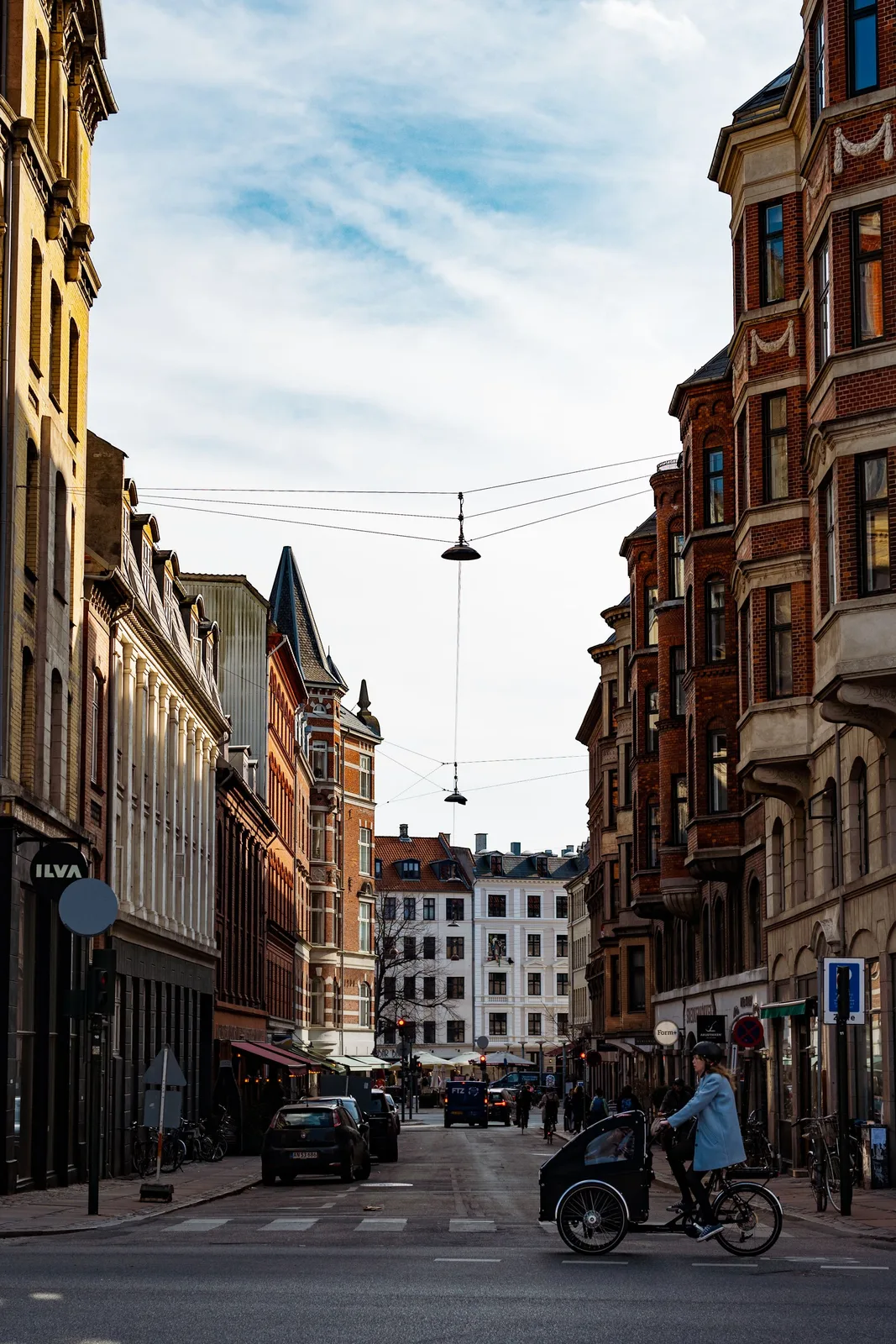
The centre is at walking scale — Nyhavn to Tivoli is a 20-minute stroll — but the harbour splits it and the bicycle is its circulatory system. Underneath run the Metro lines and the S-trains to suburbs and castle towns. The airport rides:
One zonal ticket covers metro, bus, S-train, train and harbour buses. Centre trips: two zones at 24 kr; the airport run three at 30 kr. For three or four rides daily, the City Pass Small gives 24 hours unlimited, zones 1-4 and airport included, for 100 kr. Two under-12s ride free with each adult; ages 12 to 15 pay half.
The system changed in 2026. The Rejsekort was withdrawn at the end of June 2026: pay-as-you-go moved to the Rejsekort app, tickets and City Passes to Rejsebillet, and a Basiskort exists for the phone-free. Choose singles or a City Pass in Rejsebillet, bought before boarding. The penalty for riding without a valid ticket is steep.
Do what the city does: cycle. The lanes carry more traffic than the roads; Donkey Republic’s bikes wait on racks citywide. The lanes are traffic — never walk or drive in one.
If you want to be met, Welcome Pickups runs airport pickups, driver tracking your flight.
In the city
The sights cluster: old town, palaces and Tivoli within a 20-minute walk. A first day flows — Nyhavn and the palaces, a canal boat after lunch, Tivoli as the lights come on.
Tivoli Gardens. The 1843 garden Walt Disney came to study: a pantomime theatre and coasters, beside Central Station. Entry is date-priced — 150 to 200 kr for adults; rides extra, a ride pass from about 300 kr. Friday evenings in summer bring Fredagsrock concerts, included. It opens in seasons and closes for weeks — check the calendar, then book Tivoli Gardens entry tickets.
The canal cruise. One hour is the fastest way to read the city: boats from Nyhavn and Ved Stranden pass the Opera House, Christiansborg and the Little Mermaid. Stromma runs 130 kr; Netto-Bådene’s boats a near-identical route for 60 to 80 kr. The Copenhagen Card includes the Stromma tour.
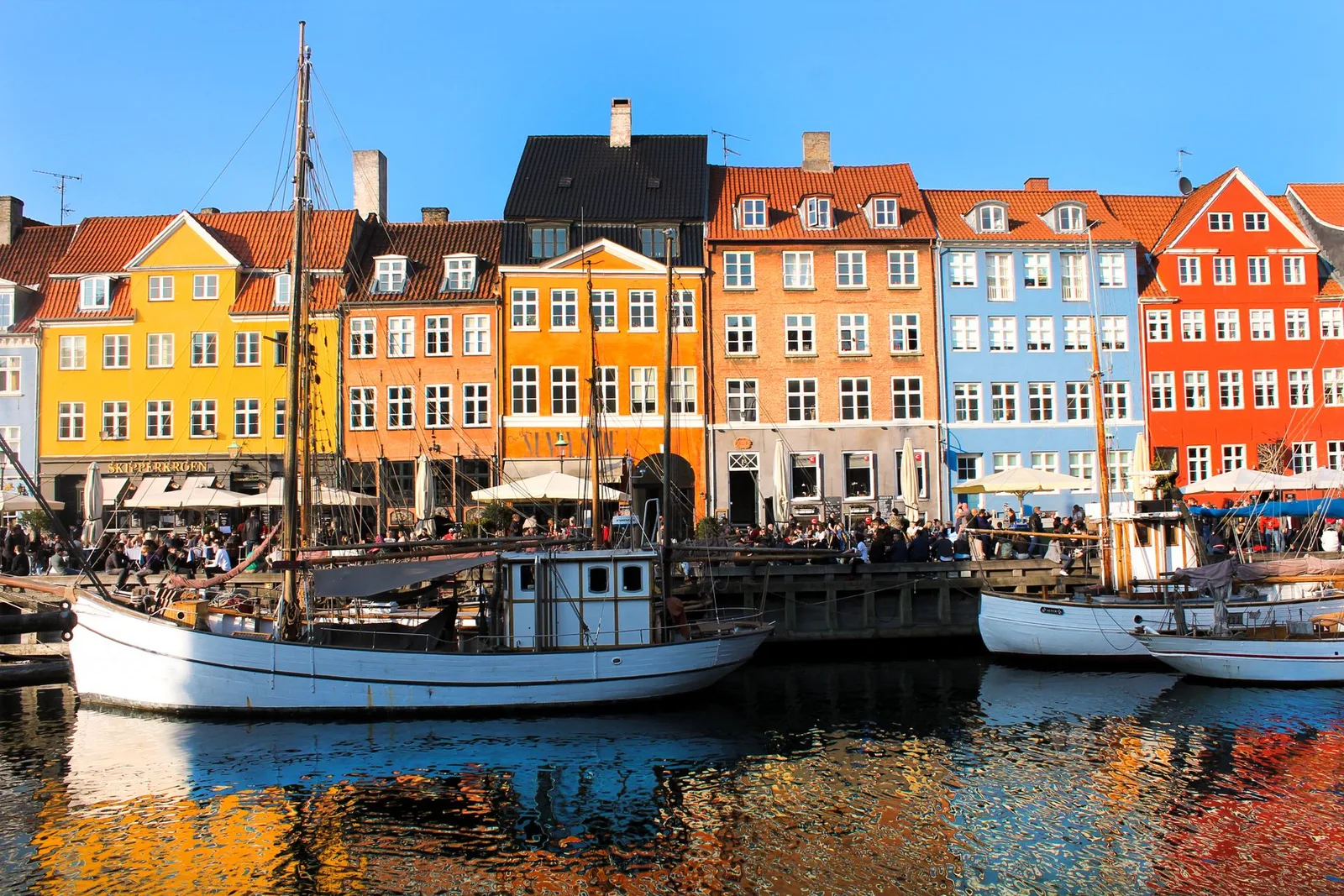
Nyhavn. The 1670s harbour canal of coloured townhouses and ships: free to wander, ruinous to drink on — join the locals with a shop-bought beer. Hans Christian Andersen wrote his fairy tales at No. 20, and lived at Nos. 67 and 18.
Rosenborg Castle. Christian IV’s Renaissance palace, the monarchy’s treasury: royal rooms ending in the basement vault and the crown jewels. Entry 140 kr including the Treasury; under-18s free; the King’s Garden free. Entry is timed and the summer queue is real — book Rosenborg Castle tickets ahead.
The Little Mermaid and Kastellet. She is 1.25 metres of bronze on a rock, unveiled in 1913; the joy is the walk out along Langelinie — go early, before the tour groups. Beside her, Kastellet’s ramparts and windmill are free, the Gefion Fountain at its gate.
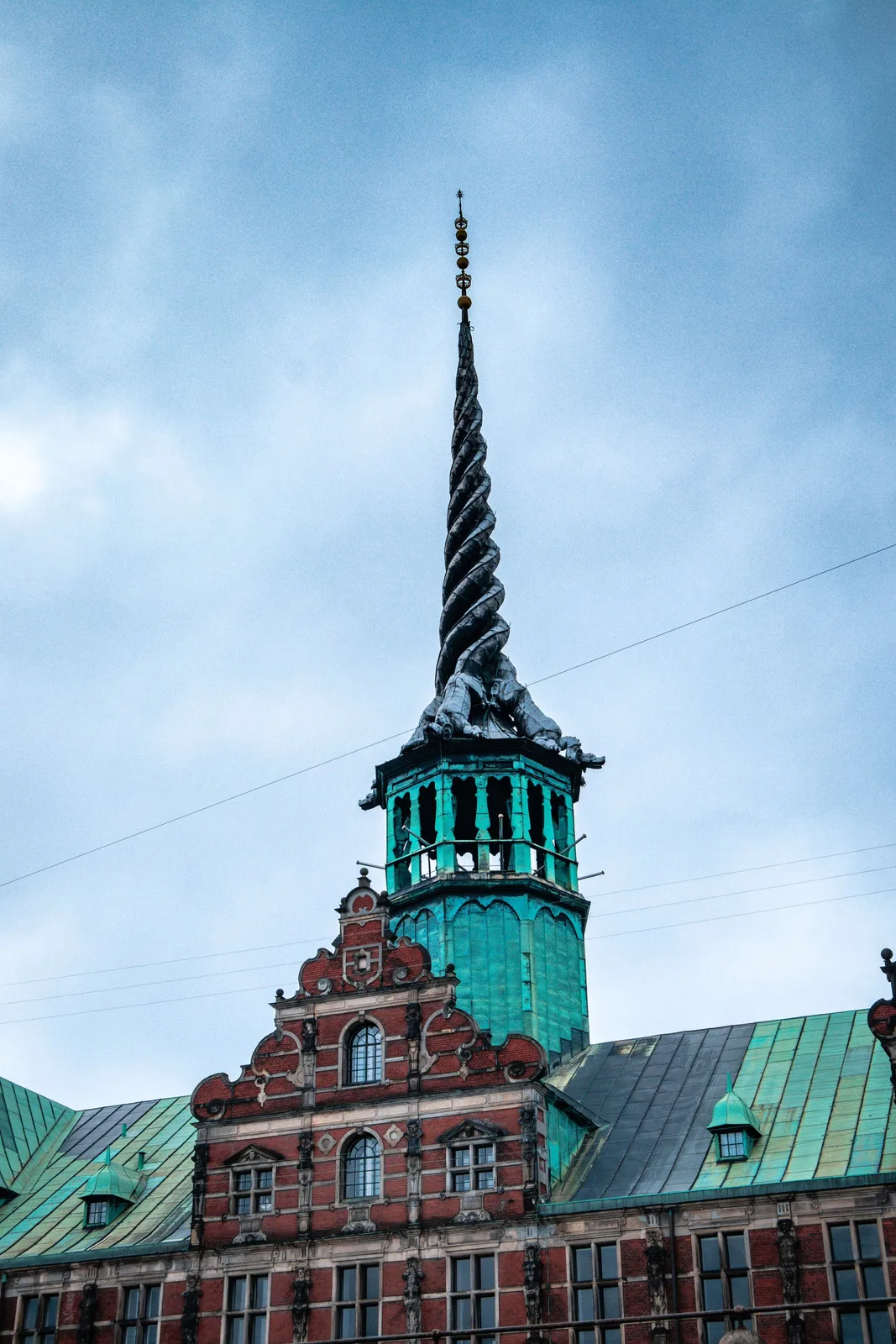
Christiansborg and the Børsen. The palace holds parliament, the prime minister’s office and the reception rooms; its tower, free to climb, gives the city’s best view. Børsen’s dragon spire collapsed in the fire of April 2024: the exchange stands in scaffolding and a tent, being rebuilt brick by handmade brick, the spire due back around 2029.
Christiania. The freetown founded in a squatted barracks in 1971, a community of 900: houses, workshops and cafés under the old ramparts. Pusher Street is gone — residents dug up its cobblestones in April 2024 and ended the open hash trade; craft shops, bakeries and a Thomas Dambo troll stand there. Go as a guest, not a spectator.
Strøget and the Round Tower. The old town’s pedestrian spine runs from Rådhuspladsen to Kongens Nytorv. Halfway along, detour up the Round Tower, Christian IV’s 1642 observatory, reached by a spiral ramp built for a horse-drawn carriage: the rooftops, Sweden on clear days.
To range — the harbour baths, the lakes, Refshaleøen’s food halls — rent a bike in Copenhagen and join the city’s transport network.
After you land in Copenhagen: Bookable experiences
Where to stay your first nights
Splurge
Hotel Sanders, Tordenskjoldsgade 15.
Best for grand-hotel luxury by Kongens Nytorv — a minute from the square, Nyhavn three beyond
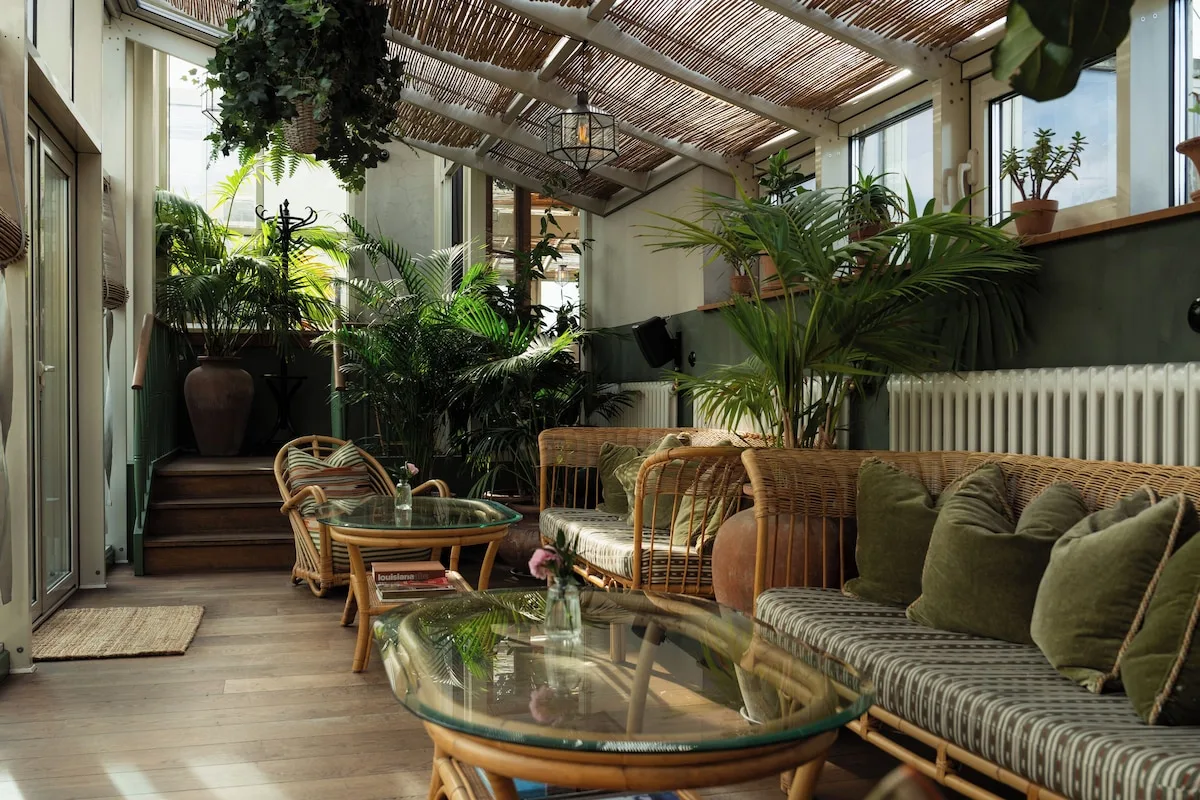
A small luxury hotel on a quiet street behind the Royal Theatre, a minute’s walk from Kongens Nytorv and three from Nyhavn: townhouse calm, a plant-filled courtyard conservatory, and the old centre at the door.
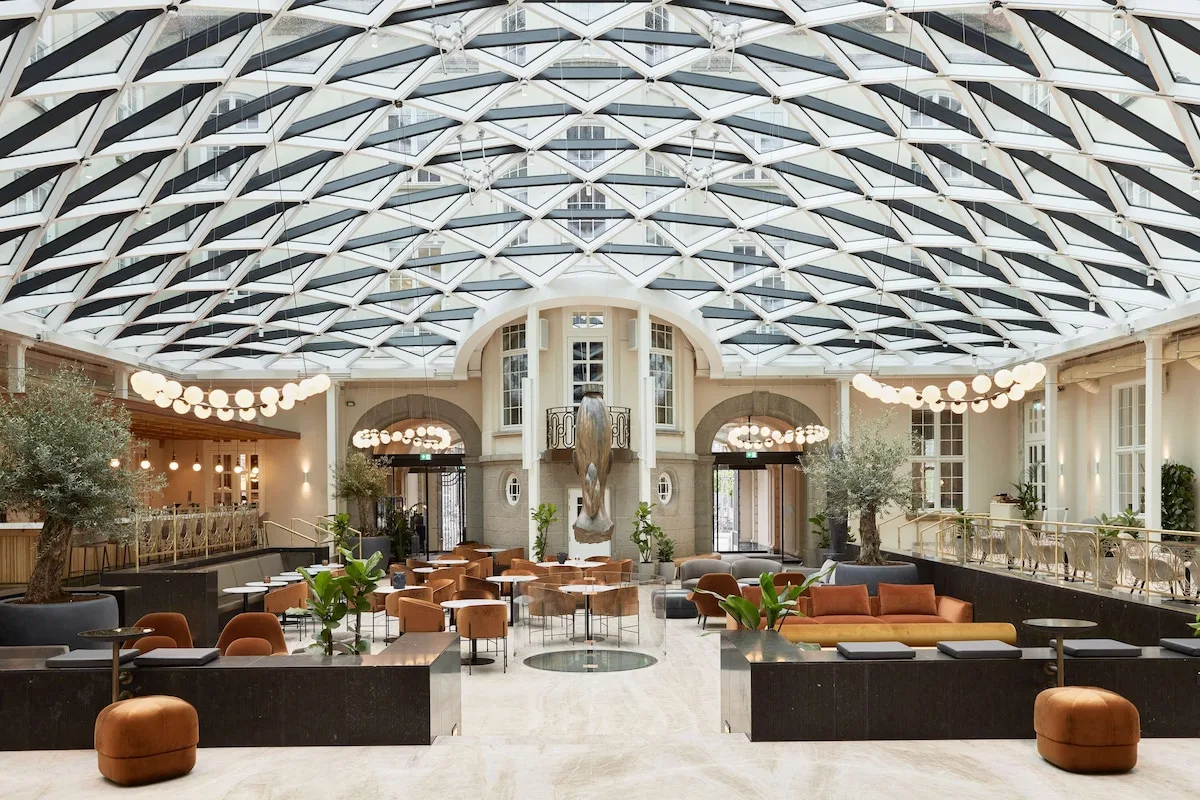
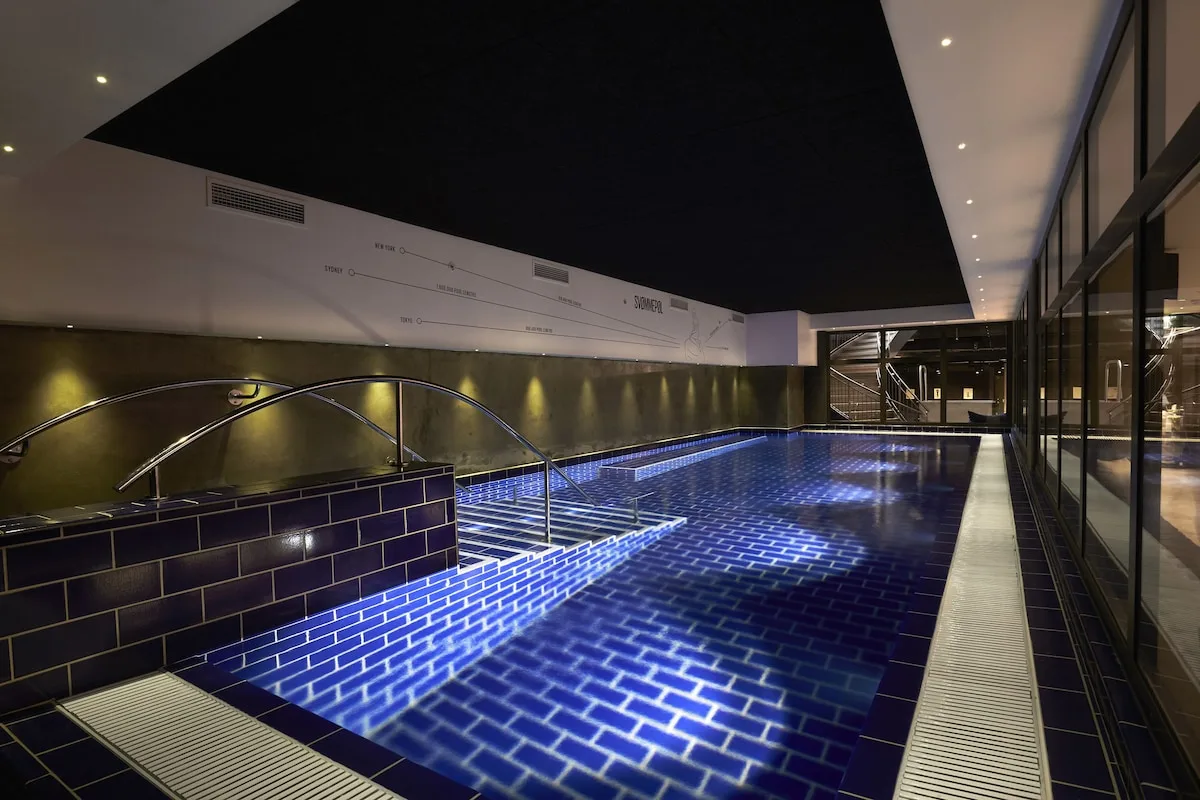
The central post office headquarters turned hotel, across from Tivoli and steps from Central Station: an atrium bar, a rooftop pool warmed year-round, 1900s bones with Scandinavian lines.
A luxury hostel in Vesterbro, five minutes from Central Station: dorm beds and private rooms around a pool, gym, bar and cinema room, at rates that feel like a clerical error.
Indre By is the postcard base; Vesterbro, beside Central Station, is the arrival-smart choice, the densest hotels, Tivoli across the street; Frederiksberg is the calm, leafy option, Nørrebro the young budget one, Christianshavn the romantic’s pick.
Book early for Distortion week, the July jazz festival, and December with Tivoli’s Christmas season; winter is the bargain season.
Where to eat first
Start with smørrebrød, the open sandwich on rye: herring first, then fish, then meat and cheese, with knife and fork, beer and snaps. Add wienerbrød — Danes named it after Vienna — and graze Torvehallerne food halls by Nørreport. Three first tables:
Restaurant Schønnemann — smørrebrød since 1877.
Map → Hauser Plads 16, Indre By. A basement lunch room pouring 140-plus aquavits: herring in a dozen marinades, smoked eel, warm liver pâté. Lunch only, 11:30 to 17:00, booked out days ahead — reserve and let the staff sequence the sandwiches.
Aamanns 1921 — the modern smørrebrød flagship.
Map → Niels Hemmingsens Gade 19-21, Indre By. Adam Aamann rebuilt the sandwich — lighter, sharper, seasonal. The beef tartare and herring are the benchmarks, at lunch or dinner.
Gasoline Grill — the petrol-station burger.
Map → Landgreven 10, Indre By. A petrol station behind Kongens Nytorv serving an organic cheeseburger ranked among the world’s best, to a queue of chefs and schoolkids. Order the combo.
Day trips and more
All three run from København H, transport covered by a City Pass Large or the Copenhagen Card. For castle entry and tour seats in summer, booking ahead with Tiqets takes the queuing out.
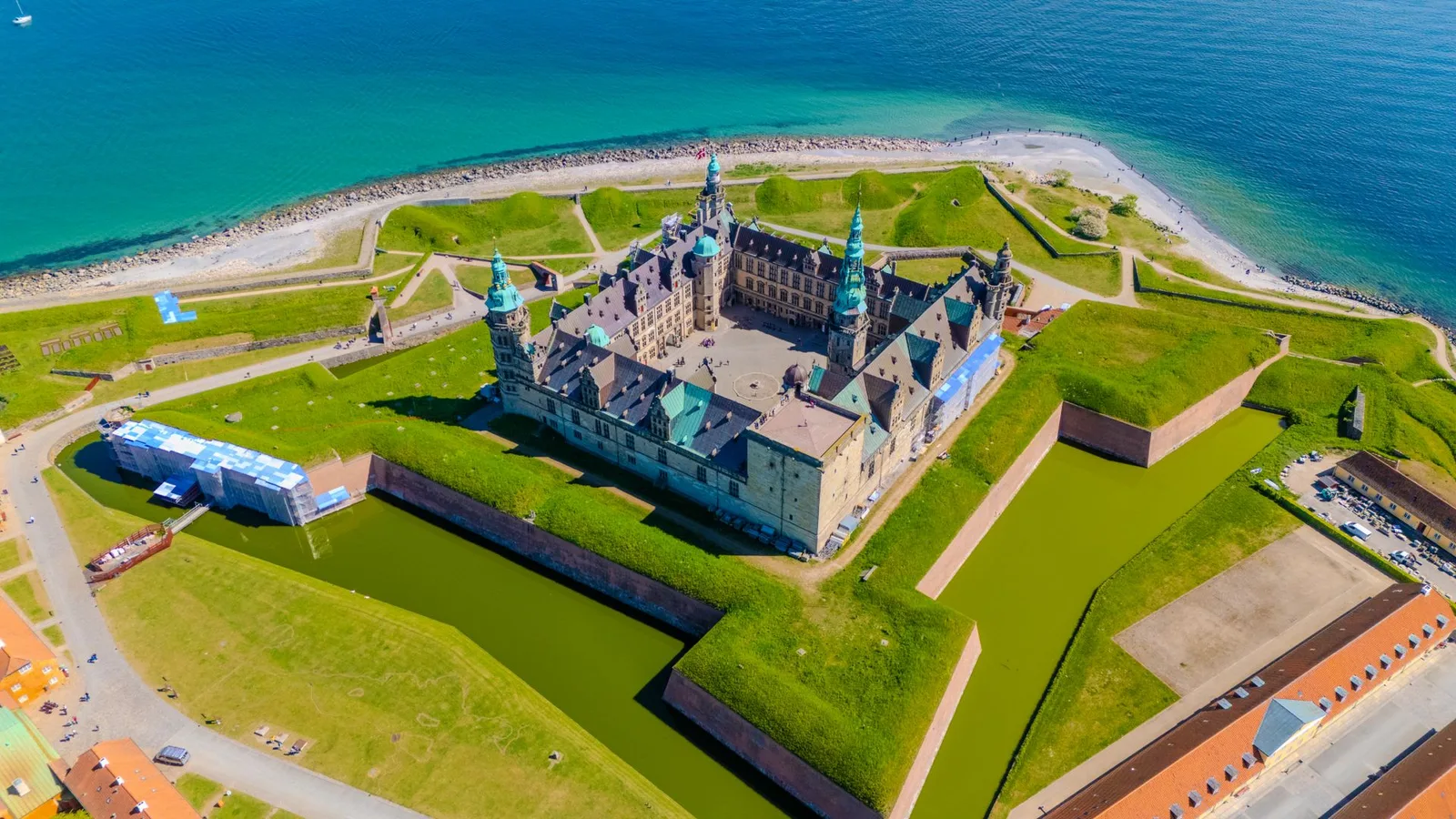
Kronborg Castle, Helsingør
Shakespeare’s Elsinore, a UNESCO-listed Renaissance fortress guarding the narrowest point of the Øresund, Sweden close enough to shout at. Tour the royal apartments and the casemates below, where Holger the Dane sleeps in the dark. Entry is 150 kr, under-18s free, and Helsingør’s old shipyard streets reward the walk back.
Trains from København H · About 45 minutes · Castle entry 150 kr
A second country: over the bridge and through the tunnel to Sweden’s third city — Turning Torso, medieval squares and cinnamon-scented cafés. Bring your passport: Sweden runs border checks on this route, usually at Hyllie, the first station over, and travellers without ID are turned back. The Copenhagen Card stops at the border; buy the cross-bridge ticket separately.
Øresund trains from København H · About 35 minutes · Passport essential
Denmark’s largest Renaissance palace, rising from its lake and housing the Museum of National History: coronation chapel, Great Hall and 500 years of portraits, and a baroque garden across the water. Entry is 125 kr, under-18s free, open every day, and the S-train ride through North Zealand woods is part of the pleasure.
S-train to Hillerød · About 40 minutes · Museum entry 125 kr
Maythe city thaws and greens; café chairs spill out and prices still sit below the summer peak
Junethe year’s longest light, bonfires for Sankt Hans on 23 June, and Distortion turning districts into street parties; in 2026 it ran 3-7 June
Julythe warmest month: harbour baths full, the jazz festival, and Danes on holiday, which closes some small restaurants even as visitors fill the city
Augustlate-summer warmth and food festivals, the light generous and the water at its warmest
Septembergolden, calmer and cheaper; Tivoli in its summer season and the museums breathing again
October to Aprilthe dark half: seven hours of daylight at the solstice. Tivoli’s Halloween season (2 October to 1 November in 2026), then Christmas from 13 November. Hygge becomes a survival strategy
The Copenhagen Card Discover is 589 kr for 24 hours — earns its keep only with two or three paid sights in a day on top of transport. The krone is pegged near 7.46 to the euro.
Denmark sits inside the EU rules, so a long delay or cancellation can mean up to €600 under EU261: AirHelp checks what you are owed and handles the claim.
What to pack
Tap items to check them off — your list is saved on this device.
Copenhagen asks for windproof layers: the harbour wind makes a dry 12 degrees feel like eight, and rain arrives horizontally.
As an Amazon Associate I earn from qualifying purchases.
Language, visa and entry
✓ Visa-free entry for eligible passport holders
Danish runs the country on paper, English in person: Danes learn English young and switch without a flicker. Four words carry the culture — above all hygge, the art of deliberate cosiness. The photograph shows Børsen’s spire as it stood before the fire of April 2024; the dragons are due back around 2029.
HejhelloTakthank youUndskyld migexcuse meHyggethe cosy togetherness Danes build their lives around
Denmark is in the EU and the Schengen Area — its defence and justice opt-outs do not touch border crossings. Visitors from the US, Canada, Australia, New Zealand, Japan and the UK stay visa-free for 90 days in any 180 across the Schengen zone, days elsewhere in Schengen counting too. The EU Entry/Exit System is live since April 2026 and registers fingerprints and facial image for non-EU visitors, so first entry takes longer. ETIAS, the pre-travel authorisation, is not in operation — launch pushed back, 2027 now expected — so no form to fill in, no fee to pay.
Safety and health
Copenhagen is a safe capital; what catches visitors out is mostly mechanical or meteorological, not criminal. Four things to know:
The bike lanes are traffic
Never walk, stand or wait in a cycle lane, and look both ways — twice — before crossing one: Copenhageners ride fast and with right of way. If you rent a bike, steer clear of the morning rush at first, and signal stops with a raised hand.
Pickpockets where the crowds bunch
Central Station, the Strøget crowds, Nyhavn’s quays and the airport metro at rush hour are the spots. Keep phones and wallets zipped away, and be politely deaf to anyone creating a distraction.
Christiania and cannabis
The freetown’s hash trade ended in 2024, and cannabis remains illegal in Denmark — offering it risks arrest and a fine. Visit for the art, cafés and rampart walks, respect that it is a residential community, and follow local signs about photography.
Darkness, wind and ice
December daylight ends by mid-afternoon and the harbour wind cuts through clothes; cobbles and bike lanes turn slick when wet or icy. Dress warmer than the thermometer suggests, and copy the locals: a reflector makes you visible.
Healthcare: emergency care is available to everyone, bills depending on your coverage. European visitors: carry an EHIC or GHIC card for state care at local rates; everyone else should travel insured. Call 1813 before heading to an emergency department; 112 reaches emergency services, and pharmacies are the Apotek chain.
The facts that matter after you land in Copenhagen.
Verified against DOT fares, Tivoli Gardens and the Royal Collection, October 2026.
The Metro M2 leaves from the end of Terminal 3 and reaches Kongens Nytorv in 14 minutes, running around the clock.
The airport is in zone 3, so a three-zone ticket at 30 kr covers the Metro, the DSB train to the central station (about 13 minutes) and the 5C bus alike.
The blue Rejsekort card was withdrawn across Denmark in June 2026, and the old DOT Tickets app closed at the end of 2025 - any guide still telling you to buy one is out of date.
Visitors now buy single tickets and City Passes in the Rejsebillet app or at station machines; a City Pass Small covering zones 1-4 including the airport costs 100 kr for 24 hours.
Entry is date-priced in 2026 - roughly 150 to 200 kr for an adult depending on the day, with rides on top (a ride pass starts around 300 kr).
Tivoli opens in seasons: summer, a Halloween season from early October to 1 November, and a Christmas season from mid-November, with closed weeks in between - check your dates before planning around it.
No. Denmark levies no tourist or hotel tax, and a proposed Copenhagen levy was shelved - it is absent from the government's 2027 finance bill.
The 25% VAT is already inside every quoted price, so the rate you book is the rate you pay.
Yes - Øresund trains cross the bridge from the central station in about 35 minutes, and it is one of Europe's easiest two-country days.
Bring your passport: Swedish police run routine checks at Hyllie, the first station in Sweden, and travellers without valid ID are turned back.
The classic one-hour Stromma tour from Nyhavn costs about 130 kr and is covered by the Copenhagen Card.
The Netto-Bådene blue boats run the same route for roughly 60 to 80 kr - the budget pick if you are paying cash.
Airport to centre 30 kr by Metro, train or bus; no tourist tax in Denmark; tap water excellent; Type C, F and K sockets at 230V; emergency 112.
Copenhagen, Saved for After You Land
Landing soon? Get the printable PDF — the essentials from this guide, formatted for your phone:
The airport transport cheat sheet, with ticket links
Our 3 restaurant picks, with maps
The packing checklist
One email with your Copenhagen PDF (guide version: Oct 2026). Fare changes and new guides after that. No spam, unsubscribe anytime.
Sources and last verified
Sources and last verified: DOT and Metroselskabet, DSB and Øresundståg, Visit Copenhagen and Wonderful Copenhagen, Tivoli, Den Kongelige Samling, Kronborg, the Museum of National History at Frederiksborg, Stromma and Netto-Bådene, and the Danish Chamber of Commerce — checked October 2026. Fares, prices and opening times change, so confirm the essentials before you travel.
Affiliate disclosure: hotel names, transfers, experiences, and products linked in this guide may earn After You Land a commission at no extra cost to you. Prices and times were checked in Oct 2026 and change often — confirm before you book.