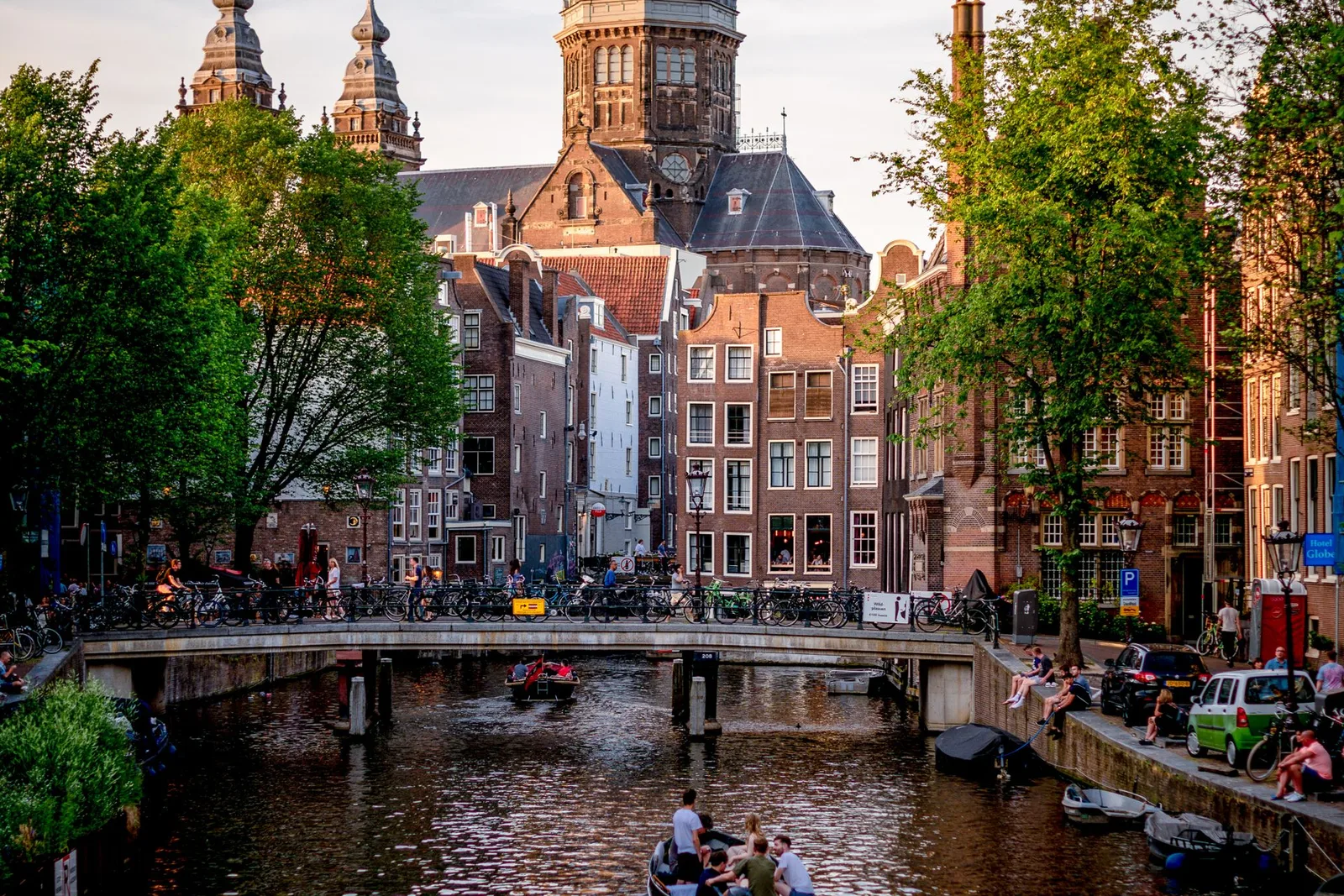
Amsterdam: your first hour after landing
You have just landed in Amsterdam: in through Schiphol, and twenty minutes later the train slides into Centraal. Inside: the museum quarter and the Jordaan, herring and apple pie, the Zaanse Schans windmills and the tulip fields in season.
In this guide
You just landed in Amsterdam. Schiphol's station sits under the terminal: NS trains run to Centraal every few minutes for €5.50, in about 15 to 17 minutes. Sort your Airalo eSIM before you land, and book the big museums early — the Van Gogh Museum and the Anne Frank House sell timed slots weeks ahead.
Quick facts
Airport
Getting in
Currency
Languages
Time zone
Emergency
Plugs
Tap water
Tourist tax
Best months
Map
Stays, sights, and landmarks in Amsterdam — live hotel prices plus the key places from this guide.
Settle in
Tap in and out from the very first ride — and carry a card, not cash
Tap on boarding and on leaving, every time: a missed tap-out is charged as the maximum fare. Trams take no cash and some cafés are card-only: a tapping debit card and €20 in notes, and warn your bank against a first-tap fraud block.
Book the big three museums before you fly
Anne Frank: online only, released Tuesdays 10:00, six weeks ahead, gone in minutes; Van Gogh: timed, online-only; Rijksmuseum: a slot even with a city card.
Learn the bike-lane rule before your first walk
The reddish lanes are roads: fast, silent, unwilling to stop. Look both ways, never stand in one; a bell is a car horn.
Base yourself inside the canal ring
The belt and Jordaan put sights at your door; Museumplein suits museum days; De Pijp is cheaper, livelier at night.
Eat a first proper meal, early
Herring stands work lunch hours, the Winkel 43 queue peaks mid-morning, the rijsttafel wants a dinner booking.
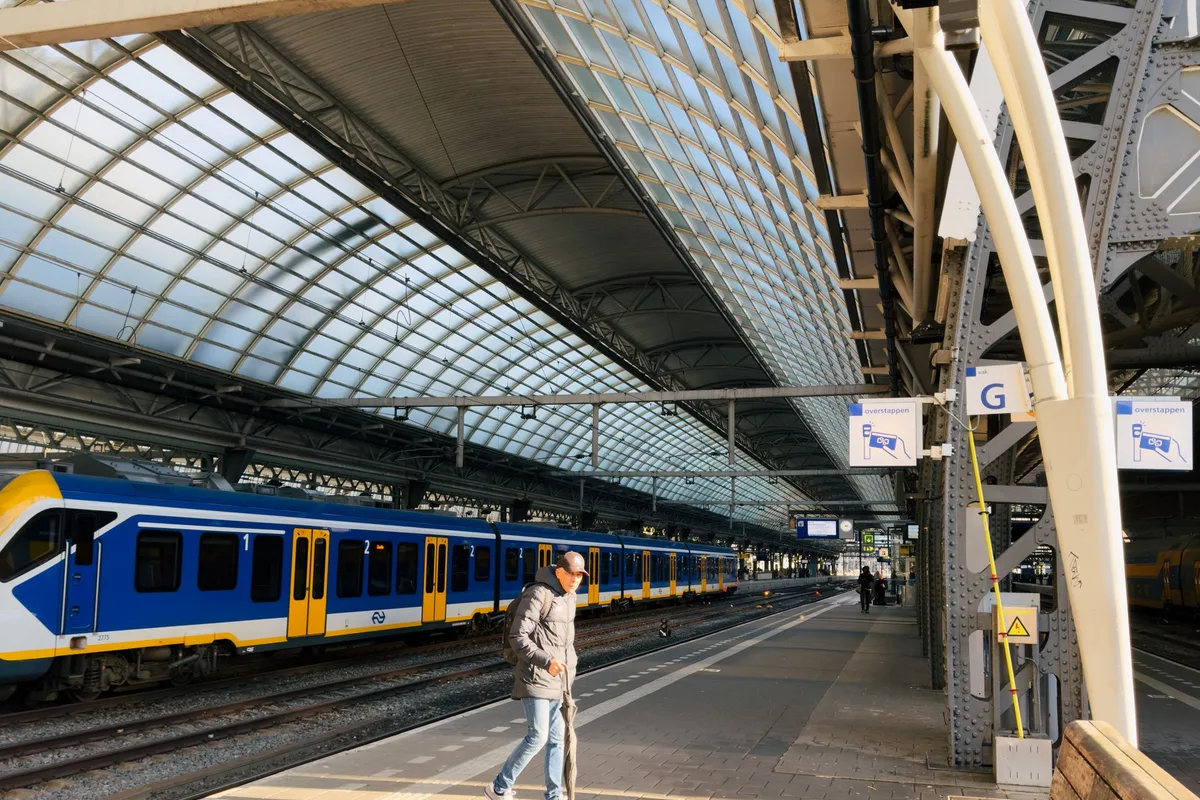
The UNESCO-listed canal belt (Singel, Herengracht, Keizersgracht, Prinsengracht) wraps the old centre in rings — Centraal at one end, Dam Square at its heart, the Jordaan west, the Plantage outside. Stay inside the belt and almost everything is a walk.
Two systems run the city: OVpay (one card, every train, tram, metro and bus nationwide) and the bicycle — look for bikes before cars.
Getting around

Times are airport to city centre.
NS train to Centraal
The default: from under Schiphol Plaza every few minutes by day, hourly at night; tap OVpay or e-ticket — paper adds €1.60
Bus 397 Airport Express
Best for the south: Schiphol Plaza via Museumplein and Leidseplein to Elandsgracht; card on board; open return €11.75
Taxi
Official rank outside Schiphol Plaza only — never a tout who approaches you inside; Uber and Bolt from the marked zones, usually €40 to €65
Pre-booked transfer
Driver in arrivals with a name board; fare fixed against traffic — worth it after long-haul, or with small children and big bags
Trams, ferries and feet cross Amsterdam: Centraal to Museumplein is about two kilometres. Airport train: e-ticket in the NS app or from Tiqets, or tap a bank card at the gates. The airport rides are these:
GVB runs trams, buses and metro; line 52, the Noord/Zuidlijn, dives from Centraal to Museumplein, De Pijp and Zuid. Tickets: €3.40 (one hour), €10 (24h), €16 (48h), €21.50 (72h) via the GVB app, machines or GVB multi-day tickets before you arrive. Or tap OVpay: €1.16 plus €0.217 per kilometre. Hours: about 06:00 to 00:30, then night buses; check in and out every leg.
Free: GVB ferries cross the IJ behind Centraal to Noord around the clock (pedestrians and cyclists): Buiksloterweg every few minutes to the EYE side, NDSM in about 15 minutes.
Shops rent the black omafiets from about €15 a day; station OV-fiets mostly serves OV-chipkaart holders. Ride in the lanes, signal turns by arm, lock to something solid with both locks, never stop in a lane to check a map.
Or fix the price in advance: Welcome Pickups, a driver in arrivals, the fare set when you book.
In the city
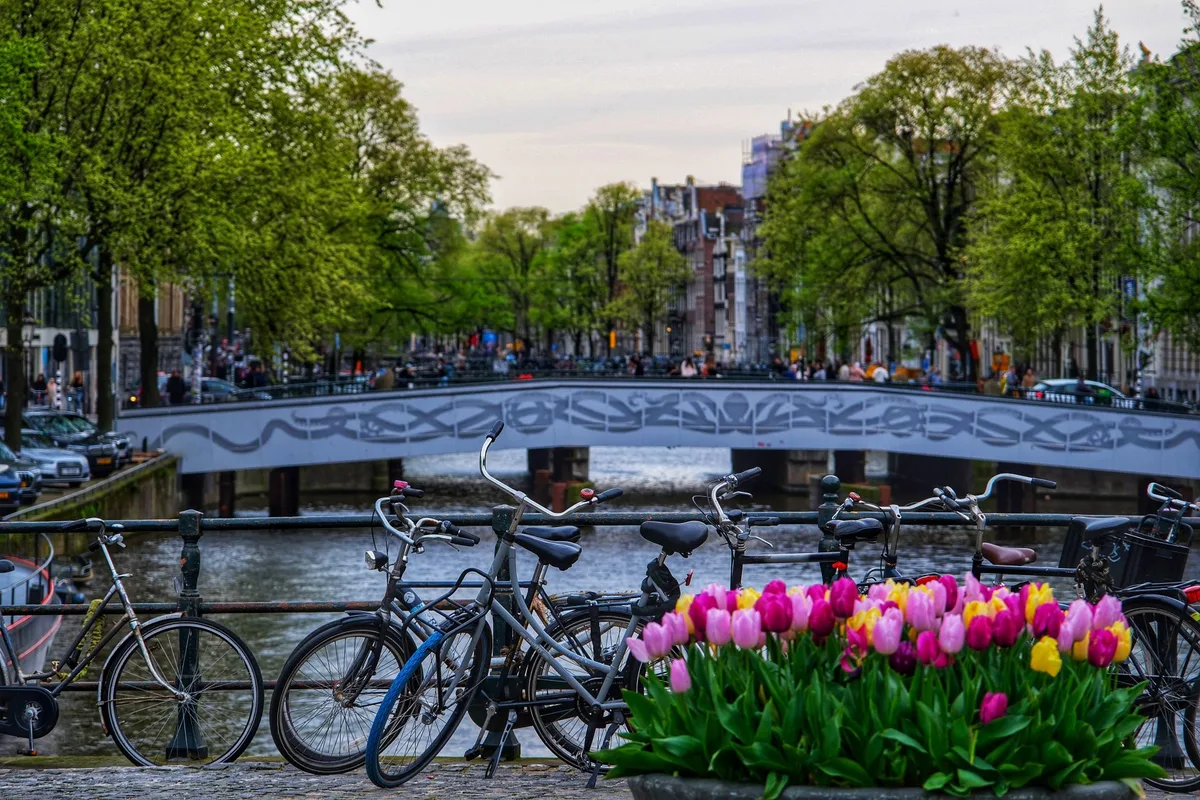
- The canal ring — canals of gabled merchants' houses, built in the 1600s, UNESCO-listed, free to walk: on the Reguliersgracht, seven bridges line up in one view.
- A canal cruise — the hour that explains the city. Boats leave opposite Centraal all day, about €15 to €20 an hour, cheaper online than at the dock; open boats beat glass roofs for photos.
- Rijksmuseum — the Night Watch and the Milkmaid, on Museumplein. €27 adults, free under 18; timed slot online even with a Museumkaart or city card. Daily 09:00 to 17:00.
- Van Gogh Museum — the largest Van Gogh collection on earth. €27, free under 18, online only, timed, none at the door; busy months sell out weeks ahead; not in the I amsterdam City Card.
- Anne Frank House — the Prinsengracht house where the Frank family hid, kept sparse. €16.50 (€7 ages 10 to 17, €1 under-10s), only via annefrank.org, never at the door: released Tuesdays 10:00, six weeks ahead. Allow an hour; open daily until 22:00.
- Museumplein and the Stedelijk — the Stedelijk's modern and contemporary collection in the 'bathtub' building, plus the Concertgebouw and Moco.
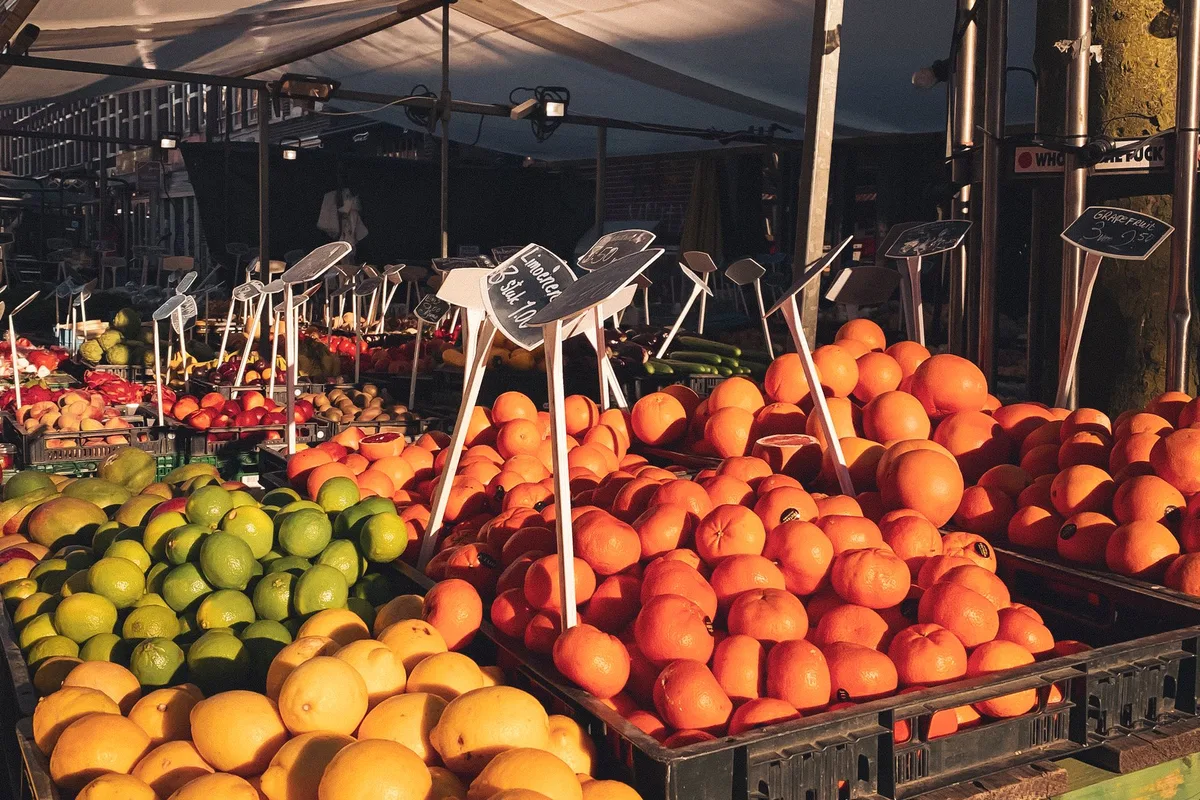
- The Jordaan and the Nine Streets — canals, courtyard gardens and cafés west of the ring; the Negen Straatjes' nine lanes of vintage shops; Saturday's Noordermarkt farmers' market.
- Albert Cuyp Market and De Pijp — the country's biggest market, a kilometre along Albert Cuypstraat, Monday to Saturday about 09:00 to 17:00: stroopwafels, herring, cheese, flowers. At its edge, the Heineken Experience (Stadhouderskade 78): 90-minute tour, two beers, about €25, booked online.
- Vondelpark — 47 hectares of lawns and ponds south-west from Leidseplein: free entry, free summer open-air theatre.
- NDSM and Amsterdam Noord — the far shore, by free ferry from behind Centraal: former shipyard of street art and studios, plus the STRAAT museum; the Buiksloterweg side holds the EYE Filmmuseum and A'DAM Tower lookout.
Rent a bike: BikesBooking reserves from local shops in advance — vital on sunny weekends, fleets gone by ten.
One list, worked before you fly: Tiqets gathers the rest — Heineken Experience, cruises, Stedelijk — in one checkout.
After you land in Amsterdam: Bookable experiences
Where to stay your first nights

Pulitzer Amsterdam.
Best for the canal-house splurgeTwenty-five Golden Age canal houses on the Prinsengracht and Keizersgracht, stitched into one hotel amid the Nine Streets: courtyard garden, canal-view rooms, Jordaan cafés at the end of the street.

Kimpton De Witt Amsterdam.
Best for a design-smart base by CentraalOn Nieuwezijds Voorburgwal, five minutes from Centraal and behind Dam Square: bright modern rooms, complimentary bikes, every tram line at the door.
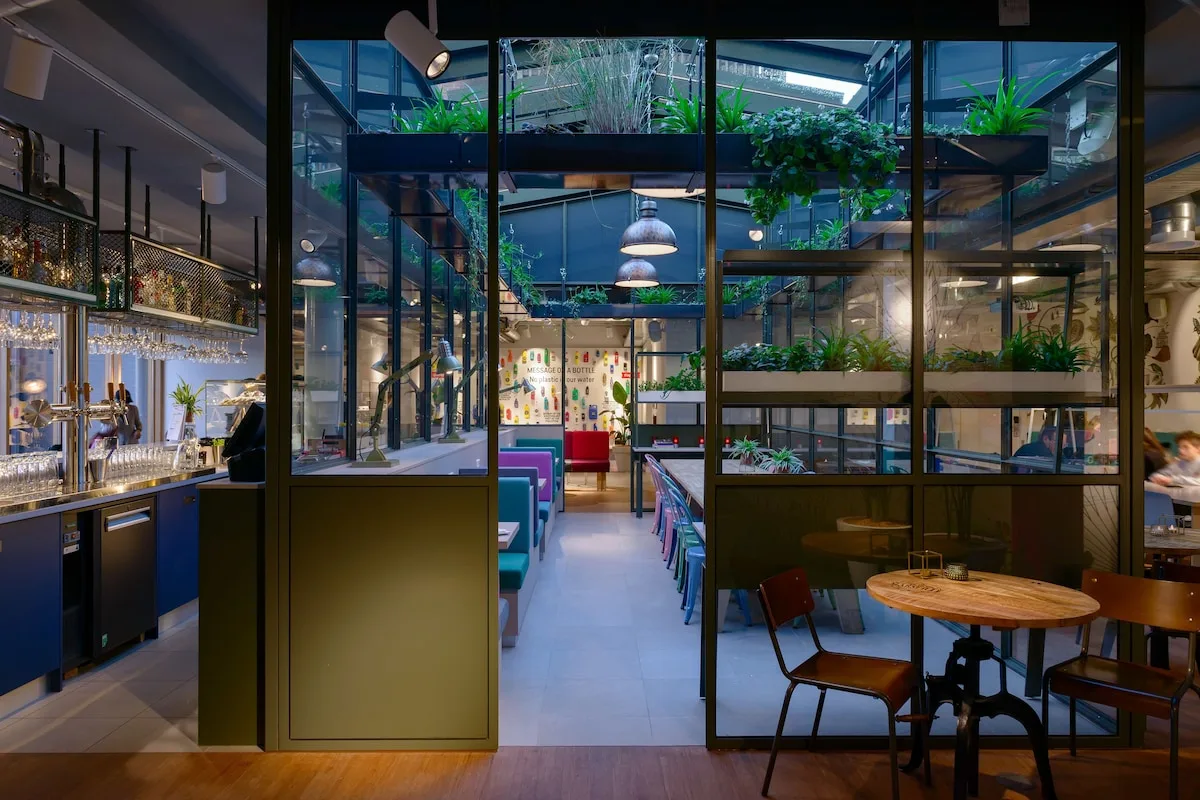
Stayokay Amsterdam Vondelpark.
Best for Vondelpark on a budgetA former school on Zandpad at Vondelpark's edge, near Leidseplein and Museumplein: dorms and private rooms, member rates booking direct.
Grand names stand on the canal belt, chains cluster around Centraal and Museumplein, deals hide in De Pijp and across the IJ in Noord. Supply is capped, rates rise fast, the 12.5% city tax sits on top of most quotes: book early.
Where to eat first
Stubbe's Haring — the herring rite of passage.
Map → Singel 8n, on the bridge at the top of the Singel, five minutes from Centraal. Lightly cured herring under chopped onion and pickle, with a flag-topped pick: on a plate at the bridge rail, or as a broodje haring in a bun. The Hollandse Nieuwe lands in mid-June. Open Tuesday to Saturday, 10:00 to 18:00 (Saturday 17:00).
Winkel 43 — the apple pie the city queues for.
Map → Noordermarkt 43, Jordaan. The homemade apple pie (deep, cinnamon-heavy, thick crust, whipped cream) is widely rated the city's best slice. No reservations; queues peak mid-morning — go for breakfast or after lunch. Saturdays: farmers' market; Mondays: cloth market.
Sama Sebo — the rijsttafel, done the classic way.
Map → Pieter Cornelisz Hooftstraat 27, by Museumplein. Open since 1969, the Netherlands' oldest Indonesian restaurant: rijsttafel of some twenty small dishes around a mound of rice — rendang, satay, sambals. Book ahead; the room is small.
Food tours run from the Jordaan's tasting lanes to the Albert Cuyp stalls, with live availability on the GetYourGuide Amsterdam page.
Day trips and more
The Netherlands is small, its trains good: Haarlem is 15 minutes by train — Grote Kerk, Frans Hals Museum, pre-crowd Amsterdam streets. Three classics are worth a spare day.
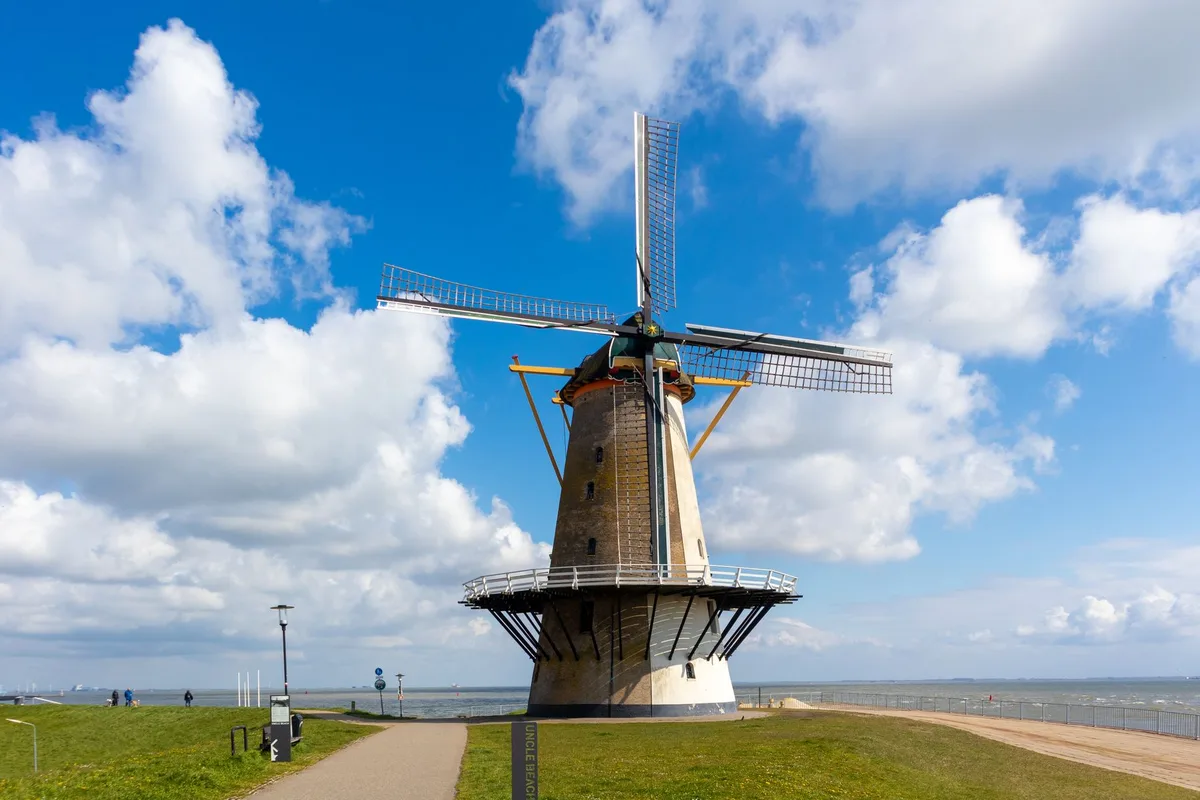
Zaanse Schans
The open-air windmill village on the river Zaan: working oil, paint, mustard and saw mills, wooden houses, cheese farm, clog workshop with free demonstrations. Most windmills about €7.50 each, the Zaans Museum €17, the Zaanse Schans Card €29.50 for mills and museums. Come before 10:00 or after 16:00.
Check availability →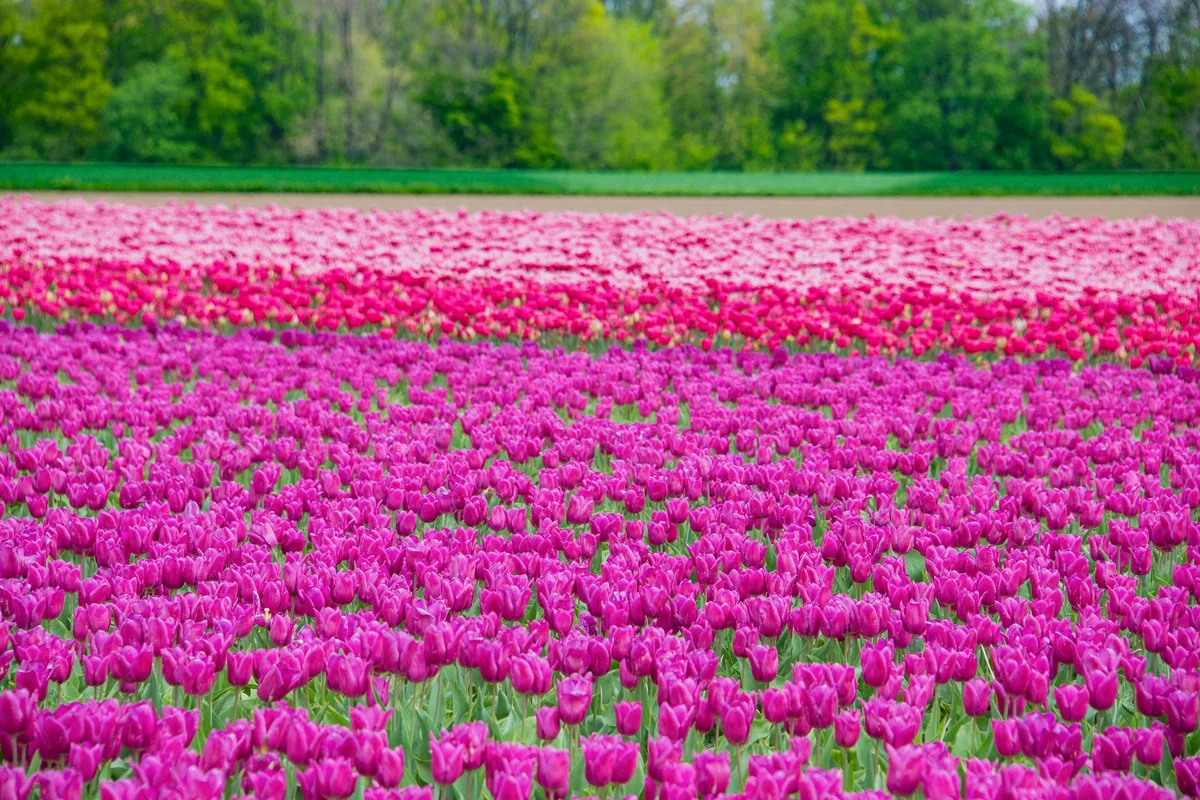
Keukenhof and the tulip fields
The most famous spring garden on earth: 32 hectares, seven million bulbs outside Lisse, open about eight weeks a year — in 2027, 18 March to 9 May, daily 08:00 to 19:00, otherwise shut. Entry €23 (€11 ages 4 to 17), online only, timed slot; peak bloom mid-to-late April. Bus 852 (KeukenhofBuzz) from Amsterdam RAI; entry-plus-bus combi €38.50.
Check availability →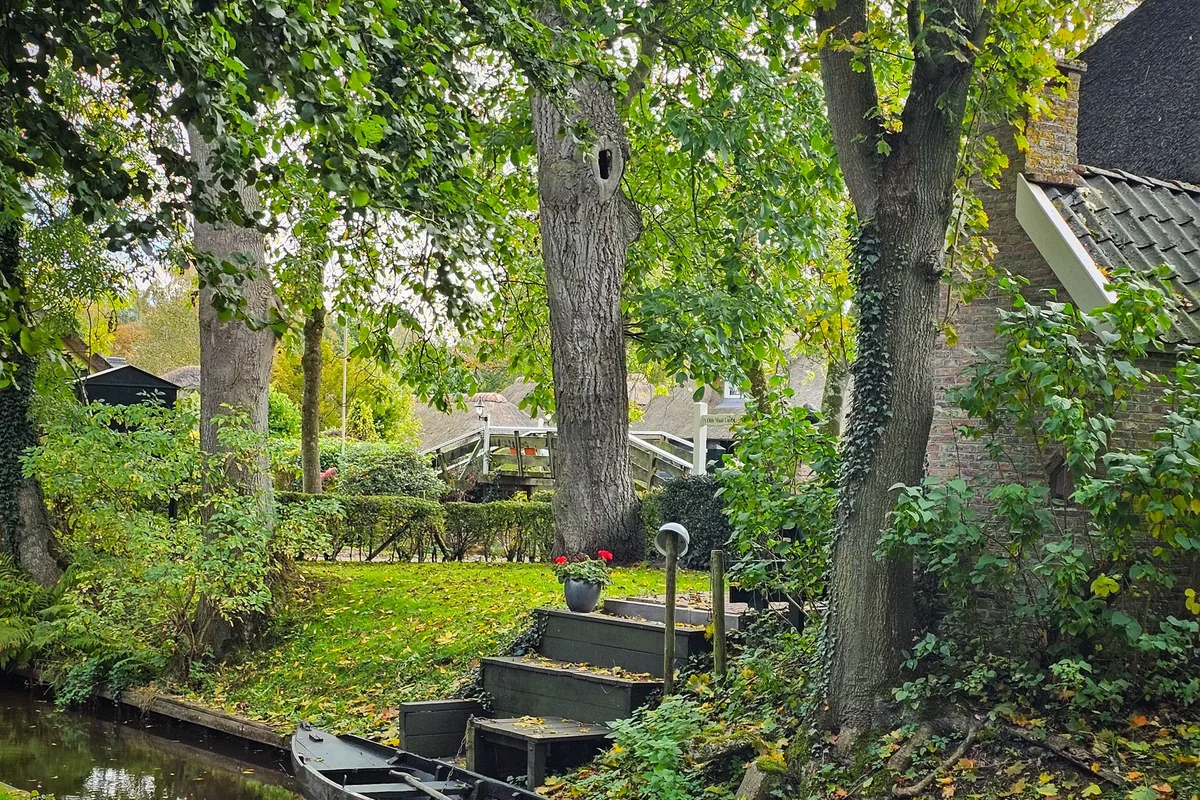
Giethoorn
The village with no roads: canals, thatched farmhouses, footbridges — the traffic is boats. About 1.5 hours north-east by coach, or two hours by train to Steenwijk plus bus. Take a one-hour cruise or hire an electric whisper boat and steer yourself; weekdays beat the summer-Sunday queues.
Check availability →When to go and what it costs
Rijksmuseum €27, Van Gogh €27, Anne Frank €16.50. A two-museum day for two, with a cruise and €10 day tickets each, runs about €150 before food; rijsttafel dinner about €45 a person without drinks; a double inside the ring rarely starts below €150 a night in season, before the 12.5% tax.
Two passes compete: the I amsterdam City Card bundles GVB transport, Rijksmuseum, Stedelijk and a cruise — not the Van Gogh or Anne Frank House; Go City's Amsterdam pass takes the attractions route.
What to pack
Tap items to check them off — your list is saved on this device.
Weather turns on a dime year-round: North Sea wind, a shower and bright sun in one afternoon. Pack layers for wet pavements, and nothing long and trailing near a bike chain:
- Comfortable walking shoes Shop walking shoes on Amazon →
- Sunscreen Shop sunscreen on Amazon →
- Reusable water bottle Shop water bottle on Amazon →
- Phone charger and power bank Shop power bank on Amazon →
- Daypack Shop daypack on Amazon →
- Sunglasses Shop sunglasses on Amazon →
- Light rain jacket Shop rain jacket on Amazon →
As an Amazon Associate I earn from qualifying purchases.
Language, visa and entry
✓ Visa-free entry

Do you need Dutch? Functionally, no: Amsterdam is Europe's easiest big city to run in English. A little Dutch buys warmth, not access: written Dutch is half-readable (uitgang = exit, ingang = entrance); the hurdles are the throaty g and the vowel pairs. Four phrases cover the basics:
The Netherlands plays by Schengen rules: EU and EEA citizens enter on an ID card or passport and stay freely; visa-free visitors (US, UK, Canada, Australia, Japan, etc.) get 90 days in any rolling 180 across the whole Schengen area, counted together, not per country; everyone else needs a Schengen visa in advance. Passports must be valid three months beyond your Schengen exit, issued within ten years.
The EU Entry/Exit System (EES) is fully operational at Schiphol and all Schengen borders, replacing passport stamps with a digital record. First entry registers face, fingerprints and document: free, a few extra minutes, nothing to apply for beforehand. Children under 12 are exempt from fingerprinting; later crossings are quicker.
ETIAS, the EU's planned travel authorisation for visa-free visitors, is NOT in operation: no applications taken, no launch date set, and the only genuine portal, travel-europe.europa.eu, says so. Any site selling an ETIAS approval is a scam over a hundred exist; when it starts it will cost €20, last three years, sold only through that portal. Until then your passport is enough.
Safety and health
Bike lanes and tram tracks
Bikes in the red lanes move fast and silently, with right of way: look both ways before crossing, never walk in one; treat a bell as an order. Tram tracks are slippery when wet; a tram cannot swerve or stop quickly.
Pickpockets at Centraal and Damrak
Station forecourt, Damrak and the Red Light District lanes are worked by teams: the bump at the gate, the map distraction, the boarding squeeze. Keep your phone out of your back pocket, bag zipped and cross-body; report thefts on 0900 8844 for your insurer.
Coffeeshop and tout scams
Street dealers who approach you sell flour, aspirin or worse; never buy — unofficial guides and clip-joint invitations are the other traps. Use licensed coffeeshops with printed menus — look for the white-and-green licence sign — and keep use inside the law as posted.
Canal edges and wet cobbles
Most canals have no railing: every year people go in, often after a night out; the cold and steep walls do the damage. Keep a margin after dark, children within reach on bridges; if someone goes in, call 112 first, then the ladders and life rings on the walls.
Hospitals and insurance
OLVG (east) and Amsterdam UMC run 24-hour emergency departments; pharmacies (apotheek) rotate an out-of-hours roster and speak English. EU visitors: carry EHIC or GHIC. Everyone else needs insurance for private treatment — you will be billed.
Related destinations
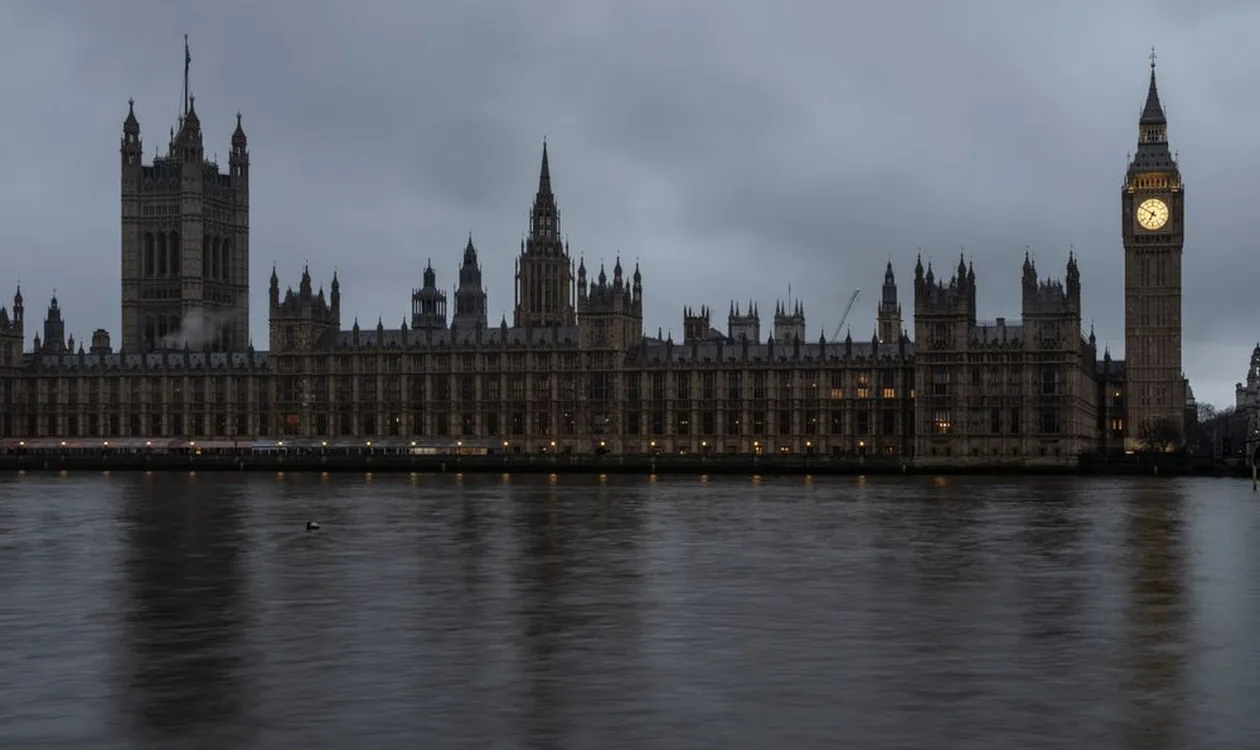
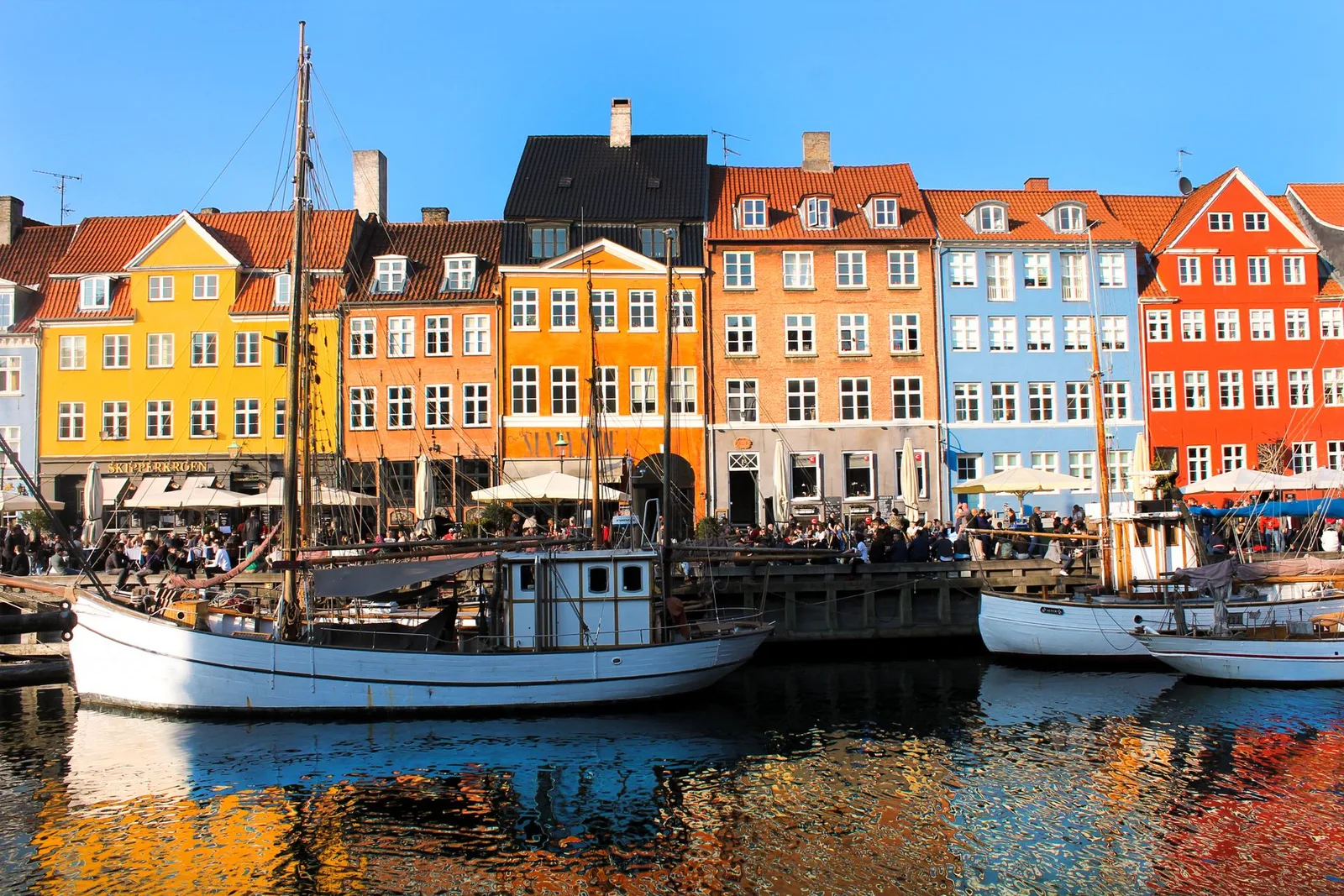
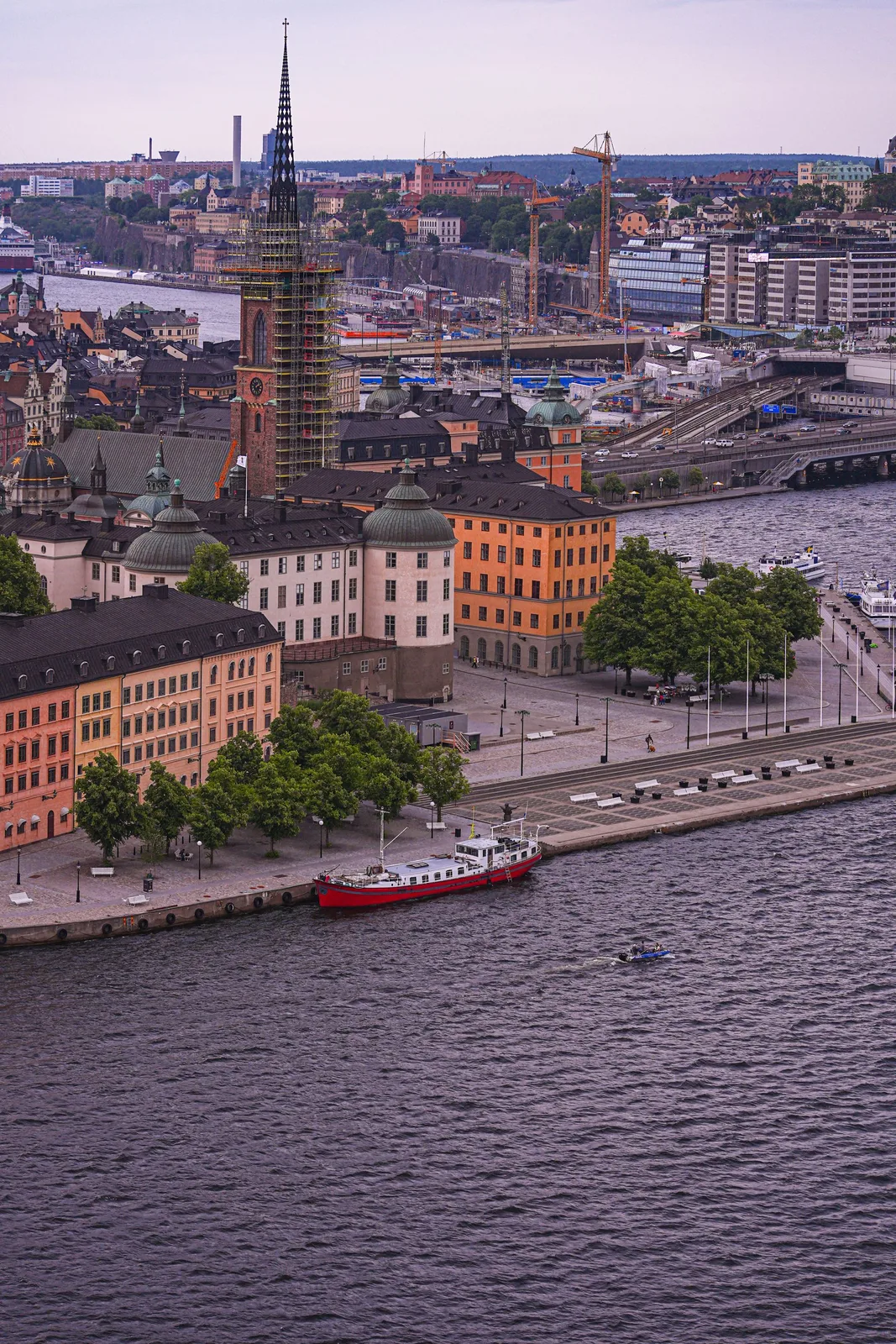
If you liked Amsterdam, try these next:



Frequently asked questions
The facts that matter after you land in Amsterdam.
Verified against Schiphol, NS, GVB, the Anne Frank House, the Rijksmuseum and the Amsterdam municipality, October 2026.
The station sits under the terminal at Schiphol Plaza. NS trains run to Amsterdam Centraal in 15 to 17 minutes for €5.50 in 2nd class — up to eight an hour by day and hourly through the night. OVpay with a bank card charges the same fare; a disposable paper ticket adds €1.60.
Bus 397 runs to Museumplein and Leidseplein for €6.50. A metered taxi from the official rank runs to about €55; Uber and Bolt typically quote €40 to €65.
Online only, at annefrank.org — there is no box office. Tickets are released every Tuesday at 10:00 Amsterdam time for the week six weeks ahead, and they go fast: set a reminder and be on the site at release.
Prices are €16.50 for adults, €7 for ages 10 to 17 and €1 under 10. The museum is open daily into the evening, and the ticket is a timed entry, not a queue skip you can buy elsewhere — third-party Anne Frank tickets are not a thing.
Amsterdam levies a tourist tax of 12.5% of the room rate excluding VAT, per room — among the highest in Europe — and it applies to hotels, rentals and houseboats alike.
Lodging VAT also rose to 21% on 1 January 2026. Between the two, the headline room rate is not the final bill; check whether your booking quote already includes both before you compare.
Tap in AND tap out with your bank card or phone — OVpay charges €1.16 plus €0.217 per kilometre, and forgetting to tap out is the classic tourist fine-by-default. A GVB 1-hour ticket costs €3.40 and the 24-hour pass €10.
There is no cash anywhere on board. The ferries behind Centraal across the IJ are free, run around the clock, and are the cheapest great ride in the city.
In 2027 the gardens run from 18 March to 9 May, daily 08:00 to 19:00, with timed online tickets at €23 for adults and €11 for children. Peak bloom is usually mid to late April, but it shifts with the winter.
The KeukenhofBuzz 852 combi ticket from Amsterdam RAI covers the bus and entry for €38.50. Outside the season the gardens are closed — the bulb fields and the Zaanse Schans windmills carry the trip instead.
Yes — it is the easiest half-day out of the city. The sprinter from Centraal reaches Zaandijk Zaanse Schans in 17 minutes, €9.40 return, and the village itself is free to wander.
Working windmills charge €7.50 each to climb; the Zaanse Schans Card at €29.50 bundles the mills, the Zaans Museum and the village sights. Go before 10:00 or after 15:00 to walk it ahead of the tour buses.
Tap water is excellent; plugs are Type C and F at 230V; emergency 112.
Amsterdam, in your pocket
Landing soon? Get the printable PDF — ticket links, the airport transport cheat sheet, our 3 restaurant picks with maps, and the packing checklist. Everything above, formatted for your phone.
One email with your Amsterdam PDF. Fare changes and new guides after that. No spam, unsubscribe anytime.
Sources and last verified
Checked in October 2026 against the sources that own them: Schiphol Airport (schiphol.nl) and NS (ns.nl) for airport layout, train fares and the paper-ticket surcharge; Connexxion for Bus 397; GVB (gvb.nl) for city fares, day tickets and the free IJ ferries; the Municipality of Amsterdam for the 12.5% tourist tax; the Rijksmuseum, Van Gogh Museum and Anne Frank House (annefrank.org) for admission and booking rules, including the Tuesday six-week release; Keukenhof for the 2027 dates, 18 March to 9 May, and timed entry; De Zaanse Schans for village and attraction prices; and the EU portal (travel-europe.europa.eu) for EES status and ETIAS not having launched. Fares and schedules change: re-check the ones your day depends on.
Affiliate disclosure: hotel names, transfers, experiences, and products linked in this guide may earn After You Land a commission at no extra cost to you. Prices and times were checked in Oct 2026 and change often — confirm before you book.