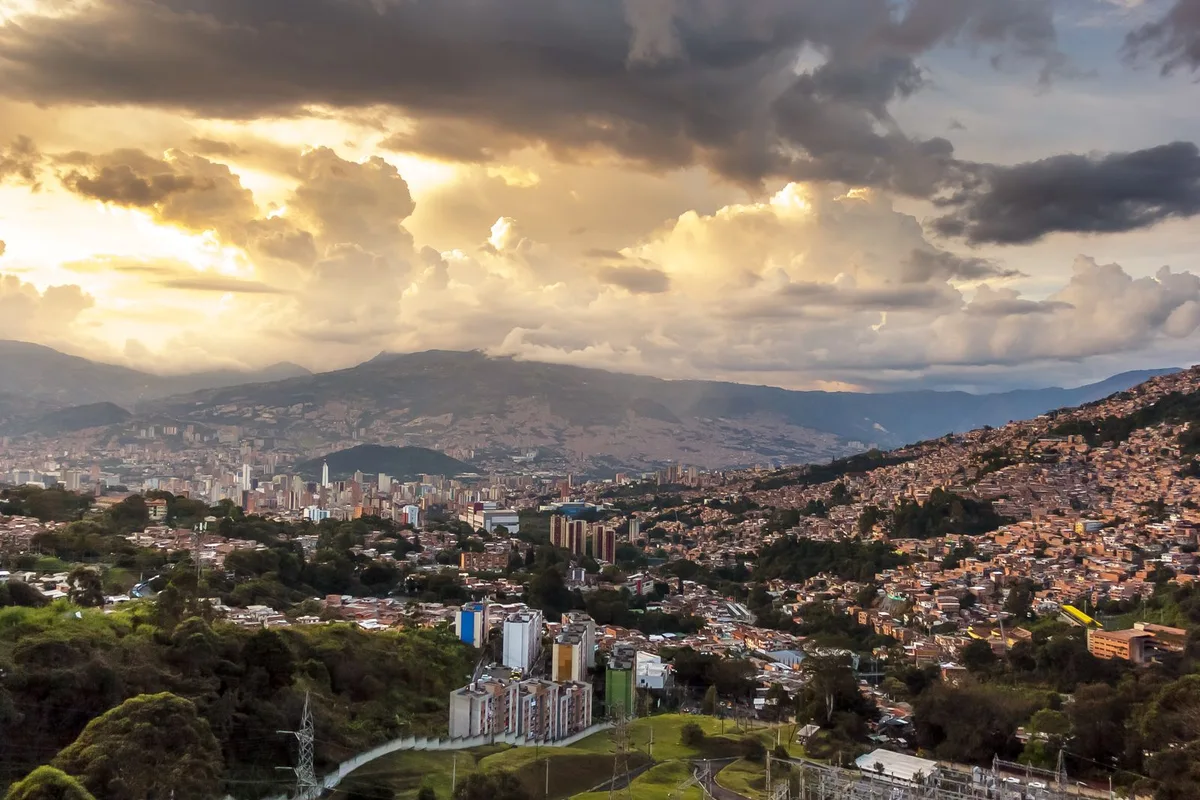
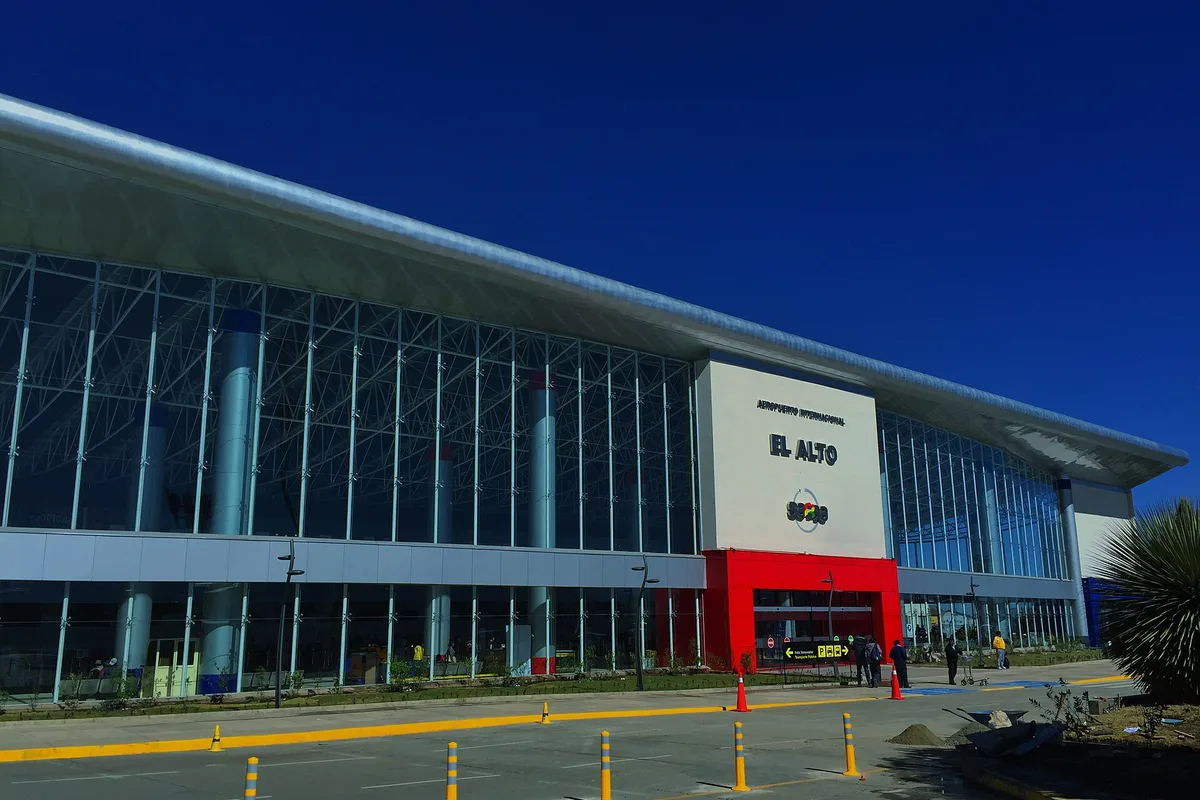
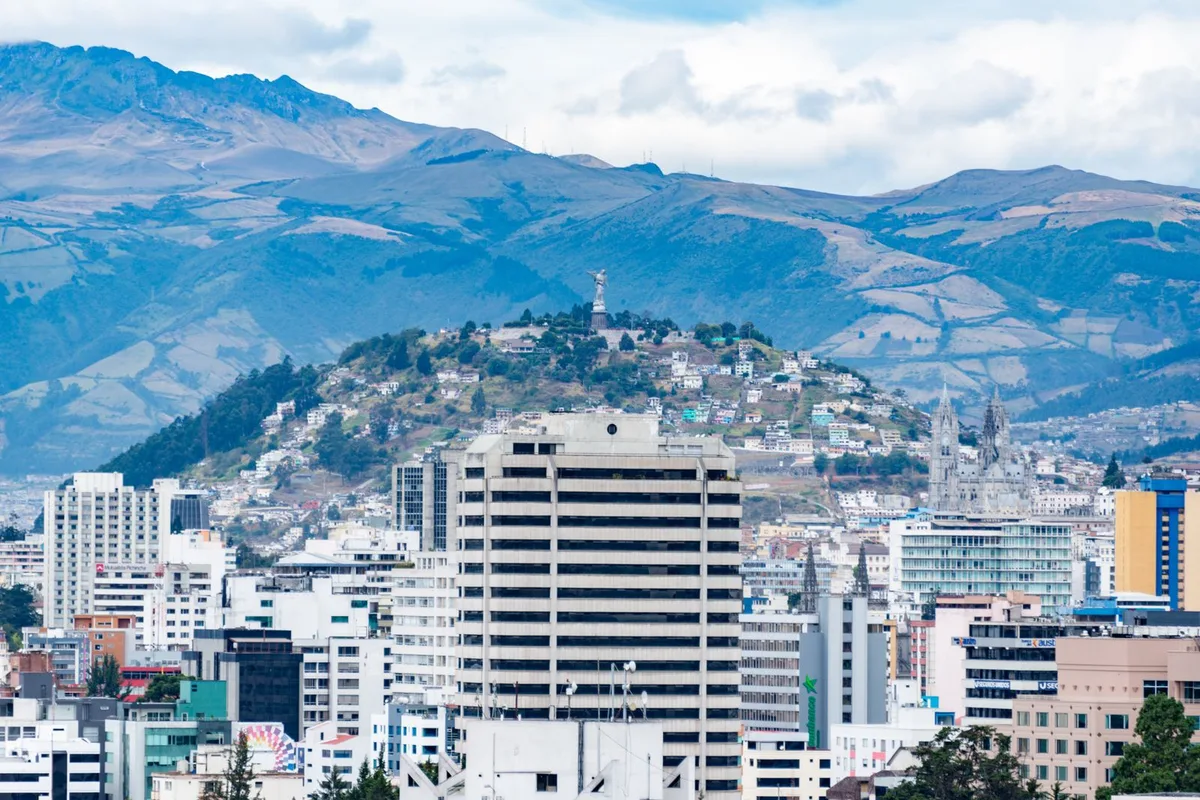
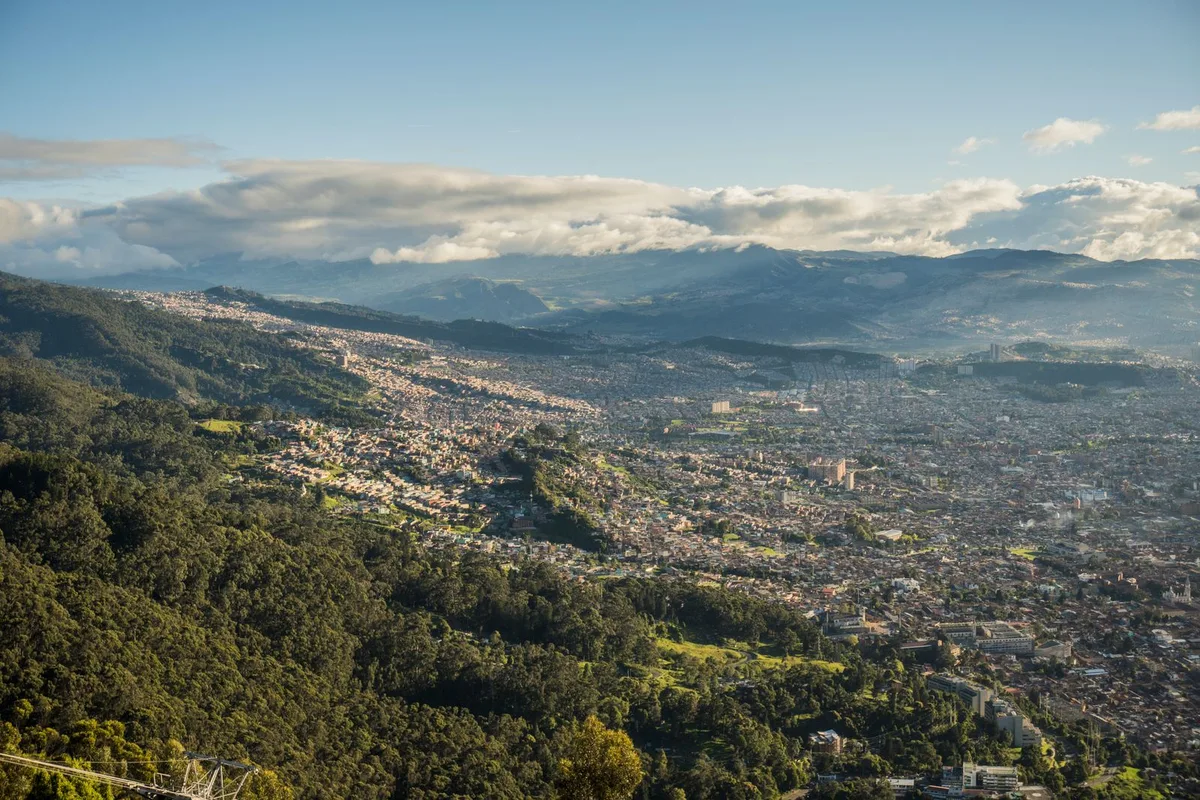
You have just landed at El Alto, the highest international airport in the world, and the city is below you — La Paz fills a steep canyon, from the market quarter at about 3,650 metres down to the Zona Sur suburbs some 700 metres lower. This guide covers the descent by taxi, app cab, minibus and cable car, where to sleep to beat the altitude, the salteña ritual, the first markets, and the lake, road and cable-car days that fill day two.
By Paul GreenUpdated Oct 202612 min readPrices checked Oct 2026
You just landed in La Paz. You touch down at 4,060 metres in El Alto and drop into a canyon city where altitude sets the pace — move slowly, drink coca tea, keep an Airalo eSIM live for maps and ride apps, and book the Titicaca and Death Road days that sell out first through GetYourGuide.
Some links on this page are affiliate links. If you book through one, After You Land may earn a commission — at no extra cost to you.
Quick facts
Airport
El Alto International (LPB), about 13 km northwest in El Alto, at 4,060 metres The highest international airport in the world. Most long-haul arrivals connect through Santa Cruz, Lima, Bogotá, Panama City or São Paulo.
Getting in
Taxi Bs 80 to 120, app cab about Bs 70, minibus Bs 5, 35 to 60 minutes down into the bowl There is no cable-car station at the terminal — a short taxi to the El Alto rim stations plus Mi Teleférico is the scenic budget route.
Currency
Boliviano (BOB, written Bs), about Bs 11.7 to US$1 in October 2026 A cash economy: taxis, markets and cable cars take bolivianos only. Cards work at hotels and larger restaurants; crisp US dollars are widely exchanged.
Languages
Spanish, with Aymara and Quechua widely spoken English works at hotel desks and tour offices and thins fast beyond them — the phrase chips below cover the essentials.
Time zone
Bolivia Time (UTC-4) all year the country never changes its clocks — One time zone nationwide, so domestic flight and bus times never shift by an hour.
Emergency
110 police, 118 ambulance, 119 fire Dialling 911 on a mobile redirects to the police on 110. Save your hotel and clinic numbers too — private clinics are the usual traveller choice.
Plugs
Type A and Type C sockets; La Paz runs mainly on 220 volts US plugs fit Type A, but check the voltage label first — some older buildings still run 110 volts.
Tap water
The city supply is treated, but most visitors drink bottled or filtered water Altitude already upsets stomachs; drink bottled or filtered, and use tap water for brushing and showers.
Tourist tax
No city lodging tax and foreign guests skip the 13% IVA on hotel rooms when paying by foreign card — Show your passport and immigration entry card at check-in and pay with a non-Bolivian card. The airport departure tax is already inside your airfare.
Best months
May to October, the dry season cold nights, clear skies, Illimani on show — November to March is the wet season: afternoon storms, misted views and greener hills.
Map
Find your arrival stop, hotel, and first meal. Stays, sights, and landmarks in La Paz (Bolivia) — live hotel prices plus the key places from this guide.
You land at 4,060 metres, and the city sits below you
La Paz fills a canyon dropping from the El Alto plateau to the Zona Sur suburbs some 700 metres lower. Treat the first hour as altitude management, not sightseeing — walk slowly and let the descent do the work.
Set up data before you leave home
An Airalo eSIM loads in minutes, so maps and ride apps work from the arrivals hall. For a longer Bolivia trip, compare Saily and Yesim.
The arrival checklist, in order
Complete the free SIGEMIG pre-registration before you fly — immigration asks for its QR code on arrival.
Change cash or use the airport ATM
Taxis, minibuses and cable cars are boliviano-only.
Drink water and a cup of coca tea
Skip the welcome beer, and plan nothing strenuous before tomorrow.
If a delayed or cancelled flight wrecked the arrival
AirHelp checks whether the airline owes you compensation — worth five minutes.
Getting around
Journey times are approximate and refer to the listed stop — not necessarily your hotel. Allow extra time for waiting, walking, and connections.
In a hurry? Taxi plus Mi Teleférico is the fastest option listed, at about 35 min.
Watching the budget? Minibus (micro) is the cheapest option listed, at Bs 5 (under US$1).
Heavy bags, a group, or a late arrival? Official airport taxi takes you door to door — Bs 80 to 120 (about US$7 to 10), about 40 min.
Official airport taxi
Agree the fare before you ride — the rank outside arrivals quotes about Bs 80 to the centre and Bs 120 or more toward Sopocachi and the Zona Sur; bolivianos only, so change cash or use the ATM first
PriceBs 80 to 120 (about US$7 to 10)Journeyabout 40 min
App cab with Uber or DiDi
The fare is quoted in the app before you ride and swings with demand; pick up outside the terminal and check the plate — cars thin out late at night
Priceabout Bs 70 (about US$6)Journeyabout 40 min
Taxi plus Mi Teleférico
No station at the terminal: a taxi of about Bs 15 reaches the El Alto rim stations in about 10 minutes, then Bs 3 for the first cable-car line and Bs 2 per connection; one suitcase rides fine, big bags suffer at rush hour
Priceabout Bs 20 (about US$2)Journeyabout 35 min
Minibus (micro)
Shared minibuses leave the forecourt for the centre and San Francisco; destination boards name landmarks, not streets, and there is no luggage space — a light-pack option only
PriceBs 5 (under US$1)Journeyabout 60 min
El Alto International sits on the plateau rim, about 13 km from the centre, and every transfer is a descent. There is no rail and no cable-car station at the terminal — the rides down:
Choose the taxi or app cab with luggage, at night, or whenever the altitude is biting. Choose the cable-car combo light-packed and in daylight: the great first view of the city, floating over the rim as the bowl opens below.
Prefer to be met? A Kiwitaxi transfer or a Welcome Pickups driver puts a name board in arrivals at a fixed price. Driving yourself is rarely the answer here — the canyon streets are steep and chaotic — but price it on AutoEurope if you plan Yungas or Altiplano days.
In town, Mi Teleférico is the system: ten colour-coded lines, Bs 3 for the first line and Bs 2 per connection, cash at the station. Below it, minibuses and trufis run everywhere for a few bolivianos, destinations shown on the windscreen.
In the city
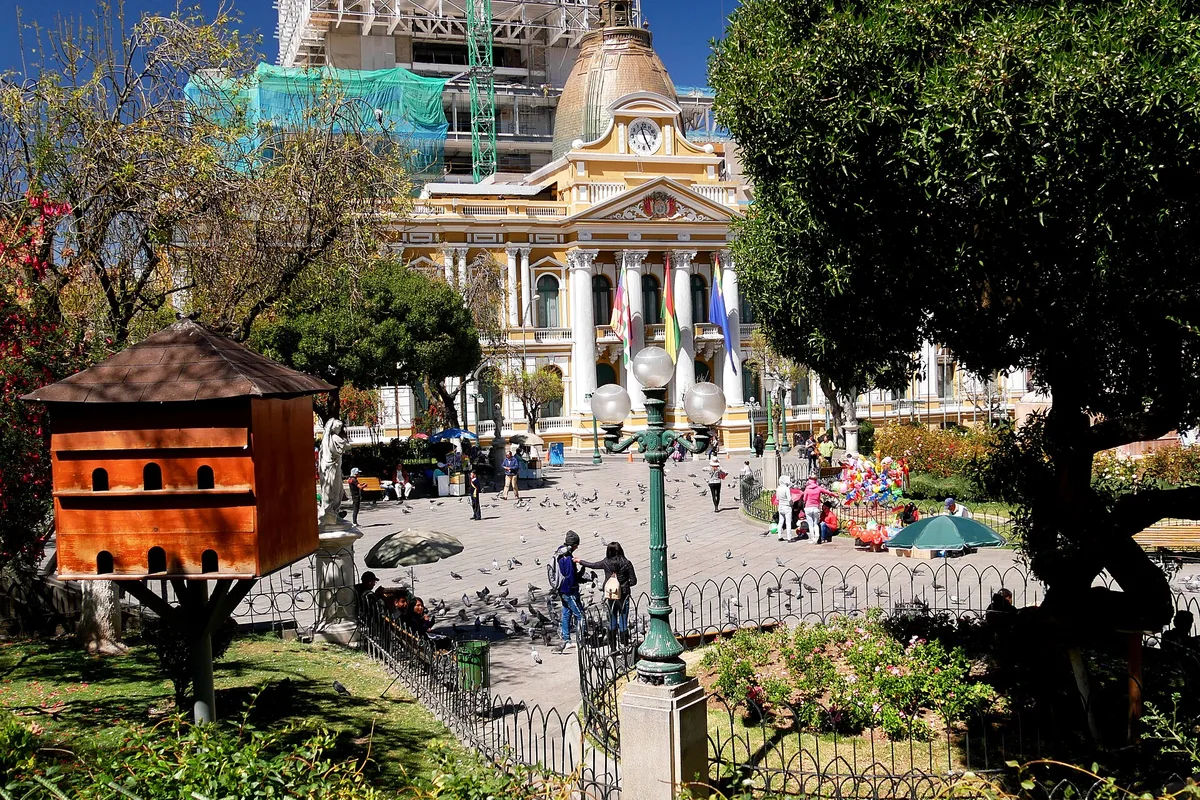
Start at Plaza Murillo, with the Cathedral, the Legislative Palace and the Presidential Palace around one square, and Calle Jaén beside it — a preserved colonial lane of cobbles and small museums. Two blocks down, the San Francisco Basilica anchors the market quarter.
Give the markets an hour. Calle Sagárnaga climbs past textile shops into the Witches' Market on Linares, where Aymara yatiri stalls sell herbs, amulets and offerings — browse respectfully and ask before photographing. The vast Rodríguez market nearby is where the city actually shops.
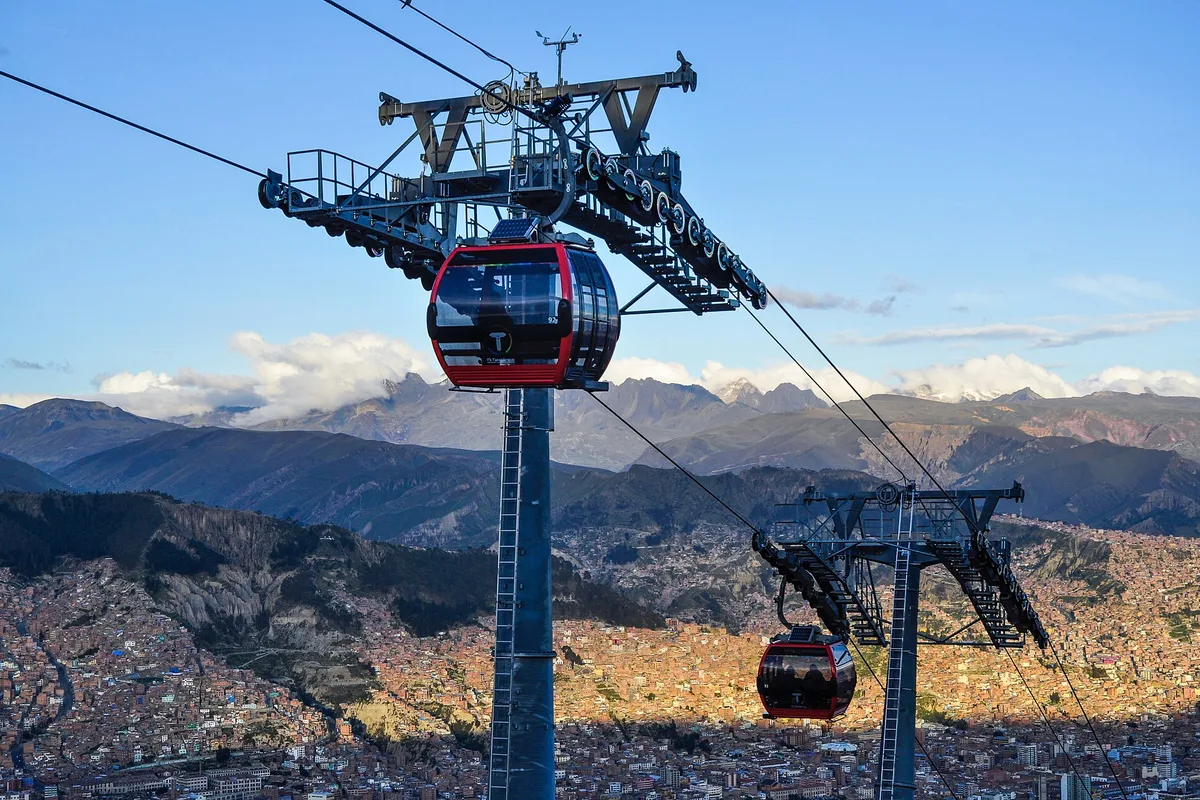
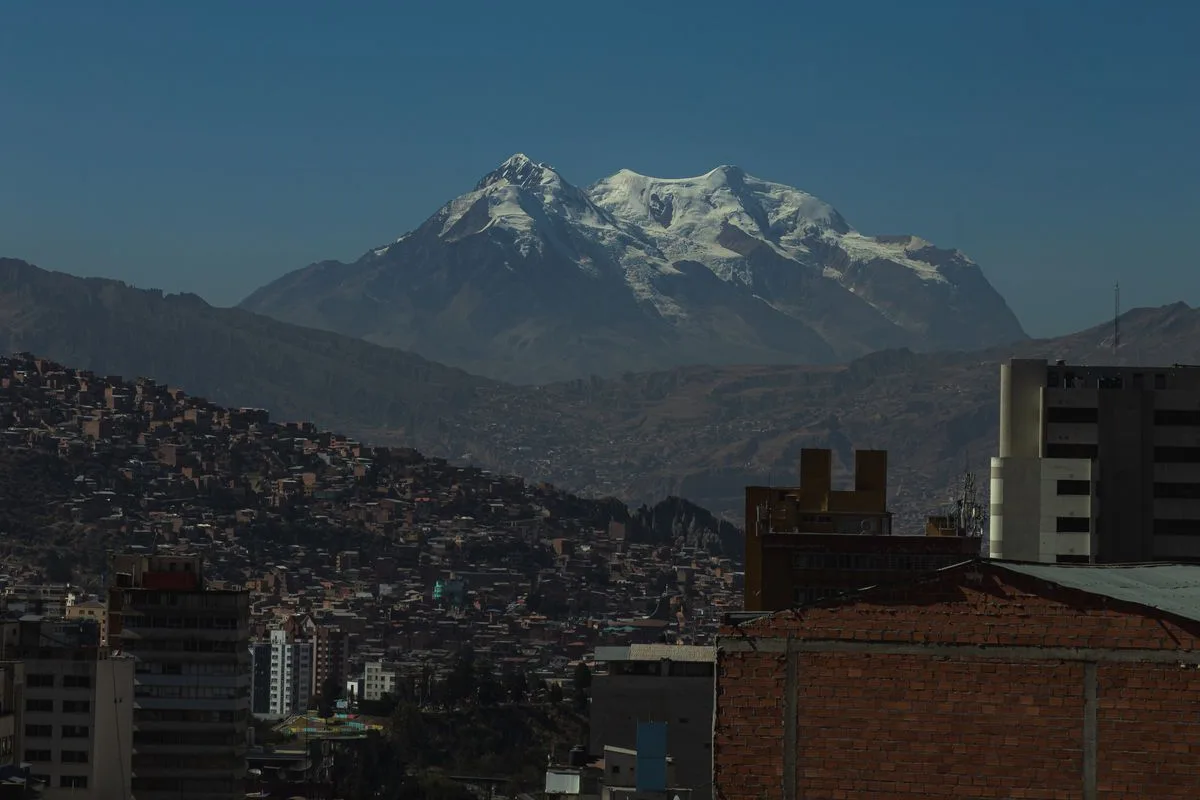
Then ride up. Mi Teleférico is transport and the best sightseeing in town in one: the Red Line climbs to El Alto for the rim view over the bowl, the Yellow and Green lines cross Sopocachi toward the Zona Sur. On a clear morning Illimani, the 6,438-metre triple peak, fills the end of every avenue.
Browse GetYourGuide for cable-car walks and city tours, and compare Klook when stacking days.
After you land in La Paz (Bolivia): Bookable experiences
Where to stay your first nights
Splurge
Atix Hotel.
Best for the design splurge at the city's lowest, warmest altitude — Calacoto in the Zona Sur
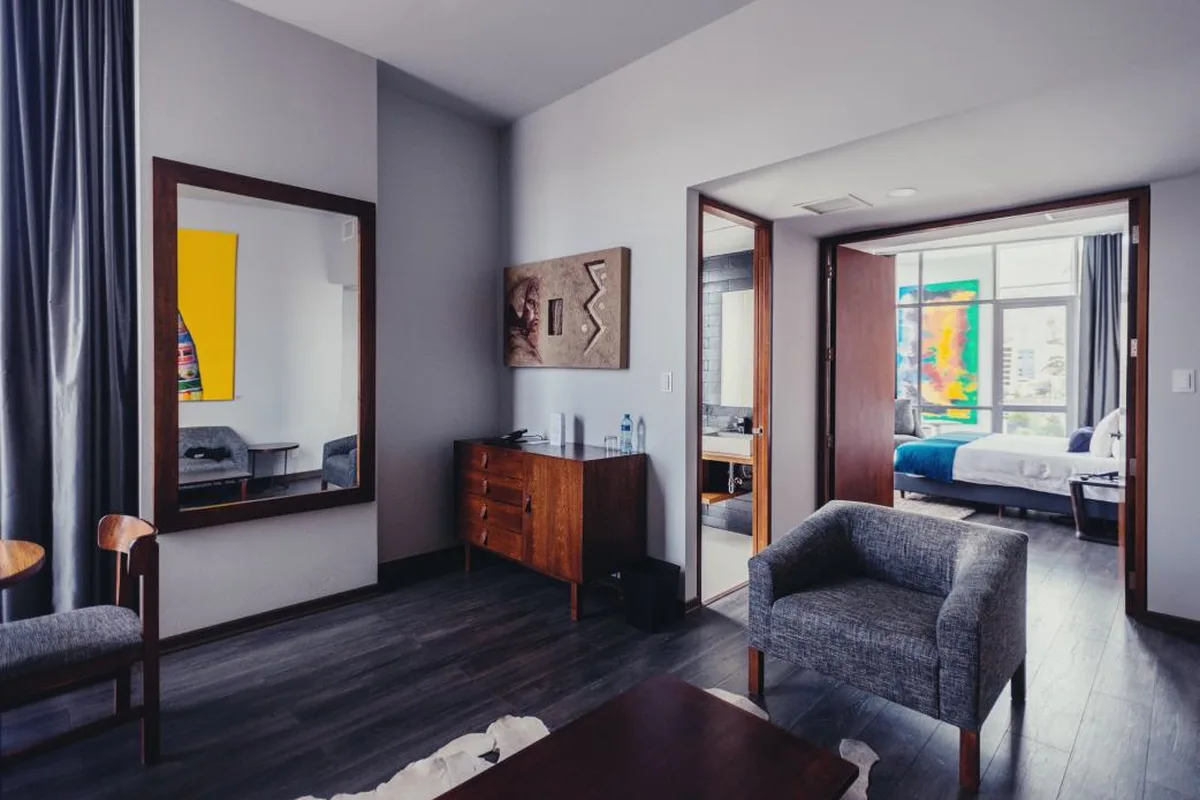
Sleep at Calle 16 8052 in Calacoto, the Zona Sur design hotel built from Bolivian wood and Comanche stone — 53 rooms wrapped in Gastón Ugalde art, an indoor pool and spa, and the +591 rooftop bar. Book it for the softest landing in the city: lowest altitude, quietest rooms.
Best for the classic central base — colonial patios two blocks from the Witches' Market
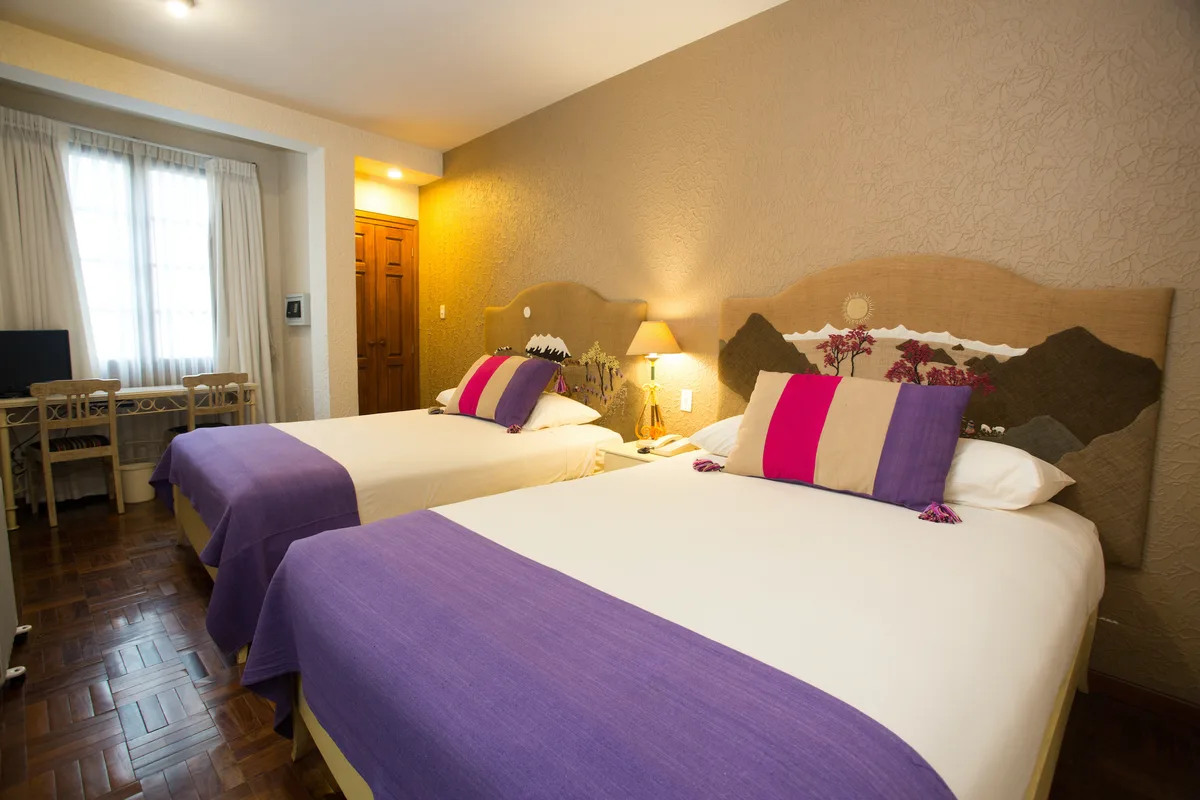
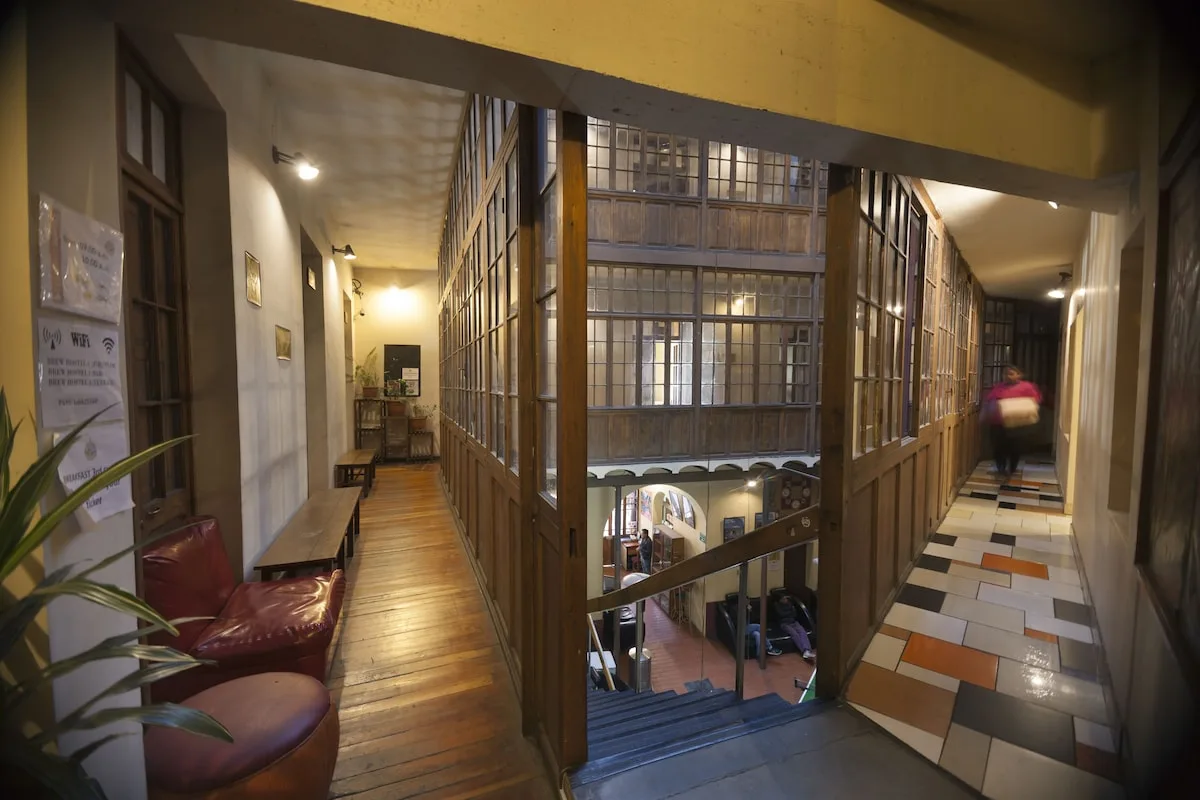
Stay on Avenida Illampu 704, in a colonial building two blocks from the Witches' Market — 41 rooms around sunny patios, a buffet breakfast, the Tambo Colonial restaurant and complimentary coca tea in the lobby. Book it for the classic traveller base: everything central on foot.
Best for social budget beds downtown — a hostel with its own microbrewery
Bed down at Avenida Montes 503, downtown — a hostel with its own microbrewery, five minutes from Plaza Murillo and ten from the Witches' Market. Book it for the social version of budget La Paz.
Height is the decision here: lower sleeps easier. The Centro canyon floor (about 3,650 metres) puts the markets and Plaza Murillo at your door. Sopocachi, a little lower and leafier, is the café quarter. The Zona Sur suburbs — Calacoto and San Miguel, near 3,300 metres — are warmest and kindest on a first night, at the price of a ride to the sights.
Book ahead for Gran Poder (late May or June) and holiday weekends. Show passport and entry card and pay by foreign card to keep the 13% IVA off the room.
Where to eat first
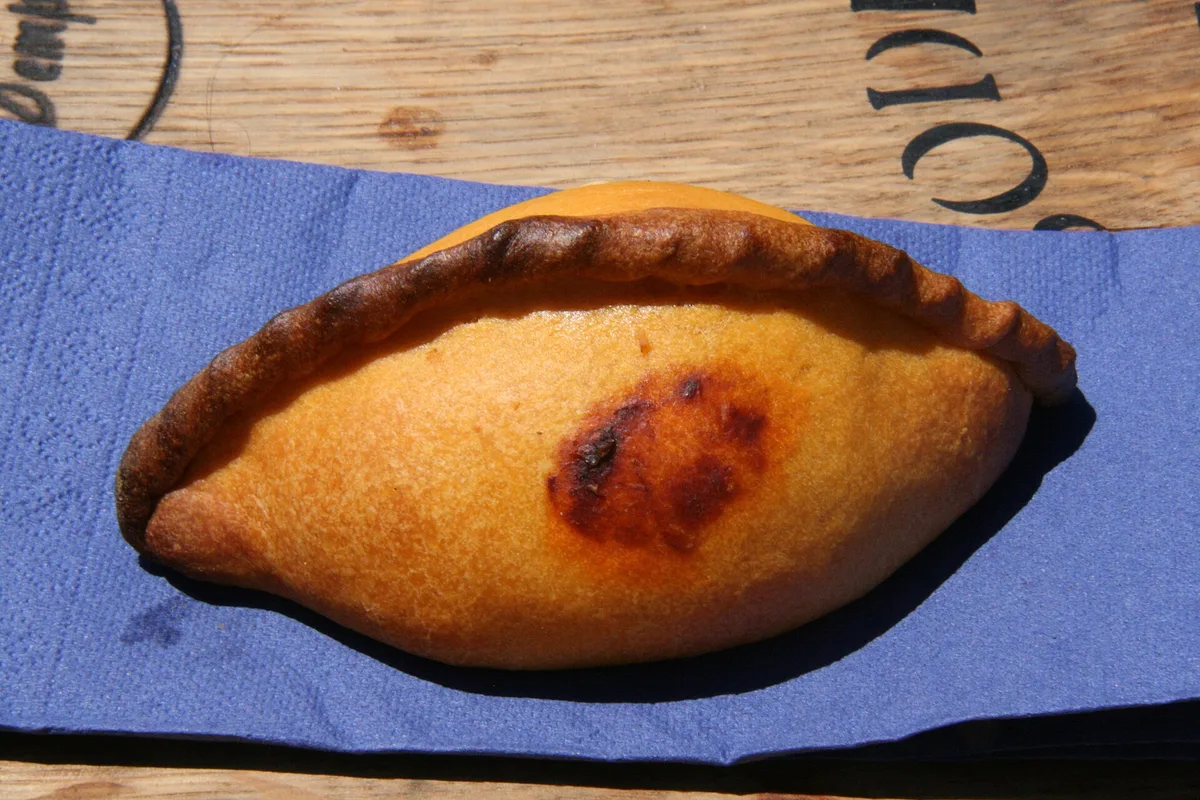
Eat a salteña first. The baked, football-shaped empanada — sweet-savoury crust, soupy spiced filling — is the mid-morning ritual, eaten with a spoon from one end so the broth does not escape. Around it: api, the hot purple-corn drink, at the markets; a crusty marraqueta roll; and coca tea everywhere. Three first stops:
The salteña stands around Plaza Murillo and the Prado.
Map → Order two salteñas de carne at a busy counter mid-morning, stand with the office crowd, and learn the spoon technique by watching. Cash only.
Mercado Rodríguez, above Sagárnaga.
Map → Graze the city's working food market — juice stalls, api stands and lunch counters serving silpancho and sajta de pollo. Go for a late breakfast; bring small notes.
Sopocachi's café streets, around Plaza España.
Map → Sit down for coffee, salteñas and people-watching in the leafy quarter — the gentlest first evening in town, dinner from about 7 pm.
For food tours and market walks, browse the La Paz listings on GetYourGuide for your first free morning.
Order this
the salteña. Eat a salteña first — the baked, football-shaped empanada with a soupy spiced filling is the mid-morning ritual; order two salteñas de carne at a busy counter and learn the spoon technique from the office crowd.
the api. The hot purple-corn drink, at the markets — Mercado Rodríguez runs api stands alongside its juice stalls and lunch counters.
the silpancho. Mercado Rodríguez's lunch counters serve silpancho and sajta de pollo in the city's working food market.
Day trips and more
Three escapes cover the classics: the sacred lake, the infamous road and the city from the air. Carry layers — every one starts above 3,600 metres.
Copacabana and Isla del Sol
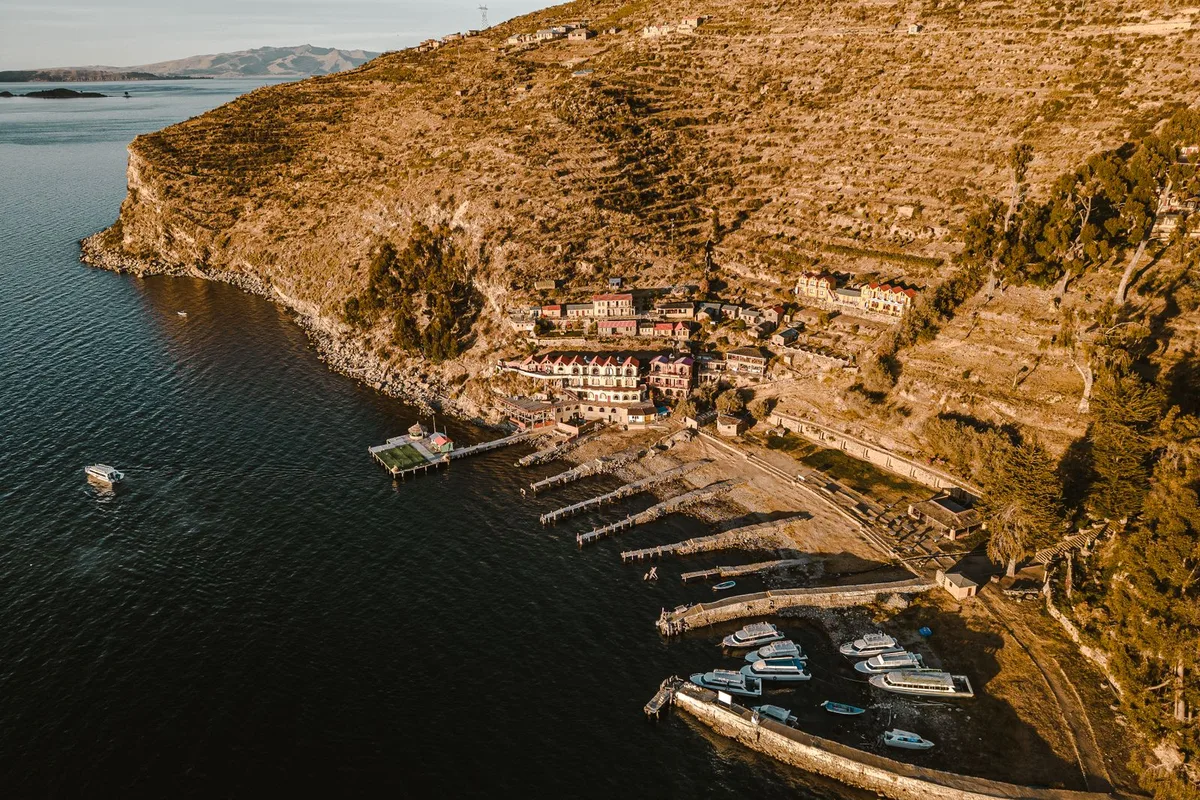
A full day on Lake Titicaca: bus to Copacabana, speedboat to Isla del Sol, the Inca birthplace of the sun god, and a walk through Yumani to the Pilkokaina temple. Pickup included, rated 4.5 from recent reviews, from about US$59. Check availability →
Death Road by mountain bike
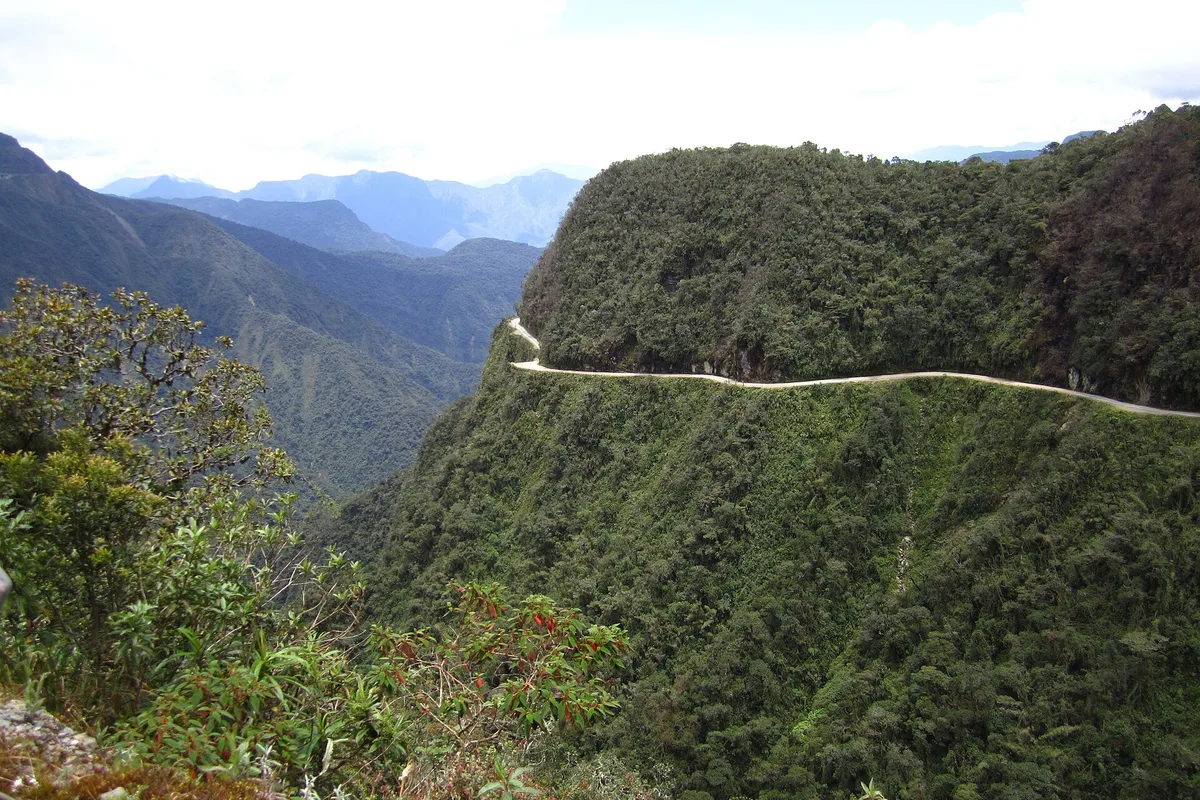
A full day dropping more than 3,500 metres: start at La Cumbre pass at 4,700 metres, ride asphalt then the narrow dirt shelf road into the Yungas jungle, and finish with lunch at the La Senda Verde animal refuge. Rated 4.9, from about US$145. Check availability →
La Paz and El Alto by cable car
Two and a half hours walking and riding with a local guide: the Witches' Market, San Pedro square, Calle Jaén and Plaza Murillo, joined by cable-car lines up to El Alto and back. Rated 4.8 from recent reviews. Check availability →
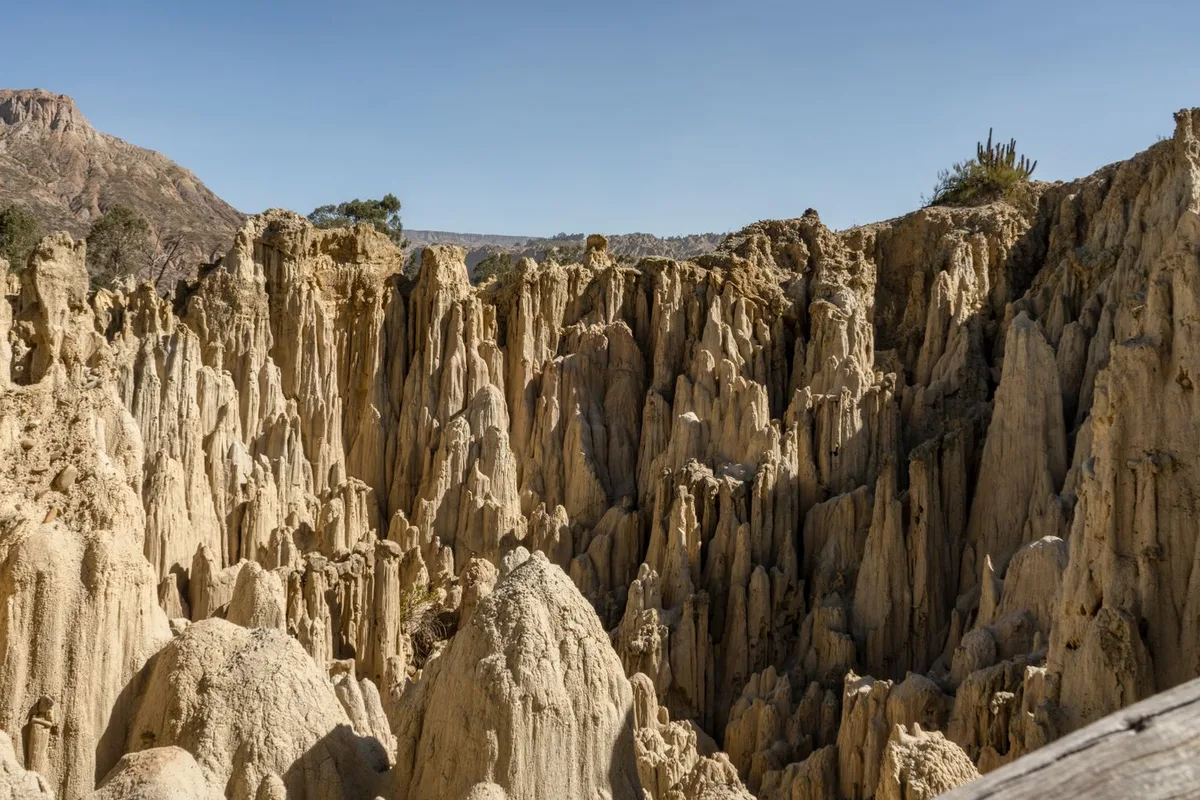
Leave a spare day for the Valle de la Luna spires in the Zona Sur, or the Tiwanaku ruins west of the city.
When to go and what it costs
May to October is the dry season: cold, clear mornings, long views to Illimani, and the Gran Poder festival in late May or June. November to March turns wet — afternoon storms, low cloud on the rim, greener light. Nights are cold all year; midday sun is fierce in every month.
Anchor prices in bolivianos — about Bs 11.7 to US$1 at October 2026 market rates, after the rate moved sharply in 2025 and 2026, so check the day's figure first. A cable-car line is Bs 3; a minibus across town Bs 2 to 5; a salteña breakfast under Bs 20; a taxi across the bowl Bs 20 to 40.
A backpacker in a dorm, on market lunches and cable cars: US$25 to 40 a day. Mid-range — a colonial-hotel room, café dinners, one guided day: US$70 to 110. A splurge day with the Zona Sur design hotel and a private tour passes US$200.
What to pack
Tap items to check them off — your list is saved on this device.
Pack for thin air, strong sun and cold nights. This is the full list:
Add the La Paz extras: warm layers for near-freezing dry-season nights, a hat for the high sun, and any altitude medication your doctor suggests. A Type A and C adapter covers both socket styles.
Language, visa and entry
✓ Visa-free entry for eligible passport holders
Spanish runs the city, in its paceño flavour, with Aymara woven through the markets and El Alto. La Paz is the seat of government — Sucre remains the constitutional capital — and lives at government pace: busy weekday mornings, quiet Sundays.
Four phrases do most of the work:
Buenos díasgood morningGraciasthank you¿Cuánto cuesta?how much does it cost?La cuenta, por favorthe bill, please
Sort your entry paperwork before you book anything non-refundable. Since 1 December 2025, US, UK, EU, Canadian, Australian and New Zealand citizens enter visa-free for up to 90 days — the old US$160 fee is gone. Your passport needs six months of validity; officers can ask for onward travel and a first-night address.
Every visitor, visa-free or not, must complete SIGEMIG, Bolivia's free online pre-registration, before arrival — do it two to seven days before you fly and keep the QR code on your phone; skipping it is the commonest delay at El Alto immigration. Carry a yellow fever certificate if heading to the Amazon lowlands.
Safety and health
Let the altitude set the pace — soroche is the main health risk
Headache, nausea and broken sleep are normal on night one at 3,600 metres. Walk slowly, eat lightly, drink water and coca tea, and skip alcohol for a day or two. Pharmacies sell soroche pills, hotels can arrange oxygen, and symptoms that worsen after 24 hours mean a clinic.
Ride official or app-priced taxis, especially at night
Use the airport rank, radio taxis your hotel calls, or Uber and DiDi with the fare on screen. Unmarked cars touting outside terminals are the classic risk; agree every street fare before the door closes.
Guard cash and phone in the market crowds
Pickpockets work Sagárnaga, the Rodríguez market and crowded minibus stops. Carry bolivianos in small notes, keep the phone away at café edges, and leave the passport in the hotel safe — a photo of it covers most checks.
Respect the sun, the storms and the street food learning curve
UV is extreme at this height even under cloud — sunscreen before the cable cars. In the wet season, afternoon storms flood steep streets fast. Eat where the queue is, start with cooked food, and dial 110 for police.
The descent, the altitude and the paperwork, in short.
Fares checked against 2026 airport and fare reporting and the Mi Teleférico tariff, October 2026; entry rules against Bolivia's December 2025 visa-exemption change and SIGEMIG immigration guidance.
An official airport taxi takes about 40 minutes — Bs 80 to 120 to the centre or Sopocachi, more to the Zona Sur; agree the fare first. Uber and DiDi quote about Bs 70 in the app. Minibuses cost about Bs 5 but crawl. The scenic option is a short taxi to the El Alto rim stations, then Mi Teleférico down: Bs 3 for the first line, Bs 2 per connection.
Real, and manageable if you respect it. You land at 4,060 metres and sleep at 3,300 to 3,650 metres — the Zona Sur is lowest. Walk slowly, eat lightly, drink water and coca tea, skip alcohol on day one, and save tours for day two. Pharmacies sell soroche pills; symptoms that worsen after a day mean a clinic.
Not with a US, UK, EU, Canadian, Australian or New Zealand passport: since 1 December 2025 those nationals enter visa-free for up to 90 days, and the old US$160 US fee is gone. Everyone must still complete the free SIGEMIG online pre-registration before arrival; your passport needs six months of validity.
Ten colour-coded cable-car lines cross the city and climb to El Alto. Pay cash at any station: Bs 3 for the first line, Bs 2 for each connecting line. Cabins run from early morning to late evening and beat the canyon traffic at rush hour.
May to October, the dry season: cold nights, clear mornings and the best Illimani views, with Gran Poder filling the streets in late May or June. November to March brings afternoon storms and misted views, but greener hills and thinner crowds.
With normal city care, yes. The centre, Sopocachi and the Zona Sur are walked day and night; the real risks are pickpockets in market crowds and unmarked taxis touting outside terminals. Ride official or app-priced cars after dark.
Fares change — the airport rank, Mi Teleférico and your ride app always win.
La Paz (Bolivia), Saved for After You Land
Landing soon? Get the printable PDF — the essentials from this guide, formatted for your phone:
The airport transport cheat sheet, with ticket links
Our 3 restaurant picks, with maps
The packing checklist
One email with your La Paz (Bolivia) PDF (guide version: Oct 2026). Fare changes and new guides after that. No spam, unsubscribe anytime.
Sources and last verified
Transfers against 2026 fare reporting: taxis Bs 80 to 120 to the centre and Sopocachi, app cabs about Bs 70, minibuses about Bs 5. Mi Teleférico fares against the operator's tariff: Bs 3 for the first line, Bs 2 per connection, and no station at the airport — the cable-car transfer starts with a short taxi to the El Alto rim stations. Exchange anchor: about Bs 11.7 to US$1 at October 2026 market rates. Entry against Bolivia's December 2025 visa exemption and the mandatory free SIGEMIG pre-registration. Hotel IVA exemption (13%, foreign card, passport and entry card) against property booking terms. GetYourGuide products opened and read: Copacabana and Isla del Sol, Death Road mountain bike, La Paz and El Alto cable-car walking tour. Expedia opened for Atix Hotel; the other two hotel URLs are blank pending the confirmation pass. Photo credits as in the guide data. Last verified October 2026.
Affiliate disclosure: hotel names, transfers, experiences, and products linked in this guide may earn After You Land a commission at no extra cost to you. Prices and times were checked in Oct 2026 and change often — confirm before you book.