You have just landed at La Aurora in Guatemala City, and the lake is still one journey away: a three-and-a-half-hour climb into the highlands to Panajachel, then a lancha across water ringed by three volcanoes. This guide covers the shuttle run and its real fares, where to sleep, the Q25 boats and the Xocomil wind, a first day in Panajachel, and the village days that fill day two.
By Paul GreenUpdated Oct 202612 min readPrices checked Oct 2026
You just landed in Lake Atitlan. There is no airport at the lake — you land at La Aurora (GUA) and ride about 3.5 hours by shuttle to Panajachel, then cross by Q25 lancha, with an Airalo eSIM live for the road, morning crossings before the Xocomil wind, and the village boat days worth booking ahead through GetYourGuide.
Quick facts
Airport
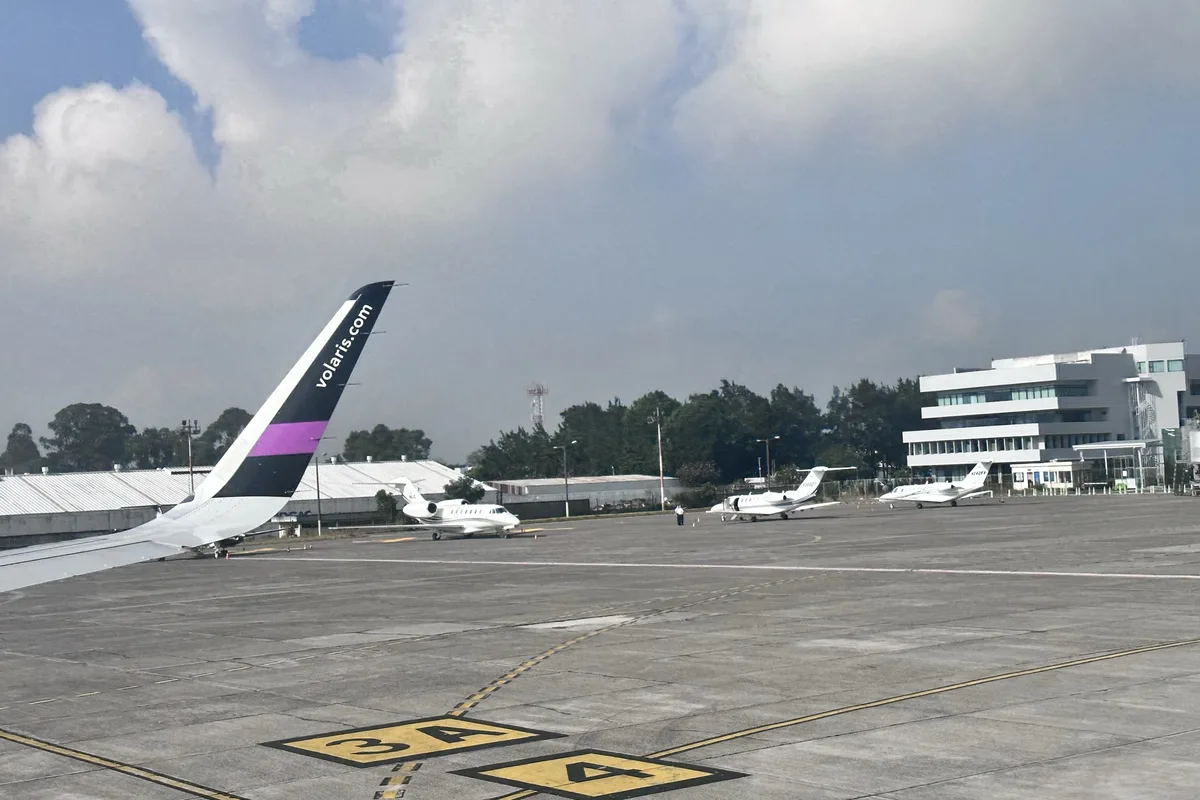
La Aurora International (GUA), Guatemala City about 115 km and 3.5 to 4 hours by road from Panajachel — There is no airport at the lake. GUA is Guatemala's main gateway, with direct flights from US hubs; the lake leg is a shuttle or private car up into the highlands.
Getting in
Shared shuttle US$32 to 40, private car about US$150, then a Q25 lancha if your hotel is across the water Booked shuttles run from the airport to Panajachel a few times a day. Panajachel is the practical first base; boats fan out from its docks.
Currency
Guatemalan quetzal (GTQ), about Q7.64 to US$1 in October 2026 Dollars work for shuttles and many hotels, but lanchas, tuk-tuks and markets run on quetzales — carry small bills, because boat crews rarely have change.
Languages
Spanish, plus Kaqchikel and Tz'utujil Maya around the lake Panajachel runs on Spanish with English in hotels and tour offices. The villages are Maya first: San Pedro, San Juan and Santiago are Tz'utujil; the north shore is Kaqchikel.
Time zone
Central Standard Time (UTC-6) all year Guatemala does not change its clocks — One offset all year, so shuttle and boat plans never shift by an hour.
Emergency
110 for police, 122 or 123 for fire and ambulance there is no 911 — Tourist assistance (PROATUR) answers on 1500 inside Guatemala. Serious medical cases go back to Guatemala City, so keep your insurer's number handy.
Plugs
Type A and Type B sockets, 120 volts the same as the US and Canada — European and British plugs need an adapter. Village power flickers — charge when it is on.
Tap water
Do not drink it at the lake or in Guatemala City — Drink bottled or purified water. Hotels and hostels refill bottles from a garrafón (big purified jug).
Tourist tax
Hotel bills add 12% IVA plus 10% INGUAT tourism tax 22% on top at many properties — Budget hostels often quote tax-inclusive rates; upscale hotels frequently add the 22% at checkout. The US$30 air departure tax is normally inside your ticket.
Best months
November to April the dry season, with clear volcano views and calm mornings on the water — May to October is green and lush but rainy, with a stronger Xocomil wind. The lake sits at about 1,560 m, so nights are cool year-round.
Map
Find your arrival stop, hotel, and first meal. Stays, sights, and landmarks in Lake Atitlán — live hotel prices plus the key places from this guide.
There is no runway at the lake, so treat the journey as two arrivals: La Aurora first, then the highland road down to the water at Panajachel. The travellers who enjoy day one booked the road leg before they flew.
Set up data before you leave home — an Airalo eSIM loads in minutes, so maps and shuttle messages work from arrivals. For a longer Guatemala trip, compare Saily and Yesim.
The arrival checklist, in order:
Book the airport shuttle or private car before you fly — walk-up seats to Panajachel are not guaranteed
Change a little cash or use the airport ATM: quetzales in small bills for boats and tuk-tuks
Reach Panajachel by mid-afternoon, so any onward lancha crosses before the Xocomil picks up
If a delayed or cancelled flight wrecked the arrival, AirHelp checks whether the airline owes you compensation — worth five minutes.
Getting around
Journey times are approximate and refer to the listed stop — not necessarily your hotel. Allow extra time for waiting, walking, and connections.
Shared shuttle
Booked shared shuttles (AtitlanTour, Atitrans, Guatemala Transportation) run a few departures a day, roughly 05:30, 11:00 and 14:00; book before you fly, and note some routings swap vans in Antigua
PriceUS$32 to 40Journeyabout 3.5 to 4 hrs
Private transfer
A private car or minivan at your hour, door to door — the price is per vehicle, not per person, so it splits well for three or four; the driver meets you in arrivals
Priceabout US$150 per carJourneyabout 3.5 hrs
Shared shuttle via Antigua
For arrivals who overnight in Antigua first — the classic pairing: shared shuttles run Antigua to Panajachel several times a day on a winding mountain road; the return to Antigua costs about US$20
PriceUS$25Journeyabout 3 hrs
Public lancha
The last leg to San Pedro, San Juan, San Marcos or Santiago: cash in small bills, boats leave when full from about 06:00, last public boats 16:30 to 17:00 — cross in the morning before the Xocomil wind
PriceQ25Journeyabout 25 to 40 min
Two systems move you here: the road from Guatemala City to Panajachel, and the lanchas — public motorboats that are the lake's buses, linking Panajachel to San Pedro, San Juan, San Marcos, Santa Cruz and Santiago for Q25 a ride. The arrival legs:
Choose the shared shuttle with a booking and a midday departure; choose the private car for late flights, families and heavy bags. If your first night is in San Pedro or San Marcos, the shuttle still lands you in Panajachel — the lancha is the last leg, and it stops in the late afternoon.
Prefer to be met? A Kiwitaxi transfer or a Welcome Pickups driver puts a name board in arrivals at a fixed price. Renting a car rarely earns its keep here — most villages have no road in — but price one on AutoEurope for highland touring.
In town, tuk-tuks run short hops for Q10 to Q20, agreed before you climb in. On the water, tell the crew your village and sit toward the back for the driest ride.
In the city
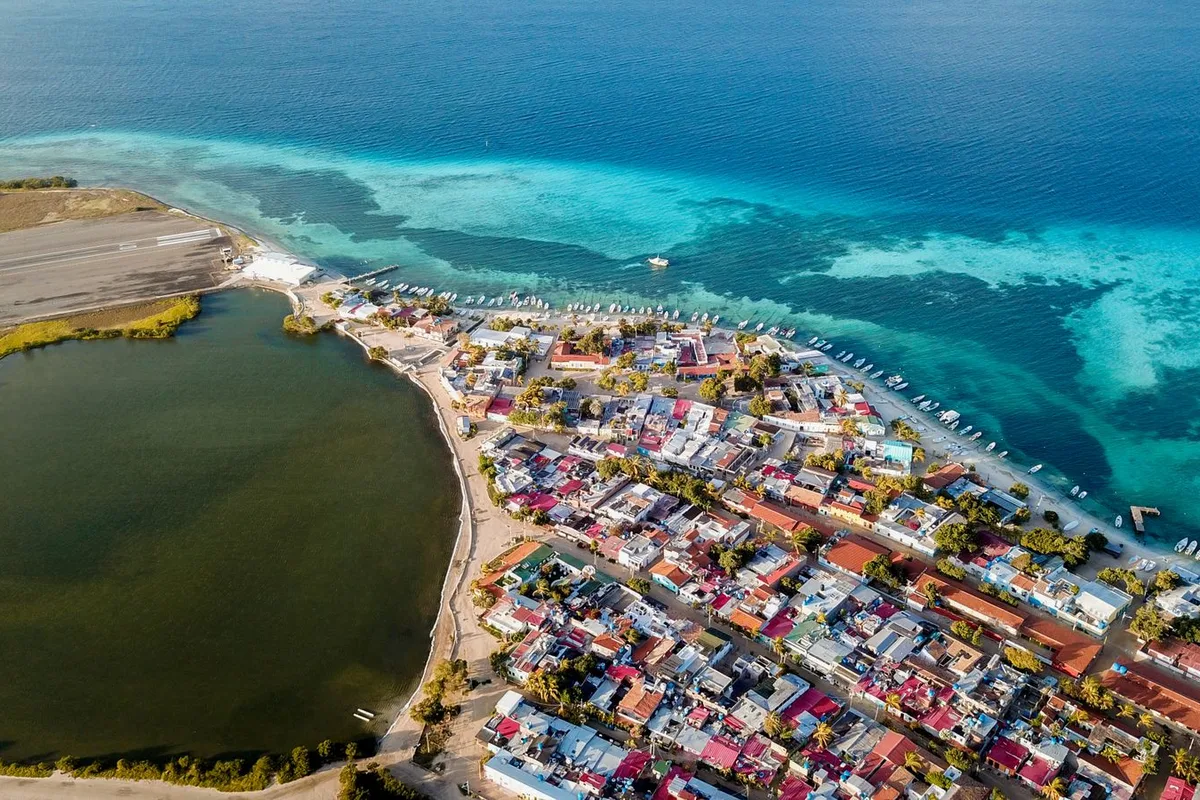
Panajachel — Pana — is the lake's front door: one main street, Calle Santander, from the highway down to the docks, lined with textile stalls, coffee shops and shuttle offices. Walk it once and you have the town's map.
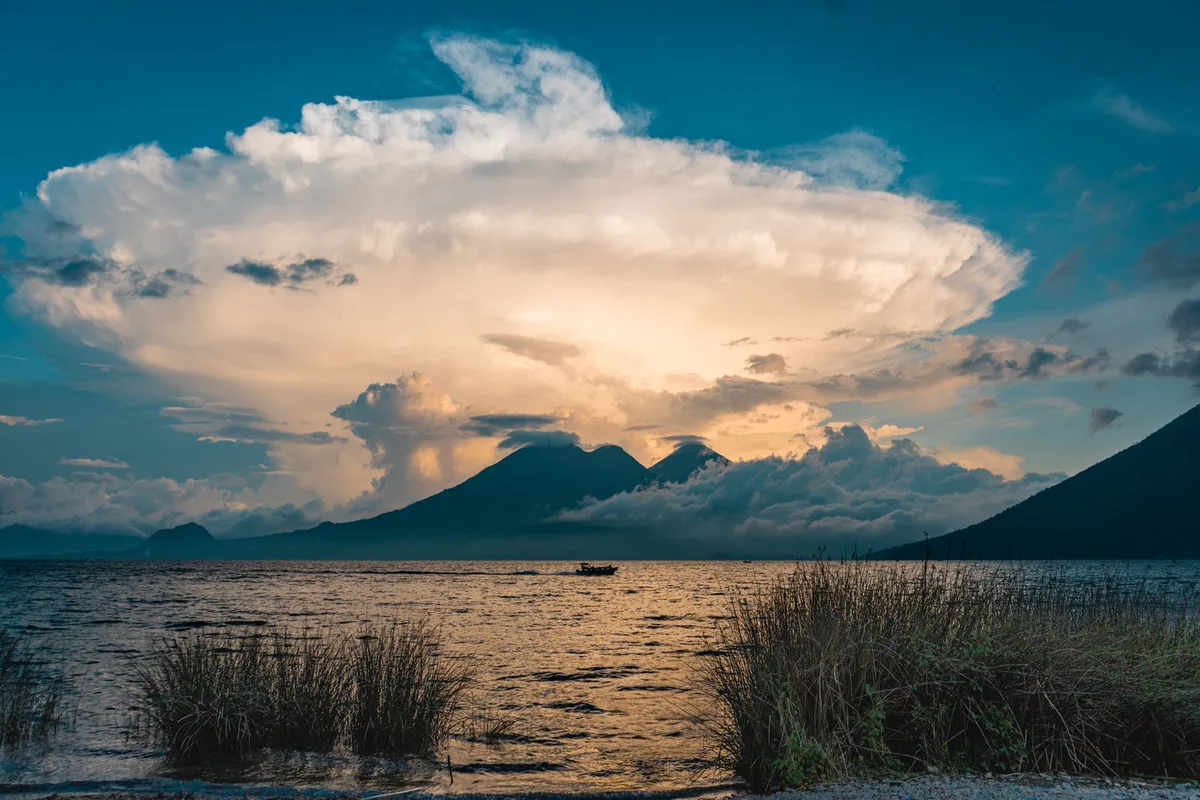
At the bottom of Santander, the Tzanjuyú dock is where the San Pedro boats leave; the Santiago boats use a separate dock nearby. Watch a lancha load — crates, baskets, schoolkids, travellers — and the lake's whole economy makes sense. West of the docks, the beach promenade is the sunset walk, Volcán San Pedro standing across the water.
Do this on day one: ride a morning lancha to one village and back before lunch, while the water is glass. Skip that: do not plan a cross-lake return after 3 pm in the rainy season — the Xocomil turns it into a soaking, bouncing ride, and the last public boats leave around 4.30 to 5 pm.
Browse GetYourGuide for village boat days and volcano hikes, and compare Klook when stacking activities.
After you land in Lake Atitlán: Bookable experiences
Where to stay your first nights
Splurge
Hotel Atitlan.
Best for the lakeside splurge — botanical gardens, aviaries and a pool facing the three volcanoes, in Panajachel
Stay in Panajachel, on the bay west of the docks — the lake's grande dame, wrapped in botanical gardens and aviaries, with a lakeside pool facing the three volcanoes. Book it for lakefront calm without leaving the practical base town.
Best for character in the practical base — gardens, a pool and the Museo Lacustre at the end of Calle Santander, Panajachel
Sleep at the quiet end of Calle Santander — 39 rooms in gardens above the shore, a pool, marimba at the restaurant and the Museo Lacustre, a small museum of Maya pieces recovered from the lake, free to guests. Book it for character and location in one.
Best for social budget beds two minutes from the docks — dorms, privates, a pool and co-working in Panajachel
Bed down on Calle del Embarcadero in Panajachel, two minutes from the docks — the former Selina, now Socialtel: dorms from about US$14, privates, a pool, co-working space and a lakeside bar. Book it for social budget Pana with the easiest dock run in town.
Base in Panajachel on a first trip — the shuttles land there, the boats are most frequent, and it is the easiest place to fix a problem. San Pedro La Laguna is the social, budget and Spanish-school base under its volcano; San Marcos La Laguna is the quiet one, all yoga decks and still water. Both are one Q25 boat ride away once you have your bearings.
Book ahead for Semana Santa, Christmas and New Year, when Guatemalans themselves holiday at the lake — and ask whether the rate includes the 22% hotel taxes.
Where to eat first
Eat a desayuno típico first: eggs, black beans, fried plantains, cheese, tortillas and strong highland coffee — the lake grows some of Guatemala's best coffee on its own slopes. Three first stops in Panajachel:
Café Loco, Calle Santander.
Drink single-origin lake coffee at the café that treats Atitlán beans like a wine list — the baristas will talk you through the village lots. Start here on your first morning.
Circus Bar, Avenida de los Árboles.
Eat wood-fired pizza and pasta at the traveller institution just off Santander — big room, live music many nights, the easiest first-evening landing in town. Walk-ins usually fine early.
The Santander stalls and the lakeside comedores.
Graze the main street for tostadas, elotes and licuados (fruit smoothies), then graduate to a comedor plate of pepián — Guatemala's rich, toasted-seed chicken stew — for a fraction of restaurant prices.
For coffee-farm visits and village cooking days, browse the Lake Atitlán listings on GetYourGuide and book a slot for your first free day.
Day trips and more
The villages are the destination: each town keeps its own Maya language, dress and trade, and the boat ride between them is half the pleasure. Cross in the morning.
Three villages by boat
Eight hours from the Panajachel docks: textile and honey workshops in San Juan, a wander through San Pedro under its volcano, then Santiago Atitlán for the colonial church and the Maximón shrine. Breakfast included, rated 4.8, from about US$58. Check availability →
San Juan La Laguna in depth
Six and a half hours, shared boat from Panajachel: women's weaving cooperatives dyeing with plants and bark, stingless melipona beekeeping, a coffee smallholding and the umbrella and hat streets. Rated 4.6, from about US$40. Check availability →
Chichicastenango market
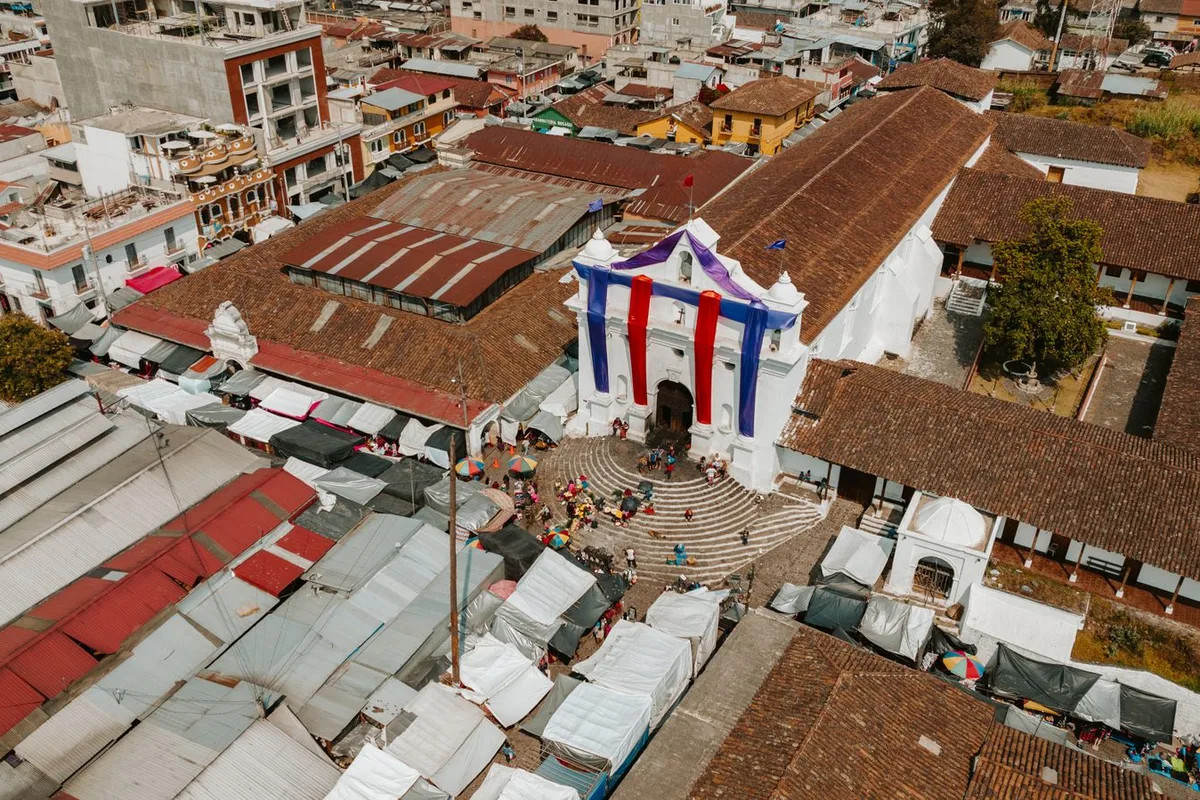
Nine hours by road on Thursday or Sunday, the great market days: the Santo Tomás church steps, where Maya prayer and Catholic mass share one building, and the largest indigenous market in Guatemala. A lake-only alternative: the full-day cultural boat tour covers San Juan and Santiago, from about US$45. Check availability →
Leave a spare morning for the Indian Nose (Rostro Maya) sunrise hike — the classic lake photograph, from the ridge as the volcanoes light up.
When to go and what it costs
November to April is the dry season: blue mornings, the clearest volcano views and the calmest crossings — December and January bring the sharpest light and coolest nights. May to October rains most afternoons, prices drop, and the Xocomil makes morning boats a rule, not a tip. At 1,560 m the lake is spring-like by day and jacket-cool after dark all year.
Budget in quetzales at about Q7.64 to US$1 (October 2026). A lancha ride is Q25; a tuk-tuk hop Q10 to Q20; a comedor lunch US$4 to 7; a good restaurant dinner US$12 to 20.
A backpacker in a dorm, on comedor lunches and public boats: US$30 to 45 a day. Mid-range — a garden hotel, café breakfasts, a guided village day: US$90 to 140 a day. A splurge day at the grande dame with a private boat passes US$250.
What to pack
Tap items to check them off — your list is saved on this device.
Pack for spring days, cool nights and a boat that throws spray — the lake rewards layers and dry bags. This is the full list:
Add the lake extras: a dry bag for lancha crossings, a warm fleece for evenings and the Indian Nose dawn start, swim kit for the dock jumps at San Marcos, and small quetzal notes — nobody on a boat can change a Q100.
Language, visa and entry
✓ Visa-free entry for eligible passport holders
Spanish is the working language; around it, the lake speaks Kaqchikel on the north shore and Tz'utujil in San Pedro, San Juan and Santiago. Village dress is not costume — each town's huipil pattern names where a woman is from. San Pedro's Spanish schools are among the cheapest in Latin America, which is why half the backpackers you meet are mid-course.
Four phrases do most of the work:
Buenos díasgood morningGraciasthank you¿Cuánto cuesta?how much does it cost?¿A qué hora sale la lancha?what time does the boat leave?
Sort your entry paperwork before you book anything non-refundable. US, Canadian, British, EU, Australian and New Zealand nationals enter visa-free for up to 90 days. The catch is the CA-4 agreement: those 90 days are shared with Honduras, El Salvador and Nicaragua, and the clock starts in the first of the four you enter.
Carry a passport with six months left, proof of onward travel for the airline desk, and complete Guatemala's online traveller declaration before you arrive. Make sure the entry stamp actually goes in your passport — an unstamped arrival becomes a fine on departure.
Safety and health
Cross the lake in the morning, and take the life jacket
The Xocomil wind rises most afternoons and can turn a crossing rough — a lancha capsized in high wind on the Panajachel to San Juan run in January 2026, killing two tourists. Life jackets live under the bench seats; ask for one, sit low and toward the back, and skip any boat that looks overloaded.
Treat the last boat as a curfew
Public lanchas wind down between 4.30 and 5 pm, earlier in the rainy season. After that you are negotiating a private boat at Q300 to Q500 — plan village days backwards from the last departure.
Keep city smarts in Panajachel and on the road
Use the hotel safe for passports, take a tuk-tuk rather than walking dark shore roads late, and ride booked shuttles after dark. Intervillage trails, including Santa Cruz to San Marcos, have seen robberies — hike them in a group or with a guide.
Respect the altitude and the water
At 1,560 m the sun burns faster than it feels: sunscreen, a hat, slow first-day pacing. Swim from docks rather than town beaches, and drink only purified water. For emergencies dial 110; serious cases go to Guatemala City's private hospitals.
The road in, the Q25 boats and the CA-4 clock, in short.
Shuttle and lancha fares checked against operator listings, the lancheros association and INGUAT hours, October 2026; entry rules against CA-4 and 2026 consular guidance; hotel taxes against the properties' published policies.
Fly into La Aurora (GUA) in Guatemala City, then a booked shared shuttle to Panajachel — US$32 to 40, about 3.5 to 4 hours. A private car costs about US$150 per vehicle. If your hotel is in another village, the lancha from Panajachel is the last leg at Q25.
Panajachel for a first night: the shuttles land there and the boats are most frequent. San Pedro La Laguna is the social base — backpackers, bars and cheap Spanish schools. San Marcos is the quiet one, for yoga and still water. Both are one Q25 lancha ride away.
US, Canadian, British, EU, Australian and New Zealand nationals enter visa-free for up to 90 days. Under the CA-4 agreement the 90 days are shared with Honduras, El Salvador and Nicaragua. Bring a passport with six months left and complete the online traveller declaration.
Lanchas are the lake's buses: Q25 per person on the Panajachel routes, cash in small bills. No printed timetable — boats leave when they fill, roughly every 10 to 20 minutes, from about 06:00 until 16:30 to 17:00. Cross in the morning, before the Xocomil wind.
November to April, the dry season: clear volcano views and calm mornings, sharpest in December and January. May to October is greener and cheaper, with afternoon rain and stronger wind — plan boat days for the mornings.
The towns are well travelled and generally relaxed, with normal care: booked shuttles after dark, a tuk-tuk for late shore roads, a guide on intervillage trails. Do not drink the tap water. The real hazard is the water: take morning boats and use the life jacket.
Fares change — your shuttle operator, the boat crews and the Banco de Guatemala rate always win.
Lake Atitlán, Saved for After You Land
Landing soon? Get the printable PDF — the essentials from this guide, formatted for your phone:
The airport transport cheat sheet, with ticket links
Our 3 restaurant picks, with maps
The packing checklist
One email with your Lake Atitlán PDF (guide version: Oct 2026). Fare changes and new guides after that. No spam, unsubscribe anytime.
Sources and last verified
Shuttle fares against operator listings read October 2026: airport to Panajachel shared shuttle at US$32 (AtitlanTour), US$35 (Atitrans, Guatemala Transportation) and US$40 (Adrenalina Tours); Antigua to Panajachel US$25; private car about US$150 per vehicle. Lancha fares and hours against the Asociación de Lancheros San Juan Bautista's published Q25 fare and INGUAT's recorded hours (from 06:00, ending 16:30 to 17:00); short-hop fares are unpublished and vary. Exchange anchor: Banco de Guatemala reference rate Q7.6394 to US$1, 22 October 2026. Hotel taxes against Hotel Atitlán's published policy (12% VAT plus 10% tourism tax); entry against the CA-4 rules; emergency numbers against GOV.UK and CONRED. GetYourGuide products opened and read: t876030, t28388, t780077. Expedia was not opened for this build, so hotel URLs are empty pending the confirmation pass. Photo credits as in the guide data. Last verified October 2026.
Affiliate disclosure: hotel names, transfers, experiences, and products linked in this guide may earn After You Land a commission at no extra cost to you. Prices and times were checked in Oct 2026 and change often — confirm before you book.