
Tulum: your first hour after landing
Tulum has no airport of its own, so landing here is a choice: Felipe Carrillo Puerto International (TQO), opened in December 2023 about 40 km south-west in the jungle, with a short flight list and a 50-minute ADO ride to town — or Cancún International (CUN), about 130 km north with flights from everywhere and a direct coach down Highway 307. Either way the shape is the same: a town on the highway, Aldea Zamá in the middle, and the beach road running south past the ruins. Two taxes wait in the small print, and they are not the same one: Visitax, Quintana Roo's MXN 293 per-visitor levy paid online, and the sanitation fee your hotel collects by the night. Do the ruins at opening time, swim a cenote at noon, and keep the beach for November to April, outside sargassum season.
In this guide
You just landed in Tulum. You touched down at one of two airports — Felipe Carrillo Puerto (TQO), 40 km south, or Cancún (CUN), two hours north — so settle the ADO before you fly: about MXN 210 and 50 minutes from TQO, about MXN 400 from CUN. Load a Mexico plan on an Airalo eSIM before the bus leaves, pay the MXN 293 Visitax online only at visitax.gob.mx, and be at the ruins for the 08:00 opening. The cenote swims, Chichén Itzá days and Sian Ka'an boats worth booking ahead are on GetYourGuide.
Quick facts
Airport
Getting in
Currency
Languages
Time zone
Emergency
Plugs
Tap water
Tourist tax
Best months
Map
Stays, sights, and landmarks in Tulum — live hotel prices plus the key places from this guide.
Settle in
Choose your airport before anything else. TQO is the close one — 40 km of jungle highway from town — but its flights are few: US hubs, winter Canada, Mexican domestic routes. CUN is two hours north with flights from everywhere, and the ADO makes the distance cheap. Either way, plan the last leg, do not improvise it.
Set up your data before you leave the terminal: an Airalo eSIM loads a Mexico plan in minutes, so the ADO timetable and maps work from the kerb. For a longer trip, compare Saily and Yesim.
Run the arrival checklist in this order:
- Buy the ADO ticket before you land — TQO departures are timed to flights, and they sell out
- Carry pesos — colectivos, cenotes and ruins fees run on cash
- Screenshot your hotel's exact location — town, Aldea Zamá and the beach road are three different addresses
Sort Visitax online, not at the airport: MXN 293 per foreign visitor in 2026, QR code on your phone. Only visitax.gob.mx charges the real amount.
If a delayed or cancelled flight wrecked the arrival, AirHelp checks whether compensation is owed — worth five minutes.
Getting around

Times are airport to city centre.
ADO bus from Tulum airport (TQO)
Five or so departures a day timed to flights rather than a clockface timetable — buy at ado.com.mx before you land; the town station sits on Avenida Tulum, a short taxi or bicycle ride from the beach road
ADO bus from Cancún airport (CUN)
Direct coaches from Terminals 2, 3 and 4 through the day, stopping at Playa del Carmen; the far bigger flight choice at CUN is why most visitors still land there
Private transfer
Per-vehicle pricing wins for groups, beach-road hotels and late arrivals; the run is about 40 minutes from TQO and about 1 hour 45 minutes from CUN — book ahead and screenshot the meeting point
Rental car
Worth it for Coba, cenotes and the Sian Ka'an road on your own clock; the beach road is one lane each way with scarce parking, and town streets are unlit at the edges

Two airports feed one town. From TQO the ADO runs about 50 minutes up Highway 307 to Avenida Tulum; from CUN the direct ADO takes about two and a half hours via Playa del Carmen. The rides are these:
In Tulum itself, think in three zones: the town on the highway, Aldea Zamá between town and sea, and the beach road south from the ruins junction. A bicycle is the local answer for town-to-beach; colectivos ply Highway 307 north to Playa del Carmen for about MXN 50, cash; and no taxi has a meter — agree the fare, in pesos, before you ride.
The Tren Maya is real here, with two stations: Tulum, by the Jaguar Park entrance, and Tulum Aeropuerto, linked to the TQO terminal by shuttle bus. Three trains a day run to Cancún Airport in about 1 hour 40 minutes. Check the official booking portal before counting on one.
Prefer to be met? A Kiwitaxi transfer or a Welcome Pickups driver puts a name board in arrivals at a fixed price. Driving yourself, price the pickup on AutoEurope first.
In the city
Start at the ruins, and start early. The walled city above its cove opens at 08:00 — be at the Jaguar Park entrance for opening, walk El Castillo and the Temple of the Frescoes, and swim below the cliff before the tour buses land. Since 20 July 2026 the fee stack is one honest number for foreign visitors: MXN 265 in total — MXN 100 for the Jaguar Park plus a combined MXN 165 ticket (MXN 100 archaeological zone, MXN 65 national park). Last entry is 15:30.
Give the afternoon to fresh water. Gran Cenote, five minutes up the Coba road, is the famous one — go late, when crowds thin — and Calavera is the wilder swim. Cenotes run on cash; you shower first, and sunscreen stays in the bag.
Read the beach honestly. The public sand at Playa Paraíso, reached through the Jaguar Park, is the postcard stretch; south of the ruins junction the beach road is beach clubs and hotels, where a day bed comes with a minimum spend. The sand itself is free at public accesses — you pay for the lounger and the lunch.
Book the headline days before you arrive — the small-boat trips sell out first. Browse the Tulum listings on GetYourGuide, and compare Klook when stacking park tickets.
Do this
- Enter the ruins at 08:00 and swim below El Castillo before 10:00
- Ride a bicycle from town to the beach
- Swim a cenote on every sargassum morning
- Eat one dinner in town, not on the beach road
- Book the Sian Ka'an boat before you arrive
Skip that
- the first taxi fare quoted anywhere
- a beach club day bed you did not price first
- the ruins at midday in May
After you land in Tulum: Bookable experiences
Where to stay your first nights

Azulik - Adults Only.
Best for the once-a-trip splurge on the beach roadThe once-a-trip address at Km 5 on the beach road, Carretera Tulum-Ruinas: adults-only villas on stilts above the jungle, lit by candlelight, with the Kin Toh treetop restaurant and SFER IK next door. The point is switching off; guests rate it 7.8 out of 10.

Aloft Tulum.
Best for a reliable full-service base where town meets the beach roadThe reliable full-service base on Avenida Coba Sur, where town meets the beach road: 140 rooms, two pools including a rooftop infinity pool and the Ático bar. Guests rate it 9.0 out of 10.
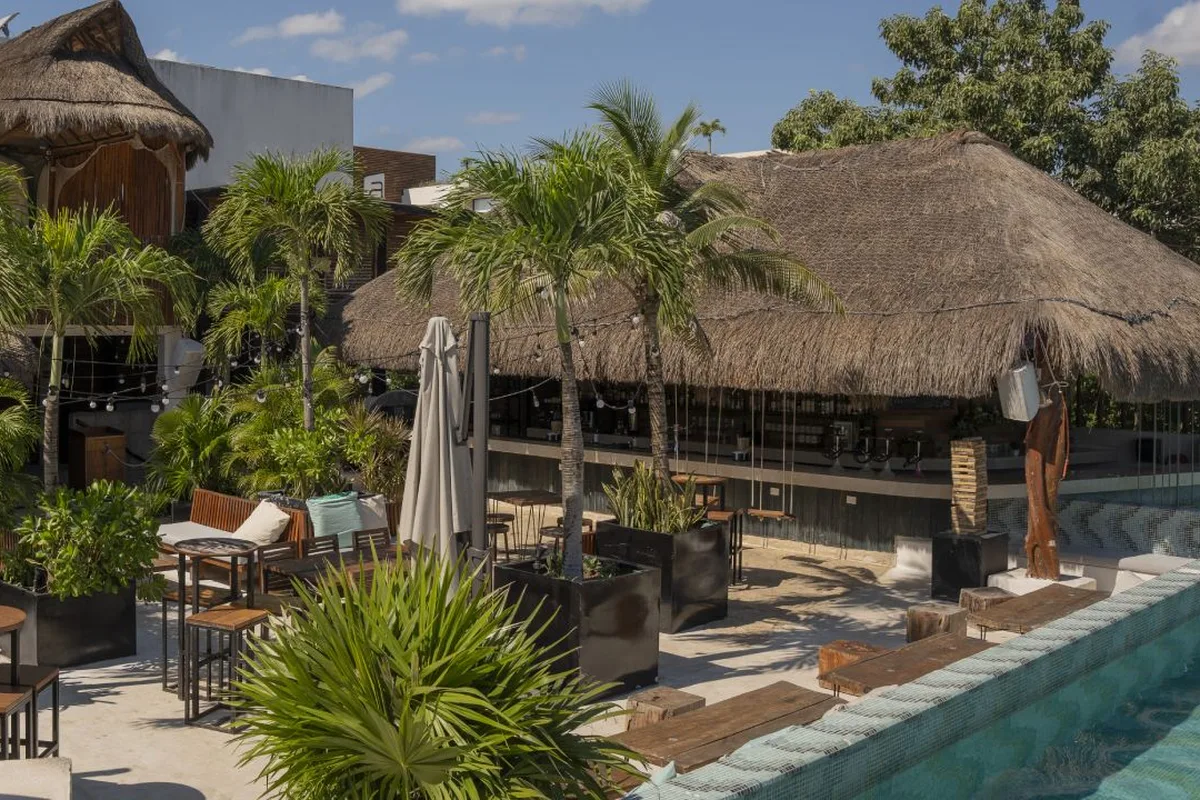
Mayan Monkey Tulum | Social Hotel.
Best for social budget beds at the edge of Aldea ZamáThe social budget base on Avenida Coba, at the edge of Aldea Zamá: dorms of 8 and 12 bunks plus private rooms around a pool and poolside bar, and an adults-only policy — everyone is over 18. Guests rate it 8.6 out of 10.
Two bases shape the trip. The beach road — the Zona Hotelera south from the ruins — is the Tulum of the photographs: boutique hotels in the jungle, candlelit dinners, prices in dollars, a dark single-lane road home. Town and Aldea Zamá are the working Tulum: local prices, the ADO station, the best food, a bicycle ride to the same sand.
Book early for Christmas, Easter week and January, and check the quote includes the sanitation fee — about MXN 36 per room per night for one guest.
Where to eat first

Eat in town on day one — the beach road charges for the view. Tulum's own order is cochinita pibil, Yucatán's achiote pork, sold from morning carts until it runs out; around it, tacos al pastor and ceviche at lunch. Three first stops:
Taqueria Honorio.
The town's morning institution, a short walk off Avenida Tulum: cochinita and lechón tacos and tortas from early, gone by early afternoon. Go before 11:00 and eat standing with everyone else.
Burrito Amor.
The all-day staple on Avenida Tulum: big burritos, smoothies and salads — the reliable first lunch, two blocks from the ADO station.
Hartwood.
The beach road's famous wood-fire table at Km 7.6: everything cooked over orange wood, the menu rewritten daily from the market and the boats. Book weeks ahead in season.
For food tours and taco crawls with a guide, browse the Tulum listings on GetYourGuide and book a slot for your first free evening.
Day trips and more
Three escapes start from town: the ruins and cenotes, the great pyramid inland, the wild coast south. Carry pesos, water and a dry bag.

Tulum ruins and two cenotes in one tour
Eight to eight and a half hours with hotel pickup: the cliff-top ruins with a guide, then a semi-open cenote and a semi-cavern cenote — two swims. Rated 4.4 out of 5 from 1,180 reviews. Check availability →

Chichén Itzá, a cenote and Valladolid in one long day
Twelve hours from your Tulum hotel: El Castillo with a certified guide, a cenote swim and a Yucatán buffet, then Valladolid's pastel plaza. Rated 4.6 out of 5 from 383 reviews. Check availability →

Sian Ka'an by boat
Ten hours in small boats through the UNESCO reserve: Bird Island, dolphins and turtles in the lagoons, a reef snorkel when the sea allows, and lunch in the fishing village of Punta Allen. Rated 4.9 out of 5 from 50 reviews. Check availability →
Leave a spare half day for Coba, 40 minutes inland — jungle ruins and three cenotes, easy by car.
When to go and what it costs

November to April is the season the postcards promise: dry air and a calm sea. From about April, sargassum drifts in — the season runs to about October, peaks June to August, and 2026 has been flagged as a heavy year. Build cenote and ruins days into a summer trip and swim early. Hurricane season runs June to November, peaking August to October — book flexibly then.
A backpacker in a dorm, on colectivos and taco-stand dinners: MXN 900 to 1,400 a day. Mid-range — a town hotel, a beach-club day, one big tour: MXN 2,500 to 4,500 a day. A splurge day with a beach-road villa and the famous dinner passes MXN 8,000.
Stack the fixed costs early: the ADO at MXN 210 from TQO against a transfer from US$90, Visitax at MXN 293, the ruins at MXN 265 all-in, the sanitation fee at about MXN 36 a night.
What to pack
Tap items to check them off — your list is saved on this device.
Pack for heat, salt water and a freshwater swim a day. This is the full list:
- Comfortable walking shoes Shop walking shoes on Amazon →
- Sunscreen Shop sunscreen on Amazon →
- Reusable water bottle Shop water bottle on Amazon →
- Phone charger and power bank Shop power bank on Amazon →
- Daypack Shop daypack on Amazon →
- Sunglasses Shop sunglasses on Amazon →
- Light rain jacket Shop rain jacket on Amazon →
Add the Tulum extras: water shoes for cenote rocks, a dry bag for boat days, and a swim shirt — cenotes ban sunscreen in the water, so cover up instead. A light layer earns its place on the ADO.
Language, visa and entry
✓ Visa-free entry
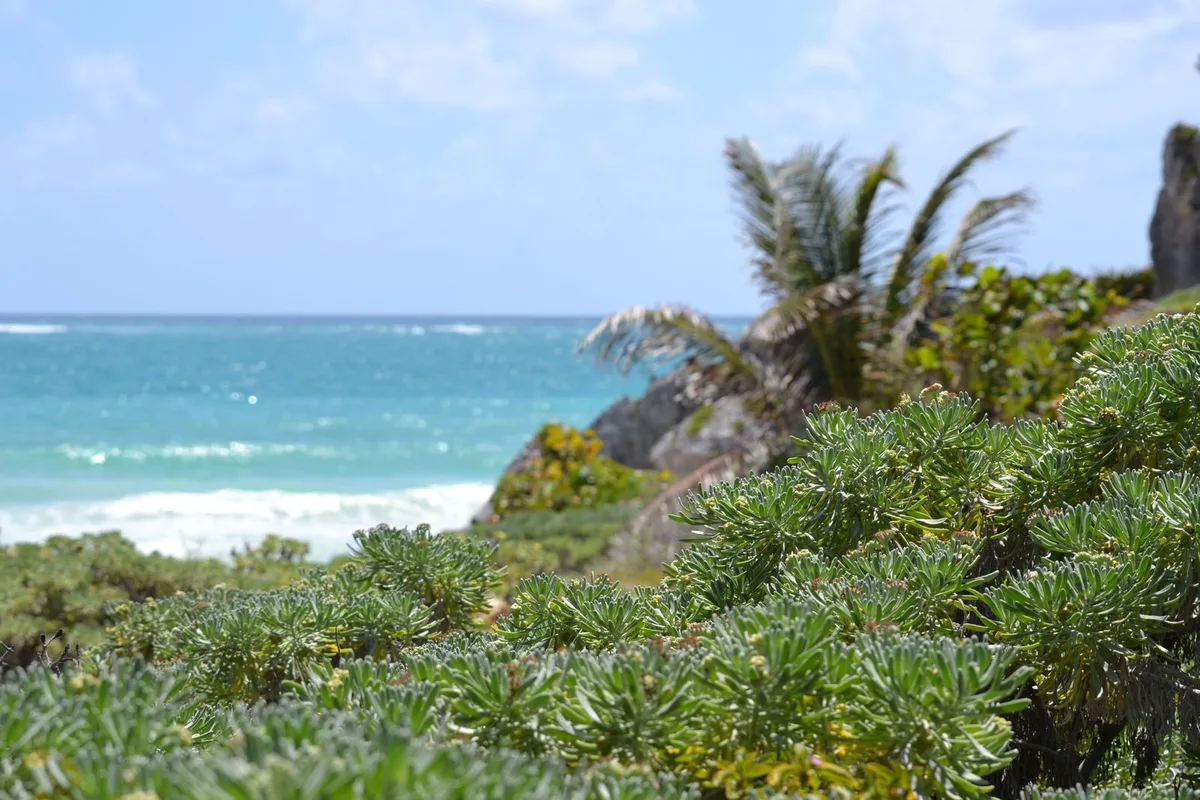
Spanish first, made easy — the hotel zone runs bilingual, but ten words of Spanish change every interaction in town, and a greeting before a question is local etiquette. Many families speak Yucatec Maya at home.
Four phrases do most of the work:
Sort your entry paperwork before you book anything non-refundable. Most visitors — US, Canadian, UK and EU passports — enter visa-free. There is no paper tourist card at either airport: the officer stamps your passport, and that stamp governs your stay — up to 180 days for most tourists, but the officer sets the number, so read the date before you leave the booth.
Then there is the state tax. Visitax is Quintana Roo's visitor charge: MXN 293 per person in 2026, children included, once per trip, never in your airfare or hotel bill. Pay it only at visitax.gob.mx — lookalike sites charge multiples for the same QR code.
Safety and health
Agree every taxi fare before you ride
No taxi in Tulum has a meter, and the beach-road run is the town's most inflated fare: confirm the price, and that it is pesos, before the doors close. At night, have your hotel call a car they know.
Walk and cycle the beach road by day, not by night
South of the ruins junction it is one lane each way, unlit in stretches, shared by bicycles, scooters and trucks. After dark, take a taxi.
Heat, sun and mosquitoes are the daily risks
The ruins have almost no shade: go at opening, carry water, treat midday as a hard limit. Use repellent at dawn and dusk — dengue rides the rainy months — and refill from purified water, never the tap.
Swim smart on an unguarded coast
Most beaches have no lifeguards and the shore break turns real on windy days; swim where others swim, never at night, and rinse after sargassum-season swims. In cenotes, shower first and keep sunscreen out of the water.
Related destinations
If you liked Tulum, try these next:
 The Americas
 The Americas
 The Americas
 The Americas
 The Americas
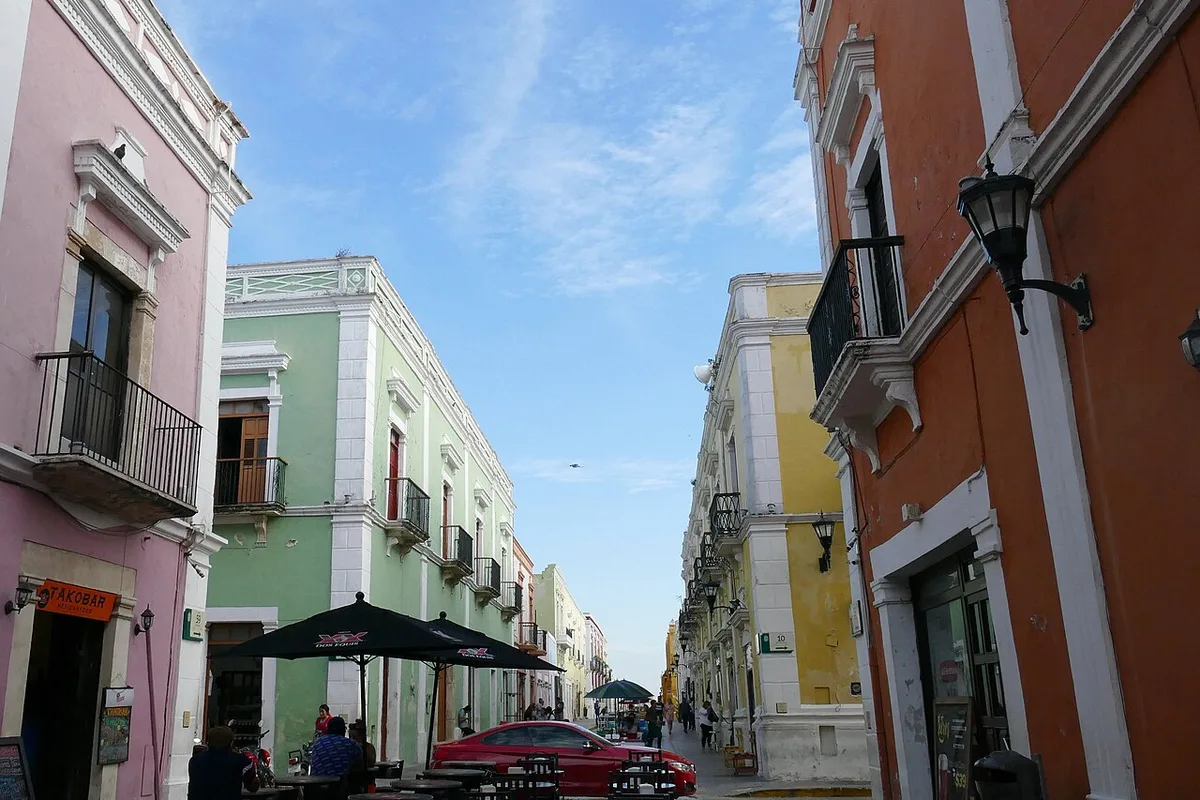 The Americas
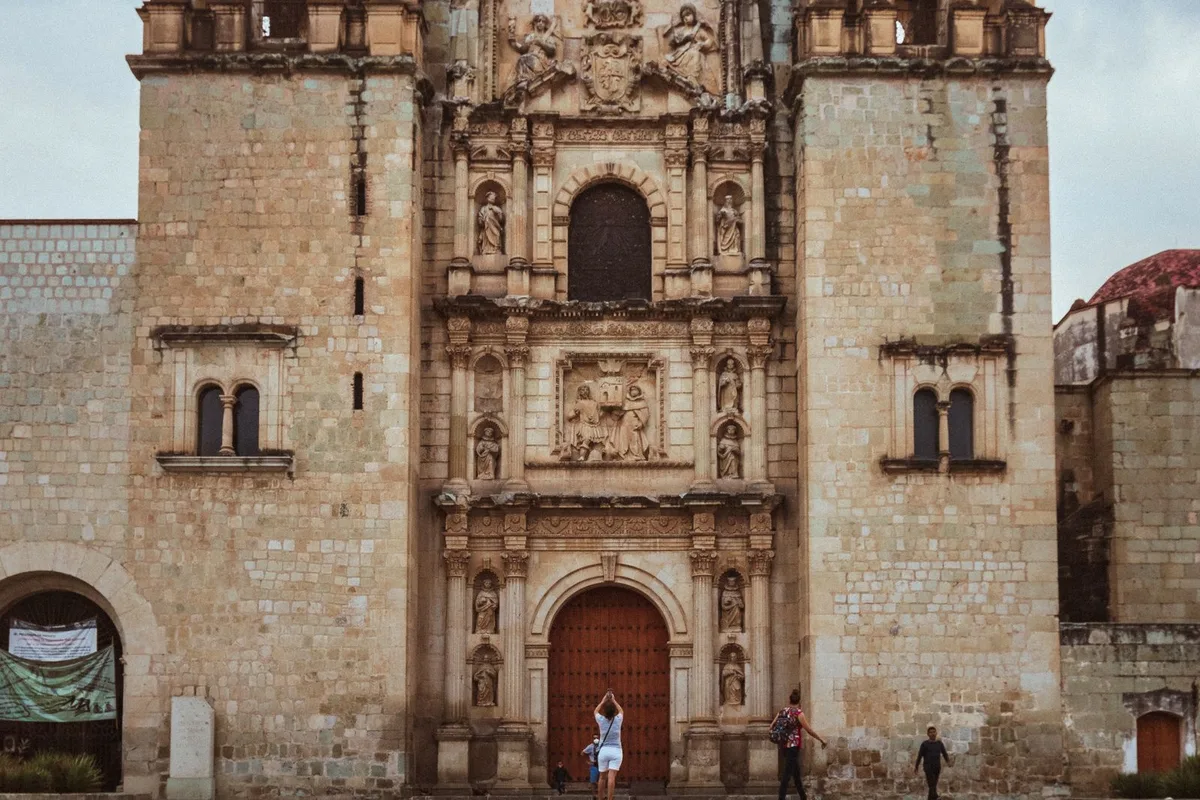 The Americas
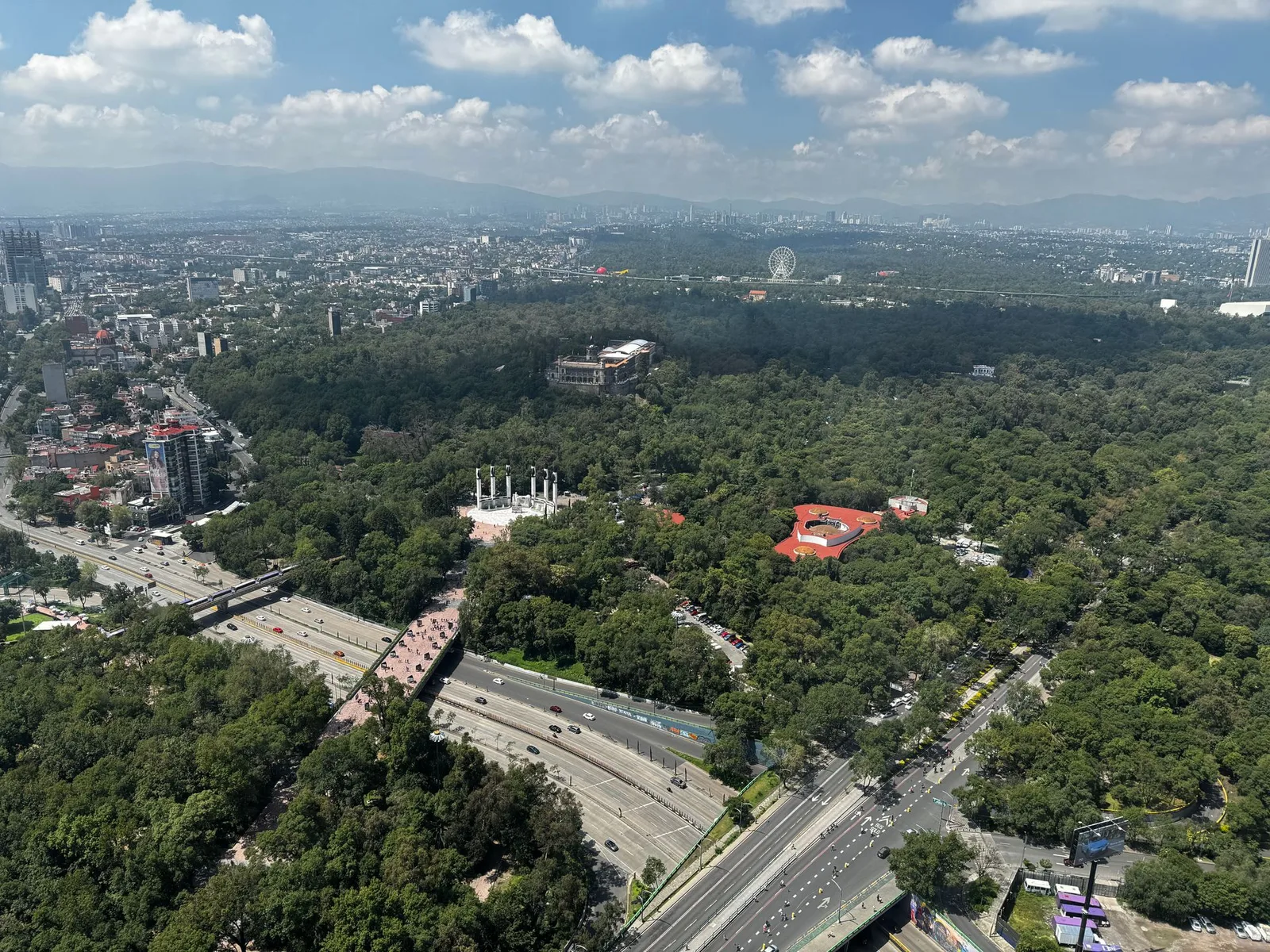 The Americas
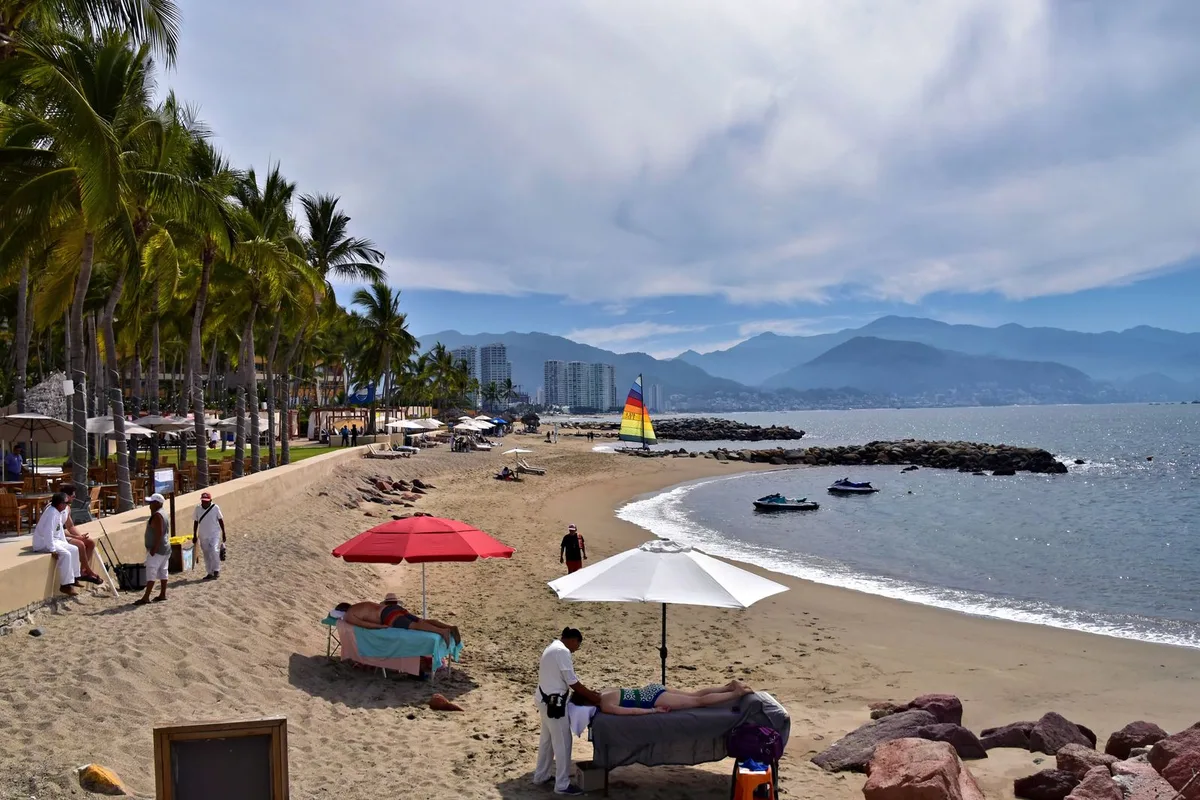 The Americas
 The Americas
Frequently asked questions
The things travellers ask in the first 48 hours: two airports, one state tax, a three-part ruins ticket and the seaweed season.
Fares checked against ADO reporting and 2026 TQO transport guides; ruins fees against the federal decree in force from 20 July 2026 as reported by Riviera Maya News and The Tulum Times; Visitax against the state portal, October 2026.
TQO if your city has a flight: about 40 km from town, US hub routes, winter Canadian services, Mexican domestic flights. CUN if it does not: about 130 km north, flights from everywhere, a direct ADO coach for about MXN 400.
The ADO bus, about MXN 210 and 50 minutes to the station on Avenida Tulum. Departures are timed to flights — five or so a day — so buy at ado.com.mx before you land. A pre-booked transfer runs from about US$90 per car.
Quintana Roo's state levy on foreign visitors: MXN 293 per person per trip in 2026, children included, paid online only at visitax.gob.mx. Screenshot the QR code for departure — lookalike sites charge multiples for the same code.
MXN 265 in total for foreign visitors since the federal decree of 20 July 2026: MXN 100 for the Jaguar Park, plus one combined MXN 165 ticket (MXN 100 archaeological zone, MXN 65 national park). Go at the 08:00 opening; last entry 15:30.
Roughly April to October, peaking June to August — and 2026 has been flagged as a heavy year. Plan cenote and ruins days in season and swim early. November to April brings the clearest water.
It runs, and both stations are bookable: Tulum, by the Jaguar Park, and Tulum Aeropuerto, linked to the TQO terminal by shuttle bus. Three trains a day reach Cancún Airport in about 1 hour 40 minutes — though the ADO is still the simpler arrival.
Fares change — the ADO page and the official portals always win.
Tulum, in your pocket
Landing soon? Get the printable PDF — ticket links, the airport transport cheat sheet, our 3 restaurant picks with maps, and the packing checklist. Everything above, formatted for your phone.
One email with your Tulum PDF. Fare changes and new guides after that. No spam, unsubscribe anytime.
Sources and last verified
Airport transfers against ADO reporting and 2026 TQO guides: from TQO about MXN 210 and 50 minutes; from CUN about MXN 400 and 2 hours 30 minutes; transfers from about US$90 per car from TQO. Tren Maya against August 2026 booking-portal reporting: both stations bookable, three trains a day to Cancún Airport. Visitax against the state portal: MXN 293 in 2026, official site only. Sanitation fee against 2026 Tulum municipal tables: about MXN 36 per room per night for one guest. Ruins fees against the federal decree in force from 20 July 2026 (Riviera Maya News, The Tulum Times): MXN 265 total for foreign visitors. GetYourGuide products opened and read. Hotels against opened Expedia pages. Last verified October 2026.
Affiliate disclosure: hotel names, transfers, experiences, and products linked in this guide may earn After You Land a commission at no extra cost to you. Prices and times were checked in Oct 2026 and change often — confirm before you book.