
Managua: your first hour after landing
You have just landed at Augusto C. Sandino International, 11 km east of a capital that rebuilt outward after the 1972 earthquake — no old-town grid, but a lakefront, a crater lagoon in the middle of the city, and Granada, Masaya and León within day-trip reach. This guide covers the ride in, the entry form and the US$10 tourist card, where to sleep, the first vigorón, and how to read the current travel advisory before you plan a night.
In this guide
You just landed in Managua. The airport sits 11 km east of a spread-out, low-rise capital — the move is an official taxi at about US$20 agreed before you ride, with an Airalo eSIM live for maps in a landmark-address city, US$10 cash ready for the tourist card, a Level 3 advisory read before you plan, and the lava nights at Masaya worth booking ahead through GetYourGuide.
Quick facts
Airport
Getting in
Currency
Languages
Time zone
Emergency
Plugs
Tap water
Tourist tax
Best months
Map
Stays, sights, and landmarks in Managua — live hotel prices plus the key places from this guide.
Settle in
Land at MGA and treat the first hour as logistics: Managua rebuilt outward after the 1972 earthquake, so there is no single walkable centre — your hotel's district is your base, and almost every move between districts is a car ride.
Set up data before you leave home — an Airalo eSIM loads in minutes, so maps and messaging work from the arrivals hall. For a longer Central America trip, compare Saily and Yesim.
The arrival checklist, in order:
- Carry US$10 in cash, in a clean small bill — the tourist card is cash only
- Have the online entry form submitted at least seven days ahead (see Language, visa and entry) and your onward ticket on your phone
- Take an official airport taxi or a pre-booked pickup, and agree the fare before you ride
- Get córdobas from an ATM in small notes for markets and buses
If a delayed or cancelled flight wrecked the arrival, AirHelp checks whether the airline owes you compensation — worth five minutes.
Getting around
Times are airport to city centre.
Official airport taxi
The authorised rank outside arrivals; taxis have no meters, so agree the fare in dollars or córdobas before the door closes — US$15 to 25 is the going range to the hotel districts
Pre-booked private transfer
A driver waiting in arrivals with a name board at a price fixed when you book; the stress-free option for a late arrival or a first visit
Hotel shuttle or pickup
Arranged with your hotel before you fly and charged to the room or paid to the driver; some Metrocentro hotels include it in the rate, most charge it — confirm when you book
City bus 266
Buses stop on the Carretera Norte outside the terminal, not at the doors — a short walk across the parking area; frequent by day, crowded, and not a luggage service
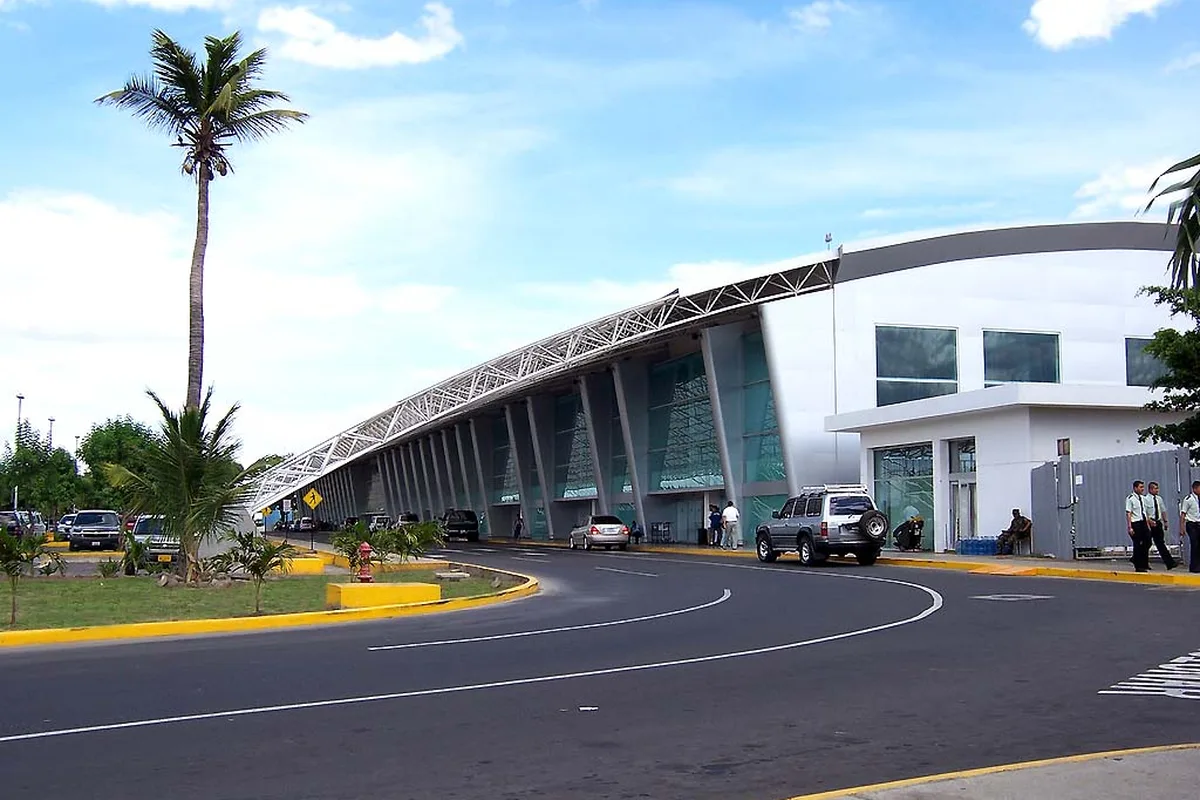
The airport sits on the Carretera Norte about 11 km east of the centre. There is no Uber and taxis carry no meters, so one rule runs the system: agree the price before you get in. The rides in from MGA:
Choose a taxi or transfer with luggage, after dark, or on a first visit — which is most arrivals. The 266 is a local's ride: the stop is a short walk to the highway, and you will still need a taxi at the other end.
Prefer to be met? A Kiwitaxi transfer or a Welcome Pickups driver puts a name board in arrivals at a fixed price. Driving yourself, price the airport pickup on AutoEurope first — a car earns its keep on volcano days, not inside Managua.
In town, navigate by landmark: addresses are given as "from Metrocentro, two blocks south", and drivers know the reference points. Registered taxis carry red plates and the driver's ID on the dash. Microbuses for Granada, Masaya and León leave from the Casimiro Sotelo terminal by the UCA and from Mercado Roberto Huembes.
In the city
Start in the old centre on Lake Xolotlán, the district the 1972 earthquake emptied. The ruined Old Cathedral stands roofless over Plaza de la Revolución, its clock stopped at the moment of the quake; the National Palace of Culture and the Rubén Darío National Theatre frame the same blocks. It is a memorial district, not a living old town — come in the morning, with a guide or a driver waiting.
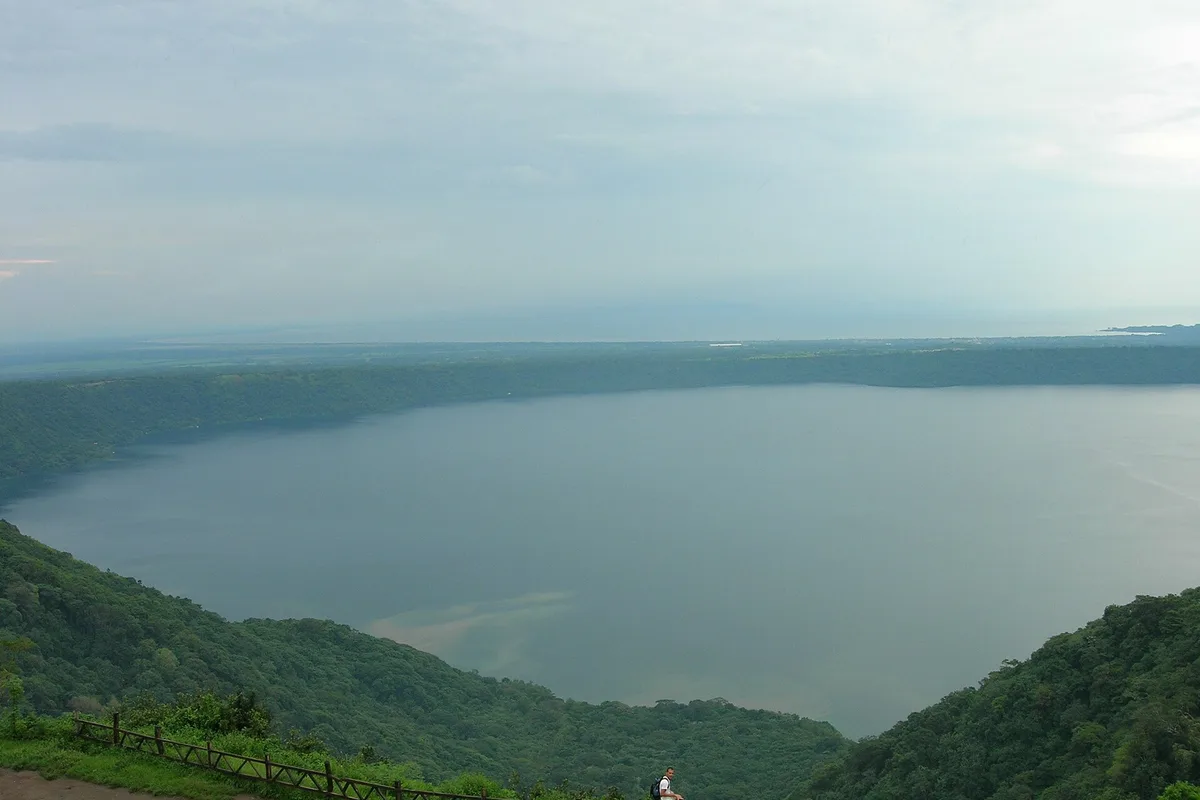
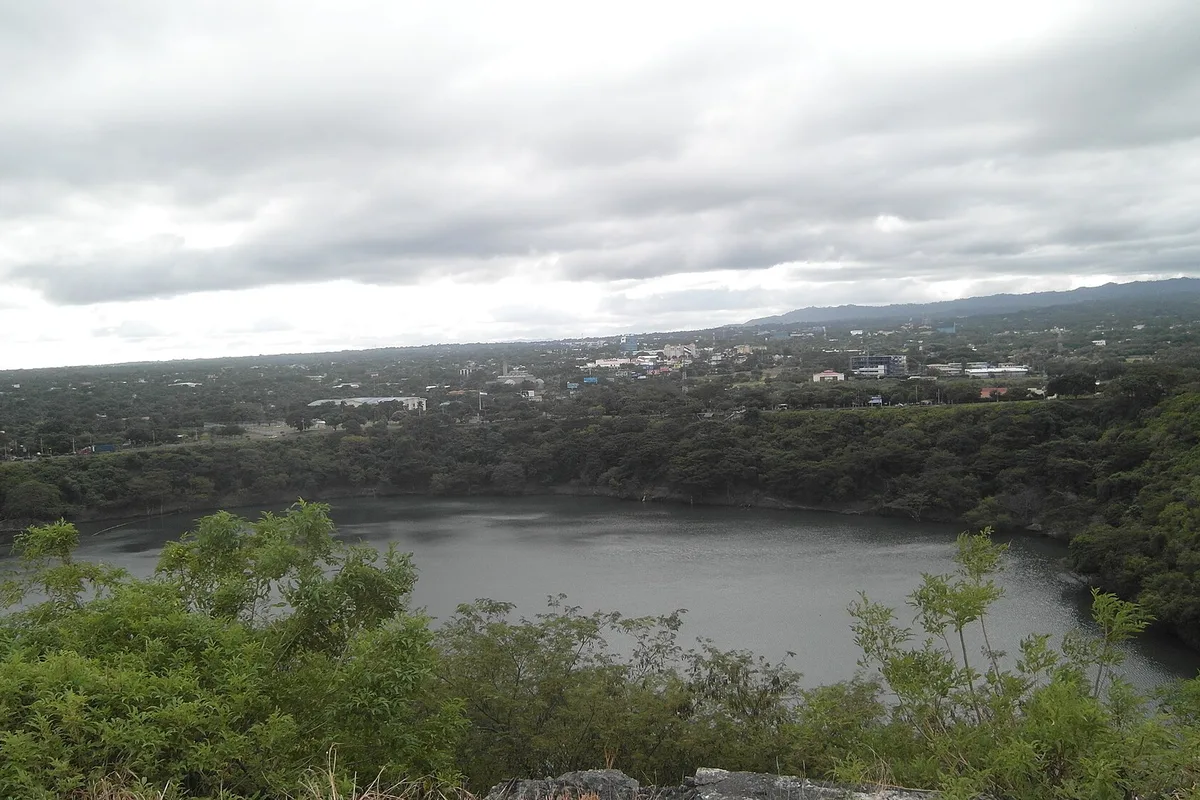
Climb Loma de Tiscapa next: a crater-lagoon hill topped by the giant silhouette of Sandino, with views from the lagoon below to the lake and Momotombo volcano beyond.
End the day at the lakefront: Paseo Xolotlán and Puerto Salvador Allende, the rebuilt malecón of food stalls, boat rides and replica old-town streets, busy with Managua families at sunset. For crafts, browse Mercado Roberto Huembes — the artisan market locals actually shop in.
Book the headline days before you arrive, because the volcano nights sell out first — browse GetYourGuide for Managua-based tours, and compare Klook when stacking activities.
After you land in Managua: Bookable experiences
Where to stay your first nights
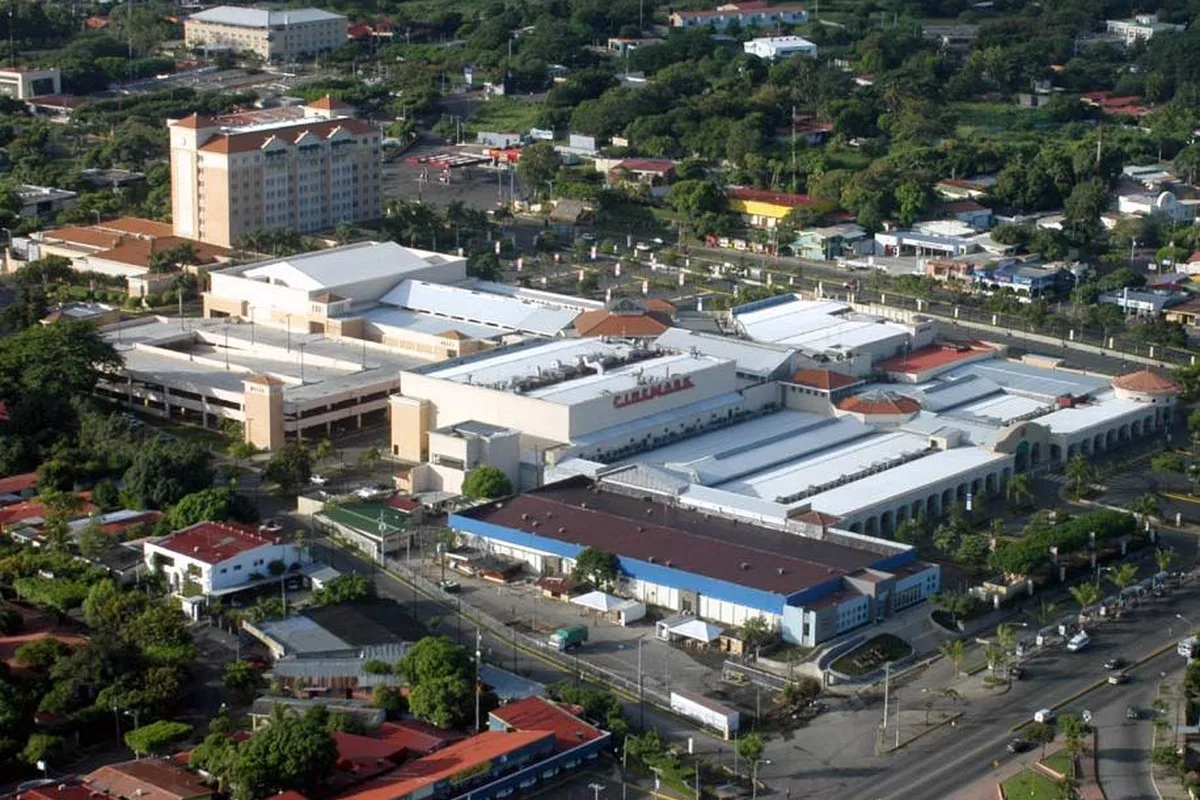
Real InterContinental Managua at Metrocentro Mall.
Best for the full-service splurge — pool terrace and four restaurants opposite Metrocentro mallSleep opposite Metrocentro mall — the city's fullest-service address, with an outdoor pool, four restaurants and 24-hour room service. Book it for the polished version of a Managua stay.
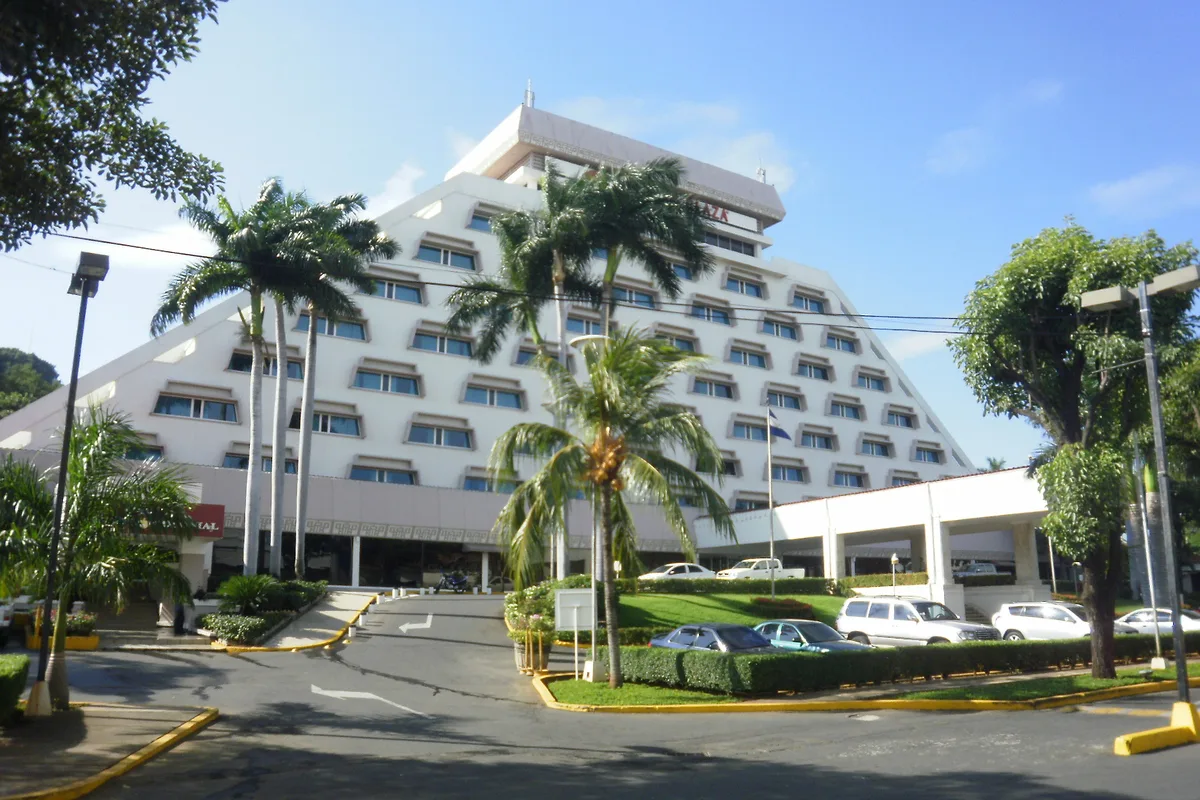
Crowne Plaza Managua.
Best for the landmark mid-range base — the white pyramid by Tiscapa Lagoon, near the old centreStay in the white Mayan-pyramid landmark by Tiscapa Lagoon, built in 1969 and still the building every driver knows — a pool, lake-view rooms and a free local shuttle. Book it for the old-centre base.
Managua Inn.
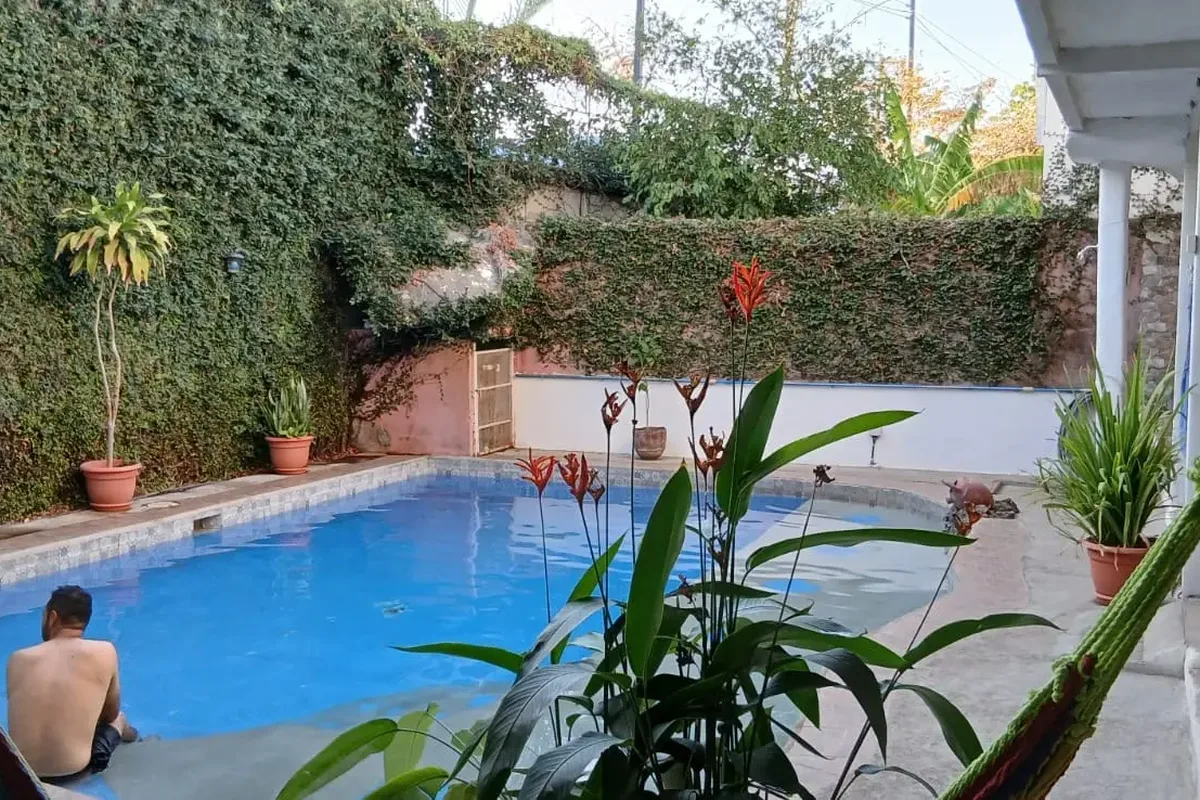
Best for budget beds in Los Robles — dorms and privates around a courtyard pool, breakfast includedBed down in Colonial Los Robles, a short walk from Metrocentro — the former Managua Backpackers Inn, now a small hotel with dorms and privates around a courtyard pool, breakfast and a guest kitchen. Book it for the social budget base.
Base in the Metrocentro and Carretera a Masaya corridor on a first visit — Los Robles, Altamira and Villa Fontana hold the restaurants and the safest evening walking. The old centre suits a night near the lakefront, accepting taxi rides after dark.
Confirm whether your quoted rate includes the 15% IVA and 2% tourism tax — they can sit on top of the headline rate.
Where to eat first
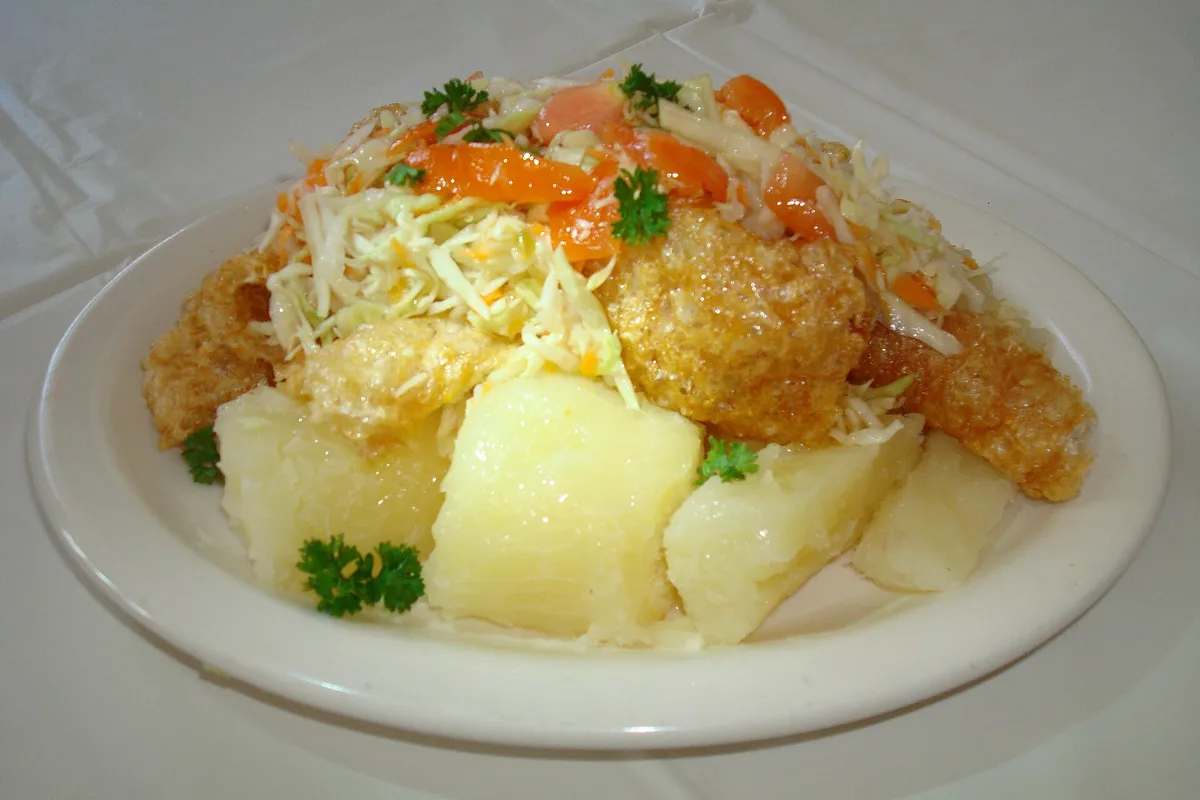
Eat Nicaraguan on day one. Gallo pinto — rice and beans fried together — anchors breakfast; vigorón piles yuca, cabbage slaw and chicharrones on a banana leaf; the nacatamal is the weekend-morning ritual; and a quesillo wraps soft cheese, pickled onion and cream in a warm tortilla. Wash it down with a Toña or Victoria beer. Three first stops:
Mercado Roberto Huembes.
Graze the artisan market's food stalls at lunch — vigorón and gallo pinto at local prices, then the craft rows. Keep small córdoba notes ready.
Puerto Salvador Allende.
Eat grilled fish on the lakefront promenade as the sun drops — family-evening Managua, with Momotombo across the water on a clear day. Taxi there and back after dark.
Los Robles and the Carretera a Masaya corridor.
Dine along the restaurant strip south of Metrocentro — Nicaraguan grills and steakhouses in the district most visitors sleep in. Walk inside the district; taxi beyond it.
For food tours, browse the Managua listings on GetYourGuide.
Day trips and more
Three escapes cover what Managua sits between: a lava lake, a colonial city and the revolutionary university city. All three run from Managua hotels, so the capital works as the base.
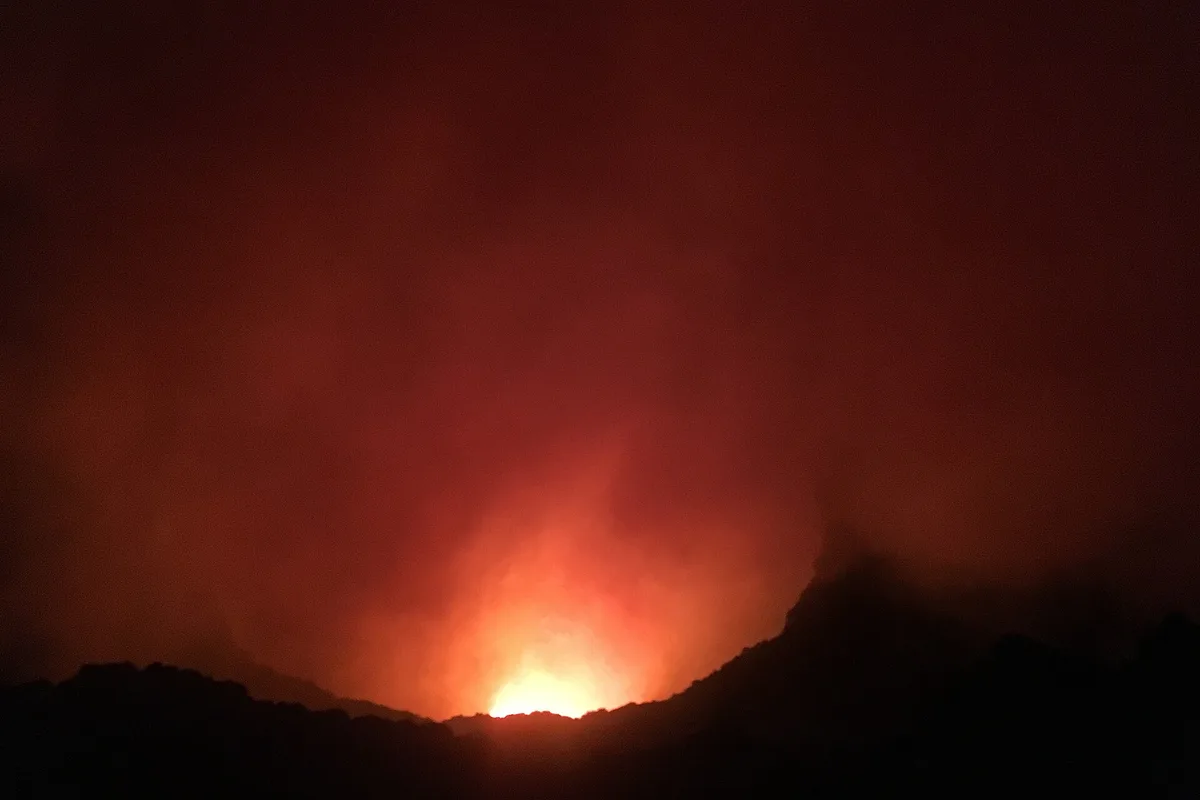
Masaya Volcano night tour
Three to five hours south to the rim of the active Santiago crater, where the lava lake glows after sunset, with an optional Apoyo Lagoon stop. Pickup included, rated 4.8, from about US$50. Check availability →
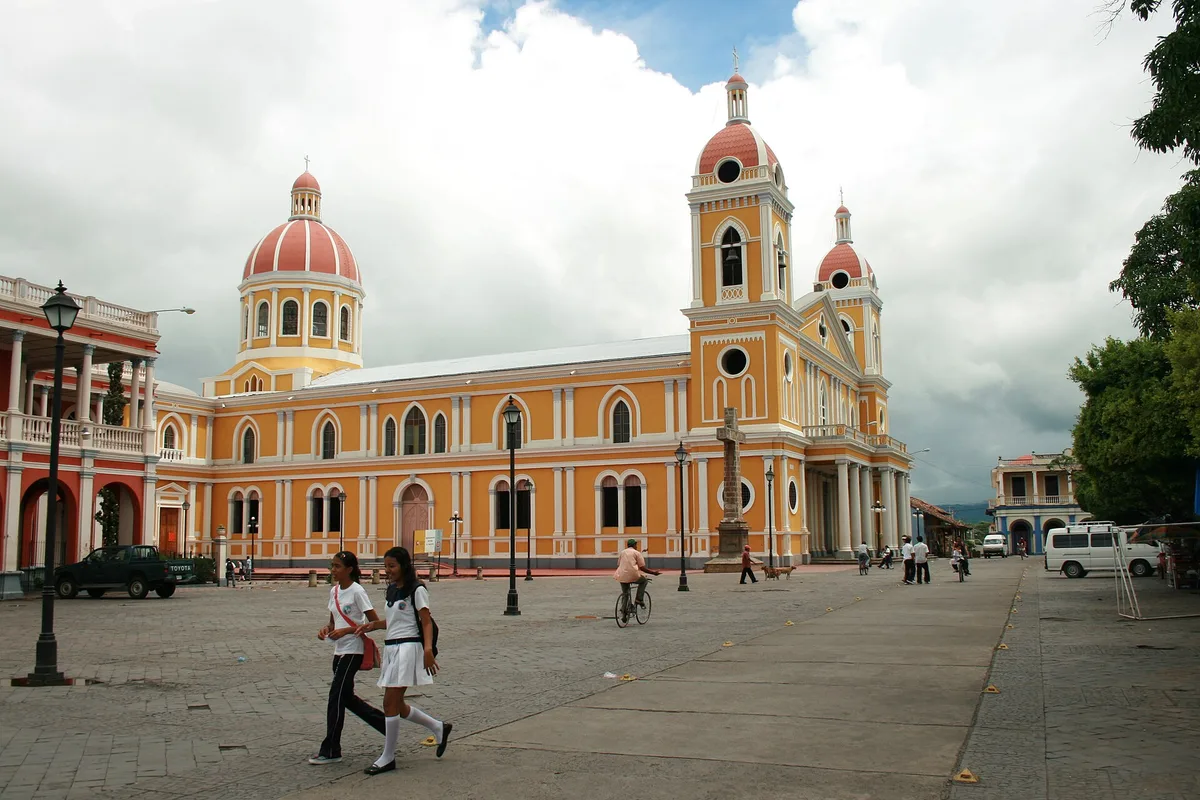
Granada, Lake, Catarina and Masaya
Eight hours: a boat among Granada's Isletas, a walking tour of the colonial city and its chocolate museum, the Catarina viewpoint over Apoyo Lagoon, and the Masaya craft market. Rated 4.7, from about US$65. Check availability →
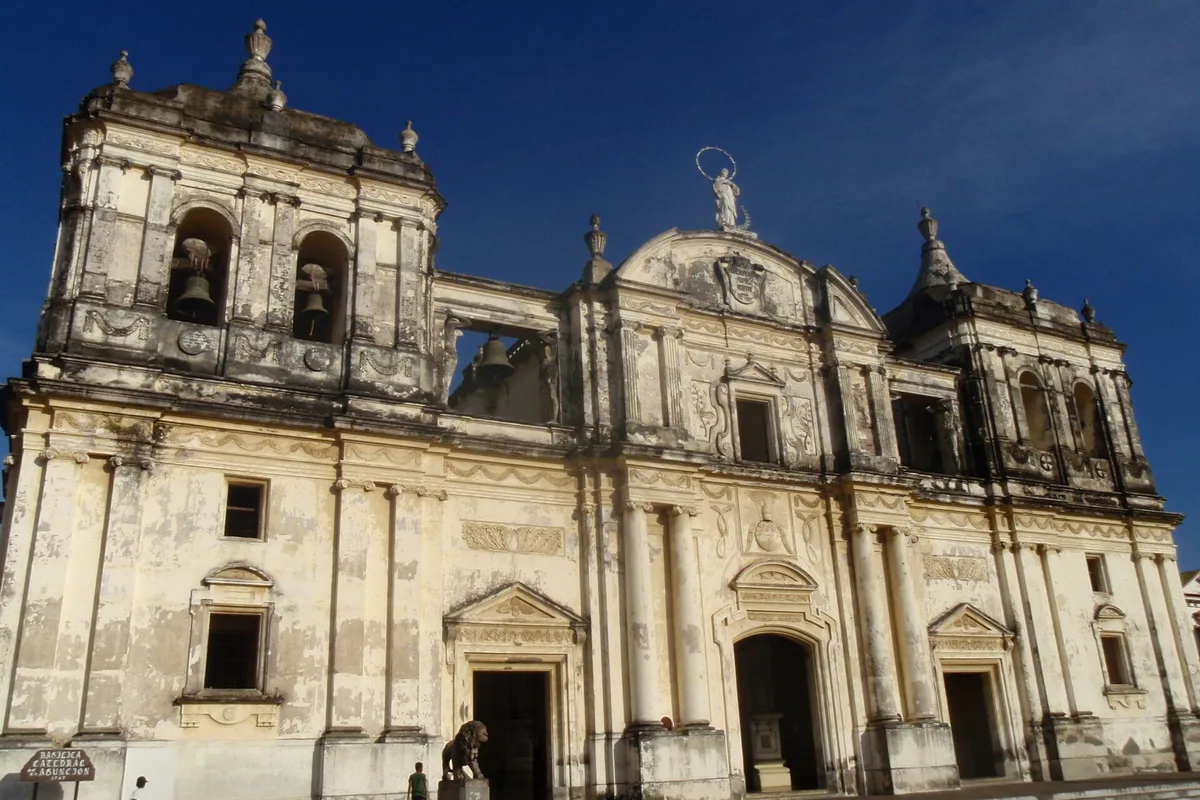
León and León Viejo
Six to eight hours northwest: León Cathedral and its rooftop walk, the Rubén Darío house, then the ruins of León Viejo, abandoned after the 1610 eruption, under Momotombo. Rated 5.0, from about US$85. Check availability →
When to go and what it costs
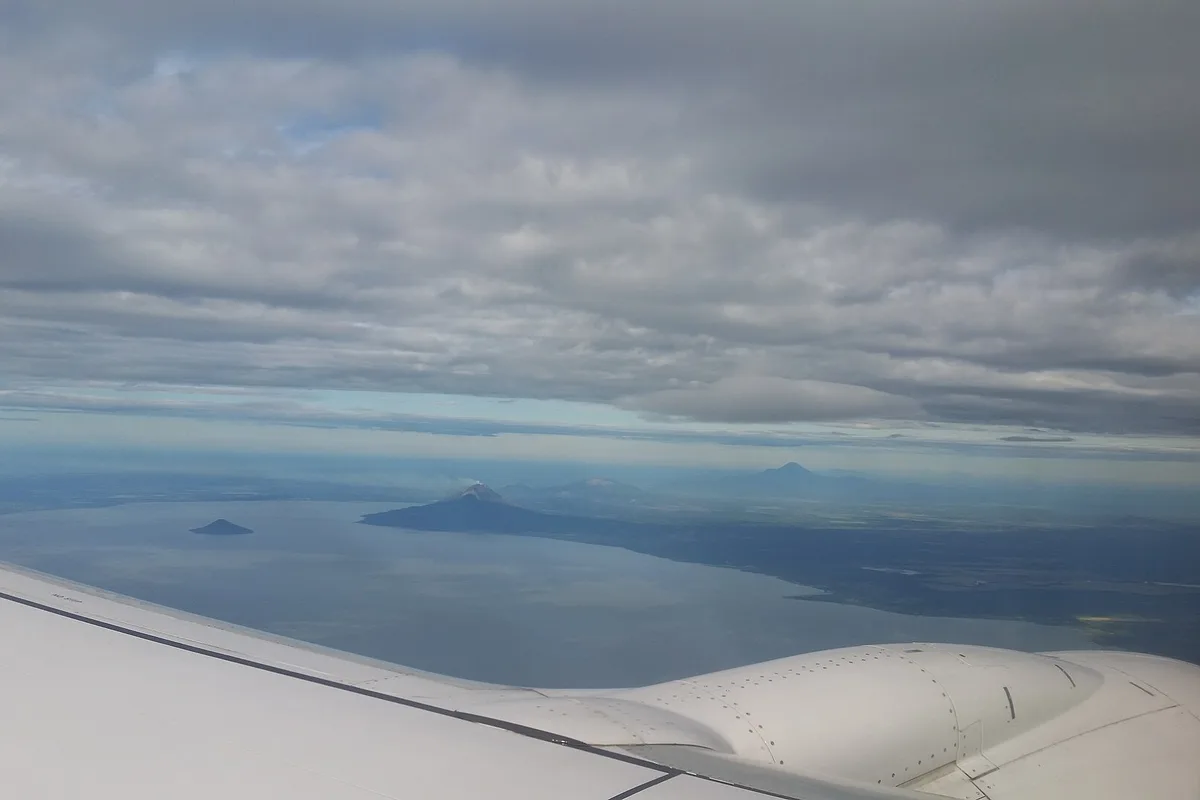
November to April is the dry season: hot and almost rain-free, with December and January the softest months. May to October rains hard most afternoons — roads flood, the volcanoes turn green and prices fall. Managua is hot all year, around 30 to 34°C by day; air conditioning is not optional kit.
Budget in dollars; the córdoba follows at C$36.62 to US$1, a rate the Central Bank held flat through 2026. A city taxi ride inside a district runs US$2 to 5 agreed in advance; a market lunch US$4 to 7; a grill dinner with a beer US$12 to 20.
A backpacker in a dorm, on market lunches and buses: US$30 to 45 a day. Mid-range — a four-star room, restaurant dinners, one guided volcano night: US$90 to 140 a day. A splurge day with the InterContinental and private tours passes US$250.
What to pack
Tap items to check them off — your list is saved on this device.
Pack for heat, hard sun and one tropical downpour. This is the full list:
- Comfortable walking shoes Shop walking shoes on Amazon →
- Sunscreen Shop sunscreen on Amazon →
- Reusable water bottle Shop water bottle on Amazon →
- Phone charger and power bank Shop power bank on Amazon →
- Daypack Shop daypack on Amazon →
- Sunglasses Shop sunglasses on Amazon →
- Light rain jacket Shop rain jacket on Amazon →
Add the Managua extras: mosquito repellent for lakefront evenings — dengue circulates in the rainy season — and a photocopy of your passport, because the original belongs in the hotel safe.
Language, visa and entry
✓ Visa-free entry
Spanish runs everything outside the big hotels. Greet first, and learn addresses the local way — by landmark. Four phrases do most of the work:
Sort your entry paperwork before you book anything non-refundable. US, Canadian, British, EU, Australian and New Zealand citizens enter visa-free for up to 90 days — but that clock is shared across the CA-4 countries (Nicaragua, Guatemala, Honduras and El Salvador) and starts at your first CA-4 entry. Your passport needs six months of validity, and officers can ask for onward travel and funds.
Two charges and one form catch people out. At immigration you buy a tourist card for US$10 in cash — no cards accepted. The departure tax (about US$35 to 42) is normally already inside your air ticket; check the fare breakdown before paying anything at the airport. And the immigration directorate asks foreign visitors to submit its online entry form (the solicitud en línea, at solicitudes.migob.gob.ni) at least seven days before travel — do it, keep the confirmation, and expect your airline to collect the same details again. Nicaragua tightened its visa categories in February 2026 for many other nationalities; the visa-free list above was not changed.
Safety and health
Read the advisory before you decide — Nicaragua is US Level 3
The US State Department lists Nicaragua at Level 3, Reconsider Travel (updated May 2026), citing crime, health, wrongful detention and arbitrary enforcement of local laws, with a wrongful-detention risk indicator. Read the full advisory, register your trip, and weigh it honestly — this guide describes a trip, it does not overrule the advisory.
Move by car, with the fare agreed, and less after dark
The bases — Metrocentro, Los Robles, the Carretera a Masaya corridor, the lakefront — are busy and patrolled, but streets empty fast. Ride registered taxis with red plates or hotel-arranged cars, agree every fare before you ride, avoid shared colectivo taxis, and do not walk unfamiliar districts at night. US government staff are not allowed to drive after dark outside the capital — take the same hint on intercity roads.
Stay out of politics, demonstrations and official photographs
Avoid demonstrations and political gatherings, do not photograph police, military, government buildings or checkpoints, and be careful with political comment, including online. Travellers linked to NGOs, religious groups or journalism face extra scrutiny, and dual nationals may be treated solely as Nicaraguan. Carry a passport copy; leave the original in the safe.
Drink bottled water, and respect heat and mosquitoes
Drink bottled or filtered water, use repellent at dawn and dusk — dengue is the rainy-season risk — and treat the midday sun seriously. Private hospitals in Managua handle most emergencies well; care thins out beyond the capital, so insurance with evacuation cover matters. Dial 118 for police, 128 for a Red Cross ambulance, 115 for fire.
Related destinations
If you liked Managua, try these next:
 The Americas
 The Americas
 The Americas
 The Americas
 The Americas
 The Americas
 The Americas
 The Americas
 The Americas
 The Americas
Frequently asked questions
The arrival, the entry form and the advisory, in short.
Entry rules checked against 2026 visa reporting and the immigration directorate's guidance, October 2026; safety against the US State Department advisory of 14 May 2026; exchange anchor against the Central Bank's held rate of C$36.62 to US$1.
Take an official airport taxi or a pre-booked transfer: about 25 minutes to the Metrocentro hotels, around US$20 for a taxi agreed before you ride — taxis have no meters. Bus 266 stops on the highway outside the terminal for under US$1, but it is a locals' ride with luggage.
No visa for US, Canadian, British, EU, Australian and New Zealand citizens: up to 90 days visa-free, shared across the CA-4 countries. Buy the US$10 tourist card in cash at immigration, keep six months on your passport, and submit the online entry form at least seven days ahead.
Read the advisory first: the US State Department lists Nicaragua at Level 3, Reconsider Travel, citing crime, health, wrongful detention and arbitrary enforcement of local laws. Travellers who go should register their trip, avoid demonstrations, move by registered taxi, and keep nights inside the busy hotel districts.
The Metrocentro and Carretera a Masaya corridor — Los Robles, Altamira, Villa Fontana — for restaurants, malls and the easiest evenings. The old centre suits one night near the sights, but you will taxi everywhere after dark. Your district is your base.
Both. The córdoba (about C$36.62 to US$1) runs markets, buses and small cafés; dollars are accepted at hotels, larger restaurants and for taxis at the official rate. Carry small córdoba notes and clean small dollar bills — torn dollars are often refused.
November to April, the dry season — December and January are softest. May to October rains hard most afternoons: greener volcanoes, lower prices, and the clearest Masaya lava on dry nights between downpours.
Fares and entry rules change — the immigration desk, your airline and your hotel's quoted total always win.
Managua, in your pocket
Landing soon? Get the printable PDF — ticket links, the airport transport cheat sheet, our 3 restaurant picks with maps, and the packing checklist. Everything above, formatted for your phone.
One email with your Managua PDF. Fare changes and new guides after that. No spam, unsubscribe anytime.
Sources and last verified
Entry against 2026 visa reporting and the immigration directorate's guidance: visa-free 90 days for US, Canadian, UK, EU, Australian and New Zealand citizens under the shared CA-4 clock; tourist card US$10 cash; online entry form requested at least seven days ahead — air arrivals report inconsistent enforcement, land borders stricter, so the guide prints the safe course. The February 2026 reform moved many other nationalities to consulted visas. Exit tax: UK guidance prints about US$35, 2026 trackers US$42, normally inside the ticket — the conflict is disclosed above. Safety against the US State Department advisory of 14 May 2026: Level 3, Reconsider Travel. Exchange anchor: the Central Bank's held rate of C$36.62 to US$1. Hotel taxes: 15% IVA plus 2% INTUR tourism tax, per property booking terms. Transfers against 2026 airport guides (taxi US$15 to 25 agreed) and Moovit for bus 266. Emergency numbers against Canadian and UK government listings. GetYourGuide hub (managua-l374) and all three product pages opened and read October 2026. Expedia returned HTTP 429 during this build, so hotel URLs are empty pending the confirmation pass. Photo credits as in the guide data. Last verified October 2026.
Affiliate disclosure: hotel names, transfers, experiences, and products linked in this guide may earn After You Land a commission at no extra cost to you. Prices and times were checked in Oct 2026 and change often — confirm before you book.