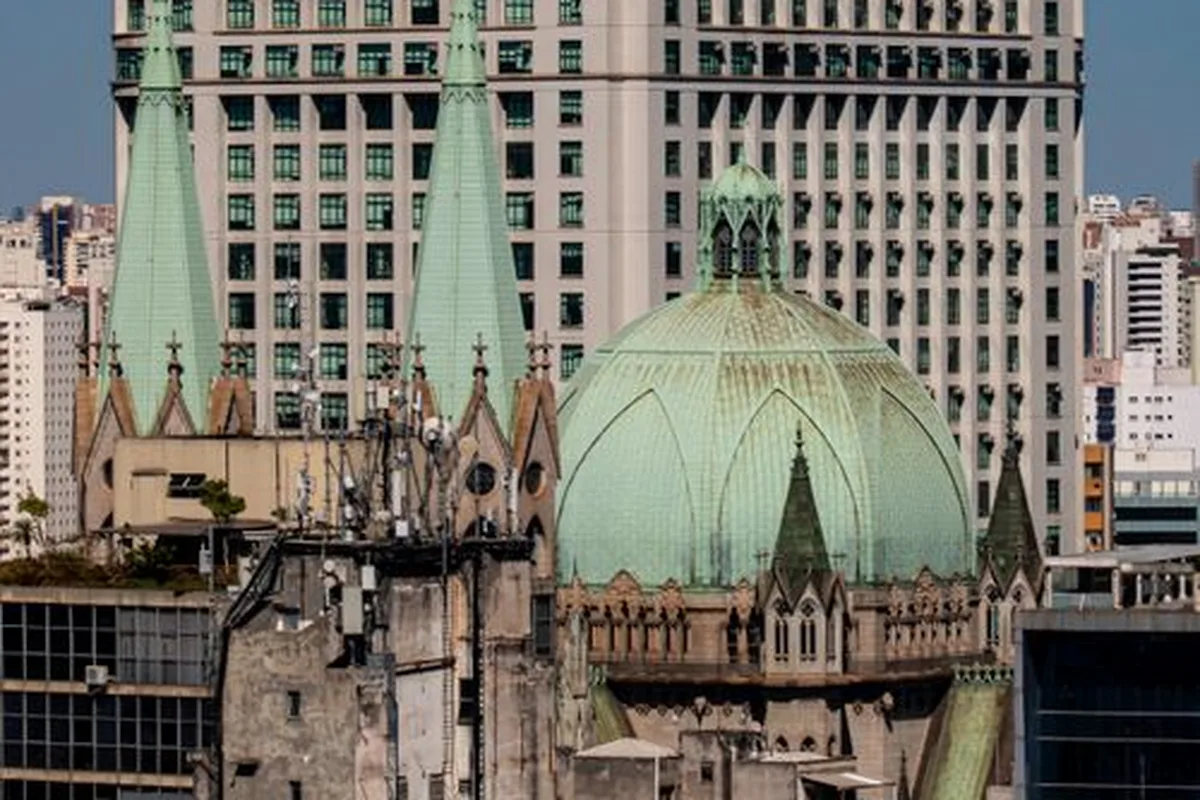
Montevideo: your first hour after landing
You have just landed at Carrasco, Montevideo's gateway about 20 km east of the centre — a calm capital on the Río de la Plata where a colonial old town faces a 20 km waterfront rambla. This guide covers the ride in, where to sleep from a Plaza Zabala boutique to a Pocitos hostel villa, the VAT-free hotel room, the first parrilla and chivito, and the Colonia, Punta del Este and winery days that fill day two.
In this guide
You just landed in Montevideo. The airport sits about 20 km east of the centre — the move is the UYU 68 bus or a UYU 1,800 official taxi, with an Airalo eSIM live for maps, your hotel room free of the 10% VAT on a foreign passport, and the days that sell out first — Colonia and Punta del Este — worth booking ahead through GetYourGuide.
Quick facts
Airport
Getting in
Currency
Languages
Time zone
Emergency
Plugs
Tap water
Tourist tax
Best months
Map
Stays, sights, and landmarks in Montevideo — live hotel prices plus the key places from this guide.
Settle in
Touch down at Carrasco and treat the first hour as admin: the airport sits about 20 km east of the centre, and every ride in crosses the same coastal road — pick it for the base you booked.
Set up data before you leave home — an Airalo eSIM loads in minutes, so maps and ride apps work from arrivals. For a longer trip, compare Saily and Yesim.
The arrival checklist, in order:
- Ride into your base first and drop your bags — Ciudad Vieja and Pocitos are 40 minutes apart in traffic
- Keep your passport handy at check-in: a foreign passport takes the 10% IVA off the room, a saving lost if the bill is issued without it
- Walk your block and find the nearest cambio, bakery and bus stop before dinner — Montevideo runs on buses, with no metro
If a delayed flight wrecked the arrival, AirHelp checks whether the airline owes you compensation.
Getting around

Times are airport to city centre.
Airport bus (COT, Copsa and Cutcsa)
COT, Copsa and Cutcsa buses leave the stop in front of the terminal for Tres Cruces and the centre; pay the driver, board any bus showing Montevideo, and keep big suitcases for the taxi — these are ordinary service buses
Official airport taxi or remise
The single authorised company, Taxi Aeropuerto, runs the desk outside arrivals; pay at the desk by card or cash before you ride — ignore anyone offering rides inside the hall
App cab with Uber or Cabify
Uber and Cabify both serve the airport pick-up; the price is quoted in the app before you ride and swings with demand; Pocitos, closer to the airport, usually quotes less than the old town
Pre-booked private transfer
Booked ahead at a fixed per-car price, with the driver waiting in arrivals; the sensible pick for late arrivals, groups and anyone heading straight to Pocitos with luggage
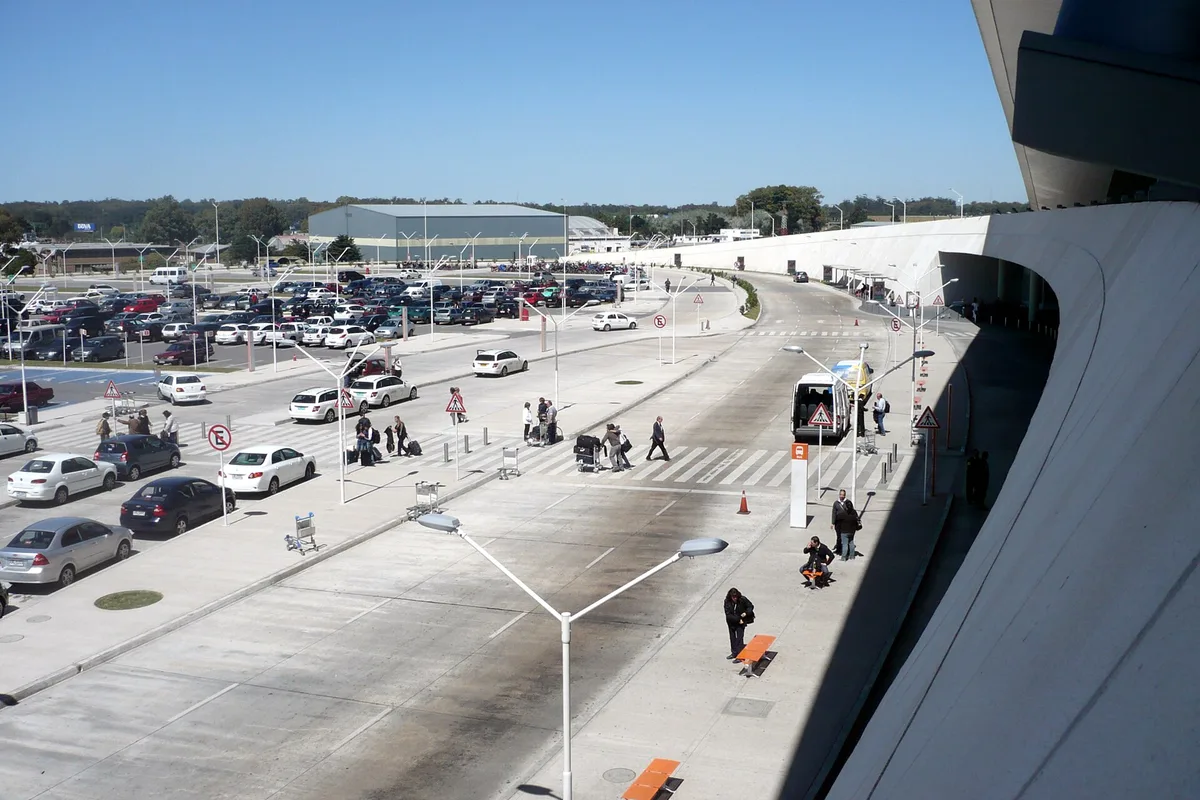
Montevideo is a bus-and-walking city stretched along one waterfront: Ciudad Vieja in the west, Pocitos up the coast, the rambla stitching them together. The rides in from MVD:
Choose the bus with light bags and daylight; choose a taxi or transfer late at night, when buses thin out. Pocitos sits closer to the airport, so its fares run lower.
Prefer to be met? A Kiwitaxi transfer or a Welcome Pickups driver puts a name board in arrivals at a fixed price. Driving yourself, price the pickup on AutoEurope first — a car earns its keep on Colonia days, not in the city.
In town, one STM card covers every city bus; cash works on board and costs a little more. The rambla is the other network: over 20 km of waterfront promenade between Ciudad Vieja and Carrasco.
In the city
Start on Plaza Independencia. The Puerta de la Ciudadela, a surviving gate of the colonial walls, frames the Palacio Salvo — the 1928 tower that is still the city's emblem — with the Teatro Solís a block away. Walk Peatonal Sarandí, the pedestrian spine of Ciudad Vieja, past the Cathedral and Plaza Matriz to the port.
Eat at the Mercado del Puerto, the 1868 iron market hall by the docks (see Where to eat first). Then ride up Avenida 18 de Julio to the Palacio Legislativo, the marble parliament, and the Mercado Agrícola, the restored hall locals call the MAM. Finish in Parque Batlle at the Estadio Centenario, the 1930 stadium that hosted the first World Cup final.
Give the rambla its own late afternoon: join the mate carriers at the Pocitos sign and watch the sun drop into the Río de la Plata. Book the headline days before you arrive, because the Colonia and Punta del Este coaches sell out first — browse the Montevideo listings on GetYourGuide and compare Klook when stacking activities.
After you land in Montevideo: Bookable experiences
Where to stay your first nights
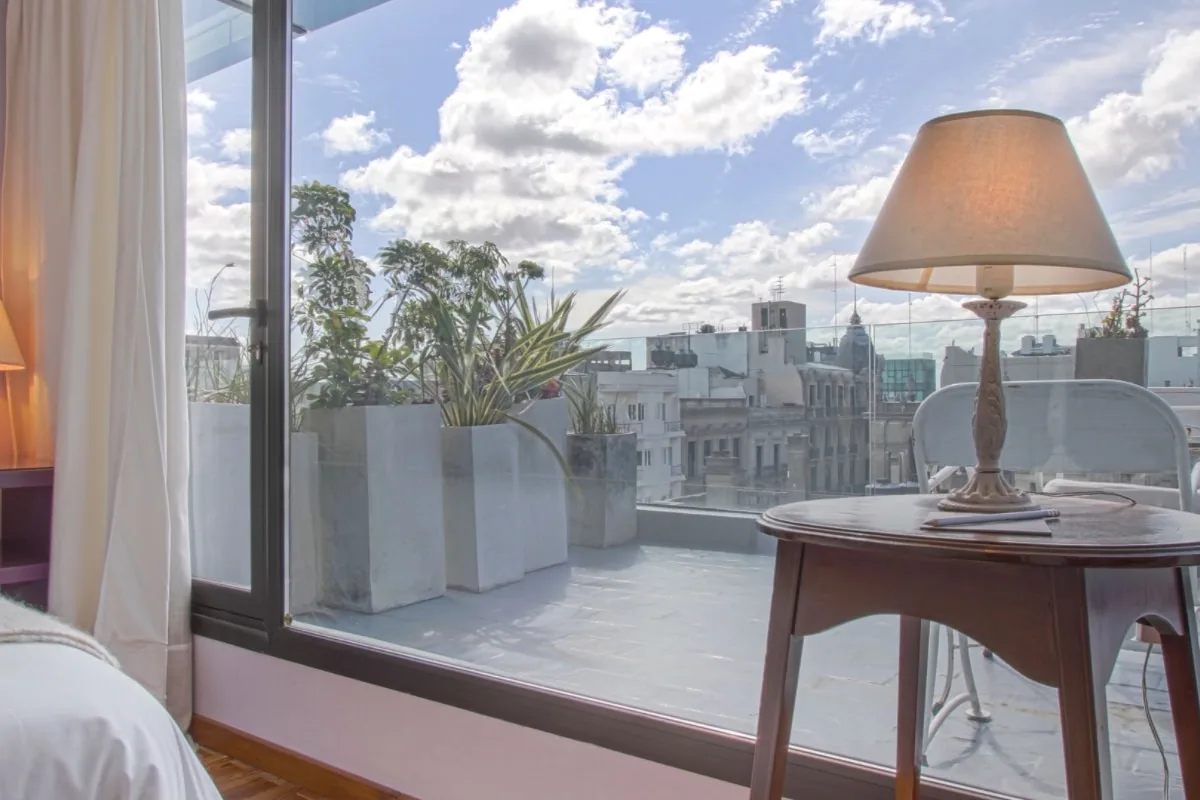
Alma Histórica Boutique Hotel.
Best for the boutique splurge in the old town — 15 rooms named for Uruguayan artists and writers, facing Plaza ZabalaSleep at Solís 1433, facing Plaza Zabala — a 15-room boutique in a century-old townhouse, every room named for a Uruguayan artist, writer or musician, with a terrace, library, hot tub and breakfast included. Rated 9.6 on Expedia. Book it for the fullest version of old-town Montevideo.

Radisson Montevideo Victoria Plaza Hotel.
Best for a full-service base on Plaza Independencia — indoor pool, spa and bay views beside the Palacio SalvoStay on Plaza Independencia 759, beside the Palacio Salvo — the full-service tower with an indoor pool, spa, casino and the Arcadia restaurant on the 25th floor. Book it for a calm, everything-included base.

Destino26 Hostel.
Best for social budget beds in Pocitos — dorms and privates in a 1930s villa, four blocks from the beachBed down at 26 de Marzo 1125 in Pocitos, in a renovated 1930s villa four blocks from the beach — dorms and privates around a garden with a barbecue, rated about 9.3 from 850-plus Hostelworld reviews. Book it for the social version of budget Montevideo.
Pick the base before the hotel. Ciudad Vieja suits a first night: the port, the market and the sights on foot, the Buenos Aires ferry at your door — with the caveat that old-town streets empty after dark. Pocitos suits a longer stay: beach, rambla and the calmest evenings, 25 minutes by bus from the old town. Verdict: Ciudad Vieja for one or two nights, Pocitos for three or more.
Book ahead for Carnaval and summer weekends. Show your passport at check-in wherever you stay, so the room is invoiced without VAT.
Where to eat first
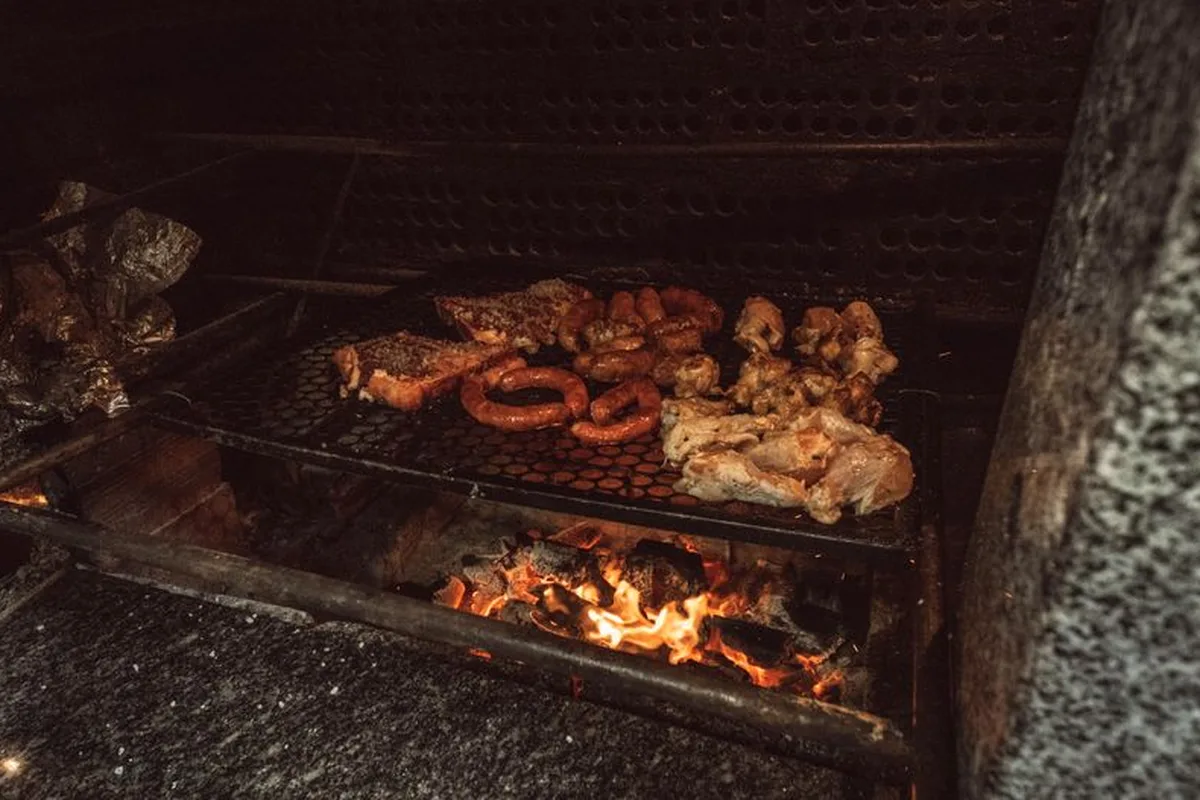
Eat beef, then eat the sandwich. Uruguay grills with Argentina's religion, and its own icons are the chivito — a steak sandwich stacked with ham, cheese, bacon, egg and peppers — and the medio y medio, half still white wine, half sparkling, poured at the port market since the 19th century. Three first stops:
Mercado del Puerto, Ciudad Vieja.
Take a stool at a parrilla counter and order off the grill in front of you — asado, chorizo, provolone — with a medio y medio from Roldós, the bar that claims to have invented it. Lunch is the show; counters wind down by late afternoon.
La Pasiva, on Avenida 18 de Julio.
Eat the chivito where the city eats it: the local chain's avenue branches turn out chivitos and panchos (loaded hot dogs) at canteen prices, at almost any hour. The honest first-night dinner when the flight ran late.
Mercado Agrícola de Montevideo (the MAM), in La Aguada.
Graze the restored market hall near the Legislative Palace — produce stalls, bakeries and wine bars under one iron roof, and the place to stock a rambla picnic.
For parrilla tours and wine days, browse the Montevideo listings on GetYourGuide.
Day trips and more
Three escapes at three speeds: the glamorous coast, the colonial river town and the winery on the city's edge. Carry sunscreen and a layer — the river wind runs cool.

Punta del Este full-day
About ten hours east with hotel pick-up: Piriápolis, Punta Ballena for Casapueblo, Carlos Páez Vilaró's whitewashed house-sculpture, then Playa Mansa, the port and La Mano, the fingers rising from Playa Brava, with about three hours free in town. Rated 4.5 from about 1,460 reviews, from about US$41. Check availability →
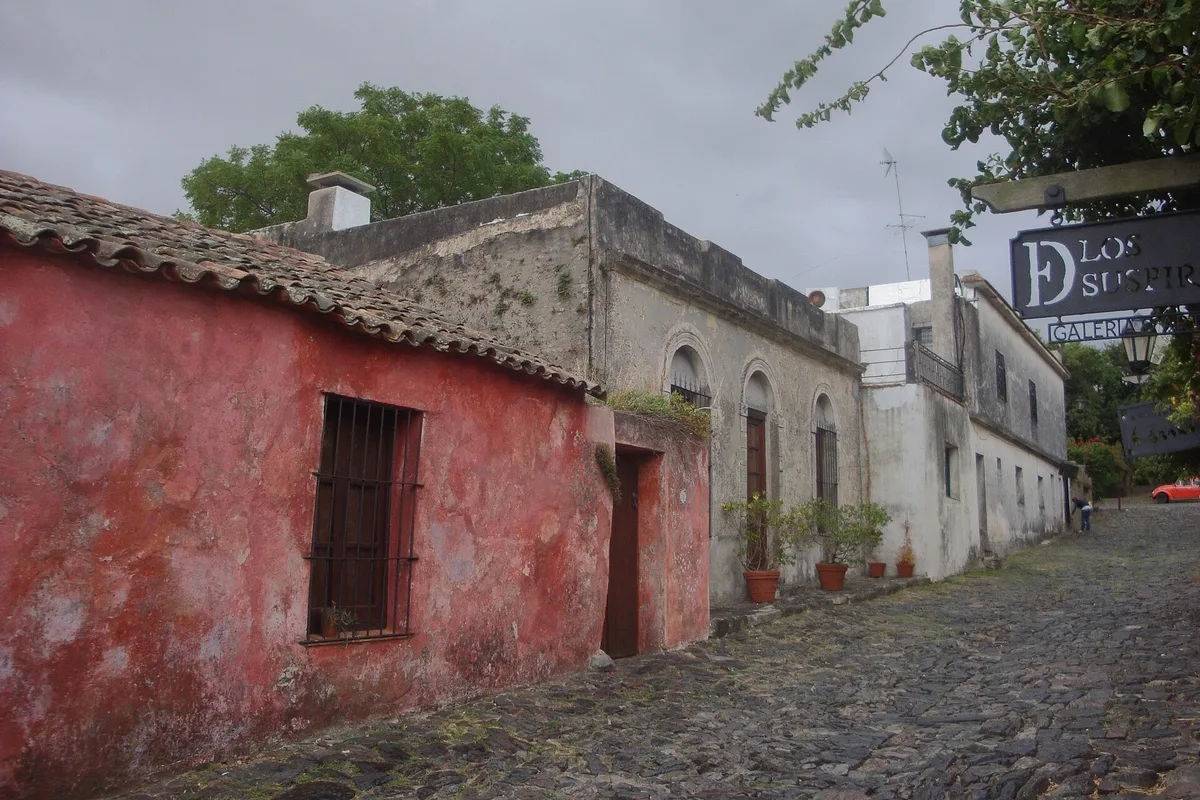
Colonia del Sacramento full-day
A full day west: the Real de San Carlos bullring, then a guided walk through the Barrio Histórico — city gate, walls, Calle de los Suspiros, lighthouse, basilica — free time for lunch, and a Granja Arenas stop for jams and cheeses on the way home. Rated 4.4 from about 500 reviews, from about US$60. Check availability →
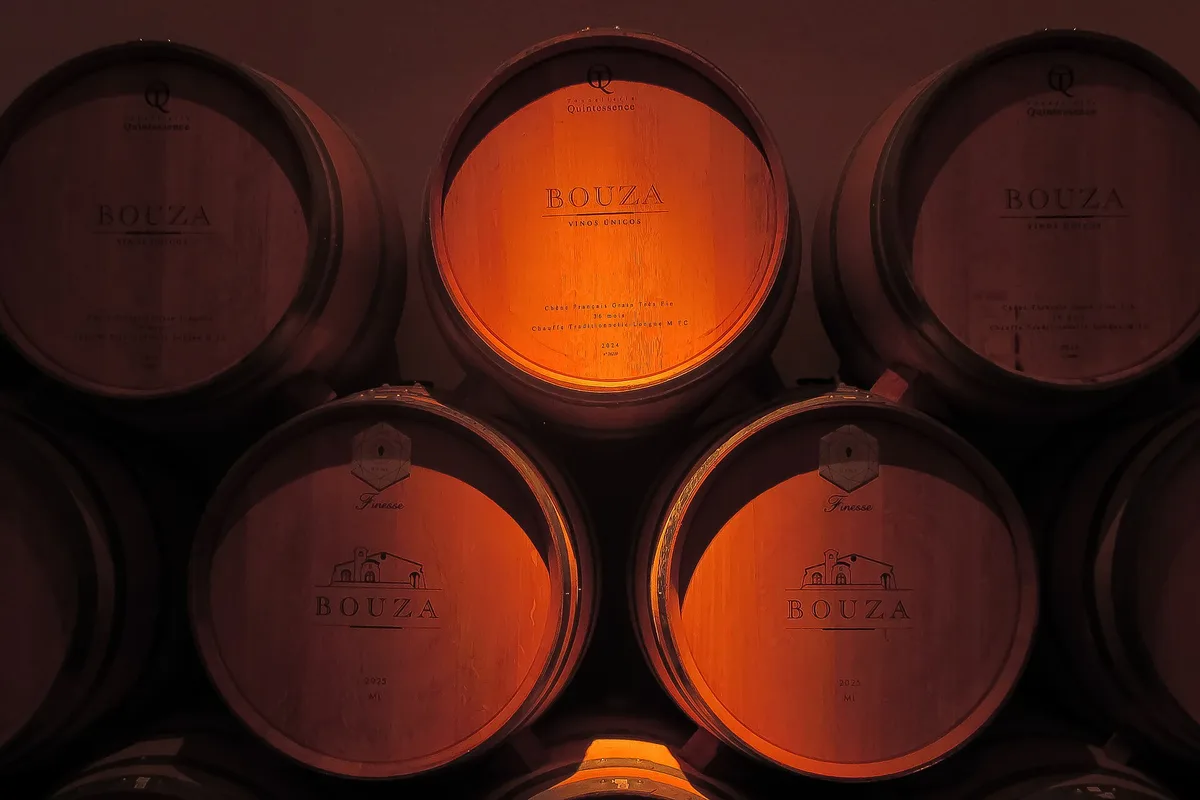
Bodega Bouza
Three and a half hours, the short escape: hotel pick-up to the family winery in Melilla, a guided walk through the vines and the 1942 cellars, the vintage car collection, then four wines — Tannat among them — with matched bites. From about US$95. Check availability →
Leave a spare evening for a candombe rehearsal in Barrio Sur, where drum troupes practise in the street for Carnaval.
When to go and what it costs

October to November and March to April are the sweet spot: warm days and the city in its normal rhythm. December to February is full summer — beaches busy, prices up, and Carnaval running some 40 days from late January, the longest in the world, with the Desfile de Llamadas drum parades as its peak. Winter, June to August, is cool and damp, with the cheapest rooms.
Budget in both currencies; the peso sits at about UYU 40 to US$1 (October 2026). The airport bus is under US$2; a parrilla lunch at the market US$15 to 25 a person; a chivito with a beer about US$12.
A backpacker in a dorm, on buses and chivito lunches: US$55 to 75 a day. Mid-range — a four-star room, market lunches, one guided trip: US$130 to 175 a day. A splurge day passes US$300.
What to pack
Tap items to check them off — your list is saved on this device.
Pack for a walking city on a wide river — sun, wind and a cool evening in one day. This is the full list:
- Comfortable walking shoes Shop walking shoes on Amazon →
- Sunscreen Shop sunscreen on Amazon →
- Reusable water bottle Shop water bottle on Amazon →
- Phone charger and power bank Shop power bank on Amazon →
- Daypack Shop daypack on Amazon →
- Sunglasses Shop sunglasses on Amazon →
- Light rain jacket Shop rain jacket on Amazon →
Add the Montevideo extras: a universal adapter covering Types C, F and L, a warm layer for the rambla after sunset, and swim kit from December to March.
Language, visa and entry
✓ Visa-free entry

Spanish runs the city in its Rioplatense flavour — soft and musical, with the sheísmo that turns "yo" into "sho". Uruguayans are unhurried and formal in small courtesies: greet on entering a shop, and the city opens up.
Four phrases do most of the work:
Sort entry paperwork before booking anything non-refundable. Citizens of the United States, Canada, the United Kingdom, the EU, Australia and New Zealand — among 80-plus nationalities — enter visa-free for up to 90 days, extendable once for another 90 at the Dirección Nacional de Migración. Mercosur nationals can enter on a national ID card. No vaccinations are required.
Arriving from Buenos Aires, the Buquebus ferry crosses to the port in about two and a quarter hours — the gentlest arrival of all, straight into Ciudad Vieja. Keep proof of onward travel on your phone; officers can ask.
Safety and health
Take a car back to Ciudad Vieja after dark
The old town is busy by day, but its streets empty once the offices close. Walk the lit pedestrian streets and take a taxi or app cab for the last stretch — in Pocitos, the evening rambla stays busy late.
Keep phones and cameras low-profile in crowds
Montevideo is among South America's calmer capitals; the realistic risks are pickpocketing around Tres Cruces terminal, on packed buses and at café-table edges. Keep the phone in a pocket between uses, and the passport in the hotel safe.
Swim at the lifeguarded beaches, and read the flags
Summer lifeguards watch the beaches from Pocitos to Carrasco, and flags mark water quality — the Río de la Plata is an estuary, with currents and murky spells after rain. Swim between the posts.
Drink the tap water and respect the river sun
Montevideo's tap water is safe and good — refill freely. The southern sun burns faster than it feels under the rambla breeze: sunscreen before the walk, not after. For anything serious, dial 911.
Related destinations
If you liked Montevideo, try these next:
 The Americas
 The Americas
 The Americas
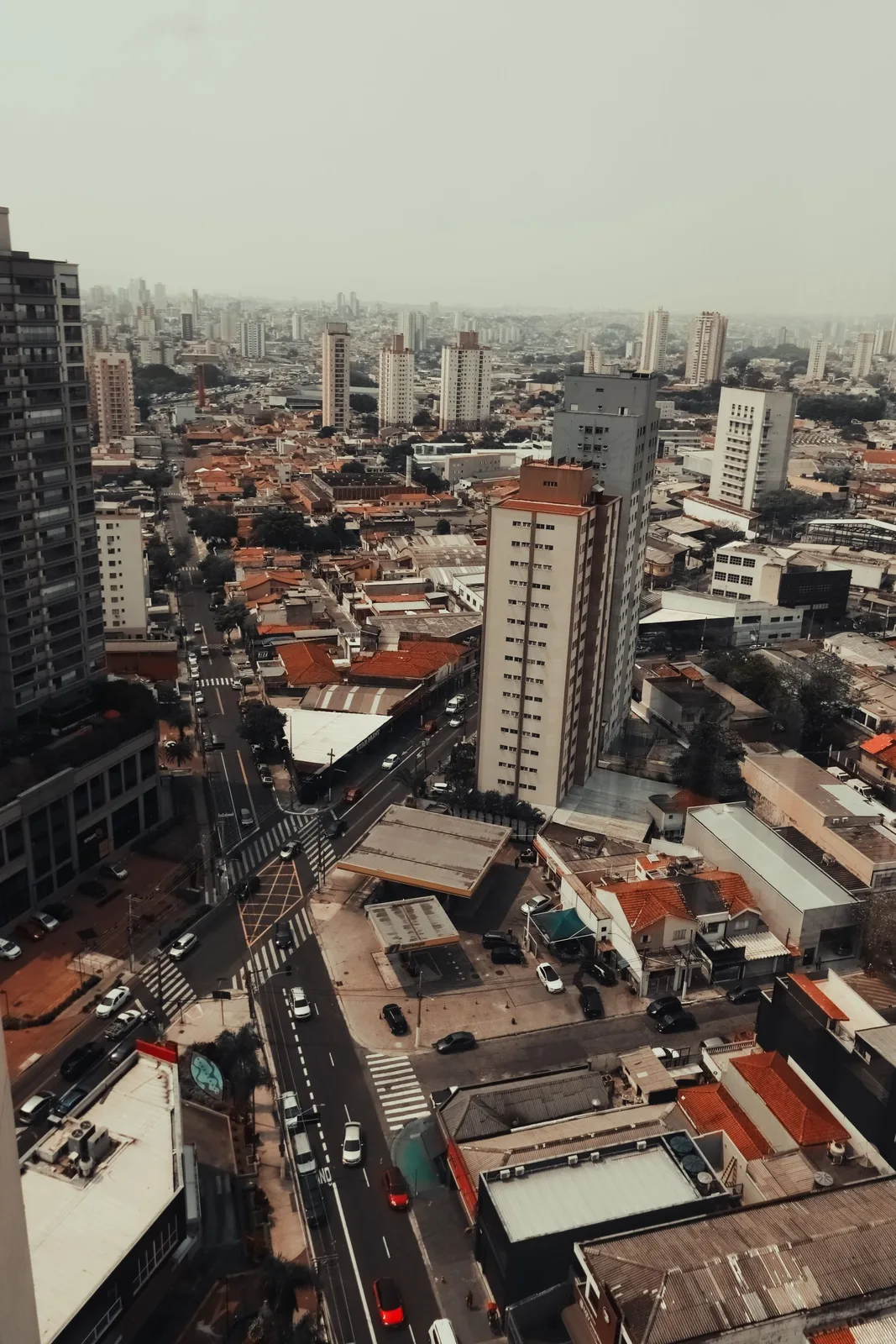 The Americas
 The Americas
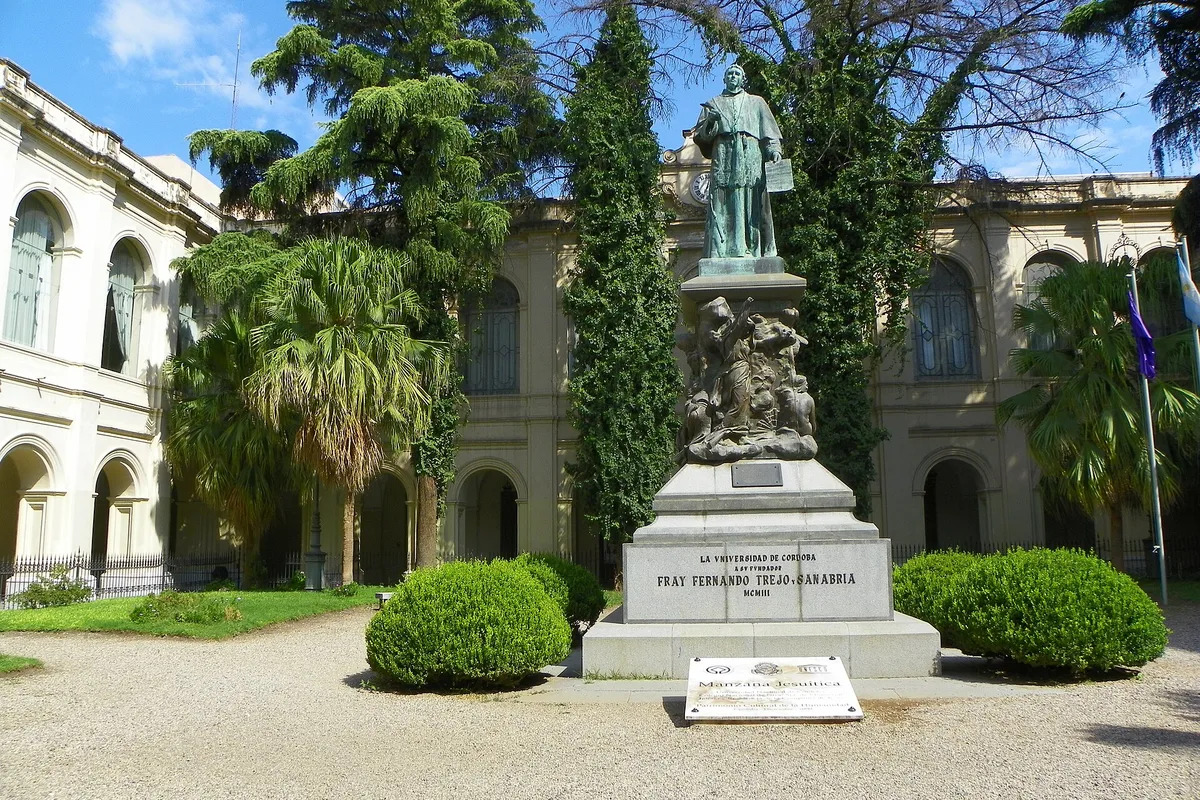 Europe
 The Americas
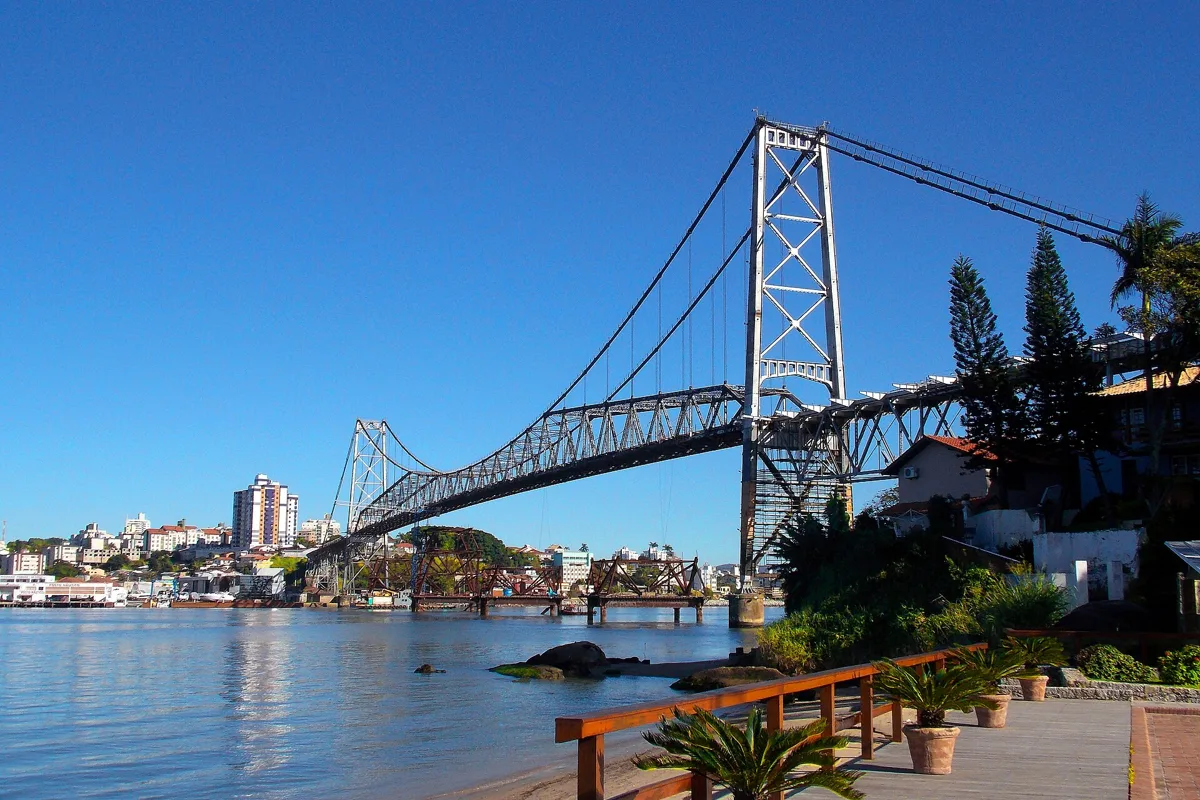 The Americas
 The Americas
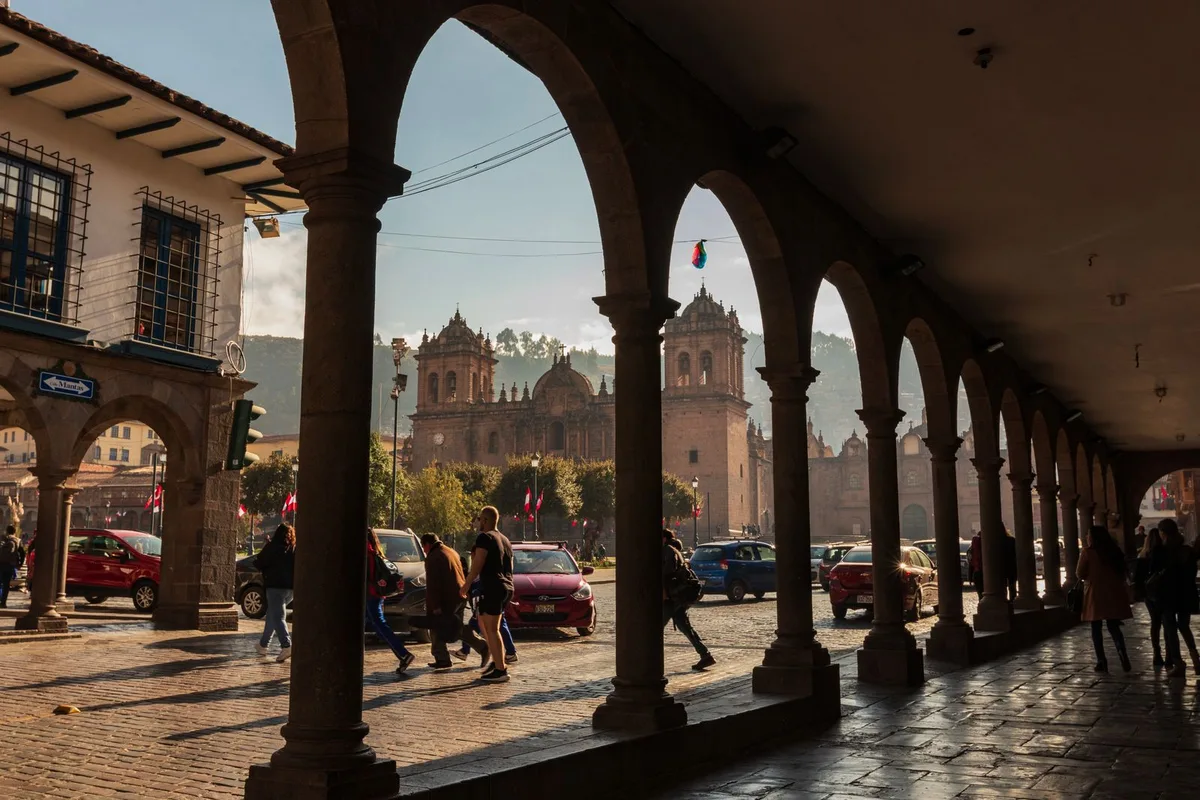 The Americas
Frequently asked questions
The arrival, the two bases and the taxes, in short.
Fares checked against Carrasco airport transport listings, October 2026; exchange anchor about UYU 40 to US$1 on 23 October 2026; hotel VAT and the Decree 235/026 tourism IVA reduction against October 2026 DGI reporting; the city tax against the Montevideo property fees listed on Expedia; entry rules against 2026 consular guidance.
Buses first: COT, Copsa and Cutcsa run from the forecourt to Tres Cruces and the centre, about 60 minutes, UYU 68 paid to the driver. The official taxi takes about 40 minutes for about UYU 1,800; Uber and Cabify quote a little less.
Ciudad Vieja for a first night or two: the old town, the port market and the Buenos Aires ferry on foot, with quieter streets after dark. Pocitos for three nights or more: the beach, the rambla and the calmest evenings, about 25 minutes by bus from the old town.
No visa for most visitors: US, Canadian, British, EU, Australian and New Zealand nationals (among 80-plus nationalities) get up to 90 days visa-free, extendable once. Mercosur nationals can enter on a national ID card, and no vaccinations are required.
Two benefits. Hotel rooms: non-residents showing a foreign passport are invoiced without the 10% IVA, all year. Restaurants and other tourism services paid electronically: a nine-point IVA reduction (13% instead of 22%) runs to 30 April 2027 under Decree 235/026. Some hotels also add a city tax of about US$1 per person per night, capped at five nights.
October to November and March to April: warm days and the city in its normal rhythm. December to February is beach summer, peaking with a Carnaval that runs some 40 days. June to August is cool, grey and cheapest.
It is one of South America's calmer capitals. The risks are pickpockets around Tres Cruces and on packed buses, and an old town that empties after dark — walk lit streets there at night and take a taxi for the last stretch. Pocitos stays busy late.
Fares change — the airport desk, the bus driver and your ride app always win.
Montevideo, in your pocket
Landing soon? Get the printable PDF — ticket links, the airport transport cheat sheet, our 3 restaurant picks with maps, and the packing checklist. Everything above, formatted for your phone.
One email with your Montevideo PDF. Fare changes and new guides after that. No spam, unsubscribe anytime.
Sources and last verified
Airport transfers against Carrasco airport transport listings: buses at UYU 68 from the driver, about an hour via Tres Cruces; official taxi about UYU 1,800; transfers from about US$40. Exchange anchor: about UYU 40 to US$1 on 23 October 2026. Taxes against the rules in force in October 2026: non-residents with a foreign passport are invoiced for rooms without the 10% IVA; Expedia's Montevideo property pages list a city tax of US$1 per person per night, capped at five nights; Decree 235/026 (1 October 2026) extends the nine-point IVA reduction on electronically paid restaurant and tourism services — 13% instead of 22% — to 30 April 2027. Time zone against timeanddate: UYT (UTC-3) all year, no daylight saving since 2015. Entry against 2026 consular guidance. Hotels against their own sites, Hostelworld and the Expedia page opened for Alma Histórica (9.6, Solís 1433); the other two hotels' Expedia pages could not be opened here, so their URLs wait for confirmation. Unplugged Hostel and Pocitos Hostel show as permanently closed and were not used. GetYourGuide products opened and read: Punta del Este full-day, Colonia full-day, Bouza visit with tasting. Photo credits as in the guide data. Last verified October 2026.
Affiliate disclosure: hotel names, transfers, experiences, and products linked in this guide may earn After You Land a commission at no extra cost to you. Prices and times were checked in Oct 2026 and change often — confirm before you book.