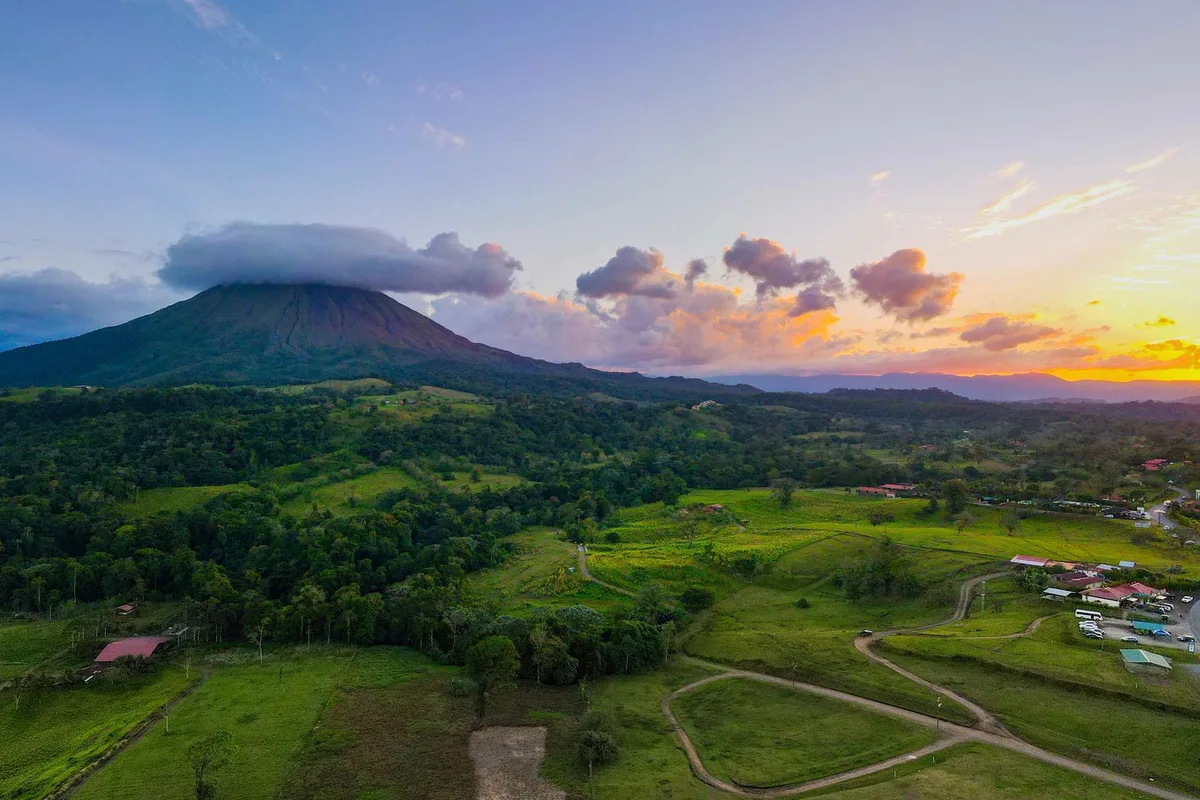
You have just landed an hour below your hotel: Salento has no airport, so the first hour is a mountain road up from Armenia or Pereira into one of Colombia's oldest coffee towns, founded in 1842. This guide covers both gateway rides and their real fares, where to sleep, the 19% hotel tax your passport stamp wipes, the first trout and tinto, and the palm valley and finca days that fill day two.
By Paul GreenUpdated Oct 202612 min readPrices checked Oct 2026
You just landed in Salento. There is no airport in town — the ride up from Armenia (AXM) takes about an hour, with an Airalo eSIM live for maps, your passport stamp wiping the 19% hotel IVA, and the days that fill first — a guided Cocora walk and a finca coffee tour — worth booking ahead through GetYourGuide.
Quick facts
Airport
No airport in Salento El Edén International, Armenia (AXM), about 40 km away; Matecaña, Pereira (PEI), is the alternative — AXM has the most flights, mostly via Bogotá. PEI adds more regional routes. Both gateways end with a mountain road climb to town.
Getting in
Taxi from AXM COP 95,000 to 150,000, about 1 hour; taxi and minibus about COP 32,000 There is no direct airport bus. The budget route pairs a taxi to Armenia's terminal with a frequent minibus up to Salento.
Currency
Colombian peso (COP), about COP 3,180 to US$1 in October 2026 Cash runs this town: jeeps, trail entries, buses and small restaurants are cash-first. Cards work at most hotels and larger restaurants.
Languages
Spanish English is patchy outside hotels and tour offices — Salento is a working coffee town, not a resort strip. The phrase chips below and a translation app cover the gaps.
Time zone
Colombia Time (UTC-5) all year Colombia does not change its clocks — One time zone nationwide, so domestic flight and bus times never shift by an hour.
Emergency
123 for police, ambulance and fire anywhere in Colombia Save it before you land. Salento's hospital and police post sit in town; serious cases transfer to Armenia.
Plugs
Type A and B sockets, 110 volts The same flat-pin plugs as North America. European and British travellers need an adapter; most chargers handle the voltage.
Tap water
Treated in town and generally drinkable many visitors still filter or buy bottled — The town supply is treated, but finca stays draw on local sources that vary. Ask your host, and refill in town before trail days.
Tourist tax
No per-night city tax and foreign tourists skip the 19% IVA on hotel rooms with an entry stamp — Under Decree 297 of 2016, non-resident visitors are exempt from the 19% VAT on hotel services; show your passport with its entry stamp at check-in. Restaurants charge a separate 8% consumption tax.
Best months
December to March and July to August the two drier windows — April to May and October to November are the wettest stretches, October wettest of all. At 1,895 metres, days sit around 18 to 22°C all year.
Map
Find your arrival stop, hotel, and first meal. Stays, sights, and landmarks in Salento — live hotel prices plus the key places from this guide.
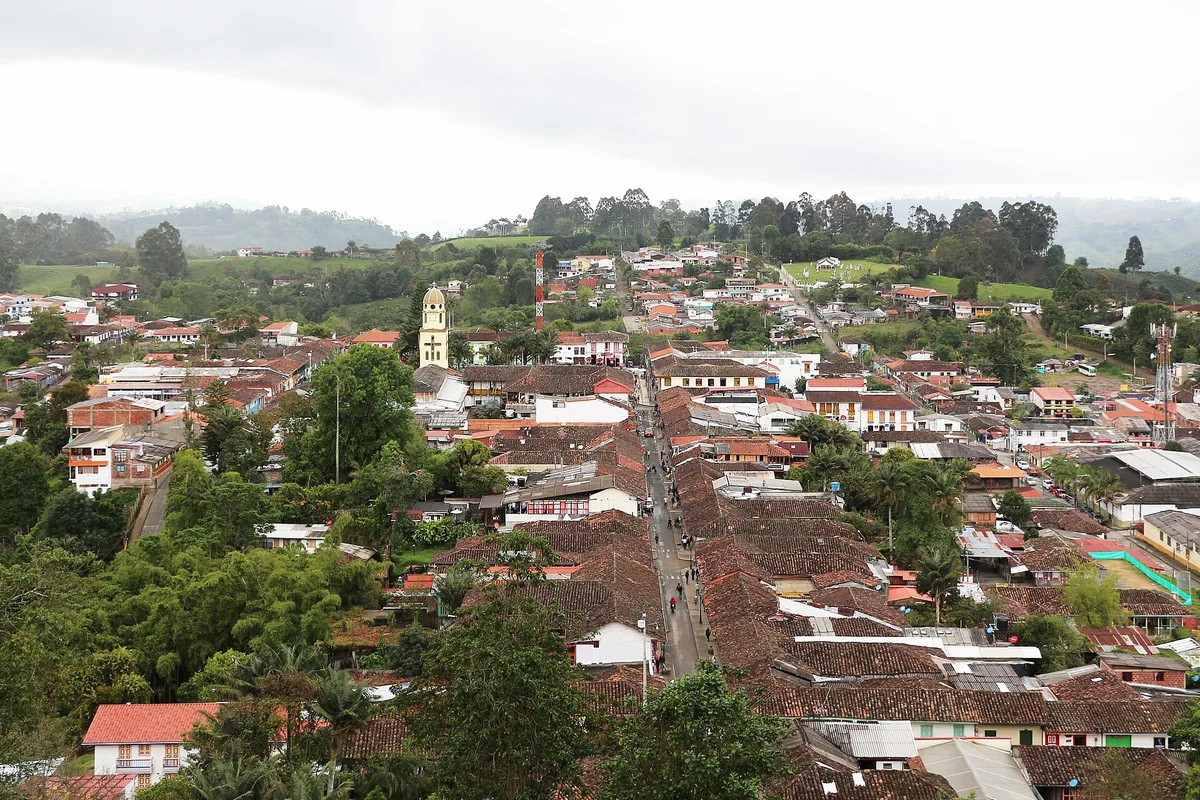
Salento has no airport, so your first hour starts on a mountain road: land at Armenia or Pereira, ride up into the coffee hills, and step out in a town small enough to cross on foot in fifteen minutes.
Set up data before you leave home — an Airalo eSIM loads in minutes, so maps and messaging work from the arrivals hall. For a longer Colombia trip, compare Saily and Yesim.
The arrival checklist, in order:
Carry pesos in small notes before the climb — the jeeps, trail kiosks and terminal minibuses are cash businesses
Agree any taxi fare before the door closes, and keep the hotel address on your phone for the driver
Keep your passport handy at check-in: the entry stamp wipes the 19% IVA off the room
If a delayed or cancelled flight wrecked the arrival, AirHelp checks whether the airline owes you compensation — worth five minutes.
Getting around
Journey times are approximate and refer to the listed stop — not necessarily your hotel. Allow extra time for waiting, walking, and connections.
Taxi from Armenia Airport (AXM)
Taxis wait outside arrivals at El Edén; there is no fixed tariff for the Salento run, so agree the whole fare before the door closes and keep small notes ready
PriceCOP 95,000 to 150,000 (about US$30 to 47)Journeyabout 1 hr
Taxi and minibus via Armenia terminal
A taxi to Armenia's terminal runs about COP 25,000, then minibuses climb to Salento for COP 7,200 roughly every 15 minutes until the early evening — a night landing rules this route out
Priceabout COP 32,000 (about US$10)Journeyabout 1 hr 30 min
Taxi from Pereira Airport (PEI)
The longer of the two gateway runs, from Matecaña at Pereira; worth it when PEI flights price well under Armenia's — agree the fare first, as on the AXM run
PriceCOP 150,000 to 240,000 (about US$47 to 76)Journeyabout 1 hr 15 min
Taxi and bus via Pereira terminal
A short taxi to Pereira's terminal, then the Salento bus roughly hourly by day; departures thin out in the evening, so build in waiting time or take the taxi
Two airports serve this coffee town, and neither is in it. El Edén (AXM) at Armenia is the usual gateway, about an hour by road; Matecaña (PEI) at Pereira runs about 1 hour 15 minutes and sometimes prices better. There is no direct bus from either airport:
Choose the direct taxi after a long travel day or a late landing; choose the terminal route with a backpack and daylight. The last minibuses climb in the early evening, so a night arrival means a taxi whatever your budget.
Prefer to be met? A Kiwitaxi transfer or a Welcome Pickups driver puts a name board in arrivals at a fixed price. Driving yourself, price the airport pickup on AutoEurope first — a car helps for finca days, not in this tiny grid.
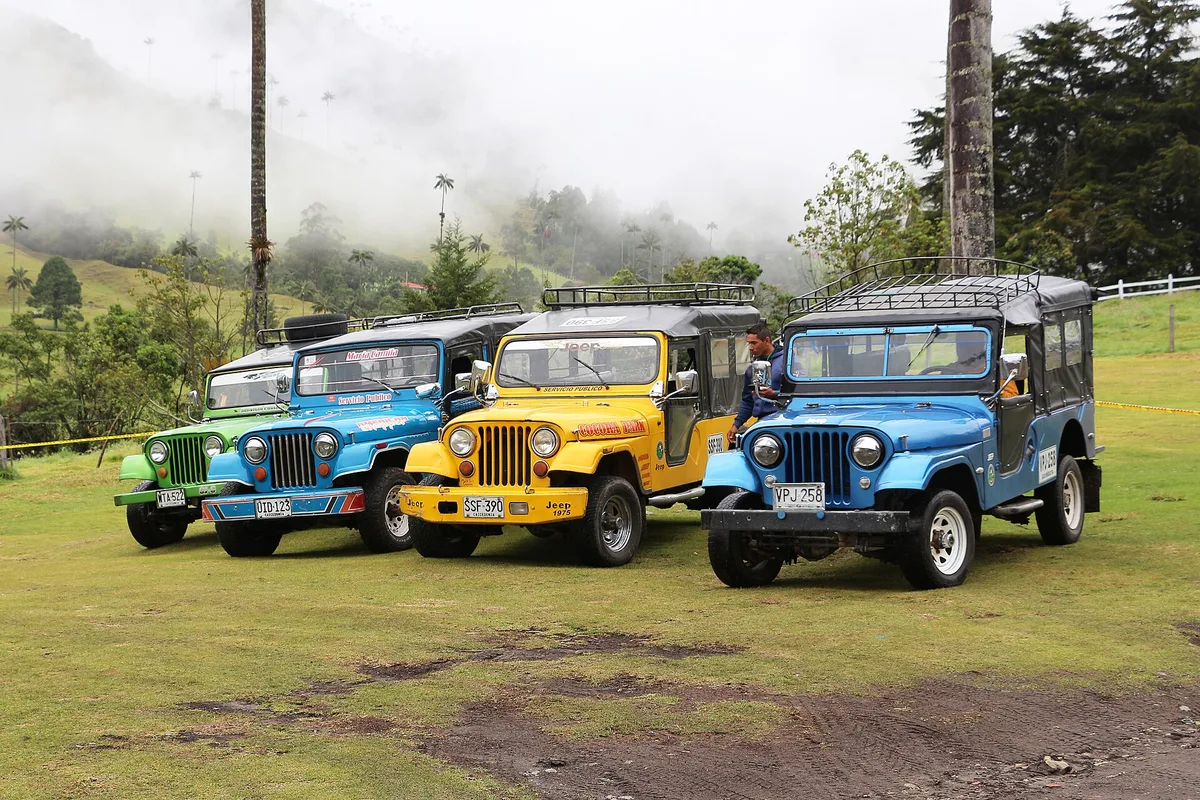
In town, walk. The one ride that matters is the shared Willys jeep from the main plaza to Cocora: about 30 minutes, COP 5,000 to 8,000 one way, leaving when full from around 6:30 am.
In the city
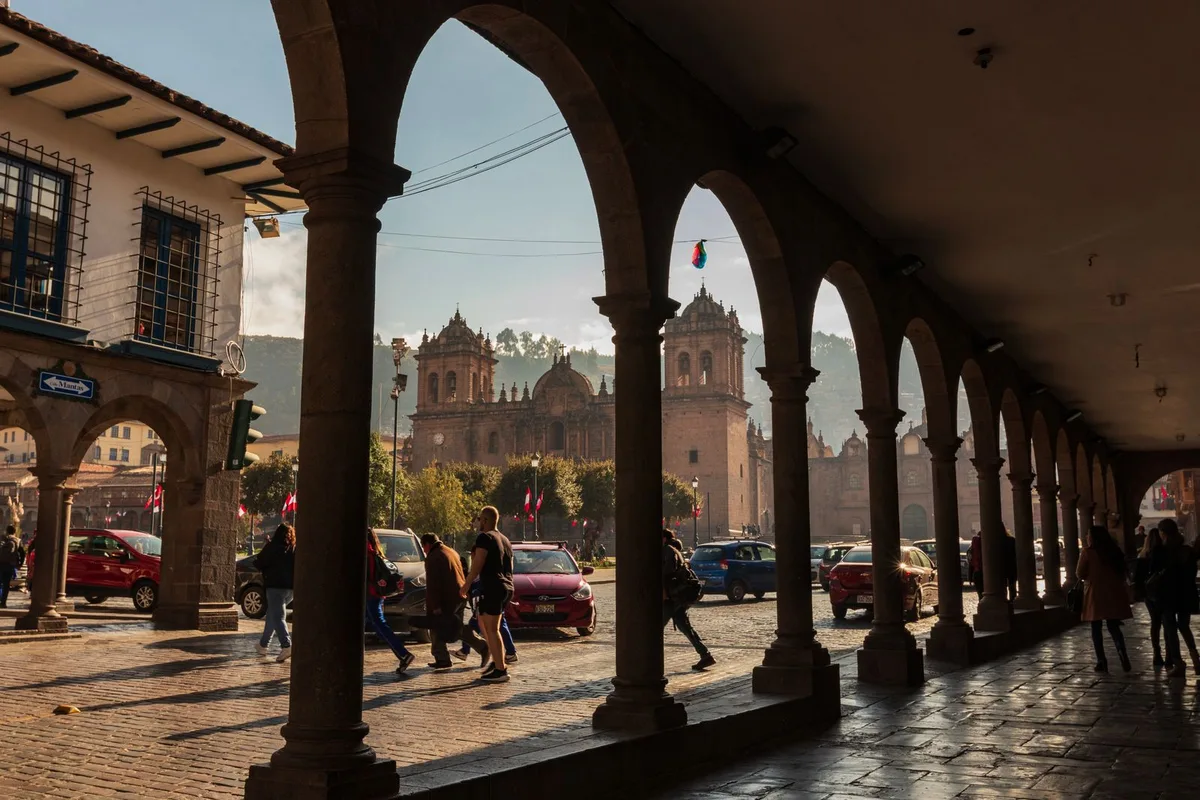
Start on the Plaza de Bolívar, the town's living room since Salento was founded in 1842 — one of the oldest towns in Quindío. The church faces a square of café tables and, on the corner, the Willys jeeps loading for Cocora.
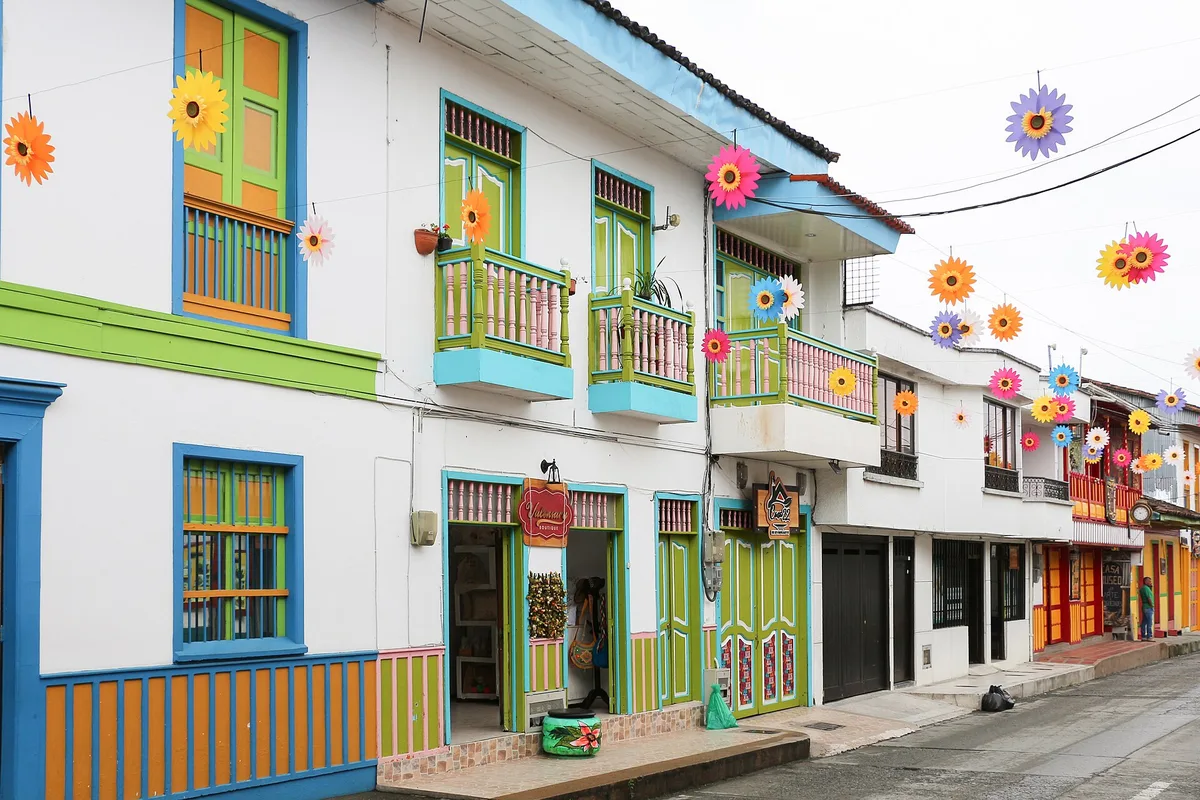
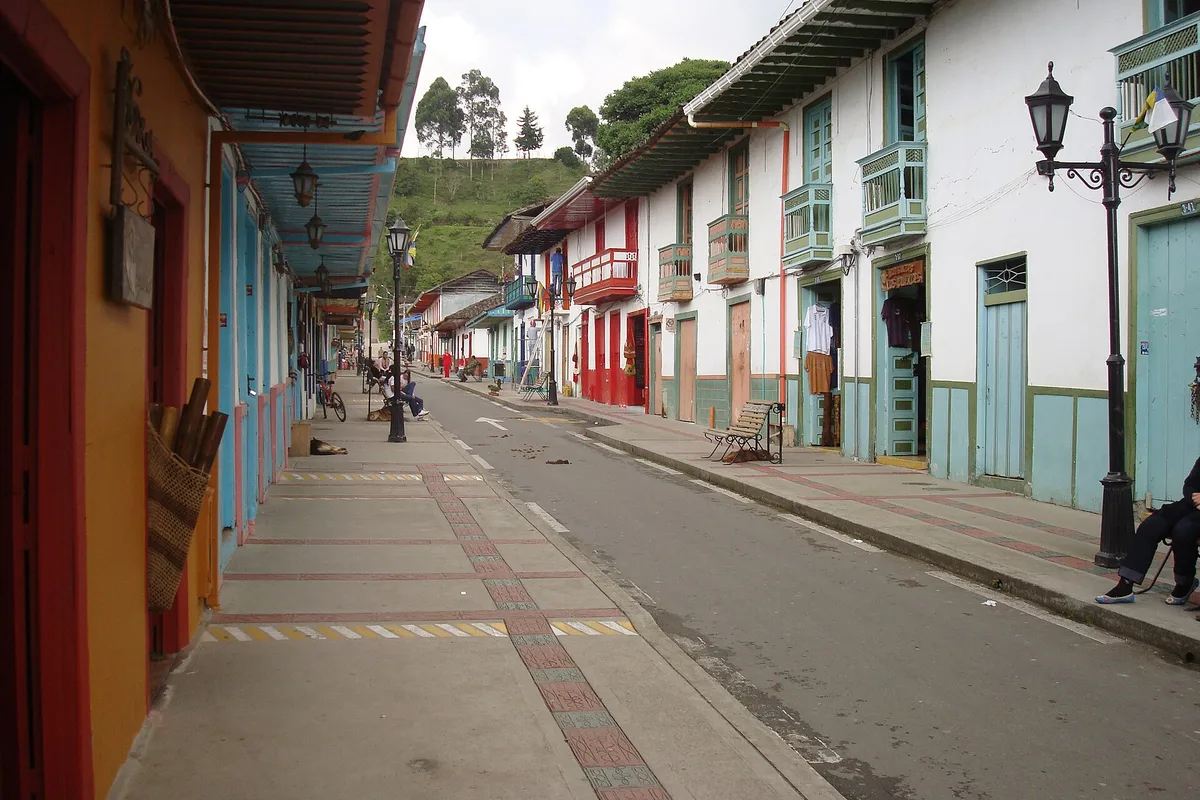
Walk Calle Real next, the craft street climbing north from the plaza: painted balconies, woven baskets, coffee shops and workshops selling the region's guadua bamboo work. Follow it to the end and climb the long stair to the Mirador Alto de la Cruz for the full read of the town — rooftops below, the Quindío river valley beyond.
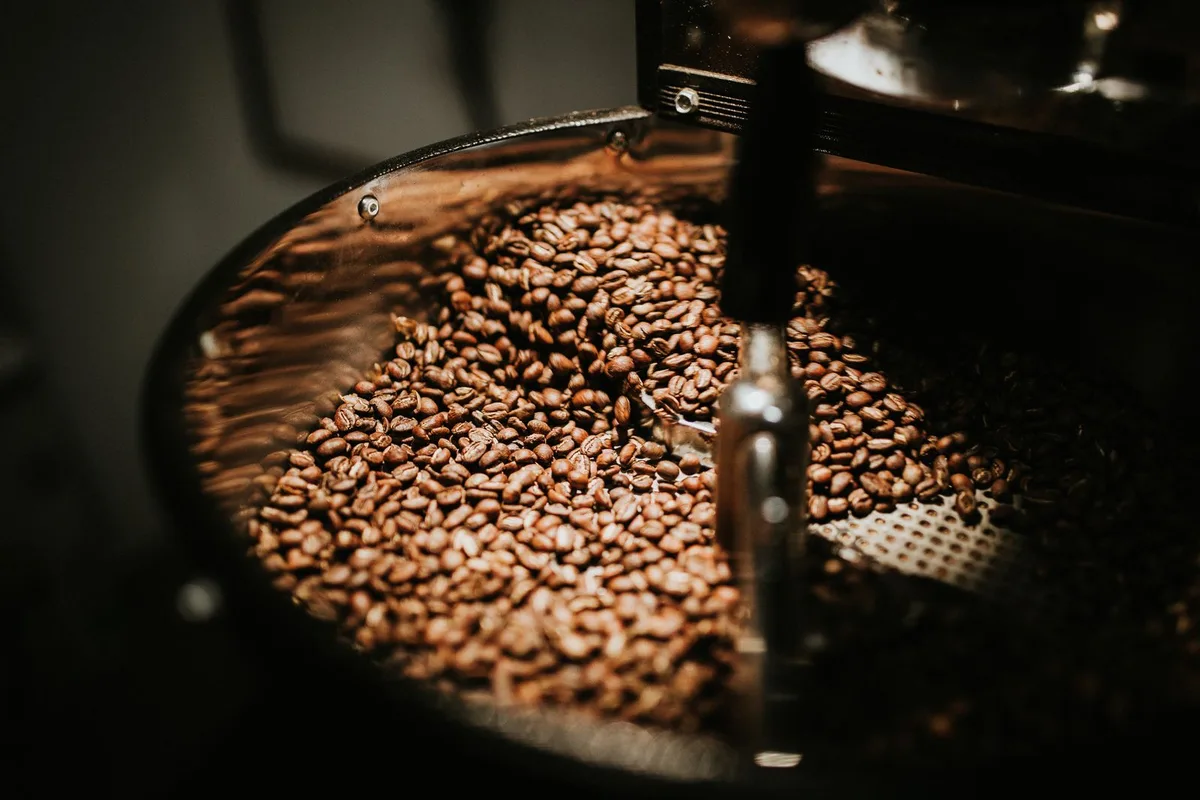
Ride out to a coffee finca on the town's edge for the seed-to-cup walk: pick, pulp, dry, roast, taste. Book one for your first morning, while the vocabulary is fresh.
Play tejo in the evening, Colombia's game of metal discs and gunpowder targets — the Cancha de Tejo Los Amigos court runs games most nights, rules explained as you go.
Browse GetYourGuide for guided Cocora days and finca tours, and compare Klook when stacking activities.
After you land in Salento: Bookable experiences
Where to stay your first nights
Splurge
Hotel Kawa Mountain Retreat.
Best for the boutique splurge — a wooden eco-lodge on the town's green edge, spa, hot tub and a valley-view terrace
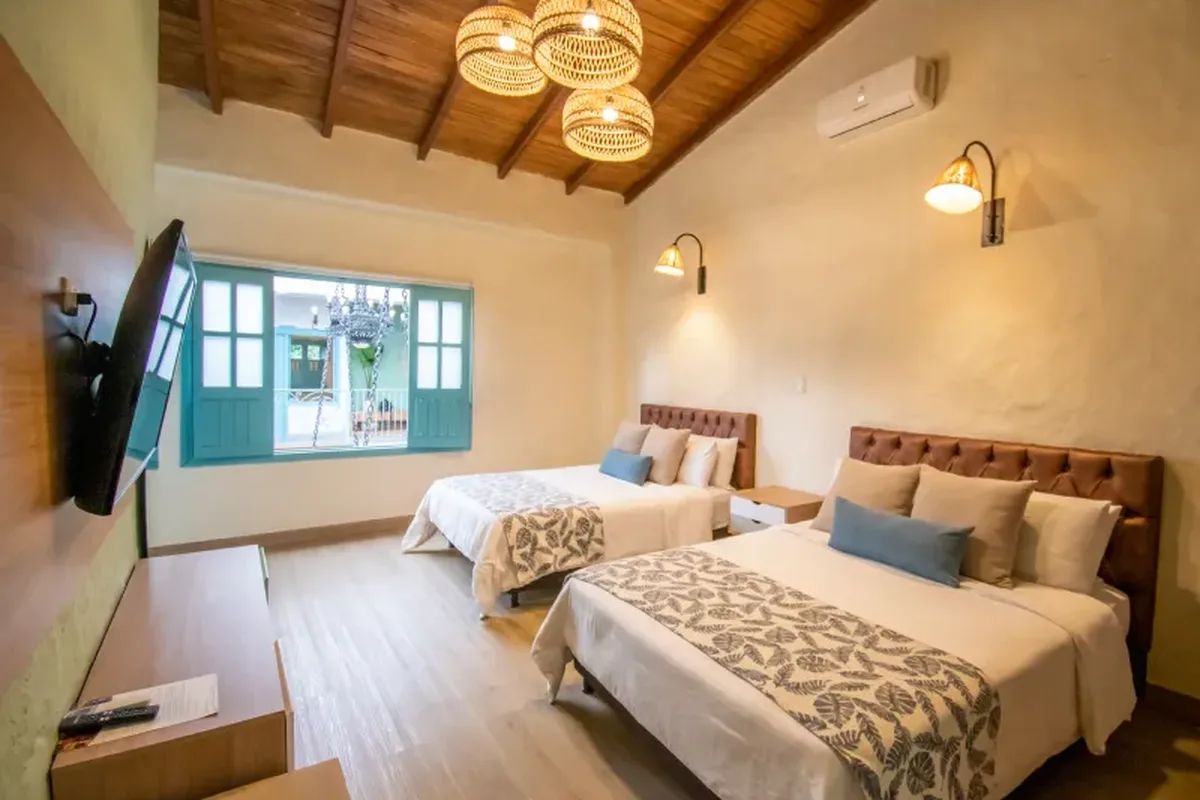
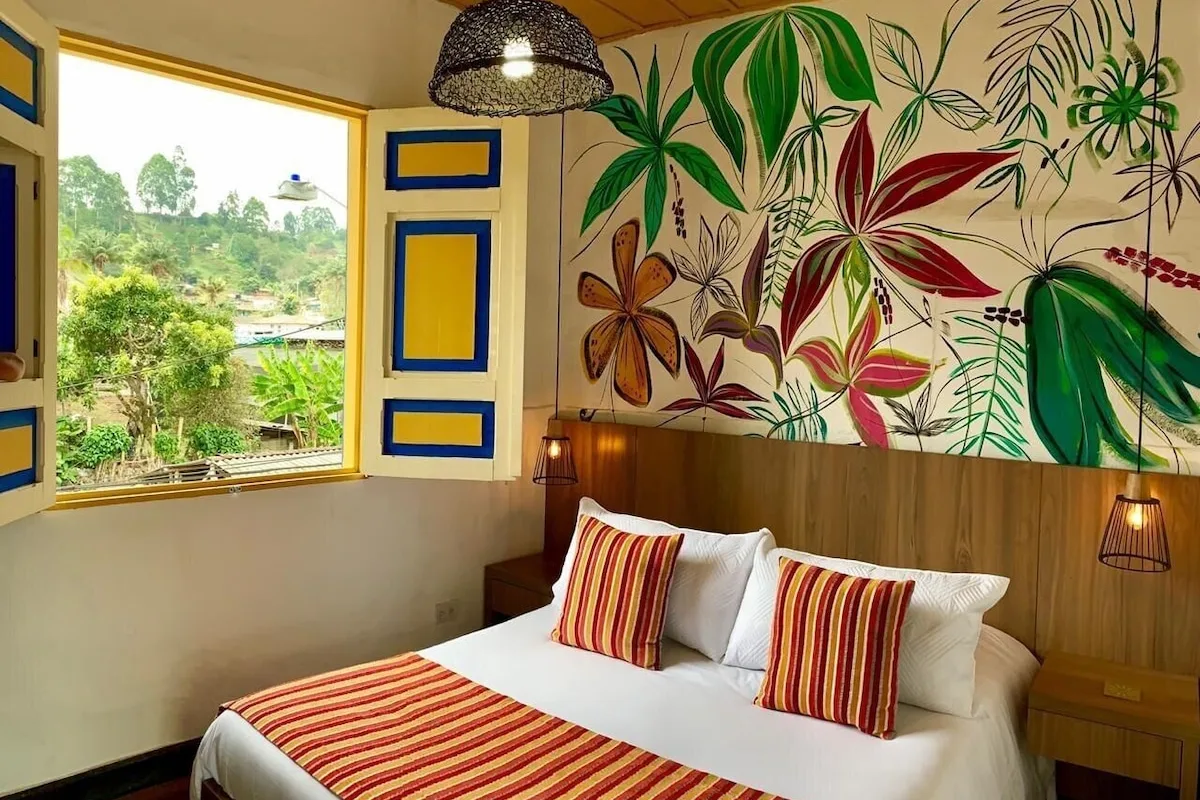
Sleep in a wooden eco-lodge on the town's green edge, a short walk from Calle Real — mountain-view rooms and cabins, a spa and hot tub, and a full breakfast. Book it for the quiet, polished version of Salento.
Best for the classic central base — a colonial courtyard house steps from Calle Real, with a restaurant attached
Stay at Calle 3 #4-31, steps from Calle Real — a colonial-style house around a stamped-tile courtyard, with a restaurant, a rooftop terrace and staff who sort jeeps and fincas at the desk. Book it for the classic central base.
Base in the town itself on a first visit — Salento is a tiny grid, so anywhere central puts the plaza, the jeeps and dinner within a ten-minute walk. Book finca nights, if you want them, for later in the stay.
Book ahead for weekends, Semana Santa and the December holidays, when domestic tourism fills the town. Show your passport at check-in wherever you stay — the entry stamp is your 19% IVA exemption.
Where to eat first
Eat trout, then drink the coffee where it grows. The local plate is trucha — river trout grilled or in garlic sauce, served with a crisp patacón — and the local pour is a tinto from beans grown on the hills you can see from your table. Three first stops:
El Rincón de Lucy, corner of Calle 4 and Carrera 6.
Eat the menu of the day at the town's beloved home-cooking room — soup, then trout, chicken or meat with rice, salad and arepa, plus a jug of lemonade, for about COP 18,000. It fills with locals at lunch; go then.
Café Jesús Martín, Carrera 6a #6-14.
Drink single-estate Quindío coffee at the roastery café travellers rate the town's best — pour-overs, cold brew and cakes, with bags of the house roast to take home.
The plaza and Calle Real tables.
Graze the evening strip — trout restaurants around the square, bakeries for the second coffee, and street stalls as the jeeps come back down from Cocora.
For coffee tours and tasting sessions, browse the Salento listings on GetYourGuide and book a slot for your first free morning.
Day trips and more
Three days out cover the Salento essentials: the palm valley with a guide, the coffee farm in depth, and the two-town loop that adds Filandia. Carry cash for trail kiosks.
Cocora Valley shared tour
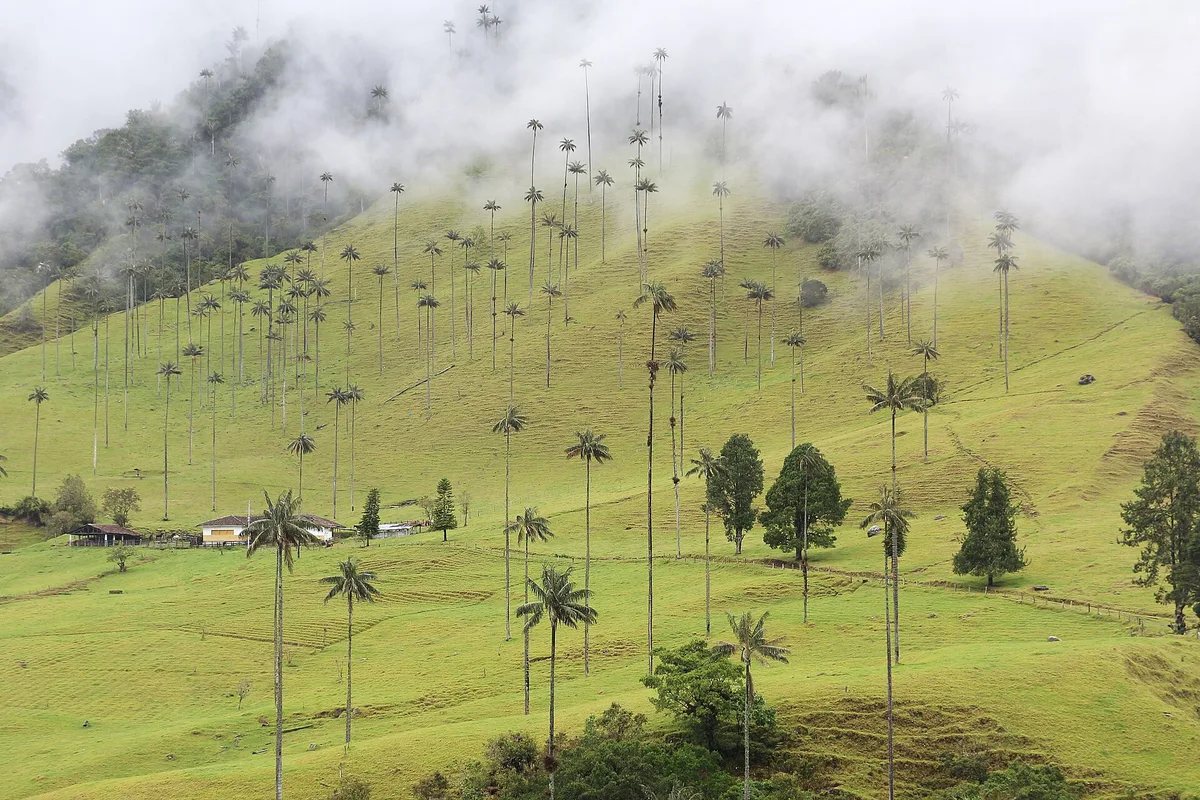
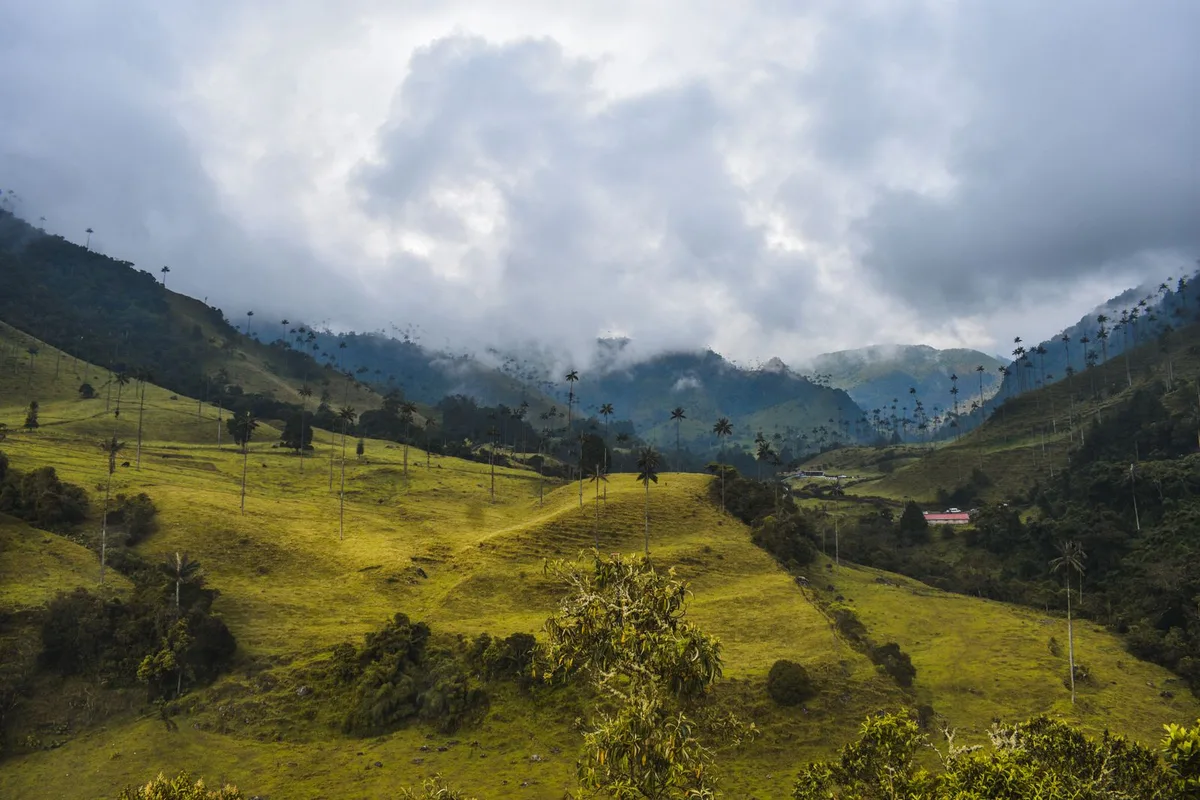
Four to eight hours from the main plaza, transport and valley tickets included: ride the Willys jeep up, then walk among wax palms over 60 metres tall — the tallest palms in the world — with a guide reading the cloud forest as you go. Rated 4.8 from recent reviews, from about US$80. Check availability →
Finca El Ocaso coffee tour
Ninety minutes at a traditional working finca: walk the plantation, pick cherries like a picker, then follow the pulping, drying and roasting through to a cloth-filter tinto at the end. English guiding, rated 4.8 from over 400 reviews, from about US$23. Check availability →
Cocora, Filandia and Salento private tour
Eight to ten hours, private car and guide: the Cocora palm forest in the morning, lunch on the road, then Filandia — Salento's calmer sister town, all painted balconies and basket-weaving workshops — before the run home. Rated 4.9, from about US$163. Check availability →
Leave a spare morning for the DIY version: the first jeep out, the short palm walk in an hour, coffee back in town by ten.
When to go and what it costs
December to March and July to August are the drier windows — the Cocora trails firm up and the palms stand clear by mid-morning. April to May and October to November are the wet seasons, and October, this month, is typically the wettest of the year: lush green, afternoon downpours and mud on the loop, with thinner crowds as the reward. Temperatures barely move — 18 to 22°C by day, a fleece by night.
Budget in pesos; the rate sits at about COP 3,180 to US$1 (October 2026). A menu of the day is about US$6; a Willys seat to Cocora US$2; the valley entry about US$6; a finca tour US$20 to 25.
A backpacker in a dorm, on menú lunches and jeeps: US$35 to 50 a day. Mid-range — a central hotel room, trout dinners, one guided day: US$90 to 140 a day. A splurge day with the eco-lodge and a private tour passes US$300.
What to pack
Tap items to check them off — your list is saved on this device.
Pack for spring days, cold nights and trails that turn to mud after one shower — Salento weather can do all three before lunch. This is the full list:
Add the Salento extras: shoes that grip mud (or rent rubber boots in town for the Cocora loop), a warm layer for 1,895 metres after dark, and small peso notes — the jeeps and trail kiosks cannot break big bills.
Language, visa and entry
✓ Visa-free entry for eligible passport holders
Spanish runs this town, in the warm paisa register of the coffee country — greet first, and expect help at half your speed and twice your vocabulary. A tinto offered is a tinto accepted.
Four phrases do most of the work:
Buenos díasgood morningGraciasthank you¿Cuánto cuesta?how much does it cost?La cuenta, por favorthe bill, please
Sort your entry paperwork before you book anything non-refundable. US, Canadian, British, EU, Australian and New Zealand nationals enter visa-free for up to 90 days, extendable once to 180 days in a calendar year. Canadian nationals currently pay a reciprocity fee on entry — check the current figure before you fly.
Complete the free Check-Mig form online within 72 hours before your flight, in and out — airlines check it at boarding. Carry a passport valid for your stay — six months is the safe standard — and proof of onward travel on your phone.
Safety and health
Take the altitude and the mud seriously, not the town
Salento itself is a calm town, but the Cocora loop climbs from 2,400 to about 2,900 metres on trails that turn slick after rain. Start early, carry water, and turn back for thunder — the full loop takes five to six hours.
Ride the organised jeeps and agree taxi fares first
The Willys rank on the plaza is the town's institution: fixed routes, shared seats, cash fares. For the airport run, agree the price before the door closes or book a fixed-price transfer, and avoid intercity roads late at night.
Guard your phone on the plaza at weekends
The square crowds with domestic visitors on Saturdays and holidays, and the usual crowd rules apply: phone away between uses, passport in the hotel safe, a photo of it on your phone.
Pack for sun at altitude, rain by afternoon
UV is strong at 1,895 metres even under cloud, and downpours are the town's daily rhythm in the wet months. Sunscreen before the trail, the rain jacket in the daypack, and 123 saved for anything serious.
The two airports, the Check-Mig form and the taxes, in short.
Transfers checked against Colombia Uncharted's coffee-region guide and Gecko Routes, October 2026; entry rules against 2026 consular guidance; the IVA exemption against Decree 297 of 2016.
A direct taxi takes about an hour for COP 95,000 to 150,000 — agree the fare before you ride. The budget route pairs a short taxi to Armenia's bus terminal (about COP 25,000) with a frequent minibus up to Salento (COP 7,200); the last minibuses climb in the early evening.
Yes — Matecaña (PEI) sometimes prices better and adds regional routes. The road run takes about 1 hour 15 minutes: a direct taxi runs COP 150,000 to 240,000, or take a taxi to Pereira's terminal and the Salento bus, roughly hourly, for about COP 25,000 all-in.
No visa for most visitors: US, Canadian, British, EU, Australian and New Zealand nationals get up to 90 days visa-free, extendable once to 180 days in a calendar year. Complete the free Check-Mig form online within 72 hours before flying — airlines check it at boarding.
Non-resident tourists are exempt from the 19% IVA on hotel services under Decree 297 of 2016: show your passport with its entry stamp at check-in. Salento adds no per-night city tax. Restaurants charge a separate 8% consumption tax.
December to March and July to August, the two drier windows — the Cocora trails firm up and the palms clear by mid-morning. April to May and October to November are wettest, October most of all: lush, muddy and quieter.
The town itself, yes — a small, busy grid walked late by locals and visitors alike. The real risks are out of town: slick, high trails in Cocora after rain, afternoon thunder, and intercity roads at night. Start hikes early and ride the organised jeeps.
Peso fares change — your hotel desk and the jeep rank on the plaza always win.
Salento, saved for arrival
Landing soon? Get the printable PDF — the essentials from this guide, formatted for your phone:
The airport transport cheat sheet, with ticket links
Our 3 restaurant picks, with maps
The packing checklist
One email with your Salento PDF (guide version: Oct 2026). Fare changes and new guides after that. No spam, unsubscribe anytime.
Sources and last verified
Airport transfers against Colombia Uncharted's coffee-region transport guide, updated October 2026 (AXM taxi COP 95,000 to 150,000; PEI taxi COP 150,000 to 240,000) and Gecko Routes (Armenia terminal taxi about COP 25,000, minibus COP 7,200, last buses about 8 pm). Cocora figures against cocoravalley.org and 2026 trail guides: jeep COP 5,000 to 8,000 one way; valley entry COP 20,000, plus COP 6,000 to 10,000 at a second station on the full loop — one 2026 listing prints COP 25,000 for entry, and this guide prints the lower, better-sourced figure. Exchange anchor: COP 3,180 to US$1, 24 October 2026. Entry against 2026 consular guidance: 90 days visa-free, extendable to 180 in a calendar year; Check-Mig free within 72 hours of flying; the Canadian reciprocity fee as reported in 2026 entry guides. Hotel IVA exemption against Decree 297 of 2016; no Salento lodging tax. GetYourGuide products opened and read: Cocora Valley Shared Tour, Finca El Ocaso coffee tour, and the private Cocora, Filandia and Salento tour. Hotels checked October 2026 against their Expedia pages (Kawa, Salento Real) and Hostelworld (Tralala, 9.5 from 853 reviews). Last verified October 2026.
Affiliate disclosure: hotel names, transfers, experiences, and products linked in this guide may earn After You Land a commission at no extra cost to you. Prices and times were checked in Oct 2026 and change often — confirm before you book.