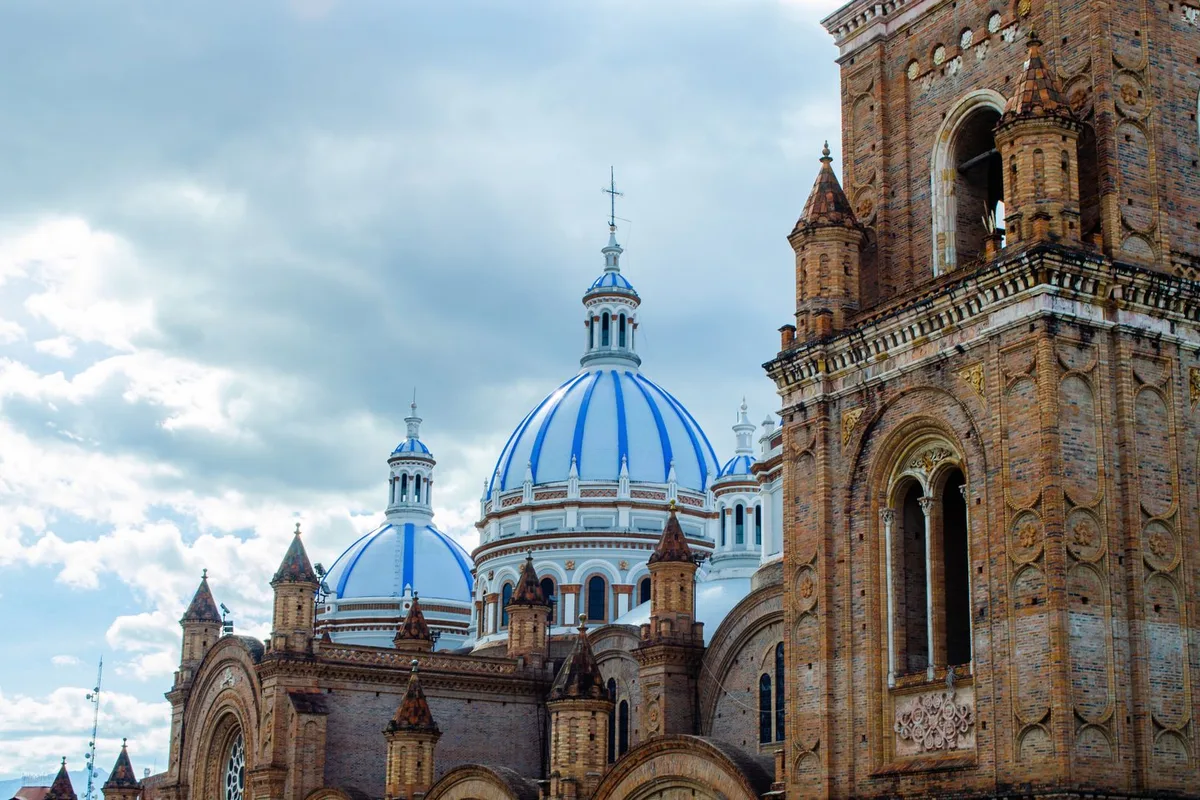
Cuenca, Ecuador: your first hour after landing
You have just landed in Cuenca — probably at the end of a chain, because Mariscal Lamar takes domestic flights only and the rest of the world arrives via Quito or Guayaquil. This guide covers the little city airport and the tram into El Centro, where to sleep from a garden mansion to a budget bed near Parque Calderón, the market food to eat first, a first day under the blue domes, and the páramo lakes and Inca ruins of day two.
In this guide
You just landed in Cuenca. The airport is domestic only and inside the city — the move is the Tranvía, about 20 minutes and a $1 single ticket into the historic centre, with a Saily eSIM live from arrivals, small dollar bills in your pocket, and the days that sell out first — the El Cajas tours above all — worth booking ahead through GetYourGuide.
Quick facts
Airport
Getting in
Currency
Languages
Time zone
Emergency
Plugs
Tap water
Tourist tax
Best months
Map
Stays, sights, and landmarks in Cuenca, Ecuador — live hotel prices plus the key places from this guide.
Settle in
Be honest about how you got here: Cuenca's airport takes domestic flights only, so the real arrival is usually the end of a longer chain — a flight into Quito or Guayaquil, then either a 50-minute hop down to Mariscal Lamar or the road south. The bus from Guayaquil climbs through El Cajas in about four hours for roughly $11; shared vans run the same route faster for more. From Quito, fly unless you want most of a day on the bus.
The good news: Mariscal Lamar sits inside the city, about 3 km from Parque Calderón — land, and you are ten minutes from your hotel.
Set up your data before you leave the terminal: a Yesim eSIM loads an Ecuador data plan in minutes, so maps and messaging work from the kerb. For a longer Ecuador trip, compare Saily and Airalo as the alternatives.
Run the arrival checklist in this order:
- Ride the Tranvía into the centre — $1 single ticket from the station machines, coins handy, about 20 minutes
- Carry small bills from the start — drivers, markets and cafés cannot break $50s and $100s
- Drop your bags, then walk Parque Calderón and the cathedral square to fix the centre in your head
Check the tax line when the hotel quotes your rate: IVA is 15%, but foreign guests staying under 90 days are exempt on lodging billed in their own passport name — ask for the invoice in your name. A 10% service charge may still apply.
If a delayed or cancelled flight wrecked the arrival, AirHelp checks whether the airline owes you compensation — worth five minutes before you write the day off.
Getting around
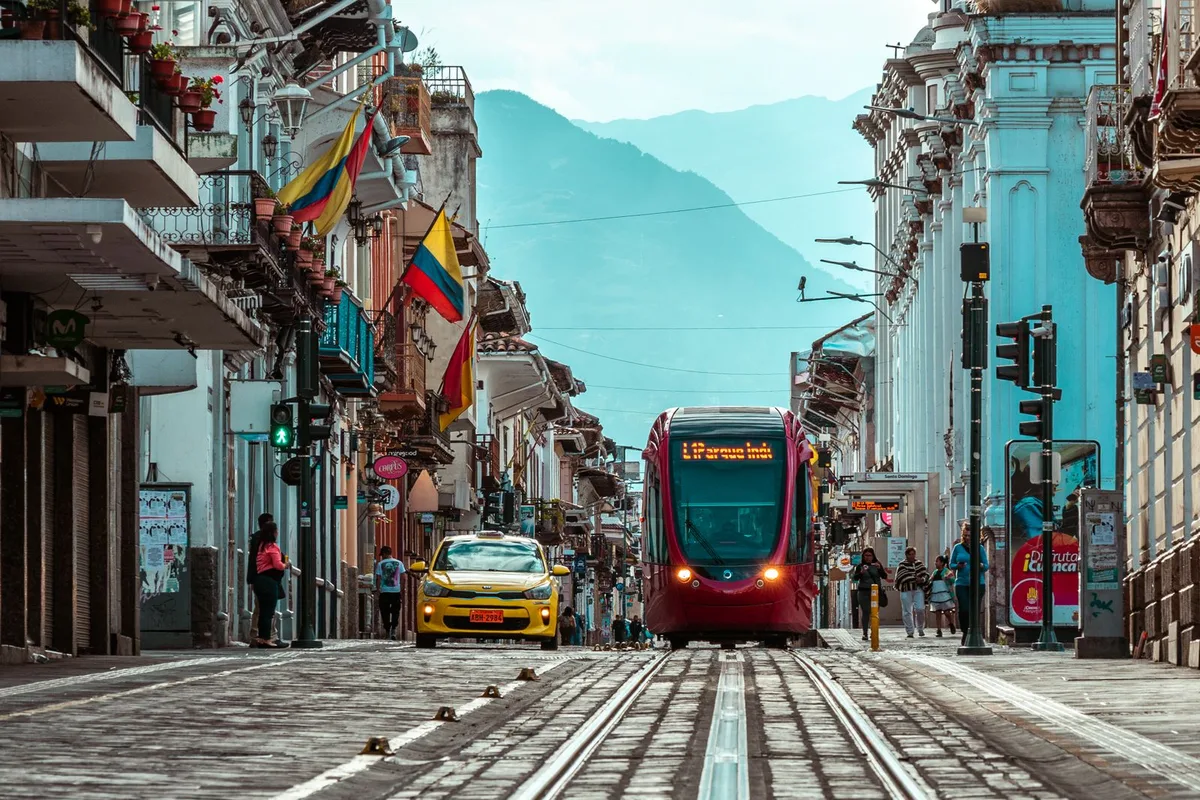
Times are airport to city centre.
Tranvía tram
Buy the boleto sencillo at the station machines — coins help; the fare drops to $0.35 with the residents' rechargeable card; runs about 06:00 to 22:00 along Gran Colombia into the centre
Taxi
Metered, and the ride is short — the airport sits inside the city; the rank is outside arrivals; carry small bills
City bus
Buses run from Avenida España toward the centre, but boarding is by Movilízate card only — no cash — so this suits longer stays better than arrival day
Rental car
Worth it only if El Cajas and Ingapirca on your own schedule are the trip; the centre has narrow one-way streets and scarce parking

Mariscal Lamar is a city airport in the truest sense: the runway ends in the north-east of Cuenca, and the historic centre is a short ride south-west. The Tranvía, the city's single modern tram line, stops by the airport and the Terminal Terrestre bus station and runs along Gran Colombia straight into El Centro — about 20 minutes, every few minutes through the day. Visitors without the residents' rechargeable card buy a single ticket (boleto sencillo) for $1; with a card the fare drops to $0.35. The airport rides are these:
In town, the historic centre is flat, gridded and made for walking — most sights sit inside a ten-minute stroll of Parque Calderón. The Tranvía covers the east-west spine from about 06:00 to 22:00. City buses cost $0.30 but run on the Movilízate card only, with no cash option, so they suit longer stays better than first days. Taxis are plentiful and cheap: most cross-centre rides cost a few dollars.
Arriving overland instead? The Terminal Terrestre, next to the airport, is the hub for Guayaquil (about four hours, roughly $11) and Quito buses, and the tram connects it to the centre just as easily.
Prefer to be met? A Kiwitaxi transfer or a Welcome Pickups driver puts a name board in arrivals at a fixed price — worth it with kids or heavy bags. Driving yourself, price the airport pickup on AutoEurope first, and think twice: centre parking is scarce and the old streets are narrow.
In the city
Start at Parque Calderón, the square everything else hangs off. On one side the Old Cathedral, El Sagrario, now a museum; on the other the New Cathedral, the Catedral de la Inmaculada, whose three blue-tiled domes are the city's signature. Climb the cathedral towers for the first full view over the red roofs, then cross to the flower market on the square's edge, where the stalls run every morning.
Walk south to the river. The Barranco, the terraced row of houses above the Tomebamba, is Cuenca's postcard street: follow Calle Larga's museums and bakeries, drop to the riverside path, and cross at Puente Roto, the broken bridge left as the floods left it.
East of the centre, Pumapungo pairs the ruins of the Inca city of Tomebamba with the best museum in town and gardens running down to the river — give it a full morning. End the day at the Turi viewpoint, across the river, as the domes light up.
Book the headline days before you arrive, because the Cajas tours fill first — browse the Cuenca listings on GetYourGuide for the mountain days, and compare Klook when stacking attraction tickets.
After you land in Cuenca, Ecuador: Bookable experiences
Where to stay your first nights

Mansión Alcázar Boutique Hotel.
Best for the grand splurge two blocks from Parque CalderónThe city's grand boutique address: a restored mansion at Simón Bolívar 12-55, two blocks from Parque Calderón, with individually decorated rooms, a garden restaurant behind the house and a small spa. The splurge that still feels like Cuenca rather than a chain.

Hotel Victoria.
Best for river-view rooms on the BarrancoA long-running favourite at Calle Larga 6-93 y Presidente Borrero, right on the Barranco: wood-panelled rooms, several with big windows over the Tomebamba river, and an easy walk to everything in the centre.

Siena Hotel.
Best for budget beds in the heart of the centreA small, central hotel at Hermano Miguel 5-84 y Juan Jaramillo, a few minutes from Parque Calderón: simple rooms, breakfast included, and the kind of rate that leaves the budget for Cajas and Ingapirca.
Stay in the historic centre for a first visit — the cathedral, the markets, the tram line and the Barranco all sit inside a ten-minute walk, and the streets are at their best on foot in the morning.
Confirm whether the quoted total includes the 10% service charge, and ask for the lodging invoice in your passport name to hold the IVA exemption.
Where to eat first

Eat the highlands on day one. The signature plate is mote pillo — hominy corn scrambled with egg, cheese and spring onion — and around it: hornado, whole roast pork carved at market stalls and served with llapingacho potato cakes; locro, the Andean potato soup; and cuy, roast guinea pig, the celebration dish of the southern Andes, there for the brave. Lunch is the main meal: a set almuerzo in a family restaurant costs a few dollars and runs soup, main, juice and dessert. Three first stops:
Mercado 10 de Agosto.
The city's main food market on Calle Larga: produce and juice stalls below, and the hornado hall upstairs, where a plate of roast pork with mote and llapingachos runs about $3 to $4. Go at lunch, follow the busiest stall.
Raymipampa.
On Parque Calderón since 1933, at Benigno Malo 8-59 beside the New Cathedral: big portions of the national repertoire — mote pillo, seco, ceviche — at fair prices, with the square outside the window. The default first sit-down meal.
Tiesto's.
The city's best-known dining room, at Juan Jaramillo 4-89 y Mariano Cueva, named for the clay pots its Ecuadorian classics are cooked and served in. Book ahead; this is the one to save for an evening.
For food tours, market walks and cooking classes, browse the Cuenca listings on GetYourGuide and book a slot for your first free evening.
Day trips and more
Three escapes frame a Cuenca stay: the páramo lakes west, the Inca ruins north-east, and the hat factories and viewpoints of the city itself. Carry layers — two of the three top 3,000 metres.

Cajas National Park half-day tour
Four hours with hotel pick-up: a guided two-hour walk around Laguna Toreadora among the polylepis trees, the Tres Cruces viewpoint on the continental divide, and small-group or private options. The honest half-day version of the park — high, cold and unforgettable. Check availability →

Full-Day Ingapirca, Gualaceo and Chordeleg from Cuenca
Nine hours north-east: the elliptical Temple of the Sun at Ingapirca, the largest Inca complex in Ecuador, then ikat weaving in Gualaceo and silver filigree in Chordeleg, with pick-up included. Check availability →
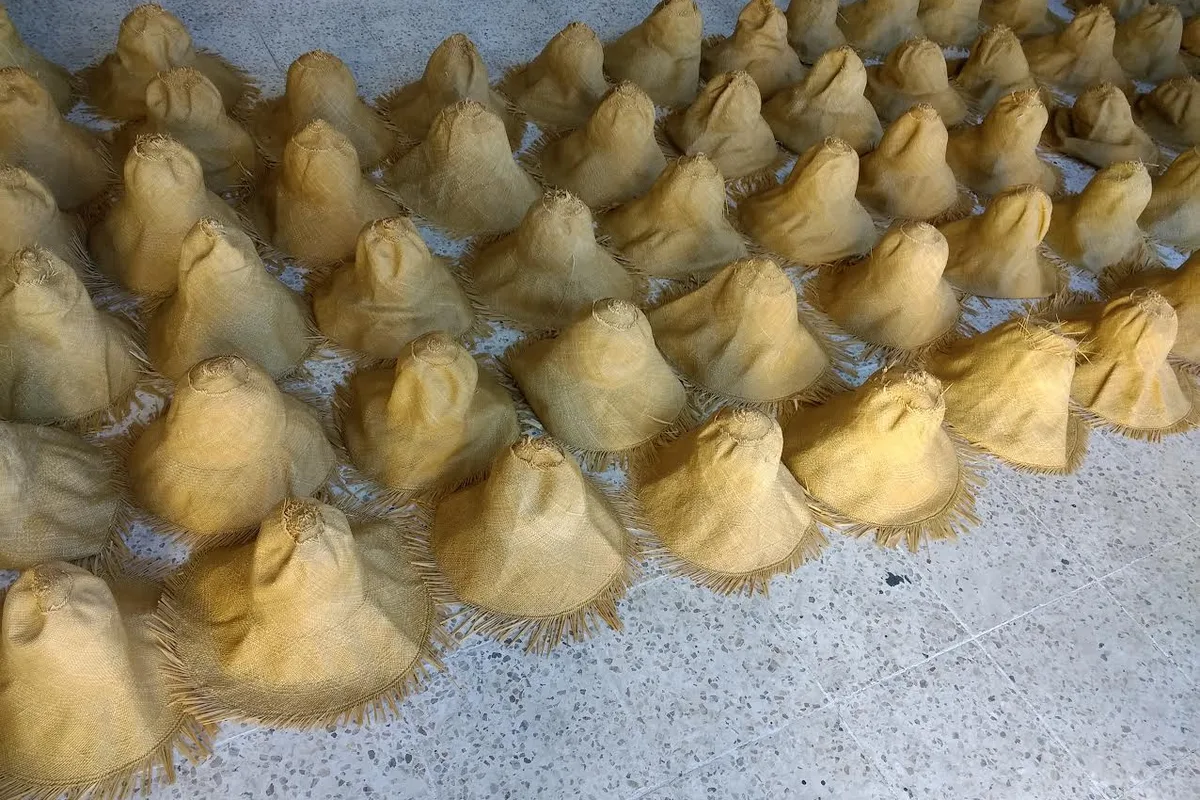
Cuenca half-day city tour with Panama hat factory
San Sebastián and the Modern Art Museum, the flower market, both cathedrals, then a working Panama hat factory to see paja toquilla woven — finishing across the river at the Turi viewpoint. The smart first-morning move. Check availability →
When to go and what it costs

Cuenca sits at about 2,560 metres, and the calendar matters less than the rain. Days hold around 19°C and nights near 8°C all year. The driest stretch runs June to September, with a shorter dry window around December and January; March and April are the wettest, when afternoon rain is a daily plan rather than a risk. El Cajas, an hour west and up to 4,450 metres at the pass, makes its own weather in every month.
A backpacker in a hostel dorm, on market lunches and the tram: $40 to $60 a day. Mid-range — a good centre hotel, café breakfasts, a guided day out: $100 to $160 a day. A splurge day with the mansion hotel and Tiesto's passes $300 without trying.
Do the altitude maths early: Cuenca is high enough to slow your first day, and Cajas is far higher. Sleep the first night, walk the centre on day one, and leave the páramo for day two or three.
What to pack
Tap items to check them off — your list is saved on this device.
Pack for a city where four seasons share a day — equatorial sun, cold nights and fast rain at 2,560 metres. This is the full list:
- Comfortable walking shoes Shop walking shoes on Amazon →
- Sunscreen Shop sunscreen on Amazon →
- Reusable water bottle Shop water bottle on Amazon →
- Phone charger and power bank Shop power bank on Amazon →
- Daypack Shop daypack on Amazon →
- Sunglasses Shop sunglasses on Amazon →
- Light rain jacket Shop rain jacket on Amazon →
Add the Cuenca extras: real layers, including a warm fleece for evenings and the Cajas day, where the wind at 4,000 metres cuts through anything light; a hat of your own until the factory visit replaces it; and a stash of $1 coins for the tram machines and market stalls.
Language, visa and entry
✓ Visa-free entry

Spanish first, always — Cuenca is a university city that rewards the effort. Lead with buenos días buenas tardes after midday before any question, in every shop, café and ticket window. Lunch is the day's anchor, roughly 12:30 to 14:30; dinner runs earlier than in Spain, from about 18:30. Markets are look, ask, then handle.
Four phrases do most of the work:
Sort your entry paperwork before you book anything non-refundable. Ecuador is visa-free for most visitors — the US, UK, EU, Canada, Australia and New Zealand included — with a stamp for up to 90 days in any 12-month period. Your passport needs at least six months of validity on arrival, and officers can ask for proof of onward travel.
Two wrinkles worth knowing. The 90 days are cumulative across entries inside the year, not a fresh allowance per trip. And if you arrive overland from Peru or Colombia, border posts ask for a criminal-record certificate from your country of residence, apostilled and translated, or run a check on Ecuador's own system instead — flying in avoids the paperwork entirely. Travel insurance is not required for the mainland; it is mandatory only for the Galápagos.
Safety and health
Altitude is the first hazard, not crime
At 2,560 metres the sun burns faster, alcohol hits harder and stairs argue back. Take the first day gently, drink the water, and save Cajas — up to 4,450 metres — until you have slept at least one night in the city.
Watch your pockets where crowds gather
The 10 de Agosto market, the Feria Libre on market days and the Terminal Terrestre are the pickpocket spots: front pocket or cross-body bag, phone away when the tram doors open. The centre itself is busy, lit and walked at all hours.
Keep nights simple and use the cheap taxis
Cuenca is among Ecuador's calmest cities, but empty stretches of the Barranco steps and the riverside paths go quiet late. After dark, walk the lit grid of the centre or take a taxi for a few dollars rather than the scenic route.
Cajas weather turns in minutes
Fog, hail and wind arrive without warning at 4,000 metres, and the trails around Toreadora are easy to lose in cloud. Register at the control point, carry the full layer set, and turn back when the lagoon disappears.
Related destinations
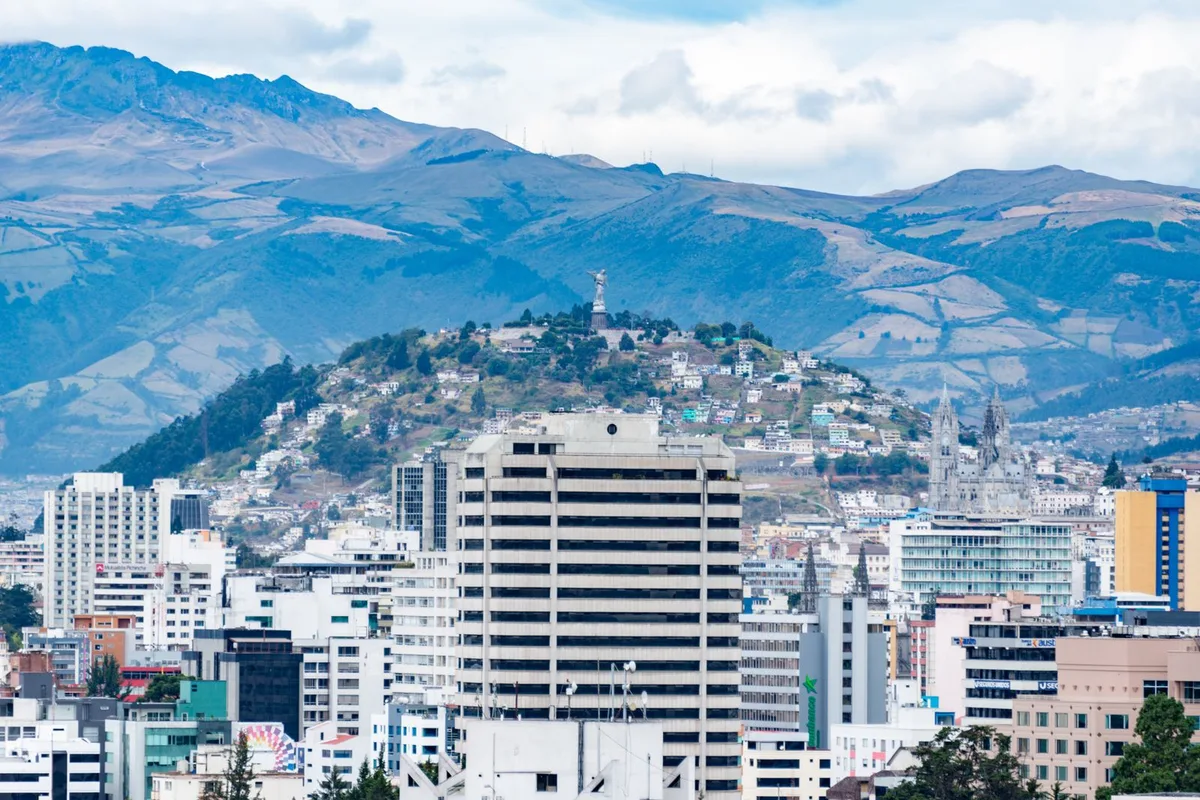
If you liked Cuenca, Ecuador, try these next:



Frequently asked questions
The things travellers ask in the first 48 hours: the domestic-only airport, the dollar economy and the altitude that runs the trip.
Fares and schedules checked against current Cuenca transit guides and Rome2Rio and 12go listings, October 2026; entry rules against current Ecuador visa guidance; IVA against the SRI position reported for 2026.
Ride the Tranvía from the station by the airport: about 20 minutes along Gran Colombia into the centre, $1 for a single visitor ticket. A metered taxi takes about 10 minutes, about $3.
No. Mariscal Lamar (CUE) is domestic only, served from Quito by Avianca and LATAM in about 50 minutes. Most visitors fly into Quito or Guayaquil, then take the short flight or the road — about four hours by bus from Guayaquil.
Most visitors — US, UK, EU, Canada, Australia and New Zealand included — get up to 90 visa-free days in any 12-month period, with a passport valid at least six months. Arriving overland from Peru or Colombia adds a criminal-record check.
June to September is the driest stretch, with a shorter dry window around December and January. Temperatures barely move — days near 19°C, nights near 8°C — but March and April bring daily rain.
Yes — Cuenca's ETAPA supply is treated and locals drink it, the exception to Ecuador's general rule. If you have a sensitive stomach, use the filtered water most hotels provide.
The historic centre is busy, lit and among the calmest in Ecuador. The real risks are pickpockets in the markets and at the bus terminal, and the altitude — 2,560 metres in the city, far higher in El Cajas.
Fares change — the Tranvía and Terminal Terrestre notices always win.
Cuenca, Ecuador, in your pocket
Landing soon? Get the printable PDF — ticket links, the airport transport cheat sheet, our 3 restaurant picks with maps, and the packing checklist. Everything above, formatted for your phone.
One email with your Cuenca, Ecuador PDF. Fare changes and new guides after that. No spam, unsubscribe anytime.
Sources and last verified
Airport and flight details against Mariscal Lamar's published routes and current Avianca and LATAM schedules (Quito flights about 50 minutes; Avianca's daily Guayaquil service announced to start 1 November 2026). Tranvía fares against current Cuenca transit guides: $1 single visitor ticket, $0.35 with the residents' card, about 06:00 to 22:00. Bus fares against Rome2Rio and 12go (Guayaquil to Cuenca about four hours, about $11). IVA at 15% against the SRI position reported for 2026; the foreign-guest lodging exemption against Ecuadorian hotel policy pages. Entry rules against current Ecuador visa guidance. Hotel details against the properties' own sites and listings, October 2026. Photo credits as in the guide data. Last verified October 2026.
Affiliate disclosure: hotel names, transfers, experiences, and products linked in this guide may earn After You Land a commission at no extra cost to you. Prices and times were checked in Oct 2026 and change often — confirm before you book.