
Sapporo: your first hour after landing
You have just landed at New Chitose, Hokkaido's gateway 45 km south-east of Sapporo — a planned grid city of ramen alleys, beer halls and one very famous week of snow. This guide covers the 37-minute airport train, where to sleep from a tower-top spa hotel to a hostel café, the two new accommodation taxes, the first soup curry, and the canal, onsen and volcano days that fill day two.
In this guide
You just landed in Sapporo. New Chitose Airport sits 45 km south-east — the move is the JR Rapid Airport train, ¥1,230 and about 37 minutes to Sapporo Station, with an Airalo eSIM live for train times, two new accommodation taxes (¥300 to ¥1,000 a night) to expect at check-in, and the coast, onsen and volcano days that sell out first worth booking ahead through GetYourGuide.
Quick facts
Airport
Getting in
Currency
Languages
Time zone
Emergency
Plugs
Tap water
Tourist tax
Best months
Map
Stays, sights, and landmarks in Sapporo — live hotel prices plus the key places from this guide.
Settle in
Touch down at New Chitose and treat the first hour as admin: the airport sits 45 km out, the train downstairs is the move, and one IC card — Kitaca, or the Suica already on your phone — runs everything from the airport train to the subway.
Set up data before you leave home — an Airalo eSIM loads in minutes, so maps and train times work from the arrivals hall. For a longer Japan trip, compare Saily and Yesim.
The arrival checklist, in order:
- Follow the JR signs down to New Chitose Airport Station and tap in with Kitaca or Suica — no ticket queue
- Ride the Rapid Airport train to Sapporo Station, then walk, subway one stop to Odori, or taxi the last stretch
- Keep small yen notes ready: the new accommodation tax (see Quick facts) is often collected in cash at check-in
If a delayed or cancelled flight wrecked the arrival, AirHelp checks whether the airline owes you compensation — worth five minutes.
Getting around
Times are airport to city centre.
JR Rapid Airport train
About every 15 minutes from the airport station in the terminal basement; non-reserved cars need no booking, the reserved u-seat car costs extra; Kitaca and Suica tap straight in
Airport bus
Buses from outside arrivals to Odori Park, Susukino and major hotels — slower than the train but door-adjacent with big luggage; buy at the counter or tap an IC card
Taxi
The rank sits outside arrivals; flat-fare services quote ¥10,000 to ¥13,000 while the meter can run to about ¥20,000 — agree the fare before you ride
Rental car
Rental desks line the terminal and the expressway runs straight to the city; a car pays off on Hokkaido day trips, and winter driving demands snow confidence
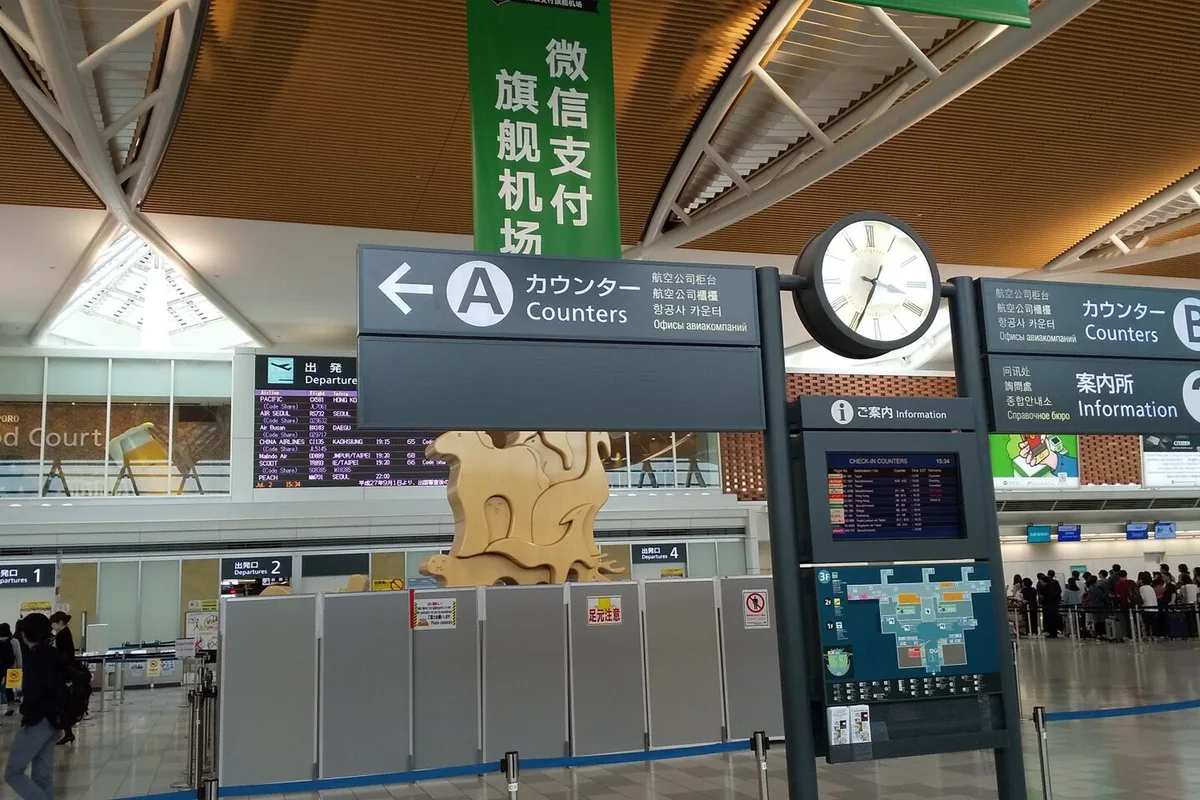
Sapporo is a grid city built for walking, with three subway lines under it — but the airport run decides your first hour. The JR Rapid Airport train is the anchor: about every 15 minutes, no traffic, no snow delays worth the name. The rides in from CTS:
Choose the train with an IC card and a station-area hotel; choose the bus if you are based in Susukino with big bags. Taxis are the late-night and group answer — flat-fare services quote less than the meter, so agree the price first.
Prefer to be met? A Kiwitaxi transfer or a Welcome Pickups driver puts a name board in arrivals at a fixed price. Driving yourself, price the airport pickup on AutoEurope first — a car earns its keep on Hokkaido day trips, not in the centre.
In town, Kitaca and Suica tap every subway, tram and bus: subway rides start at ¥210, and the underground walkways link Sapporo Station, Odori and Susukino when the weather turns.
In the city
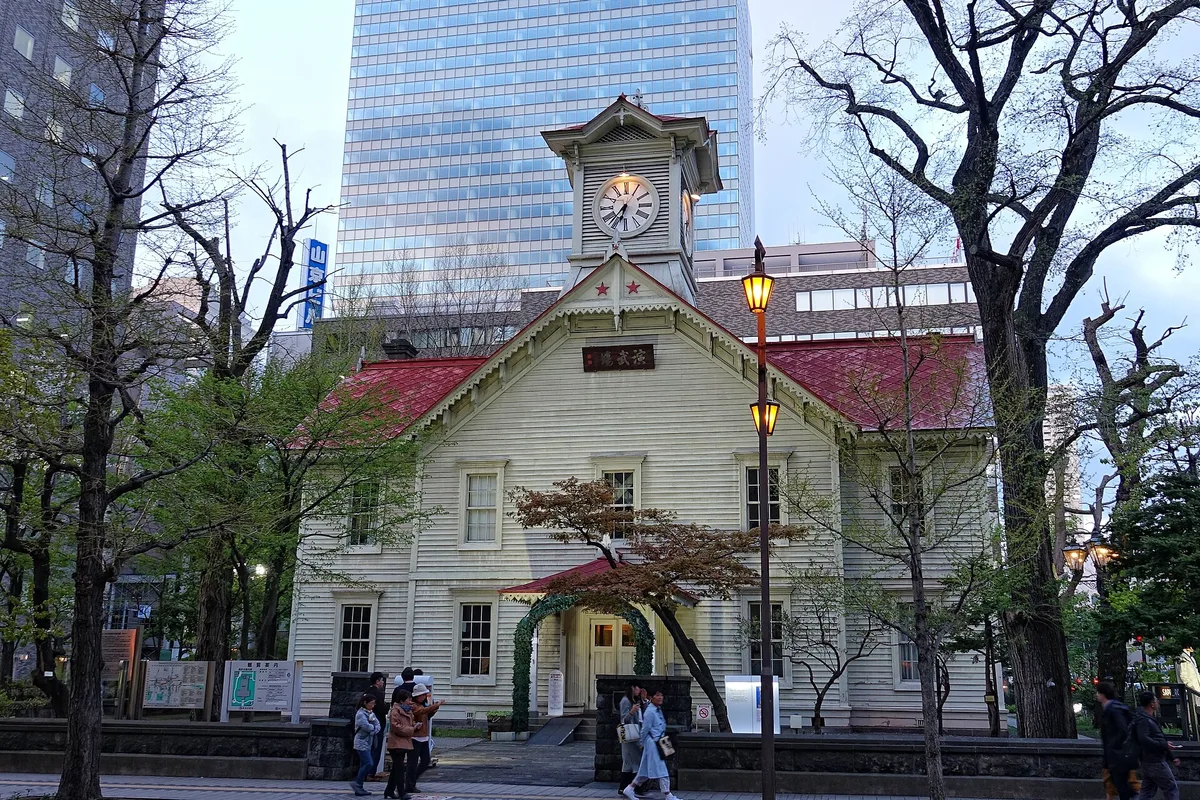
Start on Odori Park, the 1.5 km green spine that splits the grid, with the Sapporo TV Tower at its east end — ride up for the grid laid out below and Mt Moiwa beyond. Two blocks north stands the Clock Tower, the 1878 wooden hall that is the city's symbol, and the red-brick Former Hokkaido Government Office beside it.
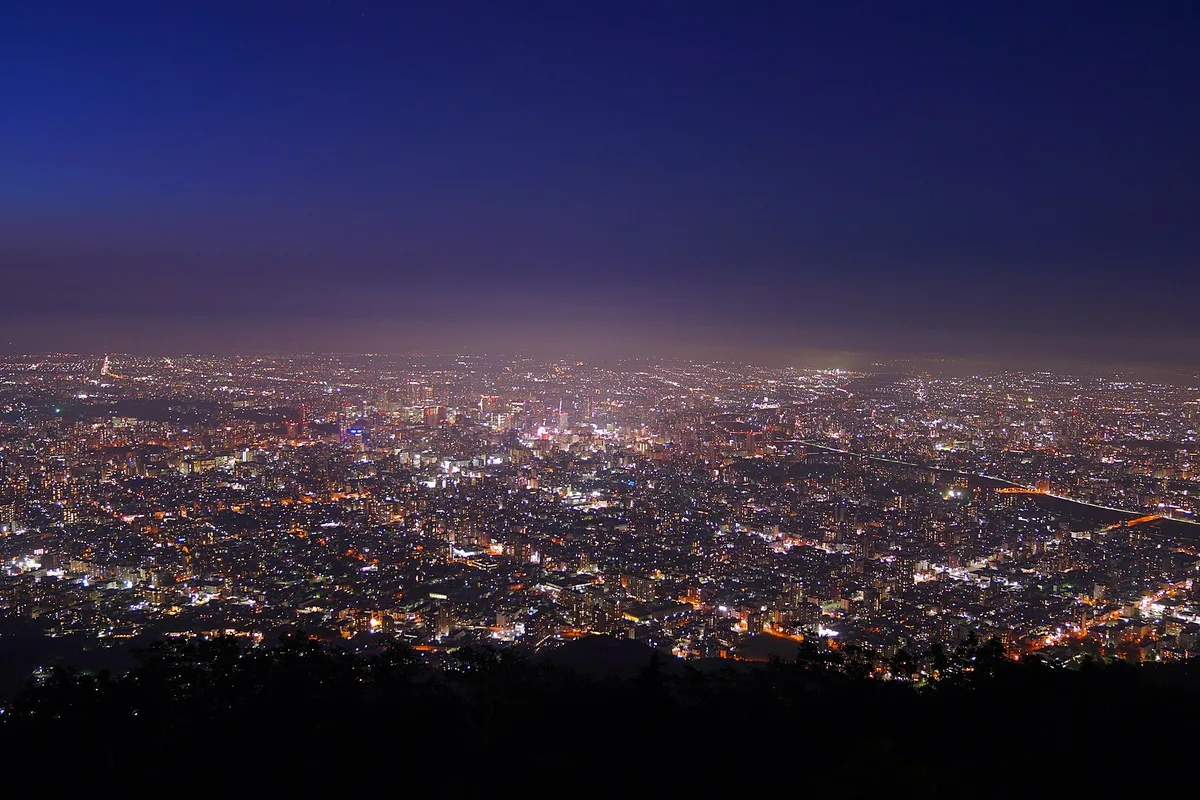
Walk south into Susukino, Japan's biggest entertainment district north of Tokyo: neon, ramen alleys and the Nikka whisky sign at the crossing. West of the centre, Hokkaido Shrine sits in Maruyama Park's forest — go early for the quietest version — and the Mt Moiwa ropeway runs into the evening for one of Japan's great night views.
Ride the TV Tower lift at dusk.
Watch the grid light up in straight lines to the mountains, then drop into Susukino for dinner while the city is under you.
Graze Tanukikoji end to end.
Seven arcaded blocks of shops, drugstores and snack bars running east from Odori — the covered, weatherproof version of a Sapporo evening.
Browse GetYourGuide for city walks and Hokkaido days, and compare Klook when stacking activities.
After you land in Sapporo: Bookable experiences
Where to stay your first nights
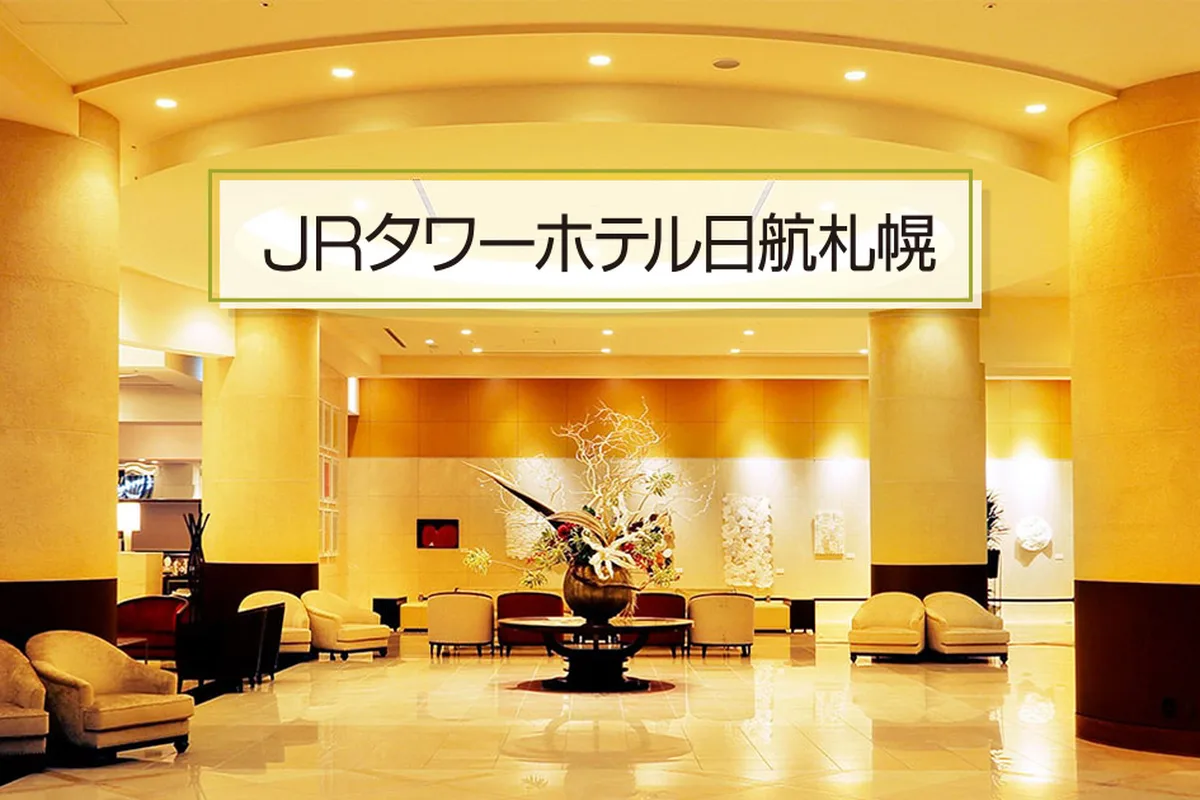
JR Tower Hotel Nikko Sapporo.
Best for the station-top splurge — high-floor rooms and a natural hot-spring spa above Sapporo StationSleep directly above Sapporo Station in the JR Tower itself — 330 rooms on the high floors, a natural hot-spring spa in the sky, and the airport train downstairs. Book it for the easiest arrival in Hokkaido.

Cross Hotel Sapporo.
Best for design-led mid-range — art rooms and a top-floor public bath five minutes from the stationStay at Kita 2-jo Nishi 2, five minutes from the station — 181 rooms with art-led Cross Floor rooms, a French restaurant and a top-floor public bath looking over the city. Book it for design-hotel polish at a business-hotel price.

Ten to Ten Sapporo Station.
Best for social budget beds — dorms and privates over a café-bar lounge by Hokkaido UniversityBed down a short walk north-west of the station by Hokkaido University — dorms and private rooms over a café and bar that doubles as the lounge, with nightly meet-ups for solo travellers. Book it for the social version of budget Sapporo.
Base by Sapporo Station or Odori on a first visit — the station for airport trains and day trips, Odori and Susukino for food on the doorstep. The grid is flat and the subway joins all three in minutes.
Book ahead for the Snow Festival in February, when the whole city sells out. Expect the combined accommodation tax (¥300 to ¥1,000 per person per night) on top of the quoted rate.
Where to eat first

Eat the Hokkaido trinity: miso ramen, soup curry and jingisukan lamb, with a seafood bowl at Nijo Market for breakfast. Three first stops:
Soup Curry GARAKU, near Tanukikoji, Chuo-ku.
Queue for the city's benchmark soup curry — a spiced, brothy curry over Hokkaido vegetables and slow-cooked chicken, heat level chosen from a long scale. Go before noon or after the lunch rush.
Ganso Sapporo Ramen Yokocho, Susukino.
Squeeze into the original ramen alley, a lantern-lit lane of tiny counters serving Sapporo miso ramen — rich miso broth, curly noodles, corn and a melting knob of butter. Pick the counter with the queue.
Daruma, Susukino.
Grill jingisukan the Sapporo way — lamb and onions sizzling on a dome-shaped iron plate, dipped in tare sauce, Sapporo beer alongside. The tiny main shop fills fast; the annexes nearby take the overflow.
For food walks, market tours and cooking classes, browse the Sapporo listings on GetYourGuide and book a slot for your first free evening.
Day trips and more
Three escapes cover Hokkaido at three speeds: the canal port, the onsen valley and the volcanic lakes. Carry layers — every one runs cooler than the city.

Otaru, Yoichi and Cape Kamui
Ten hours by bus: the Otaru Canal and its warehouses, two free hours on Sakaimachi Street for glass shops and the Music Box Museum, the Nikka Whisky distillery at Yoichi, then the Shakotan Blue cliffs at Cape Kamui. Rated 4.7 from recent reviews, from about US$42. Check availability →
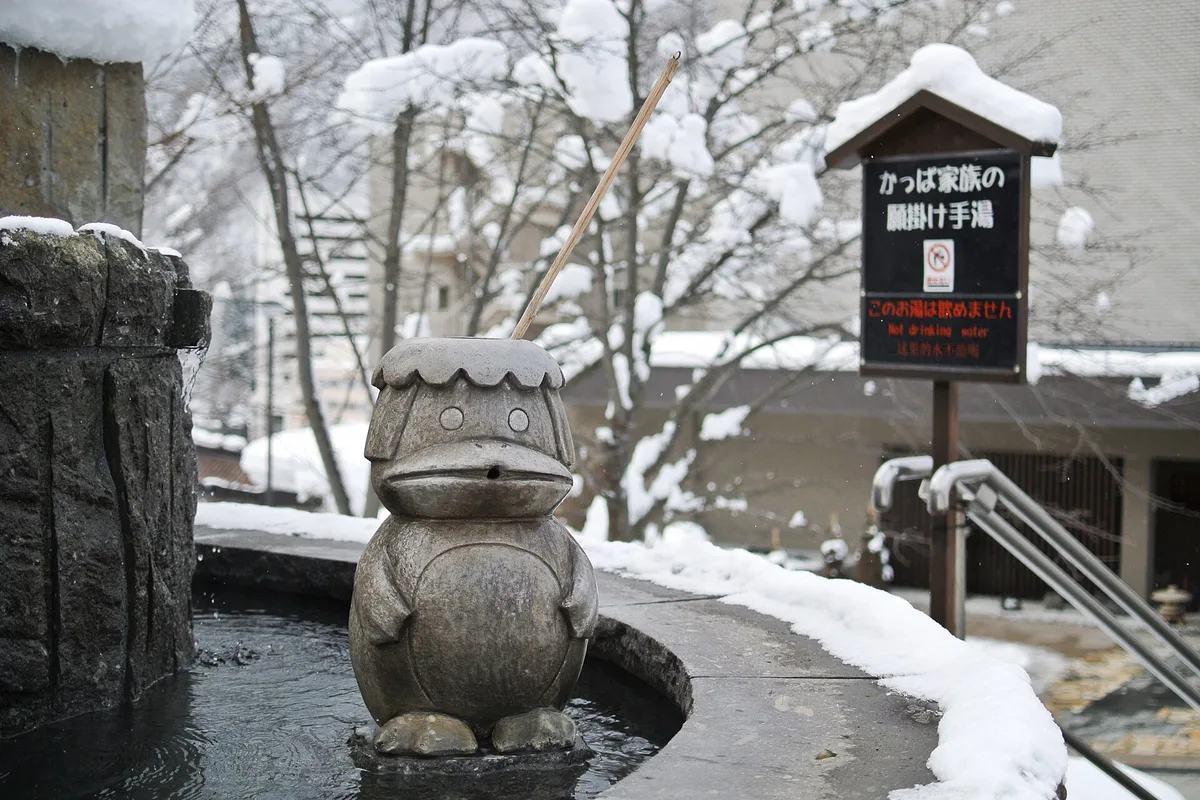
Jozankei Onsen and Sapporo Kokusai
Ten hours: ski, snowboard or play in the snow at Sapporo Kokusai, gear packages for every level, then two hours in Jozankei's hot springs — Sapporo's own onsen valley, an hour from the centre. Winter departures, from about US$80. Check availability →
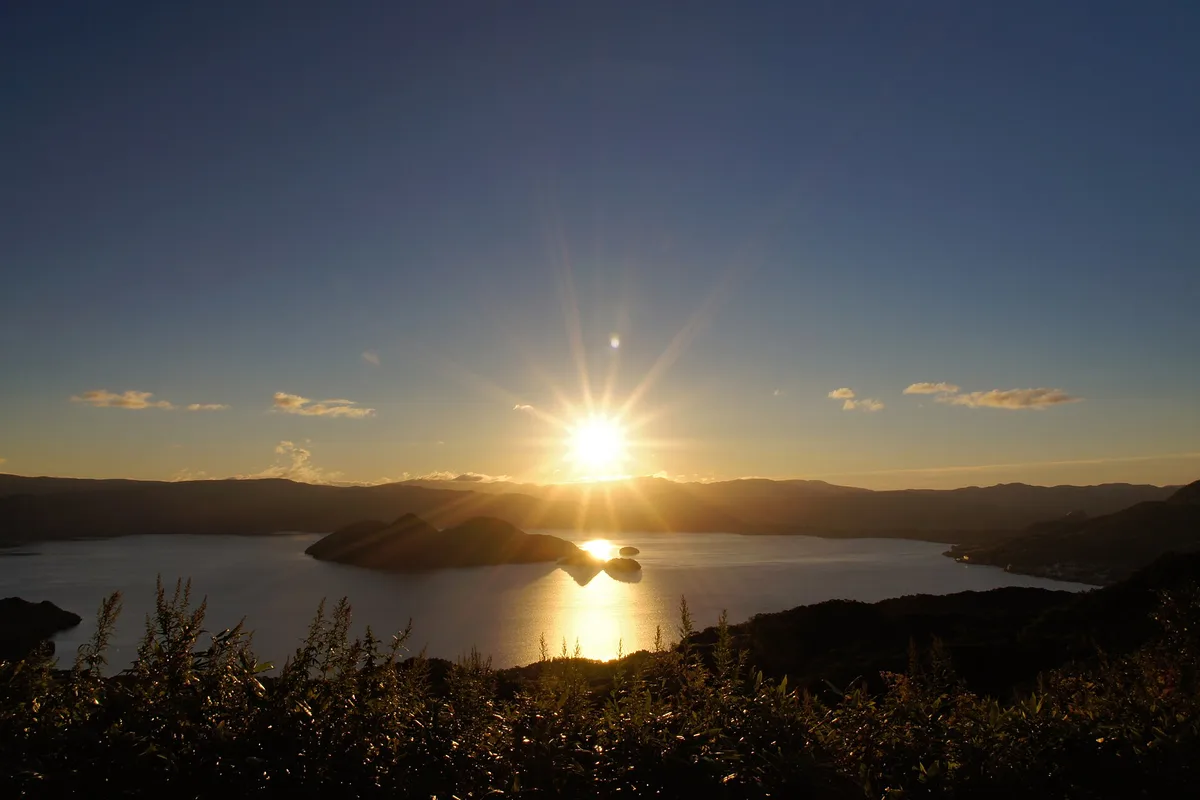
Noboribetsu, Lake Toya and Lake Shikotsu
Ten hours south: the steaming Hell Valley at Noboribetsu, Lake Toya from the Silo Observatory, the Mt Usu ropeway if you want it, and clear Lake Shikotsu to finish. From about US$46. Check availability →
Going it alone is easy too: Otaru is ¥800 and about 35 minutes by JR Rapid Airport train, and direct Kappa Liner buses run to Jozankei in about an hour.
When to go and what it costs
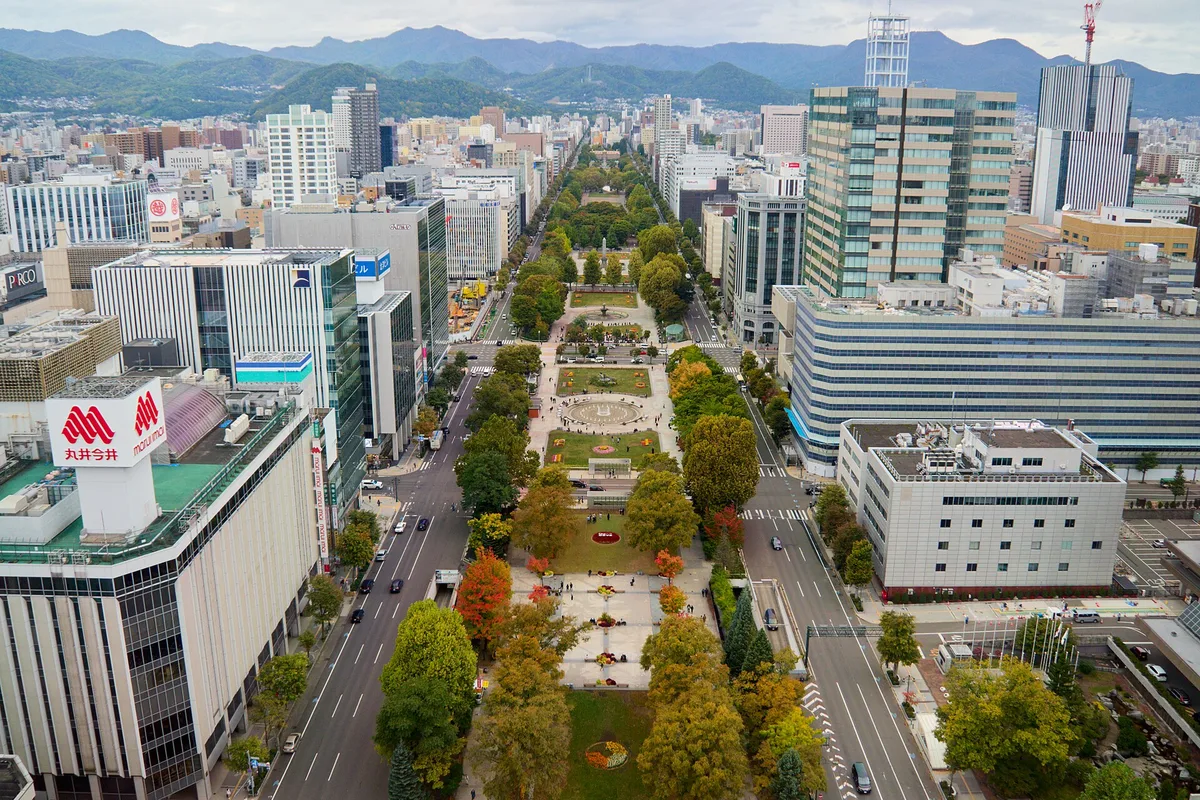
February is the famous month — the Snow Festival fills Odori with giant snow sculptures and the city at its busiest. June and July bring Hokkaido's mildest weather and lavender season inland. September and October turn the parks gold; October itself averages about 10°C, with first snow usually holding off until late October or November. Deep winter, December to March, is ski season — glorious, and genuinely cold.
Budget in yen; the rate sits at about ¥157 to US$1 (October 2026). A subway ride is ¥210; a bowl of miso ramen ¥1,000 to ¥1,300; the airport train ¥1,230; a seafood bowl at Nijo Market ¥2,000 to ¥3,500.
A backpacker in a dorm, on ramen lunches and subway rides: ¥7,000 to ¥10,000 a day. Mid-range — a four-star room, soup curry and jingisukan dinners, a guided day trip: ¥20,000 to ¥30,000 a day. A splurge day with the tower hotel and a ski or spa splurge passes ¥50,000.
What to pack
Tap items to check them off — your list is saved on this device.
Pack for a northern city where October is autumn, not winter — but where the season can turn in a day. This is the full list:
- Comfortable walking shoes Shop walking shoes on Amazon →
- Sunscreen Shop sunscreen on Amazon →
- Reusable water bottle Shop water bottle on Amazon →
- Phone charger and power bank Shop power bank on Amazon →
- Daypack Shop daypack on Amazon →
- Sunglasses Shop sunglasses on Amazon →
- Light rain jacket Shop rain jacket on Amazon →
Add the Sapporo extras: a Type A adapter if your plugs are not North American, warm layers and a proper coat from November on, and grippy shoes for icy pavements in winter — plus swim kit if your hotel has a public bath you plan to pair with an onsen day.
Language, visa and entry
✓ Visa-free entry
Japanese runs daily life, softened by Hokkaido directness and excellent signage. Sapporo is a planned grid city — streets are numbered by compass points (Kita 3, Nishi 2), so addresses read like coordinates once you crack the pattern.
Four phrases do most of the work:
Sort your entry paperwork before you book anything non-refundable. Japan exempts 74 nationalities from short-stay visas: US, Canadian, British, EU, Australian and New Zealand visitors among others get up to 90 days visa-free, no pre-arrival authorisation needed in 2026 — the planned JESTA system is not due until 2028 at the earliest.
Everyone else applies in advance; single-entry visa fees rose to ¥15,000 on 1 July 2026. Complete the Visit Japan Web forms before you fly to speed up immigration and customs, and keep your passport valid for the whole stay.
Safety and health
Sapporo is very safe — keep normal city awareness
Violent crime is rare and lost property routinely comes back. The realistic risks are touts pulling drinkers into overpriced bars in Susukino: agree prices before you sit down, and never follow a tout upstairs.
Respect the winter ground
From November, pavements ice over and locals shuffle accordingly — walk flat-footed, use the underground walkways, and give snow-loaded roofs a wide berth when the thaw drips start. Road crossings hide behind snowbanks, so look twice.
Learn the onsen rules before Jozankei
Wash before you enter, no swimsuits, towels stay out of the water, and many baths still refuse visible tattoos or require them covered. Day-trip baths in Jozankei are used to visitors — ask at the desk if unsure.
Carry your passport and insurance details
Visitors must carry ID in Japan, and medical care without insurance is expensive. Pharmacies handle minor needs; for anything serious, dial 119 and let your hotel guide the ambulance to you.
Related destinations
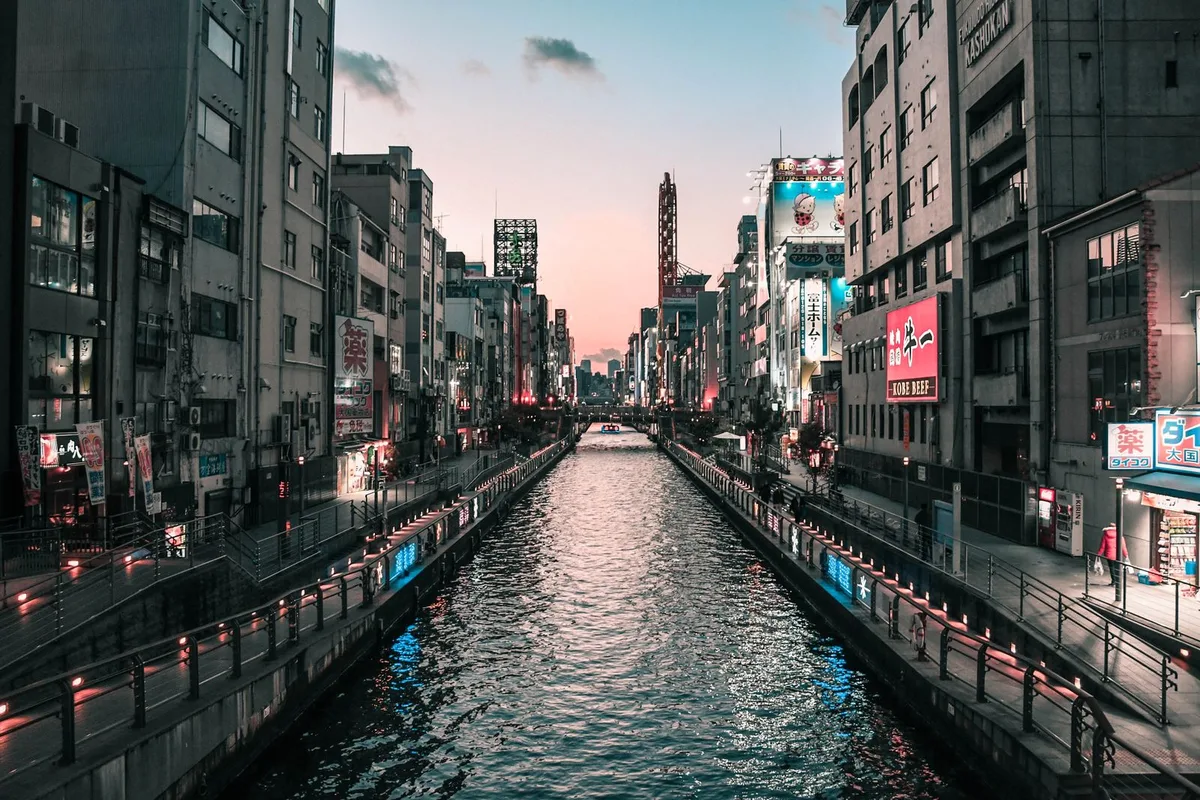
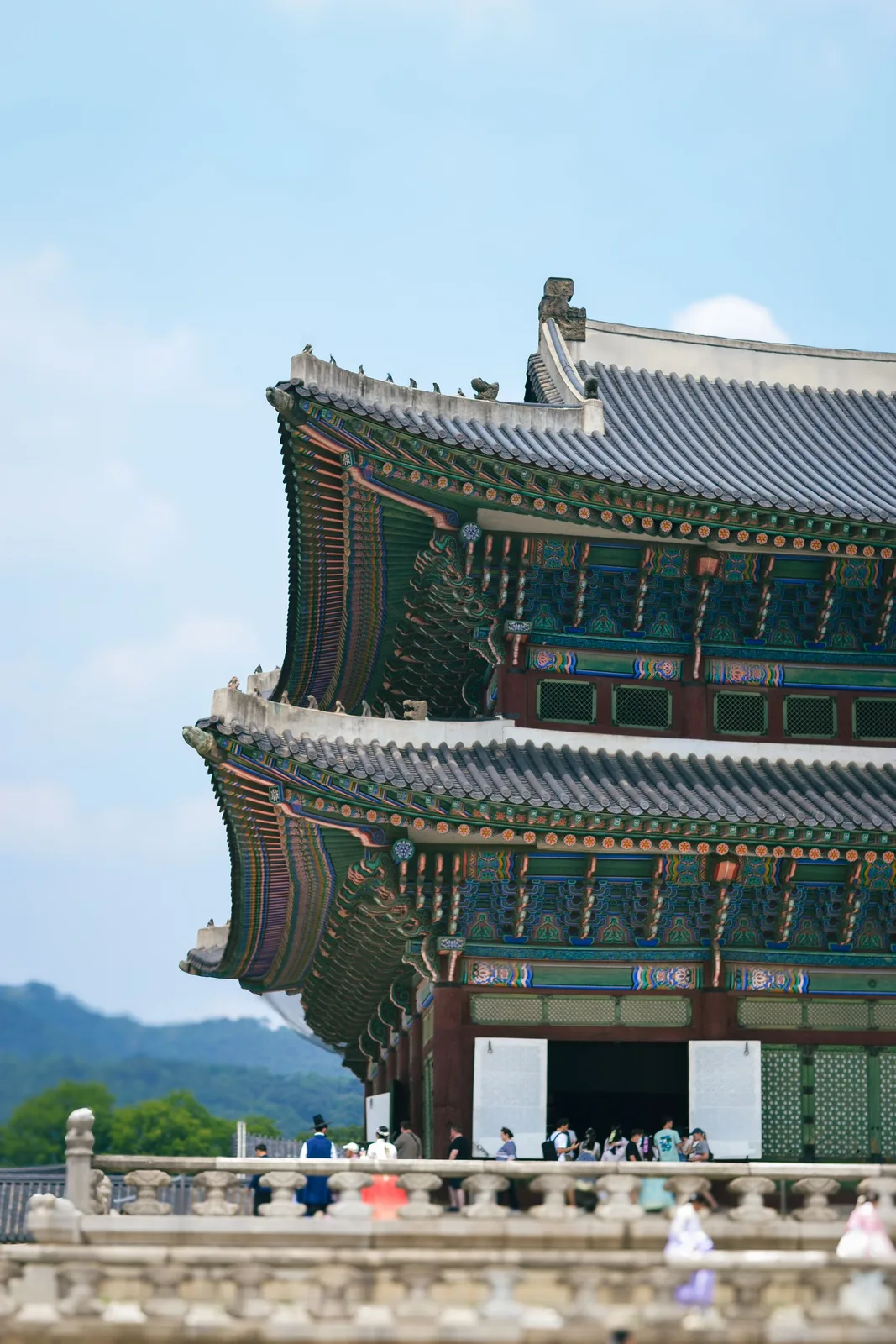
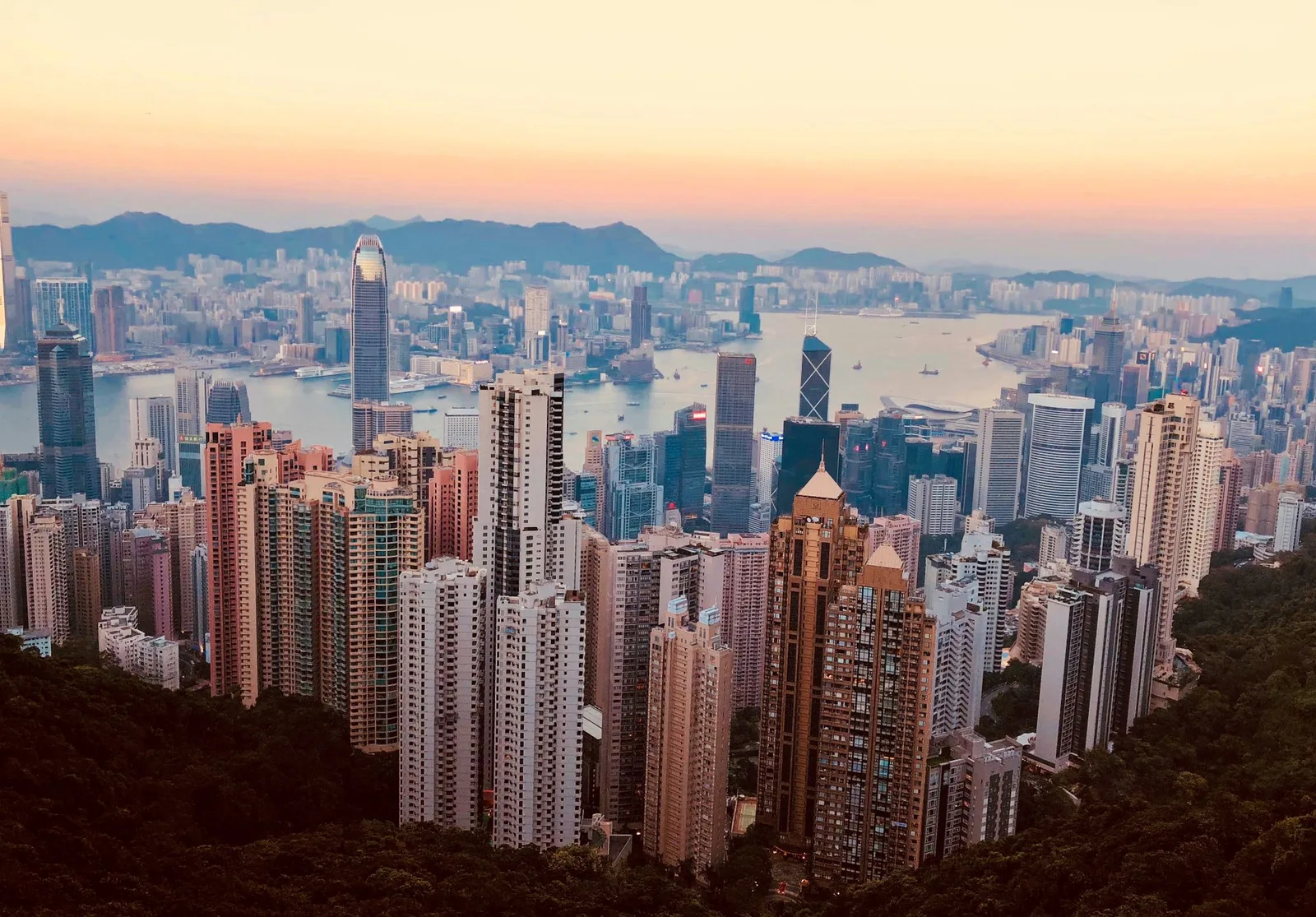
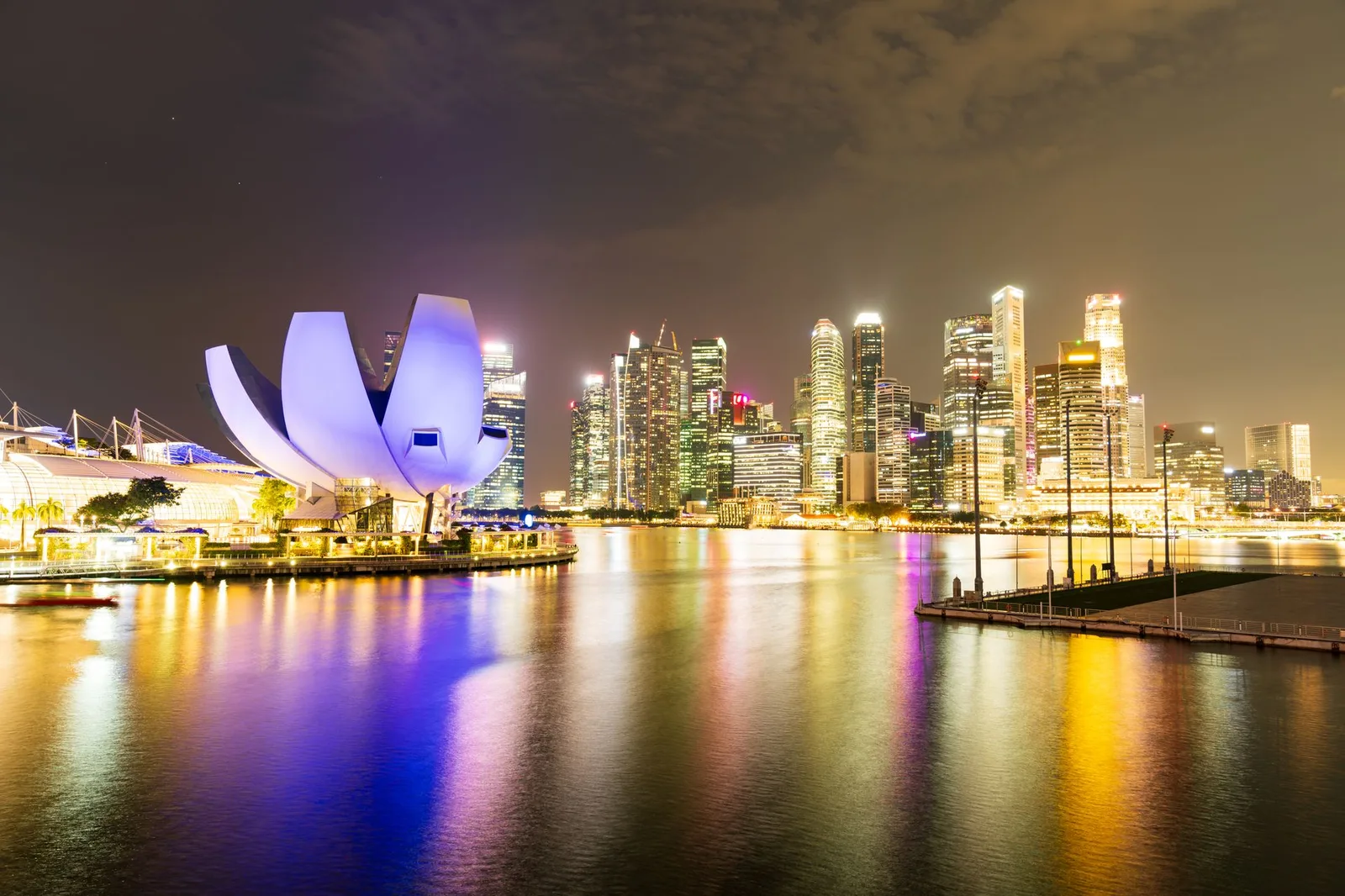
If you liked Sapporo, try these next:




Frequently asked questions
The airport train, the IC card and the two new taxes, in short.
Fares checked against JR Hokkaido listings and 2026 New Chitose access guides, October 2026; accommodation taxes against Hokkaido Prefecture and Sapporo City notices; entry rules against Japan's visa-exemption list and the July 2026 fee revision.
Ride the JR Rapid Airport train: about every 15 minutes from New Chitose Airport Station direct to Sapporo Station, about 37 minutes, ¥1,230 on Kitaca or Suica. Airport buses take 65 to 80 minutes for ¥1,300 but drop at Odori and Susukino hotels.
Kitaca is Hokkaido's card, and Suica, PASMO and ICOCA all work the same gates. Tap the airport train, all three subway lines, the tram and city buses; subway rides start at ¥210. Mobile Suica on a phone works too.
Two taxes stack since 1 April 2026: Hokkaido Prefecture and Sapporo City. Per person per night on the room-only rate: ¥300 combined under ¥20,000, ¥400 from ¥20,000 to ¥50,000, and ¥1,000 at ¥50,000 and above. The hotel collects it at check-in or check-out.
Most likely not: Japan exempts 74 nationalities, and US, Canadian, British, EU, Australian and New Zealand visitors get up to 90 days visa-free with no pre-arrival authorisation in 2026. Other nationalities apply in advance — single-entry fees rose to ¥15,000 in July 2026.
February for the Snow Festival, June to July for mild weather, September to October for autumn colour. October averages about 10°C and the first snow usually waits until late October or November — pack autumn layers, not ski kit.
Yes — it is one of Japan's safest big cities. The real cautions are Susukino bar touts steering drinkers into overpriced bars, and icy pavements from November: walk flat-footed and use the underground walkways. Dial 110 for police, 119 for fire or ambulance.
Fares change — JR Hokkaido and the airport bus counters always win.
Sapporo, in your pocket
Landing soon? Get the printable PDF — ticket links, the airport transport cheat sheet, our 3 restaurant picks with maps, and the packing checklist. Everything above, formatted for your phone.
One email with your Sapporo PDF. Fare changes and new guides after that. No spam, unsubscribe anytime.
Sources and last verified
Airport transfers against JR Hokkaido and 2026 access guides: the Rapid Airport fare of ¥1,230 and time of about 37 minutes agree across sources; the airport bus is ¥1,300 in current listings, though some aggregators quote ¥1,500 — the bus company's fare on the day wins. Taxi pricing conflicts honestly: flat-fare services quote ¥10,000 to ¥13,000 while metered estimates run to about ¥20,000, so this guide prints about ¥16,000 and tells you to agree the fare first. Otaru's ¥800 JR fare reflects the April 2025 revision. Accommodation taxes against Hokkaido Prefecture and Sapporo City notices and hotel tax guidance: both taxes began 1 April 2026 and stack as printed. Entry rules against Japan's visa-exemption list and the July 2026 fee revision. Exchange anchor about ¥157 to US$1, October 2026 market rates. GetYourGuide products opened and read: Otaru Yoichi and Cape Kamui, Kokusai Ski and Jozankei Onsen, Noboribetsu and Lake Toya. JR Tower Hotel Nikko Sapporo (h3795043) and Cross Hotel Sapporo (h4109028) were opened on Expedia and matched by name; Ten to Ten Sapporo Station had no openable Expedia page, so its URL is empty pending the confirmation pass. Photo credits as in the guide data. Last verified October 2026.
Affiliate disclosure: hotel names, transfers, experiences, and products linked in this guide may earn After You Land a commission at no extra cost to you. Prices and times were checked in Oct 2026 and change often — confirm before you book.