In this guide
You just landed in Vienna. VIE is 18 km southeast: the City Airport Train reaches Wien Mitte in about 21 minutes for €14.90. Grab an Airalo eSIM before you land, and book Schönbrunn Palace tickets — timed entry sells out.
Quick facts
Airport
Getting in
Currency
Languages
Time zone
Emergency
Plugs
Tap water
Tourist tax
Best months
Map
Stays, sights, and landmarks in Vienna — live hotel prices plus the key places from this guide.
Settle in
Get connected
Free airport Wi-Fi gets you online immediately. For the whole trip, grab an Airalo eSIM before you board — you will need data for transit apps, ticket bookings, and maps from minute one.
Sort transit
Buy a 24-hour (€10.20) or 7-day (€28.90) ticket from the machines in arrivals — it covers the U-Bahn, trams, and buses across the city. Validate before your first ride; inspectors fine on the spot.
Eat immediately
You landed in the coffee-house capital of Europe. Find a Melange and a slice of Sachertorte within the hour — Café Central is the grandest stage, but any corner Kaffeehaus will do.
Walk the Ring
The Ringstrasse circles the old town past the Opera, the Hofburg, and the Parliament. One lap orients you faster than any map — then dive into the lanes inside it.
Do these four things in your first hour and Vienna stops feeling like an imperial maze.
Getting around

Times are airport to city centre.
City Airport Train
Replacement coach to Wien Mitte; U3 and U4 connections; city check-in for some airlines
S7 train
Suburban train to Wien Mitte with stops; needs a Vienna zone ticket on top of the airport fare
Airport bus
VAL buses to Schwedenplatz, Westbahnhof, and Donauzentrum; good if your hotel is on the route
Taxi
Meter plus airport supplement; fixed-price pre-booked transfers often cheaper — best value for 3–4 with bags
Inside the city, the U-Bahn is the backbone — five lines, trains every few minutes, and a €3.20 single ticket covers the whole network for one ride. Trams 1 and 2 loop the Ringstrasse and double as a cheap sightseeing tour. Note: rail modernisation works mean the CAT and S7 sometimes run as replacement buses or terminate short — check the operator's live status on your travel day.
Landing late or heading somewhere the trains don't reach? Pre-book a Kiwitaxi transfer for a fixed price and a driver waiting in arrivals. For a more personal pickup, book a Welcome Pickups driver who will help with bags and talk you through the districts on the way in.
In the city
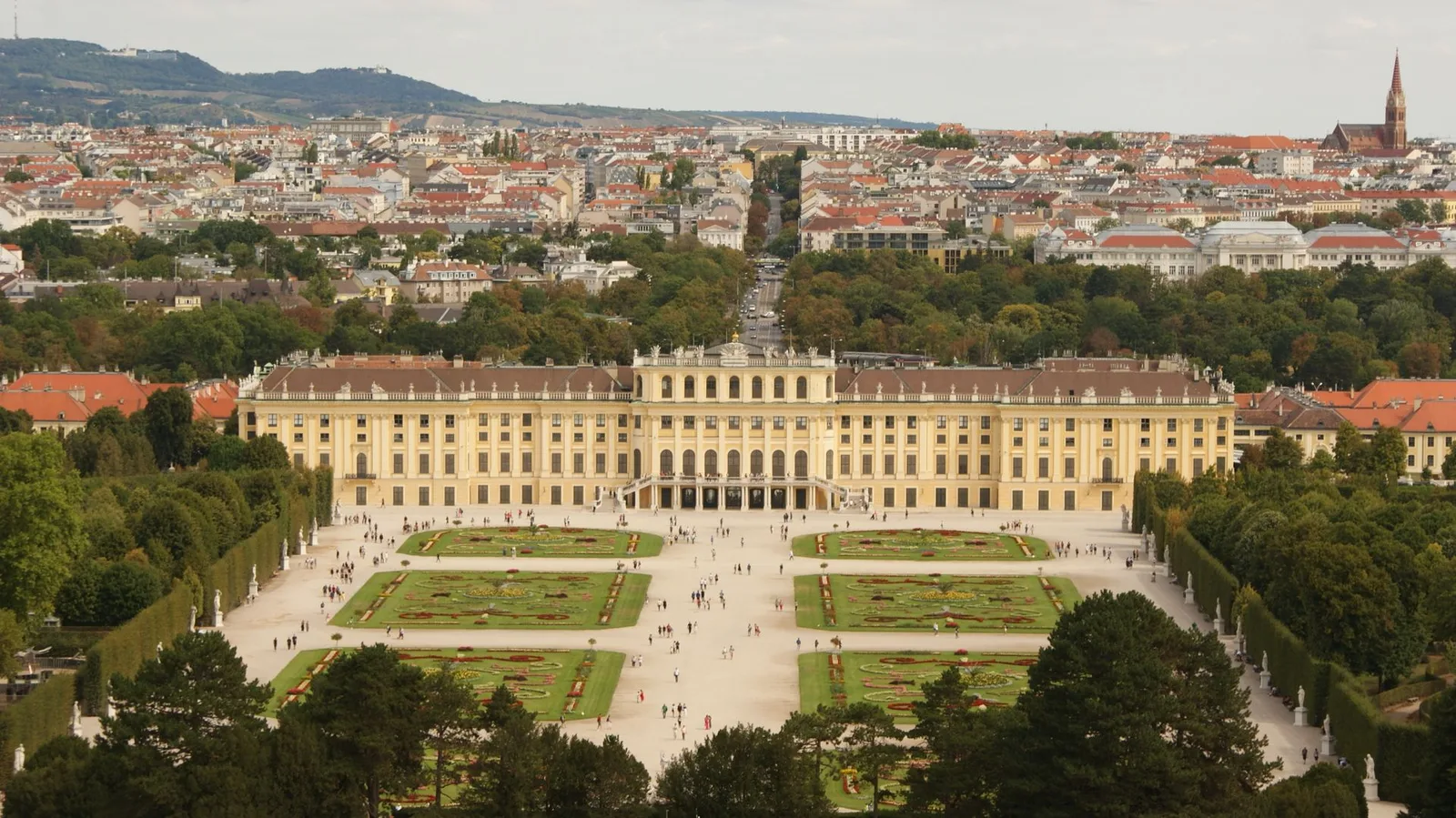
Tour the Schönbrunn Palace.
The Habsburgs' summer residence — 1,441 rooms, the Gloriette on the hill, and gardens you can wander for free. Book the palace tour ahead; the morning slots sell out.
See the Hofburg and Sisi Museum.
The imperial winter palace in the city centre, with the Empress Elisabeth apartments and the silver collection. Pair it with the Spanish Riding School's morning exercise across the square.
Do the coffee-house ritual.
Order a Melange, take the newspaper, stay two hours — nobody will rush you. Café Central, Café Sperl, and Café Hawelka are the holy trinity; each has its own century of regulars.
Walk the Naschmarkt.
A kilometre of market stalls from Karlsplatz — Viennese sausage stands next to Turkish delis and hip brunch spots. Saturday adds the flea market at the Kettenbrückengasse end. Rent a bike on BikesBooking and ride the Danube Island paths after.
Hear the music.
The Vienna State Opera sells standing tickets for a few euros on performance nights — queue early, stand through Mozart, feel smug for a week. The Musikverein's Golden Hall is the other pilgrimage.
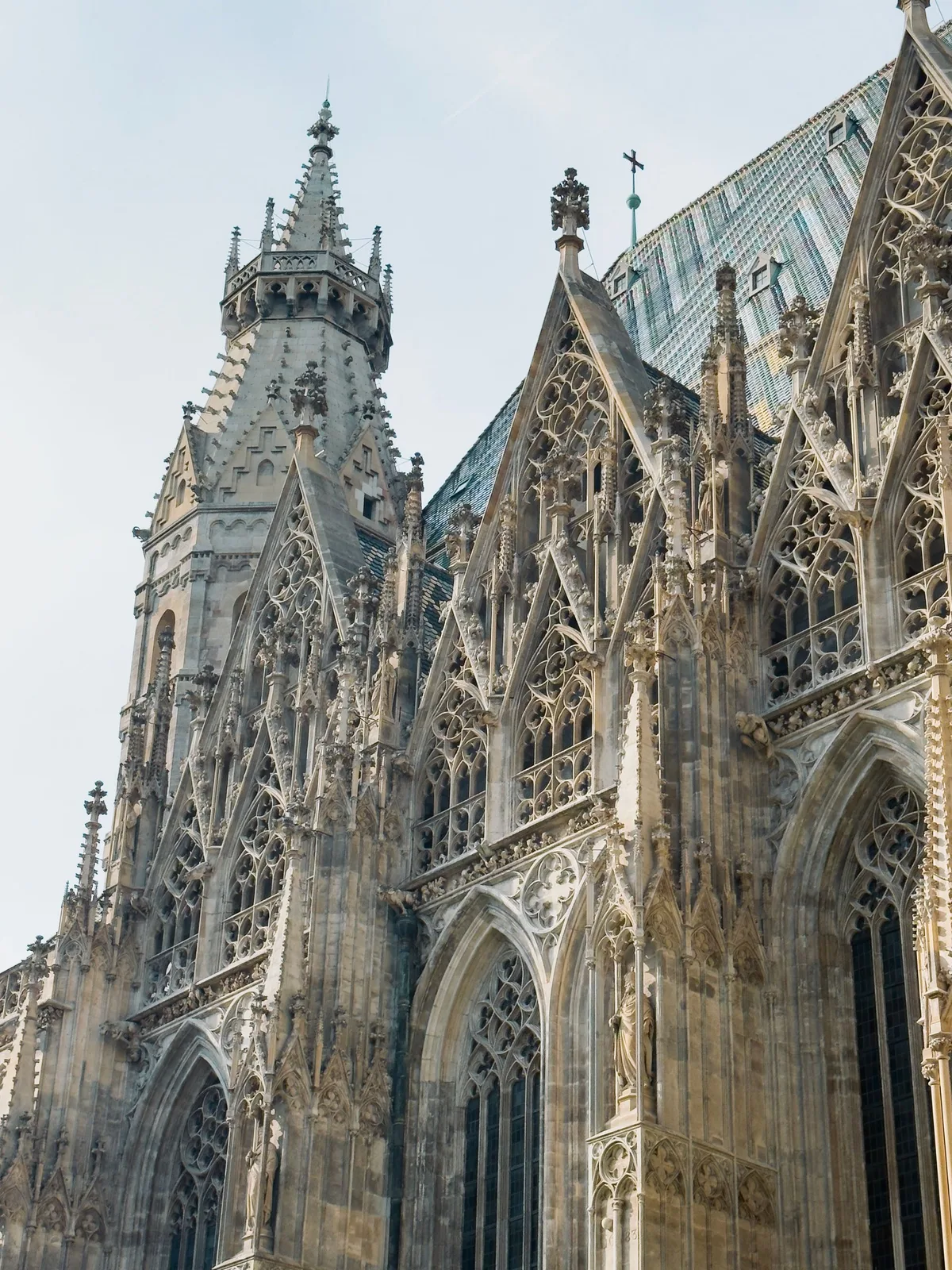
Climb the Stephansdom tower.
St. Stephen's Cathedral anchors the old town; the south tower's 343 steps earn you the tiled-roof panorama. The crypt and catacombs tour runs underneath.
Do one guided overview.
The districts defeat first-timers — a walking tour stitches the Hofburg, the Ring, and the old town together without the map math. Browse Vienna tours on GetYourGuide or grab a Go City pass if you plan to stack the palaces and museums.
After you land in Vienna: Bookable experiences
Where to stay your first nights
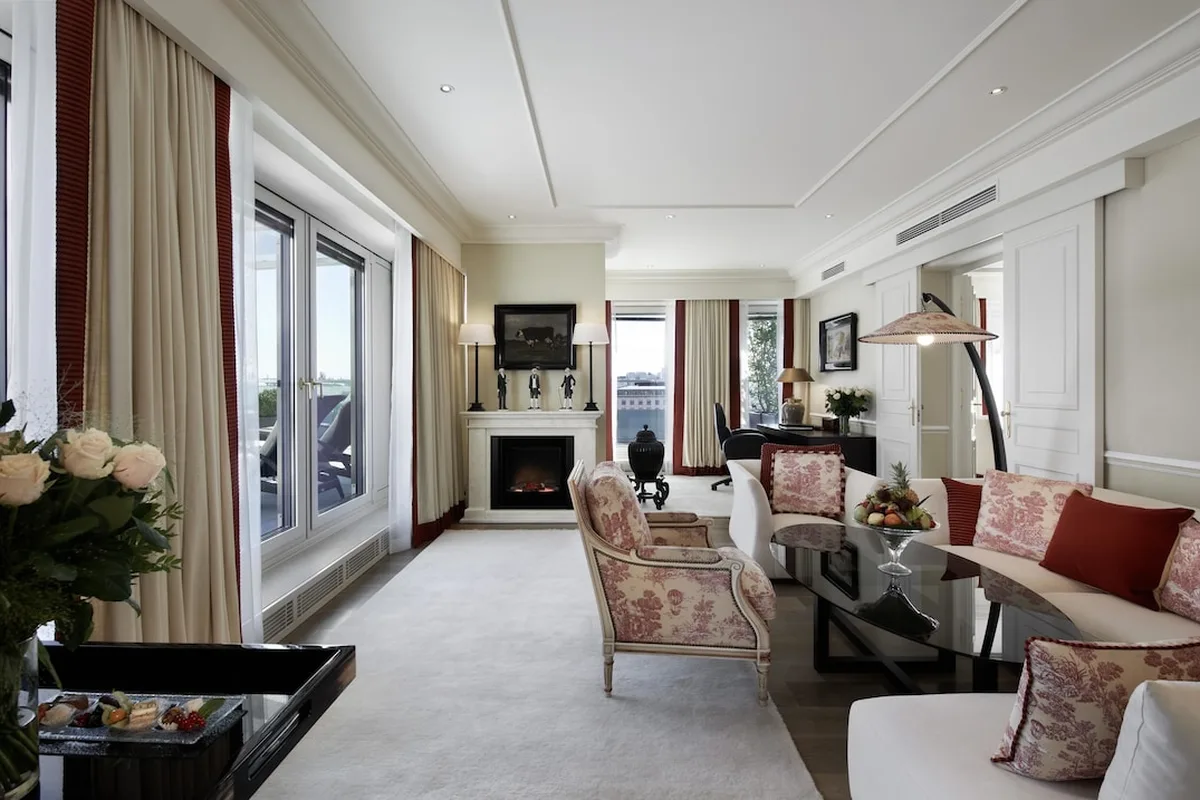
Hotel Sacher Wien.
Best for a special occasionMap → Philharmoniker Str. 4, 1010 Wien, Innere Stadt. The legend behind the State Opera — home of the original Sachertorte, all old-world polish, and the definitive Viennese grand hotel.

Hotel Das Tyrol.
Best for the Mariahilfer StrasseMap → Mariahilfer Str. 15, 1060 Wien, Mariahilf. Boutique favourite on the main shopping street — rooftop terrace, generous breakfast, and the U3 at the door.
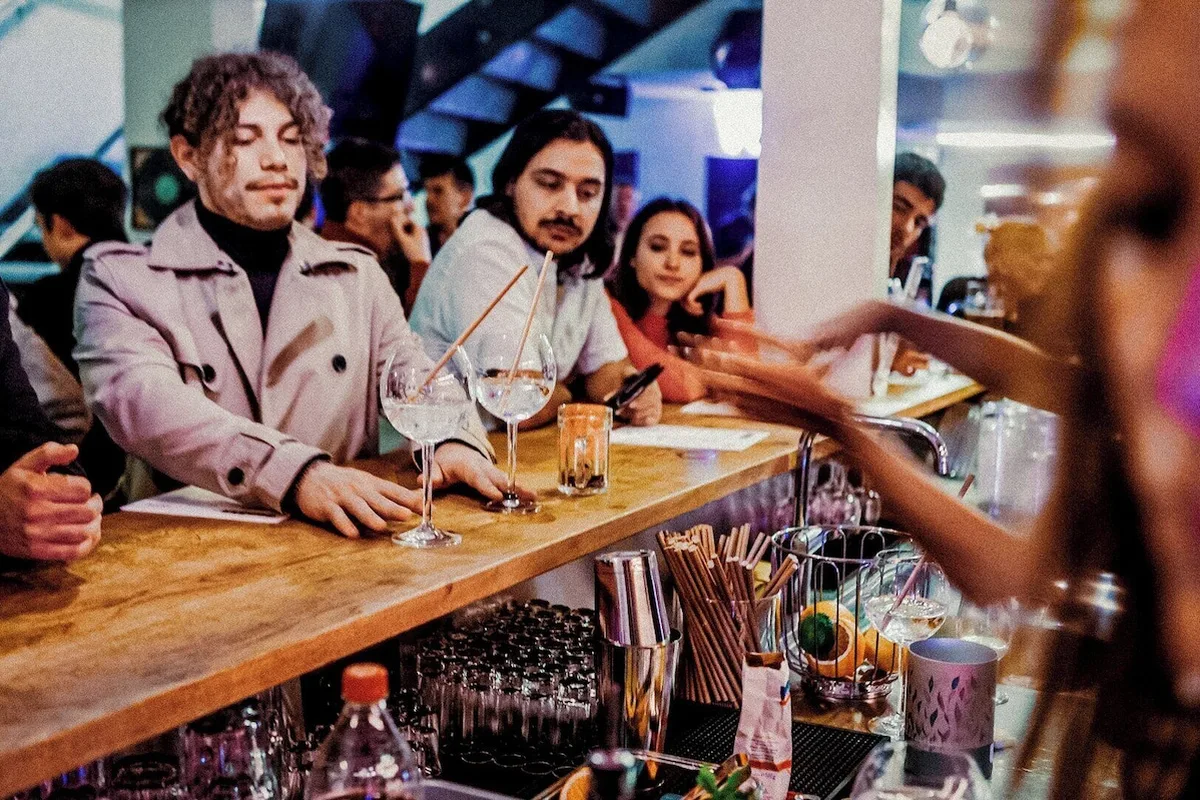
Wombat's City Hostel Vienna.
Best for meeting people on a budgetMap → Rechte Wienzeile 35, 1040 Wien, Naschmarkt. The best budget base in the city — right by the Naschmarkt, clean dorms and privates, bar downstairs.
Where to eat first

Coffee house — Café Central.
Map → Herrengasse 14, 1010 Wien. Vaulted ceilings, piano music, and the full ritual — Melange, newspaper, no rush. Go at opening to skip the queue.
Schnitzel — Figlmüller.
Map → Wollzeile 5, 1010 Wien. The famous plate-sized Wiener Schnitzel — crisp, enormous, worth the wait. Book ahead or brace for the line.
Market lunch — Neni am Naschmarkt.
Map → Naschmarkt 510, 1060 Wien. Eastern Mediterranean sharing plates above the market chaos — shakshuka, falafel, and the best people-watching terrace in the city.
Day trips and more

Schönbrunn Palace
The Habsburg summer palace — state rooms, the maze, the Gloriette views. Half a day inside the city limits, easy on the U4.
Check availability →
Hallstatt
The storybook lakeside village in the Salzkammergut — salt mine, skywalk, and the most photographed street in Austria. Long day, worth it.
Check availability →
Wachau Valley
Danube bends, terraced vineyards, and Melk Abbey rising over the river. Boat one way, bike or train back — Austria's prettiest day out.
Check availability →Staying longer?
Tour the Belvedere.
Prince Eugene's baroque palace holds the world's largest Klimt collection — The Kiss lives here. The upper palace alone is worth the trip; the gardens are free. Book Belvedere tickets on Tiqets and go early.
Day trip to Bratislava.
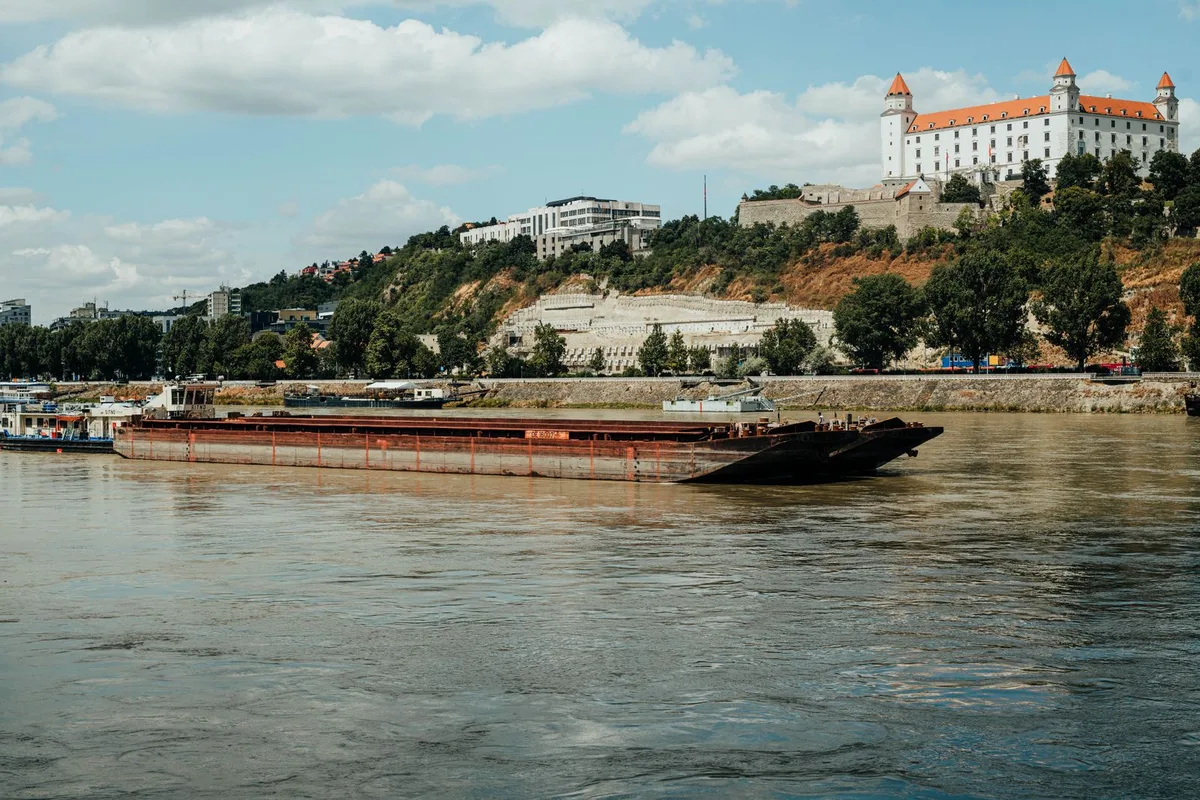
Slovakia's capital is an hour by train or boat up the Danube — old town, castle views, and a different country before dinner. The Twin City Liner boat runs seasonally.
Soak at Therme Wien.
Vienna's thermal baths on the southern edge — warm mineral pools, saunas, and a proper Austrian spa afternoon. Book spa entry on Tiqets and bring the swimsuit you packed.
When to go and what it costs

The best months are April to June and September to October. Spring brings the gardens into bloom and the concert season into full swing; early autumn brings wine harvest festivals and golden light on the Ringstrasse. Summer is warm and lively but the top sights queue.
Winter is the tradeoff: December brings the Christmas markets — Rathausplatz, Schönbrunn, Spittelberg — and the city at its most romantic. January and February are cold, grey, and cheap, with the museums nearly empty and hotel rates at their lowest.
Budget-wise, Vienna sits mid-range for Western Europe: coffee-house breakfasts €8–15, mid-range dinners €25–45, hotels €120–250 a night plus the 5% Ortstaxe. The Tiqets Vienna collection helps you price the palaces and concerts before you commit.
What to pack
Tap items to check them off — your list is saved on this device.
- Comfortable walking shoes — the old town and palace gardens are all on foot Shop walking shoes on Amazon →
- Sunscreen — spring and summer sun on the Ringstrasse is stronger than it looks Shop sunscreen on Amazon →
- A refillable water bottle — Vienna's Alpine tap water is superb Shop water bottle on Amazon →
- A Europe plug adapter for Type C/F sockets if you're coming from abroad Shop adapter on Amazon →
- A small daypack for museum days and palace gardens Shop daypack on Amazon →
- Sunglasses — the palace courtyards glare at midday Shop sunglasses on Amazon →
- A light rain jacket for spring showers and autumn fronts Shop rain jacket on Amazon →
- A warm scarf — the Danube wind cuts through even in shoulder season
- A swimsuit for Therme Wien's thermal pools
- One smart outfit — the opera and concert halls reward the effort
As an Amazon Associate I earn from qualifying purchases.
Language, visa and entry
✓ Visa-free entry

German is the language of the city, in its Austrian variety — a little softer, a little more melodic than the German of Berlin. You will manage fine in English at hotels, restaurants, and museums, but a few words of German open doors and smiles.
Austria is in the Schengen Area. Most visitors enter visa-free for up to 90 days — US, UK, EU, Canadian, and Australian passport holders need no visa, just a valid passport. The EES entry-exit system is operational at Schengen borders; ETIAS travel authorisation is not yet required.
Goodwill note: greet shopkeepers when you enter and say goodbye when you leave — Grüß Gott on arrival, Auf Wiedersehen on departure. In Vienna, skipping the greeting is the real faux pas.
Safety and health
Watch for pickpockets
Vienna is very safe, but the U-Bahn, Stephansplatz, and Schönbrunn draw pickpockets in high season. Keep bags zipped and phones out of back pockets.
Respect the bike lanes
Red-paved bike lanes run through the centre and cyclists move fast — stepping into one unannounced is the classic tourist mistake. Look both ways before crossing.
Handle the summer heat
July and August can push past 35°C, and the old town's stone streets hold the heat. Carry water, duck into churches and museums at midday, and pace the palace gardens.
Know your numbers
112 for all emergencies across the EU. 133 reaches Austrian police directly, 144 the ambulance service.
Related destinations
If you liked Vienna, try these next:
 Europe
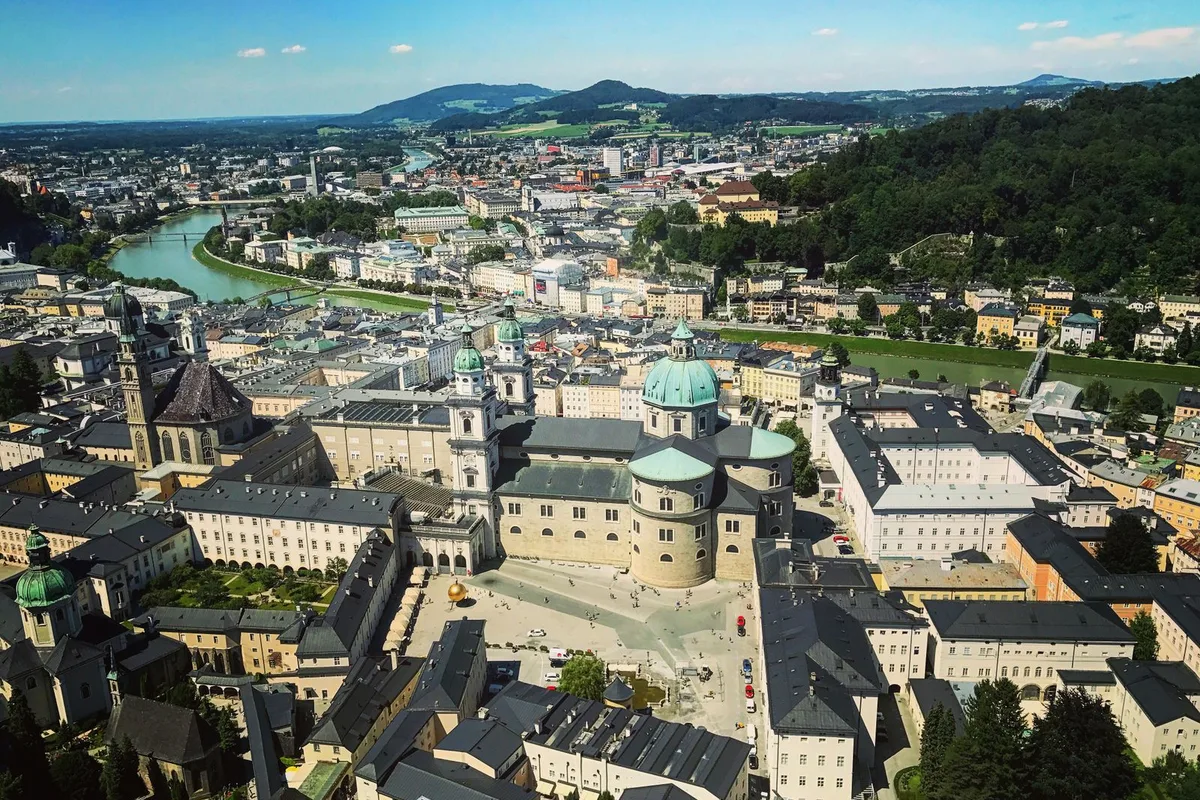
Salzburg
Mozart's baroque city in the Alps
 Europe
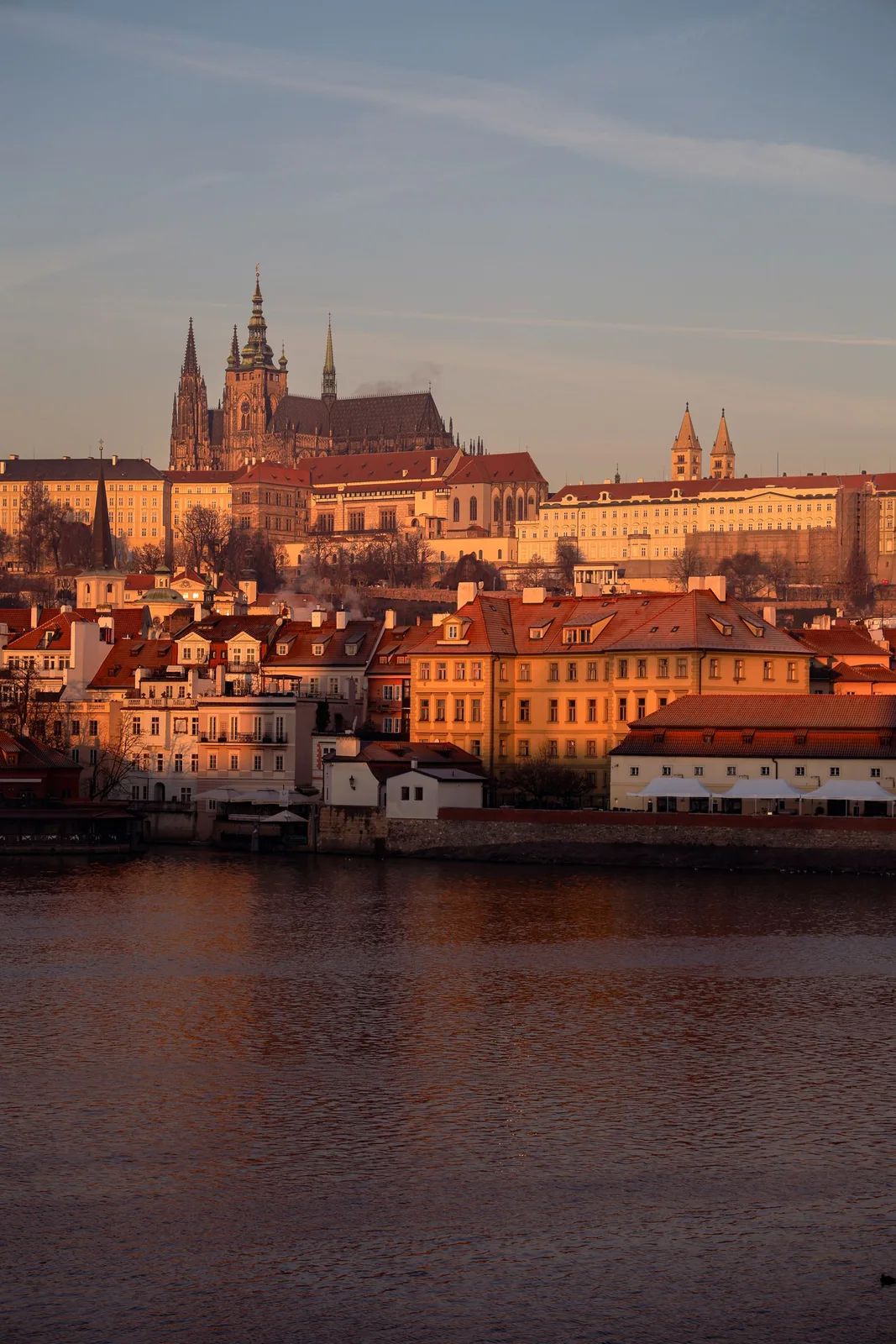
Prague
the golden city up the Danube corridor
 Europe
Budapest
the other Danube capital
 Europe
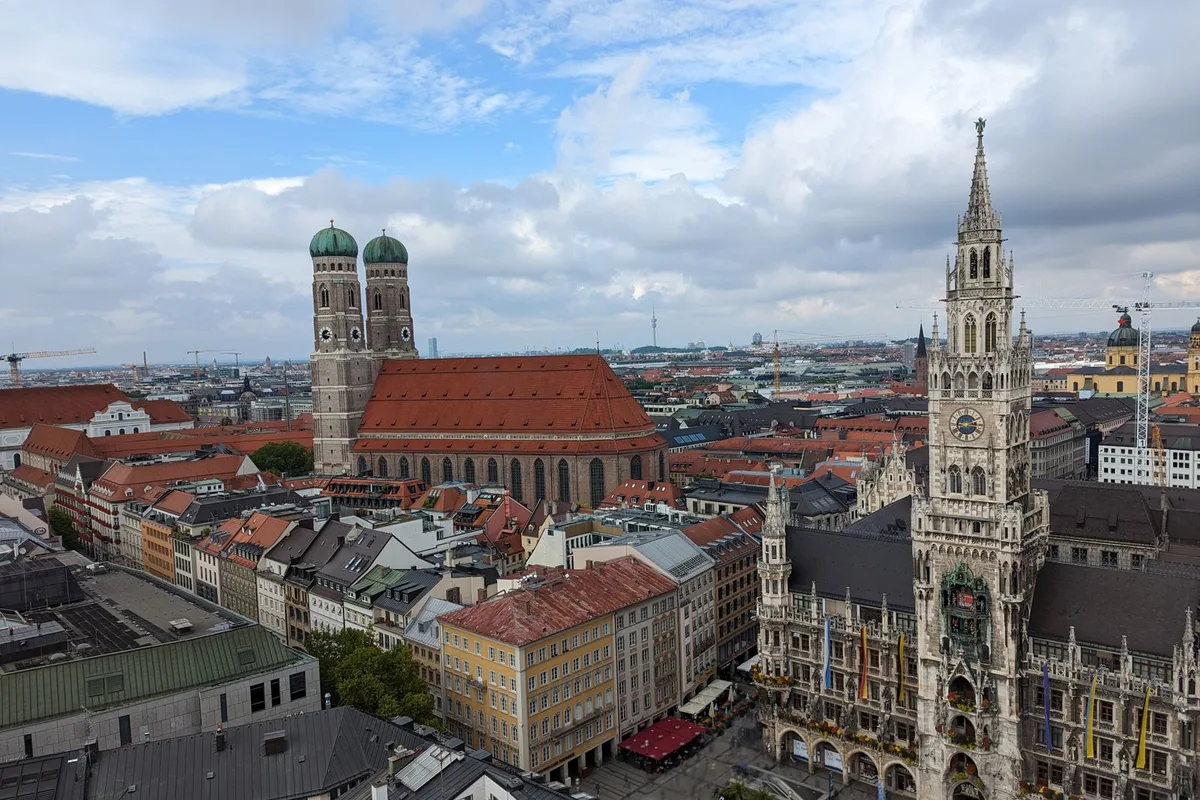
Munich
the Bavarian capital west
 Europe
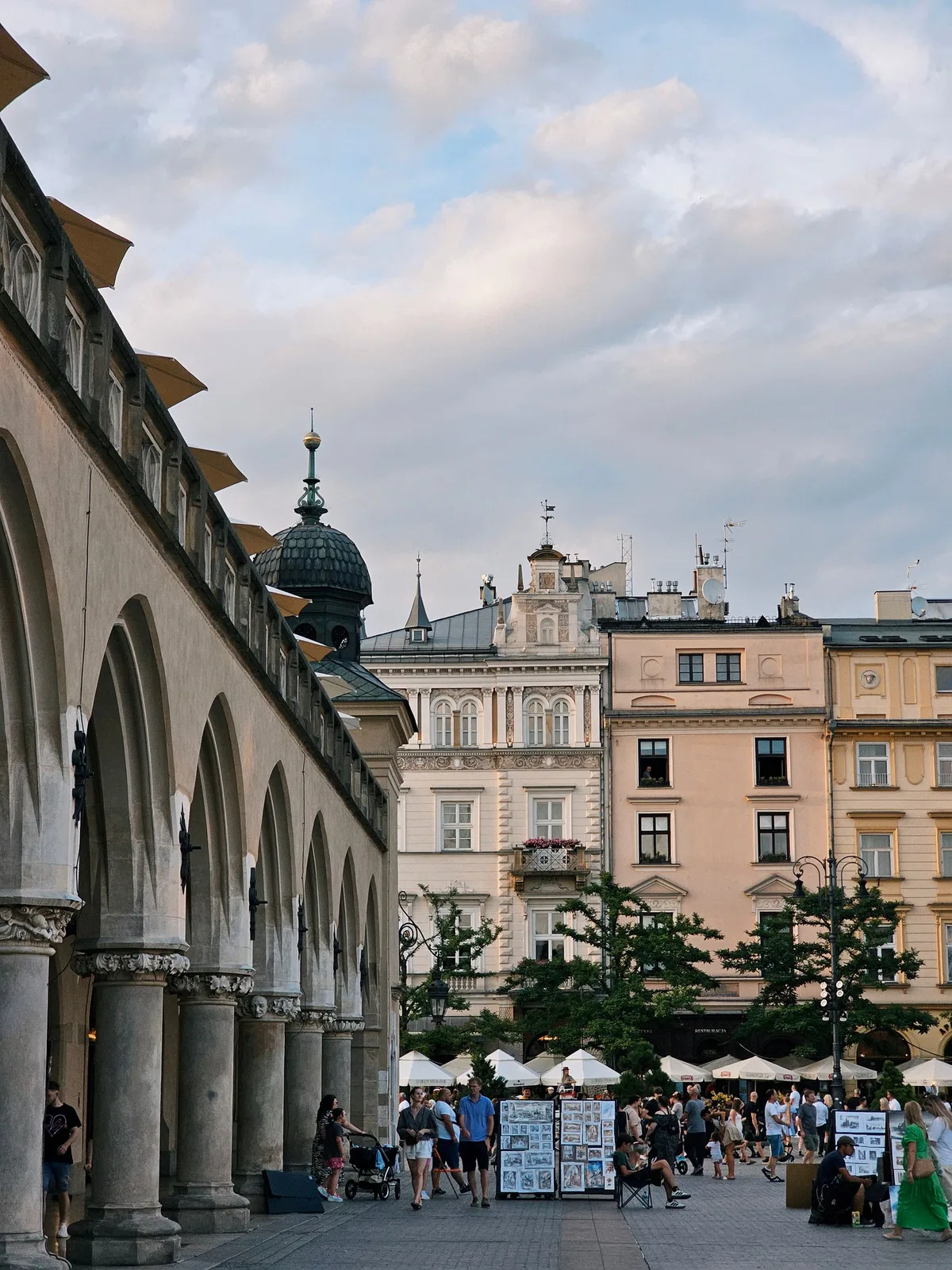
Kraków
the Polish royal city north
 Europe
Berlin
the reunified capital north
 Europe
Venice
the lagoon city over the Alps
 Europe
Bratislava
the Slovak capital an hour east
 Europe
Hallstatt
the lakeside village in the Salzkammergut
 Europe
Ljubljana
the Slovenian capital with the castle hill
Frequently asked questions
Quick answers before you land in Vienna
Fares and policies verified October 2026
The City Airport Train reaches Wien Mitte in about 21 minutes for €14.90 — currently running as a replacement coach during rail works, returning to rail in autumn 2027.
The S7 suburban train costs about €5.40 with a Vienna zone ticket and takes roughly 25 minutes. Taxis run €45–60 to the centre.
No. The U-Bahn, trams, and buses cover everything — a €3.20 single ticket covers one ride across the network.
For day trips like Hallstatt or the Wachau Valley, guided tours or the ÖBB trains beat driving and parking.
Vienna charges a 5% Ortstaxe local accommodation tax on the room rate, excluding VAT and breakfast. The rate rose from 3.2% on 1 July 2026.
It is scheduled to rise to 8% from 1 July 2027.
Yes — and it is famously good. Vienna tap water comes from Alpine springs via two mountain aqueducts.
Restaurants will serve it on request; look for the "Wiener Wasser" label.
Type C and F — standard European two-pin plugs at 230V. UK and North American visitors need an adapter.
USB charging is common in hotels and newer U-Bahn stations.
April to June and September to October bring the best weather — mild days, Heurigen wine taverns open, and the concert season in full swing.
December brings the famous Christmas markets; August is quiet as locals leave town.
Confirm before you book — fares change.
Vienna, in your pocket
Landing soon? Get the printable PDF — ticket links, the airport transport cheat sheet, our 3 restaurant picks with maps, and the packing checklist. Everything above, formatted for your phone.
One email with your Vienna PDF. Fare changes and new guides after that. No spam, unsubscribe anytime.
Sources and last verified
City of Vienna local tax guidance; City Airport Train official fares; Wiener Linien 2026 ticket prices; Vienna Tourist Board visitor statistics; Austrian Federal Railways airport service notices. Fares and policies verified October 2026 — confirm before you book.
Found something out of date? Tell us and we will fix it →
Affiliate disclosure: hotel names, transfers, experiences, and products linked in this guide may earn After You Land a commission at no extra cost to you. Prices and times were checked in Oct 2026 and change often — confirm before you book.