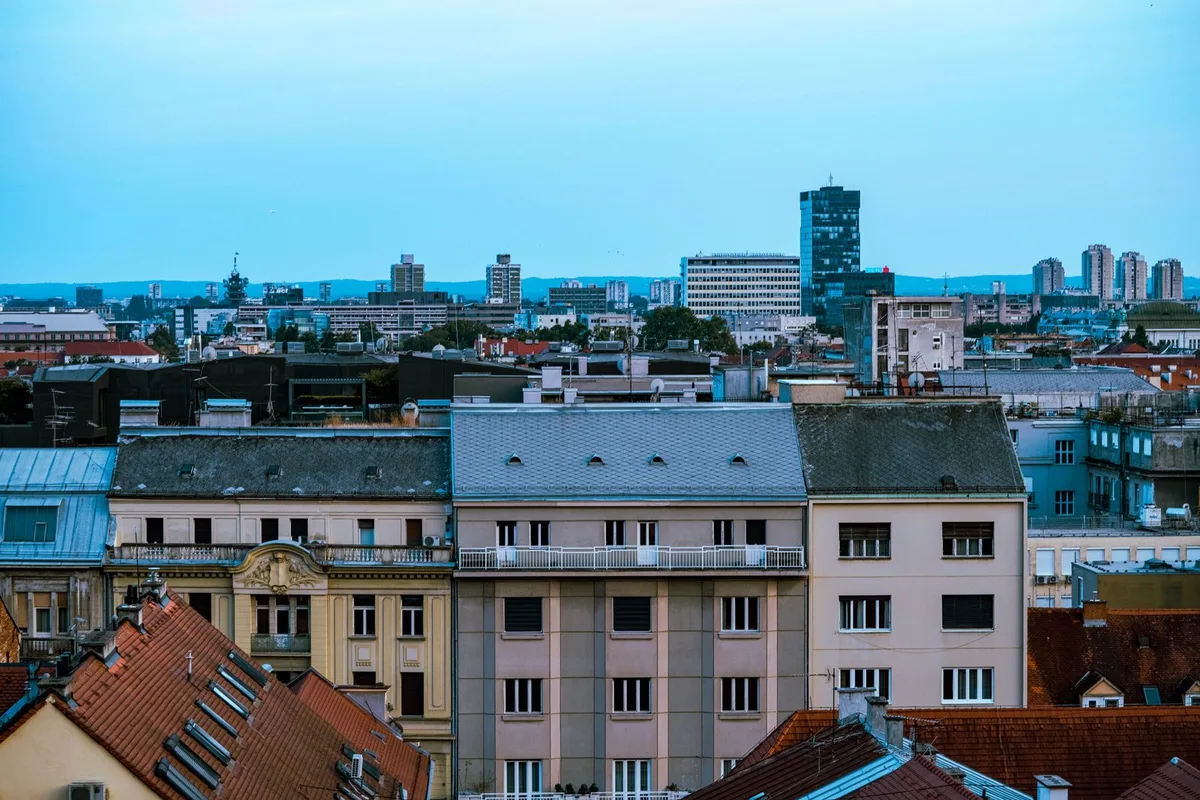
Zagreb: your first hour after landing
You have just landed at Franjo Tuđman Airport, 17 km southeast of a capital that still runs on coffee, trams and a noon cannon. This guide covers the €1 airport bus, the €9 shuttle and the app-versus-rank taxi maths, the ZET trams and the 66-metre funicular, where to sleep from the 1925 Esplanade to the Swanky Mint hostel, a plate of štrukli, the Plitvice and Lake Bled day trips, and the sojourn tax, scaffolding and Schengen rules that decide what the city really costs.
In this guide
You just landed in Zagreb. The move is bus 290 for about €1, the €9 Pleso shuttle to the main bus station, or an app taxi at €20 to €30 — the rank runs €30 to €45 — with an eSIM keeping you connected from arrivals, a €3.98 ZET day ticket covering the trams, and the days out — Plitvice above all — worth booking ahead through GetYourGuide.
Quick facts
Airport
Getting in
Currency
Languages
Time zone
Emergency
Plugs
Tap water
Tourist tax
Best months
Map
Stays, sights, and landmarks in Zagreb — live hotel prices plus the key places from this guide.
Settle in
Zagreb is the easy arrival: a compact terminal, a 25-minute road into town and a centre you can cross on foot in half an hour. Decide bus or shuttle before you land and the first hour takes care of itself.
Set up your data before you leave the terminal: an Airalo eSIM loads a Croatia plan in minutes, so ZET times and maps work from the kerb. Compare Saily and Yesim for a longer trip.
Run the arrival checklist in this order:
- Ride the Pleso Prijevoz shuttle (€9) if you have big bags — it drops at Autobusni kolodvor, the main bus station, with trams outside to the square
- Take bus 290 if you are travelling light — buy the 60-minute ticket (€0.93) at the Tisak kiosk, because it costs more from the driver
- Hand your passport over at check-in without being asked — every host must register guests in the eVisitor system within 24 hours, and hotels do it at the desk
Check the tax line on your quote: the sojourn tax rides on top, €1.86 a night per adult.
If a delayed or cancelled flight wrecked the arrival, AirHelp checks whether the airline owes you compensation.
Getting around

Times are airport to city centre.
ZET bus 290
Buy the 60-minute ticket (€0.93) at the Tisak kiosk in arrivals — it costs more from the driver; buses run roughly every 35 minutes from about 04:20 to 00:15, then tram 6 or 11 from Kvaternikov trg to the square
Pleso Prijevoz shuttle
Pleso Prijevoz coaches are timed to flight arrivals rather than a fixed clock; the drop is Autobusni kolodvor, with trams outside to Ban Jelačić Square — the easiest option with big bags
App taxi
Cammeo and Eko Taxi are the local apps and Bolt is the locals' default; order in the app and walk to the pickup zone — typically €10 or more cheaper than the rank for the same ride
Rank taxi
The Taxi Gorica rank sits outside arrivals and runs 24/7 on the meter — night and Sunday rides land at the top of the range; decline any unmetered offer inside the terminal
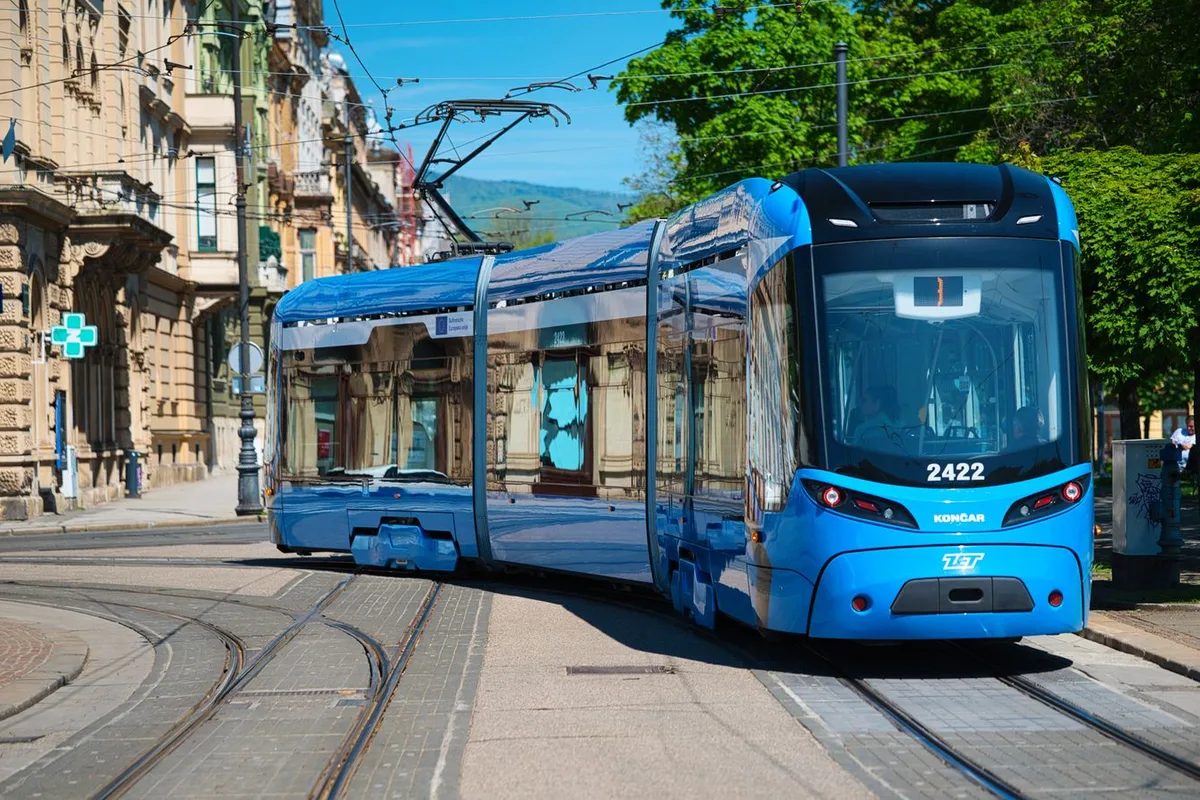
The airport sits about 17 km southeast of Ban Jelačić Square. There is no rail link: the choice is the €1 bus, the €9 shuttle, or a car at app or rank prices.
In town, the blue ZET trams are the transport: 15 daytime lines crossing Ban Jelačić Square. Buy before you board at a Tisak kiosk — 30 minutes is €0.53, 60 minutes €0.93, and a day ticket at €3.98 covers trams and buses until 04:00 next morning. Driver-bought tickets cost more, and every ticket must be validated on boarding. Tram 6 links the main station (Glavni kolodvor) with the square. The funicular from Ilica to the Upper Town costs €0.66, covers 66 metres in about a minute — among the shortest public funiculars in the world.
Prefer to be met? A Kiwitaxi transfer or a Welcome Pickups driver puts a name board in arrivals at a fixed price. Driving on to the lakes or coast, price the pickup on AutoEurope first — Zagreb itself never needs the car.
In the city
Start at Ban Jelačić Square, the city's living room: trams crossing, the horseman statue, café terraces filling from nine. Zagreb runs on the Saturday špica, the slow coffee ritual around the square and Tkalčićeva Street.
Walk two minutes northeast to Kaptol and the cathedral, its twin neo-Gothic spires visible from everywhere in the Lower Town. The 2020 earthquake damaged both spires and the interior, and restoration is a long project — expect scaffolding, and admire the west portal instead.
Drop into Dolac Market, up the steps behind the square: red umbrellas, piles of Slavonian peppers, and village cheese ladies selling sir i vrhnje, cheese and cream. Come before noon; by two they are packing up.
Ride the funicular to the Upper Town (Gornji Grad) and time it for noon, when the Grič cannon fires from Lotrščak Tower — it has marked midday since 1877. Then walk St Mark's Square for the tiled roof of St Mark's Church, its tiles spelling out the coats of arms of Croatia and Zagreb, and finish at the Museum of Broken Relationships on Ćirilometodska Street (entry about €9), the city's strangest and most moving small museum.
Book the guided version of this walk if you want the stories with the streets — browse the Zagreb listings on GetYourGuide for walking tours and tunnels, and compare Klook when stacking tickets.
After you land in Zagreb: Bookable experiences
Where to stay your first nights

Esplanade Zagreb Hotel.
Best for the definitive Zagreb splurge — the 1925 Orient Express grande dameThe grande dame at Mihanovićeva 1, built in 1925 for Orient Express passengers by King Tomislav Square: 208 rooms, marble bathrooms, the Zinfandel's restaurant and a terrace made for slow breakfasts, two minutes from the main station. Book it for the full performance.

Hotel Dubrovnik.
Best for the unbeatable Ban Jelačić Square location, with trams at the doorA working landmark at Gajeva 1, on the edge of Ban Jelačić Square, trading since 1929: 222 rooms above the café terraces, trams at the door and the cathedral five minutes on foot. Book it for the location nothing else beats.
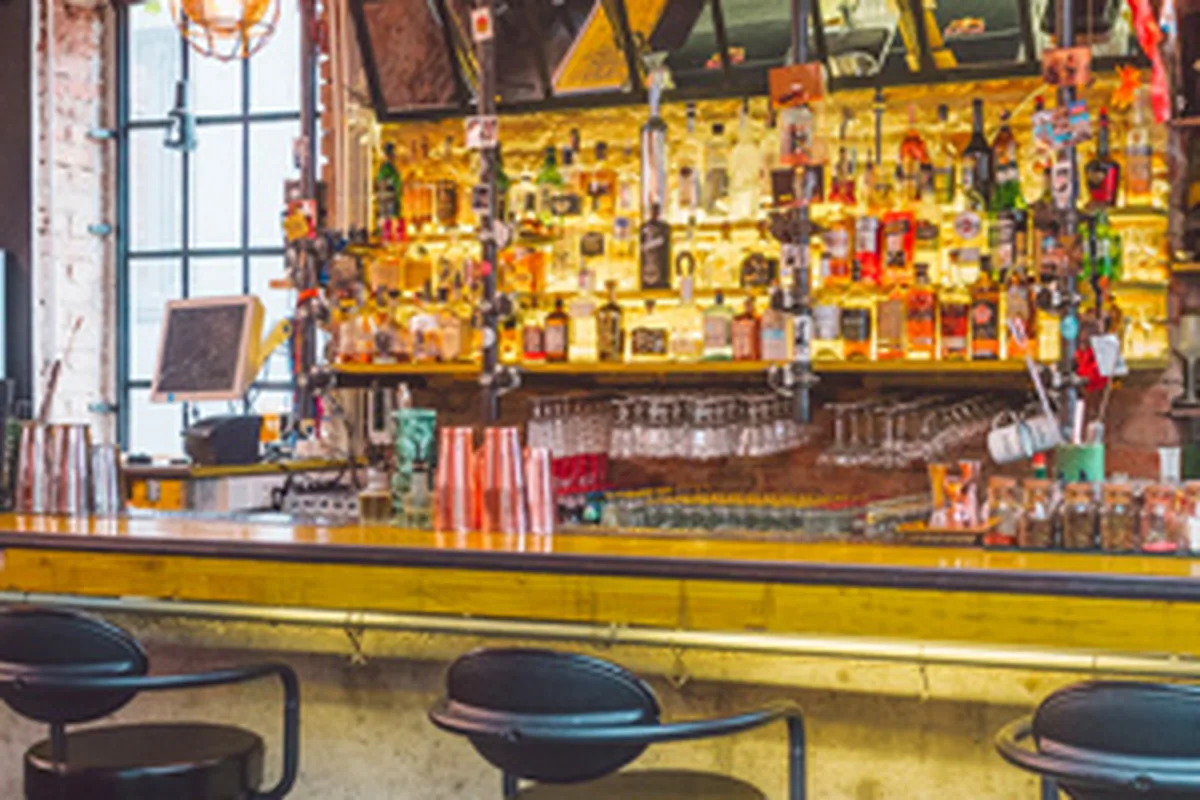
Swanky Mint Hostel.
Best for the city's best-known hostel — dorms, privates, a pool and a garden bar on IlicaThe best-known hostel in town at Ilica 50, ten minutes west of the square in a converted 19th-century dry-cleaning factory: dorms and private rooms around a garden terrace, a pool and a bar. Book ahead in Advent and summer.
Stay in the Lower Town (Donji Grad) for the big hotels, the tram web and the green Lenuci horseshoe of parks. Stay in the Upper Town for cobbles, gas lamps and quiet — and steeper walks home. Near Glavni kolodvor suits early trains; Tkalčićeva suits late nights and thin walls.
Confirm whether your quote includes the €1.86 nightly sojourn tax — Zagreb properties usually collect it at the desk.
Where to eat first

Eat štrukli on day one. Zagreb's signature dish — dough rolled around cottage cheese, then baked until the edges crisp — is the taste of Zagorje, the hills north of Medvednica, brought into the capital. Around it: ćevapi from the grill, turkey with mlinci (baked flatbread soaked in roasting juices). Three first stops:
La Štruk.
The štrukli specialist at Skalinska 5, in the lane below the cathedral: sweet and savoury versions, baked or boiled, in a courtyard. Order the classic baked cheese first.
Vinodol.
The reliable traditional table at Teslina 10, five minutes south of the square: roast meats, seasonal Zagorje dishes and a locals' terrace. Book for dinner.
Stari Fijaker.
Old-school Zagreb cooking at Mesnička 6, on the way up to the Upper Town — hearty, unfussy and proud of it, with a menu (goulash, mlinci, strudel) that has barely changed in decades. Walk-ins usually fine at lunch.
Know before you sit down: tipping is rounding up or about 10 percent for good service, and coffee is an appointment, never a takeaway sprint. For food tours, browse the Zagreb listings on GetYourGuide and book ahead.
Day trips and more
Zagreb's best days run south to the lakes, west into Slovenia, or stay in town and go deeper into its own streets.

Plitvice Lakes and Rastoke with ticket included
A 9 to 10 hour guided run south: the watermill village of Rastoke first, then Plitvice's 16 terraced lakes on boardwalks, with park entry, the boat across Lake Kozjak and the panoramic train included. Walk about 8.5 km. Rated 4.9/5 from 3,958 reviews, from about US$82. Check availability →

Ljubljana and Lake Bled
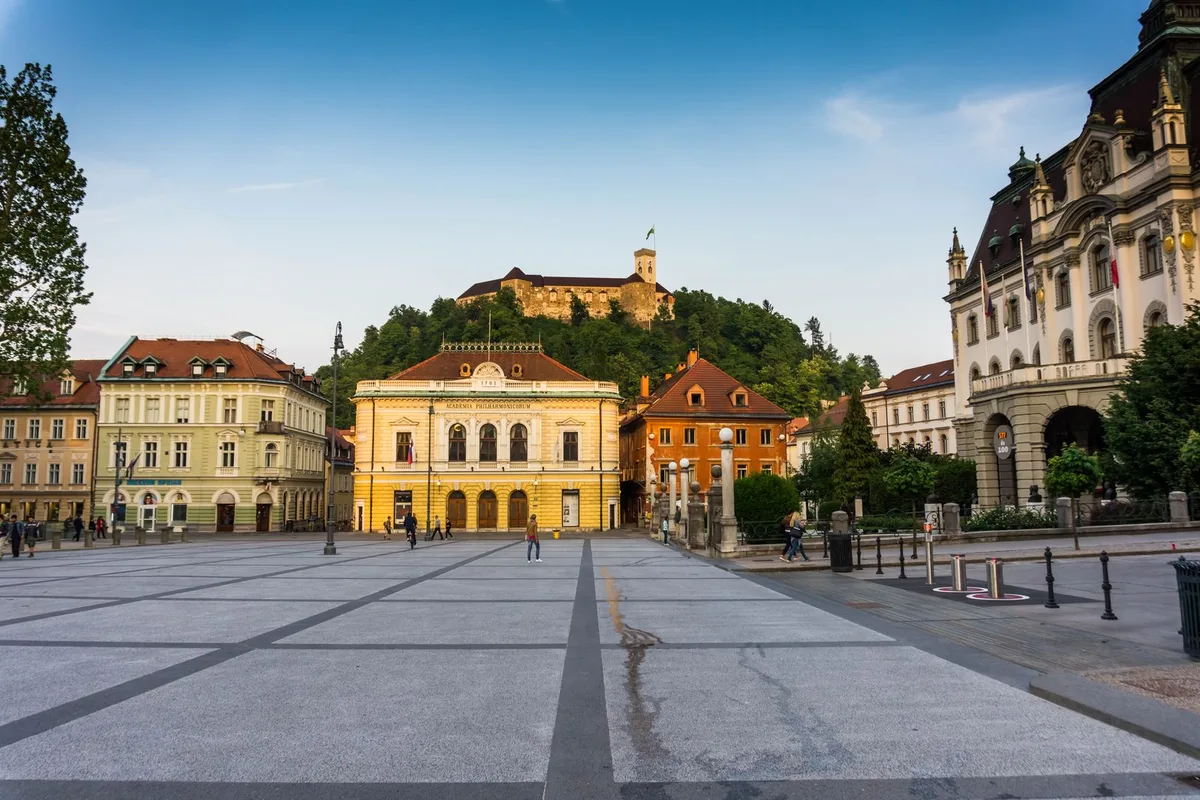
A 10 to 11 hour small-group trip west: a guided orientation walk in Ljubljana with the castle funicular included, then free time at Lake Bled to row a pletna to the island (about €20 extra), climb to Bled Castle (about €18) or eat the original cream cake. Carry your passport or EU ID. Rated 4.9/5 from 1,331 reviews, from about US$86. Check availability →

Zagreb city and WWII tunnels walking tour
A 2.5 hour walk from Zrinjevac Park through Ban Jelačić Square, past the cathedral and Dolac, down into the Grič tunnels dug in the Second World War, then up the funicular to the viewpoints. Rated 4.9/5 from 1,545 reviews, from about US$21. Check availability →
Drivers get one more: Samobor, 30 minutes west — a carnival town of cream cakes (samoborska kremšnita), best on a Sunday morning by bus from Autobusni kolodvor.
When to go and what it costs
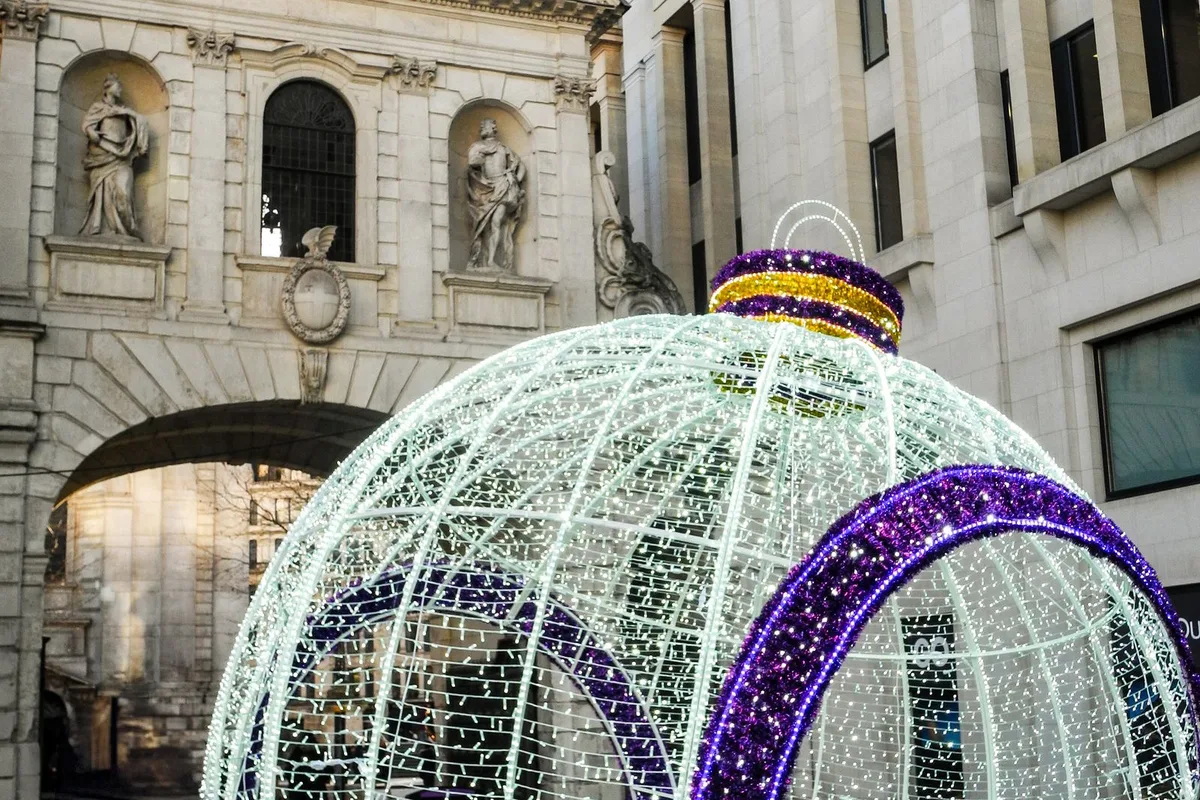
May, June, September and October are the sweet spot: café terraces full, Medvednica green, and Plitvice at its best without peak queues. July and August turn hot — afternoons over 30°C — and half the city leaves for the coast, which keeps rooms cheap for a capital. December belongs to Advent Zagreb: mulled wine on Fuliranje and ice skating in King Tomislav Square. January and February are cold, foggy and quiet.
Budget honestly; Zagreb is one of Europe's kindest capitals to a wallet. A backpacker in a dorm, on day tickets and market lunches: €55 to €75 a day. Mid-range — a four-star room, museums, restaurant dinners: €130 to €180 a day. A splurge day with the Esplanade passes €300 without trying.
What to pack
Tap items to check them off — your list is saved on this device.
Pack for a walking city with continental weather — café mornings, cobbled climbs and evenings that cool fast under Medvednica. This is the full list:
- Comfortable walking shoes Shop walking shoes on Amazon →
- Sunscreen Shop sunscreen on Amazon →
- Reusable water bottle Shop water bottle on Amazon →
- Phone charger and power bank Shop power bank on Amazon →
- Daypack Shop daypack on Amazon →
- Sunglasses Shop sunglasses on Amazon →
- Light rain jacket Shop rain jacket on Amazon →
Add the Zagreb extras: shoes with grip for Upper Town cobbles after rain, a layer for the Sljeme cable car (the 1,033-metre summit runs about 8°C colder), and swimwear in summer for Lake Jarun.
Language, visa and entry
! Check visa requirements before you fly

Croatian runs Zagreb, but English is close behind almost everywhere. A greeting before a question is local etiquette — open with dobar dan and the conversation goes better.
Four phrases do most of the work:
Sort your entry paperwork before you book anything non-refundable. Croatia joined both Schengen and the euro on 1 January 2023: most visitors from the US, UK, Canada and similar countries get 90 days in any 180 across Schengen without a visa, with a passport valid at least three months beyond departure. Checks happen at your first Schengen entry.
The EU Entry/Exit System (EES) is live, so on first entry expect a photo and fingerprints at the border. Do not buy an ETIAS: the planned EU travel authorisation is not yet in operation, and any site selling you one now is selling a form that does not exist. Your accommodation registers your stay in eVisitor for you — automatic at hotels and hostels.
Safety and health
Zagreb is one of Europe's safest capitals
Violent crime against visitors is rare. The everyday risk is the small stuff: keep a hand on your bag at Dolac, on crowded trams and around the Advent stalls, where pickpockets work the crush.
Mind the trams, and validate your ticket
Blue trams are quiet, fast and unforgiving — look both ways before crossing any track, including at the square. Inspectors ride in plain clothes; an unvalidated ticket draws a penalty fare on the spot.
Respect the earthquake scaffolding
The March 2020 earthquake left the cathedral and many older buildings under long restoration: obey barriers around cordoned facades, do not shelter under scaffolding in storms, and know your room's way out — Croatia is seismically active and small tremors happen.
Dress for Medvednica, swim at Jarun with care
Weather on Sljeme turns quickly even when the square is calm — carry the layer and check the forecast before the trails. In summer, swim inside the marked areas at Lake Jarun, carry water on Upper Town climbs, and dial 112 for emergencies, including mountain rescue.
Related destinations
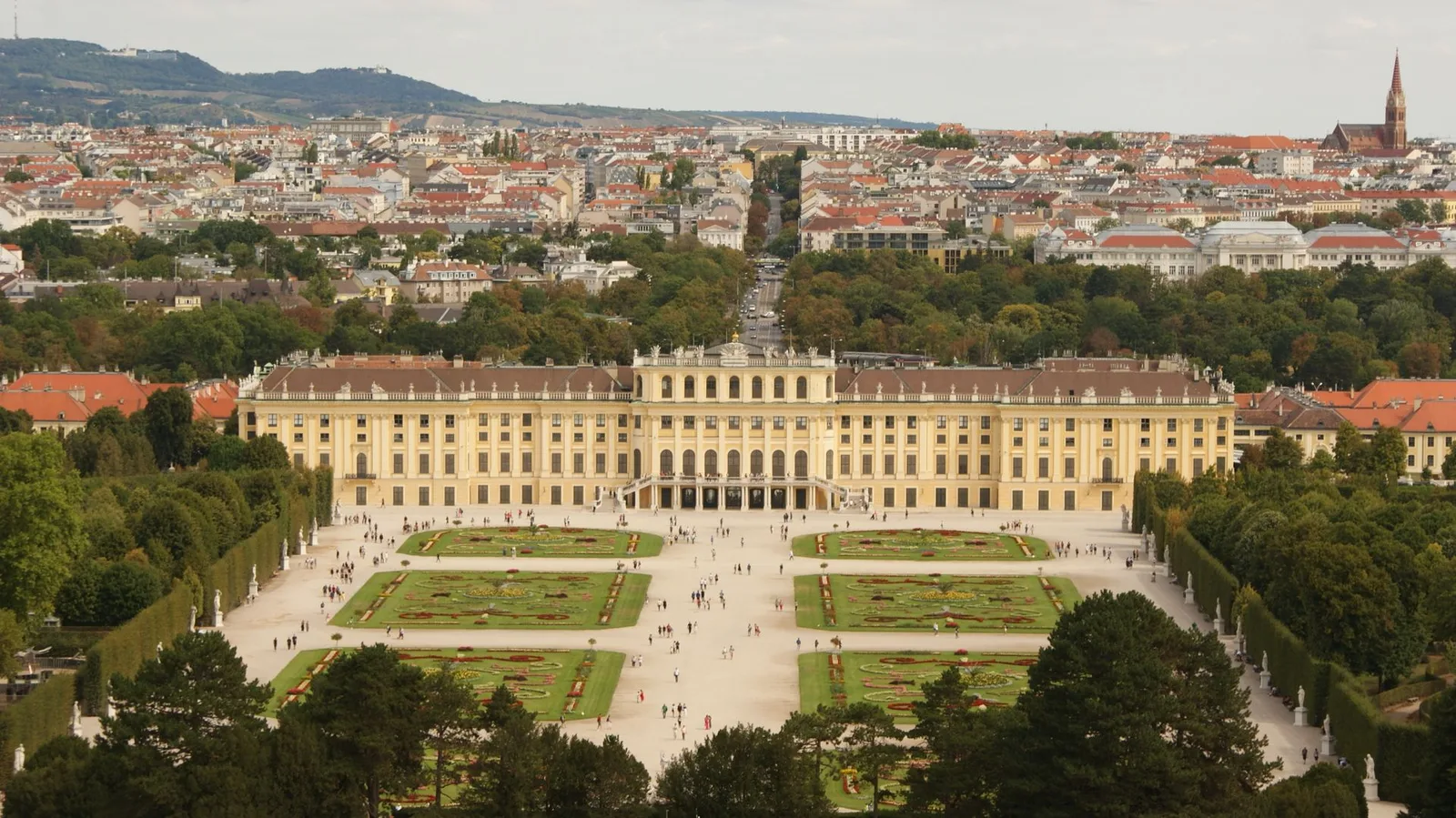
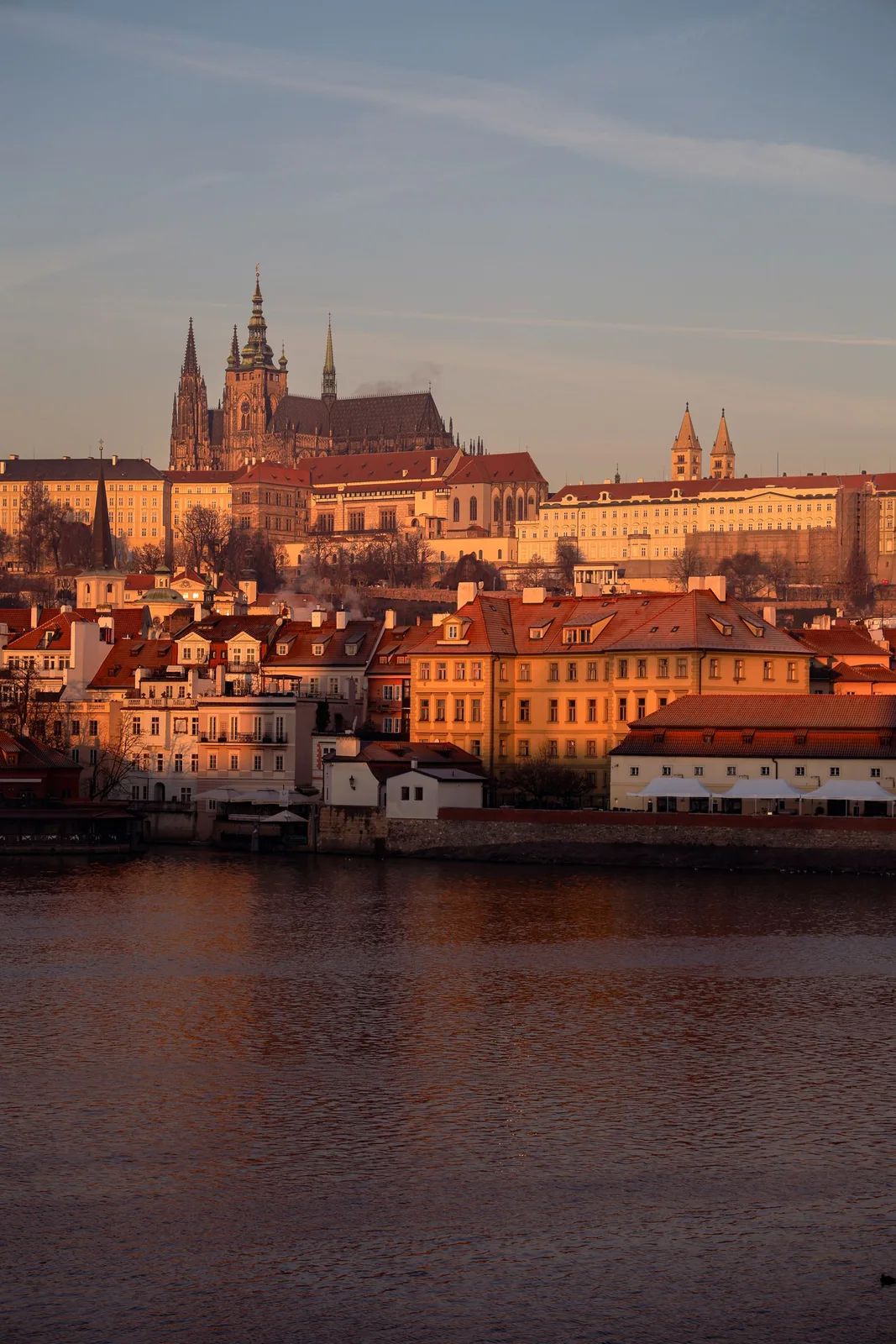
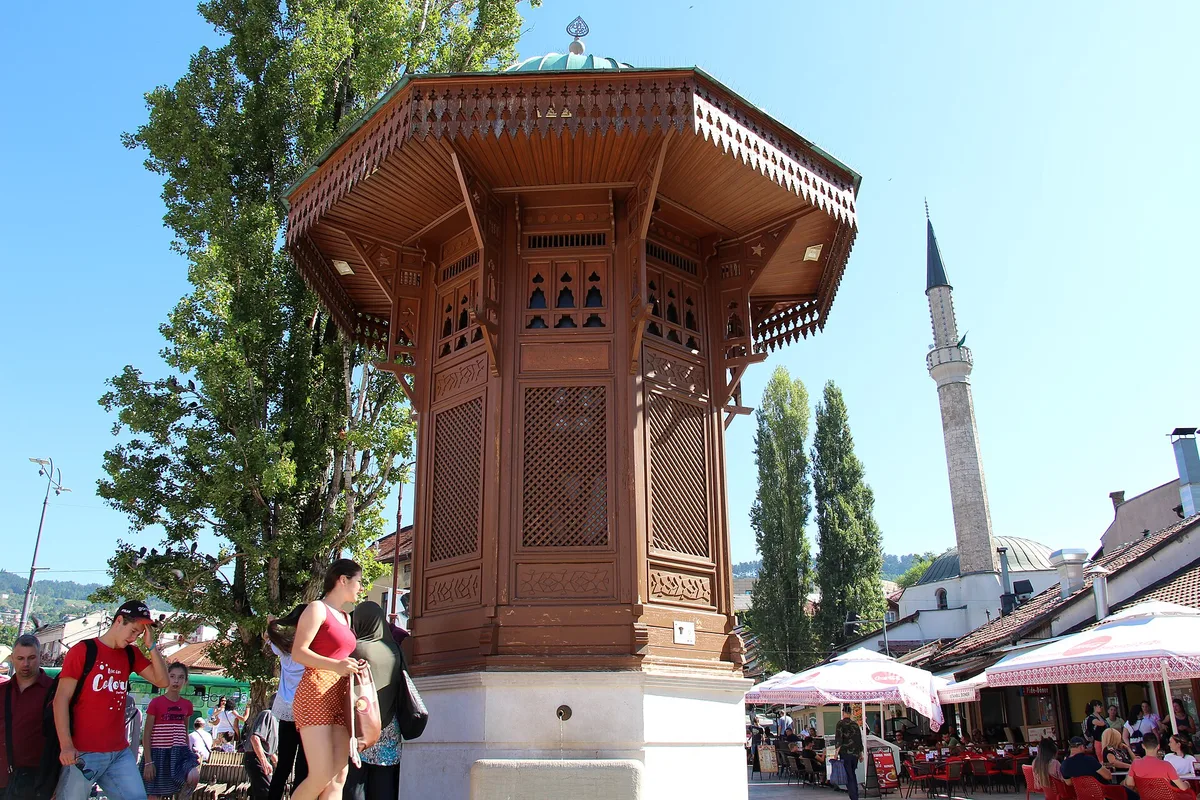
If you liked Zagreb, try these next:



Frequently asked questions
The things travellers ask in the first 48 hours: the airport bus that costs a euro, the tax on the room and the waterfall day.
Fares checked against ZET, Pleso Prijevoz and Zagreb Airport transfer guides, October 2026; entry rules against EU EES guidance.
Bus 290 is cheapest: about €1 for a 60-minute ZET ticket from the Tisak kiosk, 35 to 50 minutes to Kvaternikov trg, then a tram to Ban Jelačić Square. The Pleso Prijevoz shuttle is €9 to the main bus station in about 35 minutes, timed to flights. An app taxi (Cammeo, Eko, Bolt) runs €20 to €30 door to door in about 25 minutes; the rank costs €30 to €45.
From the rank outside arrivals, €30 to €45 to the centre, metered, in about 25 minutes. The same ride in an app — Cammeo, Eko Taxi, Bolt or Uber — lands between €20 and €30. Never take an unmetered offer from inside the terminal.
€1.86 per person per night in Zagreb, charged by the property on top of the room rate and collected at the desk, so check if your quote includes it. Children under 12 are exempt and ages 12 to 18 pay half.
No. ETIAS is not in operation — there is nothing to apply for or buy, and any site selling one is a scam. The EES entry system is live, so expect a photo and fingerprints on first entry to Schengen. Most US, UK and Canadian visitors get 90 visa-free days in any 180.
The euro, since 1 January 2023 — the same day Croatia joined Schengen. The kuna is retired and no longer accepted. Cards and contactless work across Zagreb; keep small cash for Dolac stalls and kiosks.
Plitvice Lakes, booked as a full day: guided trips run 9 to 10 hours with entry included, take in the Rastoke watermill village, and cover about 8.5 km of boardwalks plus the lake boat and panoramic train. In winter only the Lower Lakes open and the boats and train may not run.
Fares change — the operators and the ZET pages always win.
Zagreb, in your pocket
Landing soon? Get the printable PDF — ticket links, the airport transport cheat sheet, our 3 restaurant picks with maps, and the packing checklist. Everything above, formatted for your phone.
One email with your Zagreb PDF. Fare changes and new guides after that. No spam, unsubscribe anytime.
Sources and last verified
Transfers against Pleso Prijevoz (shuttle €9, timed to flights) and ZET (bus 290; 30-minute ticket €0.53, 60-minute €0.93, day ticket €3.98, funicular €0.66), with taxi ranges cross-checked against airport transfer guides (€20 to €30 by app, €30 to €45 from the rank). Tourist tax against Zagreb's published sojourn tax of €1.86 per person per night, with exemptions from the national rules. GetYourGuide products opened and read: the Plitvice Lakes and Rastoke day trip, the Ljubljana and Lake Bled day trip, and the city and WWII tunnels walking tour; hub zagreb-l803 opened. Hotels verified as real properties at their printed addresses against their own sites and the Expedia Zagreb guide; Expedia property pages did not yield verified IDs this session, so property URLs await the pre-publish confirmation pass. Entry rules against EU EES guidance: EES live, ETIAS not in operation; Croatia in Schengen and the euro since 1 January 2023. Photo credits as in the guide data. Last verified October 2026.
Affiliate disclosure: hotel names, transfers, experiences, and products linked in this guide may earn After You Land a commission at no extra cost to you. Prices and times were checked in Oct 2026 and change often — confirm before you book.