
London, Paris and Rome: A Multi-City Guide, Landing by Landing
Three capitals, one landing at a time. This is the first-timer’s classic Europe route: fly into London, take the train to Paris, then cross to Rome and fly home from there. Each city gets its own arrival, its own base, and its own shape — no city is a day trip from another, and no day is spent entirely in transit. Set your own pace — a long weekend in each city, or a week: the landings work the same either way.
Still planning? Compare flights to London
Search opens on flights.afteryouland.com, our own flight search. The destination starts at London (LHR), the first stop on this route. Customize your flight options →
In this guide
London
Fly into Heathrow, Elizabeth line into town, base around Covent Garden or the South Bank.
Paris
Off the train at Gare du Nord, a short metro ride to a Marais or Saint-Germain base.

Rome
Leonardo Express to Termini, base in Monti or Trastevere, fly home from Fiumicino.
Before You Go
This route fits first-timers who like walking. Three big capitals back to back is a full pace, not a relaxing one. You will walk a lot in all three cities, climb stairs and hills in London and Rome, and stand in queues at the biggest sights. If anyone in your party needs a slower pace, add two days or drop one city — a rushed three-city trip is worse than a good two-city one.
Pack light and pack once. You will carry your bags through train stations, up metro stairs, and into three different hotels. A carry-on plus a day bag beats a big suitcase on this route, and it makes the Eurostar and the Paris–Rome transfer far easier. Check what your airlines and Eurostar allow before you pack.
Each stop has its own entry rules. The UK and the Schengen Area (France and Italy) have separate entry rules, so check both for your nationality before you book. Visitors from the US, UK, Canada, Australia, New Zealand, the EU, and many other countries can enter the Schengen Area visa-free for up to 90 days in any 180-day period. The EU’s Entry/Exit System (EES) has been fully operational since 10 April 2026, and ETIAS travel authorisation is not yet in operation — there is no launch date and no fee to pay.
One eSIM covers all three countries. The UK sits outside the EU, so check your plan covers both: Airalo’s Eurolink Europe eSIM and Saily’s Europe eSIM both list the UK alongside France and Italy. Install it at home and it works from your first landing to your last.
First Landing — London

Arrive at Heathrow and take the Elizabeth line into town. About £13–16 each way, about 30–45 minutes to central London depending on where you get off. The Piccadilly line is the budget option at about £6, roughly 50–60 minutes. (Arriving on a long connection instead? The 8-hour Heathrow layover plan turns it into a short first taste of this same day.) Base yourself around Covent Garden or the South Bank — central, walkable, and well connected for all three days.
Westminster and the South Bank
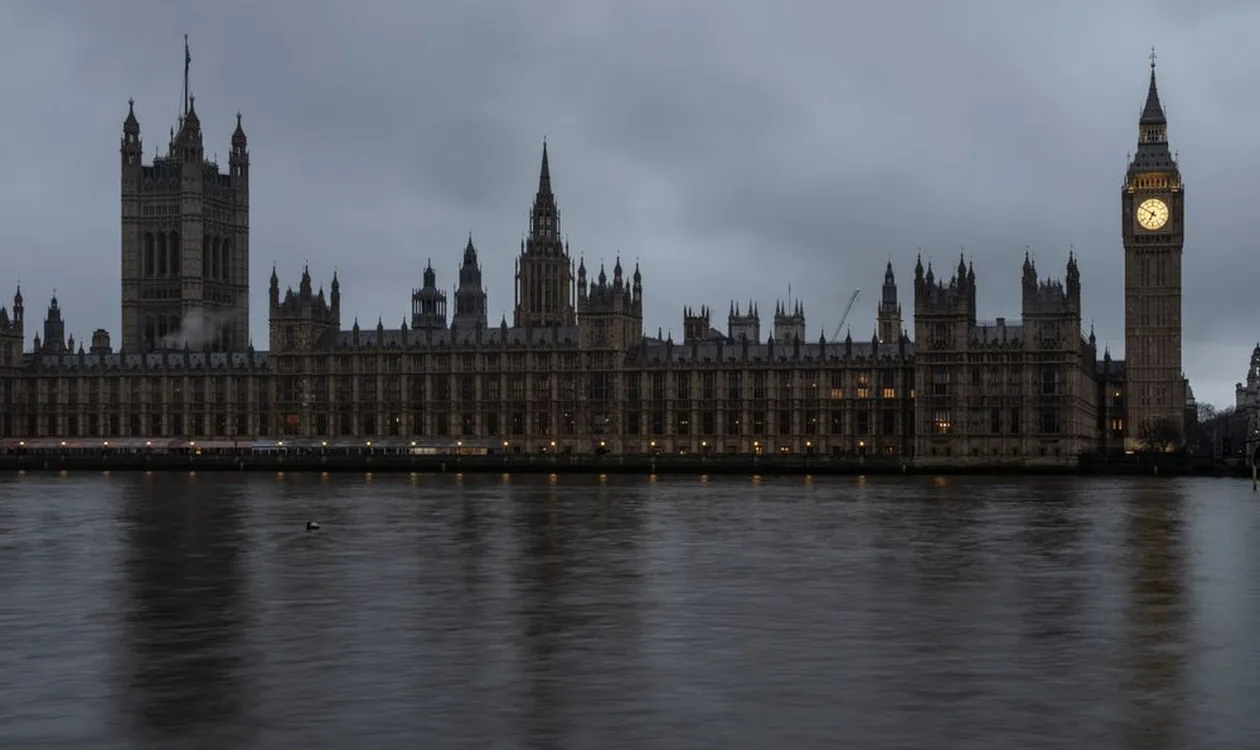
Big Ben and Parliament Square, then the South Bank walk along the Thames past the London Eye toward Borough Market. Eat at the market if you are hungry. This is the gentle arrival day: outdoors, free, and no tickets needed.
The British Museum and Covent Garden
General admission to the museum’s permanent collection is free, though a free timed ticket is recommended at busy times. Give it 90 minutes at most — the Rosetta Stone and the Egyptian rooms, then out — and spend the rest wandering Covent Garden’s market halls and side streets.
The Tower of London and the City
The Tower in the morning, then the streets of the City of London and a walk across Tower Bridge. Leave the afternoon open: this is the day to revisit somewhere you liked, or to rest before the Eurostar.
Sleep — the London guide’s sweet spot

Hoxton Holborn.
Best for style in the centre199-206 High Holborn, London WC1V 7BD. A design-forward favourite with honest prices, a buzzing lobby, and a location that puts the West End and the City within walking distance.
All three of the guide’s picks, splurge to budget, are in the London guide.
Second Landing — Paris

Arrive at Gare du Nord and take the metro to your base. The Eurostar drops you in the centre, so there is no airport transfer on this leg — just a short metro ride to your hotel. Base yourself in the Marais or Saint-Germain: central, walkable, and full of cafés and restaurants for the evenings.
The Eiffel Tower and the Champs-Élysées
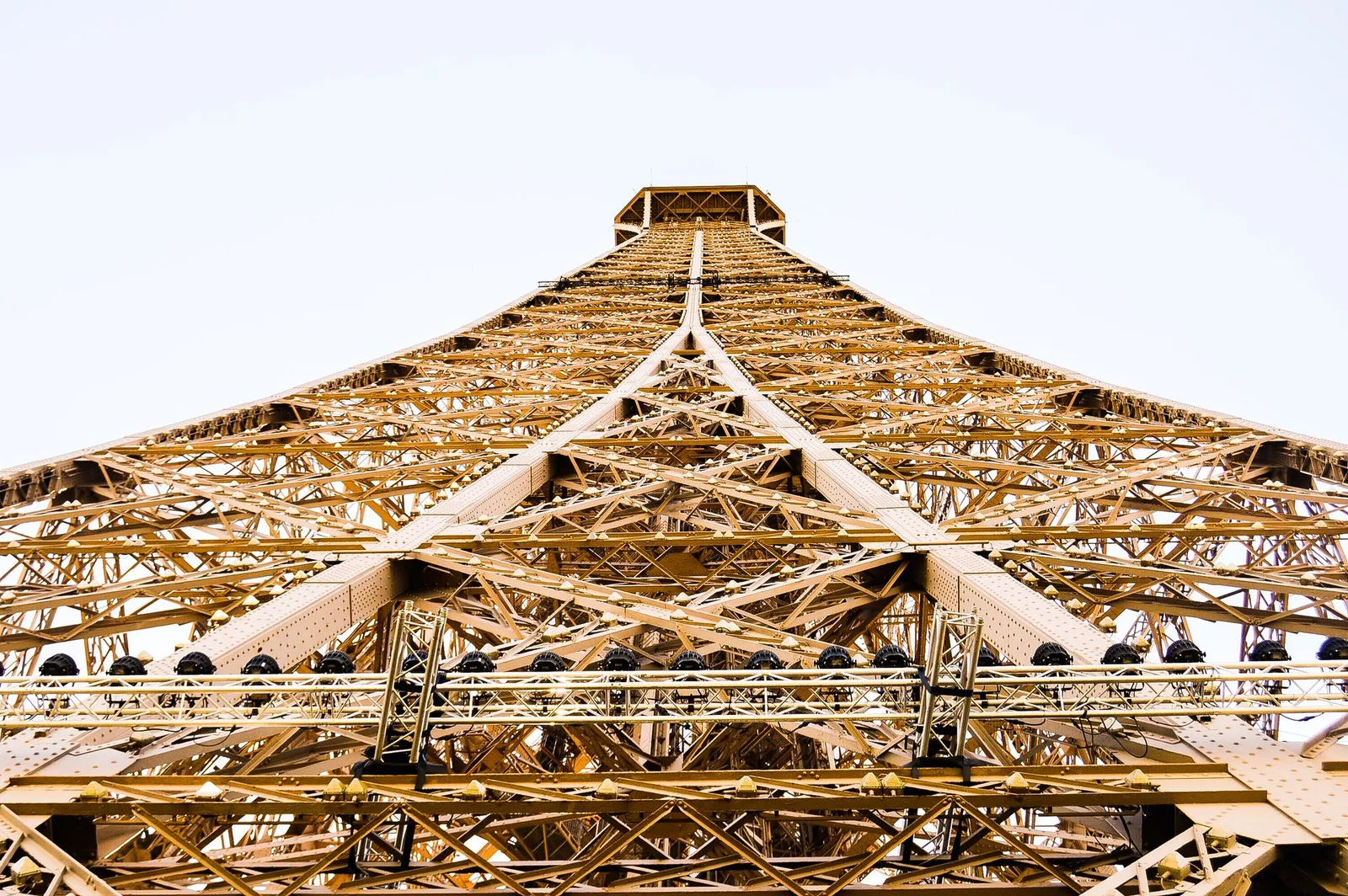
Cross the river, see the Tower, then walk the Champs-Élysées toward the Arc de Triomphe. End the day with a Seine-side walk — the river at dusk is the Paris postcard, and it costs nothing.
The Louvre and the Marais
The Louvre in the morning (arrive at opening), then the Marais in the afternoon: narrow streets, falafel, vintage shops, and the Place des Vosges. This is the culture day — one big museum, one neighbourhood, done.
Montmartre and the Latin Quarter
Sacré-Cœur in the morning for the view over the city, then the Latin Quarter in the afternoon for bookshops and the Panthéon. Leave the evening open for a last Paris dinner — the city rewards a slow final night.
Sleep — the Paris guide’s sweet spot

Hôtel Malte Astotel.
Best for value in the centre63 Rue de Richelieu, 75001. A cheerful, well-run Astotel a short walk from the Opéra and the Louvre, with the group’s signature perks — open snack bar, sauna, and genuinely warm staff.
All three of the guide’s picks, splurge to budget, are in the Paris guide.
Third Landing — Rome

Arrive at Fiumicino and take the Leonardo Express to Termini. €14, 32 minutes, non-stop. Base yourself in Monti or Trastevere: Monti is central and local-feeling, Trastevere is the evening neighbourhood across the river. Both put you within walking distance of the ancient sights.
The Colosseum and the Forum
The ancient core in the morning, then Monti in the afternoon for coffee and a slow first Roman evening. Book timed-entry Colosseum tickets ahead — the popular slots sell out.
The Vatican
St. Peter’s Basilica and the Vatican Museums, then the walk back across the river to Trastevere for dinner. This is the longest museum day on the route; start early and take the afternoon slow.
The Borghese and Trastevere
The Borghese Gallery in the morning (timed entry, book ahead), then Trastevere in the afternoon and evening: narrow lanes, trattorias, and the city’s best evening walk. This is the day Rome stops feeling like a museum and starts feeling like a neighbourhood.
One last Roman morning, then home
A final coffee, a last walk to a favourite spot, then the Leonardo Express back to Fiumicino. Leave three hours before a long-haul flight — Rome traffic is not the place to test your luck.
Sleep — the Rome guide’s sweet spot

Hotel Artemide.
Best for value near TerminiVia Nazionale 22, 00184. A polished four-star a short walk from Termini and the Colosseum, with soundproofed rooms, a rooftop terrace, and a small spa.
All three of the guide’s picks, splurge to budget, are in the Rome guide.
Getting Between the Cities
| Leg | Fastest way | Time | From |
|---|---|---|---|
| London → Paris | Eurostar, St Pancras to Gare du Nord | 2 hrs 15 | £39 booked early |
| Paris → Rome | Flight | 2 hrs in the air, 5–6 door to door | Varies by date |
| Paris → Rome | Day train | 9–11 hrs, centre to centre | Varies by date |
London to Paris: Eurostar, about 2 hours 15 minutes. St Pancras to Gare du Nord, city centre to city centre, no airport needed. Fares start from about £39 one way if you book early — the cheapest seats go first, and walk-up fares cost far more. Arrive at least an hour before departure: gates close 30 minutes before the train leaves, and passport checks sit before the platform.
Paris to Rome: train or flight, and the trade-off is real. Daytime trains take about 10–11 hours city centre to city centre, with the fastest around 9 hours. Flying takes about 2 hours in the air, or 5–6 hours door to door once you count transfers and security. Fly if time matters most; take the train if you want a low-stress, city-centre-to-city-centre day with Alpine scenery on the way. Train fares vary widely by date — check live prices before you decide.
Treat transfer days as half-days, not lost days. The Eurostar morning leaves the Paris afternoon free. A Paris–Rome flight morning leaves the Rome afternoon free. A Paris–Rome train day is the travel day — pack a book, bring snacks, and let the journey be the day’s sight.
What to Book First
Timed tickets for the big sights. The Tower of London, the Louvre and the Colosseum all reward booking ahead, and all three sit on the same layer the city guides use: London, Paris and Rome tours and timed tickets on GetYourGuide.
Flights. They set the dates — into London, home from Rome.
Eurostar. The cheapest fares sell first, so book it as soon as the flights are fixed.
Hotels. The good central bases go early in peak season.
Timed-entry sights. Last, but still before you fly — the Colosseum, the Vatican Museums and the Eiffel Tower all sell out their popular slots.
Price the open-jaw first. The flight search at the top of this page starts at London; for the full route, search flights on flights.afteryouland.com as two one-ways — into London, home from Rome — and compare against a return to London before you commit. A day or two of date flexibility usually moves the fare more than the route does.
Book the route, not the cities separately. Fly into London and home from Rome — an open-jaw ticket — rather than flying back to London at the end. It saves a day and usually costs no more than a return to one city. If your dates are flexible, compare a few departure days before you commit: shifting by a day or two can change the Eurostar fare more than the flight fare.
Leave one buffer in the plan. Three cities back to back has no slack: one delayed train or one closed museum can cascade. Keep one afternoon unplanned in each city — the buffer is what turns a disruption from a ruined day into a changed plan.
If a leg goes wrong. A cancelled flight on the London or Rome leg can carry compensation rights on top of the rebooking: AirHelp checks UK261 and EU261 claims and files them on a no-win, no-fee basis. And for the airport ends of the trip, a pre-booked Kiwitaxi car at Heathrow or Fiumicino takes the arrival negotiation off the first and last days.
Go Deeper
Region hubLanding in Europe
The continent-wide hub behind this route: Schengen, the euro, eSIMs and trains.
Layover8-Hour Layover in London
Only got a long connection at Heathrow? The honest plan for a short first taste of London.
Route ideas, in your inbox
New multi-city routes and landing-by-landing guides, plus fare finds worth acting on — a short email when there is something worth your time.
No spam, unsubscribe anytime.
Affiliate disclosure: hotel names, transfers, and experiences linked in this guide may earn After You Land a commission at no extra cost to you. Prices and times were checked in Oct 2026 and change often — confirm before you book.