In this guide
You just landed in Paris. The RER B gets you to central Paris in 35 minutes, an eSIM keeps you connected from the jet bridge, and booking Louvre and Eiffel Tower tickets before you fly is the difference between walking in and queuing for two hours.
Quick facts
Airport
Getting in
Currency
Language
Time zone
Emergency
Plugs
Tap water
Tourist tax
Best months
Map
Stays, sights, and landmarks in Paris — live hotel prices plus the key places from this guide.
Settle in
Get connected
Get an Airalo eSIM before you fly and you're online as the plane taxis in — France plans are cheap and install in minutes. Saily is a good alternative with country and regional plans. Prefer a local SIM? French law requires it to be registered to your passport, so bring it. Free Wi-Fi is standard in cafés and most hotels.
Sort money
Cards work almost everywhere in Paris, including the metro gates. Use bank ATMs (BNP Paribas, Société Générale, La Banque Postale) and always decline the "convert to your home currency" offer — paying in euros is cheaper. Keep €20–30 in cash for markets and small boulangeries.
Eat something Parisian
A still-warm croissant and a café crème at a café terrace, standing at the counter if you want the local price. Breakfast is the cheapest way to eat well in Paris.
Walk the Seine
Drop your bags and walk your neighbourhood first — find your boulangerie, your café, your metro stop. Then head for the river: the stretch from Notre-Dame to the Eiffel Tower is the fastest way to feel like you've arrived.
Getting around

Times are airport to city centre.
RER B train
Runs to Gare du Nord, Châtelet–Les Halles, and Saint-Michel; departs from the Terminal 2 station (free CDGVAL shuttle from T1 and T3)
Taxi
€56 to the Right Bank, €65 to the Left Bank; official rank outside arrivals only
Kiwitaxi transfer
Driver waits at arrivals with your name on a sign; the price is agreed before you land
Welcome Pickups
Local driver, flight tracking, and 24/7 support
CDG has three terminals — 1, 2 (the big one, split into 2A–2G), and 3 — so check yours before choosing a train or meeting point. Four ways into the centre, side by side: sort them by what matters most to you.
Times are airport to city centre.
The RER B runs roughly 5 am to midnight. After that, night buses N143 and N144 cover the CDG route, or take an official taxi — the flat fare applies day and night. The RoissyBus airport coach was discontinued in March 2026.
Skip the taxi touts. Anyone approaching you inside the terminal offering a ride is not your driver. Use the official taxi rank outside arrivals, where the flat fare (€56 Right Bank, €65 Left Bank) applies. Or skip the rank entirely and pre-book a fixed-price Kiwitaxi transfer — a driver waits at arrivals with your name on a sign, and the price is agreed before you land. Welcome Pickups is a solid alternative with the same meet-at-arrivals setup.
Flying into Orly instead? The RER B doesn't serve it — take the metro Line 14 extension straight into the centre, or pre-book a Kiwitaxi transfer from Orly and skip the connections entirely.
In the city
Paris is made for walking — most of what you want is within a few arrondissements — but the metro is fast when your feet give out. A single t+ ticket is €2.50, valid on metro, bus, and tram. Load tickets onto a rechargeable Navigo Easy card (€2 at any station machine) or straight into your phone. The Paris Visite pass covers 1, 2, 3, or 5 days of unlimited travel in zones 1–3, which is all most visitors need.
The metro runs about 5:30 am to 12:45 am (about 1:45 am on Fridays and Saturdays). After that, the Noctilien night bus network takes over on the same tickets. Buses and trams fill the gaps the metro misses; the little Montmartre funicular runs on a regular t+ ticket.
Taxis are black, metered, and plentiful at ranks — G7, FreeNow, and Bolt also operate. Rent a bike for the Canal Saint-Martin towpaths on BikesBooking, or grab a Vélib' from one of the 1,400+ stations for short hops — the first 30 minutes are cheap and the bike lanes keep getting better.
After you land in Paris: Bookable experiences
Where to stay your first nights

Hôtel Lutetia.
Best for a special occasion45 Boulevard Raspail, 75006. The Left Bank's grand dame, reborn — Saint-Germain's most storied address, with a jazz bar, a spa, and rooms that look out over the rooftops of the 6th.

Hôtel Malte Astotel.
Best for value in the centre63 Rue de Richelieu, 75001. A cheerful, well-run Astotel a short walk from the Opéra and the Louvre, with the group's signature perks — open snack bar, sauna, and genuinely warm staff.

Hôtel Champ de Mars.
Best for the Eiffel Tower on a budget7 Rue du Champ de Mars, 75007. A small family-run hotel on a quiet street near the Eiffel Tower and the Rue Cler market street — simple rooms, fair prices, and one of the best location-to-price ratios on the Left Bank.
Where to eat first

Paris eats on a schedule: lunch is the main event (look for the formule), dinner starts after eight, and anything in between is a café stop. Eat when the Parisians eat and you'll rarely go wrong.
Bouillon Chartier — the classic canteen.
Map → 7 Rue du Faubourg Montmartre, 9th. A Belle Époque dining hall serving escargots, boeuf bourguignon, and riz au lait at prices from another century. Go early or expect a queue — it seats 300 and still fills.
Du Pain et des Idées — the bakery pilgrimage.
Map → 34 Rue Yves Toudic, 10th. Christophe Vasseur's landmark boulangerie — the pain des amis and the pistachio-chocolate escargot are worth crossing town for. Take away and eat by the Canal Saint-Martin.
Breizh Café — the modern crêperie.
Map → 109 Rue Vieille du Temple, 3rd. Buckwheat galettes and organic cider in the Marais — the andouille galette and the salted-caramel crêpe both justify the hype.
Order this:
the formule — the set lunch menu (starter + main, or main + dessert) that most bistros offer on weekdays. It's the best value in Paris dining.
Skip that: dinner at six. The kitchen is still setting up and the dining room is empty — Parisians sit down after eight, and the good places don't really wake up until then.
Want the full food experience? Book a Paris food tour — a local guide takes you to the spots you'd never find alone.
Day trips and more

Versailles
The Sun King's palace and gardens, 40 minutes by RER C. Book palace entry ahead — Versailles tickets on Tiqets skip the worst of the line.
Check availability →
Giverny
Monet's house and the water-lily pond that painted Impressionism. Open April to October — go on a weekday morning.
Check availability →
Disneyland Paris
Two parks, one RER A ride to Marne-la-Vallée. Buy tickets online before you go — gate prices are the highest tier.
Check availability →Staying longer?
Sainte-Chapelle (the stained glass upstairs) · Musée de l'Orangerie (Monet's Water Lilies, no crowds) · Canal Saint-Martin (picnic-and-stroll Sunday afternoons).
When to go and what it costs
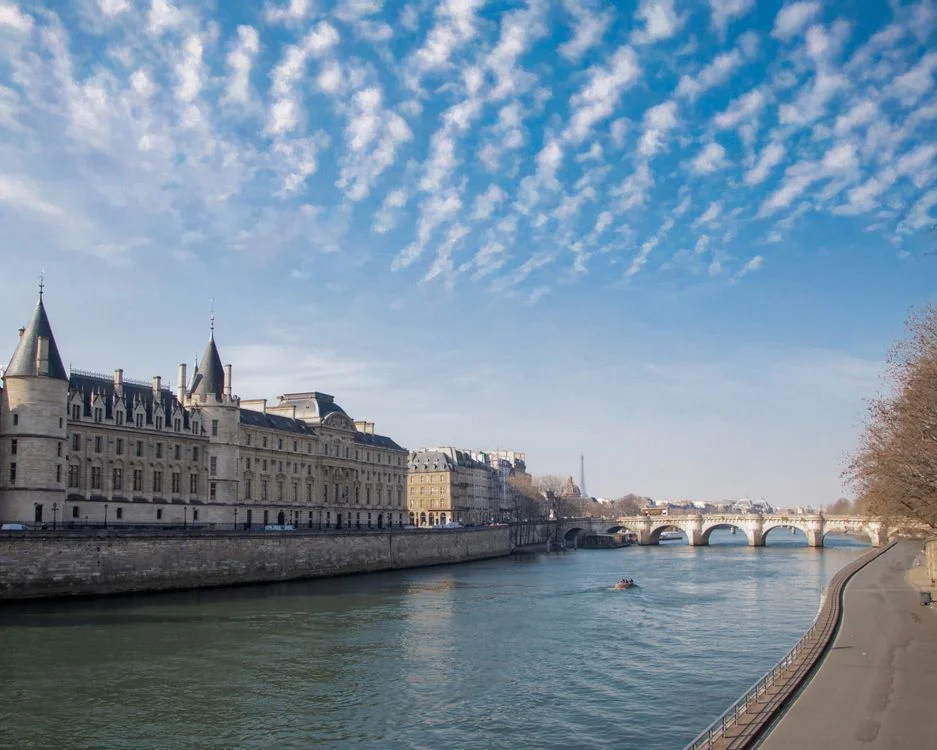
Late spring (May-June) and early fall (September-October) are the sweet spot: mild weather, long evenings, terraces in full swing, and thinner crowds than July and August. Summer is warm and festive but packed — and many small shops close in August. Winters are grey and damp but mild (daytime highs around 7–9°C), with short lines at the big museums and lower hotel rates.
Rough daily budgets per person: budget €100–150 (hostel or budget hotel, boulangerie breakfasts, one bistro meal), mid-range €200–300 (central hotel, museum entries, proper dinners), comfortable €400+ (boutique hotel, the good restaurants, taxis when it rains). Museum passes pay off fast if you're hitting the big sights.
Visiting in peak season? The Go City Paris pass bundles the Eiffel Tower, the Louvre, a Seine cruise and more — worth it if you're hitting 3+ sights.
What to pack
Tap items to check them off — your list is saved on this device.

- Broken-in walking shoes — Paris is a 20,000-step-a-day city on cobblestones. Shop walking shoes on Amazon →
- Light layers for shifting temperatures, plus a compact umbrella and light rain jacket — showers blow through year-round. Shop umbrella on Amazon →
- A crossbody bag with a zipper, worn in front on the metro. Shop crossbody on Amazon →
- Sunscreen — the Seine embankments reflect more sun than you'd think. Shop sunscreen on Amazon →
- A refillable water bottle — the green Wallace fountains are drinkable. Shop water bottle on Amazon →
- A Type C/E plug adapter. Shop adapter on Amazon →
- A small daypack for Versailles or Giverny day trips — toss in a power bank; maps and metro apps drain batteries fast. Shop power bank on Amazon →
- A scarf — churches ask for covered shoulders, and it doubles up on chilly trains.
As an Amazon Associate I earn from qualifying purchases.
Language, visa and entry
✓ Visa-free entry
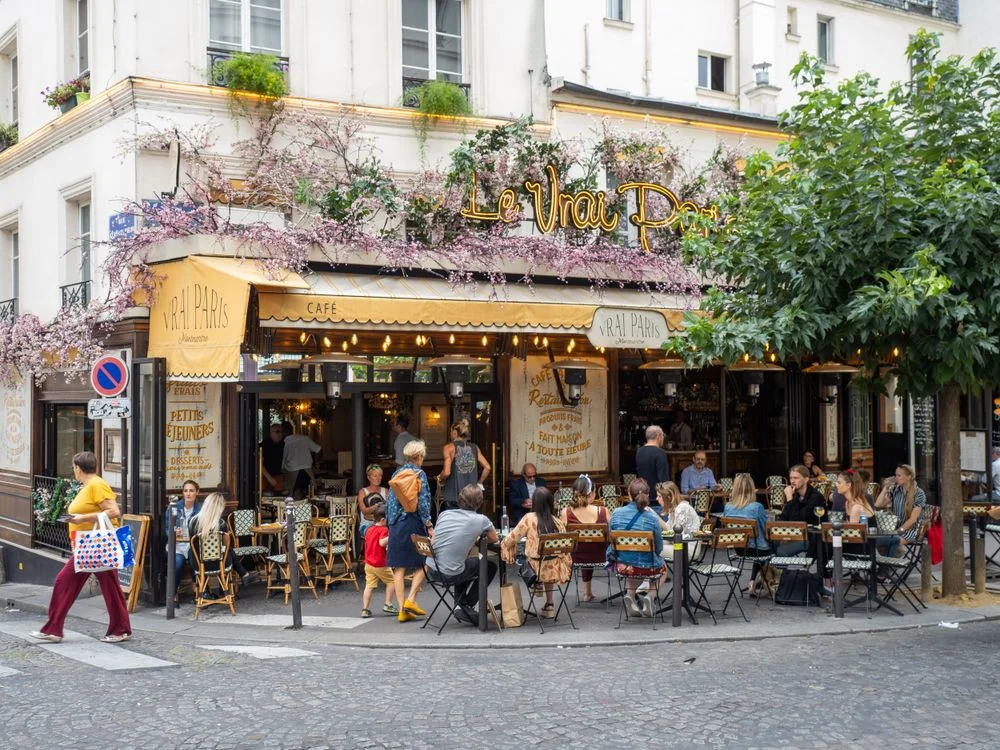
Paris runs on French, and a little effort goes a very long way. Always start with "bonjour" — skipping the greeting is the fastest way to get the cold shoulder. English works in the centre and at the big sights; less so in neighbourhood shops.
If you need a visa, apply well in advance at a French consulate. In an emergency, dial 112.
Safety and health
Pickpockets, not violence
Paris's main crime problem is pickpocketing. Keep your bag zipped and in front of you on the metro (lines 1, 4, and 9 are the hotspots), around the Eiffel Tower, and at Sacré-Cœur. Never leave your phone on a café table.
Street scams
Decline the petition signers, the "found" gold ring, and the string bracelets at Montmartre and the big sights — they're all setups for a shakedown or a lift. A firm "non, merci" and keep walking.
Health cover
EU visitors: carry a European Health Insurance Card (EHIC). UK visitors: a Global Health Insurance Card (GHIC). Both cover medically necessary state care in France's public system. They are NOT travel insurance — no private clinics, no repatriation. Bring the physical card, and consider proper travel insurance anyway.
Pharmacies and emergency
Pharmacies (green cross) handle minor issues without an appointment — the pharmacist can advise and dispense for most small problems. For emergencies, call 112 — or 15 for an ambulance (SAMU) and 17 for the police.
Related destinations
If you liked Paris, try these next:
 Europe
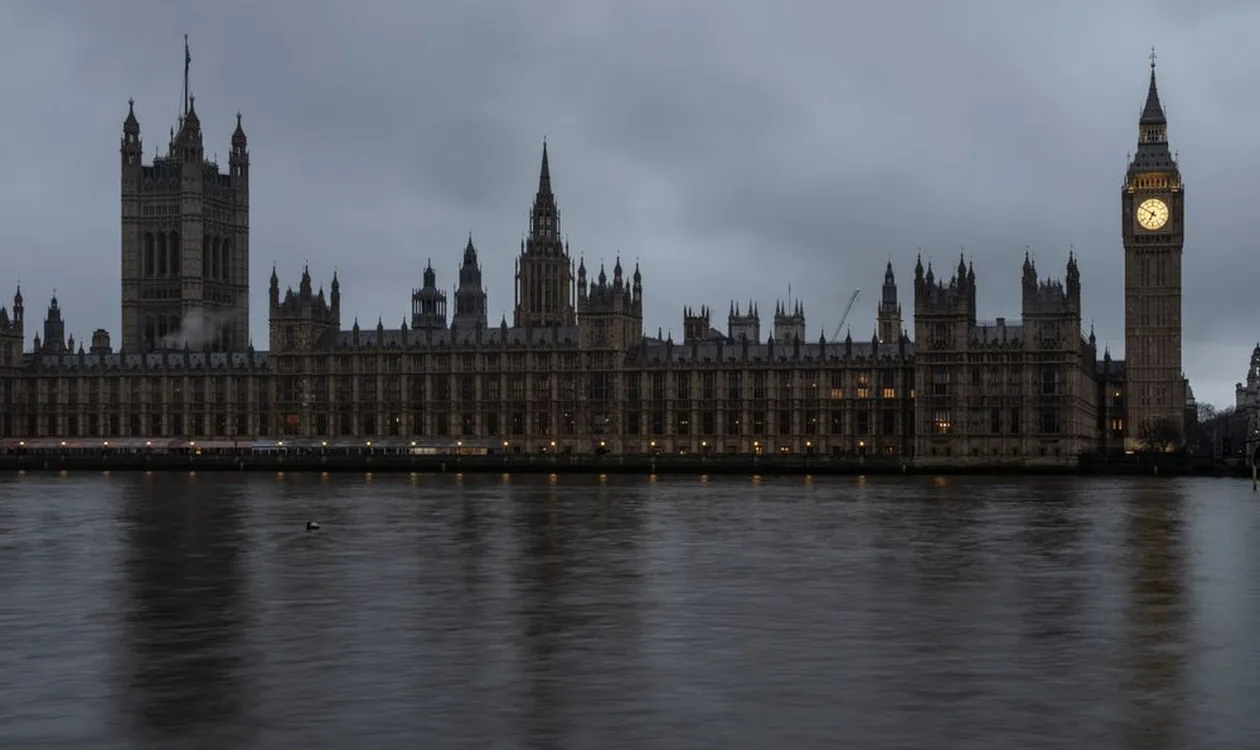
London
Eurostar, just over 2 hours
 Europe
Rome
the other classic city break
 Europe
Barcelona
fast train via the south of France
 Europe
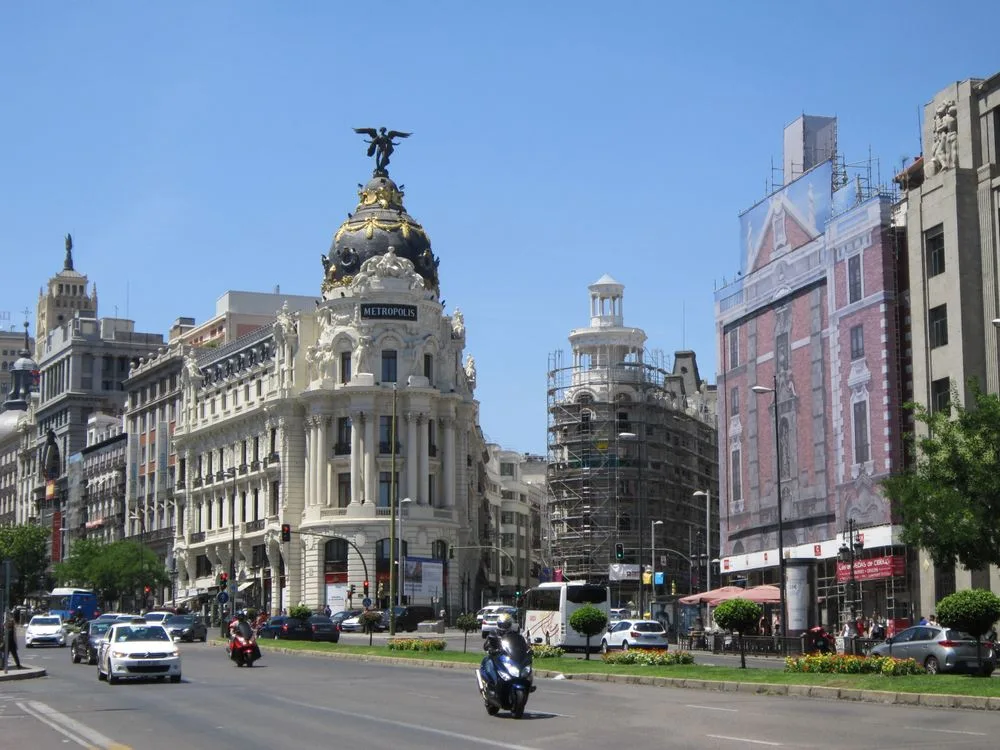
Madrid
Spain's capital, pair it with Barcelona
 Europe
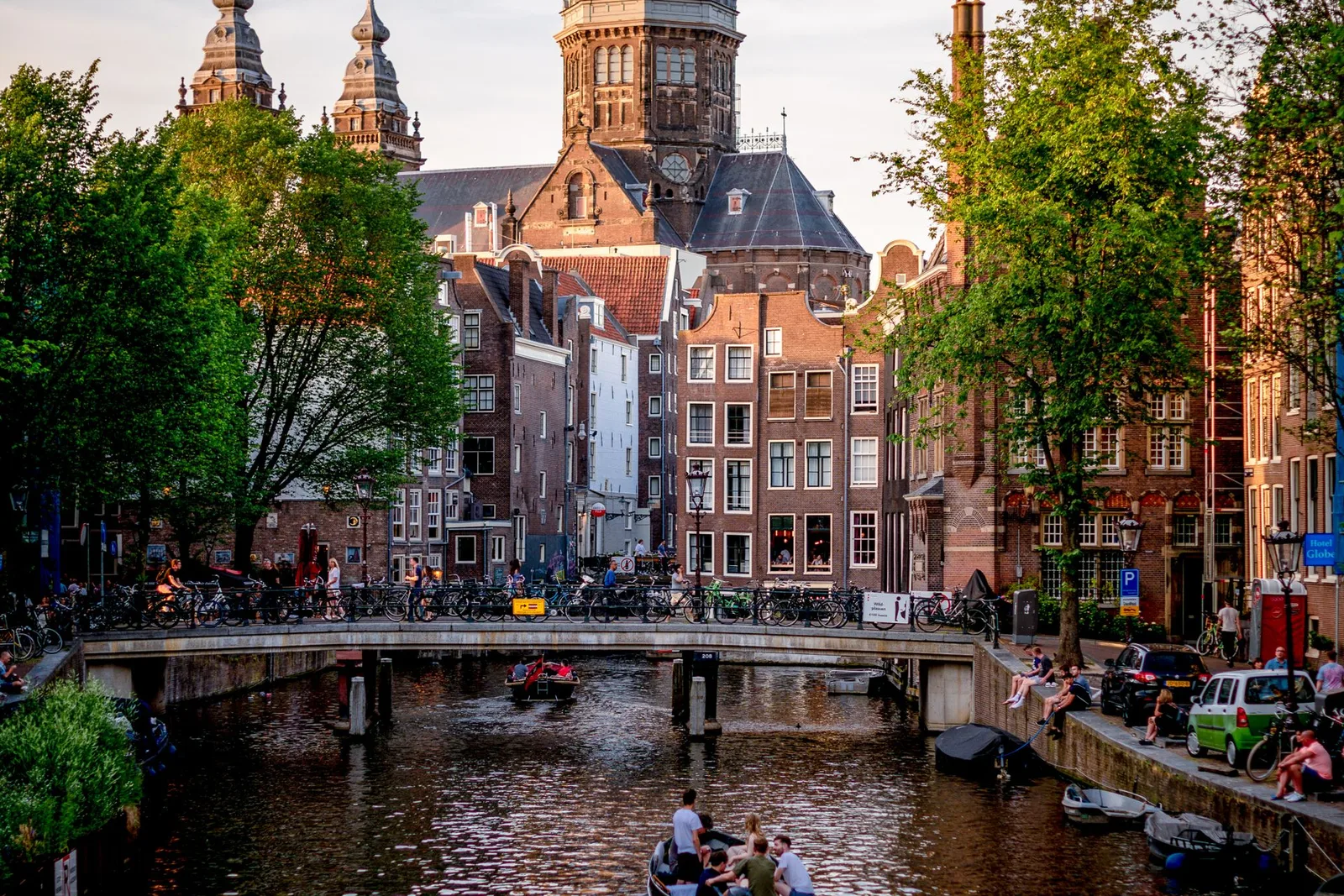
Amsterdam
about 3.5 hours by train
 Europe
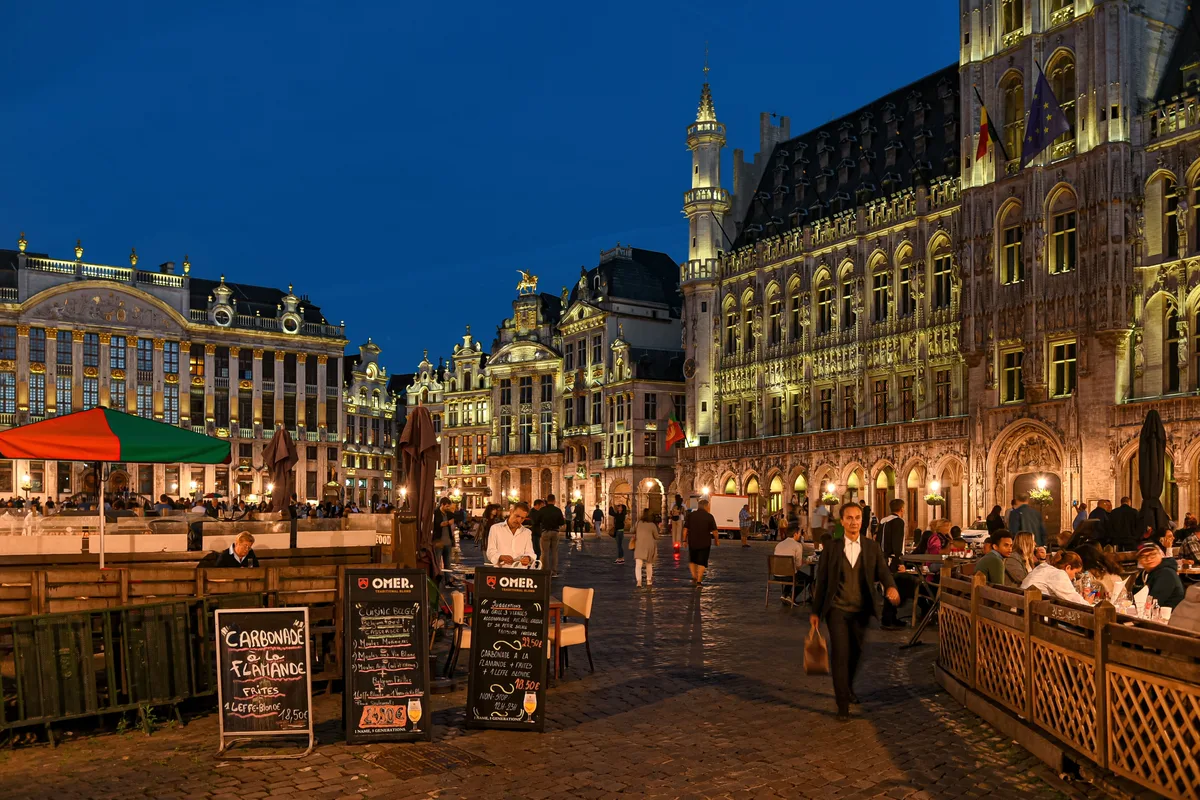
Brussels
under 1.5 hours by train
 Europe
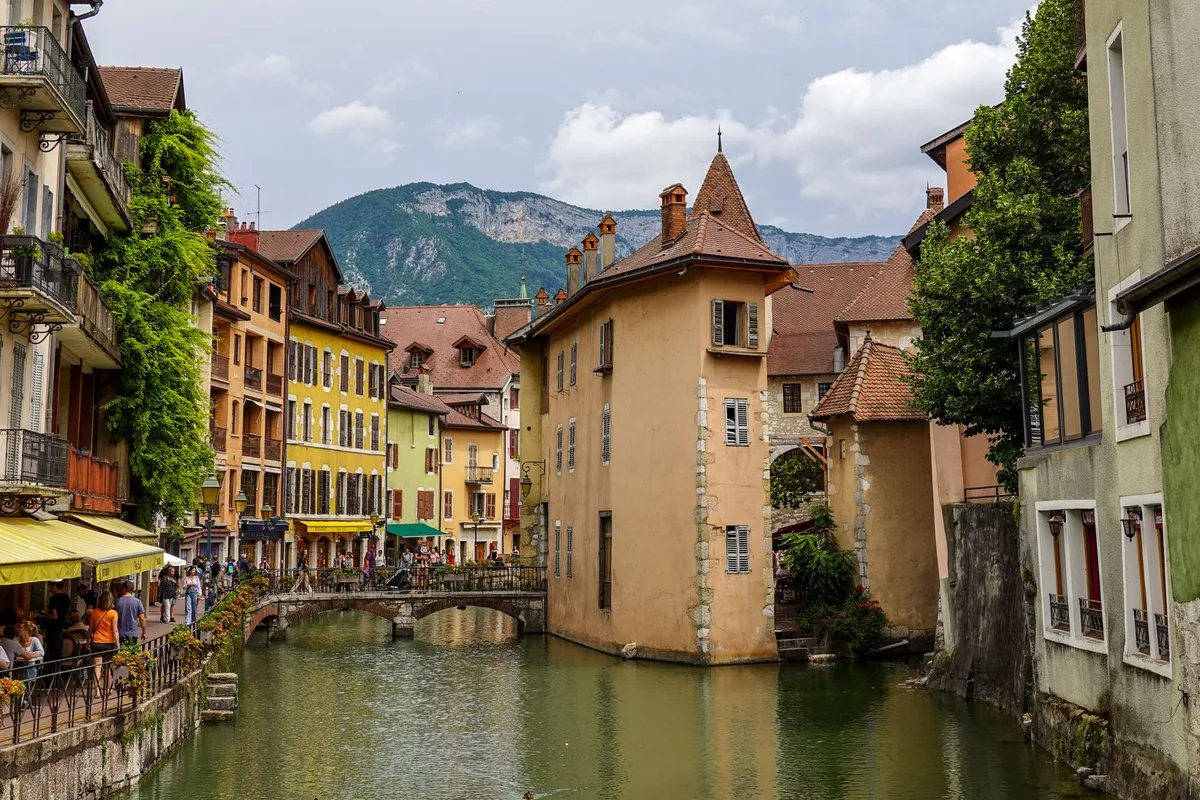
Annecy
the Venice of the Alps, about 3.5 hours by TGV
 Europe
Nice
the Riviera, by fast train or short flight
 Europe
Lyon
France's food capital, 2 hours by TGV
 Europe
Marseille
the Mediterranean, about 3.5 hours by TGV
Frequently asked questions
The answers that decide the trip — airport transit, visa and ETIAS, tap water, best time, money, and safety.
Answers verified October 2026. Prices are ranges and change — confirm when you book.
From CDG, RER B costs €14 and takes about 35–45 minutes to Gare du Nord. From Orly, Métro 14 costs €14 and takes about 25 minutes to Châtelet.
Taxi flat rates are €56 (Right Bank) / €65 (Left Bank) from CDG and €36 (Left Bank) / €45 (Right Bank) from Orly. RoissyBus and OrlyBus no longer run.
US, UK, Canadian, Australian, and other visa-exempt visitors get 90 days in any rolling 180-day Schengen period.
ETIAS is not yet launched and no applications are being taken — check current status before travel. The EES entry/exit system has been fully operational since 10 April 2026 (fingerprints + photo at the border). Your passport must be valid at least 3 months past your planned departure and issued within the last 10 years.
Yes. Eau de Paris runs 500,000-plus quality tests per year. Wallace fountains provide free drinking water, including some sparkling-water fountains.
Avoid taps and fountains marked “eau non potable.” A carafe d’eau is free in restaurants.
Spring (April–June) and early autumn (September–October) are best — mild weather and manageable crowds.
Summer brings the biggest crowds, highest prices, and real heat, and many Parisian restaurants and shops close in August. Winter has the cheapest hotels and shortest museum queues.
Cards are accepted almost everywhere, including the metro. Carry €20–40 in cash for bakeries, markets, and cash-only cafés.
Use bank ATMs (BNP Paribas, Société Générale) and skip Euronet machines. A carafe d’eau is free in restaurants.
Paris is a low violent-crime city for tourists; the main risk is pickpocketing and non-violent scams (petition/clipboard, gold-ring drop, friendship bracelet, shell game, fake police, unlicensed taxis, fake ticket sellers) in crowded zones.
Say “non merci,” don’t stop or engage, and keep valuables in a front pocket or zipped bag. Emergency: 112 (EU-wide), 15 medical, 17 police, 18 fire.
Entry rules, taxes, and fares change — this page is re-verified on a schedule, and anything time-sensitive says so.
Paris, in your pocket
Landing soon? Get the printable PDF — ticket links, the airport transport cheat sheet, our 3 restaurant picks with maps, and the packing checklist. Everything above, formatted for your phone.
One email with your Paris PDF. Fare changes and new guides after that. No spam, unsubscribe anytime.
Sources and last verified
This guide was last verified in October 2026. Key sources:
- Paris metro, RER, and fares — RATP
- CDG and Orly airport information — Paris Aéroport
- Official visitor information — Paris je t'aime – Tourist Office
- Entry and visa rules — France Diplomacy
Found an error? Report it — we fix verified corrections within 48 hours.
Affiliate disclosure: hotel names, transfers, experiences, and products linked in this guide may earn After You Land a commission at no extra cost to you. Prices and times were checked in Oct 2026 and change often — confirm before you book.