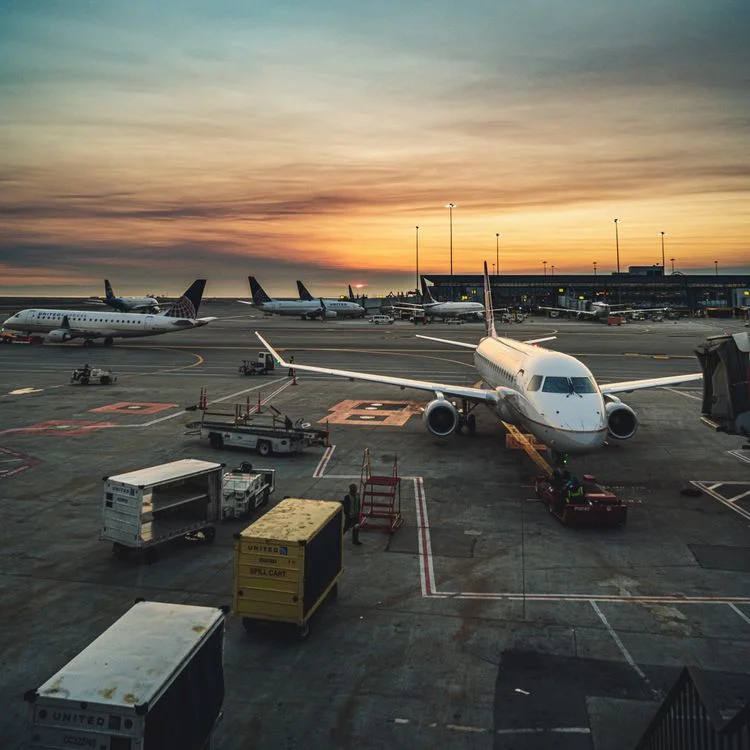
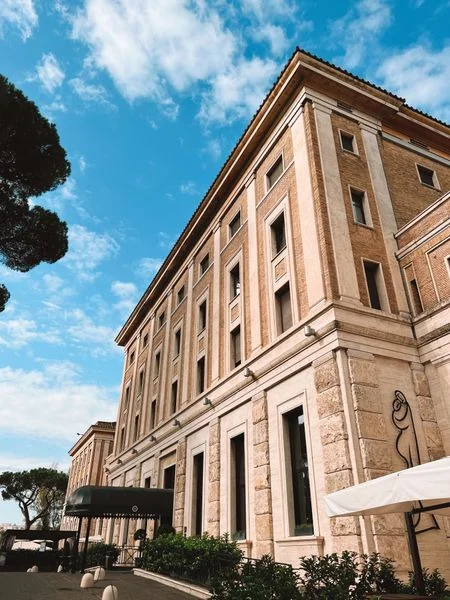
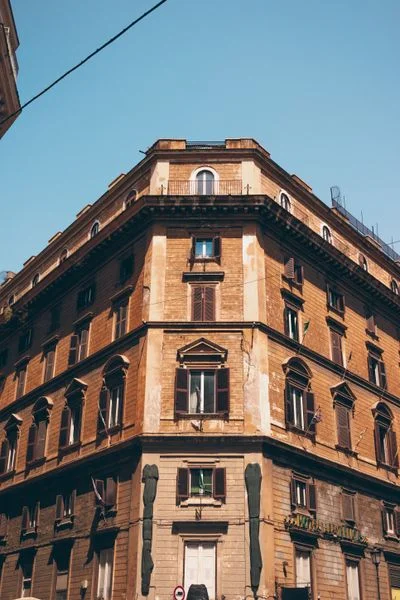
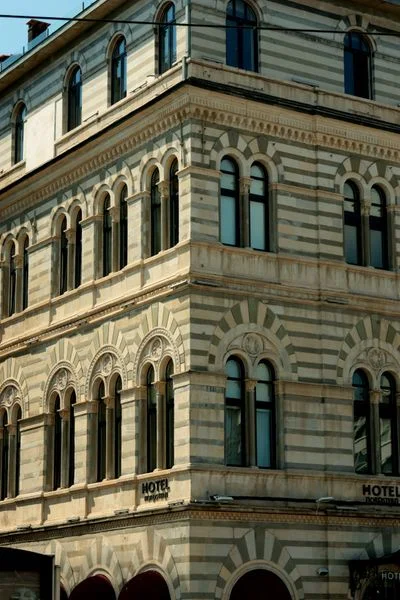
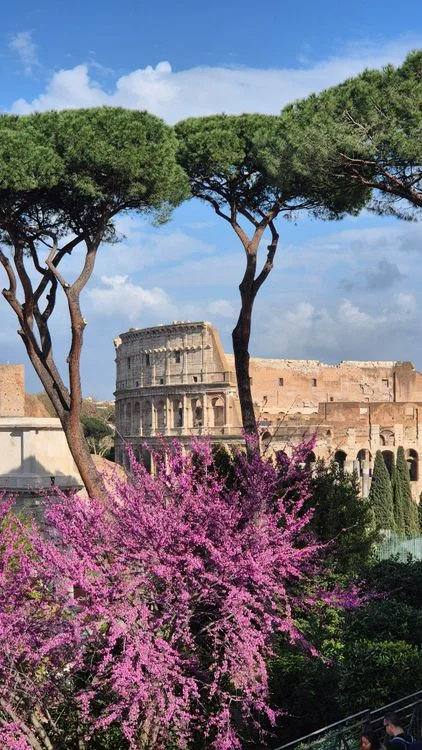
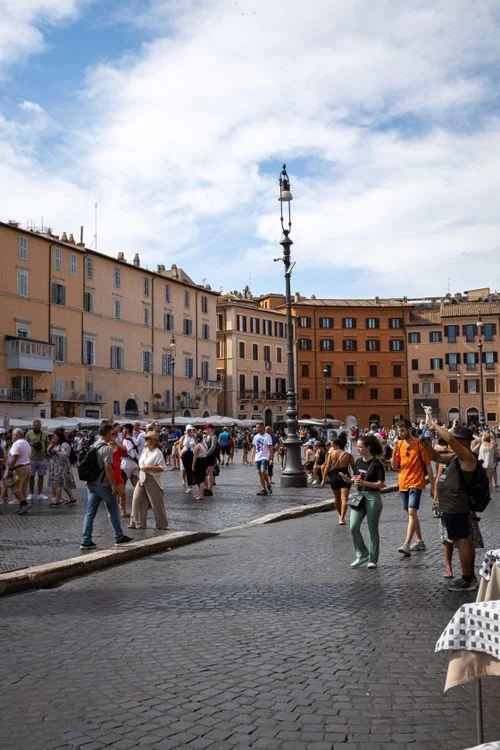
You just landed in Rome — the Eternal City of ancient ruins, cobbled piazzas, and late-night gelato. It is layered, loud, and easy to love once you learn its rhythm: mornings for the monuments, afternoons for the neighbourhoods, dinner after eight, and gelato after that.
By Paul GreenUpdated Oct 202610 min readPrices checked Oct 2026
You just landed in Rome. The Leonardo Express gets you to Termini in 32 minutes, an eSIM keeps you connected from the jet bridge, and booking Colosseum and Vatican Museums tickets before you fly is the difference between walking in and queuing for two hours.
Quick facts
Airport
Fiumicino (FCO), about 30 km southwest of the centre; Ciampino (CIA) handles the budget airlines, closer in to the southeast.
Getting in
Leonardo Express €14, about 32 minutes to Roma Termini; regional train €8; taxi flat €55 within the city walls; bus €6–7. From Ciampino, the bus or a pre-booked Kiwitaxi are the sensible options.
Currency
Euro (€). Cards are widely accepted; cash still rules at small bars and market stalls.
Language
Italian. A few phrases go a long way see below.
Time zone
Central European Time (CET), UTC+1; Central European Summer Time (CEST), UTC+2, late March to late October.
Emergency
112 for police, fire, and ambulance.
Plugs
Type C, F, and L, 230V. The Italian 3-pin (L) is standard, but most C and F plugs fit.
Tap water
Safe to drink. The nasoni street fountains run with cold, clean water bring a bottle and refill freely.
Tourist tax
Best months
Late spring (May–June) and early fall (September–October) are the sweet spot warm, lively, and less packed than August.
Map
Find your arrival stop, hotel, and first meal. Stays, sights, and landmarks in Rome — live hotel prices plus the key places from this guide.
Get an Airalo eSIM before you fly and you are online as the plane taxis in — Italy plans are cheap and install in minutes. Saily is a good alternative with country and regional plans. Prefer a local SIM? Italian law requires it to be registered to your passport, so bring it. Free Wi-Fi is standard in cafés and most hotels.
Sort money
Cards work in most places, including metro ticket machines. Keep €30–40 in cash for small bars, market stalls, and the cover charge (coperto) that appears on bills when you sit down — standing at the bar is cheaper and more Roman.
Eat something Roman
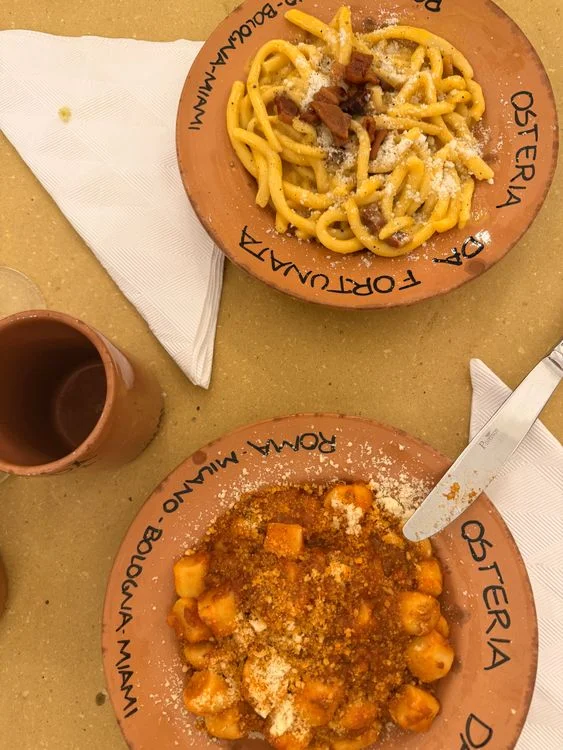
A plate of carbonara and a supplì (fried rice ball) at a lunch counter, followed by your first gelato of the trip. Rome does not do food slowly the first time — it does it immediately.
Walk to the Pantheon
Drop your bags and head for the Pantheon — the one ancient monument that lands instantly, still doing its job 2,000 years on. Stand under the oculus and let the first hour do the rest. Save the Colosseum for tomorrow: it is the ticketed headliner, so book Colosseum tickets on Tiqets the night before — timed entry sells out days ahead in high season.
Getting around
Journey times are approximate and refer to the listed stop — not necessarily your hotel. Allow extra time for waiting, walking, and connections.
Leonardo Express
Nonstop to Roma Termini, every 15–30 min
Price€14Journey~32 min
FL1 regional train
To Trastevere, Ostiense, Tiburtina — not Termini
Price€8Journey~50 min
Taxi
Fixed fare FCO to anywhere inside the city walls
Price€55 flatJourney~40–60 min
Bus (SIT, Terravision, Cotral)
To Termini; cheapest option, slowest in traffic
Price€6–7Journey~55–70 min
FCO is the big airport with the train links; Ciampino is closer but bus-only. Four ways from Fiumicino into the centre, side by side: sort them by what matters most to you.
From Ciampino there is no train — take the bus to Termini (about 30–40 minutes) or a taxi on the €31 fixed fare.
Skip the taxi touts. Anyone approaching you inside the terminal offering a ride is not your driver. Use the official white-taxi rank outside arrivals, where the meter runs and the fixed fares are posted. Or skip the rank entirely and pre-book a fixed-price Kiwitaxi transfer — a driver waits at arrivals with your name on a sign, and the price is agreed before you land. Welcome Pickups is a solid alternative with the same meet-at-arrivals setup.
In the city
The historic centre — Pantheon, Piazza Navona, Trevi, the Spanish Steps — is walkable, but the distances add up fast in summer heat. The metro has three lines: A (orange) and B (blue) cross at Termini; C (green) serves the eastern suburbs and stops short of the centre. A BIT ticket is €1.50 for 100 minutes; day passes run €7 for 24 hours, €12.50 for 48 hours, and €18 for 72 hours, with a weekly CIS pass at €24.
Buses and trams fill the gaps the metro misses — tram 8 to Trastevere, the 64 and 40 to the Vatican (Vatican Museums tickets on Tiqets let you skip the worst of the line). Validate every ticket on boarding; inspectors fine on the spot. After midnight, night buses (marked N) run the main routes. Taxis are white and metered with a small luggage supplement; FreeNow and itTaxi also operate.
Rent a bike on BikesBooking for the Appia Antica on a Sunday, when the ancient road closes to cars. For the airport run back, the Leonardo Express from Termini is the reliable choice — the FL1 regional train is cheaper but does not stop at Termini. Leaving before the first train? A pre-booked Kiwitaxi transfer runs 24/7.
After you land in Rome: Bookable experiences
Where to stay your first nights
Splurge
Hotel de Russie.
Best for a special occasion
Via del Babuino 9, 00187. A storied luxury hotel between Piazza del Popolo and the Spanish Steps, built around a secret terraced garden that feels hidden from the city. Rooms are calm and classic, the Jardin de Russie restaurant draws a well-heeled crowd, and the location puts the historic centre on foot.
Via Nazionale 22, 00184. A polished four-star a short walk from Termini and the Colosseum, with soundproofed rooms, a rooftop terrace, and a small spa. Well placed for first-timers who want the sights close without the old-town prices.
Via Marghera 8, 00185. A friendly, design-conscious budget stay near Termini with dorms and private rooms, a garden café, and a calm, social atmosphere. A reliable base for travellers watching the budget.
Rome eats after eight, and the day is built around it. Dinner at seven means an empty dining room; lunch is the main event and the aperitivo hour bridges the gap.
Roscioli — the carbonara benchmark.
Map → Via dei Giubbonari 21. Bakery, deli, and restaurant in one — the carbonara here is the reference point for every other carbonara you will eat. Book ahead; it fills fast.
Trapizzino — street food done right.
Map → Via Giovanni Branca 88, Testaccio. Triangular pockets of pizza bianca stuffed with Roman classics — pollo alla cacciatora, parmigiana. Cheap, fast, and genuinely good.
Gelateria del Teatro — artisan gelato.
Map → Via dei Coronari 65. Small-batch gelato made in the back room, with flavours that change by season. The walk along Via dei Coronari is half the pleasure.
Order — la carbonara.
Guanciale, pecorino, egg, pepper — and no cream, ever. Order it once at Roscioli and once somewhere unassuming, and compare.
Order — un supplì al telefono.
The fried rice ball with a molten mozzarella core. The name comes from the cheese strings — al telefono, like old telephone cords.
Order — gelato for the walk.
A small cone (piccolo) is the Roman evening ritual. Two flavours maximum, eaten while walking.
Skip — cream in the carbonara.
If the menu photo shows a white, creamy sauce, keep walking. The real thing is glossy, not soupy.
Skip — dinner at seven.
The kitchen is still warming up and the dining room is empty. Hold out until at least eight.
Want the full food experience? Book a Rome food tour — a local guide takes you to the spots you would never find alone.
Day trips and more
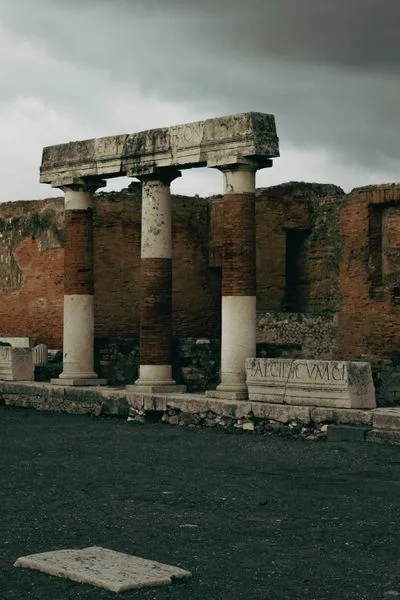
All three are easy from Rome — trains and buses do the work, and guided day tours handle the logistics if you would rather not plan it yourself. Going independent? Book Pompeii tickets on Tiqets in advance — the gate line is the part everyone regrets.
Ostia Antica
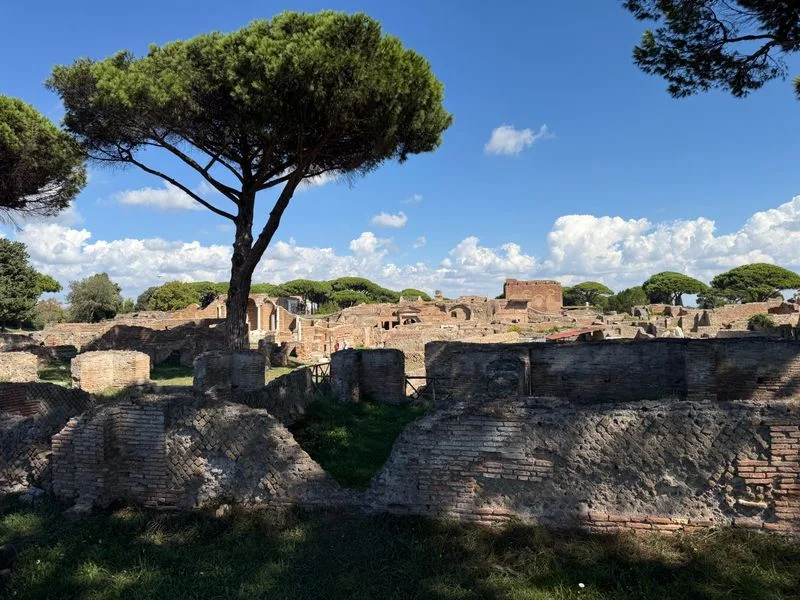
Rome's ancient port city, remarkably intact. Half a day, easy train ride.
Late spring (May–June) and early fall (September–October) are the sweet spot: warm enough for long evenings outdoors, cool enough for the Forum, and without the August crush. July and August are hot — often over 35°C — and many Romans leave the city in mid-August for Ferragosto, when some small businesses close. Winters are mild, with daytime highs around 12–14°C, and the major sights are far less crowded.
As a rough guide: budget travellers spend around €90–140 per day, mid-range trips run €180–280 per day, and comfortable trips with central hotels and guided tours land at €350 and up. Prices spike around Easter, Christmas, and major events — book accommodation early for those weeks.
Visiting in peak season? Book Colosseum and Vatican tours with skip-the-line entry — the queues are the trip-killer, not the sights.
What to pack
Tap items to check them off — your list is saved on this device.
As an Amazon Associate I earn from qualifying purchases.
Language, visa and entry
Rome speaks Italian, and Romans appreciate even clumsy attempts at it. English works in the centre and at major sights, less so in neighbourhood trattorias.
buongiorno good morninggrazie thank youper favore pleasearrivederci goodbye
A buongiorno on entering a shop and a grazie on leaving earn real goodwill. Attempt the Italian first; switch to English only if you get a blank stare.
Safety and health
Pickpockets, not violence
Rome's main crime problem is pickpocketing. Keep your bag zipped and in front of you on the metro (especially line A), at Termini station, and around the Colosseum and Trevi Fountain. Never leave your phone on a café table.
Traffic is the real danger
Scooters and cars treat red lights as suggestions. Cross at zebra crossings, make eye contact with drivers, and walk with purpose — hesitation confuses everyone. Look both ways even on one-way streets.
Heat and hydration
Summer heat in Rome is serious — the stone reflects it back at you. Carry water, refill at the nasoni, rest in the shade at midday, and plan the Forum and Palatine Hill for the morning.
Pharmacies and emergency
Pharmacies (green cross) handle minor issues without an appointment. For emergencies, call 112 — police, fire, and ambulance.
The answers that decide the trip — airport transfers, entry rules, tap water, best time, money, and safety.
Answers verified October 2026. Prices are ranges and change — confirm when you book.
Take the Leonardo Express — €14, 32 minutes, non-stop to Roma Termini. The FL1 regional train is €8 to Trastevere or Ostiense — it does not stop at Termini.
A shuttle bus is about €6–8 (45–60 minutes). A taxi is a fixed €50 to anywhere inside the Aurelian Walls — use the official taxi rank outside arrivals only.
US, UK, Canadian, Australian, and New Zealand passport holders can stay up to 90 days in any 180-day period in the Schengen area without a visa.
ETIAS is not in operation and has no announced launch date — you do not need one, and you should pay no site selling one. The EU’s Entry/Exit System (EES) is live: expect biometric registration at the border.
Yes. Rome’s tap water is safe, and the city’s ~2,500 nasoni street fountains pour the same water free. Block the spout with a finger and the water arcs up from the top hole.
Don’t drink from the monumental fountains (Trevi, etc.) — they’re decorative.
April–May and September–October offer the best combination of mild weather and manageable crowds.
Summer (July–August) is hot (31–38°C) and crowded, with some local closures around Ferragosto (15 August). January–February is cheapest and quietest.
Cards are widely accepted, but carry cash for small trattorias, markets, and coffee bars. Use bank ATMs, not currency exchanges.
A standing espresso is €1.10–1.50; sitting down in a piazza can be €5+. A small coperto (cover charge) on restaurant bills is normal.
Violent crime is rare, but pickpocketing is common at Termini station, on bus 64, on crowded metro cars, and around the Colosseum, Trevi Fountain, and Spanish Steps.
Keep your bag zipped and in front of you, decline bracelet/rose “gifts” and gladiator photos, and use official white taxis only. In an emergency, call 112.
These answers cover the questions every Rome traveler asks before booking. Entry rules, taxes, and fares change — this page is re-verified on a schedule, and anything time-sensitive says so.
Rome, saved for arrival
Landing soon? Get the printable PDF — the essentials from this guide, formatted for your phone:
The airport transport cheat sheet, with ticket links
Our 3 restaurant picks, with maps
The packing checklist
One email with your Rome PDF (guide version: Oct 2026). Fare changes and new guides after that. No spam, unsubscribe anytime.
Sources and last verified
This guide was last verified in October 2026. Key sources:
Affiliate disclosure: hotel names, transfers, experiences, and products linked in this guide may earn After You Land a commission at no extra cost to you. Prices and times were checked in Oct 2026 and change often — confirm before you book.