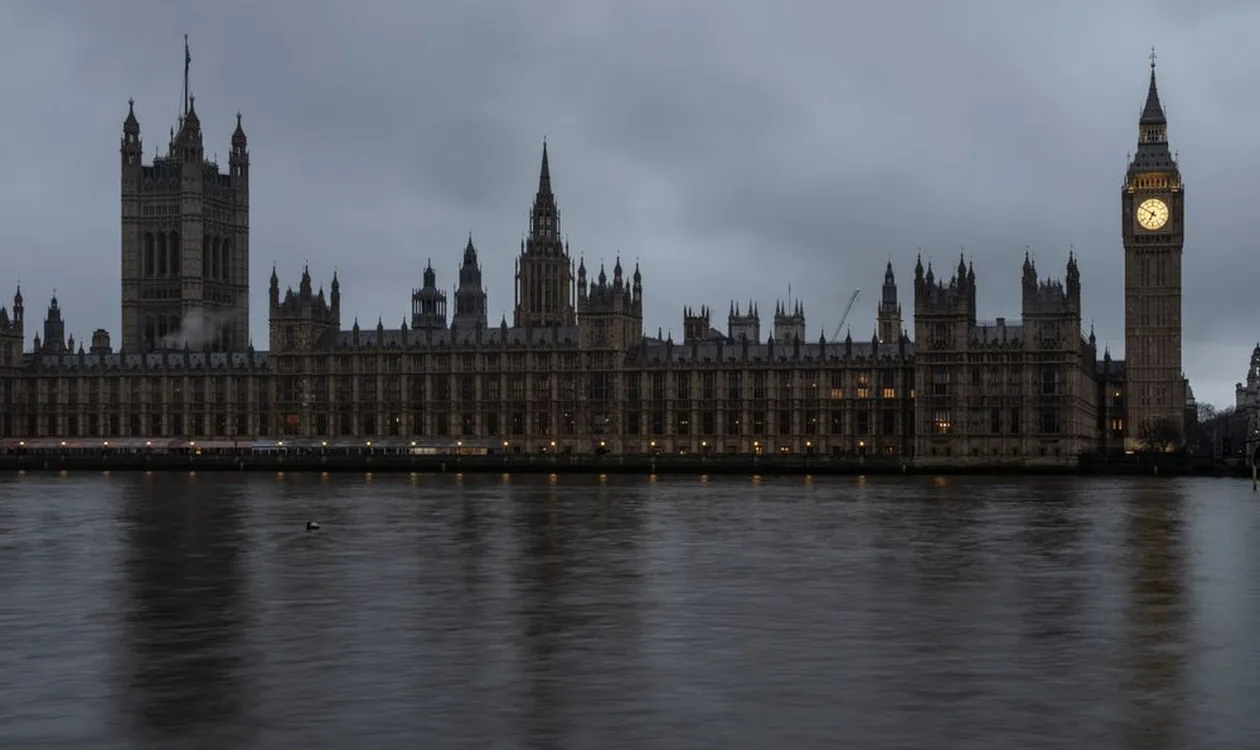
London: your first hour after landing
You just landed in London — the city of the Tube, the Thames, and fish and chips eaten on a park bench. It is big, rainy-at-random, and endlessly rewarding once you learn its rhythm: mornings for the sights, afternoons for the parks, evenings for the pub.
In this guide
You just landed in London. The Elizabeth line gets you to central London in 35 minutes, an eSIM keeps you connected from the jet bridge, and booking Tower of London and London Eye tickets before you fly is the difference between walking in and queuing for two hours.
Quick facts
Airport
Getting in
Currency
Language
Time zone
Emergency
Plugs
Tap water
Best months
UK ETA
Map
Stays, sights, and landmarks in London — live hotel prices plus the key places from this guide.
Settle in
Get connected
Get an Airalo eSIM before you fly and you are online as the plane taxis in — UK plans are cheap and install in minutes. Saily is a good alternative with country and regional plans. Free Wi-Fi is standard in cafés and most hotels.
Sort money
Cards and contactless payments work almost everywhere, including Tube and bus gates. Keep £10–20 in cash for the odd small café or street-market stall.
Eat fish and chips
Find a proper chippy — golden cod or haddock, thick chips, salt and vinegar — and eat them the way they are meant to be eaten: straight from the paper, ideally near a park.
Walk the South Bank
Drop your bags and stroll the Thames path from Westminster Bridge to Tower Bridge — street performers, book stalls, and the skyline doing its best work at sunset.
Getting around

Times are airport to city centre.
Elizabeth line
Direct to Paddington, Bond Street, and Liverpool Street; contactless accepted
Heathrow Express
Fastest to Paddington; book ahead for the best fares
Piccadilly line
Cheapest rail option, to central London via Hammersmith and South Kensington
Taxi
Door to door; licensed black cabs use the official rank outside arrivals
Heathrow sits about 25 km west of central London with four rail and road routes in; Gatwick is south of the city with its own direct train links. Four Heathrow ways into the centre, side by side: sort them by what matters most to you.
From Gatwick, the Southern and Thameslink trains reach London Bridge and Victoria in about 30–45 minutes, or the non-stop Gatwick Express to Victoria in ~30 minutes. After midnight, the Night Tube runs on the Piccadilly line to Heathrow on Fridays and Saturdays; at other times, night bus N9 covers the Heathrow route.
Skip the taxi touts. Anyone approaching you inside the terminal offering a ride is not your driver. Use the official black-cab rank outside arrivals, or pre-book a fixed-price Kiwitaxi transfer — a driver waits at arrivals with your name on a sign, and the price is agreed before you land. Welcome Pickups is a solid alternative with the same meet-at-arrivals setup.
In the city
The Tube is the backbone — 11 lines, and the fastest way across the city. Use a contactless bank card or phone instead of an Oyster card; fares cap daily (£8.90 in zones 1–2; £5.25 if you stick to buses and trams) and weekly, so you never overpay. The bus fare is £1.75 per journey until 1 November 2026, when it rises to £1.85, and the bus-and-tram daily cap rises from £5.25 to £5.55 the same day. The Tube runs roughly 5 am to midnight; the Night Tube runs on five lines on Friday and Saturday nights.
Red double-deckers fill the gaps the Tube misses and give the best cheap sightseeing in the city — sit upstairs on route 11, 24, or 148 for a tour past Westminster, the City, and the parks. Walking is genuinely practical between sights in central London: the West End, South Bank, and the City all link up on foot. Rent a bike on BikesBooking for the parks — Hyde Park, Regent's Park, and Richmond Park have excellent cycling paths — or grab a Santander Cycle from any docking station for short hops.
After you land in London: Bookable experiences
Where to stay your first nights

The Savoy.
Best for a special occasionStrand, London WC2R 0EU. The grande dame of the Thames since 1889 — Art Deco and Edwardian rooms, the American Bar, and a riverside terrace that makes the price feel almost reasonable.

Hoxton Holborn.
Best for style in the centre199-206 High Holborn, London WC1V 7BD. A design-forward favourite with honest prices, a buzzing lobby, and a location that puts the West End and the City within walking distance.

Premier Inn Bank (Tower).
Best for reliable value20 Prescot Street, London E1 8DP. Clean, quiet, reliably comfortable — a short walk from the Tower of London with the Thames at the end of the street.
Where to eat first

London eats everything, all the time. The city's best first meals are the ones that could only happen here — a curry house in Brick Lane, a salt-beef beigel at midnight, a hot dish of pasta eaten standing up in Borough Market.
Dishoom — Bombay comfort food.
Map → 12 Upper St, Islington. The house of the black daal — slow-cooked for 24 hours — plus bacon naan rolls and chais that people queue for. Book ahead; the Shoreditch branch at 7 Boundary St is the classic.
Padella — pasta, no nonsense.
Map → 6 Southwark St, Borough. Hand-rolled pici cacio e pepe and silky tagliatelle at prices that feel like a printing error. Tiny dining room, no bookings for small groups — go early.
Beigel Bake — the 24-hour beigel.
Map → 159 Brick Lane, Shoreditch. Salt-beef beigel with mustard and pickles, or salmon and cream cheese, from the queue-out-the-door institution that never closes.
Order — fish and chips.
Cod or haddock, thick chips, salt and vinegar. The national dish — order it at a chippy, not a restaurant.
Order — a full English.
Bacon, sausage, eggs, beans, mushrooms, toast. The hotel-breakfast upgrade that fuels a full morning of walking.
Order — an afternoon curry on Brick Lane.
Follow the crowds, haggle the menu, finish with a mango lassi.
Skip — the overpriced riverside chains.
The views from the South Bank tourist-trap restaurants cost double. Eat in Borough Market or Soho instead and walk the river after.
Skip — dinner before six.
London eats late and lunch places close up. Plan dinner from 7:30 onward, and book the popular spots days ahead.
Want the full food experience? Book a London food tour — a local guide takes you to the spots you'd never find alone.
Day trips and more

Tower of London
A thousand years of crowns, ravens, and the Crown Jewels. Go early, before the crowds.
Check availability →
Bath
Roman baths, Georgian crescents, and Jane Austen's streets. An easy train ride west.
Check availability →
Oxford
Dreaming spires, college quads, and punt-ready rivers. The classic student city, an hour out.
Check availability →Staying longer?
Windsor Castle (royal, ~1 hr) · Greenwich (Cutty Sark, Royal Observatory, ~30 min) · Browse London tours and tickets on GetYourGuide.
When to go and what it costs

Late spring (May–June) and early fall (September–October) are the sweet spot: long days, parks in bloom or in autumn colour, and thinner crowds than the July–August peak. Summer brings the festivals and the long evenings but also the highest prices and the busiest sights. Winter is cold and dark by 4 pm — but hotel rates drop and the Christmas lights and markets make December magical.
Budget
— £60–100/day: hostel or budget hotel, free museums, supermarket lunches, Tube with daily cap.
Mid-range — £150–250/day: comfortable hotel, restaurant dinners, a paid attraction or two per day.
Splurge — £350+/day: central hotel, theatre tickets, fine dining, black cabs without a second thought.
Visiting in peak season? The Go City London pass bundles the Tower of London, the London Eye, Westminster Abbey and more — worth it if you're hitting 3+ sights.
What to pack
Tap items to check them off — your list is saved on this device.

- Comfortable walking shoes — you will walk further than you think, on pavements and cobblestones. Shop walking shoes on Amazon →
- Light layers plus a compact umbrella and rain jacket — London rain is a matter of when, not if. Shop umbrella on Amazon →
- A crossbody bag with a zipper, worn in front in crowds. Shop crossbody on Amazon →
- Sunscreen — yes, even in London; the long summer days surprise everyone. Shop sunscreen on Amazon →
- A refillable water bottle — tap water is safe everywhere. Shop water bottle on Amazon →
- A Type G plug adapter. Shop adapter on Amazon →
- A small daypack for day trips to Bath or Oxford — with a power bank; Tube apps and contactless drain the battery. Shop power bank on Amazon →
- A reusable shopping bag — the 25p charge adds up fast.
As an Amazon Associate I earn from qualifying purchases.
Language, visa and entry
✓ Visa-free entry

London speaks English — but London English comes with its own vocabulary. Four words that will make you sound like you belong:
English works everywhere; a little London slang earns a smile. The key survival word is queue — the British form orderly lines for everything, and cutting in is the fastest way to be disliked.
If you need a visa, apply well in advance at a UK consulate. In an emergency, dial 999 or 112.
Safety and health
Pickpockets in crowds
Violent crime is rare for visitors; pickpocketing is the real risk. Keep your bag zipped and in front of you on the Tube, at Oxford Circus and Camden, and around the big sights. Never leave your phone on a café table.
Late-night transport
London is safe to navigate at night if you plan ahead. Use the Night Tube (Fridays and Saturdays), licensed night buses, or a black cab from the official rank — never accept a ride from a tout inside a venue or station.
Roads and crossings
Traffic drives on the left. Look right first at every crossing — the painted "LOOK RIGHT" signs at tourist crossings are there because visitors get it wrong. Cyclists and e-scooters use the bike lanes; check both ways.
Health cover and emergency
For emergencies, call 999 or 112 — police, fire, and ambulance. For urgent but non-emergency medical advice, call NHS 111. Bring travel insurance; visitors are generally charged for NHS hospital care beyond A&E.
Related destinations
If you liked London, try these next:
 Europe
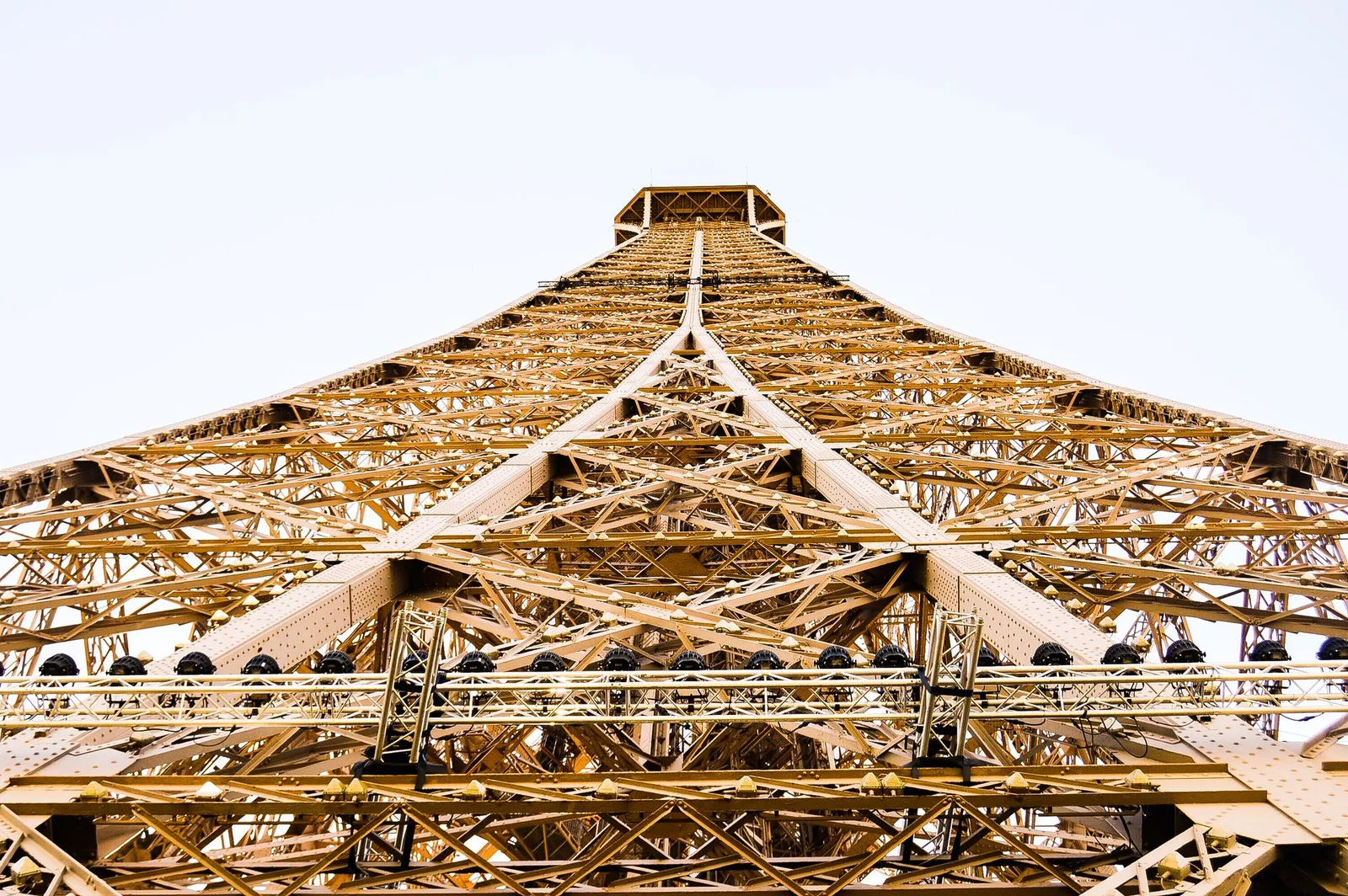
Paris
the classic rival, Eurostar direct
 Europe
Rome
the next great city break
 Europe
Barcelona
sun, sea, and Gaudí
 Europe
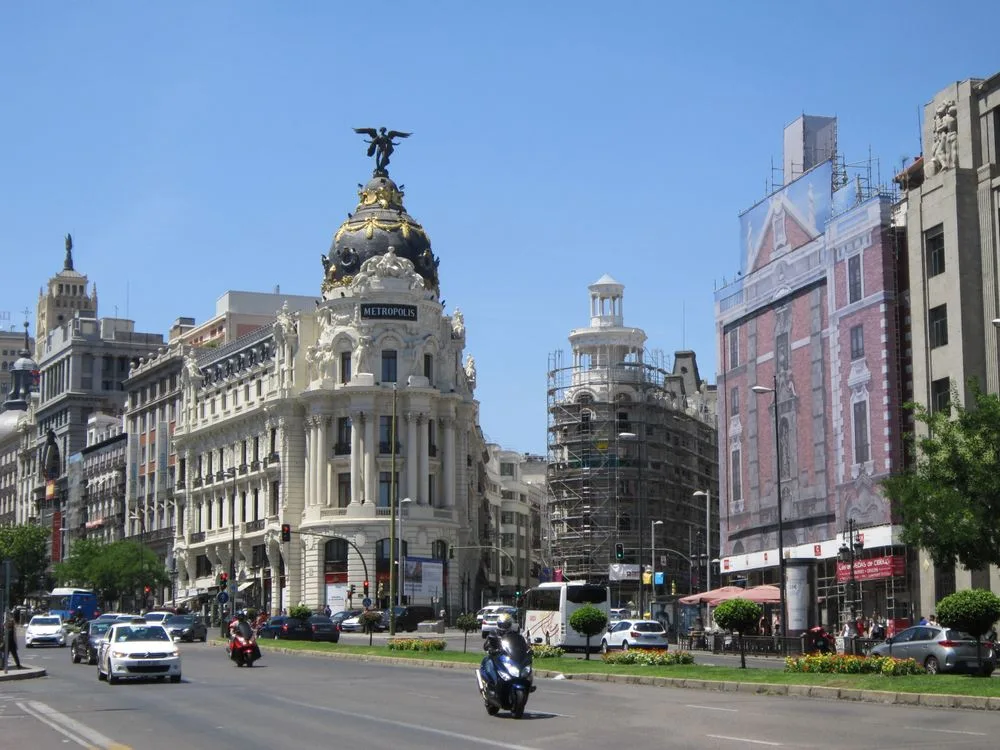
Madrid
Spain's capital, tapas till late
 Europe
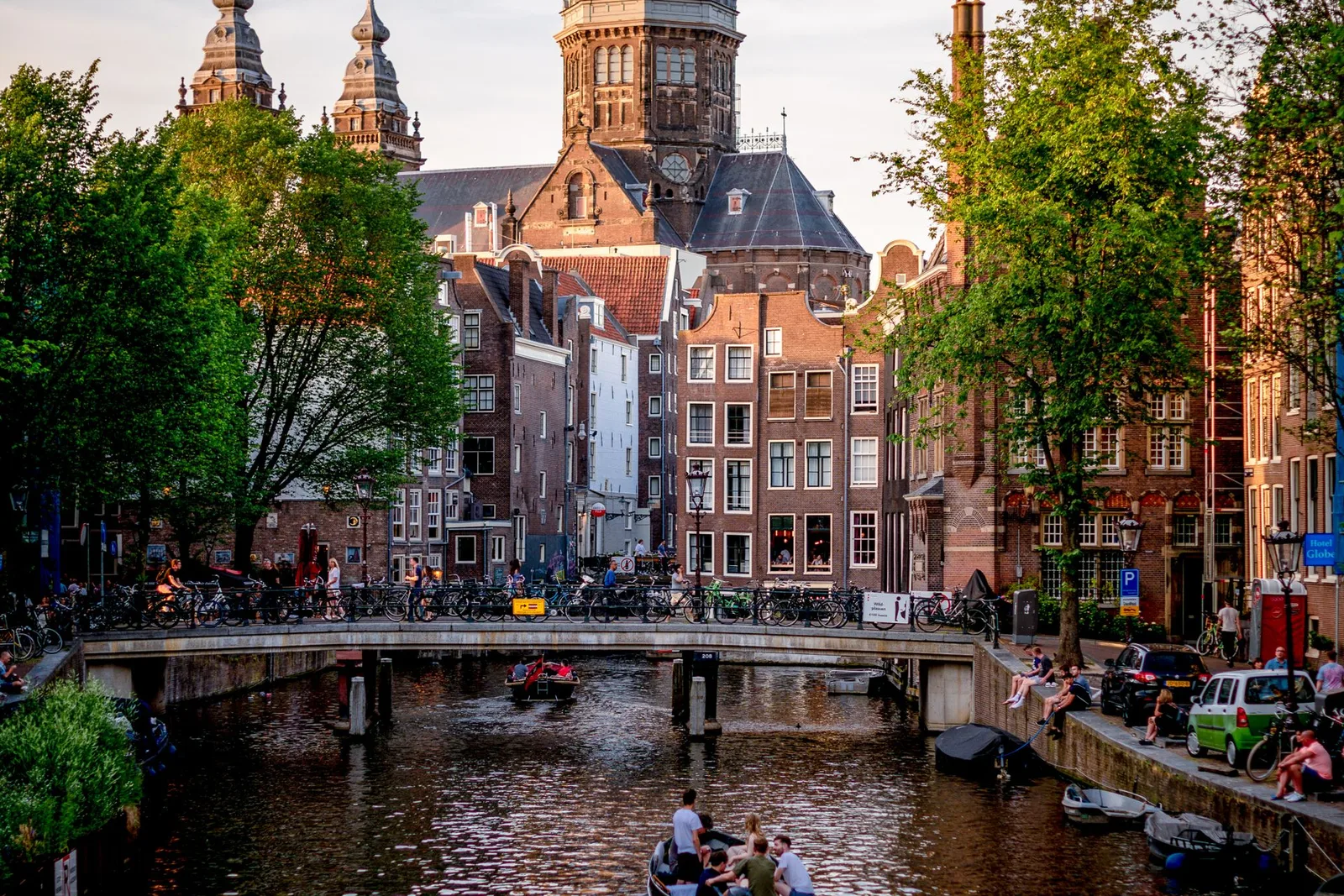
Amsterdam
canals and bikes, a short hop
 Europe
Dublin
pubs and literary streets across the Irish Sea
 Europe
Edinburgh
castle, festivals, and the Royal Mile
 The Americas
New York City
the other great metropolis
 Asia & Pacific
Tokyo
the eastern counterpoint
 Asia & Pacific
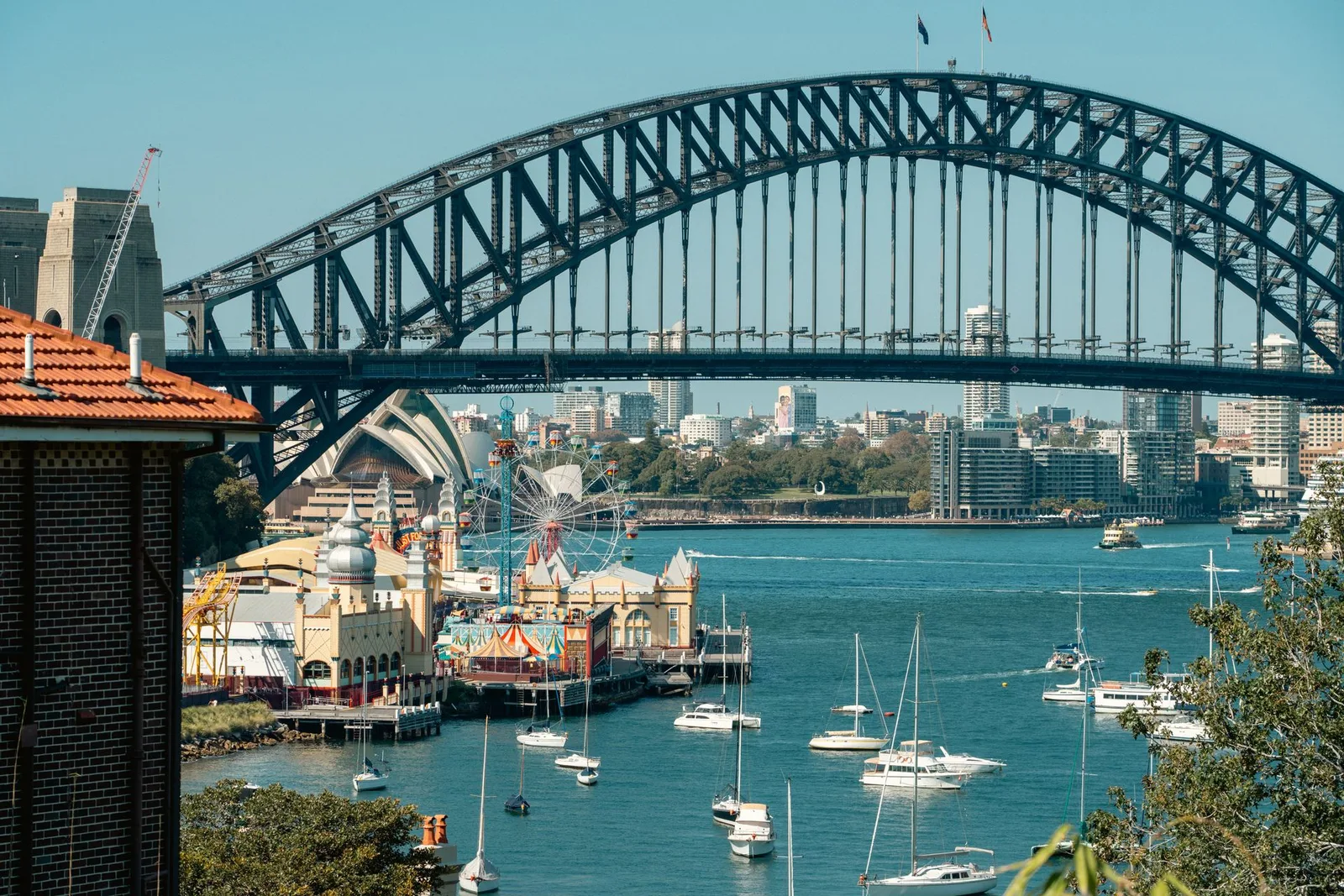
Sydney
harbour, beaches, and the Opera House
Frequently asked questions
The answers that decide the trip — airport transit, UK ETA, tap water, best time, money, and safety.
Answers verified October 2026. Prices are ranges and change — confirm when you book.
From Heathrow, the Elizabeth line reaches central London in about 35 minutes (about £13); the Piccadilly line takes about 50 minutes and costs less (about £6).
From Gatwick, Thameslink to London Bridge takes about 30 minutes from about £10.70 off-peak — skip the pricey Gatwick Express (about £24 for the same trip).
Most visitors need a UK Electronic Travel Authorisation (ETA) before they travel. It costs £20, is mandatory for visa-exempt visitors, and has been enforced since 25 February 2026.
Apply through the official UK ETA app or GOV.UK: the ETA is valid for two years or until your passport expires, covers multiple visits of up to six months each, and decisions usually arrive within a day (allow up to three working days). Every traveller needs their own ETA, including babies and children. British and Irish citizens never need one. The UK system is separate from the EU’s ETIAS: ETIAS does not apply to the UK.
Yes. London’s tap water is safe to drink.
Late spring (May–June) and early autumn (September) are the sweet spots — milder weather, longer days, and thinner crowds than high summer.
Summer brings the biggest crowds, the highest hotel prices, and the best outdoor life. Winter has the shortest days but the Christmas lights, markets, and a quieter, cheaper city.
Cards and contactless are accepted almost everywhere, including the Tube and buses. Carry £20–30 cash for market stalls and the odd taxi.
Skip airport currency exchanges — their rates are terrible. Check the bill before tipping: most restaurants add a discretionary service charge, often around 12.5%.
London is a safe city for tourists; the main risks are pickpocketing in crowds, unlicensed minicabs, and tourist-trap menus around Leicester Square.
Never accept a ride from a tout at the airport or outside a club — use a licensed black cab or an app-based ride. Emergency: 999 for police, fire, or ambulance; 111 for non-emergency NHS medical advice.
Entry rules, taxes, and fares change — this page is re-verified on a schedule, and anything time-sensitive says so.
London, in your pocket
Landing soon? Get the printable PDF — ticket links, the airport transport cheat sheet, our 3 restaurant picks with maps, and the packing checklist. Everything above, formatted for your phone.
One email with your London PDF. Fare changes and new guides after that. No spam, unsubscribe anytime.
Sources and last verified
This guide was last verified in October 2026. Key sources:
- Tube, bus and rail fares — Transport for London (TfL)
- Visitor information and events — Visit London
- Heathrow transport options — heathrow.com
- UK ETA and entry requirements — GOV.UK
Found an error? Report it — we fix verified corrections within 48 hours.
Affiliate disclosure: hotel names, transfers, experiences, and products linked in this guide may earn After You Land a commission at no extra cost to you. Prices and times were checked in Oct 2026 and change often — confirm before you book.