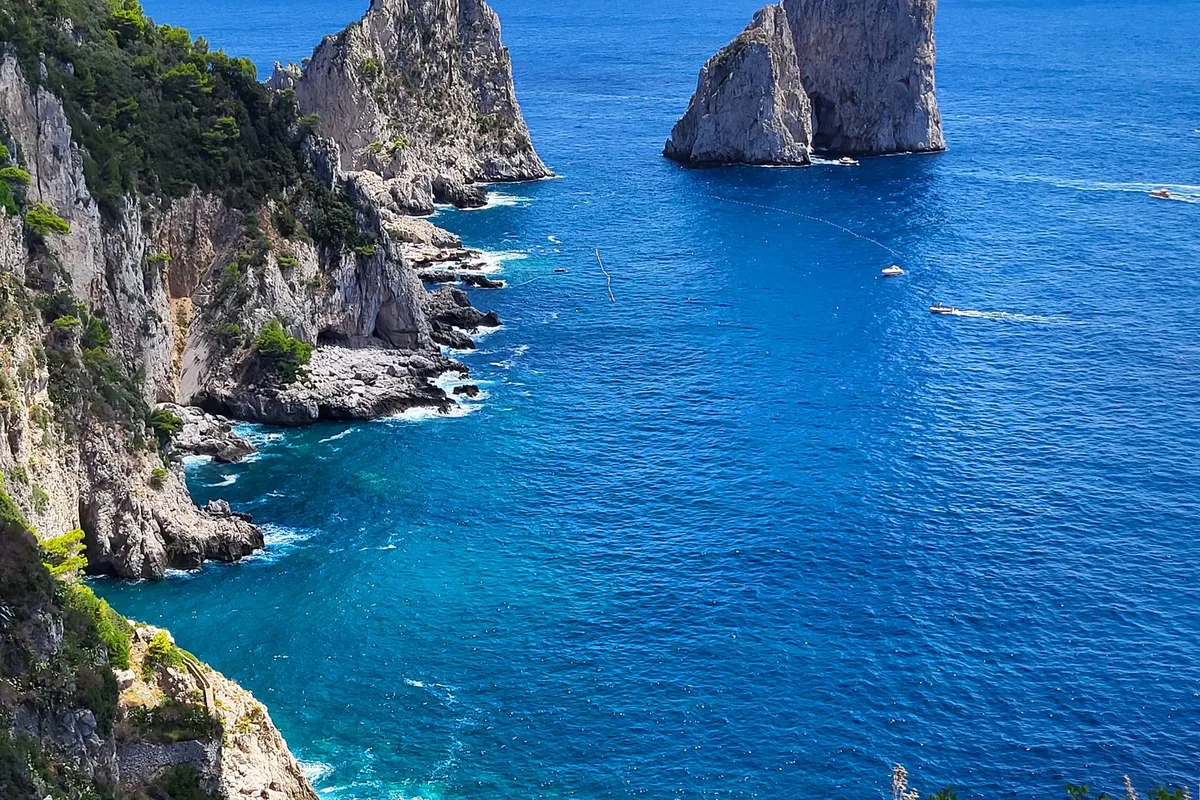
Capri: your first hour after landing
You have just landed in Capri — or rather, you have just sailed in, because every arrival on this island is by water. There is no airport and no bridge: you fly to Naples, cross to Marina Grande by hydrofoil or ferry, and climb to one of two towns, Capri town and Anacapri, stacked on the rock above the port. What waits is a small island with an outsized reputation — the Piazzetta, the Faraglioni, the Blue Grotto — and one decisive advantage for anyone who stays the night: the day-trippers sail home by evening and the island exhales. This guide walks the landing in order: the ferry maths, where to sleep, the first caprese, the boat day and the high island, the landing fee inside your fare, and the last-boat discipline that rules every plan.
In this guide
You just landed in Capri. There is no airport and no road on or off — fly to Naples, ride the hydrofoil to Marina Grande, then climb by funicular to the Piazzetta. Keep an Airalo eSIM live for ferry times and maps, and book the island boat trip early — the Blue Grotto queue builds fast, and the rowboat fee is cash at the cave.
Quick facts
Airport
Getting in
Currency
Languages
Time zone
Emergency
Plugs
Tap water
Tourist tax
Best months
Map
Stays, sights, and landmarks in Capri — live hotel prices plus the key places from this guide.
Settle in
Land at Marina Grande and treat arrival as a drill: one port, then everything is uphill. Decide your ride up before the crowd surges.
Set up data before you fly — an Italy plan on an Airalo eSIM loads in minutes, so ferry times and maps work from the pier. For longer Italy trips, compare Saily and Yesim.
Run the arrival checklist in this order:
- Buy a funicular ticket at the pier office, or tap a card at the gates — one small bag rides free; a big case needs its own ticket
- Hand heavy cases to pier porters (expect around €10 to €15 a bag) — they deliver island-wide
- Note the last boat back, even if staying — it tells you when the island empties
Boat tours sometimes add their own landing fee.
If a delayed or cancelled flight into Naples wrecked the arrival, AirHelp checks whether the airline owes compensation.
Getting around

Times are airport to city centre.
Hydrofoil from Naples Beverello
The default crossing, with more than twenty sailings a day in season. Hydrofoils cancel in heavy swell — the slower Caremar ferry is the fallback.
Ferry from Naples Calata Porta di Massa
Slower, cheaper and steadier in rough seas. The Alibus from Naples Airport serves both Naples ports.
Funicular from Marina Grande
Tickets at the office by the pier or tap a card at the gates; one small bag rides free, a big case needs its own ticket. Closed January to Easter — a replacement bus runs.
Island bus from Marina Grande
Tap-and-go on board. The buses are small and fill fast at the port — the funicular is quicker up to Capri town; the bus is the way to Anacapri.

Capri has no airport and the only way on or off is by boat — the table below is the island's whole arrival system. Fly to Naples, cross to Marina Grande, then climb.
Choose the hydrofoil — fastest crossing, 20+ a day in season. Choose the Caremar ferry in a swell: slower, cheaper, steadier — and visitors cannot land a car on Capri in season.
On the island, the funicular wins when moving; when the line snakes past twenty minutes and you are three or four people, an open-top taxi (about €20 to €25 to Capri town — agree the fare first) climbs faster. Day-tripping? Work backwards from the last boat: returns leave from early evening, and the queue builds an hour before.
Flying in, a pre-booked Kiwitaxi transfer or Welcome Pickups puts a driver at NAP for Beverello. Road-tripping first, price the pickup on AutoEurope — and park in Naples or Sorrento; the car cannot come with you.
In the city
Start at the Piazzetta, Piazza Umberto I, the island's drawing room — a church, a clock tower and café tables that have been Capri's social centre for a century. Before ten or after six it is a village square; at midday, a tide of day-trippers. Both are worth seeing once.
Walk east: Via Camerelle and Via Vittorio Emanuele run with designer boutiques and workshops where cobblers still stitch sandals to order. Duck into the Certosa di San Giacomo, the 14th-century charterhouse below the square.
Climb ten minutes to the Gardens of Augustus for the postcard: Faraglioni ahead, Via Krupp zig-zagging down to Marina Piccola. Entry is about €2, card-only. Walk on to the Belvedere di Tragara, where the Faraglioni fill the frame free.
Keep the Arco Naturale for morning: the great stone arch is a 30-minute walk through quiet lanes, and the steps past the Grotta di Matromania complete a loop most day visitors never find. Swim where the island swims — Marina Piccola's pebble coves under the Faraglioni.
Browse boat days and island tours on GetYourGuide before committing at the port kiosks, and compare Klook when stacking activities. The pattern: one boat day, one high-island day, evenings in your town.
After you land in Capri: Bookable experiences
Where to stay your first nights
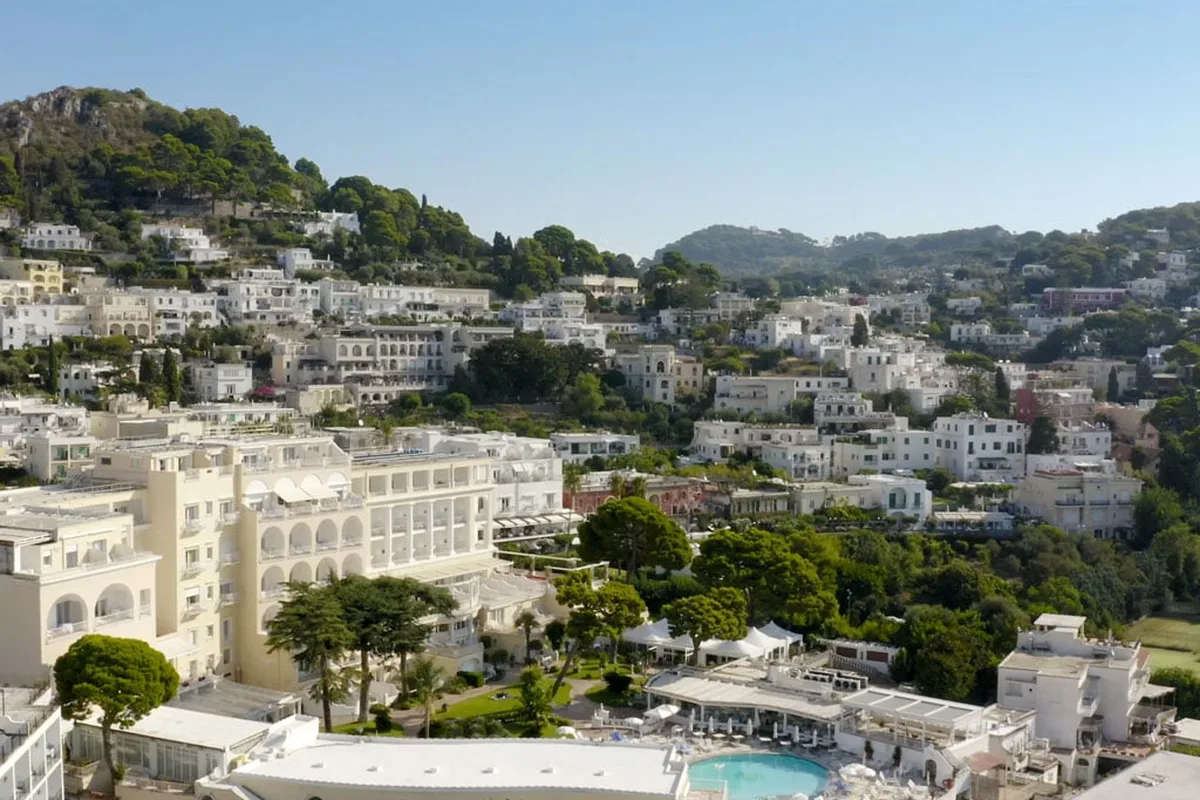
Grand Hotel Quisisana.
Best for the full Capri splurge — gardens, pools, a spa and the Piazzetta two minutes awayStay at Via Camerelle 2, two minutes from the Piazzetta — the island's grande dame since 1861, with gardens, pools, a spa and the Quisi Bar terrace. Book it for the full Capri performance; it rates 9.6/10 on Expedia.

Hotel San Michele.
Best for Anacapri calm with hotel comforts — pool, rooftop terrace and the chairlift nearbySleep on Via Giuseppe Orlandi in Anacapri, minutes from Villa San Michele and the chairlift — a pool and rooftop terrace over the Bay of Naples, a garden restaurant and free port shuttle on request. Book it for Anacapri calm with hotel comforts; it rates 8.4/10 from 475 reviews on Expedia.

Albergo La Prora.
Best for a Capri-town address at the island's gentlest prices — family-run three-star with a rooftop terraceBed down at Via del Castello 6-8 in Capri town — a family-run three-star in a pedestrian lane, with rooftop terrace and breakfast included. Book it for a real Capri-town address at the island's gentlest prices; it rates 9.4/10 on Expedia. Budget on Capri is relative — book months ahead for summer.
Sleep in Capri town for the Piazzetta scene and late dinners. Sleep in Anacapri for quiet lanes, lower prices and the chairlift — fifteen minutes apart, so the choice is evenings, not access.
Where to eat first

Eat the island's canon first: insalata caprese was invented here, ravioli capresi are the local pasta, and the lemons grow huge. Three first stops:
La Capannina, Via le Botteghe 14, Capri town.
Start near the Piazzetta at the family restaurant serving since 1931 — ravioli capresi, caprese salad done properly, a wine cellar carved into the rock. Book for dinner.
Da Paolino, Via Palazzo a Mare 11, Marina Grande.
Eat dinner under the lemon trees near the port — Caprese classics and seafood at the island's most famous grove restaurant. Reservations essential.
Da Gelsomina, Via Migliara 72, Anacapri.
Finish on Anacapri's sunset side — spaghetti alla chiummenzana and ravioli on a terrace facing Punta Carena, with free shuttle for diners. Go for golden hour.
Know before you sit down: restaurants add a coperto cover charge of a euro or two, and coffee standing at the bar costs a fraction of one at a Piazzetta table. For cooking classes and food tours, browse Capri listings on GetYourGuide and book ahead.
Day trips and more
From an island, every "day trip" starts with a ferry — Pompeii and the Amalfi Coast tempt in season, but they cost the island's best hours to the crossing and last-boat deadline. The three trips that repay you are Capri's own: the coast by water, the high island, the shore by paddle.

The island by boat
Sail from Marina Grande and circle the coast in 1–2 hours: White and Green Grottos, Casa Malaparte, Punta Carena lighthouse and a pass through the Faraglioni arch. Add the Blue Grotto and you transfer to a rowboat at the cave mouth — €18 entry, cash only, waits up to two hours in season. Rated 4.3/5 from 5,242 reviews, from about US$28. Check availability →

Anacapri
Bus to Piazza Vittoria, then the single-seat chairlift thirteen minutes to Monte Solaro, the island's 589-metre roof — about €14 return, Vesuvius and the Faraglioni below. Pair it with Axel Munthe's Villa San Michele nearby: €12 at the door, or book ahead from about US$13. Allow a half-day. Check availability →
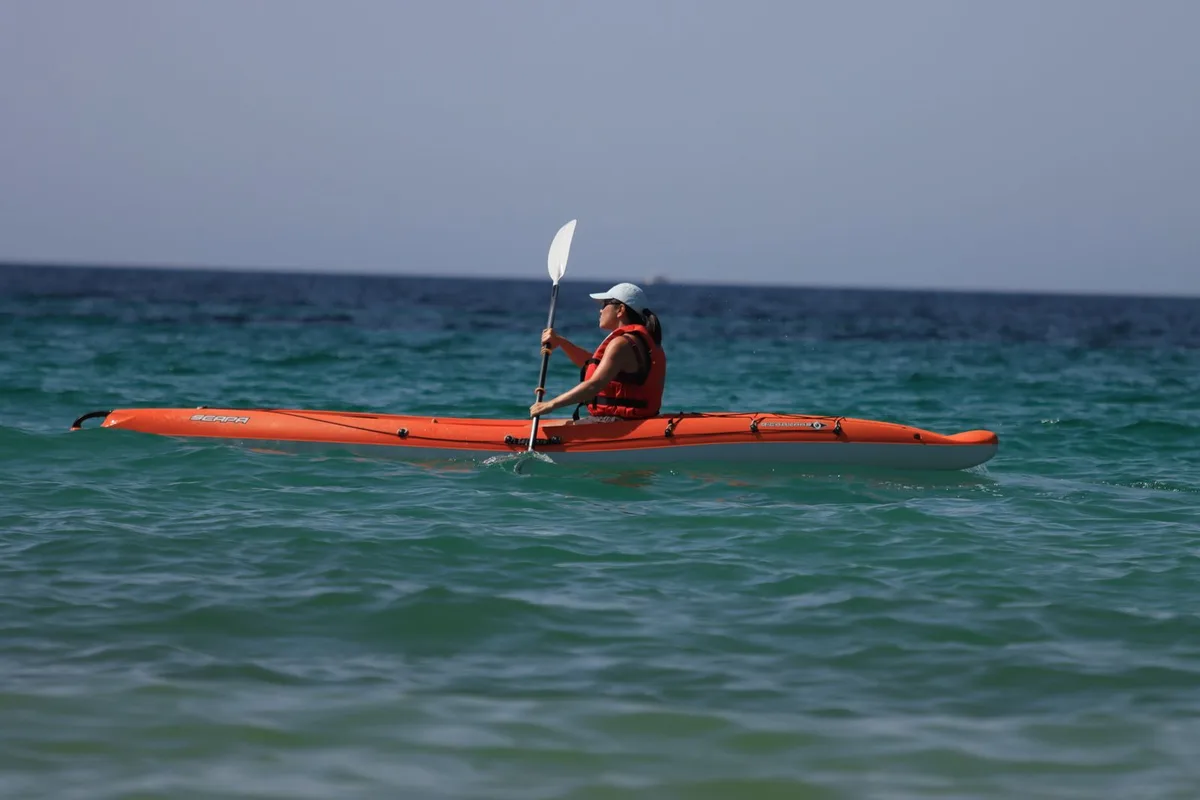
Kayak the caves and beaches from Marina Piccola
Paddle the south shore for ninety minutes with a guide, into the Green Grotto and Cave of the Water and onto beaches no boat can land on, GoPro photos included. Rated 4.8/5 from 1,121 reviews, from about US$49. Check availability →
Leave a mainland day only if you have a third: boats to Positano and Amalfi run roughly April to October in about an hour — check the return sailing first; missing it means a night on the coast or rerouting via Sorrento.
When to go and what it costs
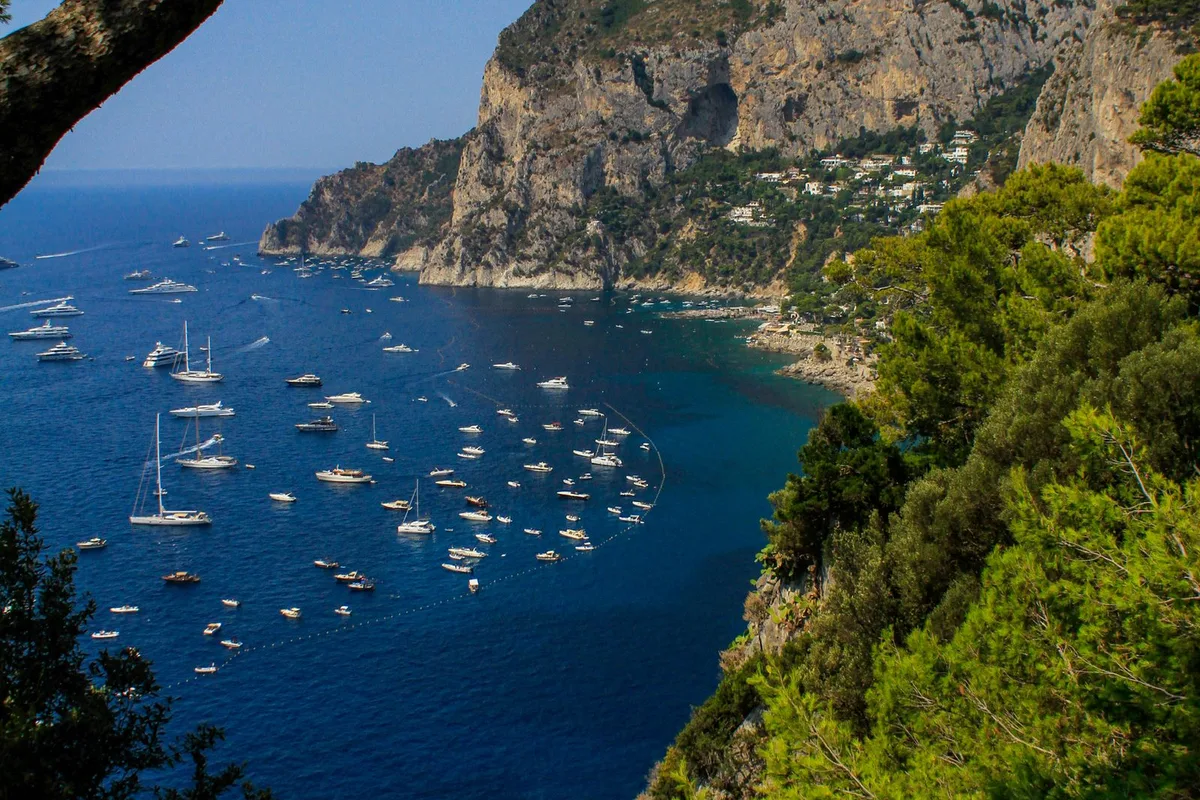
April to June or September to October: swimmable seas and the island at working temperature — when the day-tripper tide is most manageable and rooms expensive, not impossible.
Come in July and August for the full performance — every beach club open, every boat running — and pay in queues: up to 18,000 day visitors can land on a peak day. The overnight guest's revenge: crowds sail home by seven and the island exhales.
From November to March the island hibernates. Crossings thin, the funicular closes from January to Easter (a bus replaces it), many hotels shut, and the Blue Grotto closes in swell. What remains — empty lanes, local prices, dramatic seas — suits some travellers.
Budget by fixed costs. The crossing runs about €24 to €30 each way, so a day trip starts near €50. On the island: funicular €2.40, bus €2.50, chairlift about €14 return, Villa San Michele €12, Gardens of Augustus about €2, Blue Grotto rowboat €18 cash. The variables are the room and beach club — both halve outside July and August.
What to pack
Tap items to check them off — your list is saved on this device.
Pack for a vertical island: steps, boat decks, one smart dinner and water:
- Comfortable walking shoes Shop walking shoes on Amazon →
- Sunscreen Shop sunscreen on Amazon →
- Reusable water bottle Shop water bottle on Amazon →
- Phone charger and power bank Shop power bank on Amazon →
- Daypack Shop daypack on Amazon →
- Sunglasses Shop sunglasses on Amazon →
- Light rain jacket Shop rain jacket on Amazon →
Add swimwear and a dry bag for boat days, a warm layer for the chairlift summit, motion-sickness tablets if hydrofoils trouble you, and small cash — grotto rowboats run on it.
Language, visa and entry
✓ Visa-free entry

Italian runs Capri. Hotel staff, boat crews and restaurateurs work in English, but porters and bus drivers run on Italian — a greeting before a question is local etiquette.
Six phrases do most of the work:
Sort entry paperwork before booking anything non-refundable. Italy is in Schengen: most visitors — Americans, Canadians, Britons — enter visa-free for up to 90 days in any 180, with a passport valid at least three months beyond departure. Checks happen on the mainland, at first Schengen entry — nobody stamps anything on Capri.
Ignore any site selling you an ETIAS for this trip: ETIAS is not in operation yet, so no authorisation exists to buy. When it launches, use the official EU site only.
Island charges, once more: the €5 in-season landing fee rides inside your ferry fare (€2.50 November to March), and your property collects the stay tax see Quick facts.
Safety and health
Respect the sea — crossings and the Blue Grotto close in rough weather
Swell stops hydrofoils, shuts the grotto and cancels boat days without apology, sometimes for days in winter. Build slack into travel days, never plan a same-day flight out of Naples after a Capri night, and do not argue with a closure.
Watch the cliff edges and the steps
Viewpoints at Tragara, the Gardens of Augustus and Monte Solaro have real drops behind low walls, and lanes are steep, polished stone. Stay behind barriers, keep children close at railings, and wear the grippy shoes from the pack list.
Mind the crowds at the port, the funicular and the Piazzetta
Crush points are where pickpockets work: bag zipped and worn in front while boarding, phone off the café table edge, hand on your case in the queue. Everywhere else the island is small-town safe.
Pace the heat and carry water
Summer afternoons pass 30°C with hundreds of steps between you and anywhere. Refill at every chance, climb before eleven or after four, and treat the chairlift summit as the exposed place it is. Dial 112 for emergencies.
Related destinations
If you liked Capri, try these next:
 Europe
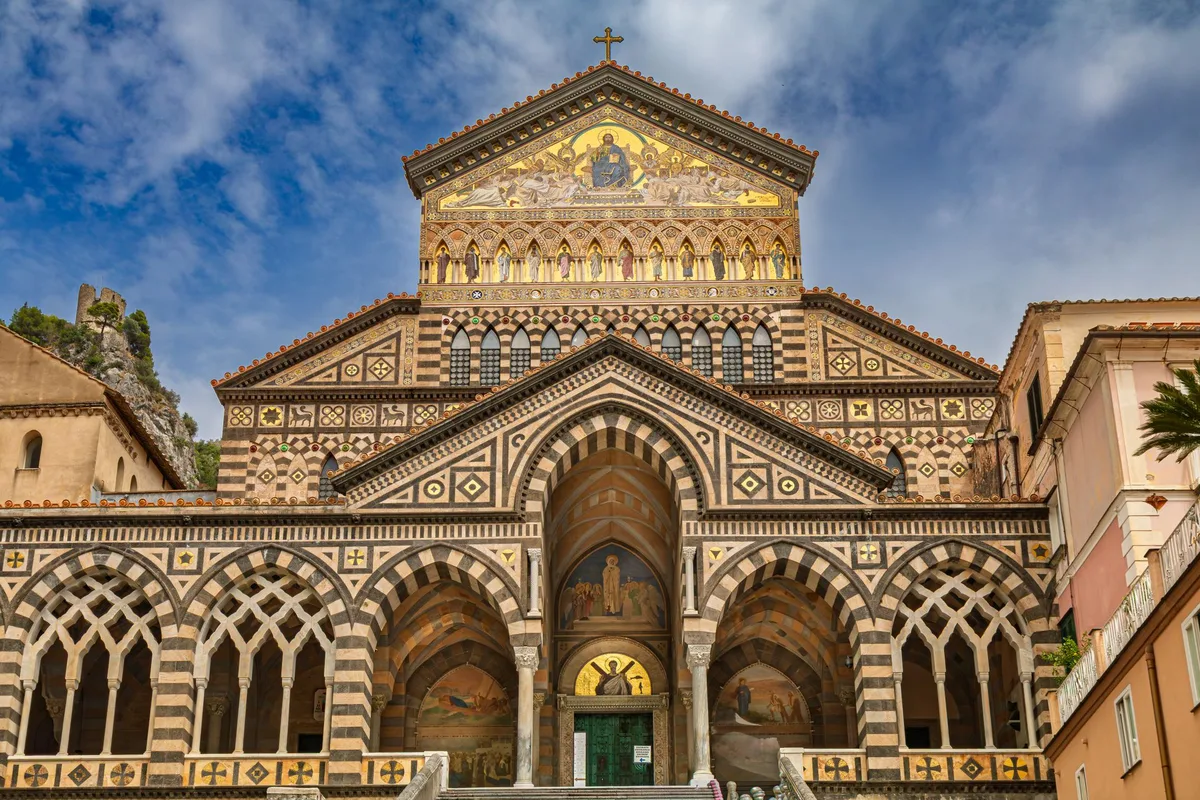 Europe
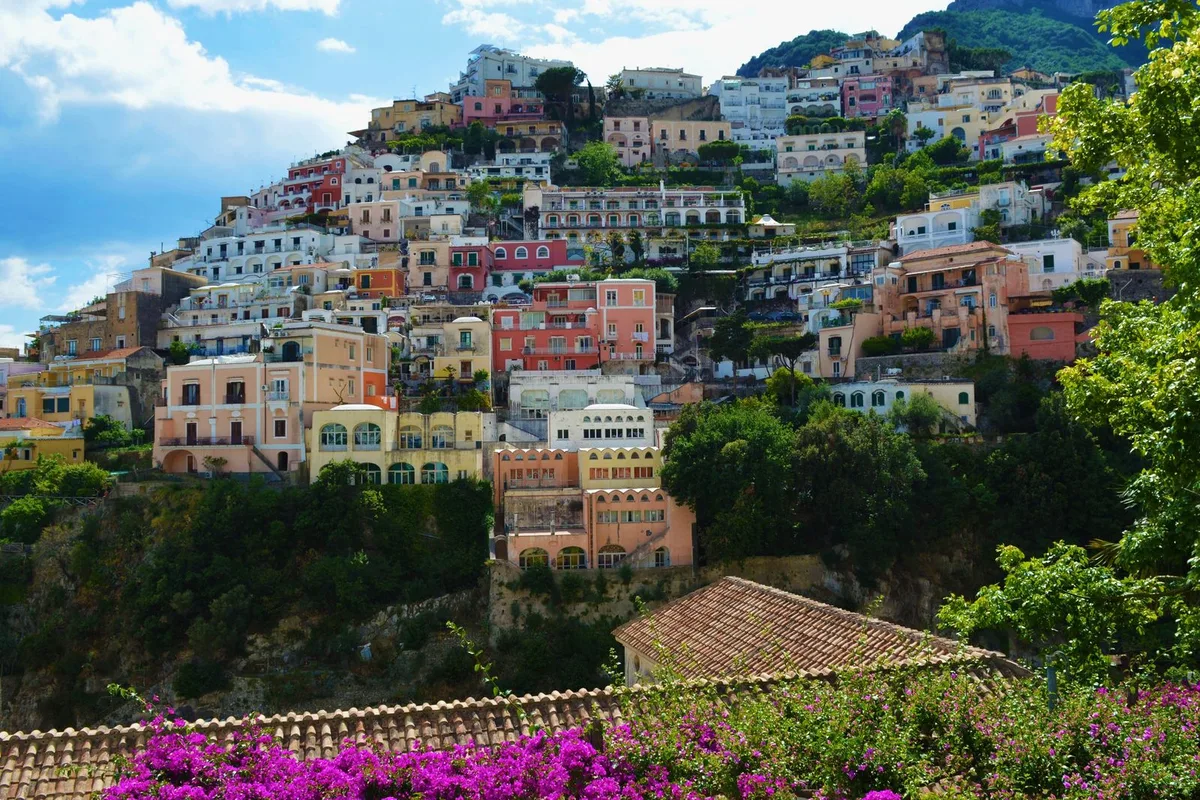 Europe
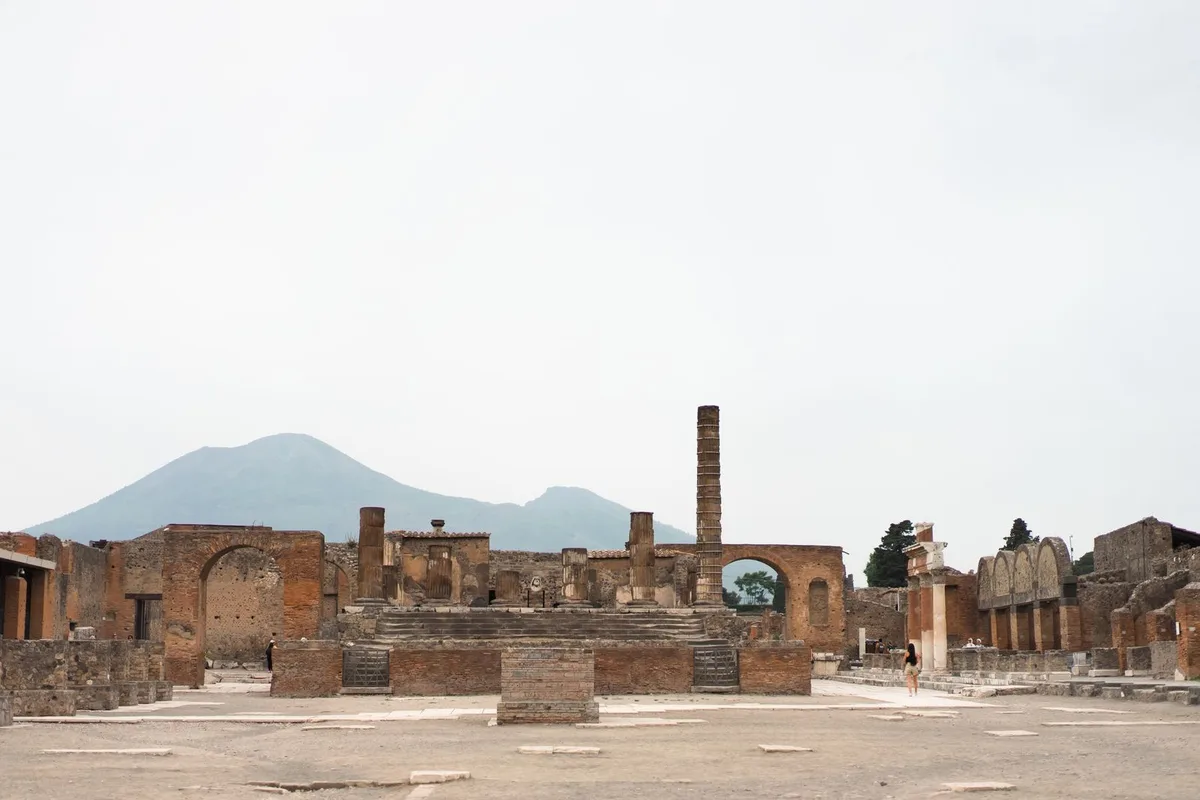 Europe
 Europe
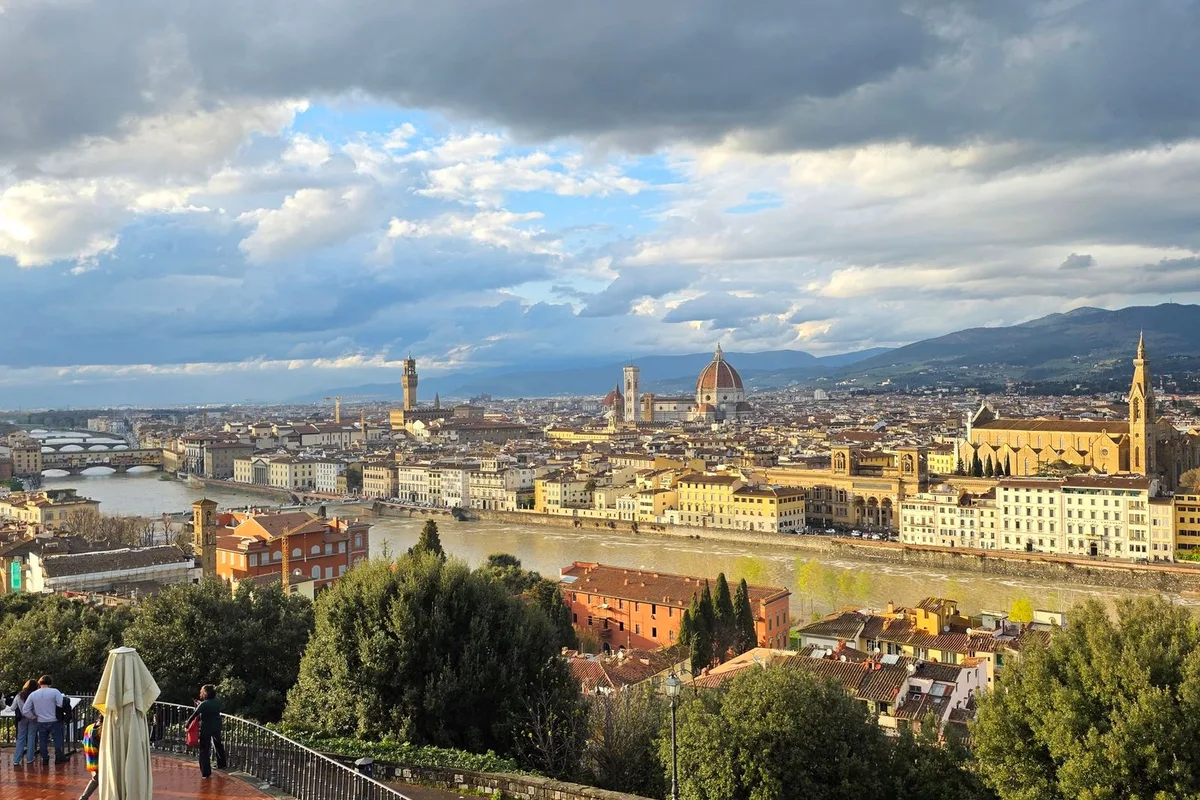 Europe
 Europe
 Europe
 Europe
 Europe
Frequently asked questions
The crossing, the grotto and the island charges, in short.
Facts checked October 2026.
Take the Alibus or a taxi from Naples International (NAP) to the port — 15–25 minutes — then the hydrofoil from Molo Beverello, about 50 minutes from €24. Funicular (€2.40) climbs to the Piazzetta; buses (€2.50) run on to Anacapri.
No. Capri has no airport and no bridge — every arrival is by boat into Marina Grande. Naples International (NAP), about 7 km from the docks, is the gateway airport.
A fee on non-residents arriving by boat: €5 per person from April to October, €2.50 from November to March. It is folded into your ferry fare, so you never pay it separately. Hotels also add a small overnight stay tax, paid at check-out.
The rowboat entry is €18, paid in cash. Getting there costs more: a boat from Marina Grande runs about €20 to €25 return, or the bus to the grotto steps. In season the wait can reach two hours, and the grotto closes in swell.
Capri town for the Piazzetta scene, late dinners and the funicular on your doorstep; Anacapri for quieter lanes, lower prices, the Monte Solaro chairlift and Villa San Michele. They are about fifteen minutes apart by bus.
April to June and September to October: a swimmable sea, everything open and crowds at their most manageable. July and August bring peak prices and queues; from November to March many hotels close and crossings thin.
Prices are typical 2026 rates in euros (EUR). Ferry times and island charges verified October 2026.
Capri, in your pocket
Landing soon? Get the printable PDF — ticket links, the airport transport cheat sheet, our 3 restaurant picks with maps, and the packing checklist. Everything above, formatted for your phone.
One email with your Capri PDF. Fare changes and new guides after that. No spam, unsubscribe anytime.
Sources and last verified
Fares against Ferryhopper's 2026 Naples–Capri pages (hydrofoil from €24, ~50 minutes) and SNAV's timetable; funicular €2.40, bus €2.50 and winter closure against capri.com's 2026 schedule pages. Landing fee against Reuters and APA reporting of the comune's doubling (€2.50 to €5, April to October); the €10 in boat-tour listings is an operator's bundled fee, not the ferry charge. Blue Grotto rowboat €18 against the GetYourGuide island boat page and 2026 operator listings (one guide said about €19 — carry small cash). Chairlift €14 return against operator listings; Villa San Michele €12 against capri.com 2026. GetYourGuide products opened and read: the island boat trip with grottos, Villa San Michele entry ticket, the kayaking tour; hub capri-l693 opened. Hotels against expedia.com pages opened this session — the Capri Island destination page (Quisisana, Via Camerelle 2, 9.6/10), the five-star list (San Michele, Via Giuseppe Orlandi 1-3, 8.4/10, 475 reviews) and the Capri hotels guide (La Prora, its best budget pick, 9.4/10); individual property pages returned HTTP 429; property URLs await the pre-publish confirmation pass (see pack). Photos via Pexels (13353618, 10297821, 13270176, 15027805, 10507678, 14622038, 16620071, 17631786, 13817469); hotel photos via the properties' websites. Last verified October 2026.
Affiliate disclosure: hotel names, transfers, experiences, and products linked in this guide may earn After You Land a commission at no extra cost to you. Prices and times were checked in Oct 2026 and change often — confirm before you book.