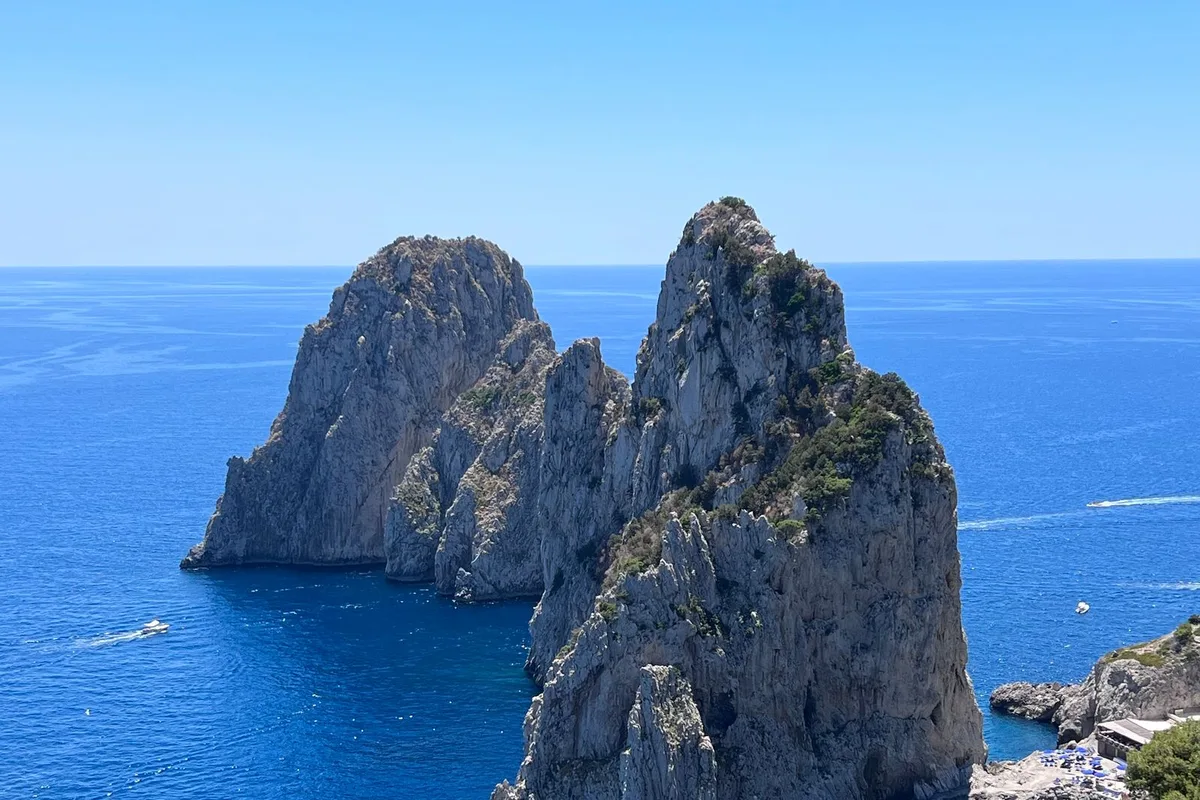
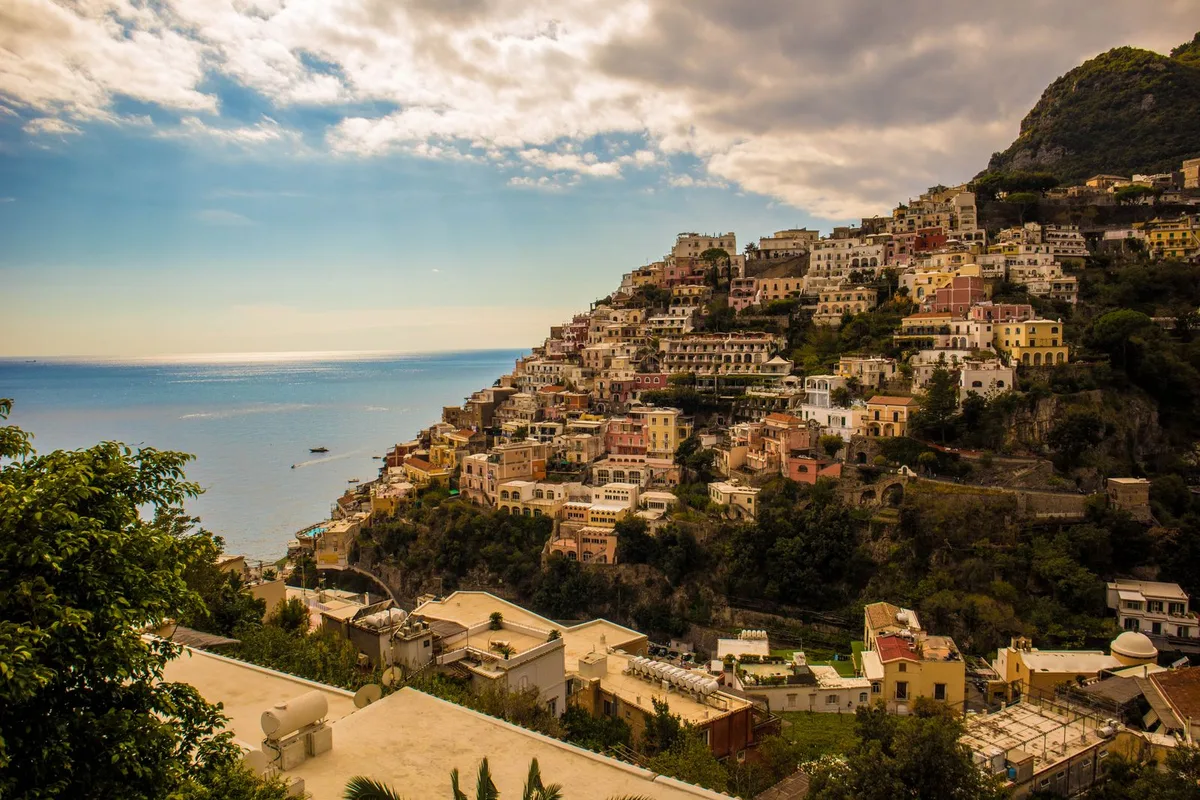
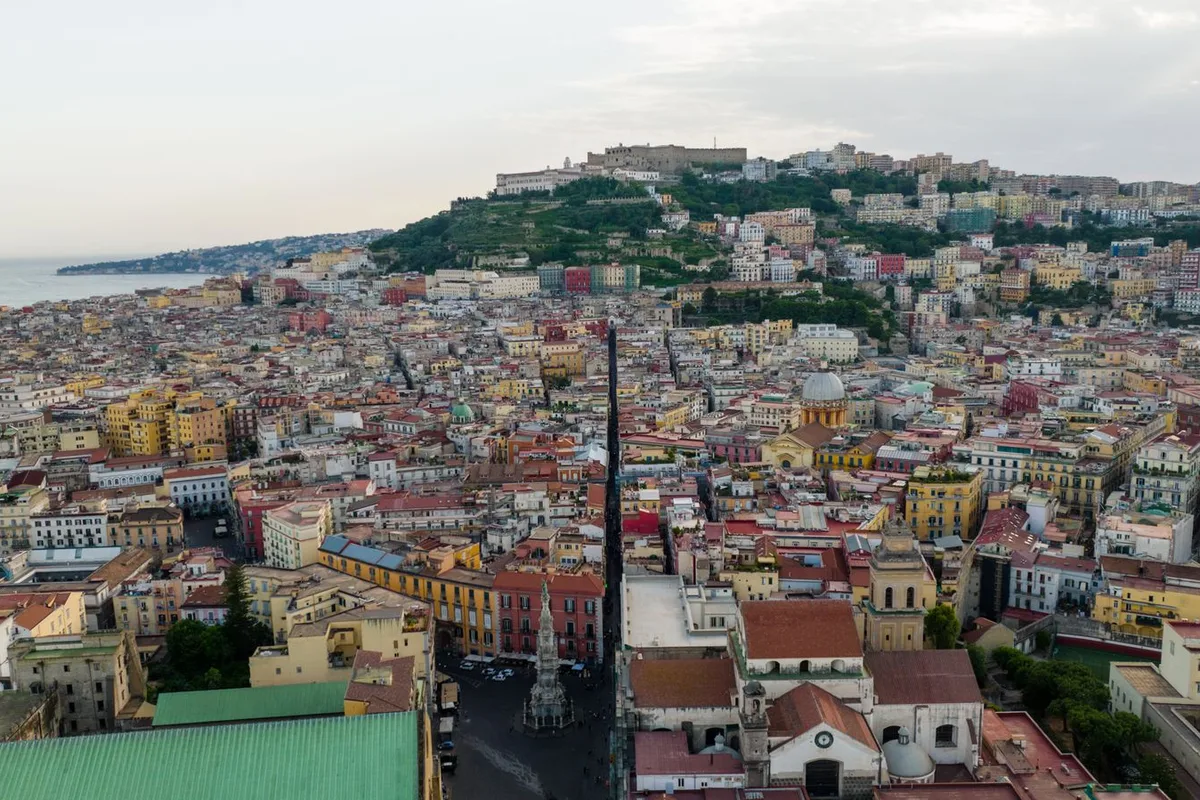
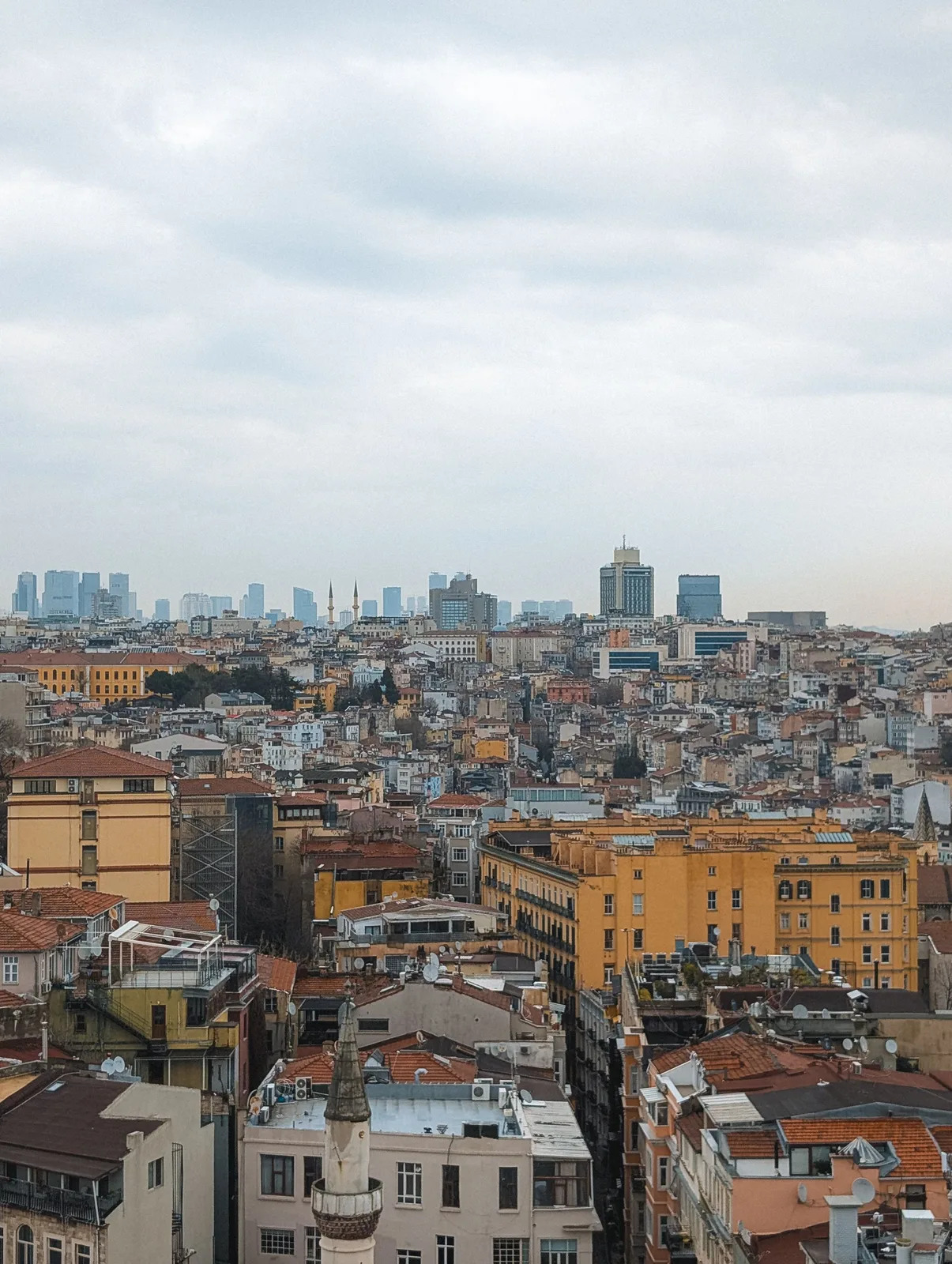
You have just landed in Naples — in through Capodichino, and one short bus ride later the beautiful chaos of the centro storico opens out around you. This guide runs the first hour and everything after it: the ride in, the fixed taxi fares that beat the haggle, the neighbourhoods to base in, the tickets to grab early, and the buried city, the blue island and the coast of lemons that earn a day each.
By Paul GreenUpdated Oct 202613 min readPrices checked Oct 2026
You just landed in Naples. The Alibus reaches Piazza Garibaldi in about half an hour for €5, an eSIM keeps you connected from the stop, and the fixed taxi fares — €21 to the centre, €24 to the port — are posted and non-negotiable; the day to book before you fly is Pompeii, and Klook covers the coast days.
Quick facts
Airport
Naples International Airport (NAP), Capodichino, about 6 km northeast of the centre A compact single-terminal airport in Capodichino, 15 to 35 minutes from the centre by road.
Getting in
Alibus shuttle €5, about 15 to 25 minutes to Napoli Centrale and 35 minutes to the port — Every 15–30 minutes to Napoli Centrale and the port; €5 includes 90 minutes of transport.
Currency
The euro (€) cards accepted widely, cash still useful for small bars and markets — Cards work widely; cafes, markets and Blue Grotto boats run on cash, so carry small notes.
Languages
Italian with Neapolitan spoken alongside it in the streets and markets — Italian for signs and tickets, Neapolitan in the markets; English works in hotels and museums.
Time zone
CET (UTC+1), switching to CEST (UTC+2) from late March to late October Clocks change on the last Sundays of March and October — 25 October in 2026.
Emergency
112 for police, ambulance and fire Free from any phone, and operators can add interpreters for you.
Plugs
Types C, F and L Italy has its own three-pin L socket, 230 volts — Find Europlug (C), Schuko (F) and Italy's three-pin L sockets; UK and US travellers need adapters.
Tap water
Safe to drink refill from taps and street fountains — From taps and fountains, safe and free. Restaurants default to bottled; ask for acqua del rubinetto.
Tourist tax
Imposta di soggiorno roughly €3 to €6 per person per night, by property class — Up to 14 nights: €3–€6 by class, rentals €4.50–€5, under-14s exempt; confirm at booking.
Best months
April to June and September to October for warm days without the August crush Spring and autumn bring low-to-mid 20s and a swimmable sea; summer hot and crowded, winter mild.
Map
Find your arrival stop, hotel, and first meal. Stays, sights, and landmarks in Naples — live hotel prices plus the key places from this guide.
Land at Capodichino and pick your ride by destination: the Alibus covers Napoli Centrale and the port for €5. No airport train or metro yet — Line 1 Capodichino is under construction — so every arrival is by road. From the station stop, walk to a historic-centre hotel; for a ferry, stay on to Molo Beverello.
Sort your connection first. Compare Airalo, Saily and Yesim and install an eSIM before you fly; EU visitors roam free, and a TIM, Vodafone or WindTre shop SIM is the fallback.
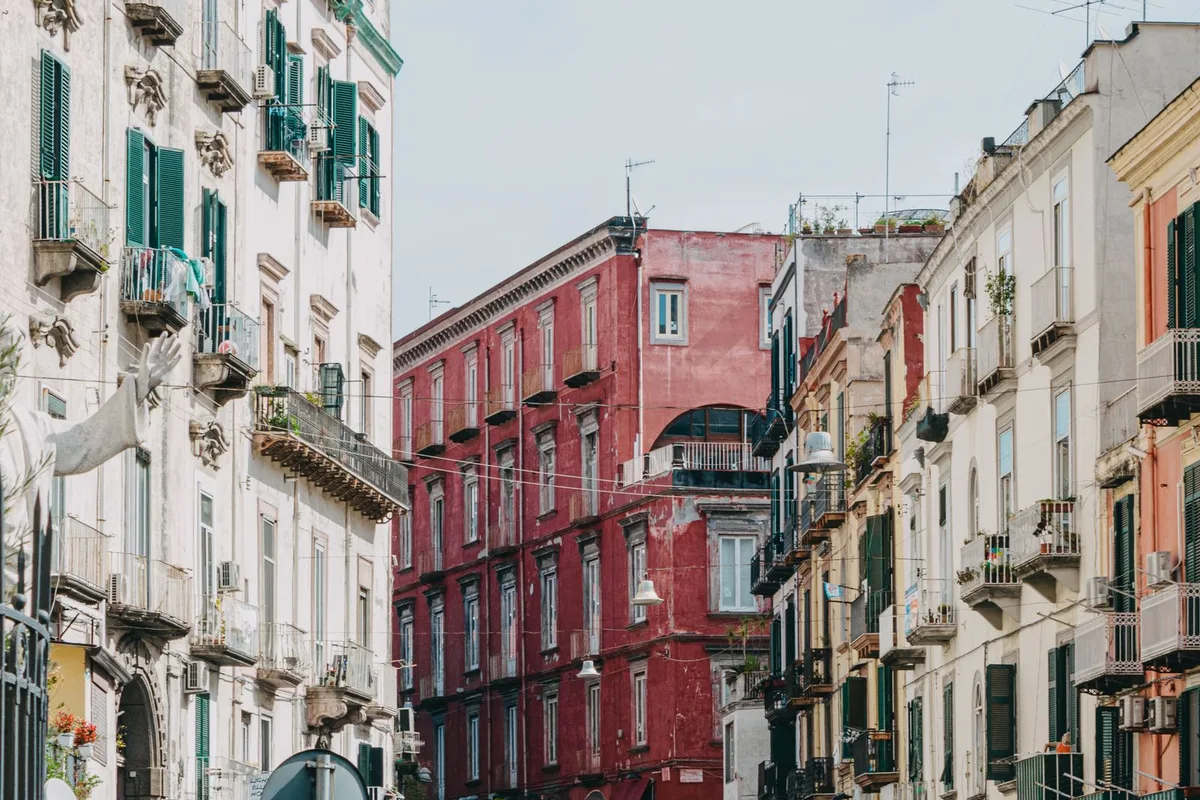
Drop your bags early — most hotels hold luggage free — and base by neighbourhood: the centro storico for churches, pizzerias and museums at your door; the lungomare and Chiaia for sea views and evening calm; the station district for cheap transport; the Vomero for residential Naples, reached by funicular.
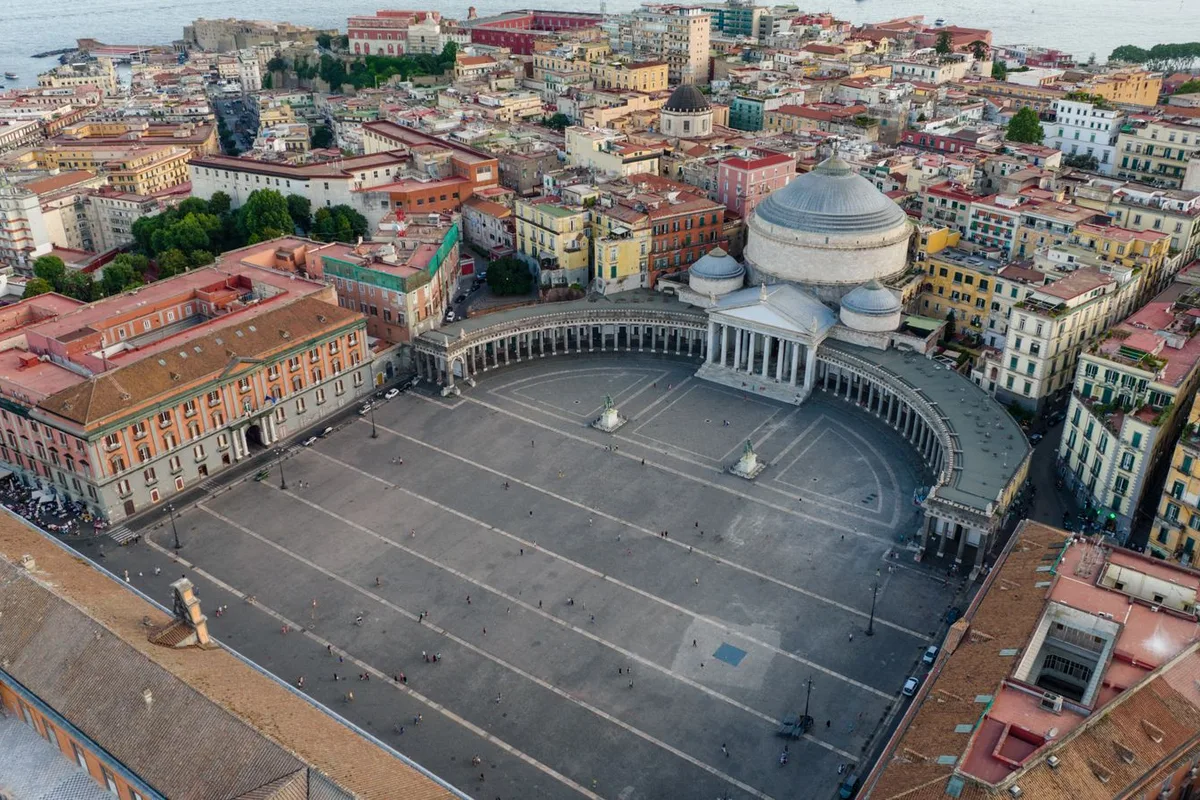
Walk your first loop: Piazza del Plebiscito, Via Toledo to Piazza Dante, then Via dei Tribunali to the Duomo — the orienting walk. For tickets: a €1.50 ANM single covers one ride, the €1.90 integrated TIC gives 90 minutes network-wide, and the €4.50 day pass pays for itself by the third ride.
Getting around
Journey times are approximate and refer to the listed stop — not necessarily your hotel. Allow extra time for waiting, walking, and connections.
Alibus shuttle
To Garibaldi, Porta di Massa and Molo Beverello; 90 minutes of city transport included
Price€5 one wayJourneyabout 35 min to the port
Local bus 180
Airport to Piazza Garibaldi and Napoli Centrale
Price€1.50 city ticketJourney30 to 50 min
Taxi to the centre, fixed fare
Official fixed fare to Centrale or the historic centre — agree it before the ride
Price€21 per carJourney15 to 25 min
Taxi to the port, fixed fare
Official fixed fare to Molo Beverello and Piazza Municipio
Price€24 per carJourney20 to 30 min
Three operators, one ticket system: ANM runs Metro Lines 1 and 6, the city buses and the four funiculars; Trenitalia runs cross-city Line 2; EAV runs the Circumvesuviana (UnicoCampania covers all of it). The airport rides are these:
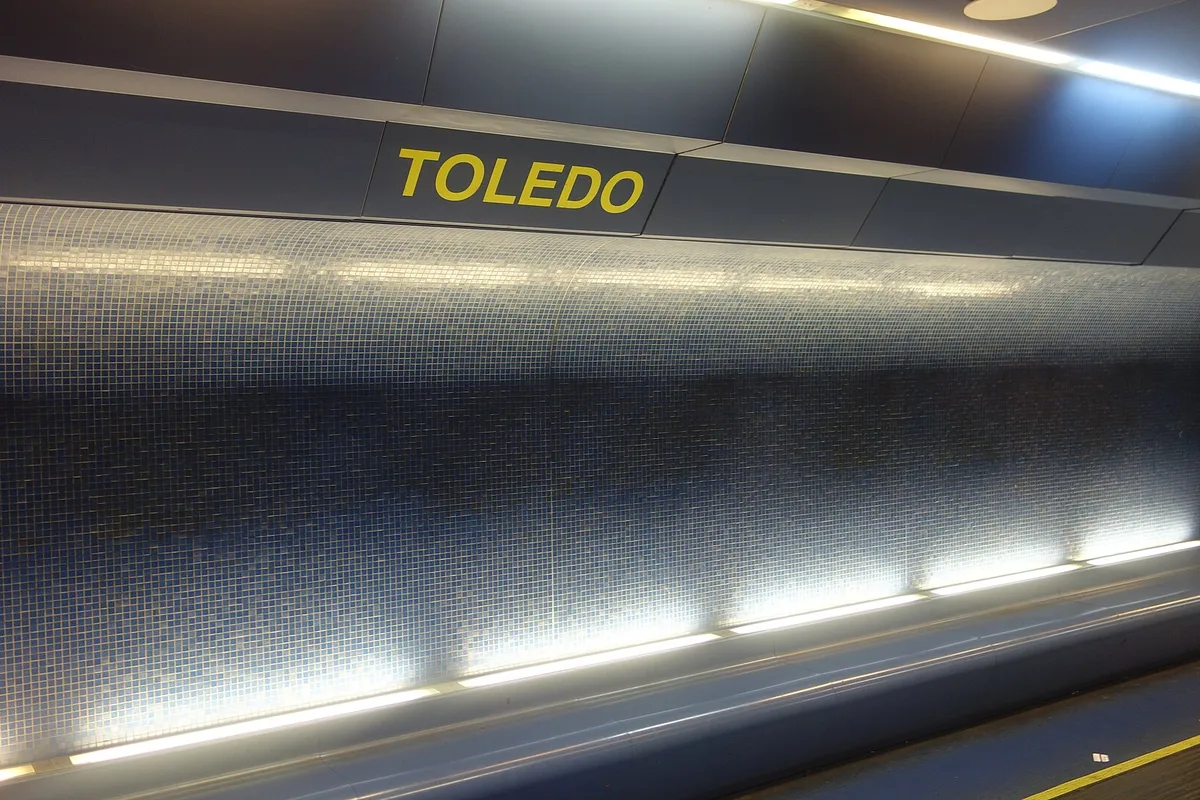
Ride Line 1: its art stations include Toledo (Kentridge's mosaics), Università (colour-saturated platforms) and Municipio, built around excavated Roman ships. Line 6, extended to Municipio in July 2024, links Mergellina and Chiaia to the port in about 11 minutes on reduced hours.
Book headline sights first: the Sansevero Chapel admits a trickle, and museum mornings fill. Tiqets is the practical route for timed entry when official slots thin out — use the same Tiqets link for the chapel (€12, closed Tuesdays): booking ahead turns a queue into the Veiled Christ.
Choose a taxi or transfer when the group maths demands it. A fixed-fare airport taxi runs €21 to €24 per car, luggage included — split four ways it undercuts the Alibus — but only if you ask for the tariffa predeterminata first. Or pre-book a Kiwitaxi transfer or Welcome Pickups driver waiting in arrivals — worth it for groups and midnight landings.
Plan late rides: Line 1 runs about 6am to 11pm, to around 1:30am on Friday and Saturday nights, and the funiculars wind down late evening. Ferries break every timetable habit: check the return sailing before you cross.
In the city
Start with the National Archaeological Museum — the MANN — the museum that explains everything else. It holds the Bourbon kings' finds from Pompeii and Herculaneum: the Alexander Mosaic, the Farnese Hercules and Bull, and rooms of frescoes and bronzes. Entry is €20, closed Tuesdays; allow three hours minimum.
Walk Spaccanapoli, the street splitting the old town along the Greek main axis. Off it hang Santa Chiara's majolica cloister, the Sansevero Chapel with Sanmartino's Veiled Christ — marble carved like a transparent shroud, the city's most astonishing object — and Via San Gregorio Armeno, the nativity-workshop street. Keep the chapel for a booked slot at opening.
Take the monumental walk for the city's other face. Cut to Piazza del Plebiscito, the semicircular square framed by the Royal Palace, the Galleria Umberto I's glass dome and zodiac floor, and Teatro San Carlo — Europe's oldest working opera house, opened in 1737; check what is on. Finish at Castel dell'Ovo: free ramparts, the postcard view back to Vesuvius, and the Borgo Marinari for the first evening's spritz.
Ride a funicular for the climb. The Central Funicular from Augusteo climbs the Vomero to the Certosa di San Martino — a Baroque monastery-museum with the city's best nativity scenes and a bay-view terrace. When big-sight slots sell out, check Tiqets for Naples Underground entry, where Napoli Sotterranea descends 40 metres into Greek and Roman tunnels. Book one paid anchor per day and let the rest stay loose.
After you land in Naples: Bookable experiences
Where to stay your first nights
Splurge
Grand Hotel Vesuvio.
Best for the grand seafront splurge on Via Partenope
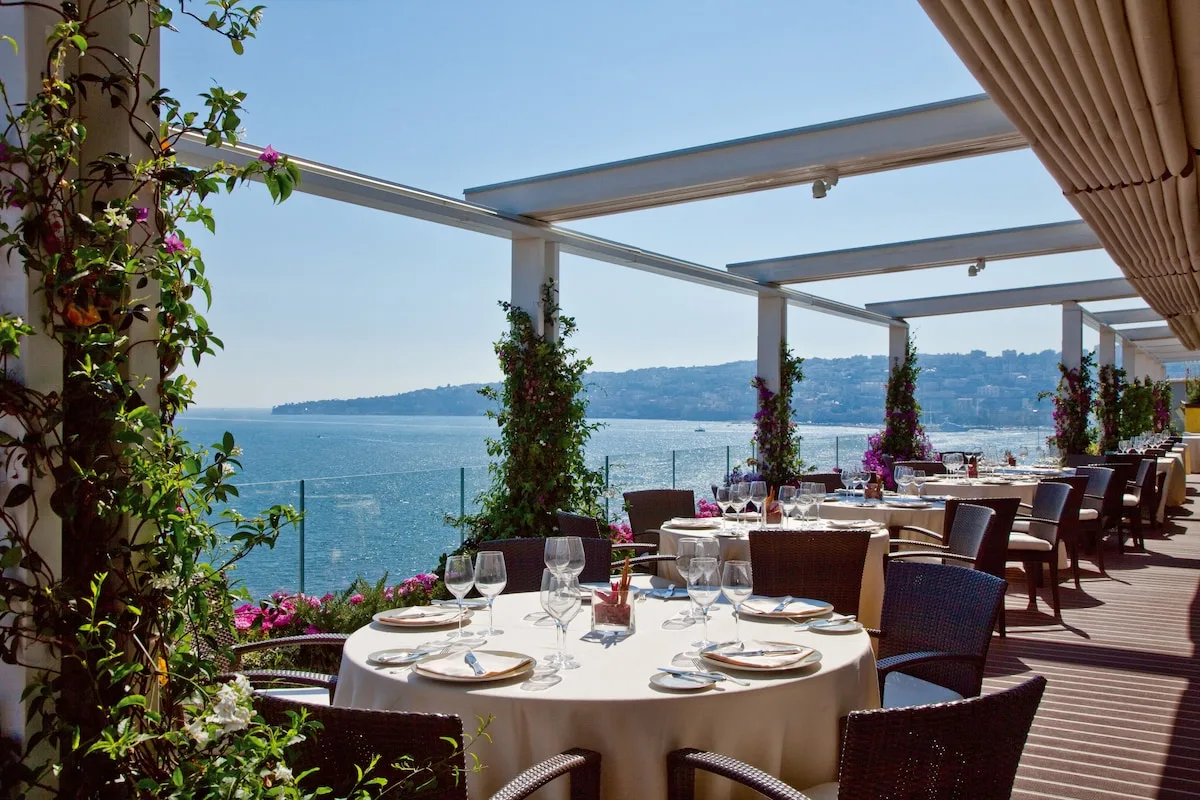
Stay at Via Partenope 45 on the Santa Lucia seafront, facing Castel dell'Ovo. The city's grand address since 1882, and its only five-star deluxe hotel on the waterfront — expect bay-view rooms, a rooftop restaurant and an indoor pool; the fixed taxi fare here from the airport is €28.50.
Sleep at Via Santa Maria di Costantinopoli 101, in a 16th-century palazzo by Piazza Bellini. Expect a design three-star with a fountain courtyard, art on palazzo walls, and two metro stations minutes away; apartments suit longer stays.
Best for hostel value five minutes from the station
Bed down at Via Pasquale Stanislao Mancini 33, five minutes from Napoli Centrale. Mancini was the city's first independent hostel, opened in 1998: dorms and private rooms, free breakfast, a shared kitchen and Pompeii-savvy staff. Da Michele is three minutes away.
Stay in the centro storico — you walk to the Duomo, pizzerias and the museum. Choose the lungomare or Chiaia for sea air and quieter nights, Piazza Garibaldi for cheap station-side stays, eyes open after dark, and the Vomero for a residential base above the fray.
Book early for spring, autumn, Christmas and big-match weekends. Budget for the city tax: about €3 to €6 a night, up to 14 nights, settled with the hotel — tariffs revised twice in two years, so confirm at booking.
Where to eat first
Eat pizza first — this is where pizza comes from, and the pizzaiuolo's art is on UNESCO's heritage list. The real thing: a foldable, leopard-spotted crust from a wood-fired oven at 450 degrees, eaten a libretto, folded like a booklet. Three first stops:
L'Antica Pizzeria da Michele, Via Cesare Sersale off Via dei Tribunali.
Order the margherita or the marinara: the Condurro family house, running since 1870, is famous for two pizzas only, the marinara (tomato, garlic, oregano, olive oil, no cheese) the older pie. Expect shared tables, a ticket number called over the noise, and some of the cheapest greatness in Europe.
Pizzeria Brandi, off Via Chiaia near Piazza del Plebiscito.
Order the margherita: Brandi displays the letter dated June 1889 from Queen Margherita's household thanking the pizzaiolo Raffaele Esposito for his pizzas, including the tomato, mozzarella and basil one. The letter is real; the legend is partly questioned. A white-tablecloth slice of pizza history.
Antica Pizzeria Port'Alba, Via Port'Alba by Piazza Bellini.
Order a marinara at the world's first pizzeria: Port'Alba sold pizza from 1738 and opened as a sit-down pizzeria in 1830. Expect locals, students and no ceremony.
Save planning energy for the rest of the table: sfogliatelle and babà, fritto misto and cuoppi, spaghetti alle vongole, and espresso — sometimes a caffè sospeso, paid forward to a stranger. Browse cooking classes and street-food walks on GetYourGuide. Carry cash for small places; old-town hours run lunch to 3pm, dinner from 7:30.
Day trips and more
Pompeii
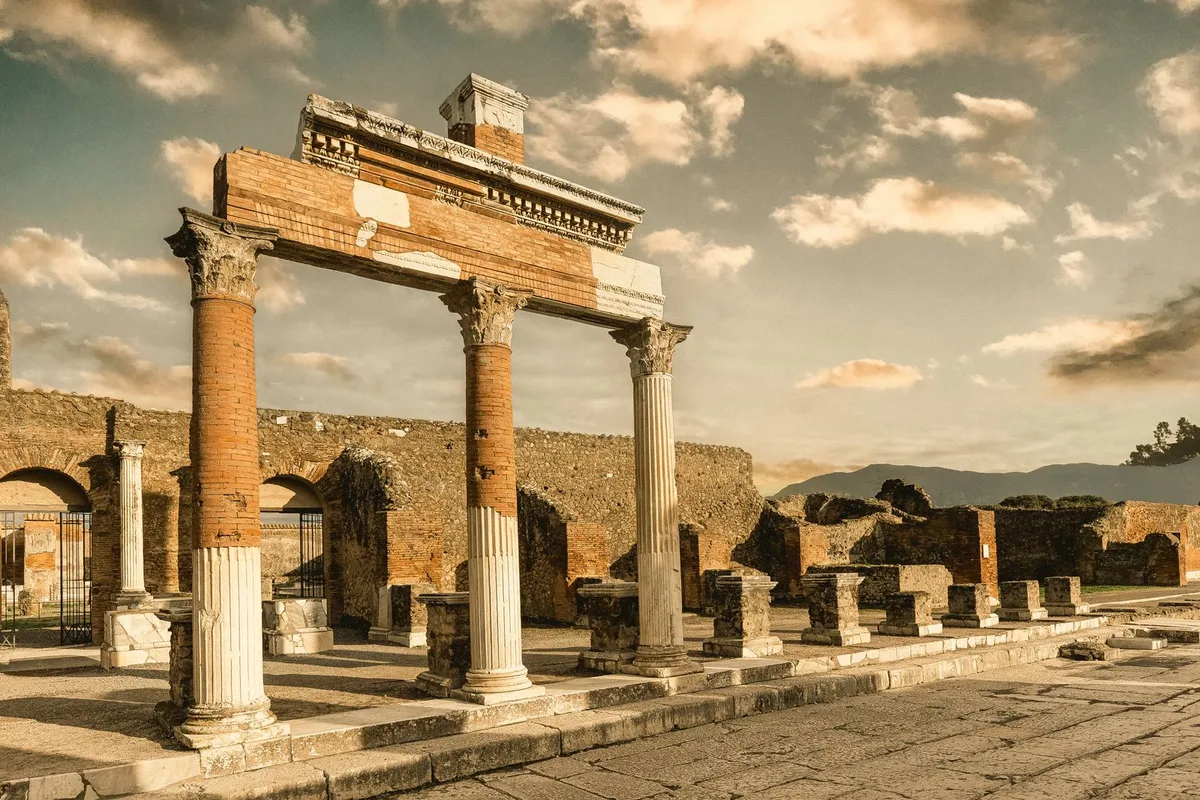
Ride the Circumvesuviana from Garibaldi to Pompei Scavi–Villa dei Misteri (not Pompei town), €3.30 each way. Entry €20 (€25 Pompeii Plus); under-18s free, EU citizens 18 to 25 pay €2. From 15 October, hours are 9am to 5pm, last entry 3:30pm. The Campania Express is suspended from 1 October 2026 until further notice. Check availability →
Capri
Sail from Molo Beverello: fast boats reach Marina Grande in about 50 minutes from €24 each way; Caremar ferries from Porta di Massa take 80. Ride the funicular to the Piazzetta (€2.40) and the Gardens of Augustus, and boat to the Blue Grotto if the sea allows (it closes in rough weather). The last hydrofoil back rules the day. Check availability →
The Amalfi Coast
Go in two hops: Circumvesuviana to Sorrento (€4.60, 70 minutes), then the SITA 5070 bus (€2.40 to Positano, €3.40 to Amalfi) or the €10 COSTIERASITA 24-hour ticket. Spend it vertically: Positano's lanes to Spiaggia Grande, Amalfi's cathedral and cloister, Ravello if time allows. Coast ferries run into late October. Check availability →
When to go and what it costs
JanFebMarAprMayJunJulAugSepOctNovDec
Come in September and October: days in the low-to-mid 20s, a sea still warm enough to swim, full Pompeii and Capri timetables. Evenings cool to the mid-teens; after the clocks go back on 25 October the day shortens fast — start coast days early.
April to June is the other sweet spot: Easter processions, museum season and first swims by June. July and August are the extreme — heat in the 30s, humidity, the mid-August Ferragosto shutdown — while November to February is the quiet, cheapest quarter: mild days around 13 to 17 degrees and real rain, offset by nativity season and the 16 December San Gennaro feast.
Budget by the day: a dorm bed, a day pass, pizza and one paid sight keeps a careful day near €60 to €90. A mid-range hotel, the MANN, a chapel slot and a sit-down dinner pushes towards €170 to €240 per person sharing. The stay tax is the one extra on top.
Stack passes only when the maths works. The Campania Artecard bundles museum entries (Pompeii on the regional card) with transport, and over three packed days beats single tickets. Price it against single tickets on Klook. Watch the calendar: the San Gennaro feasts on 19 September and 16 December and the Saturday before the first Sunday of May, big Maradona-stadium matches and the Christmas run lift hotel rates — book the room first.
What to pack
Tap items to check them off — your list is saved on this device.
Pack for a walking city of slopes and cobbles, and day trips between ferry decks and shadeless Roman streets. The full list:
Treat the shoes as the serious item: the centro storico's basalt blocks are polished smooth and slick in the rain, and Pompeii's Roman streets test ankles even dry. In October, layer for warm days and cool evenings, and note the church dress code: shoulders and knees covered.
Language, visa and entry
! Check visa requirements before you fly
Italian runs the city, with Neapolitan spoken in the markets. English is well understood in hotels, museums and ferry terminals, patchier in the neighbourhood bars and fry shops. A phrasebook is a pleasure here: an attempt in Italian lands like a compliment.
Start with the courtesies — a greeting entering a shop, a thank you at the coffee bar, a polite excuse me in a crowded alley. Learn the four chips below and you cover the day's exchanges.
Buongiornogood morningGrazie millethank you very muchPer favorepleaseMi scusiexcuse me
Italy is in Schengen, and the mechanics split by passport. EU, EEA and Swiss citizens travel freely on ID cards. Visa-exempt visitors (the US, UK, Canada, Australia, New Zealand, Japan and South Korea among them) get 90 days in any 180 days; everyone else applies for a Schengen visa in advance. Passports: valid three months beyond departure from Schengen, issued within ten years.
The Entry/Exit System (EES) is fully operational since 10 April 2026: entries and exits are recorded digitally instead of stamps, with fingerprints and a photo on first crossing. ETIAS is not yet in operation: the EU removed its planned late-2026 launch, no applications are being taken, and a 2027 start is expected. Any site selling an ETIAS today is a scam — the only official channel will be travel-europe.europa.eu, fee €20.
Register nothing else: your hotel registers your stay with the police, so expect to hand over your passport at check-in. Keep a photo on your phone and carry it for museum ticket checks — state sites issue named tickets.
Safety and health
Guard against pickpockets in the crowded places, and Naples is easy
The risk is specific: Piazza Garibaldi, Circumvesuviana trains, crowded Line 1 cars and market streets. Keep your phone and wallet out of back pockets, wear a cross-body bag in front, and ignore distraction routines around the station.
Take licensed taxis and agree the fare before the doors close
Ride in white taxis from official ranks or the cooperatives' apps, and ask for the tariffa predeterminata on set routes: the fixed fare, luggage and supplements included. Ignore touts in arrivals: unlicensed drivers are the one reliable overcharge.
Watch the traffic, not just for it
Scooters use every gap, occasionally the pavement edge, and zebra crossings confer optimism, not right of way. Look both ways on green lights, cross with the locals, and respect wet basalt paving, the city's top ankle risk.
Drink the tap water and know the health basics
Tap water is safe and free — fill your bottle. Dial 112 for emergencies. EU visitors carry an EHIC, British a GHIC; everyone else needs travel insurance with real medical cover. Pharmacies (the green cross) are the first stop for minor trouble. Hotels can reach the guardia medica night service.
Ride the Alibus: €5 including 90 minutes of transport, every 15 to 30 minutes, to Centrale and the port. Fixed taxi fares per car, agreed before the ride: €21 centre, €24 port, €28.50 Santa Lucia seafront. No airport metro: Line 1 Capodichino is under construction.
Visa-exempt visitors need only a passport, for up to 90 days in 180. Since April 2026 the Entry/Exit System takes fingerprints and a photo instead of stamps. ETIAS is NOT in operation — 2026 launch was withdrawn, and any site selling one is a scam.
Two days cover the historic centre, the Archaeology Museum and one long pizza-fuelled wander. A third day buys the big ruin day at Pompeii, and four lets you add one of the water days — Capri or the Amalfi Coast — without rushing either.
Buy ahead and plan around the closures. Pompeii costs €20 (€25 Plus), sells out under its 20,000 daily cap, and is free on the first Sunday. The Sansevero Chapel is €12, closed Tuesdays; the Archaeology Museum is €20, also closed Tuesdays.
Spring (April to June) and autumn (September to October) bring warm days without the August crush or the ferries' worst queues. August is when Neapolitans leave and the coast traffic peaks; winter is mild and quiet, with the shortest museum lines of the year.
Fast boats from Molo Beverello reach Capri in about 50 minutes from about €24; the Caremar ferry leaves from Porta di Massa. Note your return sailing before lunch — the last hydrofoil rules the day, and summer sailings sell out.
Naples, saved for arrival
Landing soon? Get the printable PDF — the essentials from this guide, formatted for your phone:
The airport transport cheat sheet, with ticket links
Our 3 restaurant picks, with maps
The packing checklist
One email with your Naples PDF (guide version: Oct 2026). Fare changes and new guides after that. No spam, unsubscribe anytime.
Sources and last verified
Checked against ANM, UnicoCampania, EAV, the Comune and EU sources. Alibus €5, 90-minute validity. Taxi fixed fares per the Comune's tariff card: €21 centre, €24 port and museum, €28.50 Via Partenope. Pompeii from the Archaeological Park's fees of 12 January 2026: €20, Plus €25, under-18s free, EU 18 to 25 pay €2, free first Sundays, cap 20,000. Campania Express suspended from 1 October 2026 until further notice (EAV). Crossings (2026 operator reporting): SNAV and NLG fast boats from Molo Beverello, from €24; Caremar from Porta di Massa; funicular €2.40; direct Amalfi bus about €6.10. Museums: Sansevero €12, MANN €20, both closed Tuesdays. Tourist tax (Comune reporting): €3 to €6, maximum 14 nights, under-14s exempt — confirm at booking. Entry (EU reporting): EES fully operational since 10 April 2026; ETIAS not in operation, €20 fee when it starts. Hotel addresses from the properties' pages. Last verified October 2026.
Affiliate disclosure: hotel names, transfers, experiences, and products linked in this guide may earn After You Land a commission at no extra cost to you. Prices and times were checked in Oct 2026 and change often — confirm before you book.