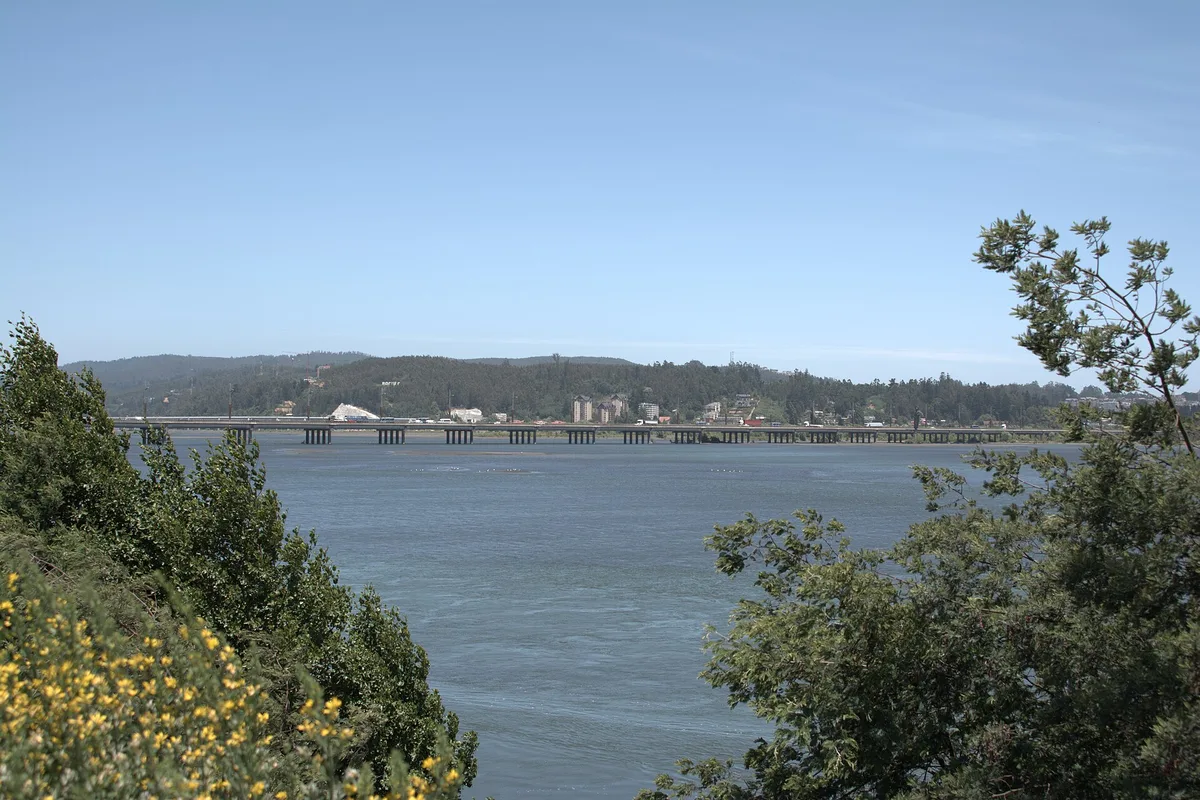
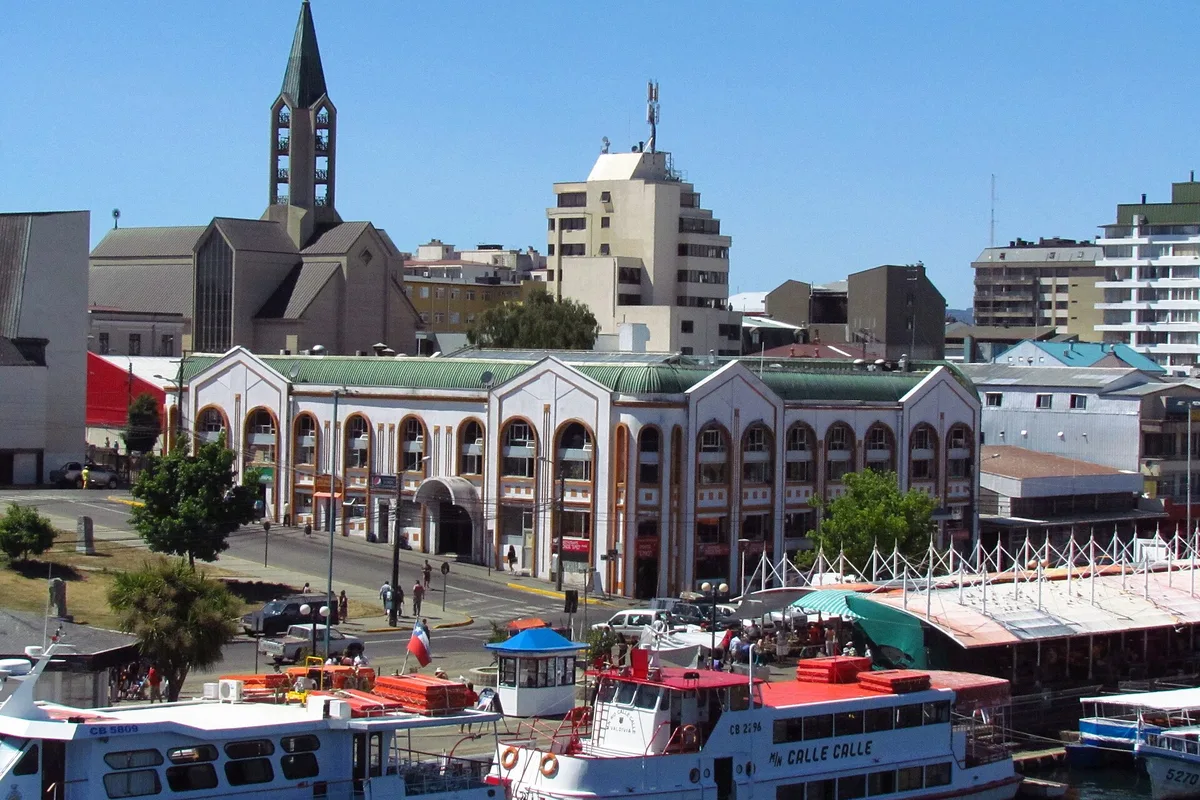
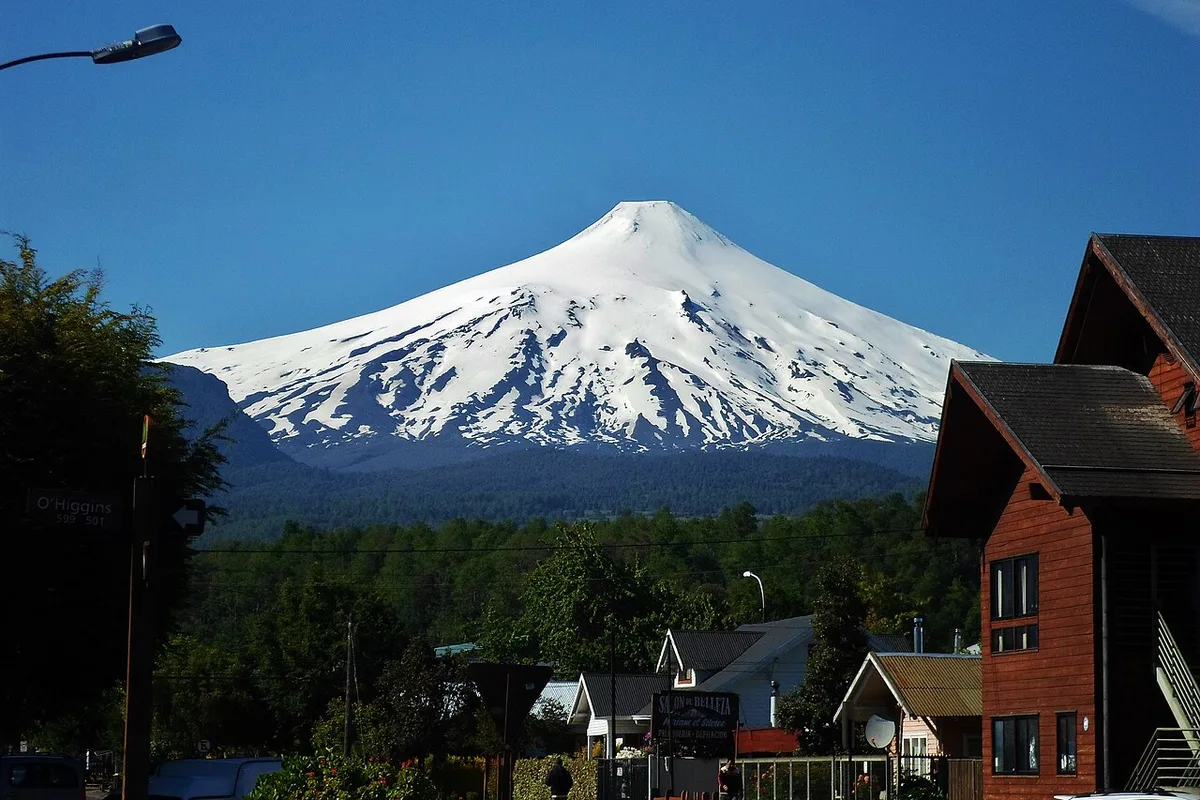
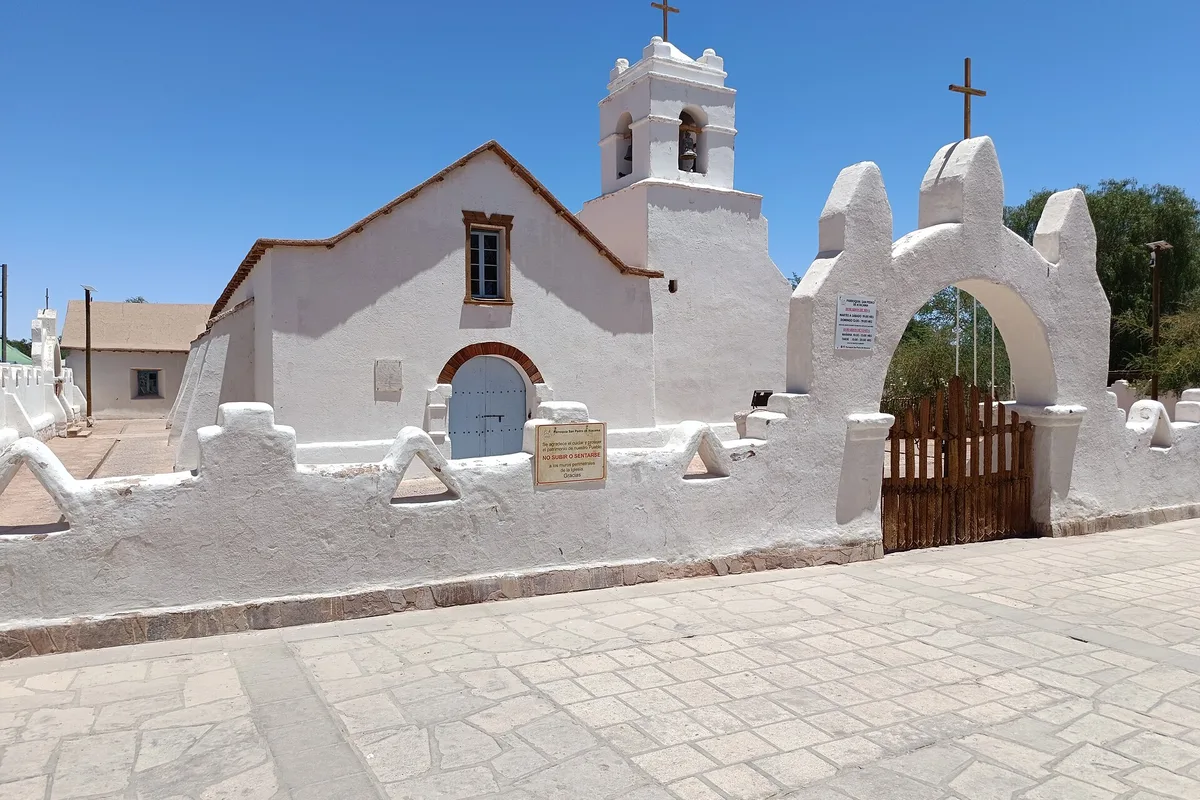
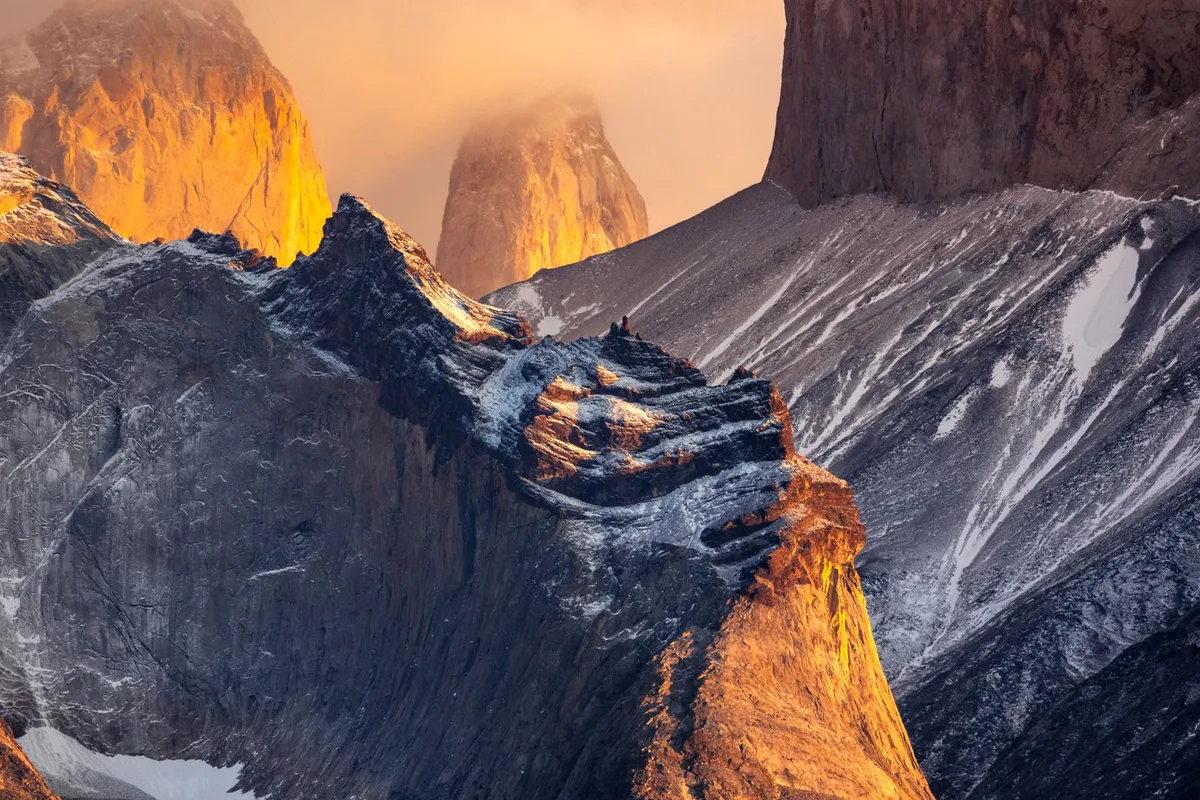
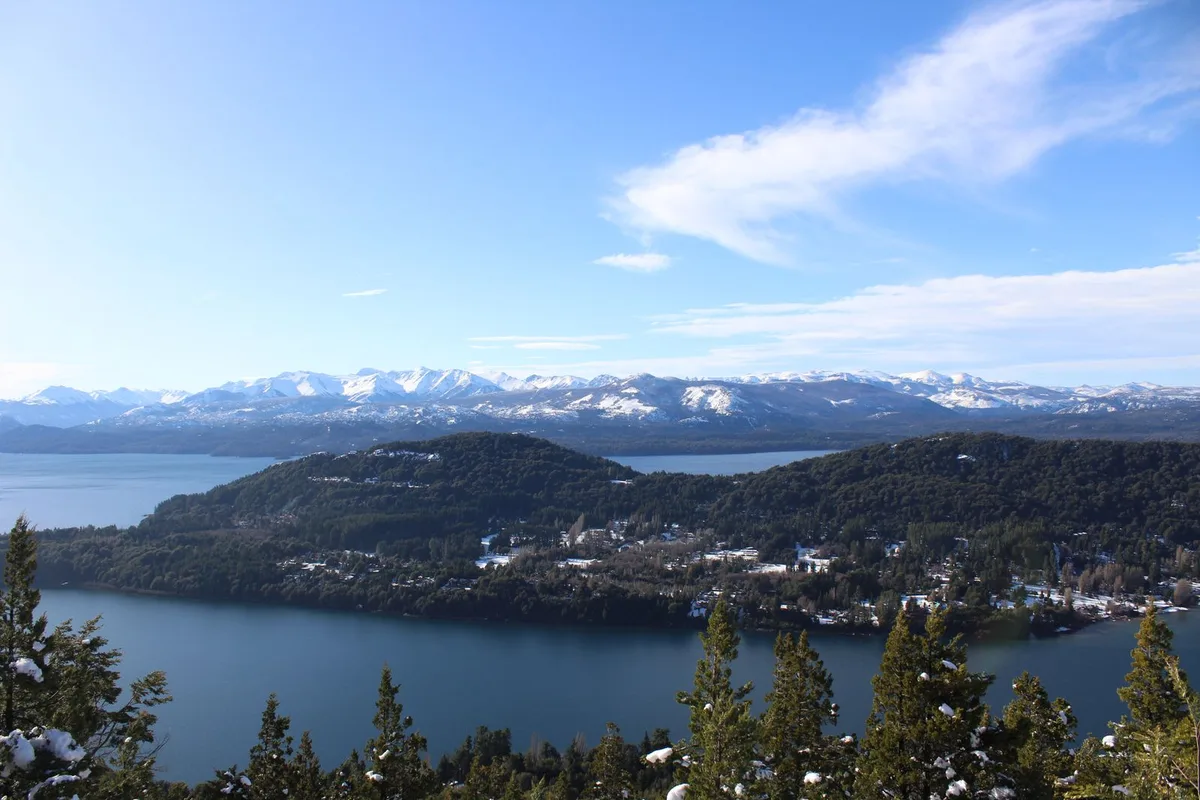
You have just landed at Carriel Sur, bound for Concepción — Chile's second city, a university and port town that runs on its own business rather than tourism, and is all the better for it. This guide covers the hop across the Biobío, where to sleep, the paper slip that saves you 19% at the hotel desk, a first day from plaza to mural, and the warship, coal mine and fishing cove that fill day two.
By Paul GreenUpdated Oct 202612 min readPrices checked Oct 2026
You just landed in Concepcion. Carriel Sur is a domestic hop from Santiago — immigration, the PDI entry slip and the SAG farm-products check all happen there — so keep that slip safe, load a Saily eSIM for the ride in, take the B02 bus (CLP 580) or a taxi (about CLP 9,000) over the Biobío bridges, base yourself on the plaza grid, and book the day that sells out first — the Lota coal-mine descent — ahead; a Kiwitaxi transfer covers a late arrival.
Quick facts
Airport
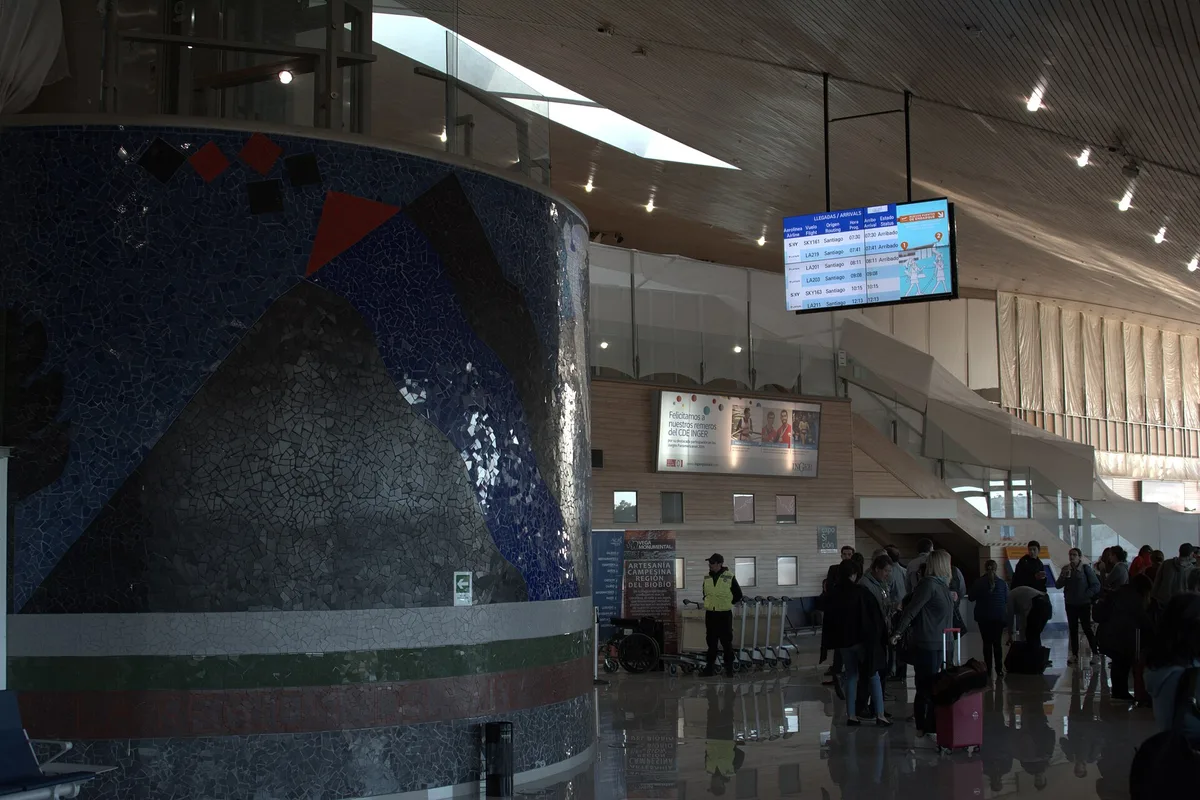
Carriel Sur (CCP), 8 km north-west in Talcahuano A domestic airport — almost everyone arrives on a one-hour flight from Santiago. The centre is about 15 minutes by road.
Getting in
Bus CLP 580, taxi about CLP 9,000, transfer from US$16 The B02 intermodal bus runs to the centre; official taxis wait outside arrivals; Transfer Win runs the shared door-to-door service.
Currency
Chilean peso (CLP) Cards work almost everywhere in the centre; carry coins for older micros until electronic payment finishes rolling out.
Languages
Spanish English is limited outside hotels and the universities — this is a working Chilean city, not a resort town.
Time zone
CLT (UTC-4), CLST (UTC-3) in summer Daylight saving runs from early September to early April.
Type C and L, 220V Two and three-pin sockets; US and UK travellers need an adapter.
Tap water
Safe to drink Treated and potable — fill your bottle at the hotel.
Tourist tax
None separate 19% hotel IVA, with a foreign-guest exemption — There is no city tourist tax. Hotels charge 19% IVA unless you qualify for the exemption: pay in US dollars at a registered hotel and show passport and PDI entry slip.
Best months
October to April Late spring to early autumn is driest and warmest; June to August is the rainy season.
Map
Find your arrival stop, hotel, and first meal. Stays, sights, and landmarks in Concepción — live hotel prices plus the key places from this guide.
Be clear about what Concepción is: Chile's second metropolitan area, a university and port city that runs on its own business — students, timber, steel, fishing — not on tourism. That is its appeal: prices are Chilean, crowds are local, and the sights reward travellers who like real cities.
Most international visitors land twice: first at Santiago, where immigration, the PDI entry slip and the SAG check happen, then at Carriel Sur an hour later on a domestic flight. Keep the PDI slip — you surrender it when you leave Chile, and it is half of the hotel tax exemption below.
Set up your data on the Santiago layover: a Yesim eSIM loads a Chile plan in minutes, so maps and bus times work from the kerb. For a longer trip, compare Saily and Airalo before you fly.
Run the arrival checklist in this order:
Ride into the centre — the B02 bus for CLP 580, or an official taxi for about CLP 9,000 if you land late or laden
Keep the PDI entry slip with your passport, not in checked luggage
Ask the hotel about the IVA exemption before you pay — dollars, passport and PDI slip are the ingredients
If a delayed flight wrecked the arrival, AirHelp checks whether the airline owes you compensation.
Getting around
Journey times are approximate and refer to the listed stop — not necessarily your hotel. Allow extra time for waiting, walking, and connections.
Intermodal bus B02
The only public transport at the airport: the B02 intermodal bus from the stop outside the terminal to the centre and Estación Intermodal, at the city's flat CLP 580 fare; not a 24-hour service, so late arrivals need a taxi
PriceCLP 580Journeyabout 40 min
Shared transfer (Transfer Win)
Transfer Win is the airport's official transfer operator, with a desk on the ground floor of arrivals; shared vans drop door to door across Gran Concepción, so your drop may not be the first
Pricefrom US$16 per personJourneyabout 25 min
Official taxi
Official taxis wait outside arrivals and app taxis serve the airport too — Uber's own average for the 11-minute off-peak run is about CLP 8,400; agree you want the bridge route to the centre
Priceabout CLP 9,000Journeyabout 15 min
Rental car
Worth it only if the Arauco coast, Lota or the road south is the trip; the centre is walkable, parking is priced, and the Biobío bridges bottleneck at rush hour
PriceVaries by rentalJourneyabout 15 min
Carriel Sur (CCP) sits across the Biobío in Talcahuano, about 8 km from Plaza Independencia. There is no train from the airport; the choice is bus, shared transfer, taxi or rental car. The airport rides are these:
In town, the centre is flat and walkable, and the micros (blue city buses) fill the gaps at a flat CLP 580 — pay the driver in coins while the new Gran Concepción Conectado card finishes rolling out. The Biotrén commuter rail is the local secret: two lines from Concepción station, west to Talcahuano and Coronel, east to Chiguayante and Hualqui, priced by distance. Colectivos run fixed routes for a little more, and app taxis are plentiful after dark.
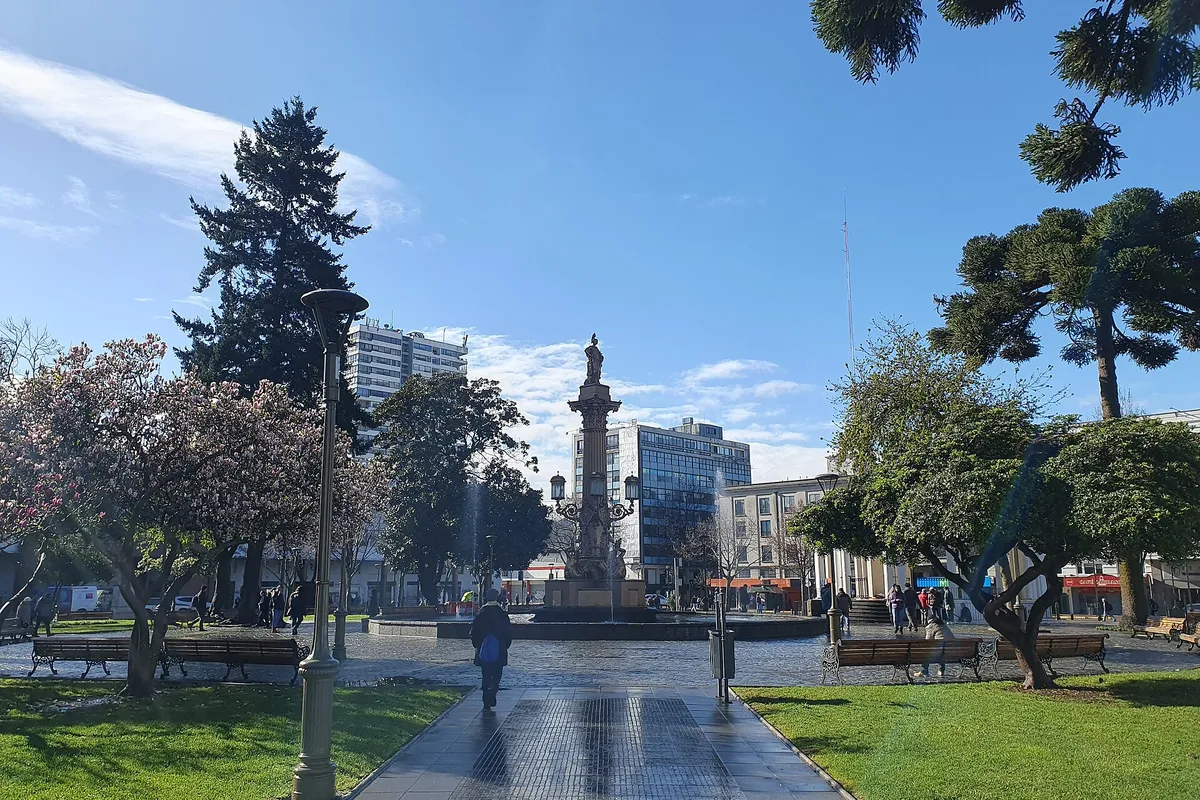
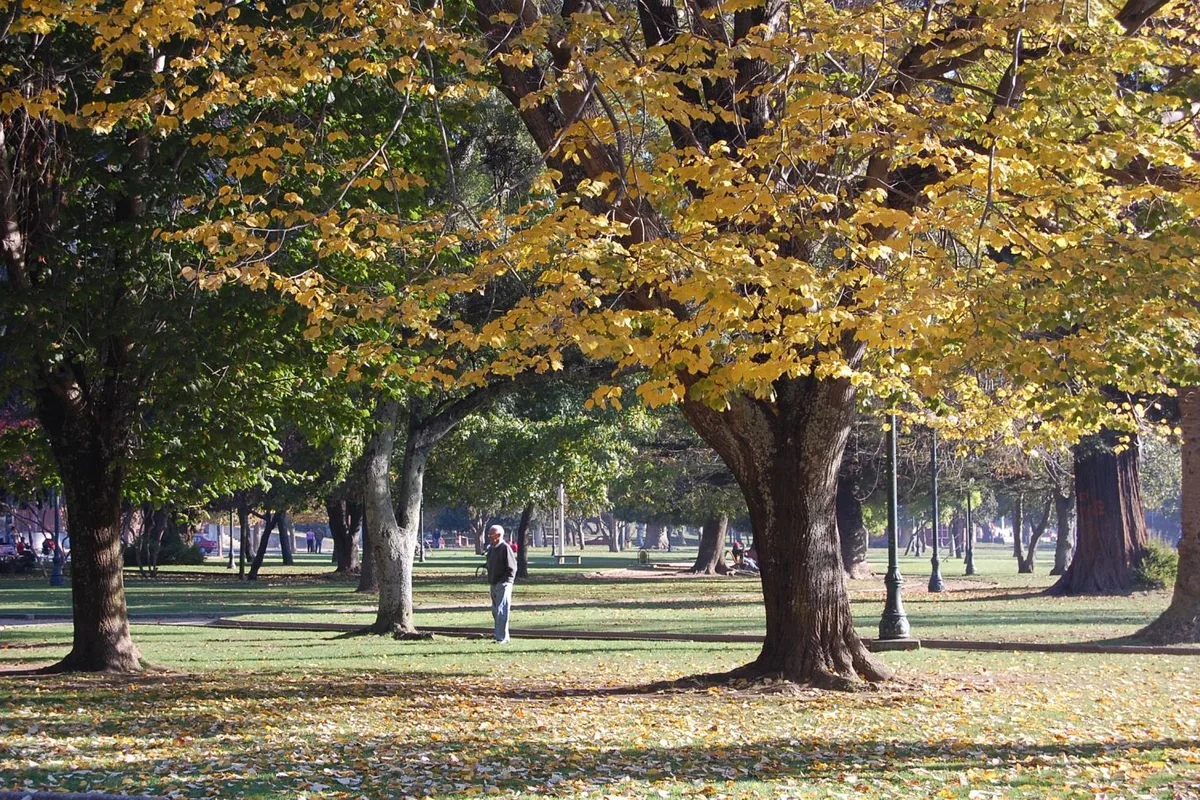
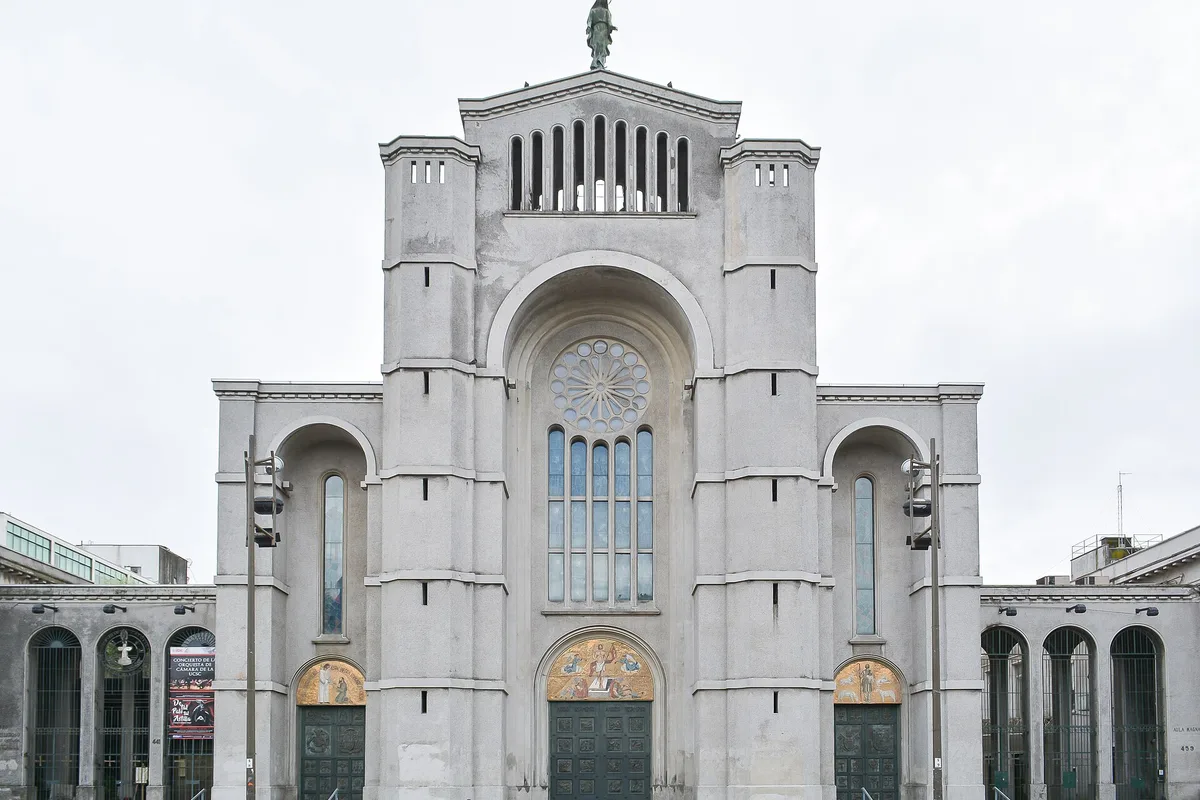
Start at Plaza Independencia, the city's living room: the cathedral on the east side is the post-earthquake rebuild, all pale stone and clean lines. Five minutes away, Parque Ecuador runs along the foot of Cerro Caracol — climb the cerro's paths for the lookout over the rooftops and the river.
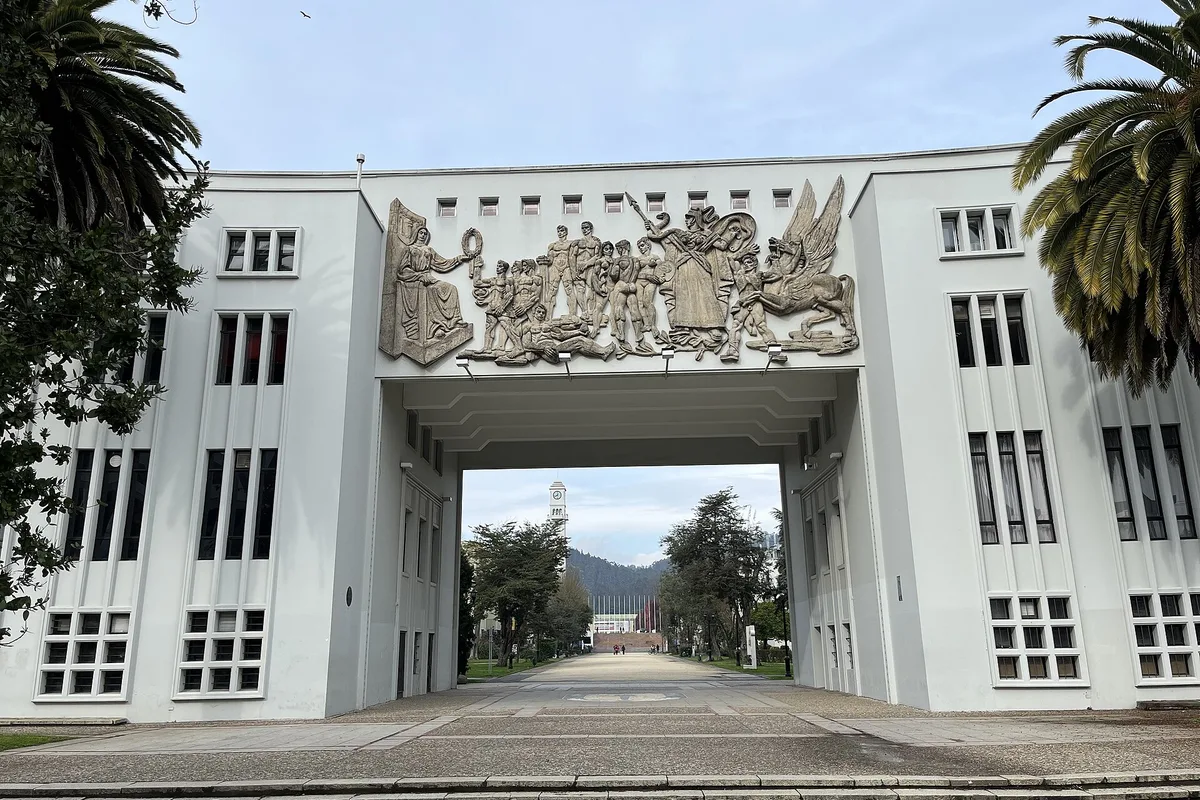
Give the afternoon to the Universidad de Concepción. Enter the open campus under the Arco de Medicina, wander the lawns, then step into the Casa del Arte for the Presencia de América Latina mural — a vast 1960s fresco by Jorge González Camarena, gifted by Mexico. The best piece of art in the region, and free to walk into.
End the day on the riverfront by the Teatro Biobío, or in the Barrio Universitario bars around Plaza Perú, where the student city eats at student prices. Book the organised days before you arrive — one small local operator runs them and groups cap at 15. Compare the Concepción tours on Klook as well, and lock the Lota mine day first.
Give day two to the coast: Talcahuano's warship in the morning, a long seafood lunch at Lenga, and the estuary park before the light goes.
Where to stay your first nights
Splurge
Hotel Diego de Almagro Concepcion.
Best for the full-service splurge by Parque Ecuador
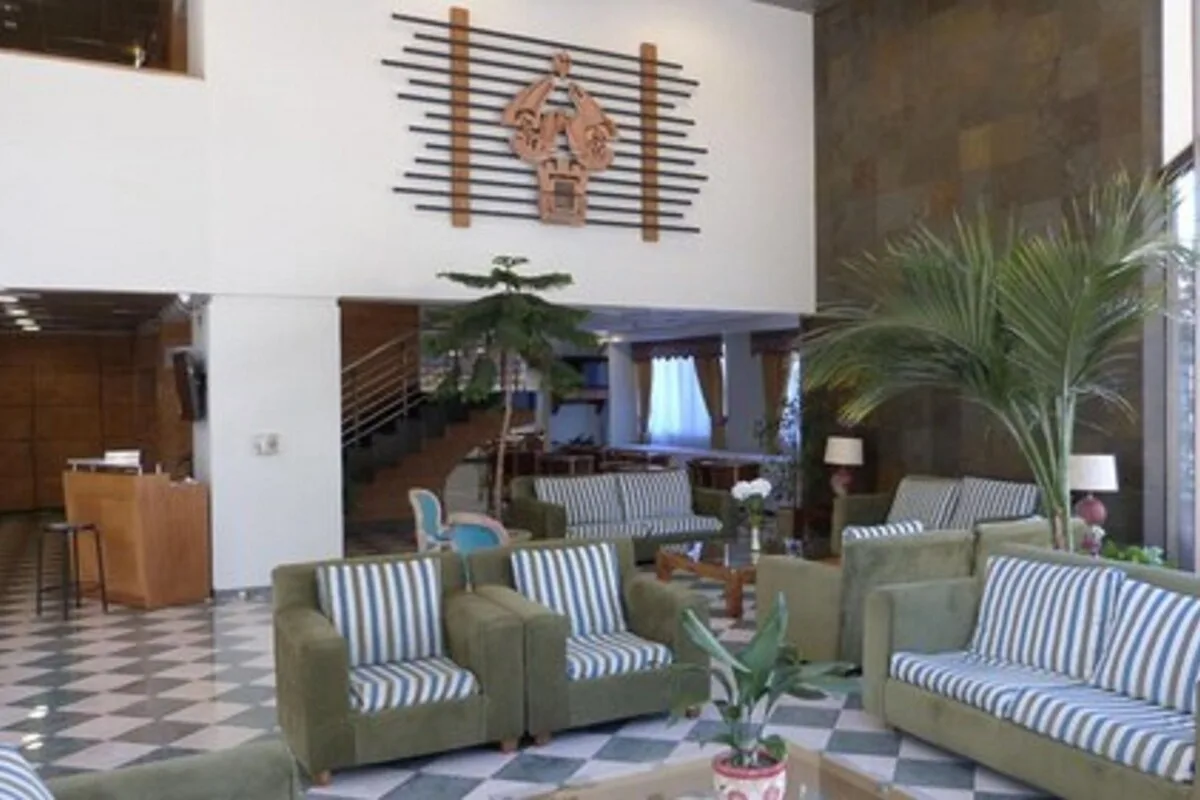
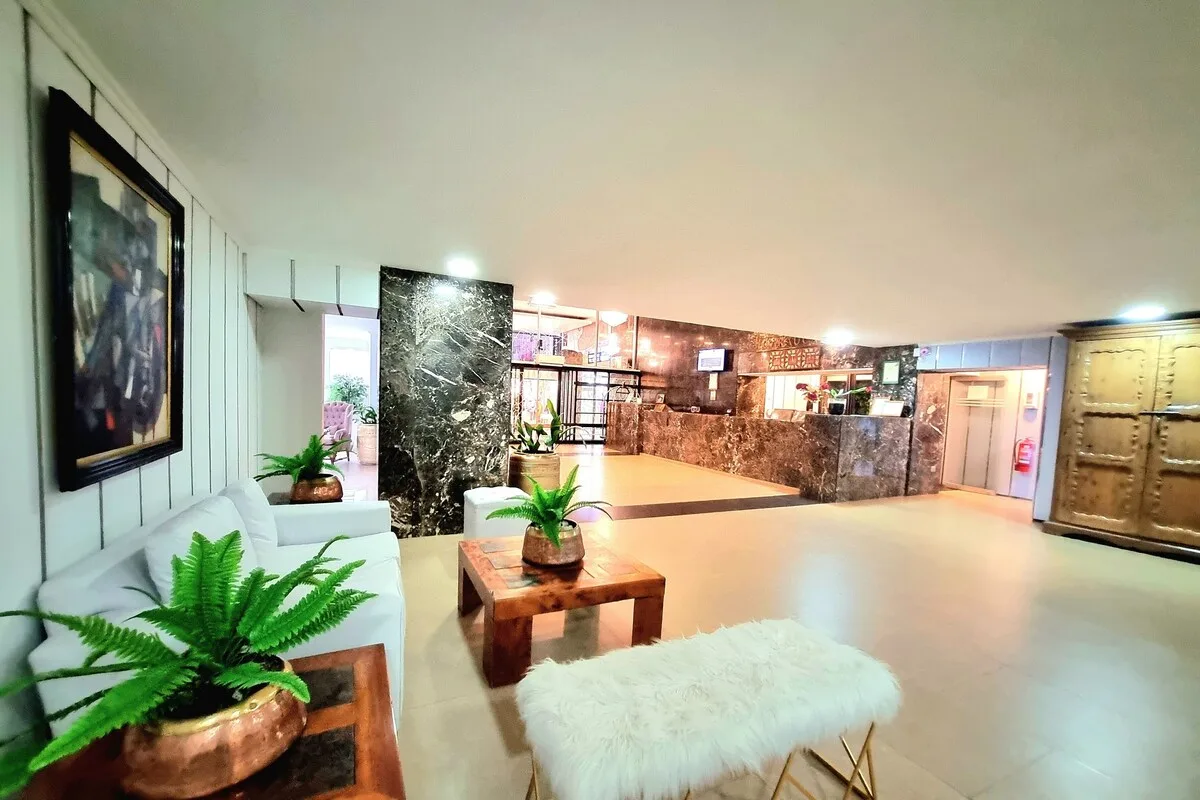
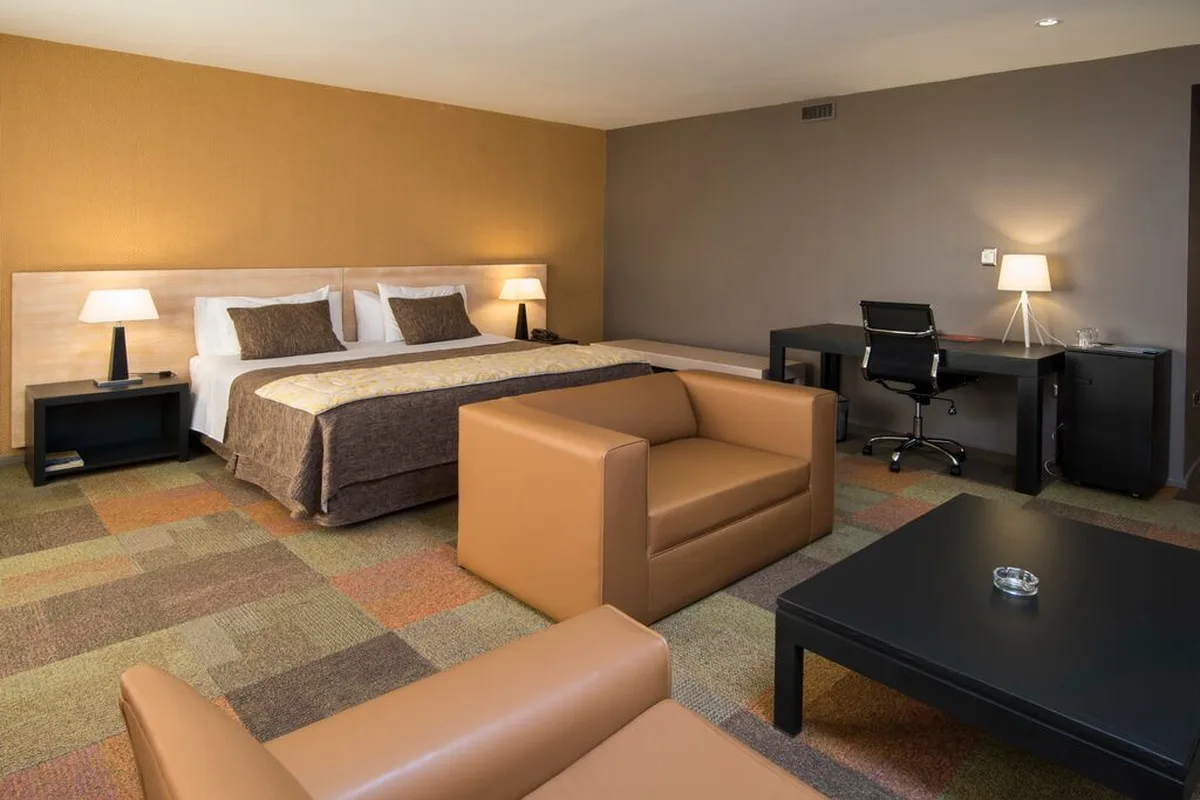
The centre's full-service address at Avenida Chacabuco 156: 152 rooms, an indoor pool, sauna and gym, the Chacabuco restaurant and breakfast included. Ask for a high floor facing the cerro, and settle the IVA exemption at check-in, not checkout.
Best for the classic plaza base, steps from the cathedral
The classic plaza hotel at Caupolicán 521, steps from the cathedral: 154 rooms, a rooftop terrace, the Cacique's restaurant and free parking — the business traveller's default for decades, from about CLP 56,000 on its own site.
Best for budget beds half a block from Plaza Independencia
A family-run hotel at Barros Arana 457, half a block from Plaza Independencia: 70 rooms, generous breakfasts, underground parking and staff who treat regulars like family. No pool, no frills — the saving is the point. Its own terms print the foreign-guest IVA exemption plainly.
Stay in the centre, around Plaza Independencia and the Cochrane and Barros Arana grid — everything here is a walk or one micro away, and the airport run stays 15 minutes. Hotels are business-grade rather than boutique; what you get is space, parking and honest rates.
Book ahead for March (university intake and the REC festival) and Fiestas Patrias week in September. Wherever you stay, confirm whether the quoted rate includes the 19% IVA.
Where to eat first
Eat the sea on day one — Concepción sits 15 minutes from one of Chile's great fishing coves. The Biobío table runs on mariscal (a chilled raw-shellfish cocktail, not for the cautious), paila marina (the steaming seafood soup-stew), machas a la parmesana (razor clams baked with cheese) and empanadas de marisco. In the centre, the surprise is Peruvian: a deep bench of Peruvian kitchens turning out ceviche and lomo saltado. Three first stops:
Caleta Lenga.
The fishing cove at the north end of the Hualpén peninsula, where seafood restaurants face the boats. Order the mariscal if you are brave, the paila marina if you are wise. Go for lunch, at 13:00, not dinner.
Fina Estampa.
The city's best-known Peruvian table, at Tucapel 410 (a second room on Angol): ceviche peruano, ají de gallina and a proper pisco sour at moderate prices. Book for Friday and Saturday nights.
Plaza Perú and the Barrio Universitario.
The student quarter's terraces and fuente de soda counters a block from the university arch: completos, local beer and menú del día lunches at prices the rest of Chile forgot.
Day trips and more
Three escapes cover the region's story: a warship and a fishing cove, a coal mine you descend into, and the great river's mouth. All three run with the same small local operator, meet at Plaza Independencia and cap at 15.
Greater Concepción tour
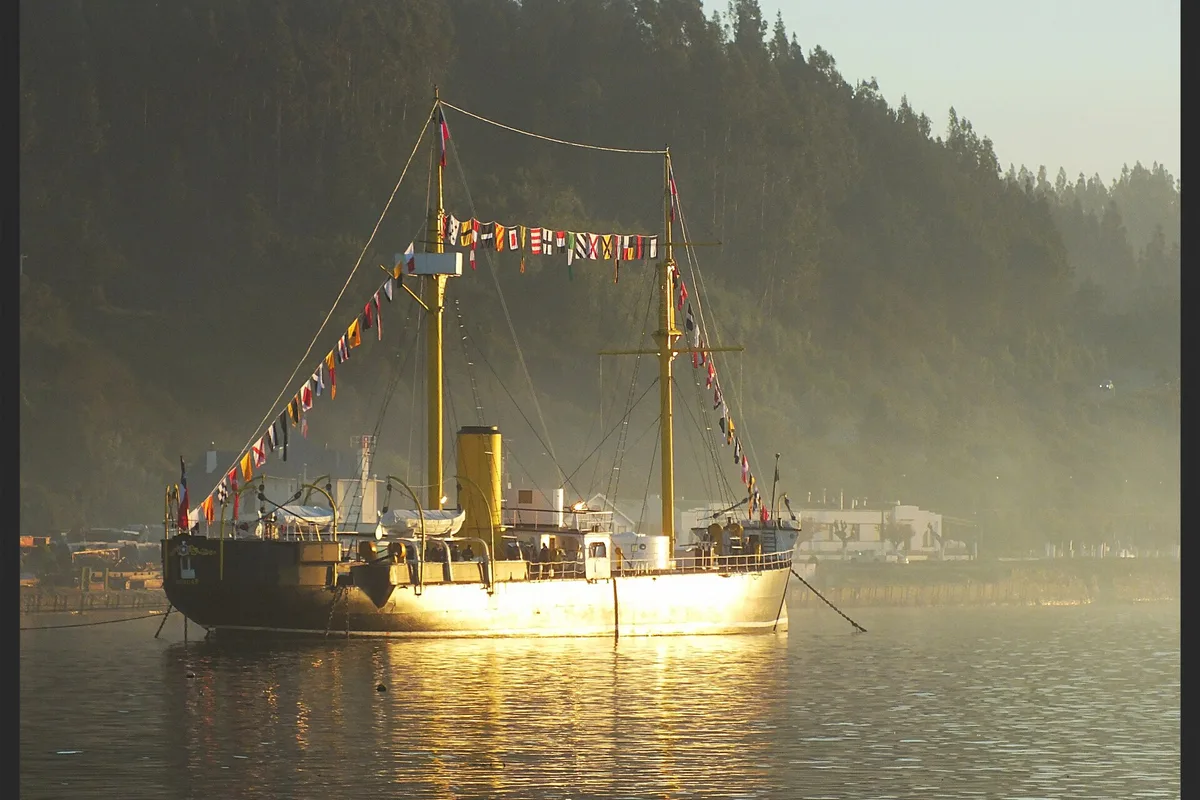
A full day by private vehicle: Plaza Independencia and the university, then Talcahuano to board the Monitor Huáscar, the 1865 ironclad captured from Peru in 1879 and kept as a floating museum — entry, lunch at Lenga and the Pedro del Río Zañartu park included. Check availability →
Tour around Lota
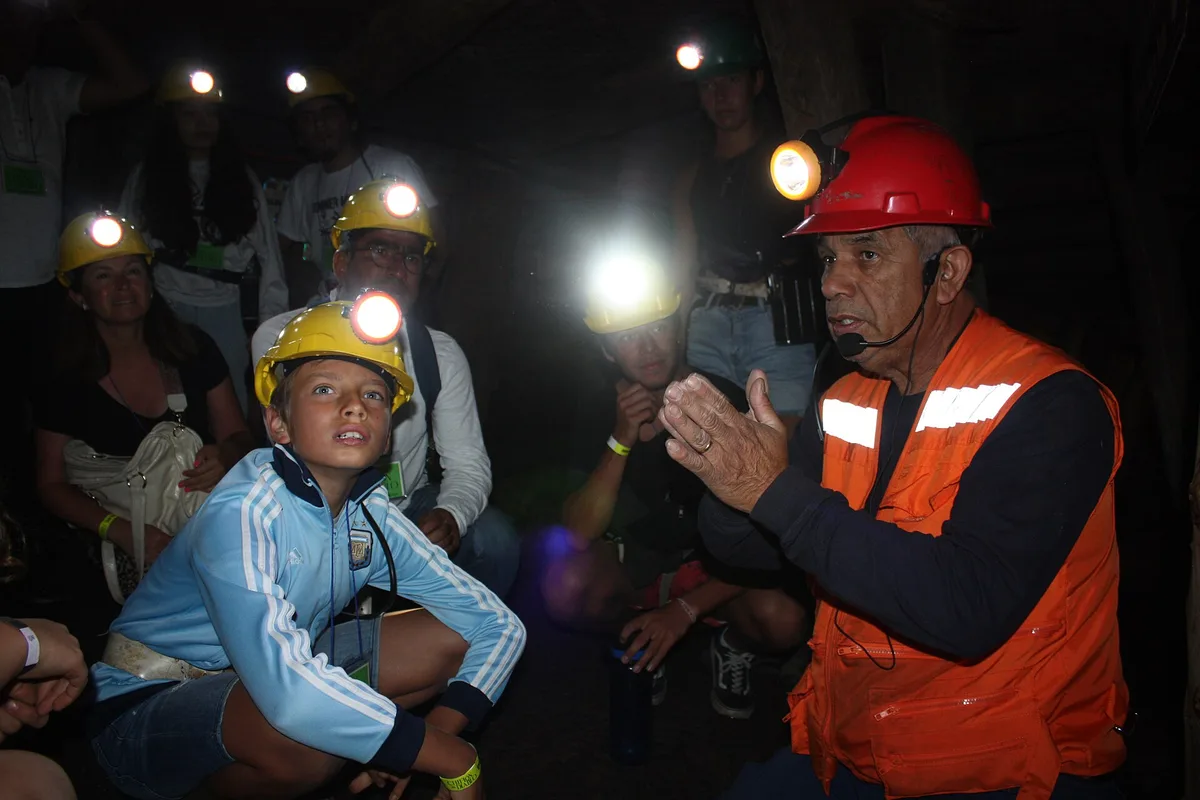
Eight hours south to the coal coast: Playa Blanca, the midpoint of continental Chile, the mining town built for the Cousiño collieries, then a helmet-and-lamp descent into the Chiflón del Diablo, the undersea mine worked from 1857 to 1997 and guided by men who mined it. Check availability →
Biobío estuary and Pedro del Río Zañartu museum
Four hours to the river's mouth in Hualpén: the wetlands where Chile's second river meets the Pacific, the Pirate's Cave, and the eccentric museum in the Zañartu family park. Right with children, or on a short stay. Check availability →
When to go and what it costs
JanFebMarAprMayJunJulAugSepOctNovDec
October to April is the window: long evenings, dry-ish days, the coast at its best. High summer averages a mild 20°C rather than heat — Concepción is ocean-cooled — and March adds the free REC rock festival, the city's biggest weekend. Winter is the trade-off: June to August brings the rains the region is known for, and hotel rates soften. Pack for a cool evening whenever you come; the Pacific sees to that.
A backpacker in a budget room, on menú del día lunches and CLP 580 micros: CLP 40,000 to 60,000 a day. Mid-range — a plaza hotel, restaurant dinners, one organised day trip: CLP 90,000 to 140,000. A splurge day at the Diego de Almagro with the full Lota tour and a long Lenga lunch passes CLP 200,000.
Do the maths in pesos: Concepción is priced for Chileans, and outside the hotel IVA question almost nothing is quoted in USD.
What to pack
Tap items to check them off — your list is saved on this device.
Pack for a temperate city with wet winters and cool nights in every season — layers and a real rain shell beat a heavy coat. This is the full list:
Add the Concepción extras: a warm mid-layer for Lenga, where the wind comes off the Humboldt current, shoes you do not mind dusting with coal if Lota is on the list (the mine provides helmets, not boots), and a swimsuit only in high summer — Ramuntcho and Lenga are for the brave even then.
Language, visa and entry
! Check visa requirements before you fly
Spanish runs everything here. Concepción has universities full of English students but a thin tourist trade, so expect menus, micros and museum labels in Spanish — download the offline pack and lead with a buenos días. Lunch 13:00 to 15:00 is sacred; dinner starts at 20:00.
Four phrases do most of the work:
HolahelloGraciasthank youLa cuenta, por favorthe bill, please¿Habla inglés?do you speak English
Sort your entry paperwork before you book anything non-refundable. Most visitors from the US, the UK and the EU get 90 days in Chile without a visa, with a passport valid for the stay. Entry is through Santiago for almost everyone: immigration PDI stamps you in and hands you the Tarjeta Única Migratoria, a small paper slip — keep it safe, because you must present it to leave and hotels ask for it for the IVA exemption.
The second form is agricultural. Chile guards its fruit and wine industries fiercely: every traveller over 18 must file the joint Customs and SAG sworn declaration, declaring any plant or animal products — fruit, seeds, honey, cured meats, wooden souvenirs. File it online at ingresoachile.cl in the day before arrival and tick YES if in doubt.
Do not bring fresh food off the plane as a gift, however good it looked at the last airport. Eat it in the air or leave it behind.
Safety and health
Use big-city care in the centre and at the terminals
The centre is busy and walked at all hours, but pickpockets work the crowded micros and the Collao bus terminal: front pocket or cross-body bag, phone away when the bus doors open, extra care after dark around the station. The university quarter and plaza are the evening heart — stay where the people are.
Earthquakes are part of the deal here
The Biobío coast lives with real seismic risk — the 2010 earthquake and tsunami hit this region hardest. Know your hotel's evacuation route, and at the coast (Lenga, Talcahuano, Dichato) know the marked tsunami routes uphill; if the ground shakes hard at the beach, move to high ground at once.
Winter rain and summer fire are the seasonal hazards
June to August storms flood underpasses and swell the Biobío — never cross flooded roads. In dry summers, forest fires in the plantation hills can close roads and fill the air with smoke; check conditions before the Arauco coast.
Look after the basics
Tap water is safe and pharmacies are everywhere. Dial 131 for an ambulance, 132 for fire and 133 for police — save all three, the numbers split by service.
The things travellers ask in the first 48 hours: the airport across the river, the paper slip that saves you 19%, and why this working city is worth the stop.
Fares checked against Gran Concepción fare reporting, Uber's CCP fare averages and Transfer Win's airport listing, October 2026; entry rules against SAG and Customs guidance; the IVA exemption against the hotels' own published terms.
Three ways for three budgets: the B02 intermodal bus for the flat CLP 580 fare (about 40 minutes), an official taxi from the rank for about CLP 9,000 (about 15 minutes), or Transfer Win's shared door-to-door service from the desk in arrivals, from US$16 a person.
Honestly, it is not a classic sightseeing city — it is Chile's second metro, a working university and port city. Come for the university campus and its great mural, the Huáscar warship, the Lota coal mine and the Lenga seafood coves, or as the Biobío base for the road south. For postcard Chile, Pucón and Valparaíso outrank it.
Most US, UK and EU visitors get 90 days without a visa. Entry is almost always through Santiago: keep the PDI entry slip — you need it to leave — and file the joint Customs and SAG declaration online at ingresoachile.cl in the day before arrival, declaring any food, plant or animal products.
Pay in US dollars at a registered hotel and show your passport plus the PDI entry slip. Foreign non-resident guests are then exempt from the 19% IVA. Pay in pesos, or lose the slip, and the hotel must charge the tax — agree it at check-in.
October to April: drier, longer days, the coast at its best, and March brings the free REC rock festival. December to February is mild rather than hot (about 20°C). June to August is the rainy season — cheaper hotels, greyer skies.
The same local operator runs the organised days from Plaza Independencia: the Greater Concepción loop (university, Huáscar, Lenga lunch, estuary park), the eight-hour Lota tour with the mine descent, and the four-hour Biobío estuary trip. DIY works too — micros run to Talcahuano and Lenga, and Biotrén trains reach Coronel for Lota.
Fares change — the airport, EFE Sur and the hotels' own pages always win.
Concepción, saved for arrival
Landing soon? Get the printable PDF — the essentials from this guide, formatted for your phone:
The airport transport cheat sheet, with ticket links
Our 3 restaurant picks, with maps
The packing checklist
One email with your Concepción PDF (guide version: Oct 2026). Fare changes and new guides after that. No spam, unsubscribe anytime.
Sources and last verified
Airport transfers against Carriel Sur and operator sources, October 2026: the B02 bus and CLP 580 fare against Gran Concepción fare reporting; taxi costs against Uber's CCP averages (about CLP 8,400 for the 11-minute run); shared transfers against Transfer Win's listing as the airport's official operator, from US$16 a person. Entry rules against SAG and Customs guidance: 90 visa-free days for US, UK and EU visitors, the PDI tourist card, and the joint Customs and SAG affidavit at ingresoachile.cl for travellers over 18. The 19% hotel IVA exemption against the hotels' own terms, including Hotel Alborada's published conditions (passport, PDI document, payment in dollars). Hotel details against the properties' Expedia listings and own sites, opened October 2026; Expedia property URLs are held for the confirmation pass, so no hotel link is printed yet. Tour details against the operator's product pages, read October 2026; GetYourGuide carries no Concepción (Biobío) inventory — its Concepción listings belong to Valparaíso's Cerro Concepción. Photo credits as in the guide data. Last verified October 2026.
Affiliate disclosure: hotel names, transfers, experiences, and products linked in this guide may earn After You Land a commission at no extra cost to you. Prices and times were checked in Oct 2026 and change often — confirm before you book.