You have just landed at Pichoy, Valdivia's small airport 32 km north of the city — a river port where sea lions lounge under the fish market, German settlers left breweries and kuchen, and the strongest earthquake ever recorded redrew the wetlands in 1960. This guide covers the shuttle ride in, where to sleep, the 19% hotel IVA exemption, the first paila marina and Kunstmann pour, and the fort and kayak days that fill day two.
By Paul GreenUpdated Oct 202612 min readPrices checked Oct 2026
You just landed in Valdivia. Pichoy airport sits 32 km north of the city — ride the shared shuttle in for about CLP 5,000 with an Airalo eSIM live for maps, keep your PDI tourist card safe for the 19% hotel IVA exemption, and book the river days that fill first — the Niebla fort circuit and the Río Cruces kayak above all — ahead through GetYourGuide.
Quick facts
Airport
Pichoy (ZAL), about 32 km north of the centre in Mariquina Domestic only: flights from Santiago with LATAM, JetSmart and Sky, about 35 minutes by road into the city.
Getting in
Shared shuttle about CLP 5,000 per person, taxi CLP 25,000 to 30,000, about 35 to 50 minutes Shared vans and pre-booked transfers meet flights and run door to door. No train, and no guaranteed rideshare pickup.
Currency
Chilean peso (CLP), about CLP 990 to US$1 in October 2026 Cards work widely in the city; carry pesos for buses, colectivos, market stalls and the Niebla ferry.
Languages
Spanish, with a strong German heritage in surnames, baking and beer Hotel and tour staff often work in English; drivers and markets run on Spanish — the phrase chips below cover the essentials.
Time zone
Chile Time UTC-3 in October 2026, on daylight saving since 6 September; UTC-4 in winter — Mainland Chile springs forward in September and back in April; October arrivals are on summer time.
Emergency
133 for police (Carabineros), 131 for an ambulance, 132 for fire Chile has no single all-services number — save all three. The PDI investigations police are 134.
Plugs
Type C and Type L sockets, 220 volts The three-pin Type L catches visitors out. North American and British plugs need an adapter.
Tap water
Safe to drink in Valdivia the city supply is treated and locals drink it — Refill before river and fort days; in rural cabañas on well water, ask the host.
Tourist tax
No city lodging tax and foreign tourists skip the 19% IVA on hotel rooms at SII-registered hotels — It needs payment in foreign currency or by foreign card, plus your passport and PDI tourist card at check-in. Unregistered lodgings cannot offer it.
Best months
December to March the driest window in one of Chile's rainiest cities — Rain falls all year: about 1,850 mm annually, peaking in June. Summer days reach about 23°C; winter days sit near 12°C.
Map
Find your arrival stop, hotel, and first meal. Stays, sights, and landmarks in Valdivia — live hotel prices plus the key places from this guide.
Touch down at Pichoy and treat the first hour as admin: the airport sits 32 km north in green farmland, and the ride in is the part to have sorted before you land.
Set up data before you leave home — an Airalo eSIM loads in minutes, so maps work from the arrivals hall. For a longer Chile trip, compare Saily and Yesim.
The arrival checklist, in order:
Keep the PDI tourist card issued on entry with your passport — hotels need it for the 19% IVA exemption, and you surrender it on exit
Ride a shared shuttle, your pre-booked transfer or a rank taxi in — agree any taxi fare before the door closes
Keep pesos handy for the first bus and market run — small stalls and ferries are cash country
If a delayed or cancelled flight wrecked the arrival, AirHelp checks whether the airline owes you compensation.
Getting around
Journey times are approximate and refer to the listed stop — not necessarily your hotel. Allow extra time for waiting, walking, and connections.
Shared shuttle van
Shared vans meet arriving flights and drop door to door; the fare is per person and the ride lengthens with other passengers' stops — book ahead in summer
Priceabout CLP 5,000 per person (about US$5)Journeyabout 50 min
Private transfer
Pre-booked sedan with flight monitoring and a name board; the price is per vehicle for up to four, so it beats three shuttle seats — local operators quote CLP 23,000 to 24,000
PriceCLP 23,000 per car (about US$23)Journeyabout 35 min
Taxi
The rank waits outside arrivals; fares are effectively fixed by distance but agree the price before the door closes — generally cash, no meter surprises
PriceCLP 25,000 to 30,000 (about US$25 to 30)Journeyabout 35 min
Rental car
Counters in the terminal and the Ruta 202 south; a car earns its keep for Niebla, the coastal forts and the lakes — it does not in the walkable centre
Pricefrom CLP 30,000 a day (about US$30)Journeyabout 35 min
Valdivia walks well: the centre, the costanera and the bridges to Isla Teja cover most first days on foot, and the airport run has one budget anchor — the shared shuttle vans that meet each flight. The rides in from ZAL:
Choose the shuttle with light bags and a central hotel; a private transfer or taxi late at night or with a group — per car, the transfer beats three shuttle seats. A car earns its keep for Niebla and the forts, not in the centre.
In town, city buses run about CLP 570 and colectivos — shared taxis on fixed routes — about CLP 700. The Niebla bus leaves hourly for CLP 650, and the ferry across to Corral costs about CLP 2,000.
In the city
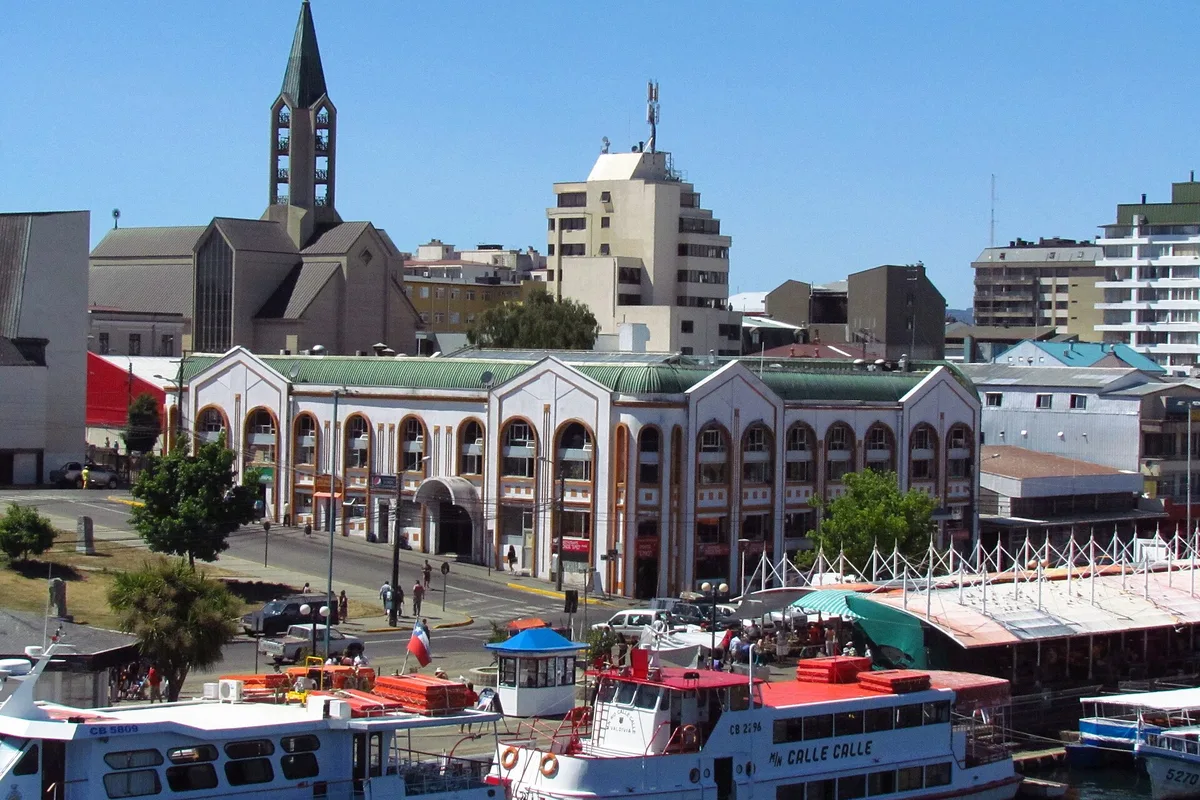
Start at the Feria Fluvial, the riverside market on the Costanera Arturo Prat.
Watch fishmongers gut the day's catch while South American sea lions haul out on the pontoons below, waiting for scraps — resident, noisy and unbothered. The Mercado Municipal next door covers produce, cheese and crafts.
Walk the costanera south along the Calle-Calle.
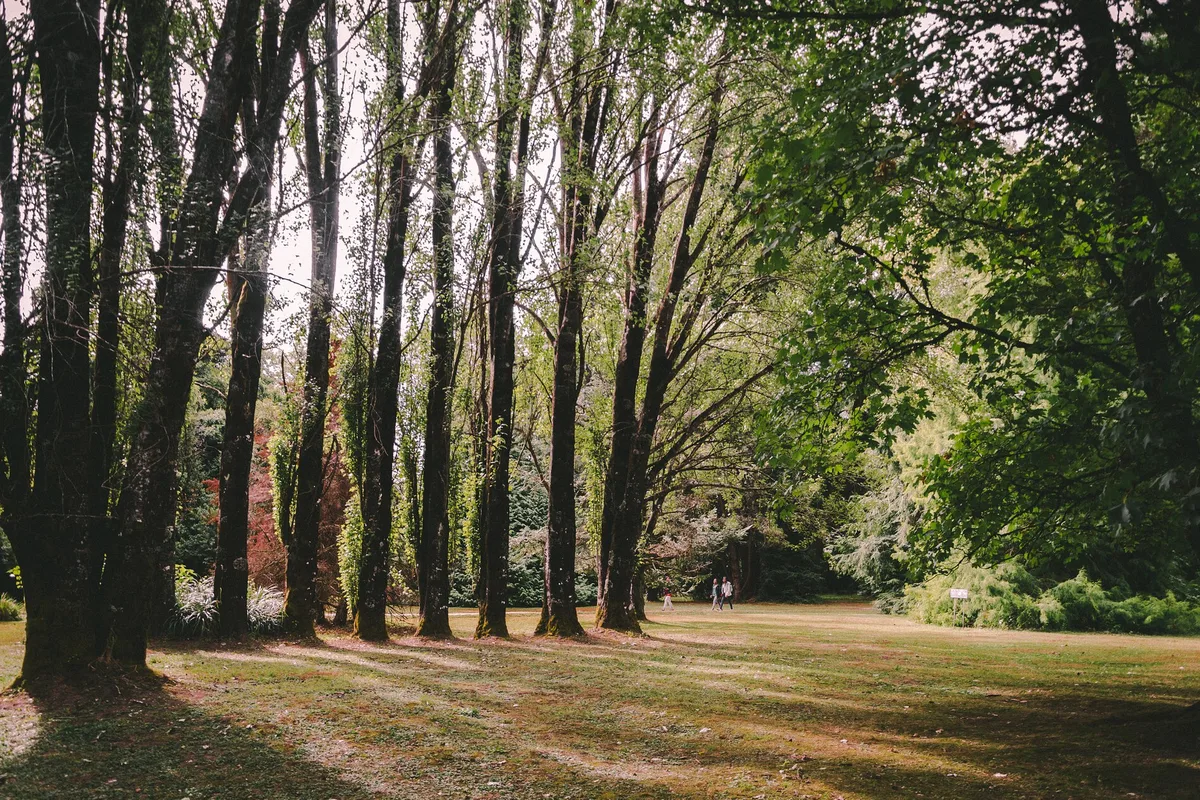
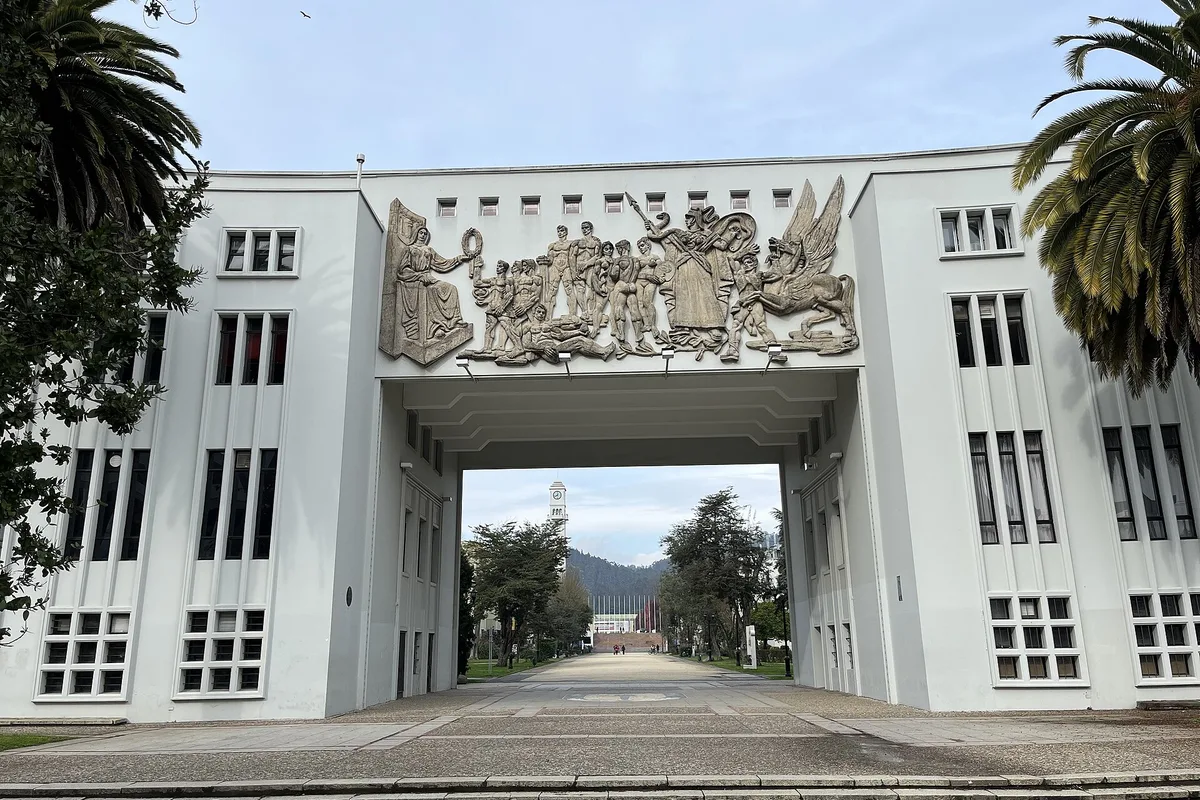
Cross the Pedro de Valdivia bridge to Isla Teja for the Maurice van de Maele museum — Mapuche-Huilliche culture, the fort era and the German settler story in the Anwandter house — then lose an hour in the Jardín Botánico, the university's 10-hectare rainforest garden.
Read the 1960 story in the streets.
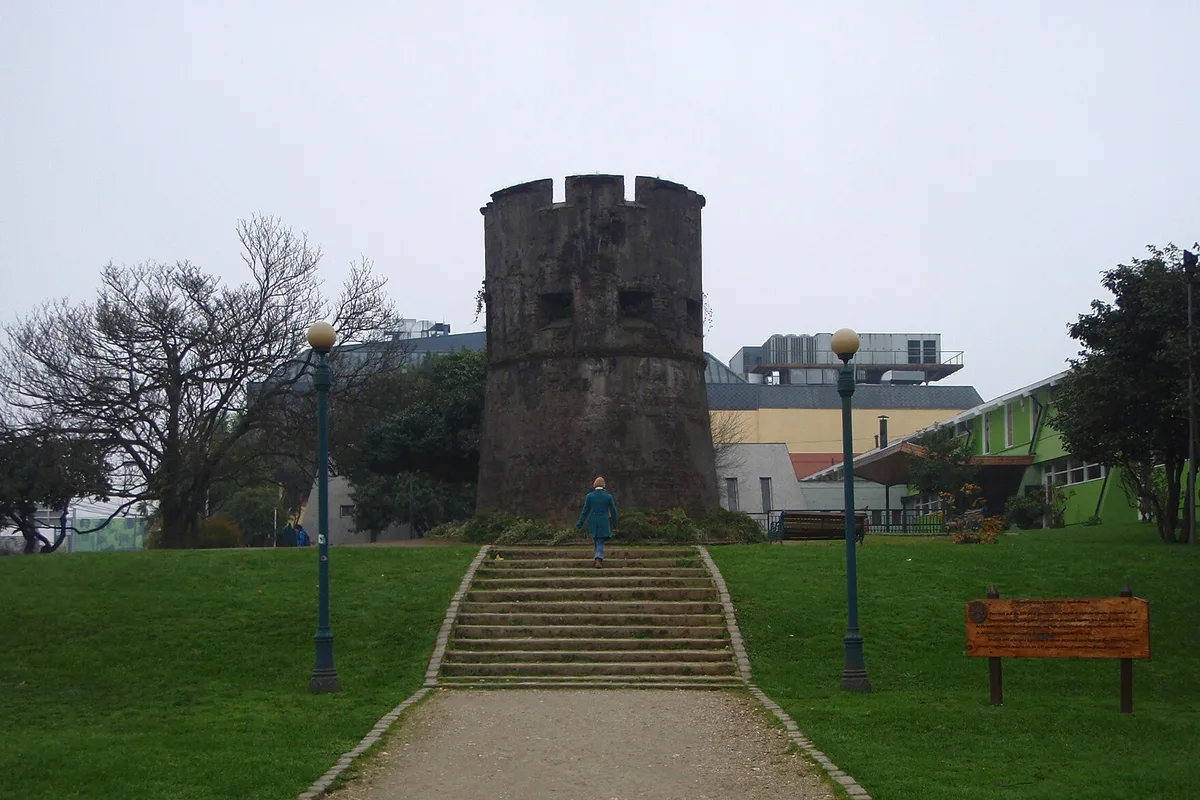
On 22 May 1960 the strongest earthquake ever recorded — magnitude 9.5 — devastated Valdivia, sank land along the Río Cruces and redrew the map. The Torreón del Barro and Torreón de los Canelos watchtowers tell it quietly.
Drink the German heritage.
Settlers from 1850 made this a brewing and baking city: end the day with a Kunstmann pour and kuchen, and browse GetYourGuide for the river days below, comparing Klook when stacking activities.
After you land in Valdivia: Bookable experiences
Where to stay your first nights
Splurge
Hotel Dreams Valdivia.
Best for the full-service splurge — the landmark river tower with spa, indoor pool and casino
Sleep at Carampangue 190 on the costanera — the landmark tower hotel: 104 rooms over the river, the Hydra Spa, an indoor pool, the Doña Inés restaurant and the casino downstairs. Book it for full-service Valdivia, views included.
Best for a calm riverfront base on Isla Teja — gardens, marina and hot tubs by Parque Saval
Stay at Los Lingues 950 on Isla Teja, in gardens by the Río Cruces bridge and Parque Saval — a riverfront hotel with a marina, hot tubs, a seasonal outdoor pool and breakfast included. Book it for the calm, green base near the centre.
Best for value on the costanera — buffet breakfast and the lowest full-service rates of the three
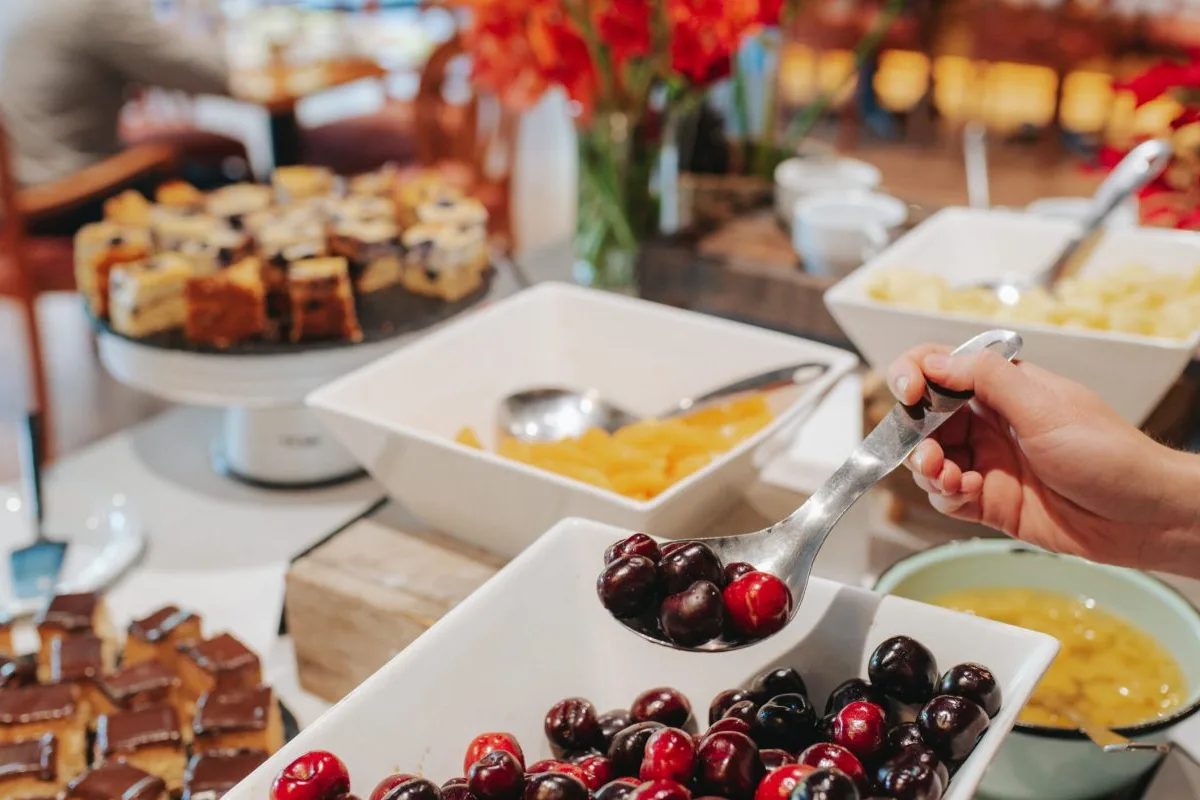
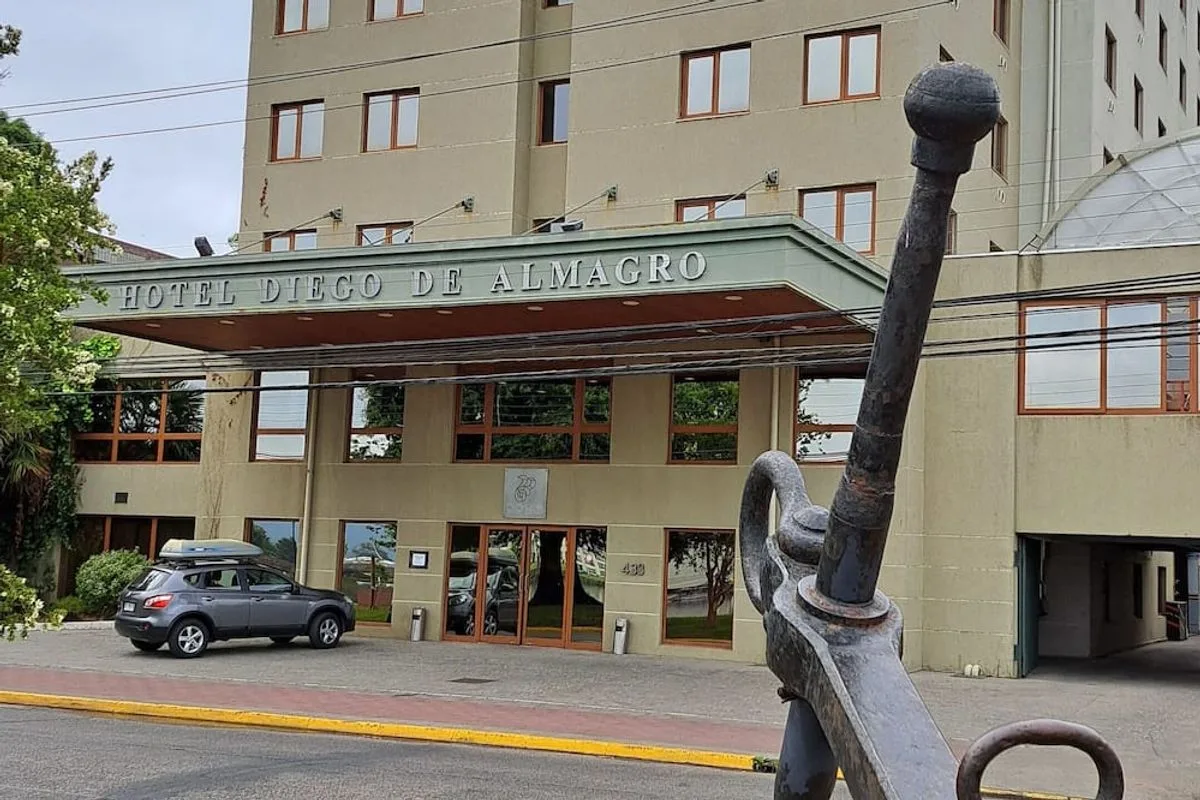
Bed down at Arturo Prat 433 on the costanera — the chain's 105-room house: buffet breakfast included, a sauna and gym, the market a few blocks away, and the lowest full-service rates of these three. Its indoor pool is closed for renovation until early 2028. Book it for riverfront value.
Base in the centre or on Isla Teja on a first visit — the centre for the market and costanera at your door; Isla Teja, across the bridge, for the garden and the quieter park-side hotels.
Book ahead for January, February and the Noche Valdiviana weekend, when domestic tourism fills the city. Keep passport and PDI card ready at check-in: at SII-registered hotels, foreign-currency or foreign-card payment takes the 19% IVA off the room.
Where to eat first
Eat seafood, then drink the beer the German settlers left behind: river and Pacific fish, shellfish stews, kuchen and craft beer. Three first stops:
The cocinerías of the Mercado Municipal, by the costanera.
Eat paila marina — the shellfish stew served bubbling — or a ceviche at the market's cooked-food stalls, metres from the boats. Go at lunch; the market winds down by evening.
Cervecería Kunstmann, in Torobayo on the Niebla road.
Drink at the source: the German-style beer hall pours the full Kunstmann range, with tastings and hearty plates. It is the city's signature afternoon — arrive before the lunch crowds.
El Growler, on Isla Teja.
Graze the brewpub near Parque Saval — house beers, burgers and pizzas, and a terrace made for the post-fort debrief. Start early on summer evenings.
For food and brewery tours, browse the Valdivia listings on GetYourGuide and book a slot for your first free evening.
Day trips and more
Three bookings cover Valdivia's essentials: the fort circuit that explains the city, and two paddles through the wetlands the 1960 earthquake created. All three are genuinely Valdivia trips — see Sources on why nothing here starts in Pucón.
Valdivia historical and natural city tour
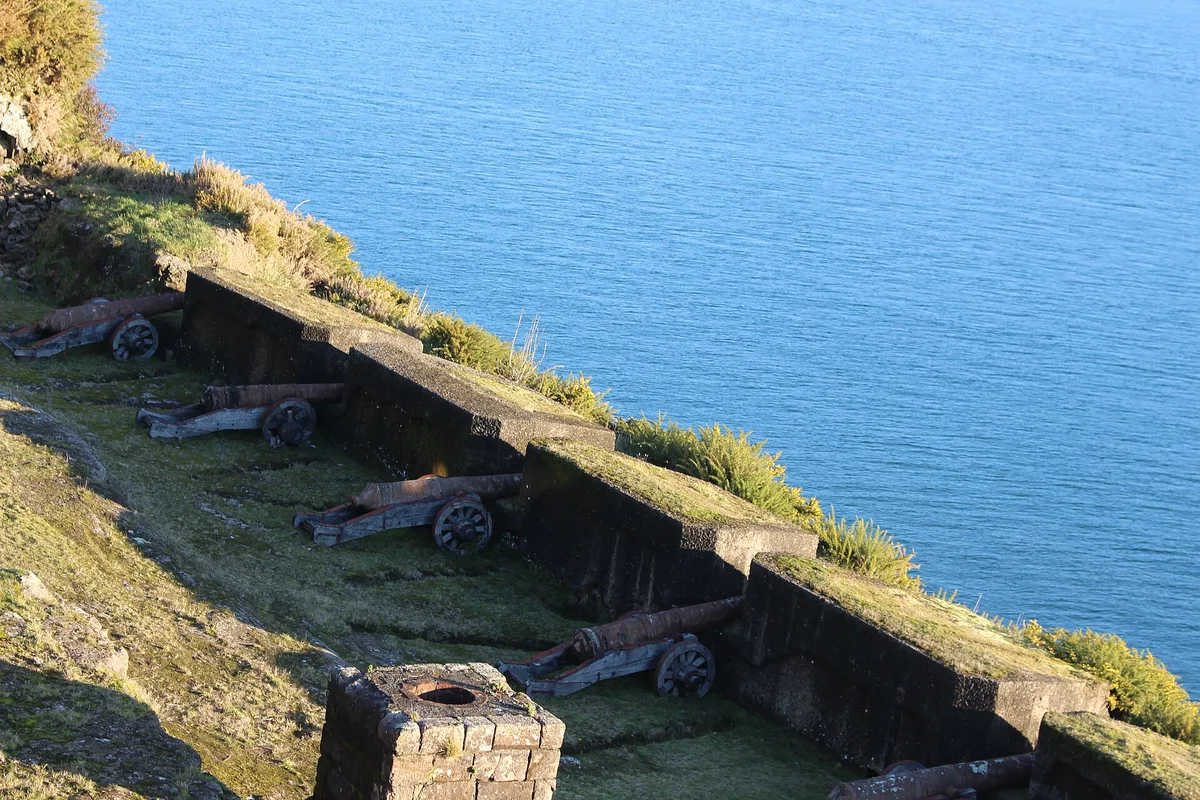
The full circuit in one booking: the Feria Fluvial and its sea lions, the Jardín Botánico, the 17th-century Castillo de Niebla, and a closing Kunstmann tasting. From about US$195. Check availability →
Kayak adventure on the Cutipay River
Five hours, small group: kayak the calm Cutipay wetland sanctuary where fresh and salt water mix, then visit one of the last artisanal shipyards in Los Ríos. From about US$90. Check availability →
Kayak through the Río Cruces Nature Reserve
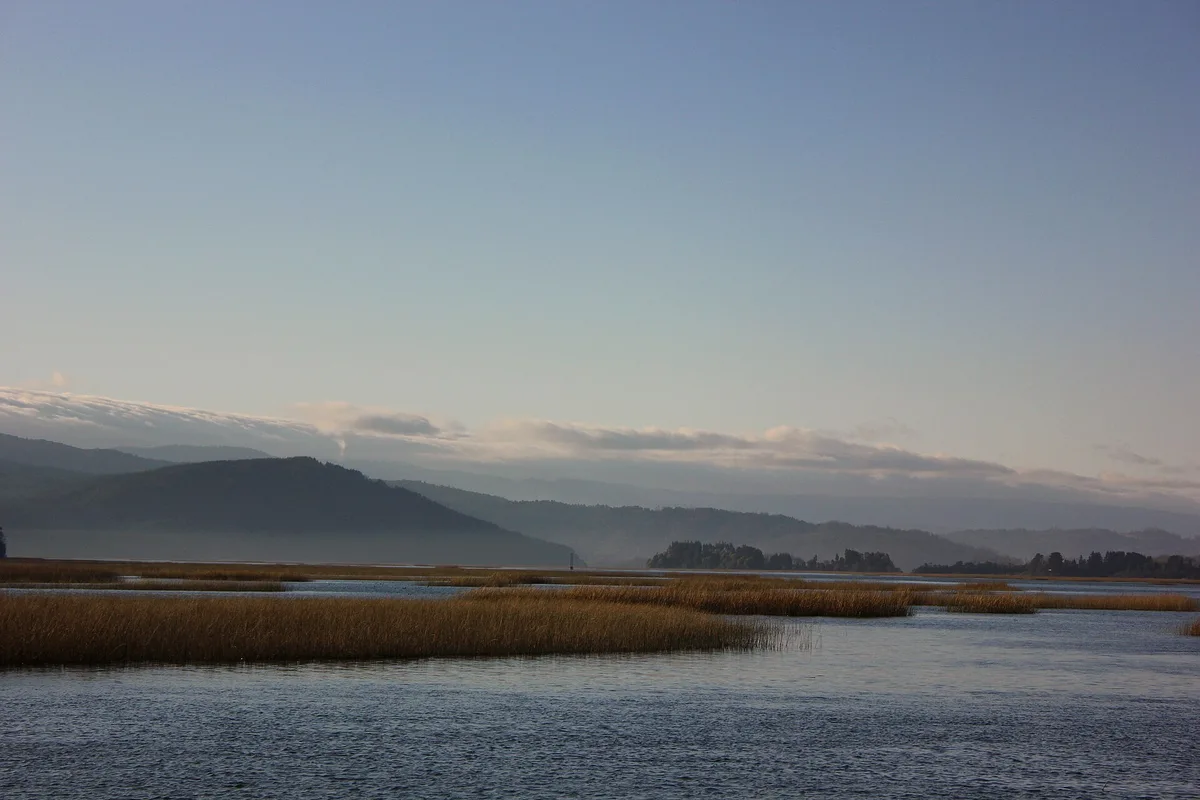
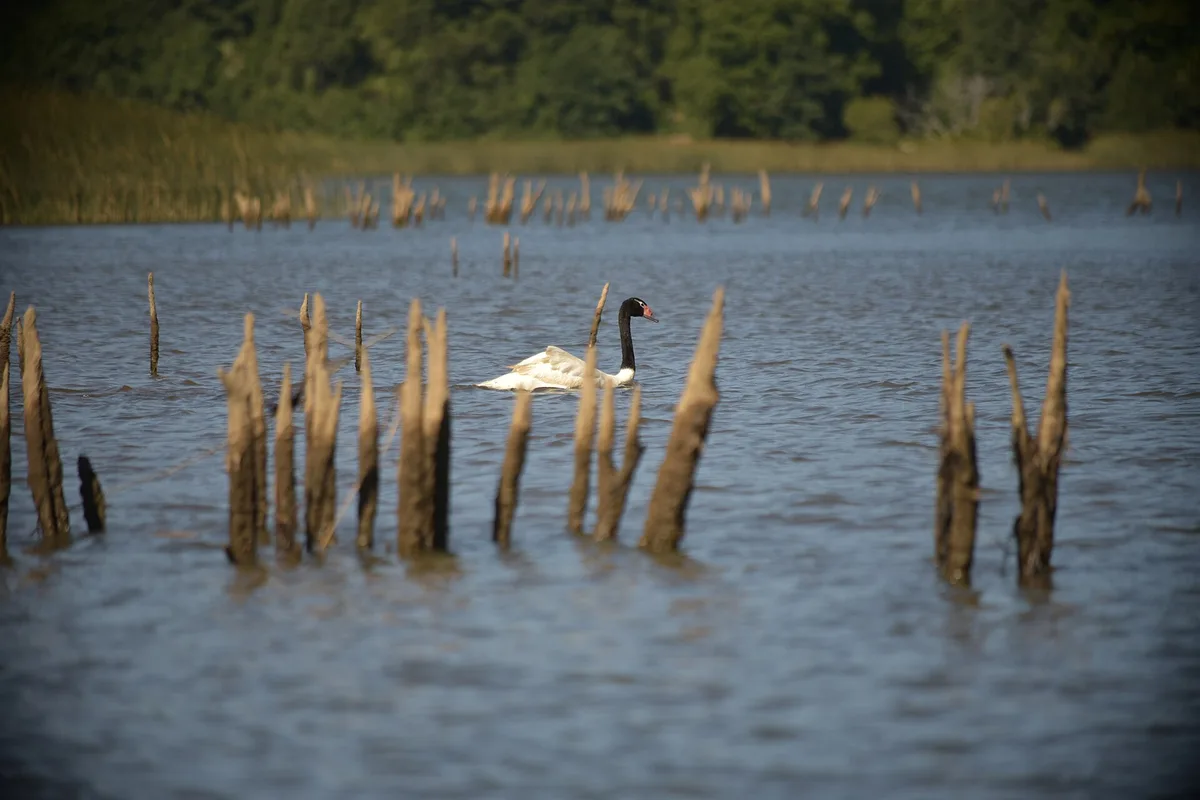
Eight hours, small group, from the cider village of Punucapa: paddle the Carlos Anwandter sanctuary, a Ramsar site of channels and drowned forest created when the land sank in 1960, watching for black-necked swans. Medium-high difficulty. From about US$150. Check availability →
DIY instead: the CLP 650 bus to Niebla covers the fort for the price of a coffee, and the ferry crosses to Corral and Isla Mancera from the Niebla dock.
When to go and what it costs
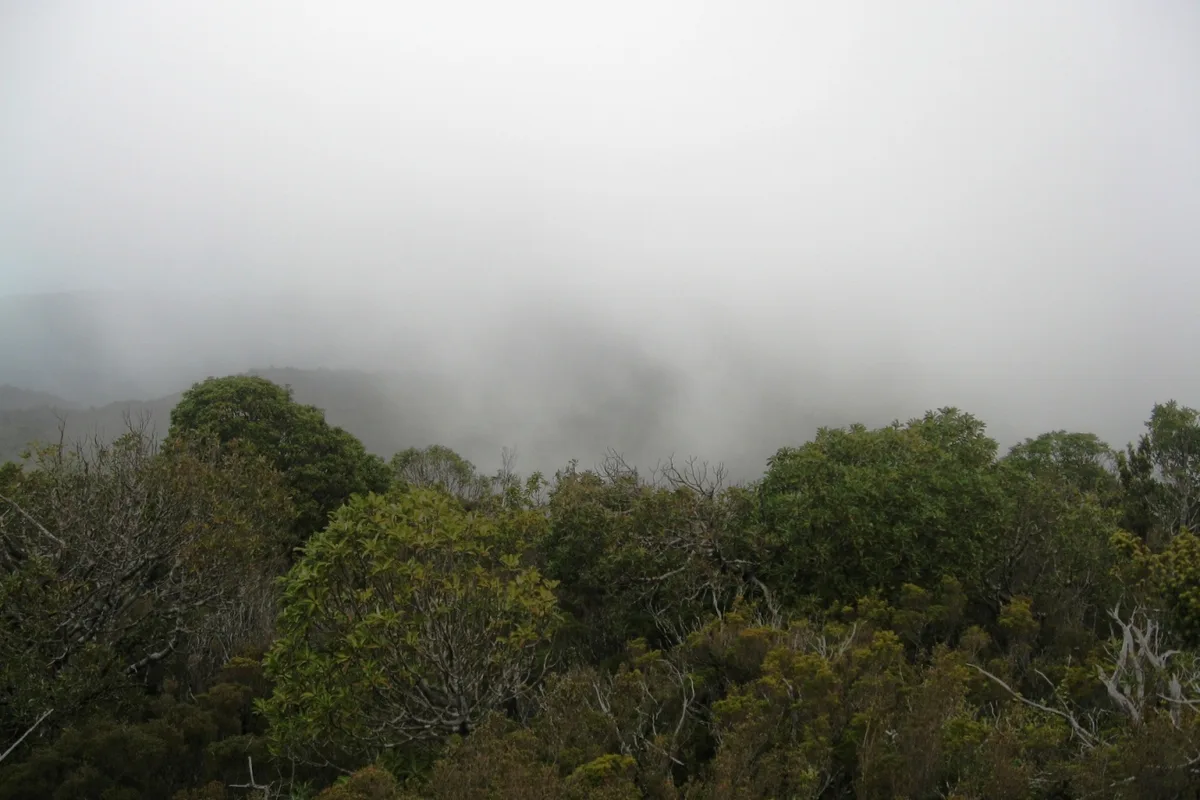
Be honest about the rain: Valdivia is nicknamed Valdilluvia for a reason. December to March is the window — driest months, long evenings, highs near 23°C — crowned by the Noche Valdiviana river parade in late February. Spring and autumn mix sun with serious rain. June to August is the deluge: June alone averages about 344 mm and days top out near 12°C.
Budget in pesos, at about CLP 990 to US$1 (October 2026). A city bus is about CLP 570; the Niebla bus CLP 650; a market lunch US$10 to 15.
A backpacker on market lunches and city buses: US$45 to 60 a day. Mid-range — a riverfront room, restaurant dinners, one guided river day: US$110 to 160 a day. A splurge day with the Dreams tower and the city tour passes US$300.
What to pack
Tap items to check them off — your list is saved on this device.
Pack for a city where rain is a season, not an event — waterproof first, warm second. This is the full list:
Add the Valdivia extras: a Type C and L adapter, a warm mid-layer for river wind even in January, and a dry bag for kayak days.
Language, visa and entry
✓ Visa-free entry for eligible passport holders
Spanish runs the city, in a south softened by two centuries of German settlement — expect Anwandters and Kunstmanns in the phone book, kuchen in the cafés, and a university city that stays young and musical. English appears in hotels and tour offices and thins fast beyond them.
Four phrases do most of the work:
Buenos díasgood morningGraciasthank you¿Cuánto cuesta?how much does it cost?La cuenta, por favorthe bill, please
Sort your entry paperwork before booking anything non-refundable. Most visitors — US, Canadian, British, EU, Australian and New Zealand nationals among them — enter visa-free for up to 90 days and receive the PDI Tourist Card on arrival. Keep it safe: hotels need it for the IVA exemption and immigration asks for it when you leave.
Your passport needs to be valid for the stay. Declare farm and food products on the SAG form — Chile is strict about plant and animal imports, and fines are real.
Safety and health
Take earthquakes seriously, not fearfully
Chile is highly seismic and Valdivia carries its memory: the 1960 magnitude 9.5 quake is the strongest ever recorded. Note your hotel's evacuation route, follow SENAPRED guidance if the ground moves, and head to high ground on the coast after a quake that makes standing hard — that is the tsunami rule.
Respect the rain and the rivers
Wet costanera stone is slippery, the rivers run cold with real currents, and the Pacific at Niebla is for looking, not swimming, outside guarded summer spots. Dress for the forecast you got, not the one you wanted.
Use ordinary city care after dark
The centre and Isla Teja are calm and walked late, but keep phones low-profile at the market and terminal, use the hotel safe for passports, and take official taxis or app rides for the last stretch.
Know the three emergency numbers
Chile splits them: 133 police, 131 ambulance, 132 fire. The regional hospital handles serious cases; tap water is safe, so the commonest health issue is the cold and wet — carry insurance.
The shuttle, the tourist card and the rain, in short.
Fares checked against TRAE Valdivia and TransferExpress 2026 tables, October 2026; entry rules against US State Department and UK FCDO guidance; the IVA exemption against the SII foreign-tourist hotel rules.
Shared shuttle vans meet flights at Pichoy (ZAL) and run door to door for about CLP 5,000 per person, 45 to 50 minutes with stops. A pre-booked private transfer is CLP 23,000 per car and a rank taxi CLP 25,000 to 30,000 — both about 35 minutes for the 32 km ride.
Foreign tourists do not pay the 19% IVA on the room at hotels registered with the SII tax service, when they pay in foreign currency or by foreign card and show their passport and the PDI Tourist Card from entry. Pay in pesos and the exemption is lost; unregistered lodgings cannot offer it.
Most nationalities, including US, Canadian, British, EU, Australian and New Zealand passport holders, enter visa-free for up to 90 days. Immigration issues a PDI Tourist Card on arrival — keep it safe, because hotels ask for it and you surrender it when you leave.
December to March: the driest months, long evenings and highs near 23°C. But pack the rain jacket in every month — Valdivia averages about 1,850 mm of rain a year, and June to August is a genuine deluge.
Yes — the hourly bus from the terminal to Niebla costs about CLP 650, the 17th-century Castillo de Niebla stands above the river mouth, and the ferry crosses to Corral and Isla Mancera (about CLP 2,000) if you want the full fort system.
With ordinary city care, yes — the centre and Isla Teja are calm and walked late. The specific local risks are seismic: Chile is highly active and the 1960 magnitude 9.5 earthquake, the strongest ever recorded, hit Valdivia. Know your hotel's evacuation route and follow SENAPRED guidance.
Peso fares change — the airport desk, your hotel and your ride app always win.
Valdivia, saved for arrival
Landing soon? Get the printable PDF — the essentials from this guide, formatted for your phone:
The airport transport cheat sheet, with ticket links
Our 3 restaurant picks, with maps
The packing checklist
One email with your Valdivia PDF (guide version: Oct 2026). Fare changes and new guides after that. No spam, unsubscribe anytime.
Sources and last verified
Transfers against TRAE Valdivia and TransferExpress 2026 tables: Pichoy (ZAL) is 32 km and about 35 minutes out; private sedan CLP 23,000 to 24,000 per car, taxis CLP 25,000 to 30,000, shared shuttles CLP 4,000 to 10,000 per person. Conflict printed: TRAE's comparison lists a Buses Galicia airport bus at CLP 4,000 while its own guide page states no public bus runs from the airport — so no bus row is printed. Exchange anchor: about CLP 990 to US$1 in late October 2026 (market rates 985 to 995). Entry against US State Department and UK FCDO guidance: 90 days visa-free for most nationalities, PDI Tourist Card issued on entry and surrendered on exit, SAG declaration required. Hotel IVA against the foreign-tourist exemption (19% off at SII-registered hotels, foreign currency or foreign card, passport and tourist card shown); some hotels apply it on a foreign card even when the charge is converted, so confirm at check-in. Time zone against timeanddate: daylight saving ended 5 April 2026 and began 6 September 2026 (UTC-3 in October). Earthquake against USGS: 22 May 1960, magnitude 9.5, the strongest recorded. Rainfall: about 1,850 mm a year, June wettest at about 344 mm. GetYourGuide hub valdivia-l143354 opened and heading-verified as Valdivia, Chile; its headline listings are mostly Pucón-origin and were excluded — the three products used are genuinely Valdivia: the city tour (page read via the GetYourGuide white-label mirror — title, itinerary and US$195 price; the direct fetch redirected to the hub) and both kayaks (opened on getyourguide.com). Hotels opened on expedia.com, headings and addresses matching the printed picks; the Diego de Almagro pool closure (March 2026 to February 2028) is from its Expedia listing. Photo credits as in the guide data. Last verified October 2026.
Affiliate disclosure: hotel names, transfers, experiences, and products linked in this guide may earn After You Land a commission at no extra cost to you. Prices and times were checked in Oct 2026 and change often — confirm before you book.