
Huaraz: your first hour after landing
You have just arrived in the Callejón de Huaylas, at 3,052 metres under the longest tropical mountain range on earth — Huaraz, the trekking capital of Peru, a working Andean city rebuilt after the 1970 earthquake with the white wall of the Cordillera Blanca filling its eastern sky.
In this guide
You just landed in Huaraz. You are at 3,052 metres under the Cordillera Blanca, and day one is for settling, not summits — get an Airalo eSIM live for maps and bookings, sleep two nights before the high lakes, and book Laguna 69 and the other big days ahead through GetYourGuide.
Quick facts
Airport
Getting in
Currency
Languages
Time zone
Emergency
Plugs
Tap water
Tourist tax
Best months
Map
Stays, sights, and landmarks in Huaraz — live hotel prices plus the key places from this guide.
Settle in
However you arrive — dawn bus or the short flight to Anta — you step out at 3,052 metres. The rule here is simple: today is for settling, not for summits.
Set up data before you leave Lima — an Airalo eSIM loads in minutes, so maps, bus bookings and agency messages work from the terminal. For a longer Peru trip, compare Saily and Yesim.
The arrival checklist, in order:
- Ride to your hotel and drop your bags — the centre is compact, and everything else starts from the Plaza de Armas
- Walk slowly, drink water and eat lightly on day one; skip alcohol on the first night, however good the plaza looks at dusk
- Book the big lake days for day three onwards, once you have slept two nights at altitude
If a delayed or cancelled flight wrecked the arrival, AirHelp checks whether the airline owes you compensation — worth five minutes.
Getting around

Times are airport to city centre.
Interprovincial bus from Lima
Night cama services from Lima terminals reach the Huaraz bus terminals near the centre around dawn; Cruz del Sur and Movil Bus are among the operators; book ahead in dry season, and a short taxi onward costs S/5 to S/10
Taxi from Anta airport
Taxis meet LATAM flights at Anta (ATA), 23 km north of Huaraz; nothing is metered, so agree the whole fare before the doors close; the flight from Lima takes about an hour on 2026 schedules
Hotel or agency transfer from Anta
Hotels and trek agencies send cars to meet flights at Anta; book it with the room and confirm the driver has your flight number — the fixed price removes the rank negotiation
Colectivo from the airport turnoff
Shared vans run the Huaraz to Caraz road past the airport turnoff; ask the driver for the airport stop, then walk the short last stretch — light bags only, and not a service to rely on after dark

Huaraz has two arrivals. The bus is the classic: an overnight cama coach from Lima climbing to the Callejón de Huaylas. The flight is the shortcut: Lima to Anta in about an hour, then a taxi down the valley road. The options:
Choose the night bus to save a hotel night and wake in the mountains; choose the flight to save a day. At Anta, taxis are unmetered — agree the whole fare before the doors close.
Prefer to be met? A Kiwitaxi transfer or a Welcome Pickups driver puts a name board in arrivals at a fixed price. Driving yourself, price the pickup on AutoEurope first — mountain roads here reward a slow start, and most visitors never rent.
In town, walk: plaza, market, agencies and restaurants sit within a few flat blocks. City taxis cost S/5 to S/10, agreed before you ride; colectivos run the valley towns for a few soles.
In the city
Start at the Plaza de Armas, rebuilt after the 1970 earthquake destroyed the old city — a square that fills with trekkers comparing routes by evening. Two blocks away, the Museo Regional de Áncash holds the largest collection of stone monoliths in Peru, Recuay and Wari pieces that make sense of the valley before you head into it.
Walk the market next: the Mercado Central and the streets around Avenida Luzuriaga are where Huaraz feeds itself — fruit stalls, valley cheese, and the gear shops and trek agencies lining the main avenue. Rent nothing yet; day one is for pricing boots and poles, and asking agencies the acclimatization question (see Safety and health).
Finish with the short climb to the Mirador de Rataquenua, the cross on the hill south of the centre, for the city laid out under Huascarán, Peru's highest peak at 6,768 metres. Walk down before dusk.
Browse GetYourGuide for the lake and glacier days, and compare Klook when stacking activities.
After you land in Huaraz: Bookable experiences
Where to stay your first nights

Andino Club Hotel.
Best for the full-service splurge — Swiss-run, in a big garden, with a restaurant, bar and laundry for returning trekkersSleep at Jirón Pedro Cochachín 357, a 10-minute walk from the plaza — a Swiss-run hotel in a big garden, with a restaurant and bar, rooms facing the garden or the peaks, and laundry and massage for returning trekkers. Book it for the most comfortable base in town.

Selina Huaraz.
Best for social mid-range stays — privates and dorms, cowork space, restaurant and bar nine minutes from the plazaStay at Jirón Italia 1124, nine minutes on foot from the plaza — private rooms and dorms around a garden, a cowork space, a restaurant and bar, and a 24-hour desk. Book it for a social, work-friendly base that still sleeps early before trek days.

Akilpo Hostel.
Best for budget trekkers — family-run by guides, breakfast included, and detailed acclimatization advice before you trekBed down in Pasaje Cáceres, a short walk from the centre — a family-run hostel where the brothers who own it also guide: dorms and privates, breakfast included, and detailed advice on acclimatization hikes. Book it for the trekker's base camp on a budget.
Base near the Plaza de Armas on a first visit — agencies, restaurants and the bus terminals sit within a short walk, and early tour pickups run from the centre first.
Book ahead for June to August, when dry-season trekkers fill the good rooms. Show your passport at check-in to keep the 18% IGV off the room (see Quick facts).
Where to eat first

Eat Andean on day one, and eat early and lightly — altitude punishes a heavy first dinner. The plates to know: trucha, rainbow trout from highland streams; pachamanca, meat and potatoes cooked on hot stones in the earth; and lomo saltado, the beef stir-fry with fries Peru eats everywhere. Mate de coca, coca tea, is the house drink at altitude. Three first stops:
El Fogón, Avenida Luzuriaga 928.
Eat at the centre's long-running grill house — Peruvian classics, grilled meats and trout a few blocks from the plaza, in portions a trekker earns later in the week.
The market comedores, Mercado Central.
Graze the upstairs food stalls at lunch — soups, trout and set menus at local prices.
Chilli Heaven, Parque del Periodista.
Book the curry house run for homesick trekkers — genuinely spicy plates and a wall of route advice, a Huaraz institution for the night before a big hike.
For food tours and market walks, browse the Huaraz listings on GetYourGuide and book a slot for a rest day.
Day trips and more
Three escapes run at three altitudes: the famous lake, the glacier and the temple. All start early, all charge the park pass or site entry on top, and none belongs on day one.
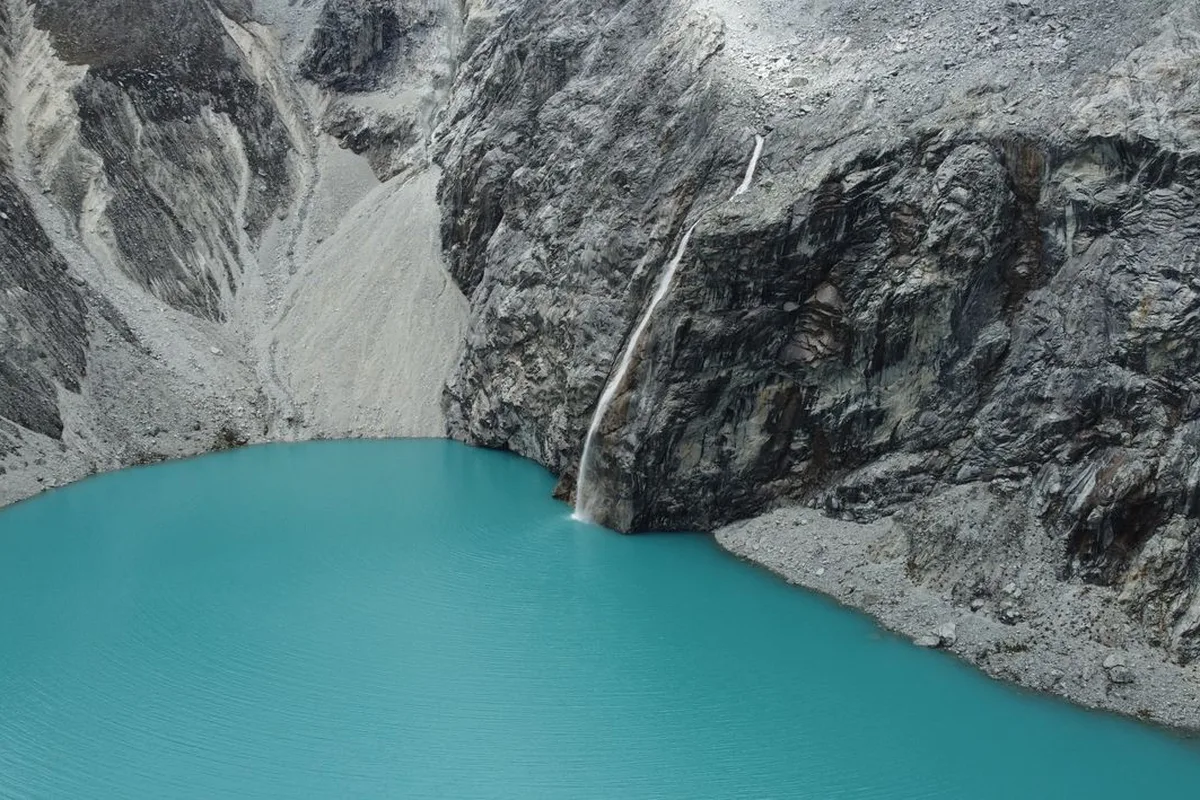
Laguna 69
Thirteen hours from a 5 am pickup: drive the Llanganuco valley past its twin lakes, then hike about three hours from Cebollapampa (3,850 m) to the lake at 4,604 m, an hour at the shore, and the long walk and drive back by about 6:30 pm. Rated 4.4 from 233 reviews, from about US$32; the S/30 park fee is extra, and this is a day-three hike, never a day-one one. Check availability →

Pastoruri Glacier and the Puya Raimondi
Nine and a half hours south: pickup between 8:30 and 9:15 am, stops at Patococha lake, the carbonated springs of Pumapampa and the giant Puya Raimondi plants, then a one-hour hike to the glacier at about 5,000 m, back by 7 pm. From about US$32; park fee extra. Shorter walking than Laguna 69, but higher — acclimatize first. Check availability →
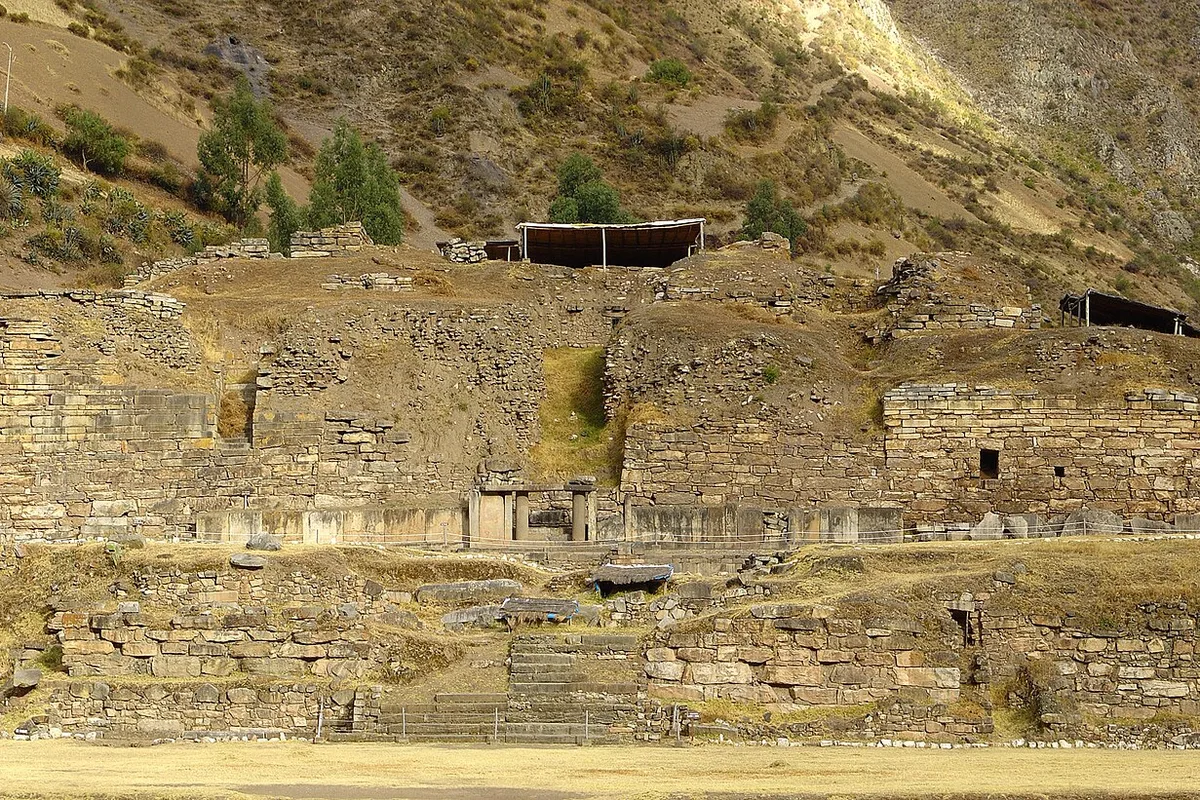
Chavín de Huántar
A full day east through the Cahuish tunnel: Qerococha lagoon, then the complex itself — sunken plazas, underground galleries and the Lanzón monolith in its dark corridor. Departure 8:30 to 9 am, from about US$34; the complex closes on Mondays, and some tours run in Spanish only, so check the language when you book. Check availability →
Leave a spare day for the Llanganuco lakes by colectivo to Yungay, or the shorter Laguna Churup hike once your legs have adjusted.
When to go and what it costs

May to September is the season: dry trails, cold clear nights and the peaks out most mornings. June to August is busiest. April and October trade some rain for quiet trails. November to April is the wet season — afternoon storms, mud, and lake days that end in cloud; prices drop and the city empties.
Anchor prices in soles, about S/3.43 to US$1 (October 2026). The park pass is the fixed cost of the mountains: S/30 for one day, S/60 for two to three days, S/150 for four to 30 days, cash at the control posts with your passport.
A backpacker in a dorm, on market lunches and one guided lake day: US$35 to 55 a day. Mid-range — a private room, restaurant dinners, two guided days: US$80 to 130 a day. Multi-day treks are the splurge line: Santa Cruz runs four days, Huayhuash eight to twelve.
What to pack
Tap items to check them off — your list is saved on this device.
Pack for altitude, not for the tropics: cold nights, fierce midday sun and rain that arrives in an hour. This is the full list:
- Comfortable walking shoes Shop walking shoes on Amazon →
- Sunscreen Shop sunscreen on Amazon →
- Reusable water bottle Shop water bottle on Amazon →
- Phone charger and power bank Shop power bank on Amazon →
- Daypack Shop daypack on Amazon →
- Sunglasses Shop sunglasses on Amazon →
- Light rain jacket Shop rain jacket on Amazon →
Add the Huaraz extras: broken-in trekking boots for the lake hikes, a warm layer and a sun hat for the altitude swing, and small notes for park gates and colectivos. Gear rental on Avenida Luzuriaga covers poles, bags and tents for longer treks.
Language, visa and entry
✓ Visa-free entry

Spanish runs the city; Quechua runs the villages you will trek through, and a greeting in either opens doors. Huaraz is a working Andean city, not a resort — lunch is the big meal and Sundays run slow.
Four phrases do most of the work:
Sort your entry paperwork before you book anything non-refundable. US citizens — and Canadian, British, EU, Australian and New Zealand nationals — enter Peru visa-free for tourism: the immigration officer stamps a stay of 30 to 183 days (90 is routine), up to a maximum of 183 days in any 365. Ask for the days you need at the desk, and check the stamp before you walk away.
Your passport needs six months of validity beyond entry, and airlines may ask for proof of onward travel before boarding. Entry happens in Lima for almost everyone — Huaraz adds no second formality, just the park pass when you head into Huascarán.
Safety and health
Acclimatize before you trek — altitude is the real risk here
Huaraz sits at 3,052 m and the headline hikes go far higher: Laguna 69 at 4,604 m, Pastoruri at about 5,000 m. Sleep two nights in town first, walk on day one, and take a lower outing — Llanganuco or Wilcacocha — before the big lake. Headache, nausea and poor sleep are usual at first; worsening symptoms, breathlessness at rest or confusion mean descend and get checked the same day.
Trek with a registered agency and a real guide
Agencies compete hard on price; the difference buys guide ratios, oxygen and drivers who know the mountain roads. Ask who leads, what happens if you turn back, and whether the park fee is included. Carry passport and cash for the control posts.
Use taxis you or your hotel call, and agree fares first
Nothing in Huaraz is metered: the S/5 to S/10 city ride and the S/30 to S/50 airport run are agreed before you move. At night, have the restaurant or hotel call the car. Ride apps are thin here; the hotel desk is the dispatch.
Respect sun, cold and mountain weather in the same hour
UV at 3,000 m and above burns through cloud — sunscreen and a hat on every trail day, and a warm layer even in dry season, because a summit wind at 4,600 m is winter. Afternoon storms build fast from November to April; start hikes early and turn back on thunder. Dial 105 for police, 106 for an ambulance and 116 for fire.
Related destinations
If you liked Huaraz, try these next:
 The Americas
 The Americas
 The Americas
 The Americas
 The Americas
 The Americas
 The Americas
 The Americas
 The Americas
 The Americas
Frequently asked questions
The bus or the flight, the altitude, and the park pass, in short.
Facts verified October 2026
Two ways: the bus, 8 to 9 hours from Lima (night cama services from about S/65, arriving around dawn), or LATAM's flight to Anta (ATA), about an hour, then a taxi 23 km into town — S/30 to S/50, agreed before you ride.
Probably, a little: at 3,052 m, expect a headache, poor sleep or windedness for a day or two. Walk on day one, drink water, skip alcohol, and save Laguna 69 (4,604 m) for day three onwards. Worsening symptoms mean descend and get checked.
May to September, the dry season: clear mornings, cold nights and the peaks out most days. June to August is busiest. November to April brings afternoon rain, muddy trails and lower prices.
S/30 for one day, S/60 for two to three days, or S/150 for four to 30 days for foreign visitors. Pay cash in soles at the control posts and carry your passport.
No, for US, Canadian, British, EU, Australian and New Zealand citizens: entry is visa-free, with 30 to 183 days stamped on arrival (90 is routine). Passports need six months of validity.
Yes, with normal care: agree taxi fares before you ride, and trek with a registered agency. The serious risks here are altitude and mountain weather, not the streets.
Soles figures move — the park control post, the bus terminal and your hotel desk always win.
Huaraz, in your pocket
Landing soon? Get the printable PDF — ticket links, the airport transport cheat sheet, our 3 restaurant picks with maps, and the packing checklist. Everything above, formatted for your phone.
One email with your Huaraz PDF. Fare changes and new guides after that. No spam, unsubscribe anytime.
Sources and last verified
Flights against 2026 Lima to Anta schedules: LATAM operates the route in about an hour, several times a week, into Anta (ATA), 23 km north of Huaraz. Bus times and fares against October 2026 Lima to Huaraz listings (from about S/65, 8 to 9 hours; Cruz del Sur and Movil Bus among the operators). Anta taxi fares against 2026 transfer guides (S/30 to S/50, agreed in advance). Park fees against Huascarán National Park listings: S/30 one day, S/60 two to three days, S/150 four to 30 days, cash at control posts. Entry rules against 2026 Peru guidance for US citizens: visa-free, 30 to 183 days stamped, passport valid six months. Hotel IGV exemption against the non-resident rule (18%, stays under 60 days). Exchange anchor: about S/3.43 to US$1, October 2026. GetYourGuide products opened and read: Laguna 69, Pastoruri Glacier and Chavín de Huántar. Expedia returned rate limits during this build, so hotel URLs are empty pending the confirmation pass. Photo credits as in the guide data. Last verified October 2026.
Affiliate disclosure: hotel names, transfers, experiences, and products linked in this guide may earn After You Land a commission at no extra cost to you. Prices and times were checked in Oct 2026 and change often — confirm before you book.