You have just landed in Brussels — in through Zaventem if the ticket says BRU, or an hour south at Charleroi if it does not, and either way the Grand-Place is the first hour's target. This guide covers both rides in, the €8.50 daily cap that makes STIB simple, where to sleep from a Grand-Place landmark to a station-side hostel, a first waffle and a first frites stand, Bruges and Ghent and Dinant as day trips, and the per-room city tax that decides what a room really costs.
By Paul GreenUpdated Oct 202613 min readPrices checked Oct 2026
You just landed in Brussels. The airport train reaches Brussels-Central in about 18 minutes with the supplement already in the fare, an eSIM keeps you connected from the platform, and the centre runs on foot from there — the booking to make early is a day trip out, and GetYourGuide runs the Bruges and Ghent coaches.
Quick facts
Airport
Brussels Airport (BRU) at Zaventem, about 12 km north-east of the centre low-cost carriers use Charleroi (CRL), some 60 km south — The two airports share a city name and little else; the rides in differ by operator and by an hour.
Getting in
Airport train from BRU about 18 minutes to Brussels-Central, €11.20 to €11.80 with the airport supplement included — Trains leave the station under the terminal about every 10 minutes.
Currency
The euro (EUR) cards and contactless everywhere, cash rarely needed — Keep a few coins for museum lockers and market stalls; everything else takes a card.
Languages
French and Dutch, both official French runs daily life, English is widely spoken — Signage is bilingual: Bruxelles-Central is also Brussel-Centraal, and Midi is also Zuid.
Time zone
Central European Time (CET, UTC+1), switching to CEST (UTC+2) from late March to late October Brussels moves its clocks with the rest of continental Europe.
Emergency
112 for police, ambulance and fire One free number reaches every service from any phone.
Plugs
Type C and E round two-pin sockets, 230 volts Visitors from North America and the UK need a plug adapter; most chargers handle the voltage.
Tap water
Safe to drink refill and carry — Brussels tap water meets EU standards; a carafe of tap water in restaurants is free.
Tourist tax
City tax of €5.60 per room per night charged per room, not per guest — The figure is itemised on central hotels' fee lists and often added at checkout, not in the headline rate.
Best months
May and June, then September, for mild days and long evenings December adds the Winter Wonders market, and mid-August in even-numbered years brings the Flower Carpet.
Map
Find your arrival stop, hotel, and first meal. Stays, sights, and landmarks in Brussels — live hotel prices plus the key places from this guide.
Land at Brussels Airport and take the train first. The station sits under the terminal at level -1, trains run about every 10 minutes, and Brussels-Central puts you five minutes on foot from the Grand-Place. If your ticket says Charleroi, you have landed about 60 km south — the Flibco coach to Brussels-Midi is your first ride, and its cheapest fares go to whoever books ahead.
Set up your data before you leave the terminal: an Airalo eSIM loads a Belgium plan in minutes, so maps, STIB times and ride apps work from the platform. Comparing plans across a longer European trip, check Saily as the alternative.
Run the arrival checklist in this order:
Tap a contactless card or phone on the STIB validators and skip the ticket line — journeys cost €2.40 and the day caps at €8.50
Buy the airport train ticket in the SNCB app and walk past the machine queues
Drop your bags at the hotel before the first sight, because the old town is cobbled
Check the tax maths when the hotel quotes your rate. Brussels adds a city tax of €5.60 per room per night, and properties differ on whether the first quoted price includes it — confirm the all-in total.
Take one slow hour first: the Grand-Place, the Galeries Royales Saint-Hubert and the Mont des Arts sit within a 15-minute walk of Central station. Find your metro stop, then climb to the Sablon.
Getting around
Journey times are approximate and refer to the listed stop — not necessarily your hotel. Allow extra time for waiting, walking, and connections.
Airport train (SNCB/NMBS)
Station under the terminal at level -1; trains about every 10 minutes to Brussels-North, Central and Midi — Central is five minutes on foot from the Grand-Place
Price€11.20 to €11.80, airport supplement includedJourneyabout 18 min to Central
Airport Line bus 12
STIB bus 12 from the airport forecourt to Schuman and Luxembourg station — the EU quarter, not the old town
Price€7.90 from the airport by contactless or MOBIBJourneyabout 30 min
Taxi
Licensed rank outside arrivals at BRU, metered on the official tariff; the run takes 20 to 45 minutes with traffic
Priceabout €45 to €50 meteredJourneyabout 20 to 45 min
Flibco shuttle from Charleroi
Charleroi Airport direct to Brussels-Midi station, roughly every 20 to 30 minutes — then a metro or tram into the centre
Pricefrom €13.90 booked ahead, about €20 to €25 laterJourneyabout 55 min
Brussels runs on STIB-MIVB: four metro lines, trams and buses on one fare system. Tap a bank card and a journey costs €2.40, connections are free inside 60 minutes and the day caps at €8.50. In the app a Brupass single costs €2.70 and 10 journeys €18.90. The airport rides are these:
Choose the train when you stay near the centre and the bus when you stay in the EU quarter — bus 12 ends at Luxembourg station, not the old town. Choose a taxi when you land late or carry heavy bags. From Charleroi, build the coach into your plans: the cheap flight stops being cheap if you miss the booked coach.
Book the paid sights before you chase transport savings, because timed slots go first. The Atomium and the big exhibitions reward advance booking, and Tiqets is the practical route when official availability thins out. Use the same Tiqets link for museum entry too.
Compare a pre-booked transfer when the hour or group maths demands it. A metered taxi runs about €45 to €50; a fixed price removes the guesswork — compare a Kiwitaxi transfer with Welcome Pickups, both with a driver waiting in arrivals.
In the city
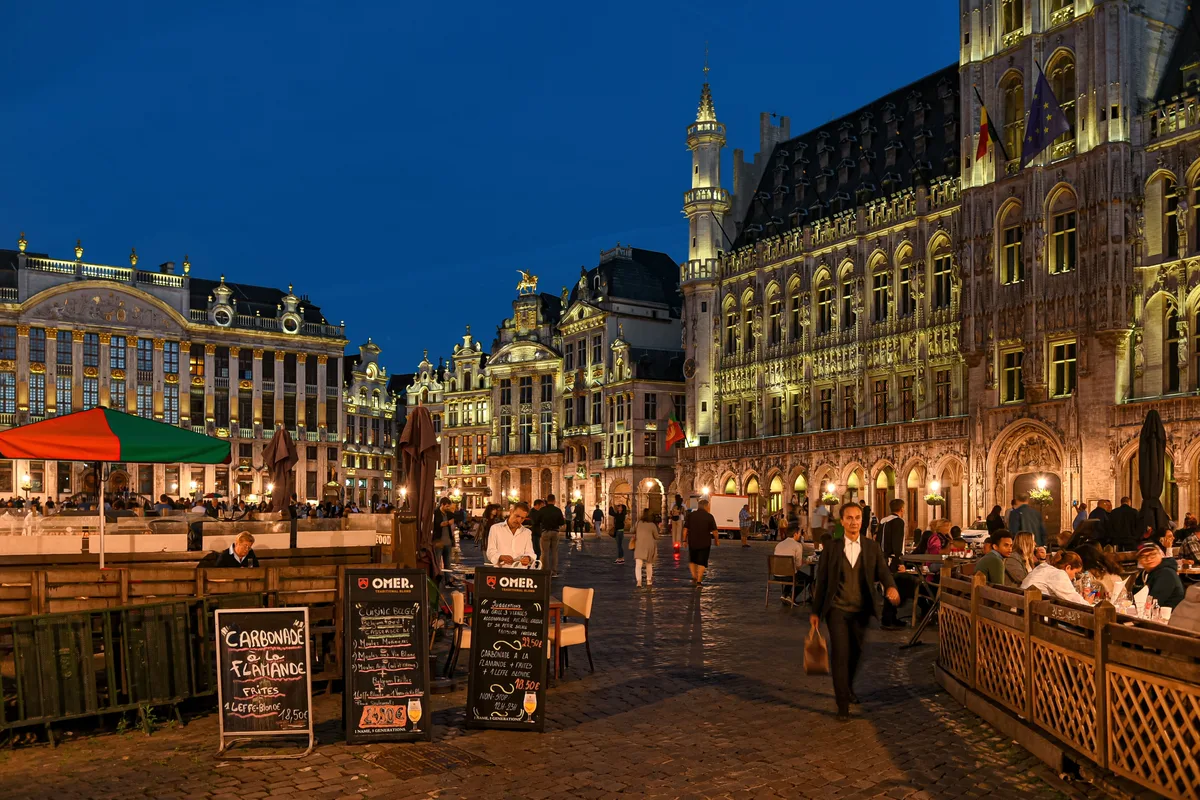
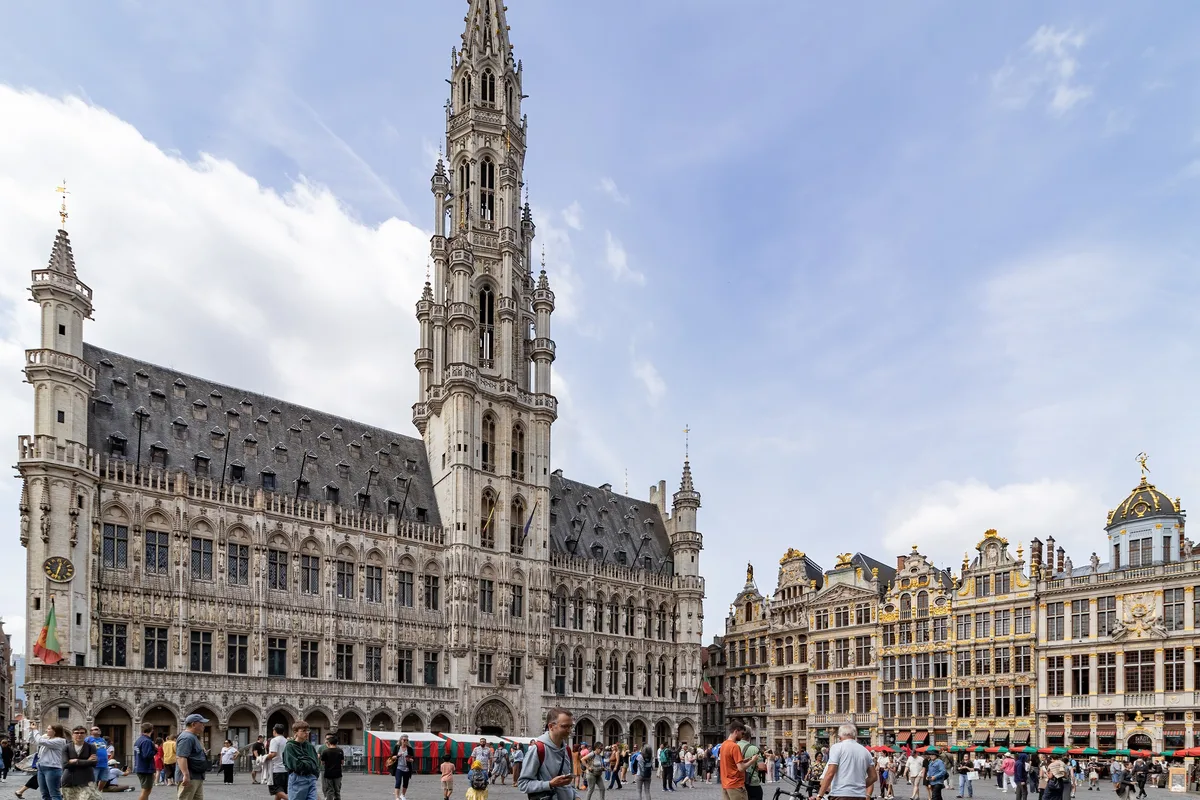
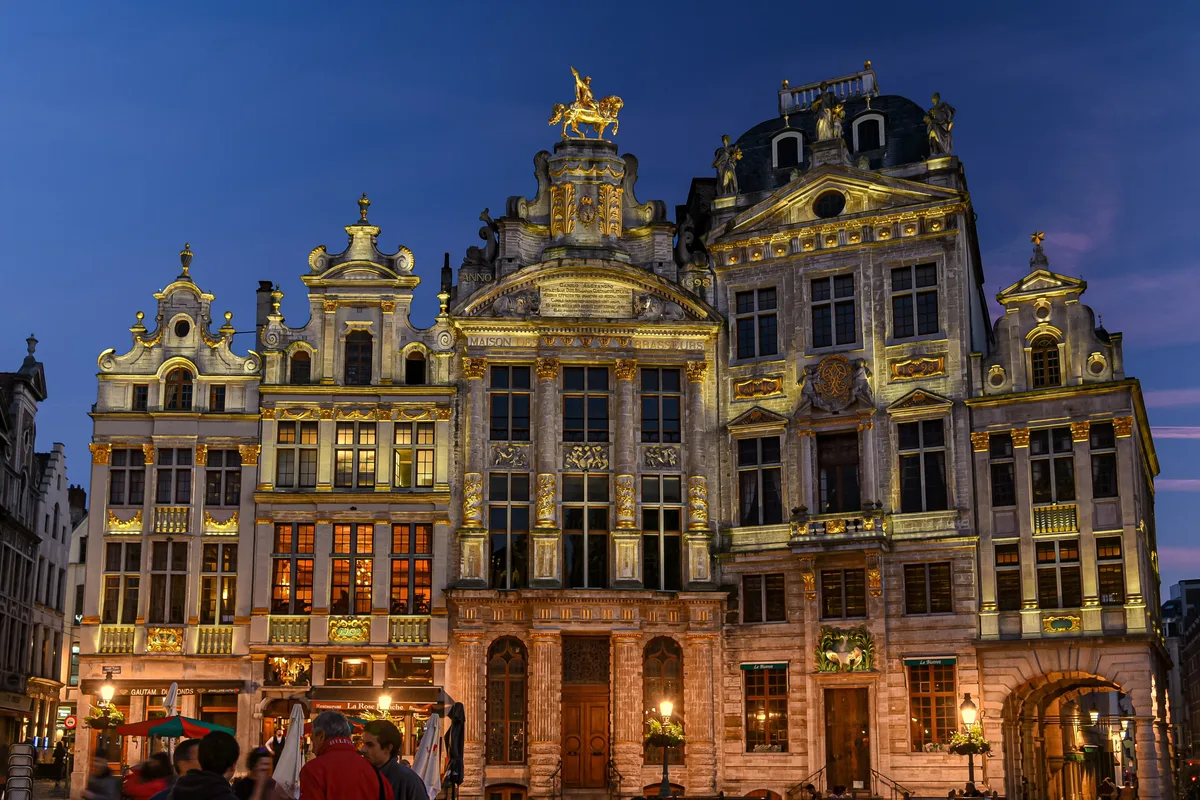
Start on the Grand-Place. The guildhalls and the Town Hall face each other across one of Europe's great squares, and walking it costs nothing — come before nine or at dusk, when the tour groups thin. In mid-August of even-numbered years the Flower Carpet covers the cobbles for a few days.
Walk two corners to the Manneken Pis. The little statue at Rue de l'Étuve is free, smaller than you expect and dressed in costume on a published calendar. His counterparts, Jeanneke Pis and the dog Zinneke, wait nearby.
Climb to the Mont des Arts for the Royal Museums of Fine Arts. The Old Masters Museum holds Bruegel, Rubens and David's Death of Marat, and the Magritte Museum sits in the same complex. Each costs €13, the combined ticket €20, under-18s go free — and both close on Mondays. When official slots thin out, check Tiqets for remaining entry.
Ride metro line 6 out to Heysel for the Atomium. The 1958 Expo landmark charges €17 for adults, and the ticket includes the Design Museum Brussels next door. It opens daily from 10 to 6, last entry 5.30 — go early and take the top-sphere panorama first.
Give comics their museum. The Comic Art Museum on Rue des Sables tells the Tintin, Smurfs and Spirou story inside a 1906 Victor Horta warehouse — adults €14, closed Mondays. Finish in the EU quarter at the Parlamentarium, the Parliament's visitor centre: free, self-guided in 24 languages and worth about 90 minutes, though it opens at 1pm on Mondays. See the flat centre with a rental booked through BikesBooking for the canal paths.
After you land in Brussels: Bookable experiences
Where to stay your first nights
Splurge
Hotel Amigo, a Rocco Forte Hotel.
Best for the Grand-Place splurge, one minute from the square
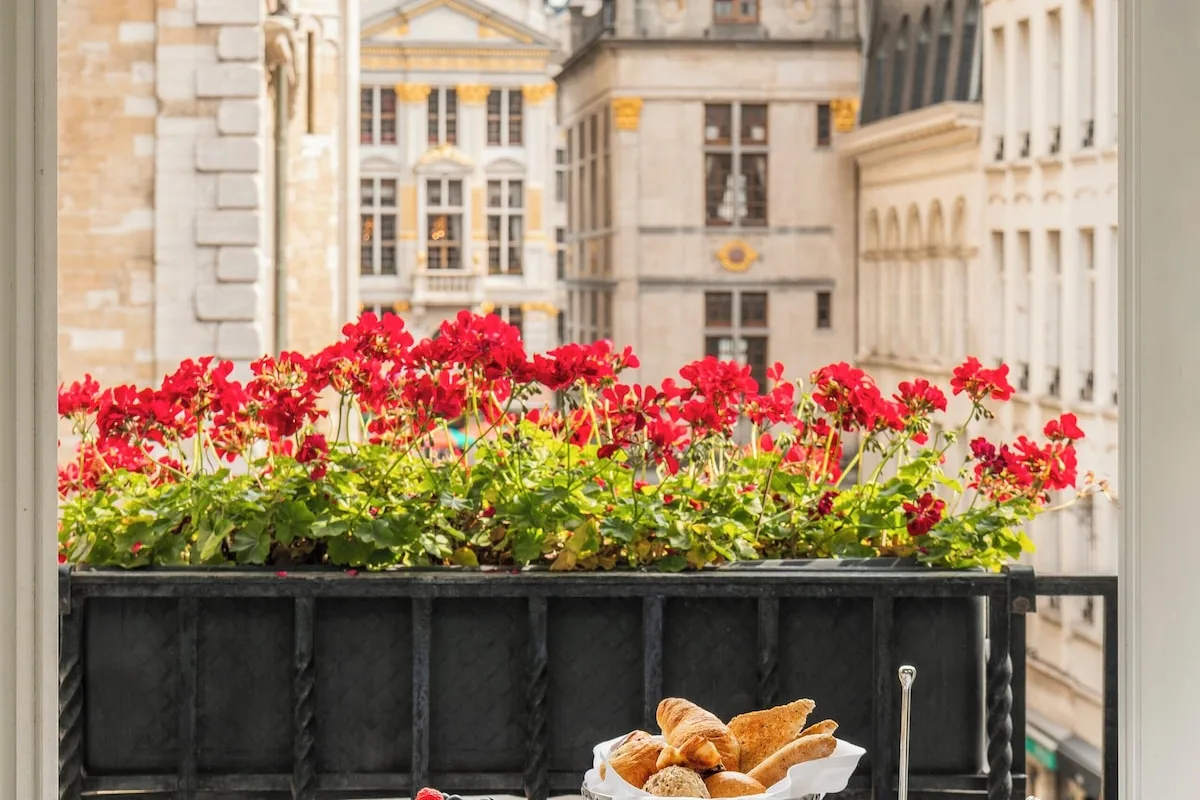
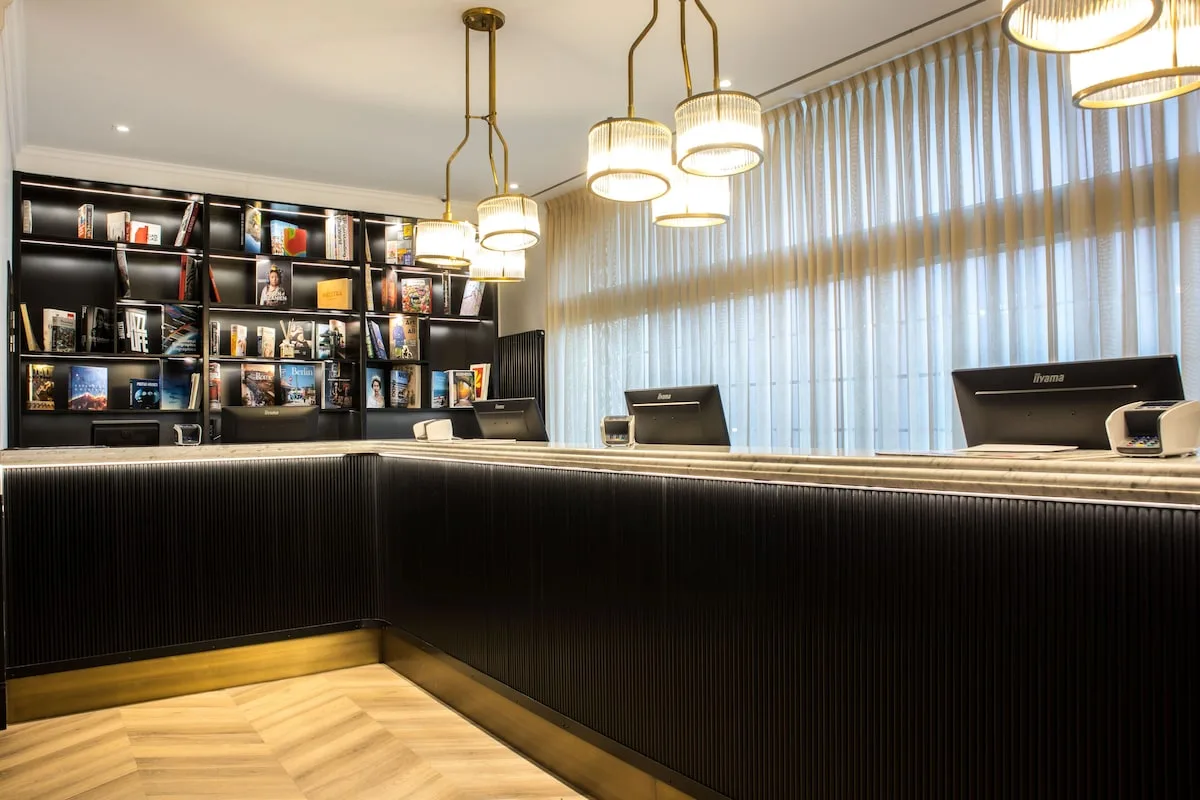
Stay at Rue de l'Amigo 1-3, one minute on foot from the Grand-Place and five from Central station. Expect 173 rooms, the Bocconi restaurant and Bar Magritte, and valet parking at €65 a day — book it for the address alone.
Best for the Sablon, facing Notre-Dame du Sablon on the square
Sleep at Rue Bodenbroek 2/4, on the Grand Sablon square facing the Notre-Dame du Sablon church, a short walk from Central station. Expect 192 rooms, a gym and the Hispania brasserie — book it for the square and its weekend antiques market.
Best for dorms and private rooms beside Brussels-North station
Bed down at Boulevard du Roi Albert II 44, beside Brussels-North station, one metro hop from the old town. Expect the chain's hostel and hotel mix — dorm beds alongside private rooms, a bar and a 24-hour reception — book it for a low-cost base with a locker.
Base around the Grand-Place and Sainte-Catherine for a first visit — the sights, Central station and the metro converge there. Choose the Sablon for antiques and quieter streets, the EU quarter for business hotels that discount at weekends, and Ixelles around Flagey for a café-led, local feel.
Book any of the three early for EU summit weeks and December market weekends. Confirm whether the quoted total includes the €5.60 per room, per night city tax.
Where to eat first
Eat close on day one — frites, a waffle and one good beer:
Maison Dandoy, off the Grand-Place.
Order the Brussels waffle at the tearoom of the house that has baked here since 1829 — crisp and rectangular, dusted with sugar rather than loaded. Expect a queue at weekends and speculoos to take away.
Maison Antoine, Place Jourdan.
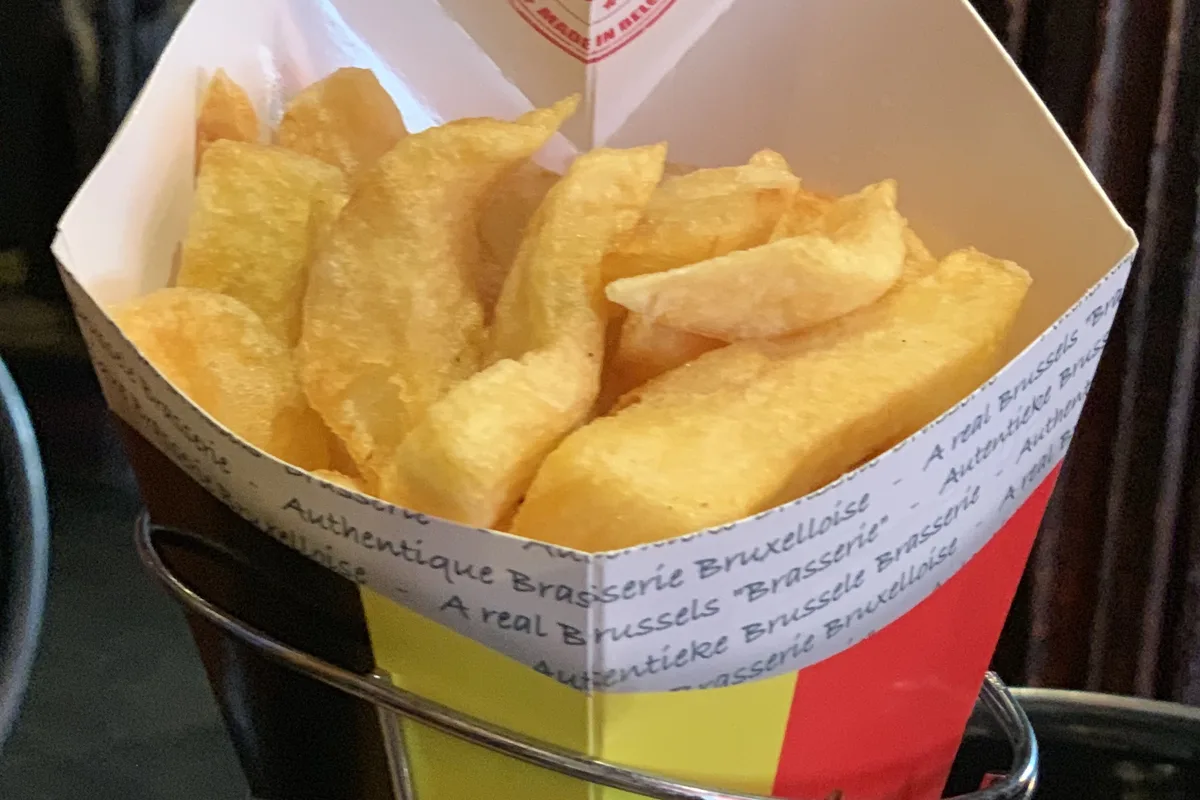
Queue at the green stand in Etterbeek that has fried since 1948 and regularly tops the city's frites rankings. Order a cornet with andalouse or samouraï sauce and eat on the square like everyone else.
Delirium Café, Impasse de la Fidélité.
Drink one Trappist beer a few steps from the Grand-Place, where the list runs into the thousands. Go early — the lane fills fast and stays full.
Save room for chocolate. The Sablon stacks Marcolini, Wittamer and their rivals within a few doors of each other. For food walks and beer tours, browse the Brussels listings on GetYourGuide and book a slot for your first free evening.
Day trips and more
Bruges and Ghent
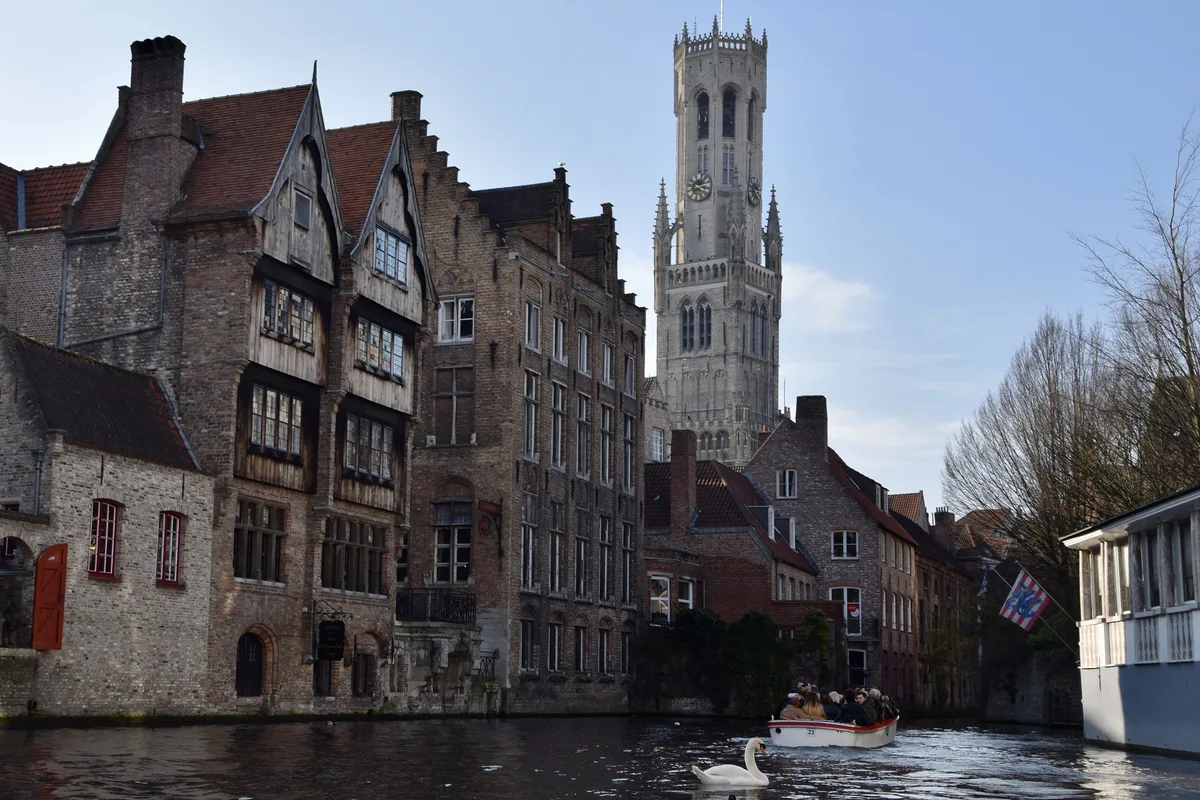
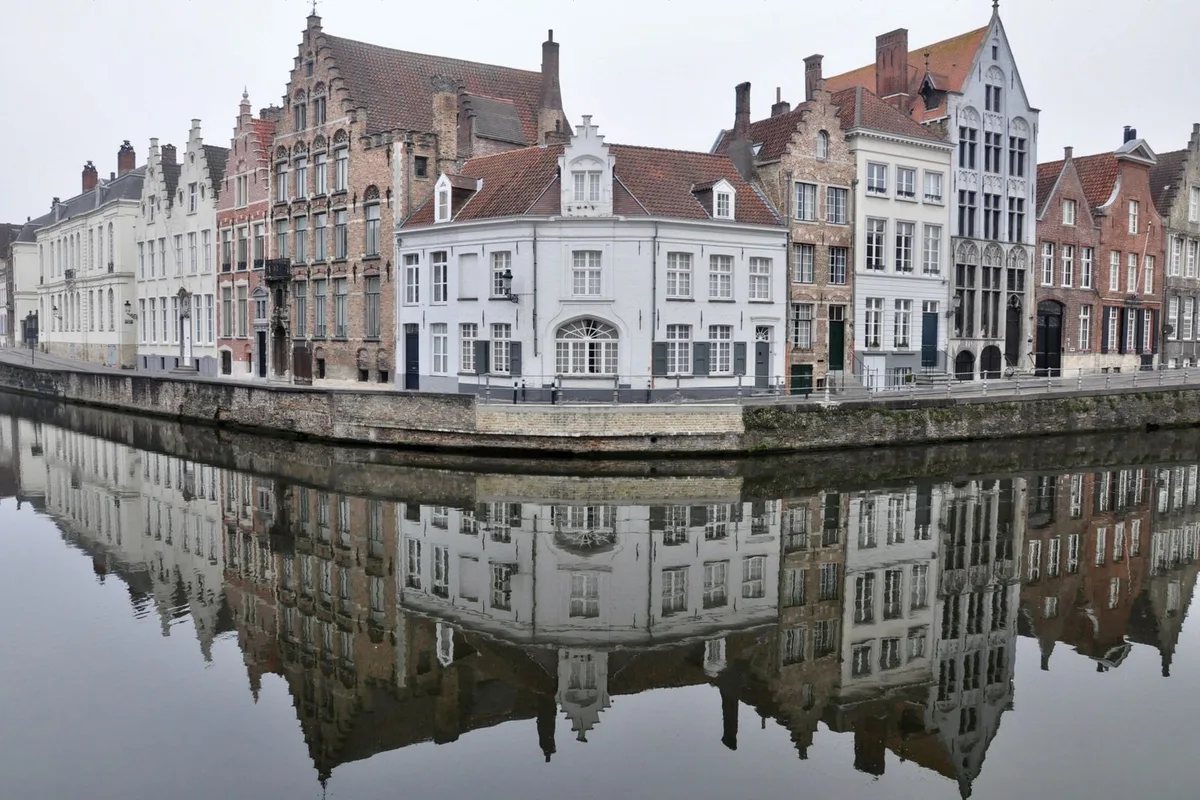
Ride the coach for a 10.5-hour day pairing Belgium's two medieval showpieces. In Bruges, walk the Minnewater and the Beguinage founded in 1245 to the Belfry over the Markt; in Ghent, stand before the Ghent Altarpiece in St Bavo's Cathedral and the Castle of the Counts. Check availability →
Dinant and Luxembourg
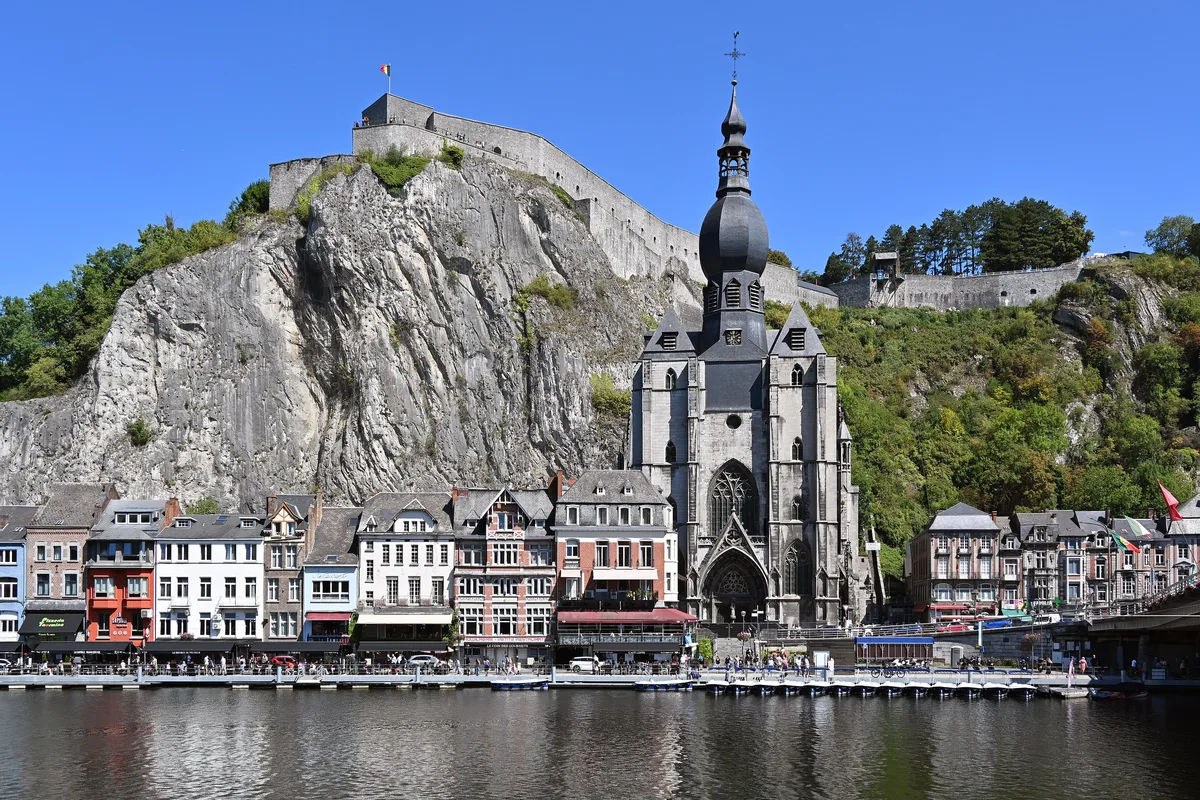
Ride south for a 12-hour day. Dinant stacks its Collegiate Church under a citadel on the Meuse and claims Adolphe Sax, inventor of the saxophone; Luxembourg City adds Notre-Dame Cathedral, the Grand Ducal Palace and the Corniche above the old town gorges. Expect about three hours of free time. Check availability →
Antwerp
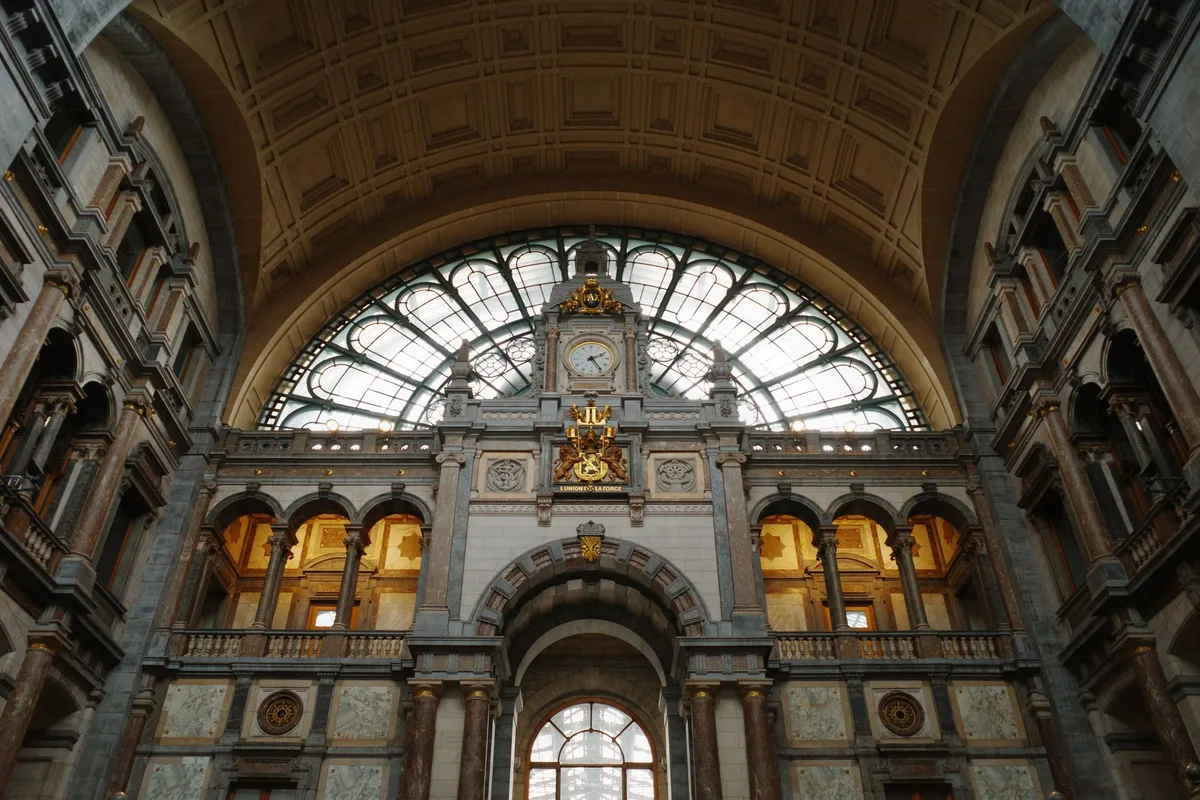
Start with Brussels itself — the cathedral, the Grand-Place and the Manneken Pis — then ride north for Het Steen castle, the Grote Markt and the Cathedral of Our Lady, where Rubens altarpieces hang in the church they were painted for. Finish at the marble Central Station, with an Atomium photo stop on the return. Check availability →
When to go and what it costs
Come in May or June: long evenings, terraces open and the city at its greenest. September keeps the warmth, thins the crowds and restarts the cultural season.
Come in July and August for the festival version — open-air concerts, the Ommegang pageant in early July and the Flower Carpet in even-numbered years — traded against holiday crowds and the EU institutions on pause.
Come in winter with your eyes open. Late November into December dresses the city for Winter Wonders, one of Europe's biggest Christmas markets, but January and February bring cold rain, short days and the year's lowest room rates.
Budget Brussels by the day, not by the headline. A dorm bed from about €30, the €8.50 contactless cap, one museum and frites-and-waffle eating keeps a careful day near €70 to €90. A mid-range hotel, the combined museum ticket and a Sablon dinner pushes a day towards €220 to €280 per person sharing.
Count the fixed costs: the airport train €11.20 to €11.80, a STIB journey €2.40 capped at €8.50 a day, the Atomium €17, the Royal Museums €13 each or €20 combined, the Comic Art Museum €14, the Parlamentarium free, and city tax €5.60 per room per night on top.
Stack passes only when the maths works. The Brussels Card bundles free entry to more than 40 museums, with optional transport and Atomium add-ons — price it on Klook against single tickets first.
What to pack
Tap items to check them off — your list is saved on this device.
Pack for cobbles and changeable skies — Brussels weather turns inside the hour, and the old town is paved for horses, not heels. This is the full list:
Add a compact umbrella to the daypack: the jacket covers the showers and the umbrella covers the rest. Layers beat one heavy coat from October to April.
Language, visa and entry
✓ Visa-free entry for eligible passport holders
Brussels is officially bilingual and practically trilingual. French runs the counter in most shops and cafés, Dutch is co-official and appears on signage in either order, and English fills every gap — in the EU quarter it is often the first language you hear. Flanders starts at the city edge: Bruges and Ghent land you in Dutch-speaking Belgium, where goedemorgen and dank u wel do the work.
Four French phrases do most of the work:
Bonjour, je voudrais un café, s'il vous plaîthello, I would like a coffee, pleaseL'addition, s'il vous plaîtthe bill, pleaseOù sont les toilettes ?where are the toilets?Merci beaucoup, au revoirthank you very much, goodbye
Sort your entry paperwork before you book anything non-refundable. Belgium sits in the Schengen area: visa-free visitors — US, UK, Canadian and Australian passports among them — get 90 days in any 180 across the whole zone, shared with every other Schengen country on the trip.
Expect the EU Entry/Exit System at the border. Fully operational since 10 April 2026, it replaces the passport stamp with a digital record: on a first crossing, fingerprints and a facial photograph are taken, which adds minutes at busy times. There is nothing to apply for and nothing to pay.
Do not buy an ETIAS. The authorisation is not in operation, no launch date has been set, and it will cost €20 when it starts — any website selling one today is running a scam. Travellers who need a Schengen visa apply through a Belgian consulate well ahead, and every visitor should carry a passport issued within the last ten years and valid at least three months beyond departure.
Safety and health
Watch your bag around the Grand-Place and keep the phone in hand, not in a back pocket
Pickpocketing in the square's crowds, on packed metro cars and around street performers is Brussels' visitor crime, and it is opportunistic. Wear a cross-body bag in front and be wary of distraction routines.
Dial 112 for any emergency and head for a hospital without hesitation
The 112 number reaches police, fire and ambulance from any phone, and Saint-Pierre hospital sits a short walk from the centre. European visitors should carry an EHIC or GHIC card; everyone else should arrive insured and call the insurer's line next.
Drink the tap water and refill as you go
Fill your bottle from any tap — Brussels water is safe, tested and good, which matters on long museum days. Restaurants serve it free when you ask for tap water.
Give the big stations a wide berth late at night and mind the cobbles in the rain
The streets around Brussels-Midi and Brussels-North feel rougher after dark — use Central station or a taxi for late returns. Wet cobblestones are genuinely slippery, and EU-quarter demonstration days close streets around Schuman.
The things travellers ask in the first 48 hours: the two airports with near-identical names, the per-room city tax and which museums close on Mondays.
Fares checked against SNCB, STIB-MIVB and Brussels Airport October 2026 guidance; admission prices against venue pages.
Ride the SNCB train from the station under the terminal: about 18 minutes to Brussels-Central for €11.20 to €11.80, airport supplement included. STIB bus 12 reaches the EU quarter for €7.90; taxis run about €45 to €50.
Not quite: Brussels South Charleroi (CRL) sits about 60 km south and serves the low-cost carriers. The Flibco coach runs direct to Brussels-Midi in about 55 minutes, from €13.90 booked ahead online.
A city tax of €5.60 per room, per night, charged per room rather than per guest. A central five-star itemises it on its fee list; smaller hotels add it at checkout — check the all-in total before you book.
No. ETIAS is not in operation and has no launch date; it will cost €20 when it starts, and sites selling one today are scams. The EES border system is live, so expect fingerprints and a photo at your first entry.
Usually the cap does the work: tap a bank card and STIB charges €2.40 a journey, capped at €8.50 a day. Riding for several days, a 10-journey Brupass costs €18.90. The centre itself is walkable.
May and June and September bring mild days and long evenings. December adds the Winter Wonders market, mid-August in even-numbered years the Flower Carpet on the Grand-Place, and January the quietest museums at the lowest rates.
Fares change — SNCB, STIB and the venue pages always win.
Brussels, Saved for After You Land
Landing soon? Get the printable PDF — the essentials from this guide, formatted for your phone:
The airport transport cheat sheet, with ticket links
Our 3 restaurant picks, with maps
The packing checklist
One email with your Brussels PDF (guide version: Oct 2026). Fare changes and new guides after that. No spam, unsubscribe anytime.
Sources and last verified
Airport train times and the €6.90 Brussels Airport Supplement checked against SNCB/NMBS and Brussels Airport pages; the €11.20 to €11.80 total against October 2026 fare listings. STIB fares — contactless €2.40, daily cap €8.50, Brupass €2.70 and €18.90, airport bus €7.90 — checked against STIB-MIVB and Visit Brussels. Flibco time of about 55 minutes and fares from €13.90 booked ahead against the operator's listings. Atomium €17 including the Design Museum from atomium.be; Royal Museums €13 per museum and €20 combined from fine-arts-museum.be; Comic Art Museum €14 and Monday closure from comicscenter.net; Parlamentarium free entry and hours from the European Parliament visitor pages. City tax of €5.60 per room per night as itemised on a Grand-Place hotel's Expedia fee list. EES fully operational since 10 April 2026 and ETIAS not in operation, checked against EU reporting of October 2026. Last verified October 2026.
Affiliate disclosure: hotel names, transfers, experiences, and products linked in this guide may earn After You Land a commission at no extra cost to you. Prices and times were checked in Oct 2026 and change often — confirm before you book.